A rental car reaches the parts of Hokkaido the trains do not. Here's what to know before you pick up the keys, covering international permits, winter driving, fuel in remote areas, and the deer problem.
Hokkaido is the one part of Japan where we regularly tell clients to skip the trains and hire a car. The island is huge, the scenery sits between the towns rather than in them, and rural rail and bus coverage is thin. A car turns Furano, Biei, the Shiretoko Peninsula and the lakes of the east from awkward connections into an easy road trip. It does come with a few things worth knowing in advance, so here they are.
The paperwork: get your permit before you fly
Japan does not accept an overseas licence on its own. Most visitors, including Australians, Brits, Americans and Canadians, need an International Driving Permit issued under the 1949 Geneva Convention, and it must be arranged in your home country before you travel. In Australia that means your state motoring body, and it usually takes minutes to organise. Rental desks will refuse the car without it, no matter how far you have flown.
A small group of countries, including France, Germany, Switzerland, Belgium and Taiwan, are outside that convention. Drivers from those places instead need an official Japanese translation of their licence, most commonly issued by the Japan Automobile Federation. Check which category you fall into well before departure, because neither document can be issued once you are in Japan if your home country is the issuing authority.
One more basic. Japan drives on the left. For Australians that is business as usual. For continental Europeans and North Americans it deserves a slow first hour in the airport car park.
Winter is a different sport
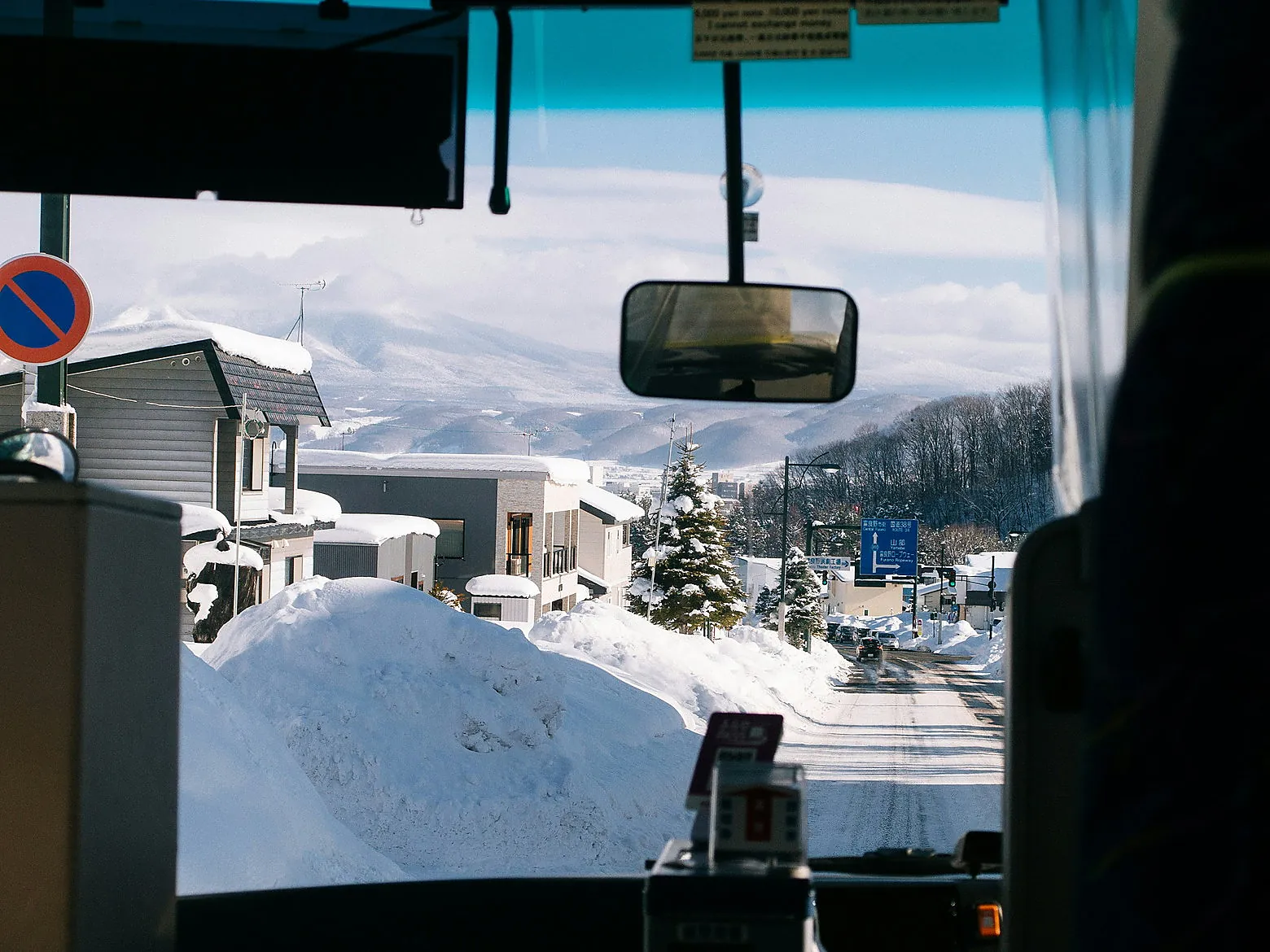
From roughly November to April, Hokkaido roads carry snow, slush and ice as a matter of routine. Rental cars come fitted with studless winter tyres as standard in season, ploughing is constant and locals drive through it all winter, so it is absolutely doable. But if you have never driven on packed snow, treat yourself as a beginner. Leave double the following distance, brake early and gently, and assume shaded corners and bridges are icy even when the rest of the road looks clear.
Weather can also close the road entirely. Ground blizzards and whiteouts happen on exposed stretches, particularly in the east, and expressway closures are normal after big dumps. Build slack into winter itineraries and never plan a tight same day connection between a long drive and a flight out of New Chitose.
Fuel, distances and phone navigation
Distances in Hokkaido are longer than they look on a Japan map. Sapporo to Shiretoko is a genuine day of driving, not an afternoon hop. Plan around two or three hours of driving on moving days and you will enjoy it. Plan six and you will see the island through a windscreen.
Petrol stations cluster around towns and thin out badly across the east and the mountain passes, and many close in the evening. The rule is simple. Refuel when you see a station and you are below half a tank. Many stations are full service, where the attendant fills the car for you. Saying "mantan" (fill it up) and handing over your card is the entire transaction.
Google Maps works well for navigation, and the built in sat nav in rentals accepts phone numbers and mapcodes for destinations. Grab an eSIM or pocket wifi so you are not dependent on the in car unit, and note that expressway tolls can be paid by card, cash or a rented ETC card from the hire company. If you are doing serious expressway distance, ask about the Hokkaido Expressway Pass, a flat rate toll deal available to foreign visitors.
The deer problem is real
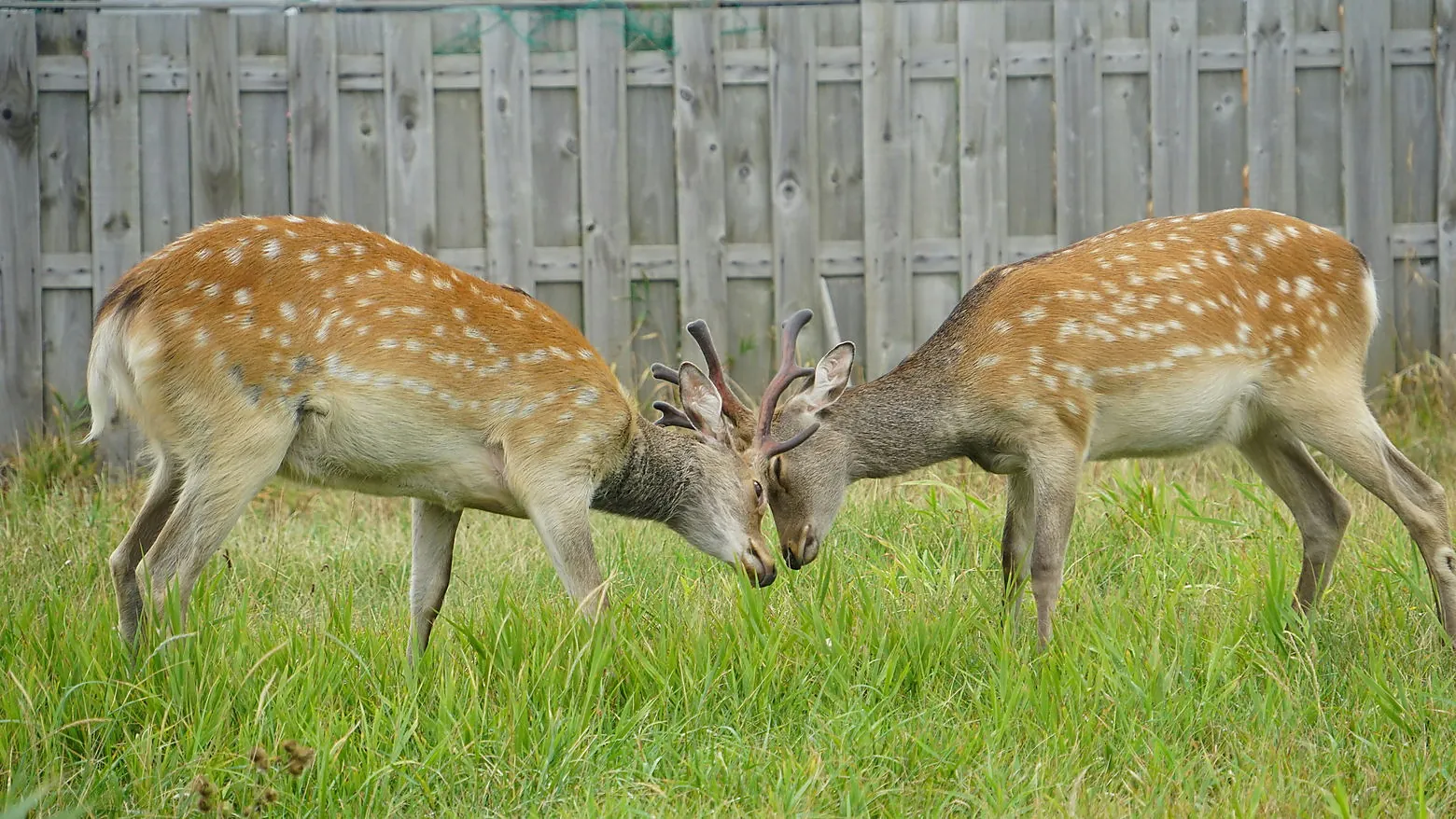
Ezo sika deer are everywhere in Hokkaido and they cause thousands of collisions a year. They move at dawn and dusk, they travel in groups, and they will stand in the middle of a highway looking directly at you. Where one crosses, expect more. The practical advice is unglamorous. Slow down in the hour around sunrise and sunset, take the wildlife warning signs literally, and avoid long rural drives after dark entirely if you can. Foxes and, in the east, the occasional crane on the road deserve the same caution.
So should you drive?
If your trip is Sapporo, Otaru and a ski resort transfer, you do not need a car. The moment your plans include Furano and Biei's farm roads, the Shiretoko Peninsula, the Akan lakes or a proper loop of the island, a car is the difference between a good trip and the trip people talk about for years. Sort the permit early, respect the season, watch for deer and give yourself generous daily distances.
If you would like the driving version of Hokkaido built into a full itinerary, with realistic drive times and the right overnight stops, that is exactly the kind of trip we plan every week.