This page has been translated from Japanese. If anything is unclear, please get in touch.
Prefecture Guide  ·  Hokkaido Region
北海道

Hokkaido

Japan's northernmost island, where the scale, wildness, and geographic character set it apart from every other part of the country.

The prefecture

A different kind of Japan
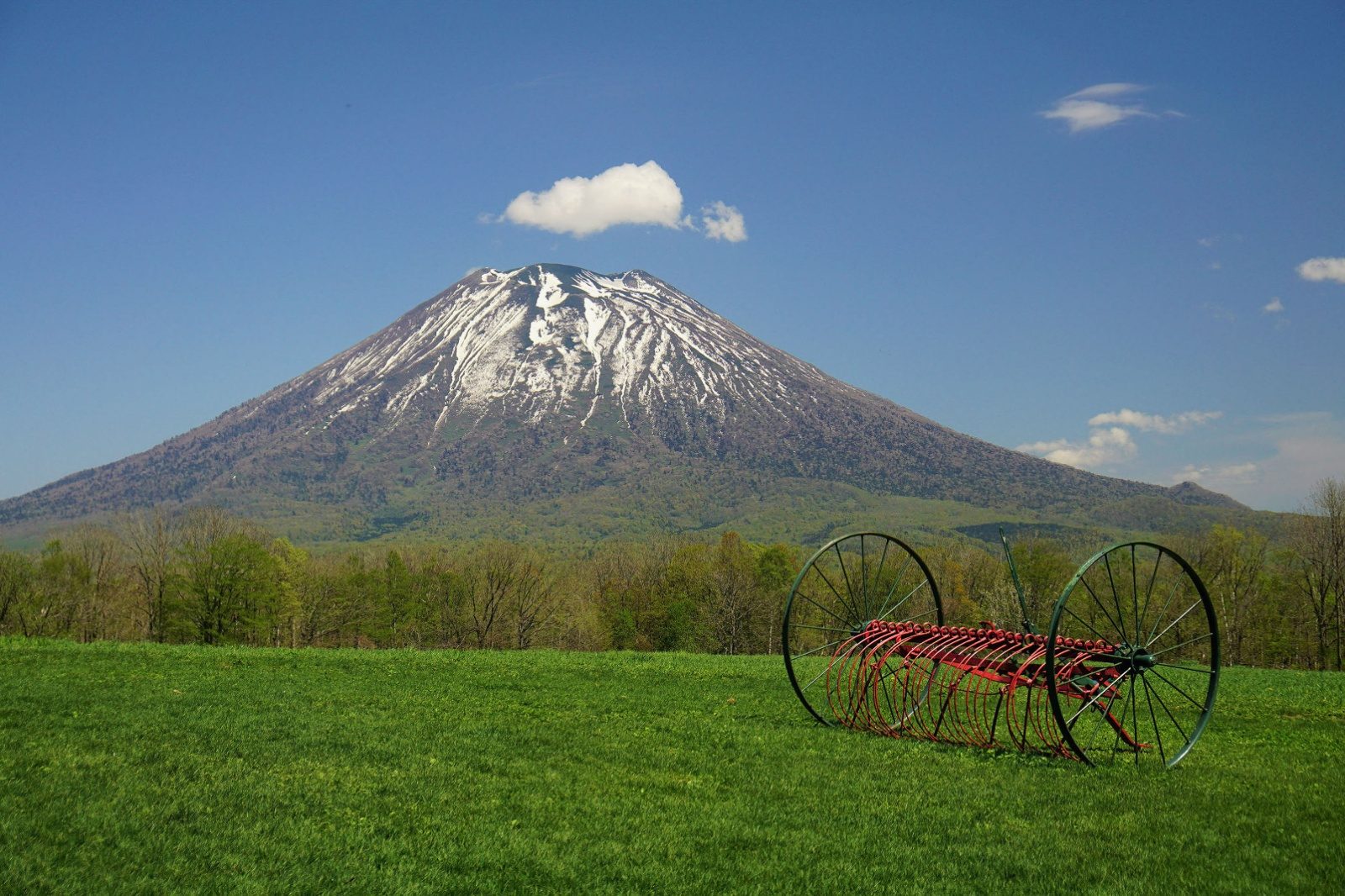
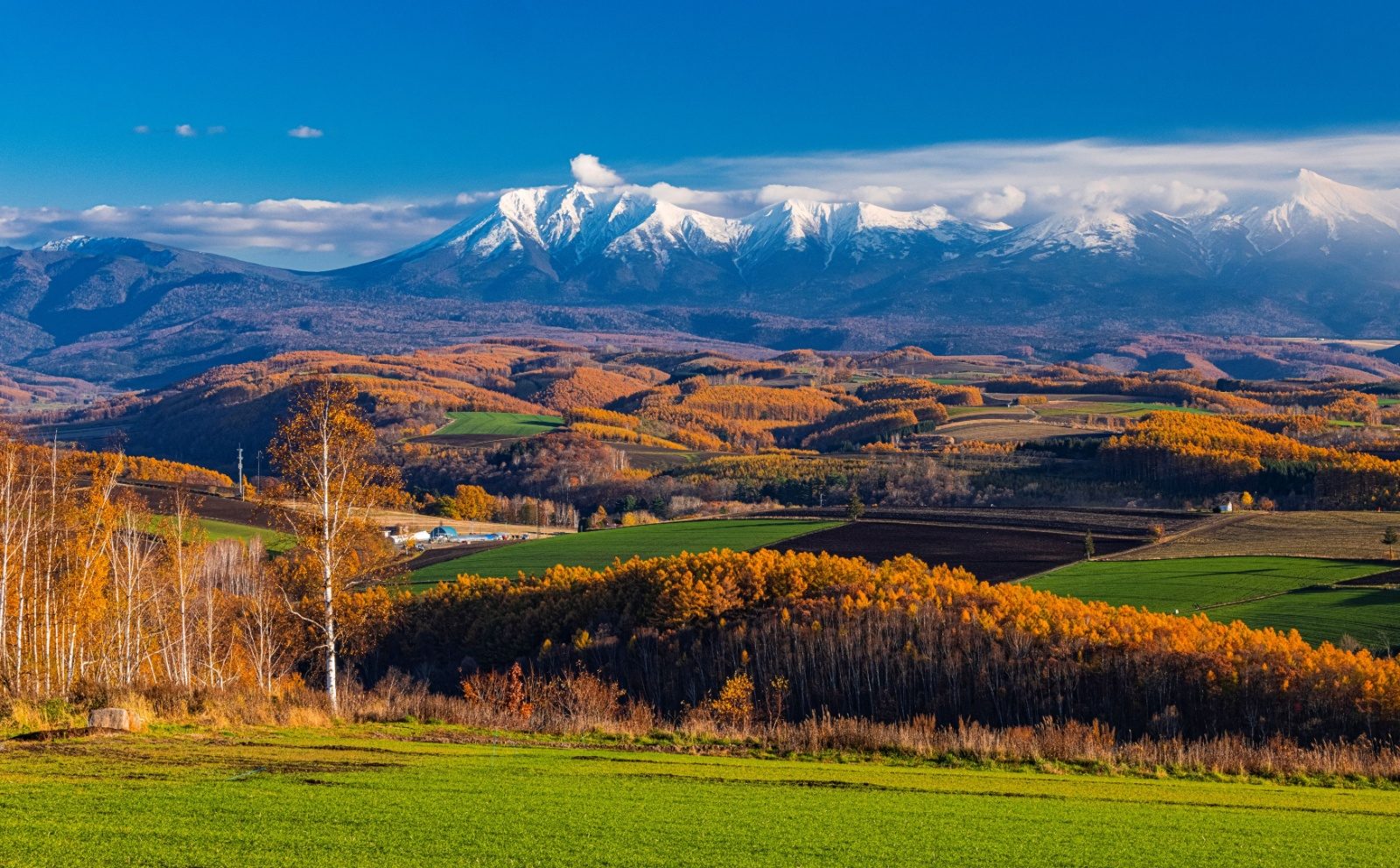
Mount Yotei above the farmland of Kutchan
Patchwork farm hills at Shujitsu no Oka with the Tokachi range behind
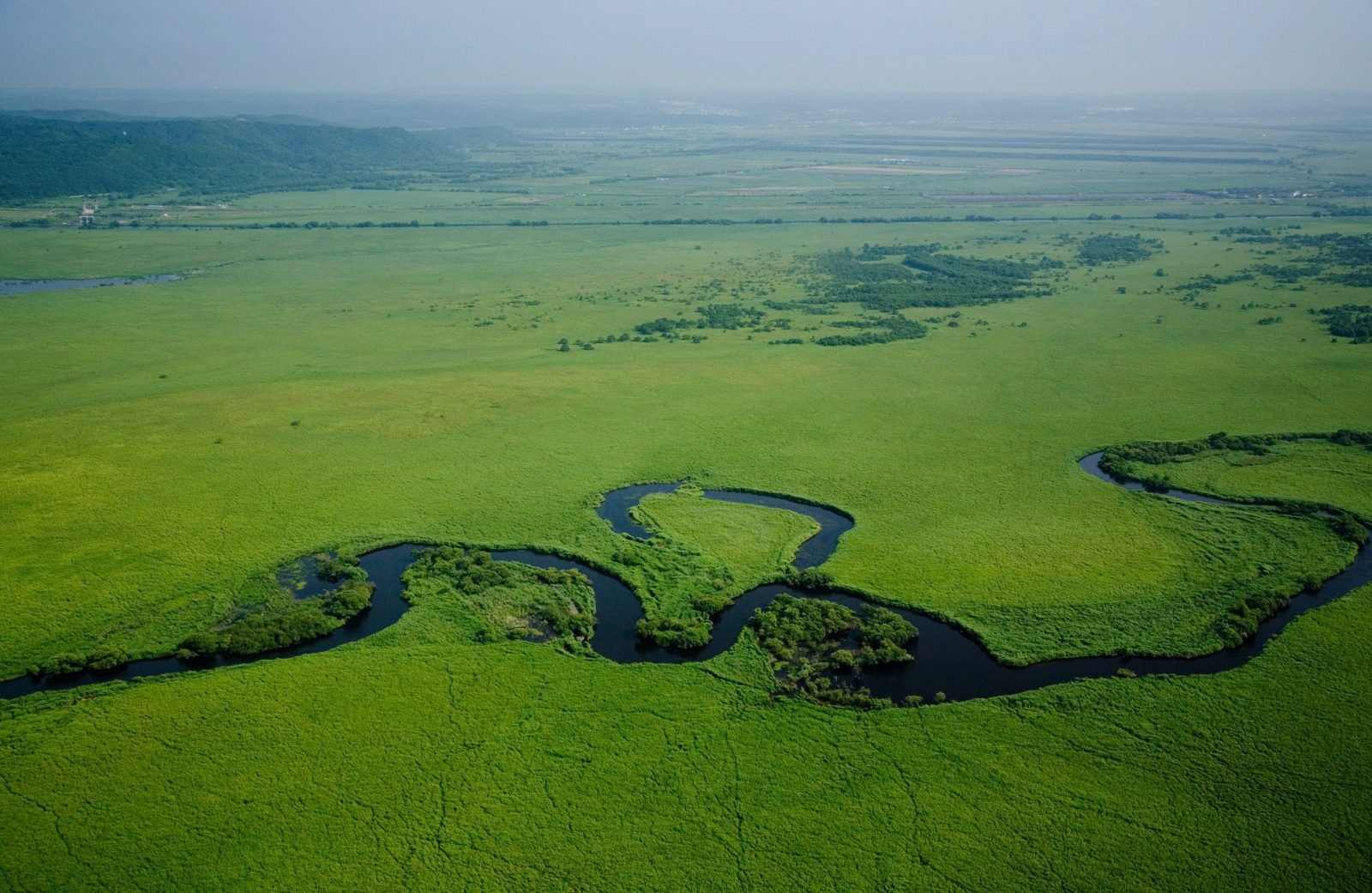
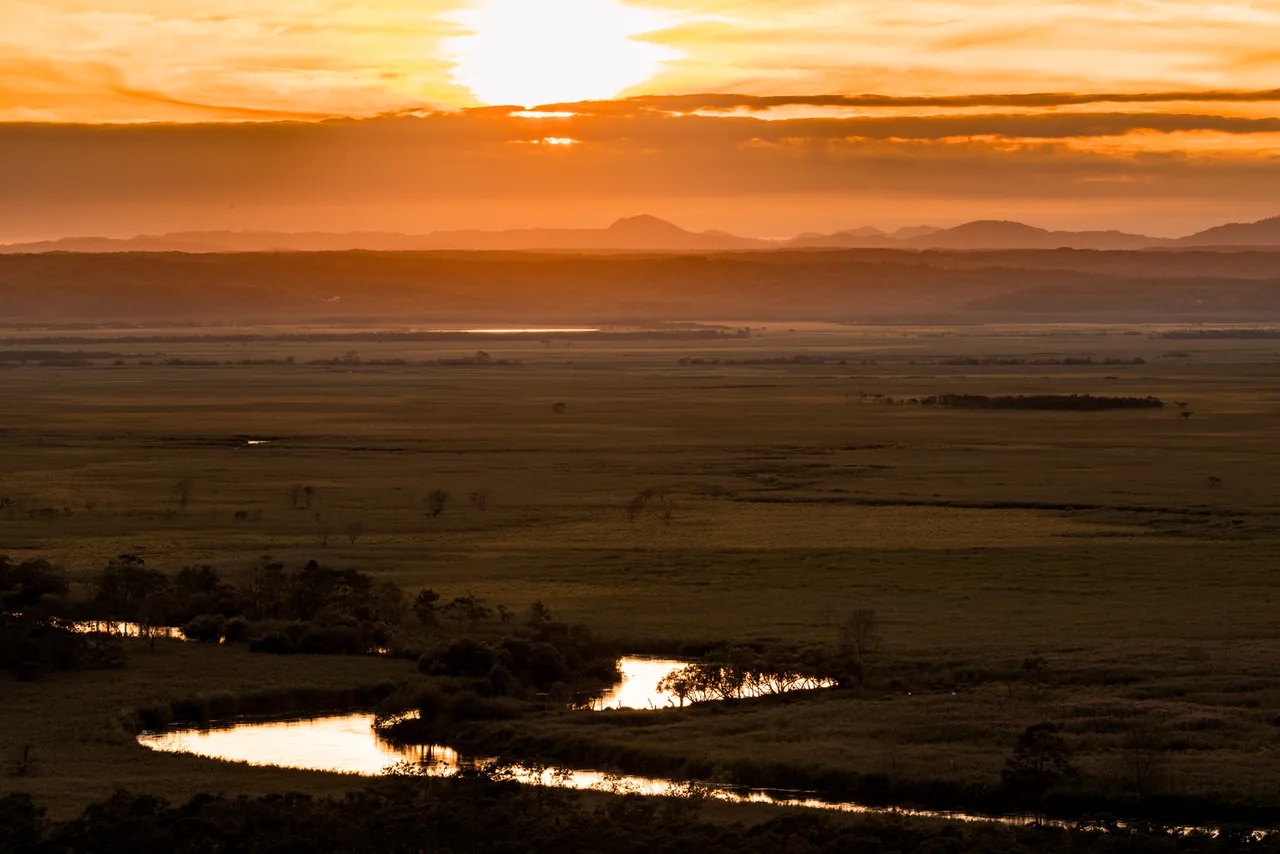
The Kushiro River winding through Kushiro Wetland

Hokkaido is Japan's northernmost and second largest island, a place whose scale, wildness, and geographic character set it apart from every other part of the country in a way that makes it feel less like another Japanese prefecture and more like an entirely different country sharing the same cultural framework.

The landscape is defined by volcanic mountains, vast agricultural plains, pristine wetlands, and a coastline that faces the Sea of Okhotsk to the east and the Sea of Japan to the west. The seasons here are more extreme than anywhere else in Japan. The winters are Arctic in character, the summers are mild and luminously green, and the spring and autumn transitions are compressed and vivid.

The four seasons

Explore Hokkaido by season

Hokkaido changes dramatically throughout the year. Choose a season to see what the island looks like, what to do, and when to go.
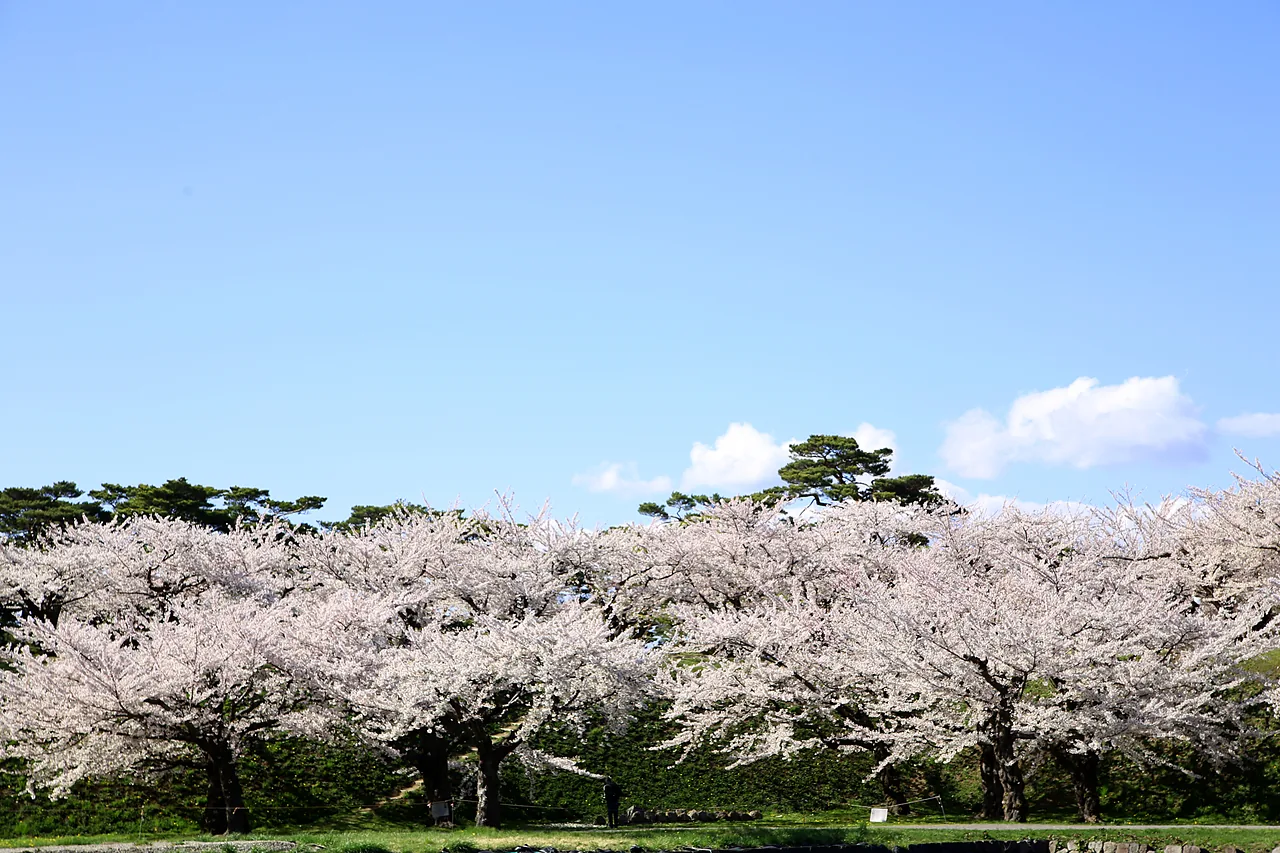
Cherry blossom in full bloom at Hakodate Park
春 Spring · Late April to May

Late cherry blossoms, wildflowers, melting snow, and the final stretch of ski season.

Spring in Hokkaido
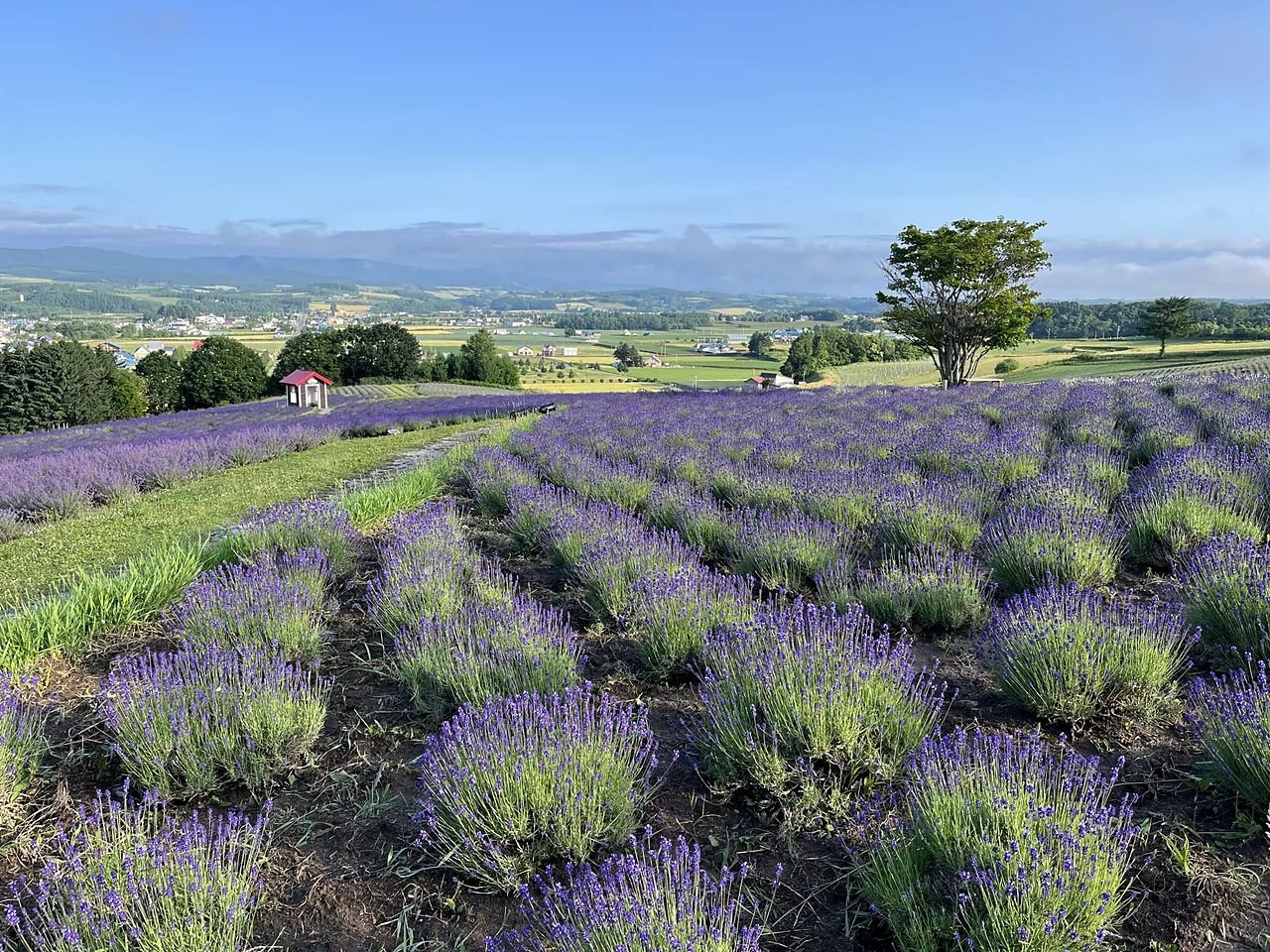
Lavender at Hinode Park
夏 Summer · July to August

Mild temperatures, lavender fields, open countryside, and one of Japan's easiest summer climates.

Summer in Hokkaido
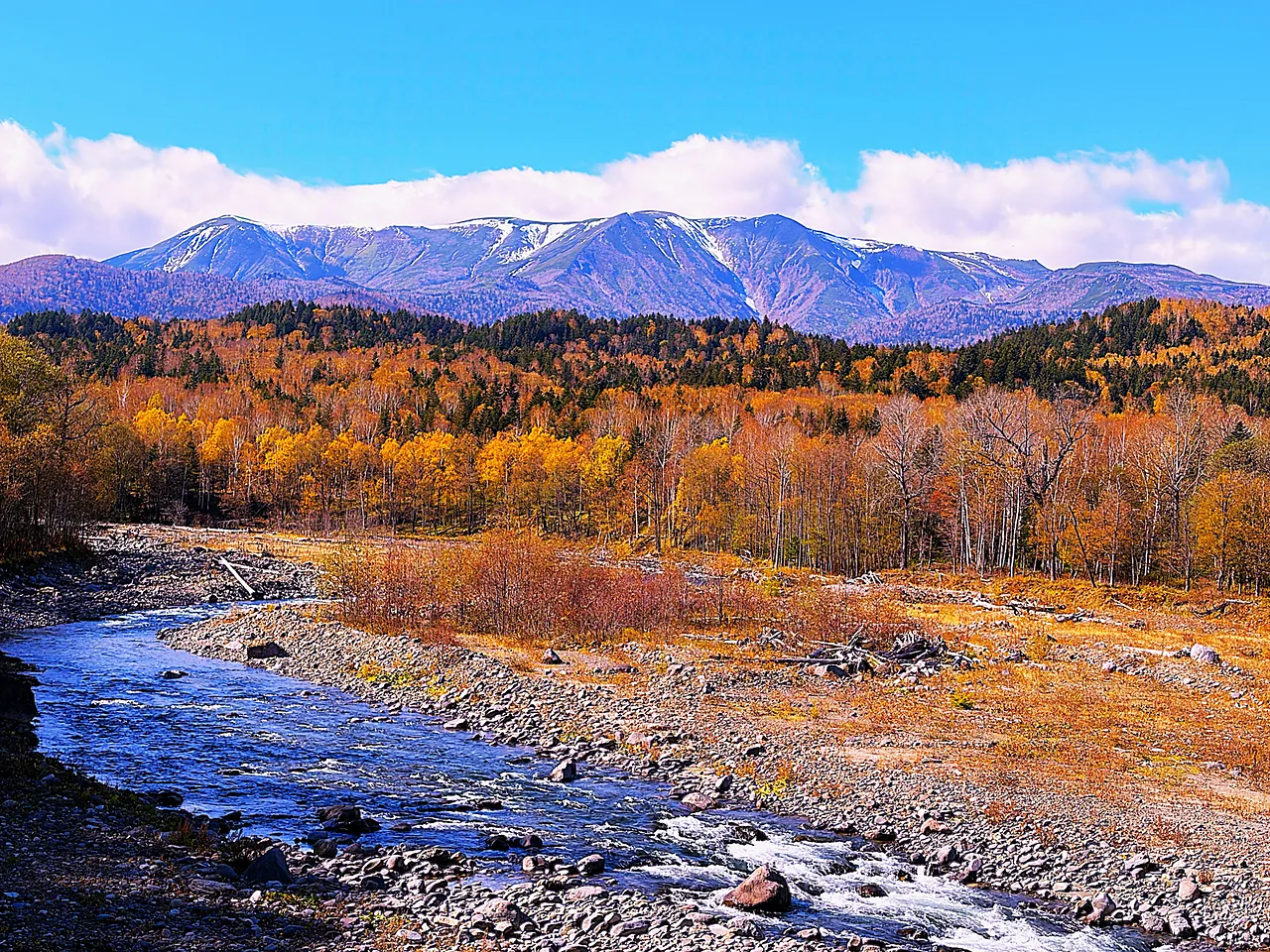
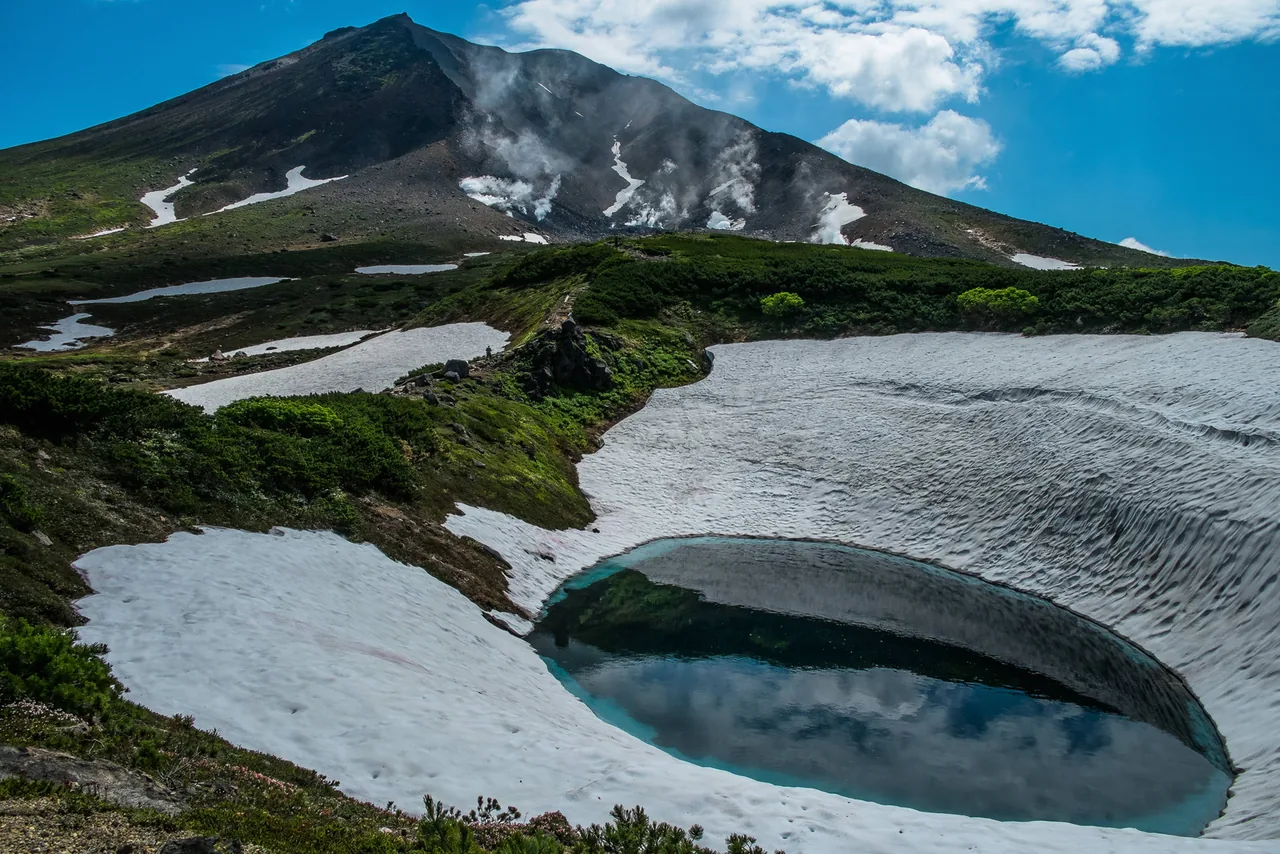
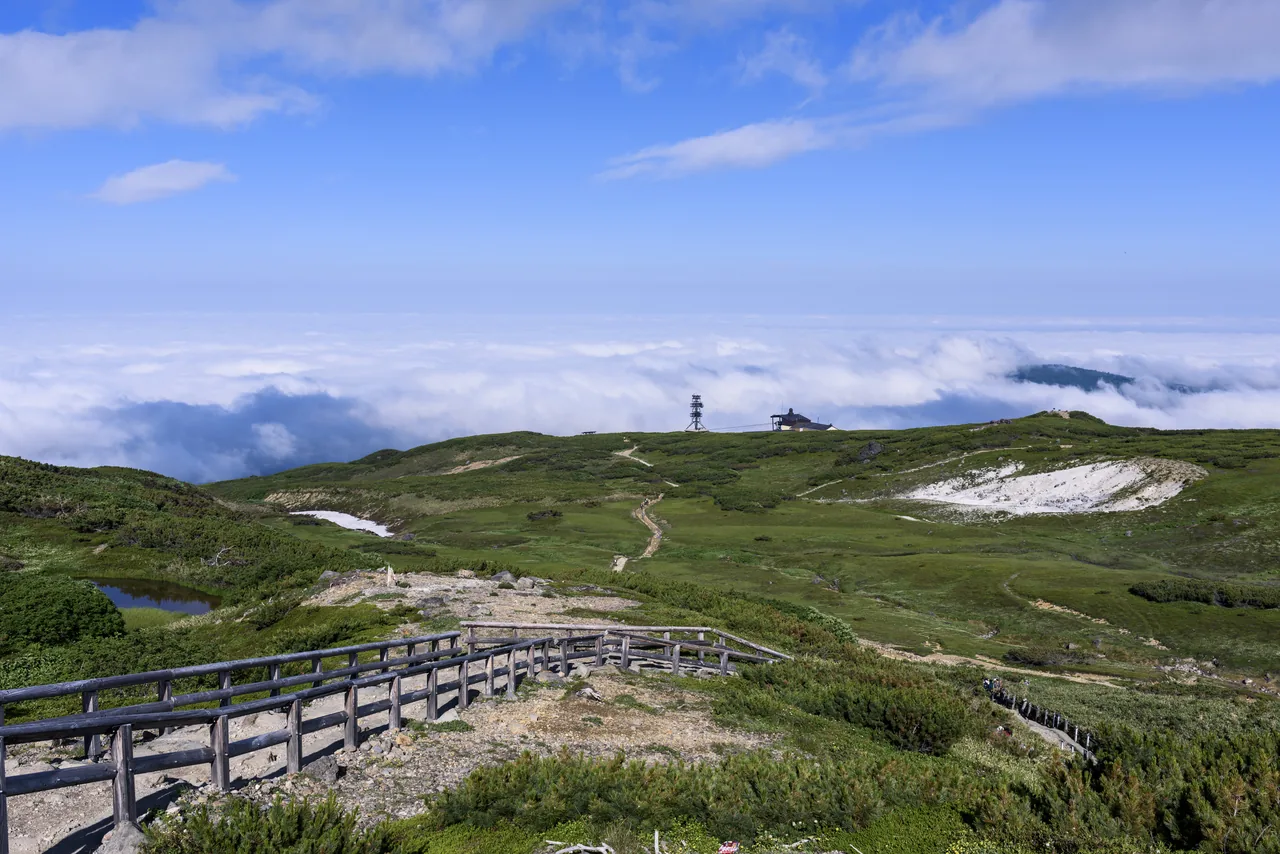
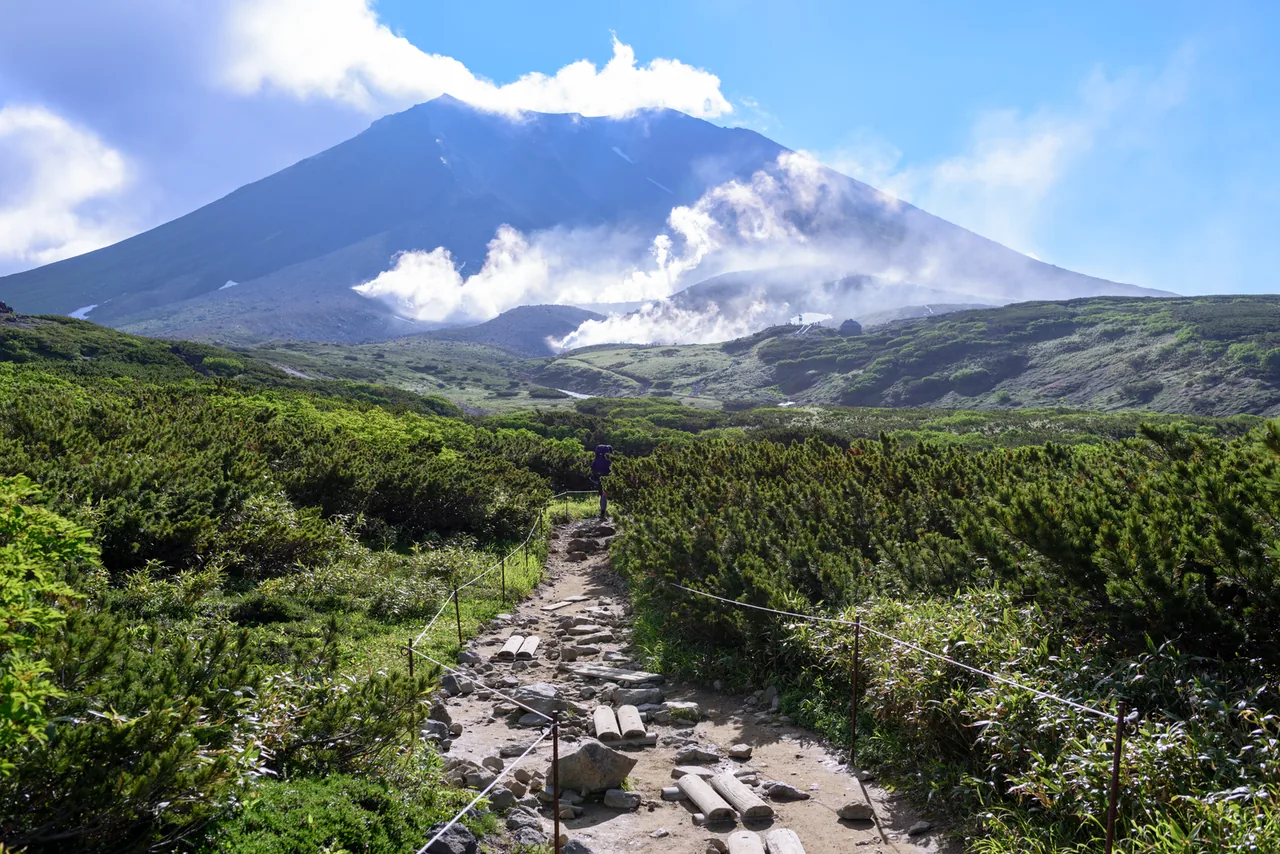
Autumn colour below the Daisetsuzan peaks
秋 Autumn · Mid September to October

Japan's earliest autumn foliage, crisp air, mountain colour, and dramatic seasonal landscapes.

Autumn in Hokkaido
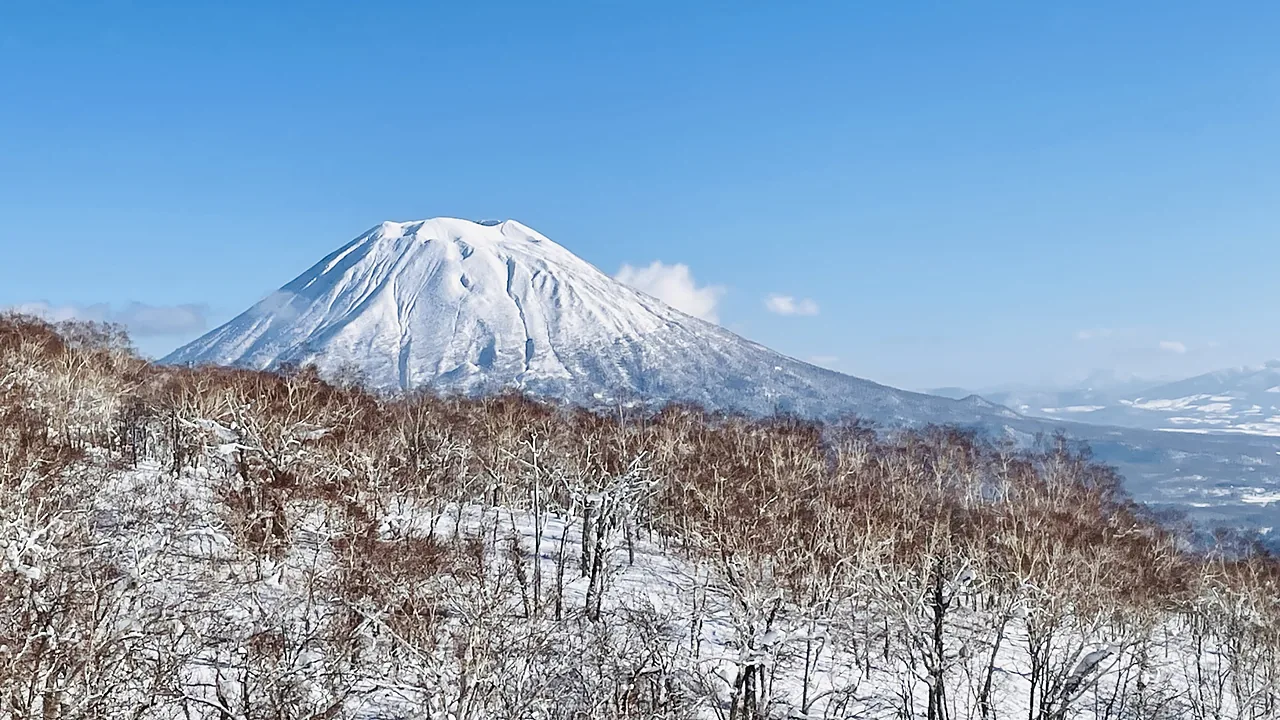
Mt Yotei under snow from Niseko
冬 Winter · December to March

Powder snow, ski resorts, frozen coastlines, snow festivals, and Hokkaido's best known scenery.

Winter in Hokkaido
Experiences

Highlights in Hokkaido
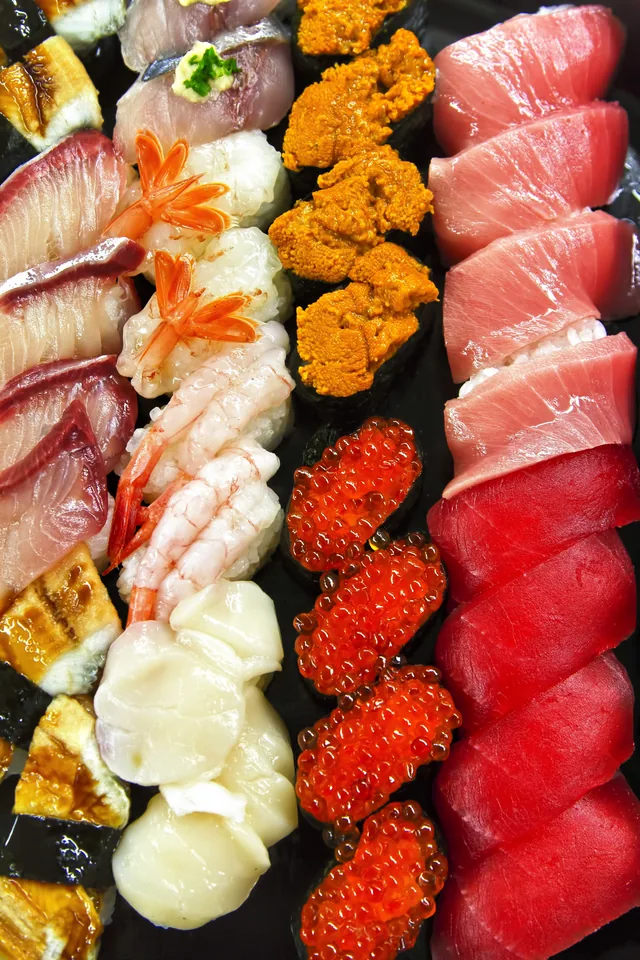
Explore quintessential Hokkaido through landscapes, coastlines, wildlife, seasonal highlights, and places that feel unlike anywhere else in Japan.

Transport

Getting to Hokkaido

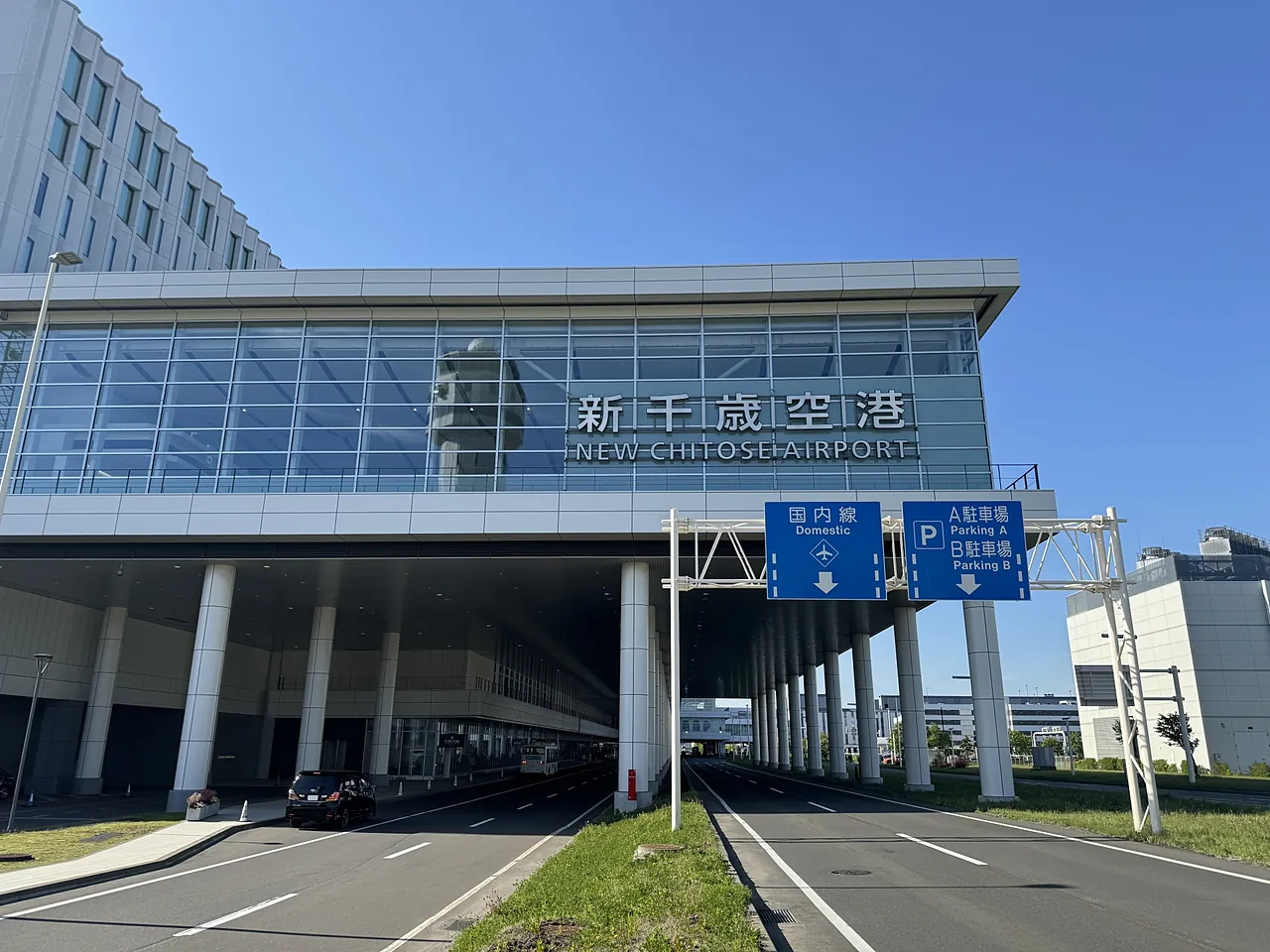
Most visitors arrive through New Chitose Airport near Sapporo, the island's main gateway and the one with the most connections. From outside Japan, New Chitose has direct flights from several Asian cities including Seoul, Taipei, Hong Kong, Shanghai and Singapore. From Australia, Europe or North America you'll almost always connect through Tokyo, then take a short domestic hop of around 1h 45m to New Chitose from Narita or Haneda.

New Chitose Airport
Most travellers arrive at New Chitose Airport, a short train from central Sapporo.

Six airports serve the island. New Chitose (CTS) near Sapporo is the gateway and your default, with a 37 minute train into the city. For the south, fly into Hakodate (HKD). Asahikawa (AKJ) is closest for Furano, Biei and Daisetsuzan. Memanbetsu (MMB) serves Shiretoko and Abashiri, Kushiro (KUH) the eastern wetlands and Akan, and Obihiro (OBO) the Tokachi plain. If your trip runs straight to the east, flying into Memanbetsu or Kushiro direct from Tokyo lets you skip Sapporo and save several hours.

Tokyo to Hokkaido

By air

New Chitose is about 1h 50m away, with flights all day from both Haneda and Narita. ANA and JAL run the most, alongside the budget carriers Peach, Jetstar, Air Do, Skymark and Spring Japan, so booked ahead fares can fall under ¥10,000 and sometimes as low as ¥5,000. Haneda is the better airport if you are not heading to Sapporo, it flies direct to Hakodate, Asahikawa, Obihiro, Kushiro, Memanbetsu and several smaller Hokkaido airports, so you can often land closer to where you are going.

By rail

The Hokkaido Shinkansen reaches Shin-Hakodate-Hokuto in about four hours from ¥23,000, then a short limited express into Hakodate. It goes no further for now. The extension to Sapporo is held up by difficult tunnelling and is not expected until around 2038, so the train only makes sense if you are starting in Hakodate or you hold a nationwide JR Pass. That pass also rose sharply in price in late 2023, so it pays off less readily than it used to.

By ferry

The Sunflower ferry sails from Oarai, a couple of hours north of Tokyo, to Tomakomai, with two departures a day, an overnight crossing and a daytime one, each about eighteen hours. The ships have private cabins, public baths and restaurants, and they take pets, with dog runs on board, so it is as much a slow journey as a transfer. It is the obvious choice if you are bringing your own car up from Honshu. You cannot take a rental car across, you would return it and hire another in Hokkaido.

Osaka and Kyoto to Hokkaido

By air

Kansai (KIX) and Itami (ITM) both reach New Chitose in about two hours from around ¥7,000. KIX is the budget hub, with Peach, Jetstar and Spring Japan alongside ANA and JAL, while Itami is the older, closer airport for Kyoto and central Osaka but mostly ANA and JAL. Weigh the airport transfer into any fare you compare, a cheap KIX ticket can be undone by the longer trip out to it. A few seasonal flights also run direct to Hakodate.

By rail

Possible but slow, and indirect. There is no shinkansen straight north from Osaka, so you ride to Tokyo first, then join the Hokkaido Shinkansen to Hakodate, around eight hours all told and longer to anywhere beyond it. Worth it only if a nationwide JR Pass is already part of your plan.

By ferry

No ferry leaves Osaka itself, but Shin Nihonkai Ferry sails from two Sea of Japan ports within reach. It runs from Maizuru in Kyoto Prefecture to Otaru, and from Tsuruga in Fukui to Tomakomai, both overnight crossings of around twenty hours. The ports sit an hour or two north of Kyoto by train. A relaxed option if you love sea travel, and the practical one if you are bringing a car.

Nagoya to Hokkaido

By air

ANA and JAL fly Chubu Centrair to New Chitose in about 1h 50m, joined by the budget carriers Skymark and Peach, from around ¥10,000. There are roughly ninety flights a week, fewer than from Tokyo or Osaka, so seats tighten over the January and February ski season. Book early.

By rail

Only via Tokyo, where you pick up the Hokkaido Shinkansen north. It is longer and dearer than flying from Nagoya, and makes sense only as one leg of a wider rail trip on a JR Pass.

By ferry

The Taiheiyo Ferry runs from Nagoya through Sendai to Tomakomai, a cruise of around forty hours over two nights, with a panoramic public bath, a buffet restaurant and a theatre on board. The Nagoya leg sails every other day rather than daily. It is genuine slow travel, and the way to bring a car all the way from central Japan.

Sendai to Hokkaido

By air

Sendai to New Chitose is about an hour and twenty in the air, with over a hundred flights a week from ANA, JAL, Air Do, IBEX and Peach, from around ¥10,000. It is the fastest way north if you are not set on Hakodate. Sendai Airport links to Sendai Station by rail in about 17 minutes.

By rail

This is the one city where the train competes. The Hokkaido Shinkansen reaches Hakodate in about 2h 30m, fully covered by the JR Pass, and with no change in Tokyo, since Sendai already sits on the line north. If you are combining Tohoku and Hokkaido, it is the logical way across.

By ferry

The Taiheiyo Ferry sails overnight from Sendai to Tomakomai every day, about fifteen hours, from as little as ¥4,000, with a large public bath and a buffet restaurant. Tomakomai is around an hour from Sapporo by road. A good fit on a Tohoku to Hokkaido drive, or simply for a restful crossing.

Fukuoka to Hokkaido

By air

The direct flight to New Chitose is shorter than the distance suggests, about 2h 20m, with around six departures a day from ANA, JAL, Skymark, Air Do and Peach, from around ¥13,000. Direct seats are tighter than from the bigger hubs and fill fast over ski season and summer, so book as soon as your dates are set. If the directs are gone, connecting through Haneda or Osaka is easy at around four to five hours all in.

By rail

Not worth it. The shinkansen to Tokyo alone takes about five hours before you even start north, so from Kyushu flying is the only sensible choice.

By ferry

Also impractical. Any sea route runs up through the Honshu ports and adds days, so treat the flight as your only real option from Fukuoka.

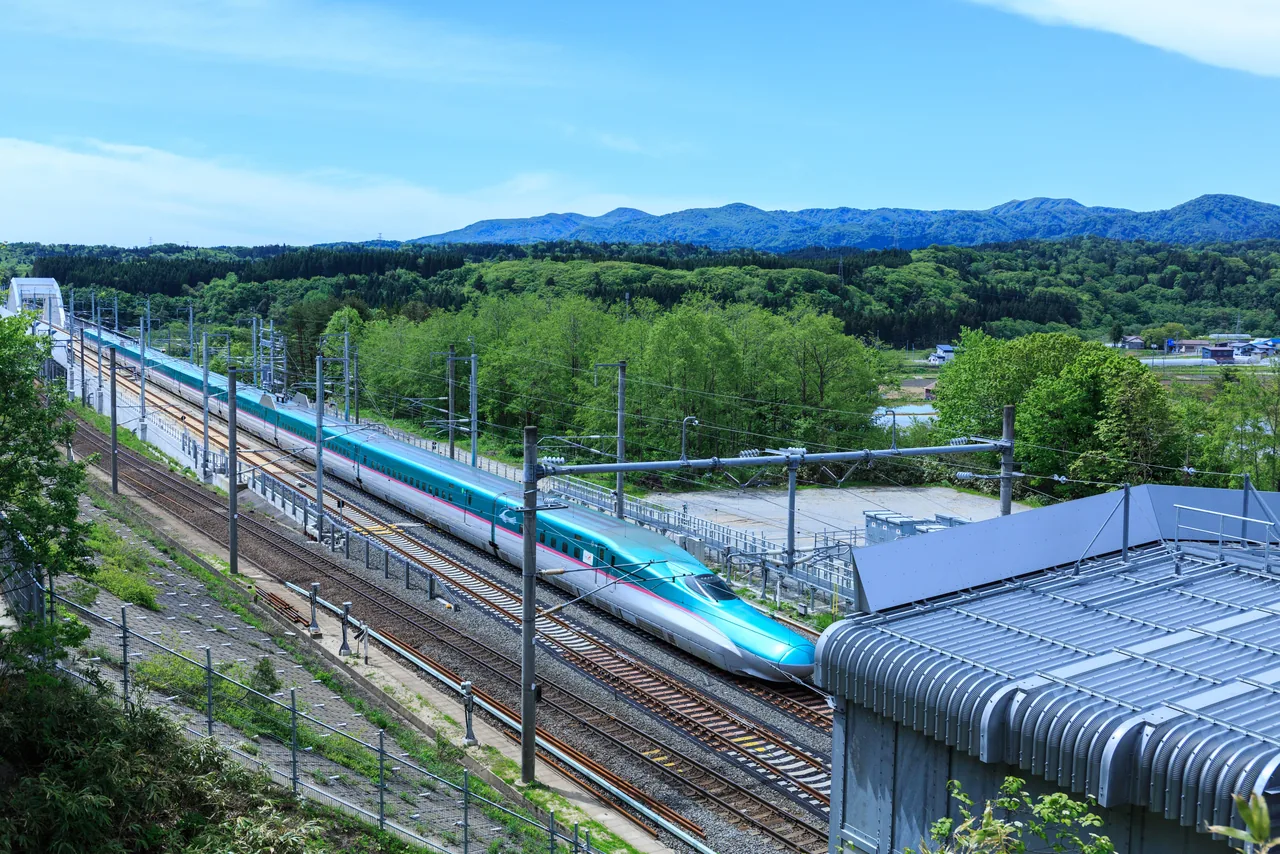
Hokkaido Shinkansen
From Tokyo and Sendai, the Hokkaido Shinkansen reaches Hakodate through the undersea Seikan Tunnel.
Transport

Getting around Hokkaido

Hokkaido is roughly the size of Austria, and its rail network thins out quickly beyond the main cities. How you get around comes down to where you're going.

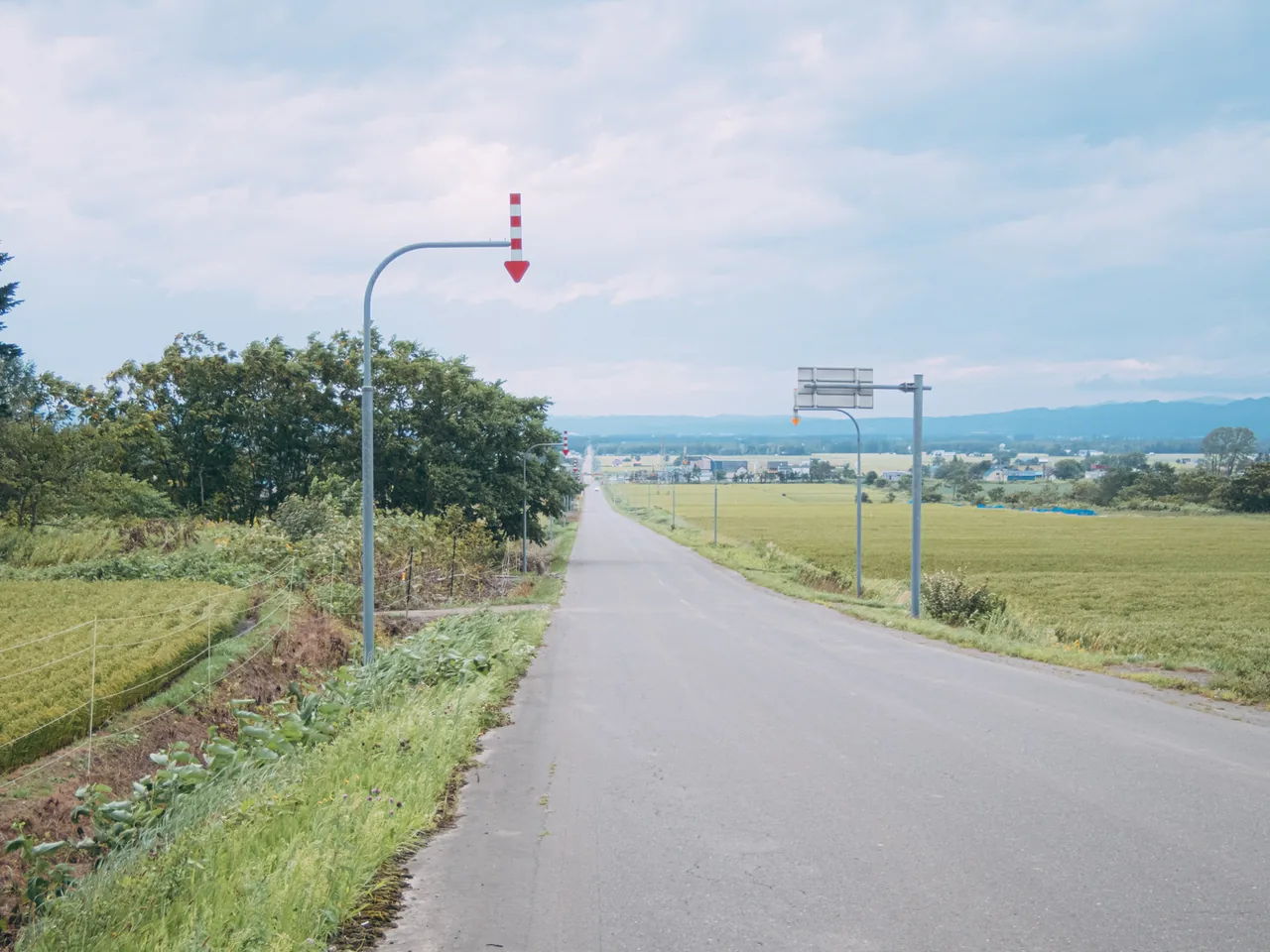
Open road in Hokkaido
Beyond the cities, a rental car opens up the coast roads, farm country and national parks.

For most trips, rent a car. Beyond Sapporo and the cities on the rail line, a car is what opens the island up, from the coast roads to the farm country and the national parks. Every rental comes fitted with winter tyres from November to April, and the major companies operate from New Chitose Airport and Sapporo Station. Compact cars start around ¥5,000 a day. You'll need an international driving permit, arranged before you leave home, and in the east it's worth keeping the tank above half, since petrol stations are sparse.

If you're staying in and around Sapporo, or moving between the larger cities, you don't need one. JR Hokkaido links Sapporo, Hakodate, Asahikawa and Kushiro well, though rural and eastern lines have been cut back in recent years. The Hokkaido Rail Pass covers unlimited travel for set periods and pays off if you're hopping between three or more cities, from ¥22,000 for five days.

Within Sapporo itself, the subway, tram and buses cover the city easily. Load a Suica or ICOCA IC card before you arrive and it works across all of them, with fares from around ¥210.

Buses reach the resort towns and national park visitor centres, and Niseko and Furano run frequent ski shuttles from the nearest stations through winter. Outside the ski season and the cities, frequency drops off sharply, so check timetables before you rely on them. Highway buses also link Sapporo to the major towns for less than the train.

To reach the far east quickly, ANA and JAL fly from New Chitose to Memanbetsu and Kushiro in under an hour, far faster than driving or the train if your time is limited.

Taxis are available in every city and at the airports, useful late at night or for places off the transport routes, though expensive over distance. The GO app handles booking in English and card payment, and is more reliable across Hokkaido than Uber.

Accommodation

Where to stay

From luxury ryokan to ski lodges and budget friendly city hotels. Here's where to stay in Hokkaido and how to book it.
No properties match this filter. Try another category.
Sapporo
Hotel Luxury
JR Tower Hotel Nikko Sapporo
Best for: Rail travellers, couples, city explorers
Direct station access Onsen with city views 35th floor dining
Located inside Sapporo Station, one of the most convenient bases in the city for those travelling around Hokkaido by train. Upper floor onsen and dining are worth the premium.
Hotel Mid-range
Sapporo Prince Hotel
Best for: Couples, city sightseers, those wanting central access
Hot-spring baths Steps from Odori Park City views
Well located near Susukino and Odori Park. Reliable mid range with hot spring baths, good value for the location and standard.
Hotel Mid-range
Keio Plaza Hotel Sapporo
Best for: Families, food focused travellers
Hokkaido breakfast buffet Near Sapporo Station Family-friendly
Known for its Hokkaido breakfast buffet, miso ramen, soup curry, and local dairy all included. A large, well run hotel with strong service.
Hotel Budget
Dormy Inn Premium Sapporo
Best for: Budget conscious travellers, solo visitors, short stays
Onsen on site Central Sapporo Excellent value
The Dormy Inn chain is a dependable, good value business hotel chain in Japan, clean, well run, with an onsen on site. A smart budget pick in a central location.
Hakodate
Ryokan Luxury
Bourou Noguchi Hakodate
Best for: Couples, special occasions, ryokan first timers wanting the best
Private onsen in rooms Panoramic port views Kaiseki dining
One of the most highly regarded ryokan in Hokkaido. Private onsen rooms with panoramic views over Hakodate port. Book well in advance, it fills early.
Hotel Mid-range
La Vista Hakodate Bay
Best for: First timers to Hakodate, couples, those wanting a great location
Rooftop onsen Red Brick Warehouses Seafood breakfast
Walking distance from the bay, morning market, and old district. Rooftop onsen and Hakodate seafood breakfast are among the best in this price range.
Ryokan Luxury
Kappo Ryokan Wakamatsu
Best for: Couples, food focused travellers, boutique ryokan seekers
Ocean views Acclaimed kaiseki menu 24 rooms only
A small, intimate boutique ryokan with ocean views and one of the most respected kaiseki menus in Hakodate. Books out quickly, reserve early.
Hotel Budget
Hakodate Kokusai Hotel
Best for: Budget travellers, families, those wanting a reliable central option
Central Hakodate Good value Japanese breakfast available
A solid, no frills option in a central location close to the tram lines. Good value for Hakodate, with a Japanese breakfast option worth adding.
Minshuku Budget
Minshuku in Yunokawa Onsen
Best for: Authentic local stay, couples, budget conscious travellers
Onsen access nearby Family-run Home-cooked meals Tatami rooms
The Yunokawa Onsen district has several family run minshuku offering tatami rooms, home cooked breakfasts, and a genuine local atmosphere.
Niseko & Furano
Hotel Luxury
Higashiyama Niseko Village, A Ritz-Carlton Reserve
Best for: Luxury ski travellers, couples, the finest experience on the mountain
Ski-in ski-out In-house onsen Five-star dining
The premium ski in ski out option at Niseko Village. Ritz-Carlton service standards, direct slope access, and its own onsen. Book months in advance for peak winter.
Hotel Mid-range
Ki Niseko
Best for: Skiers, snowboarders, design conscious travellers
Close to Hirafu lifts Onsen facilities Mt Yotei views
A well regarded mid to upper range property in the heart of Hirafu. Strong design, good slope access, and proximity to Niseko's restaurant and bar scene.
Hotel Mid-range
New Furano Prince Hotel
Best for: Families, those wanting a quieter resort, summer lavender visitors
On-slope location Family-friendly Onsen baths Year-round appeal
The main hotel at Furano ski resort. Well suited to families and those wanting a quieter Japanese resort atmosphere. Also a great base for summer lavender season.
Pension Budget
Niseko Northern Resort An'nupuri
Best for: Budget skiers, backpackers, ski access without resort prices
Ski area access Budget-friendly Onsen nearby
A more affordable entry point into the Niseko resort area. Basic facilities but good slope access and a quieter atmosphere than the main Hirafu village.
Ryokan Mid-range
Nukabira Onsen Nakamuraya
Best for: Remote Hokkaido, couples, nature lovers, hot spring enthusiasts
Natural hot springs Remote wilderness Fresh mochi each morning Wildlife spotting
An isolated ryokan in the Nukabira Onsen area. Natural hot springs, freshly made mochi each morning, and the chance to spot the rare Blakiston's fish owl in the surrounding forest.
Minshuku Budget
Guest House EBISAN, Furano
Best for: Budget travellers, families, authentic countryside experience
Family run guesthouse Tatami rooms with futon Free parking
A cosy family run guesthouse in the Furano countryside with tatami rooms and a self cook breakfast setup. Peaceful rural setting, a car is essential. Great value for the area.
Food culture

Where to eat

Food photographs illustrate dishes and areas and may not show the named restaurant.

Hokkaido has one of the finest regional food cultures in Japan, from Sapporo's ramen alleys and Hakodate's morning markets to farm restaurants in the Furano countryside and fishing port stalls on the eastern coast. Here's where to eat, and what to order.
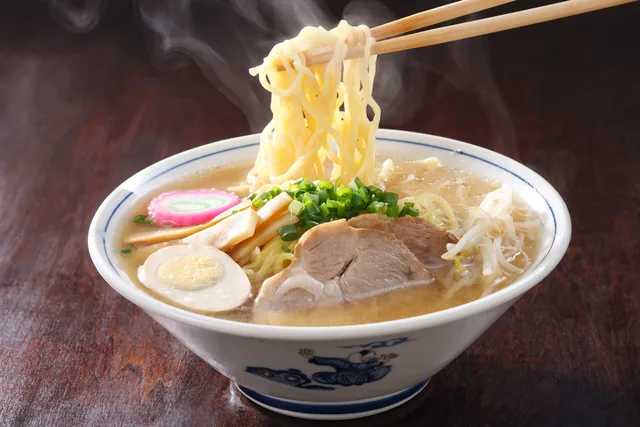
A bowl of ramen
Sapporo

Sapporo punches well above its weight as a food city. It's the birthplace of miso ramen, the home of Hokkaido's famous soup curry, and the urban hub for the island's extraordinary dairy, seafood, and agricultural produce. The basement floors of the city's department stores and the covered Tanukikoji shopping arcade are worth exploring, but the real eating happens in the side streets of Susukino and around the night market stalls of Nijo.

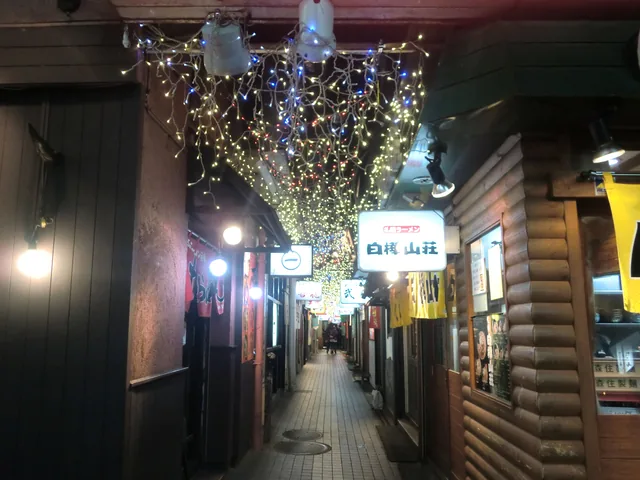
Sapporo Ramen Alley
札幌ラーメン横丁

A narrow alleyway of eight small ramen shops in Susukino, each with its own take on the Hokkaido miso broth. The atmospheric original ramen alley, dark, tight, steaming, and most alive after midnight.
Ramen Alley in Sapporo
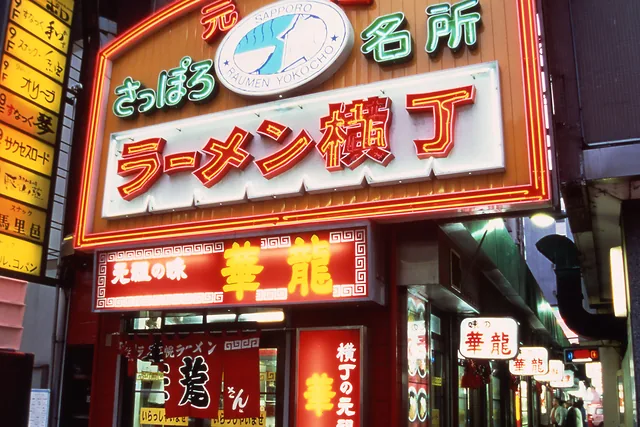
Ganso Sapporo Ramen Yokocho
元祖さっぽろラーメン横丁

The original and best known ramen alley in Sapporo, with more than a dozen shops competing for space. The miso ramen here, rich, slightly sweet, served with butter and corn, is definitive Hokkaido.

The entrance to Ganso Ramen Yokocho in Susukino
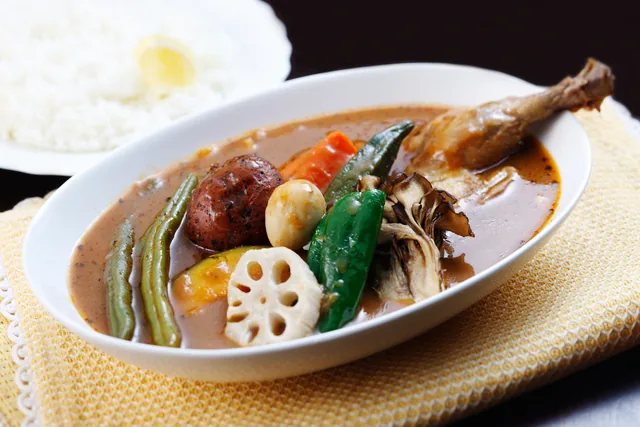
Suage+
スアゲ+

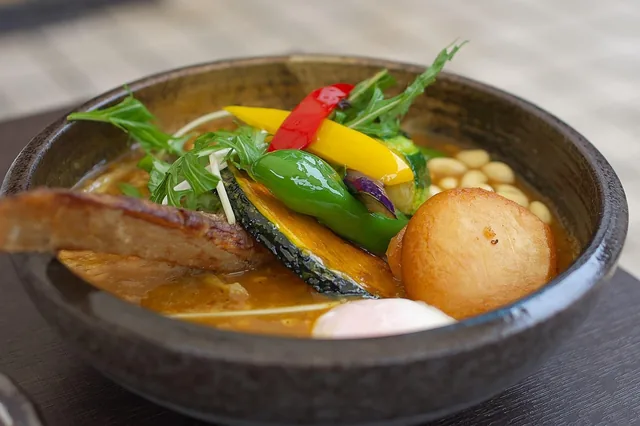
One of the most celebrated soup curry shops in Sapporo. Light, aromatic broth, enormous vegetables, and your choice of chicken, lamb, or seafood. Customise the spice level at the counter. Queues form early at lunch.

Soup curry, illustrative dish
Garaku
ガラク

Consistently ranked among the top soup curry shops in the city. The broth is deeper and more complex than most, and the portion sizes are generous. Expect a wait at peak hours. The takeaway counter is a good alternative.

Soup curry
Nijo Market
二条市場

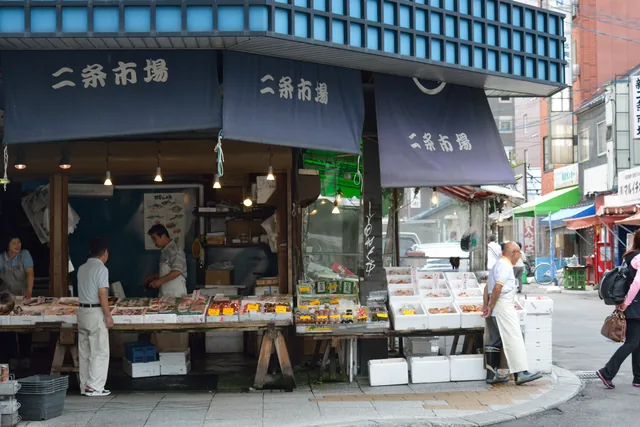
Sapporo's most accessible fresh market, with rows of stalls selling uni, ikura, snow crab, king crab, scallops, and more. Best in the morning when the produce is freshest. Several small counter restaurants attached where you can eat immediately.

Nijo Market in Sapporo
Sapporo Department Store Basement Floors
デパ地下

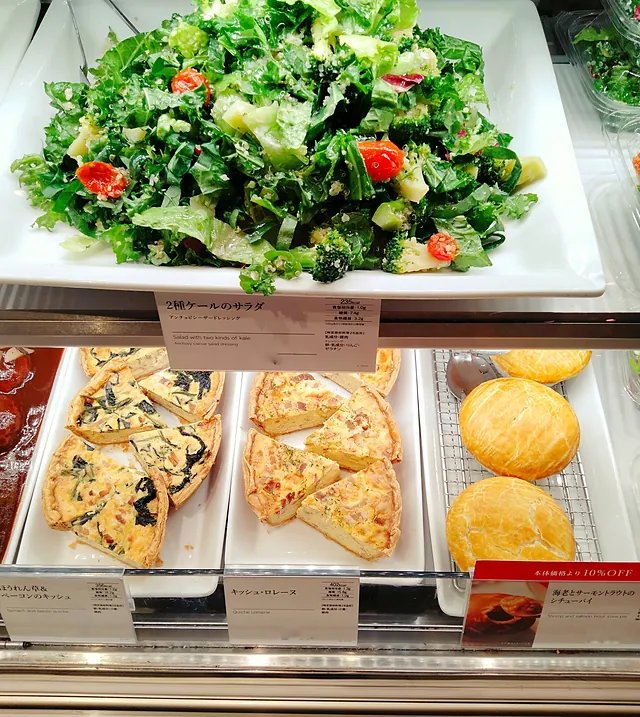
The basement food halls (depachika) of Daimaru and Tokyu department stores near Sapporo Station are a revelation, with Hokkaido dairy products, prepared seafood, sweets, and takeaway bento at a quality level most cities can't match.
Salads and quiche at a department store deli counter
Nemuro Hanamaru
根室花まる

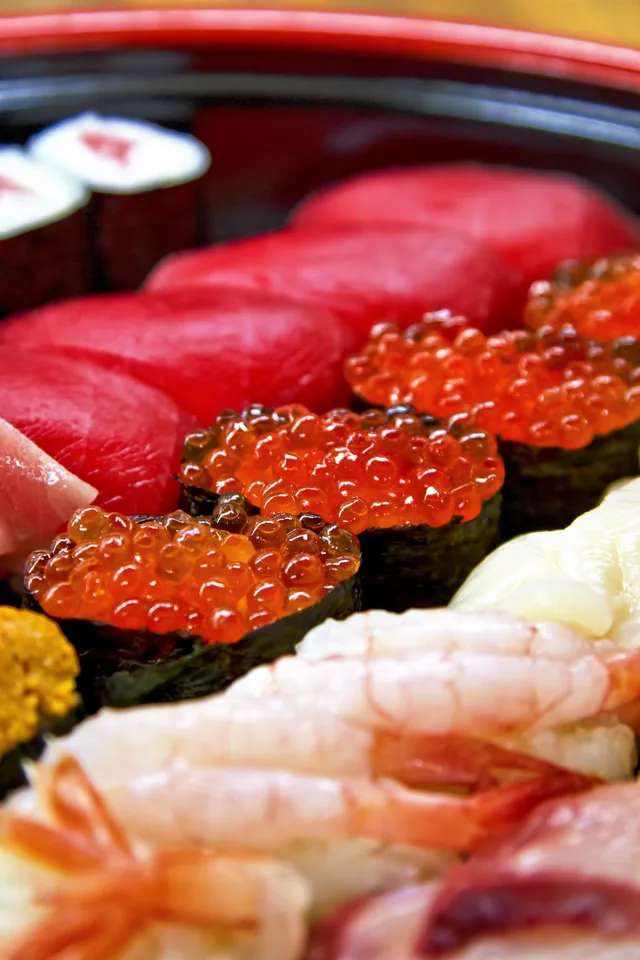
The best conveyor belt sushi chain in Hokkaido, originally from Nemuro on the eastern coast. The Sapporo branch in KITTE mall is the most accessible. The uni, ikura, and crab selections are the reason to come. Queues at peak times.

Assorted nigiri sushi
Toriton
とりとん

A beloved Hokkaido conveyor belt sushi chain known for exceptionally fresh produce and fair prices. The scallop, salmon roe, and Hokkaido uni are the standouts. Multiple locations across Sapporo. The Higashi-ku branch tends to have shorter waits.
Sushi with salmon roe
Jingisukan at Daruma
だるま · ジンギスカン

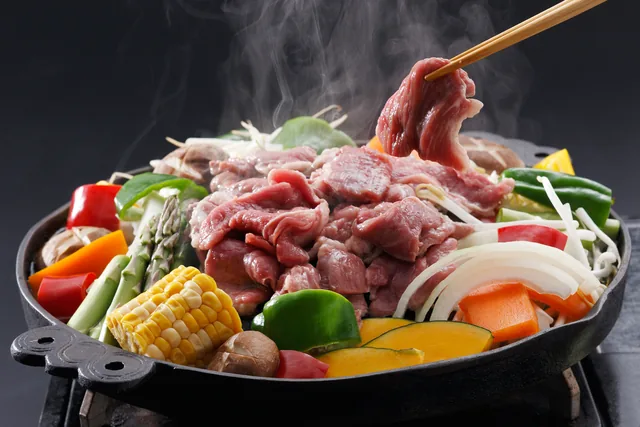
The most famous jingisukan restaurant in Sapporo, serving grilled lamb and vegetables on a domed iron plate, eaten standing at the counter with cold Sapporo beer. Smoky, loud, and entirely authentic. The queue outside is worth it.

Jingisukan grill
Sapporo Beer Garden
サッポロビール園

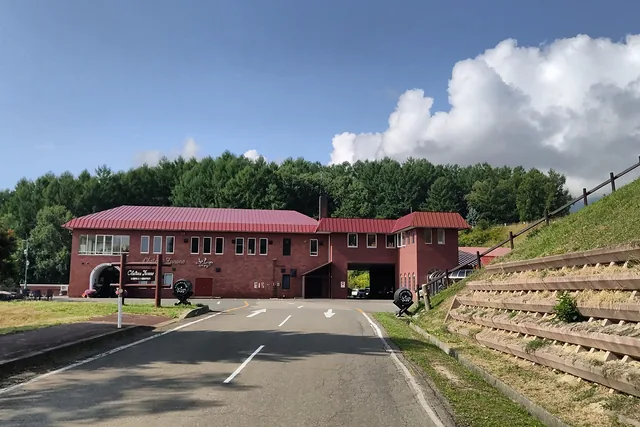
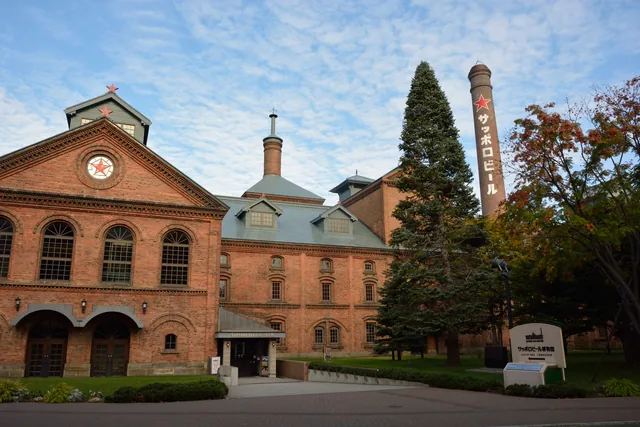
The historic Sapporo Beer Garden in the old brewery complex combines all you can eat jingisukan with Sapporo draft beer in a cavernous, atmospheric brick hall. Better suited to groups. The set menus are the most practical way to eat here.

Sapporo Beer Museum exterior
Susukino Izakaya District
すすきの 居酒屋

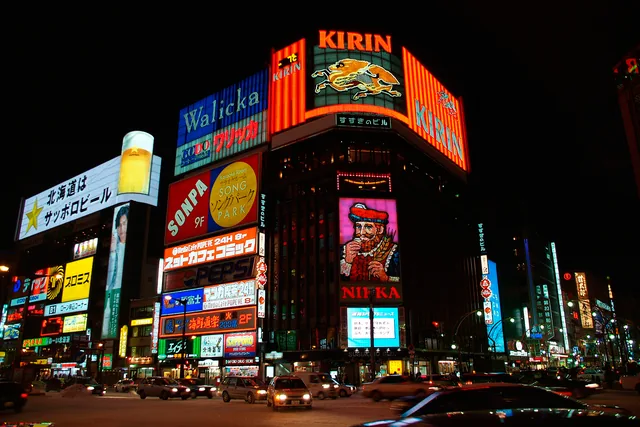
The Susukino entertainment district at night is one of Japan's great izakaya experiences, with thousands of small bars and restaurants across dozens of side streets. Wander until something looks right. Most menus have pictures. Most staff are used to foreign visitors.

Susukino at night
Hokkaido Dairy Sweets
北海道乳製品スイーツ

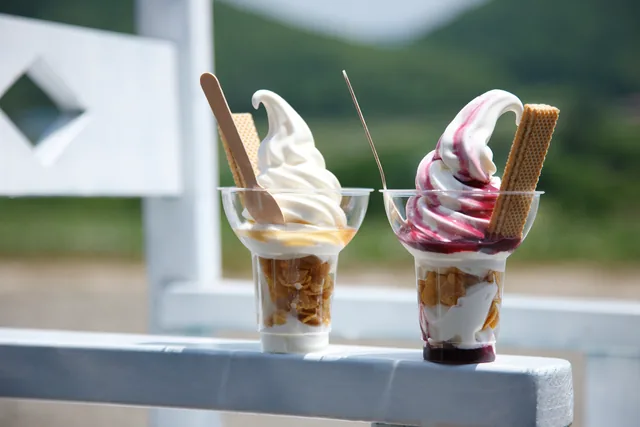
Hokkaido soft serve, butter cookies, cream puffs, and cheesecake are available across Sapporo. The airport departure area is famous for its concentration of Hokkaido sweet shops, but the city's covered arcades have just as many options at lower prices.

Soft serve ice cream
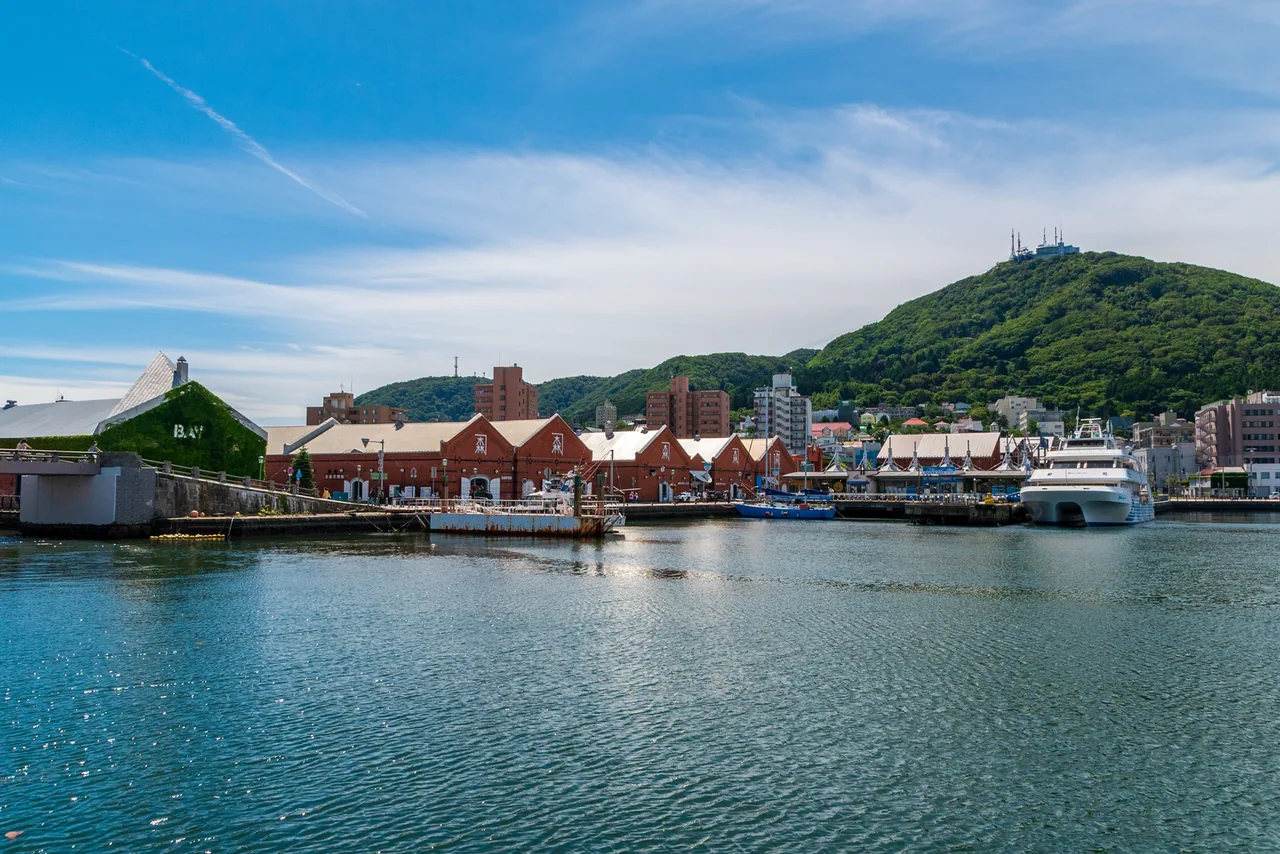
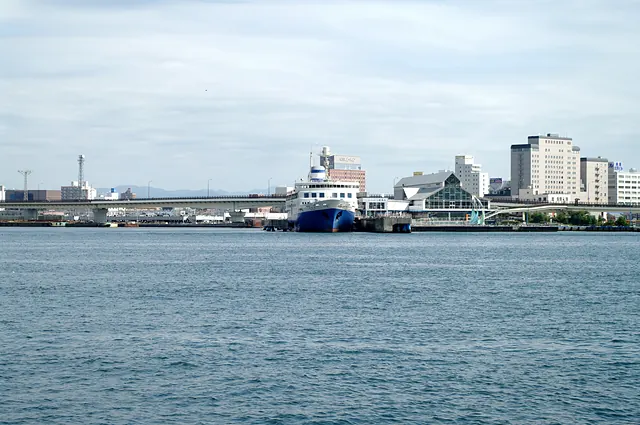
Hakodate harbour from Midori no Shima
Hakodate

Hakodate's food culture is built on the sea. The morning market is the most famous in Hokkaido, alive from 5am with squid still swimming in tanks and fishermen selling directly to restaurants and tourists alike. The salt ramen here is distinct from Sapporo's miso version, and the city's izakaya scene along the waterfront and in the old district is one of the most characterful in northern Japan.

Hakodate Morning Market
函館朝市

Japan's most celebrated morning market, open from around 5am. The Donburi Yokocho alley inside the market is the best place to eat, with small counter restaurants serving fresh seafood donburi over rice, prepared to order. The live squid fishing experience (tsuri ika) is as authentic as it sounds.

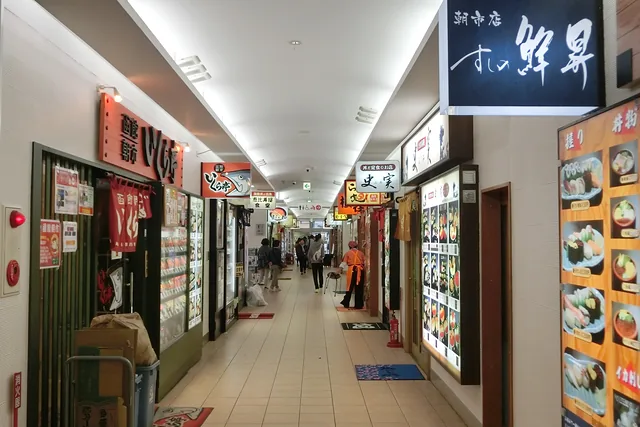
Seafood bowl counters inside the Hakodate morning market
Lucky Pierrot
ラッキーピエロ

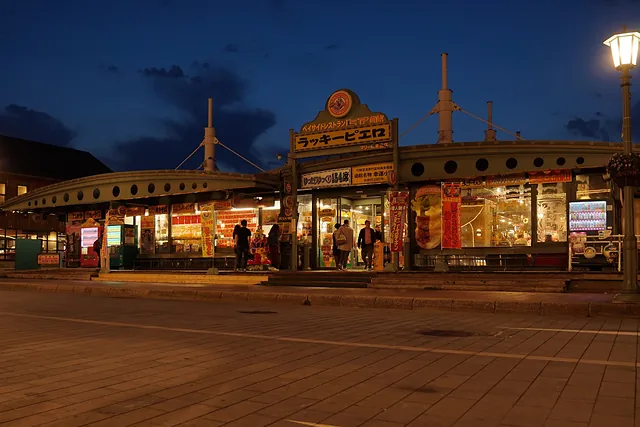
A burger chain found only in Hakodate that has been a city institution since 1987. The Chinese chicken burger is the signature, a fried chicken burger with a sweet soy glaze that has no equivalent anywhere else in Japan. Deliberately kitsch interiors, loyal local following, no franchise outside Hakodate.

Lucky Pierrot on the Hakodate waterfront at dusk
Hakodate Waterfront Squid Stalls
函館 イカ屋台

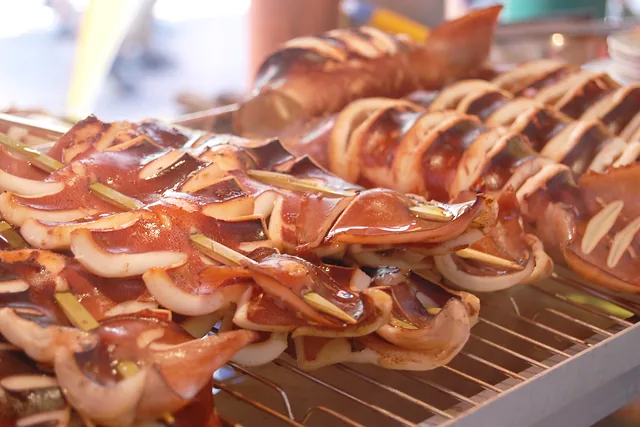
In summer the waterfront near the Red Brick Warehouses fills with open-air stalls selling grilled squid, crab, scallops, and corn on the cob. The squid here is caught locally and served within hours. The difference in quality compared to inland is noticeable. Best from June to September.

Grilled squid at a festival stall
Hakodate Salt Ramen
函館塩ラーメン

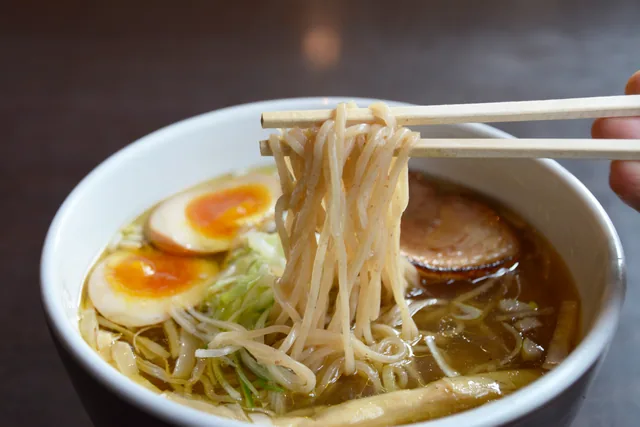
Hakodate is the birthplace of shio (salt) ramen, a clear, delicate seafood based broth that is the lightest of Japan's major ramen styles. Completely different to Sapporo's miso version. Try it at Aji no Ichiban or Shio Ramen Yokocho near the morning market area.

Ramen noodles
Hakodate Bay Area Restaurants
函館ベイエリア

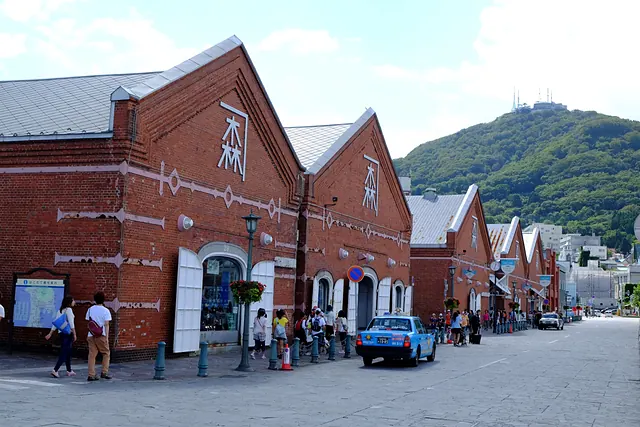
The stretch of restaurants between the Red Brick Warehouses and the old foreign settlement district is Hakodate's most atmospheric dining area. Izakaya and seafood restaurants with views over the port, best at night when the city lights reflect off the water.

Kanemori red brick warehouses on the Hakodate waterfront
Goryokaku Area Restaurants
五稜郭エリア

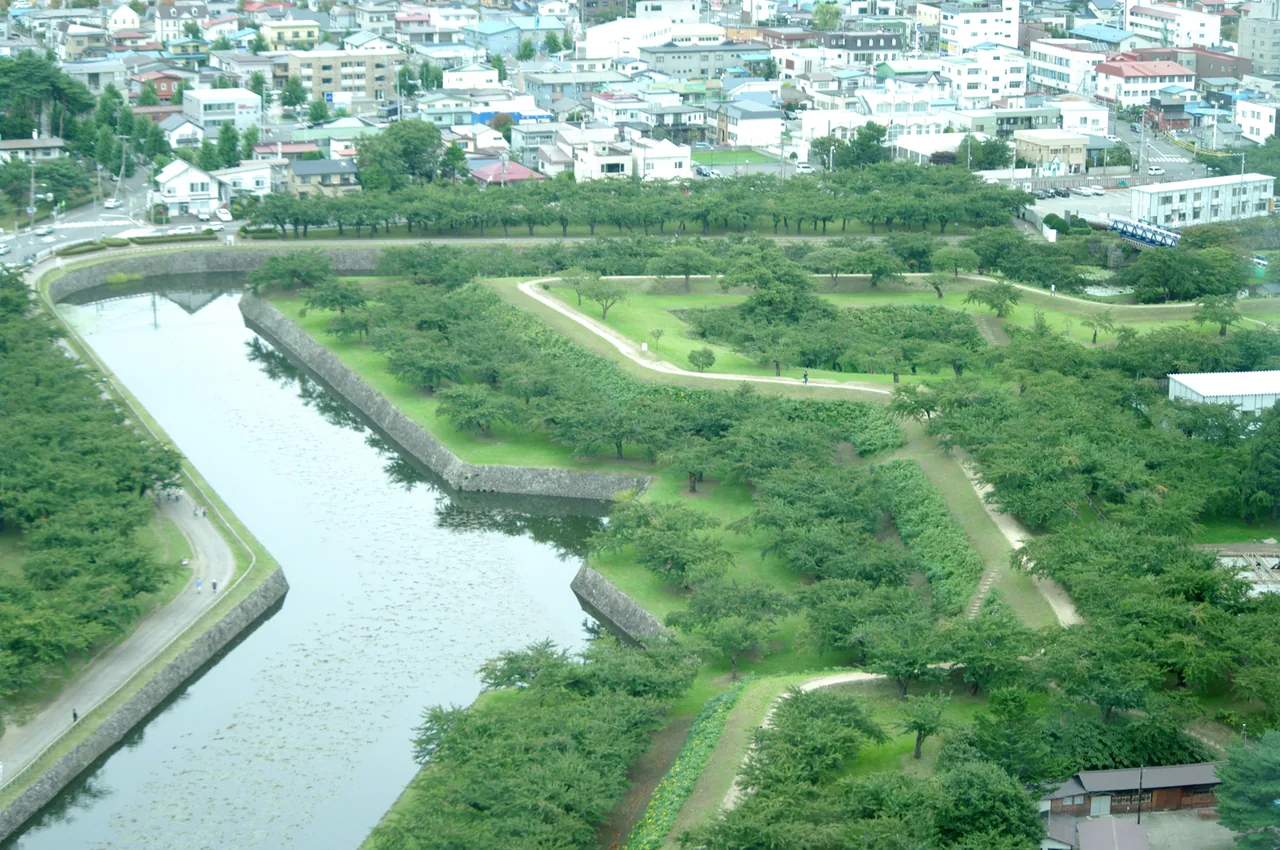
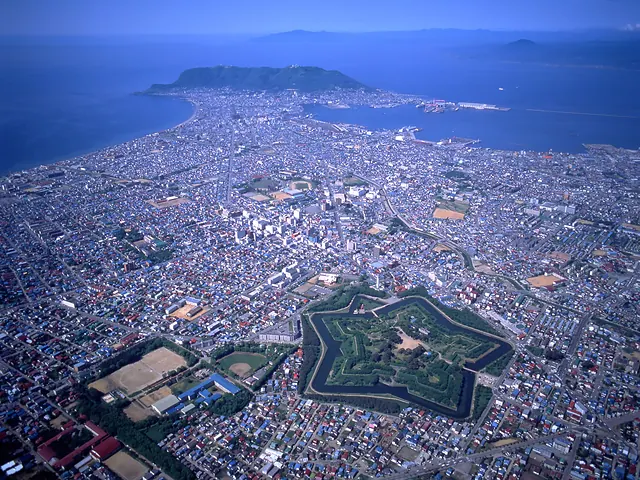
The streets around the Goryokaku fortress are where locals eat rather than tourists. More affordable, more neighbourhood in character, and with a higher proportion of good small restaurants. Worth exploring on foot in the evening.

Goryokaku star fort and Hakodate from the air
Yunokawa Onsen Ryokan Dining
湯の川温泉 懐石料理

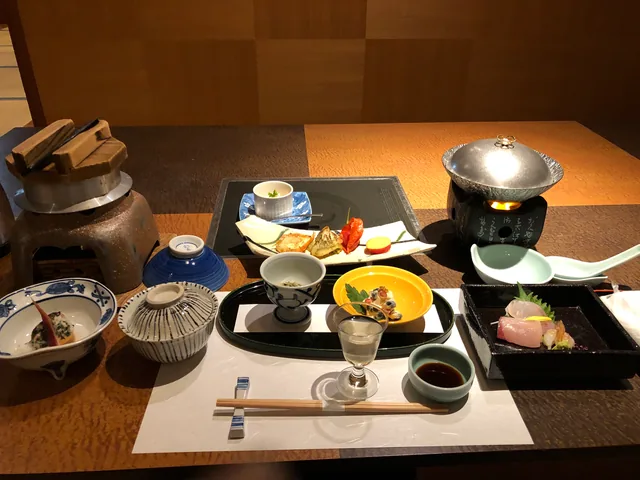
The Yunokawa Onsen district on the eastern edge of Hakodate has several ryokan with kaiseki dinner menus open to outside guests by reservation. The best of these kitchens serve Hakodate seafood at a level that matches the city's finest standalone restaurants.

Japanese set meal, illustrative dish
Hakodate Milk & Sweets
函館ミルク

Hakodate has its own local dairy culture distinct from the Furano and Tokachi plains. The Milk Village in the Yunokawa area and several café dairies around the city serve fresh milk, soft serve, and cream products made from locally sourced Hokkaido cattle.

Milk soft serve in Hakodate
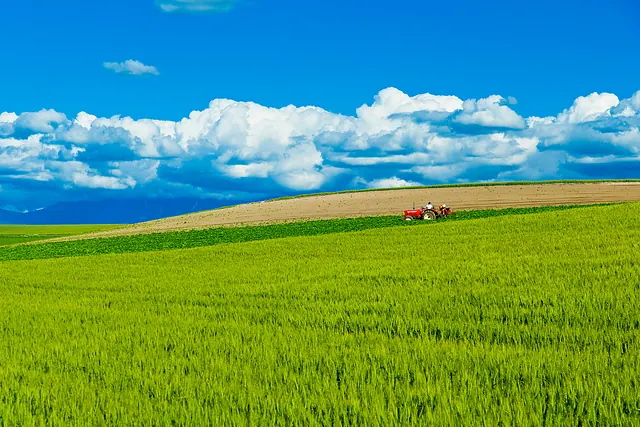
Wheat fields in the hills at Biei
Niseko & Furano

This is Hokkaido's agricultural heartland, with dairy farms, lavender fields, wheat fields, and vineyards spread across the Furano basin and the slopes around Niseko. The food here is tied directly to the land in a way that urban Hokkaido isn't. Farm restaurants, cheese factories, and roadside farm stands sit alongside Niseko's increasingly international restaurant scene, which has attracted serious chefs from around the world.

Farm Tomita Café
ファーム富田

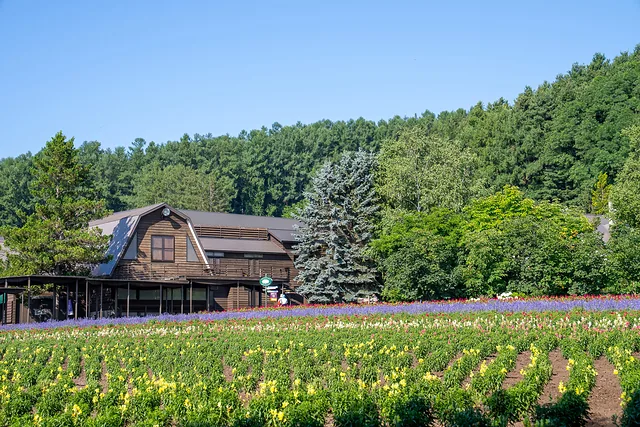
The most famous farm in Furano, known for its lavender fields. The attached café and shop sell lavender soft serve, lavender infused foods, and a range of Hokkaido dairy products. The soft serve here is exceptional. A straight lavender cone is the thing to get.

The Farm Tomita shop and cafe above the flower fields
Furano Cheese Factory
富良野チーズ工房

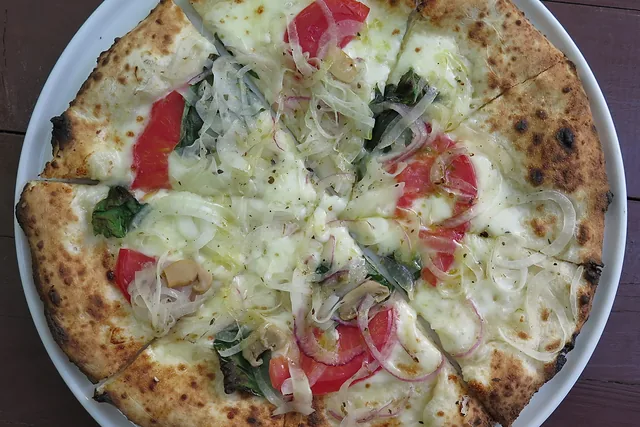
A working cheese factory you can tour and eat at. The attached pizza restaurant uses house made cheese and local ingredients. The pizza here is unexpectedly serious, made in a wood fired oven with Furano toppings. Cheese making workshops available by reservation.

A pizza at the Furano Cheese Factory
Biei Roadside Farm Stands
美瑛 農家直売

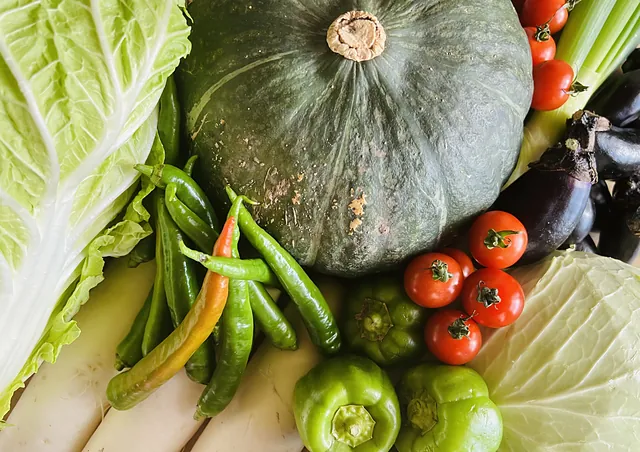
Driving through the patchwork hills around Biei you'll find small farm stands (noka-chokubai) selling whatever is in season, such as corn, potatoes, asparagus, pumpkin and tomatoes. Typically a cash box and an honesty system. The corn in August is some of the finest in Japan.

Pumpkin, peppers, tomatoes and cabbage fresh from the farm
Furano Winery
富良野ワイナリー

Hokkaido wine has been gaining serious attention in recent years. The Furano Winery produces cold climate varietals from grapes adapted to harsh winters. The tasting room overlooks the Furano Basin. The white wines, particularly the Kerner, are the ones to try.

Furano Winery
Furano Pension Dinners
富良野 ペンション夕食

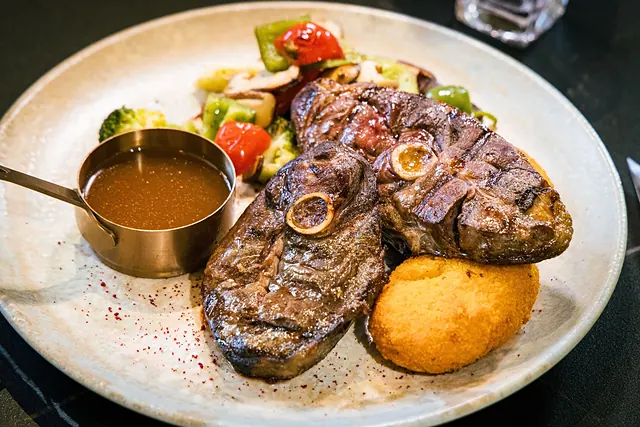
Many of the small pensions and farmstays around Furano and Biei serve dinner to guests using ingredients sourced directly from nearby farms. These meals, typically a set course of local vegetables, dairy, and Hokkaido meat, are often the best eating in the area and significantly more affordable than restaurant equivalents.

Mutton steak with grilled vegetables, illustrative dish
Hokkaido Highland Soba
北海道 そば

The highland villages around Furano and Kamikawa grow some of Japan's finest buckwheat. Small soba restaurants are scattered through the area, often unmarked and easy to miss. The cold zaru soba here, served with a simple dipping broth, is among the finest in the country.

Buckwheat in flower at Horokanai
Niseko Hirafu Restaurant Scene
ニセコ比羅夫

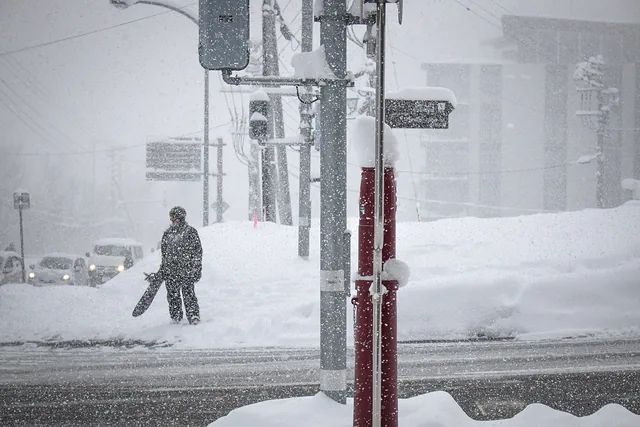
Niseko's Hirafu village has developed an international restaurant scene driven by the large Australian and Asian visitor base. Serious ramen, yakitori, Korean, and Western options sit alongside each other in the village streets. The après-ski dining here is livelier and more varied than anywhere else in Hokkaido.

Snowfall on a Hirafu village street
Grilled Corn & Butter
とうもろこし バター焼き

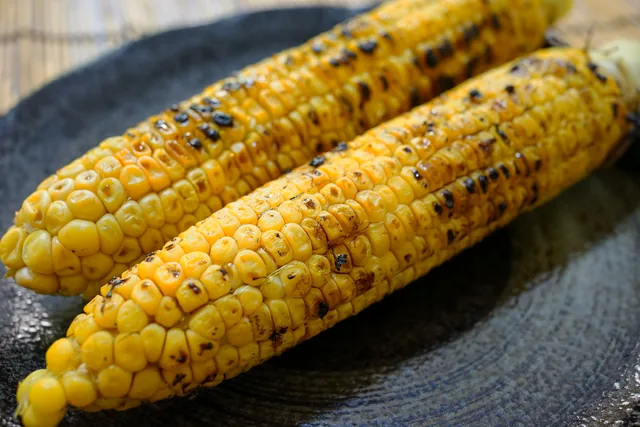
In summer the roadside stalls around Furano and Biei sell freshly grilled corn brushed with Hokkaido butter and soy sauce. It sounds simple because it is. The quality of the corn itself is the point. The Kirameki no Sato corn stand near Biei is one of the most celebrated.

Grilled corn
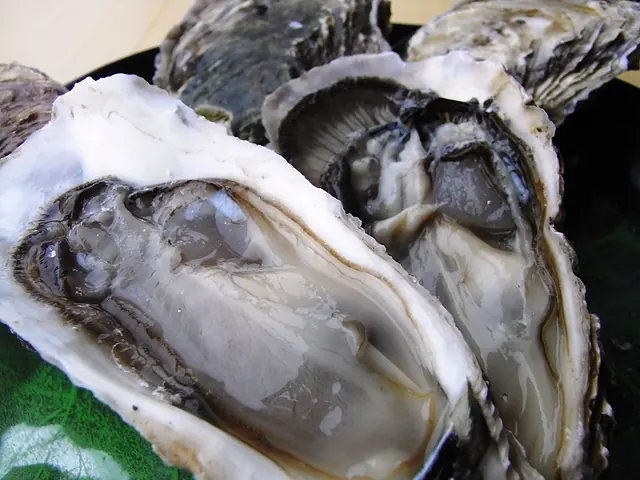
Senposhi oysters from the Kushiro coast
East Hokkaido

East Hokkaido is where the food gets remote, with fishing port stalls in Nemuro and Kushiro, butadon pork bowls in Obihiro, venison and wild salmon around Akan and Shiretoko. This part of the island is rarely covered by mainstream travel guides, and the food here is some of the most honest and regionally specific in all of Japan. A rental car is essential.

Butadon · Obihiro Pork Bowl
帯広 豚丼

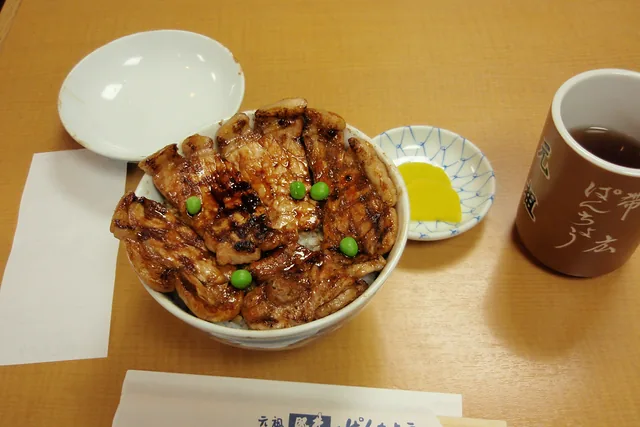
Obihiro's signature dish is thick slices of Tokachi raised pork glazed with a sweet soy based tare and laid over rice. Nothing like the Chinese derived donburi found elsewhere in Japan. Pancho and Tondenhei are the most famous shops, both open since the 1930s. Queues at lunch.

Obihiro butadon at Pancho
Tokachi Dairy Farm Restaurants
十勝 牧場レストラン

The Tokachi plains produce some of Japan's finest dairy and beef. Several working farms around Obihiro have attached restaurants serving farm direct meals. The Tokachi Hills farm restaurant and Morinokura are both worth seeking out for their cheese, butter, and farm raised beef menus.

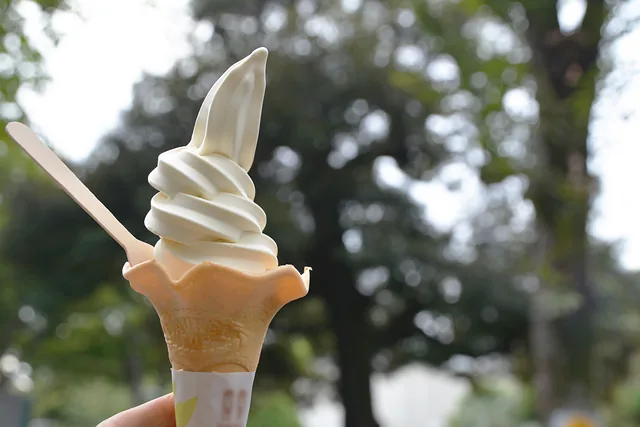
Soft serve ice cream
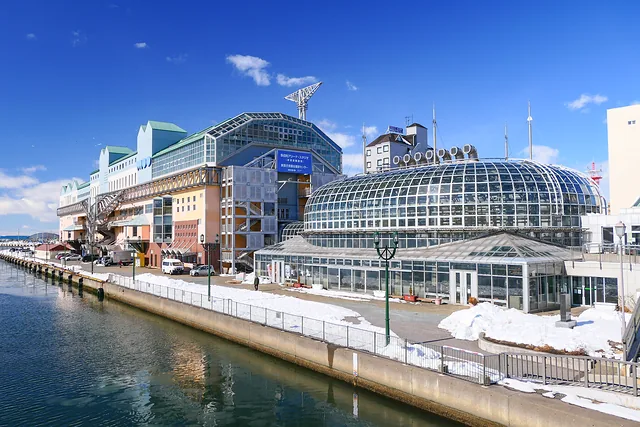
Kushiro Fisherman's Wharf MOO
くしろ漁人埠頭

Kushiro is one of Japan's major fishing ports. The crab, salmon, and Pacific saury landed here are among the freshest available anywhere on the island. The Fisherman's Wharf MOO complex on the waterfront has a fish market and several restaurants serving port fresh seafood at accessible prices.

Kushiro Fisherman's Wharf MOO on the river
Nemuro Seafood · Japan's Eastern Edge
根室 海鮮

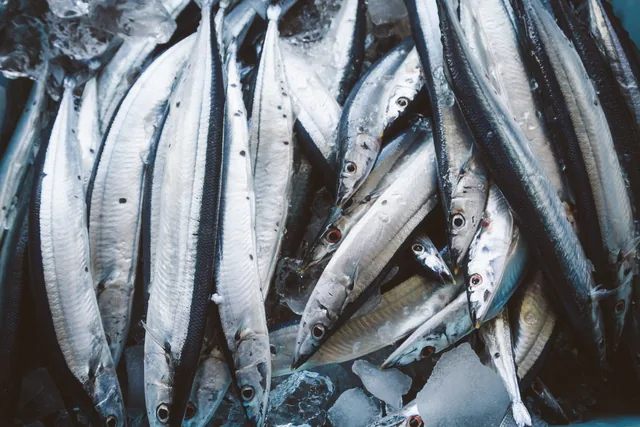
Nemuro is the easternmost city in Japan, closer to Russia than to Sapporo, and its seafood reflects that remoteness. Hanamaki (steamed seafood packages), sanma (Pacific saury), and sea urchin from the cold waters of the Sea of Okhotsk are the local specialities. The original Nemuro Hanamaru sushi chain started here.

Fresh sanma laid out on a market tray
Hokkaido Venison (Ezoshika)
エゾシカ料理

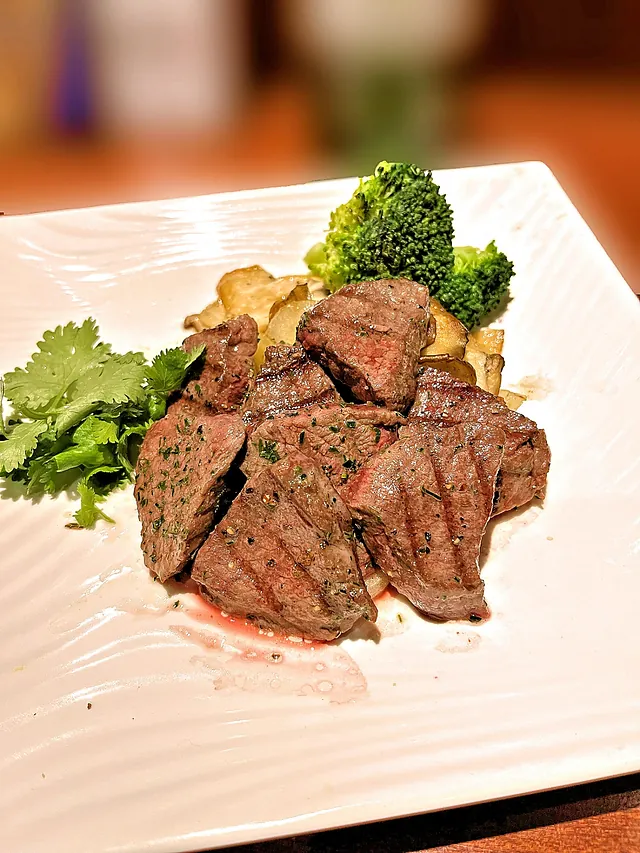
Hokkaido has a large population of Ezo deer (ezoshika) and venison appears on menus across the eastern part of the island, particularly around Akan, Shiretoko, and Kushiro. The meat is lean, flavourful, and sustainably sourced. Look for it as steak, stew, or in curry at local restaurants and roadside stops.

Sliced Ezo venison steak
Shiretoko Wild Salmon
知床 天然サーモン

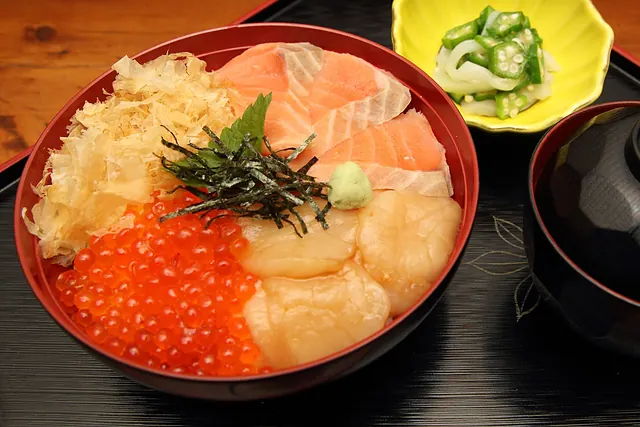
The Shiretoko Peninsula rivers run with wild salmon in autumn, a different product to the farmed salmon found everywhere else in Japan. Local restaurants in Utoro and Rausu serve it grilled, as sashimi, and as ikura (salmon roe) during the autumn season (September to November).

Salmon and ikura bowl from Shibetsu
Ainu Cuisine at Lake Akan
アイヌ料理 阿寒湖

Lake Akan has the largest Ainu community in Hokkaido and several restaurants serving Ainu influenced dishes such as venison stew, wild plant dishes, and ohaw (a traditional broth). The Ikor restaurant in the Ainu Kotan village is the most established option for those wanting to experience Indigenous Hokkaido food culture.

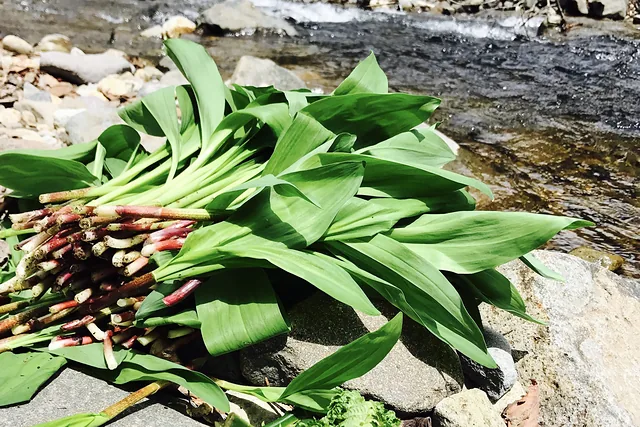
Pukusa, the wild garlic used in Ainu cooking
Rausu Crab & Sea Urchin
羅臼 カニ・ウニ

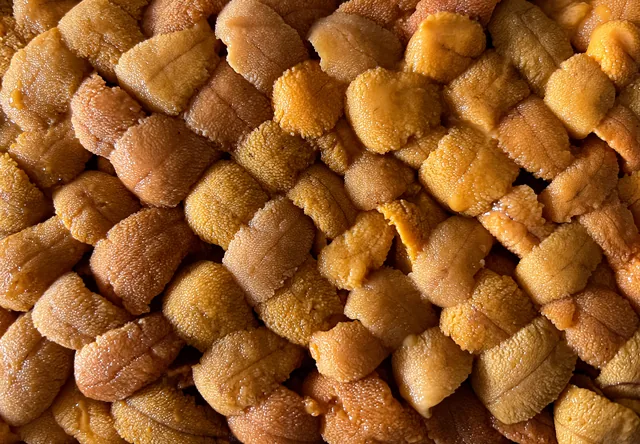
Rausu on the Shiretoko Peninsula is one of the best places in Japan to eat crab and sea urchin. The cold Sea of Okhotsk waters produce a particularly sweet, clean tasting uni that is distinct from the Hokkaido varieties available in Sapporo. The morning market in Rausu sells directly from the boats at prices well below the city.

Sea urchin packed in rows
Plan your trip

Book your stay in Hokkaido

Search accommodation across Hokkaido, from Sapporo city hotels to Niseko ski lodges and Hakodate ryokan. Compare options across the major booking platforms.

Book with
Pick a site. Your dates and details are carried over so you can check prices and book there.

Ready to plan your Hokkaido trip?

Browse itineraries built specifically for this region, from first time visitors to return travellers.

View Hokkaido Itineraries →