Japan in Autumn
From the fiery hues of maple leaves to the serene landscapes of temples and gardens, autumn offers a unique and memorable experience for travellers seeking to take in the essence of Japan's seasonal charm.
Autumn Overview
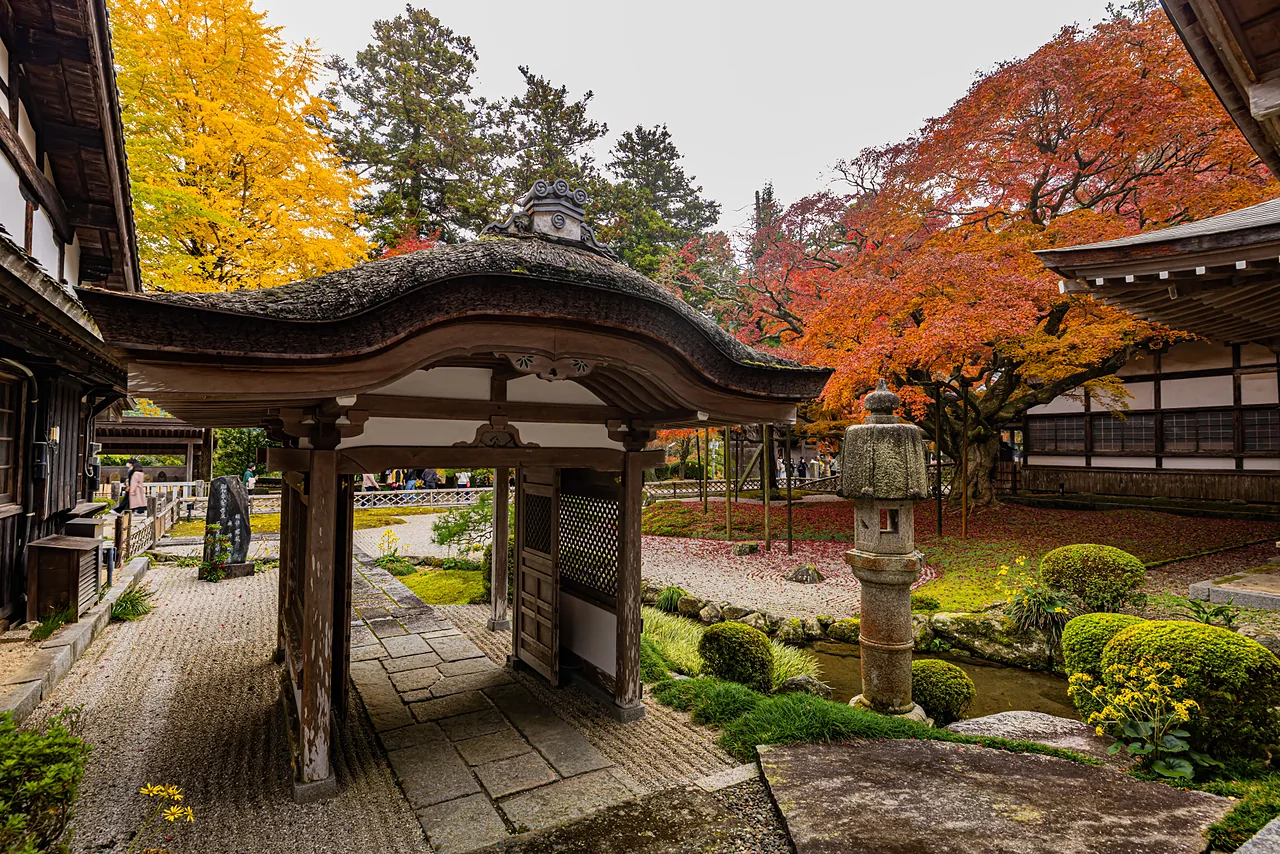
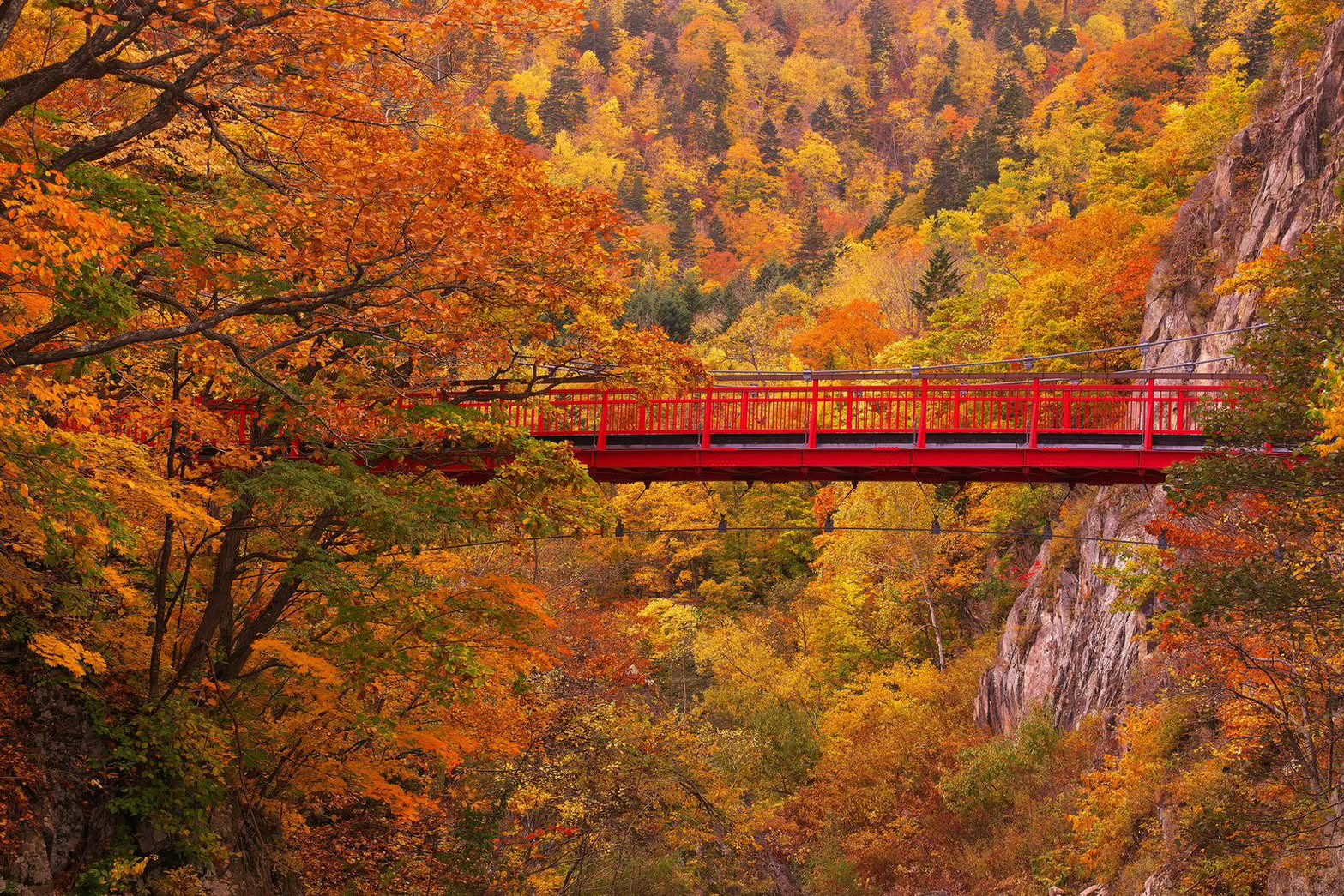
Japan in autumn is a special time. It signals the end of the hot summer and the start of the country's most beautiful foliage, on full display from late September through November as landscapes slowly transform into brilliant shades of red, yellow and orange. It's an ideal time to explore Japan's nature rich areas.
It also marks the beginning of autumn festival season. No matter where you are, you'll find local communities celebrating and keeping years of tradition alive.
Whilst not as popular as hanami in spring, you can join locals in tsukimi (moon viewing) festivals, momiji-gari (autumn leaf hunting) excursions, and the many harvest festivals that arrive as produce comes into season.
When to visit in autumn
Autumn colours move gradually across Japan, starting in the north in late September and working south through early December. Start with the month that fits your trip. Each guide covers the weather, the colour, and how to pace it.
Where to go in autumn
Each region has its own character in autumn, and its own timing. The colours sweep from north to south, and the mountains turn before the cities, so where you go decides what you'll catch. Pick a region for what peaks there and when.
Head down to Gunma
Starting the Journey
From Shinjuku station, take the Shonan-Shinjuku Line rapid to Kagohara station and transfer to a local Takasaki bound train to arrive at Takasaki station. This will take about an hour and 50 minutes and cost around ¥2,100 one way. Alternatively, the special rapid on the same line runs through to Takasaki directly, shaving around 20 minutes off the trip for the same fare.
Exploring the Town
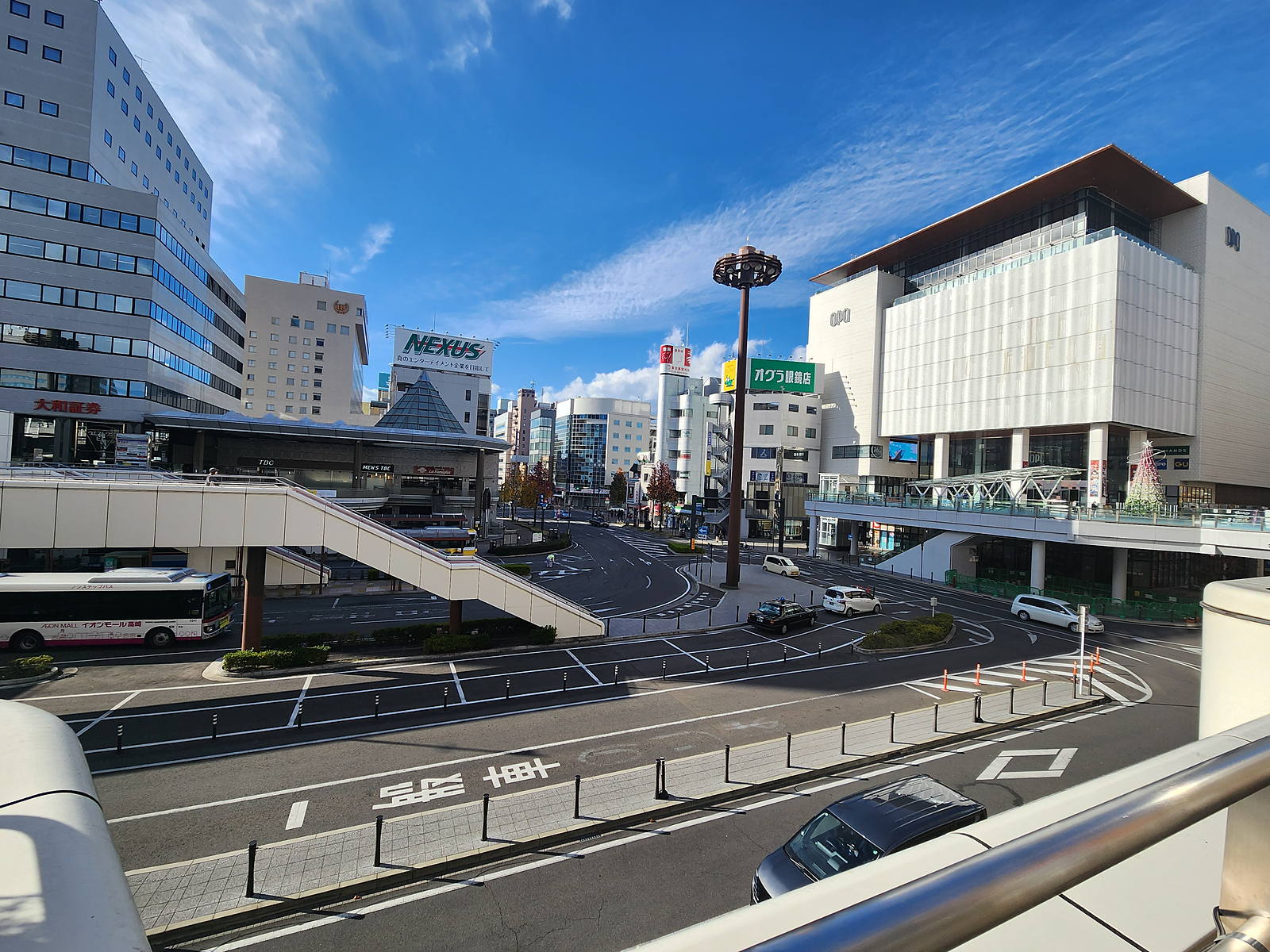
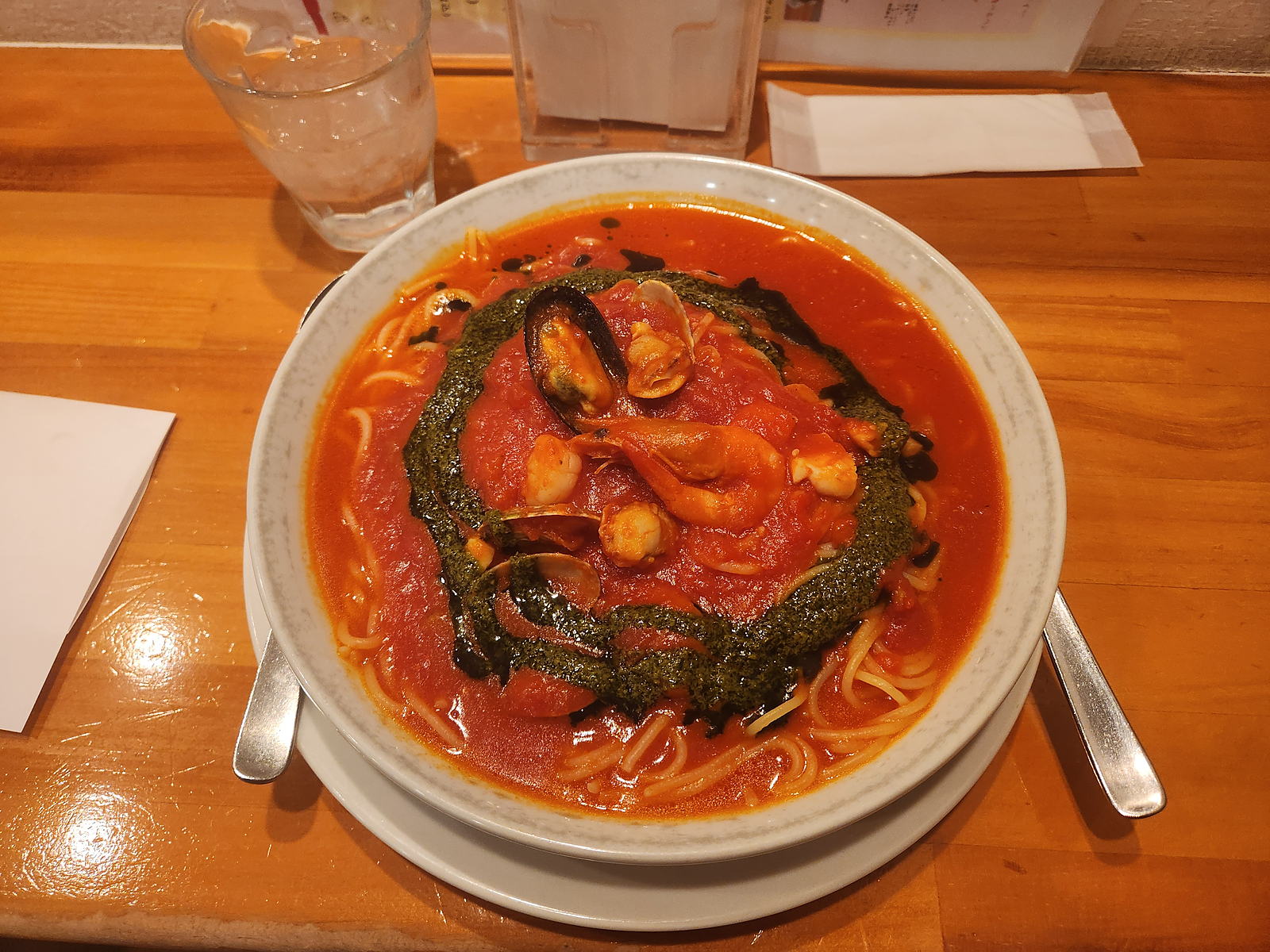
Once you arrive at Takasaki station, eat at one of the many restaurants in the area. The weather around this time is quite cool, and Takasaki is Japan's unofficial pasta town, so a warm plate of Takasaki pasta, usually a generous bowl of spaghetti with local vegetables or seafood, would be a fantastic choice. After eating, take a stroll around the city and see some of the local shops and attractions, or visit Takasaki Castle Ruins Park, only a short walk from the station.
See the Older Side of Atami
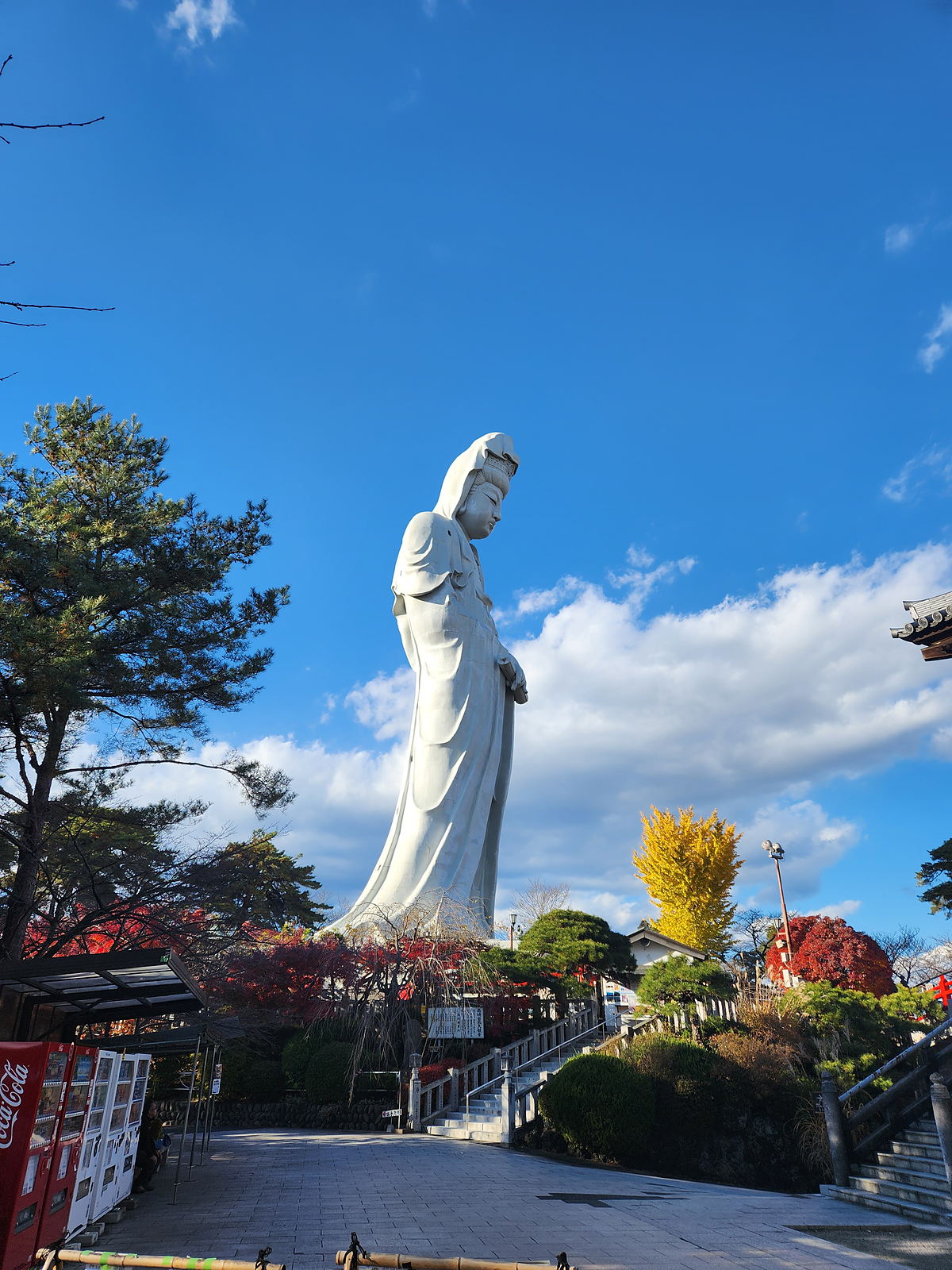
After exploring the city, take the number 13 or 14 Kannon-yama Line bus from the west exit of Takasaki station up Kannon-yama, which should only take about 30 minutes. Once you arrive, stroll around the area and take in the autumn scenery, cross the Hibiki Bridge suspension footbridge, and see the Takasaki Byakue Dai-Kannon, a 41 metre statue that was among the tallest in Japan when it was built in 1936. You can also walk inside the statue and climb its levels for views out over the city.
Feel the History
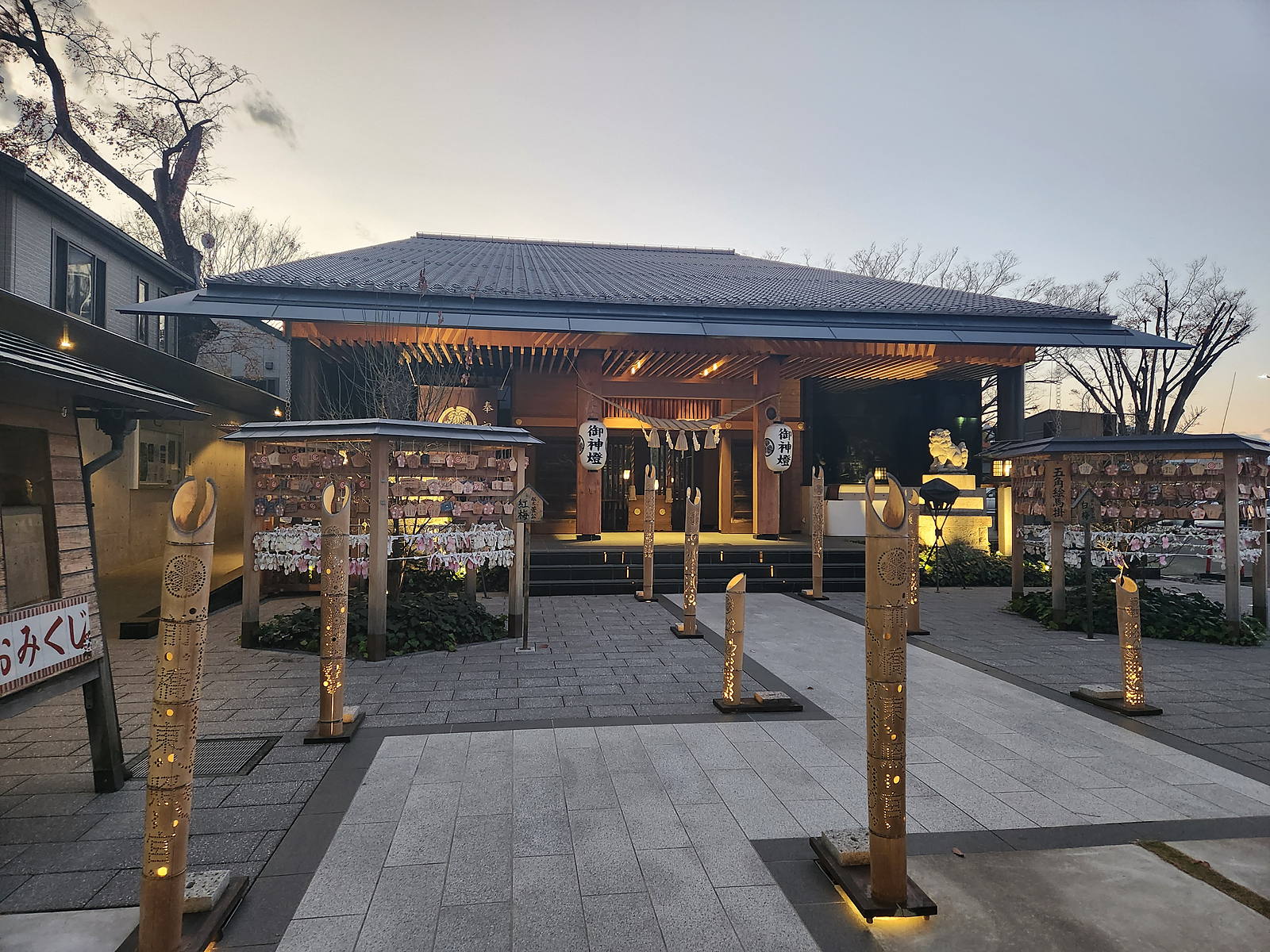
Once you're finished, take the bus back to Takasaki station, then the number 11 Maebashi-Takasaki bus and get off near the prefectural office. From there, it's just a short walk to Maebashi Park, where you can see more autumn foliage, the historic Rinkokaku building, and some of the local culture and history of the area.
Witness Incredible Beauty
As the sun starts to set, head to the Gunma Prefectural Government Office and take the lift to the top floor observatory. Get yourself a hot drink, take in the city nightscape, and wind down after a busy day of exploring.
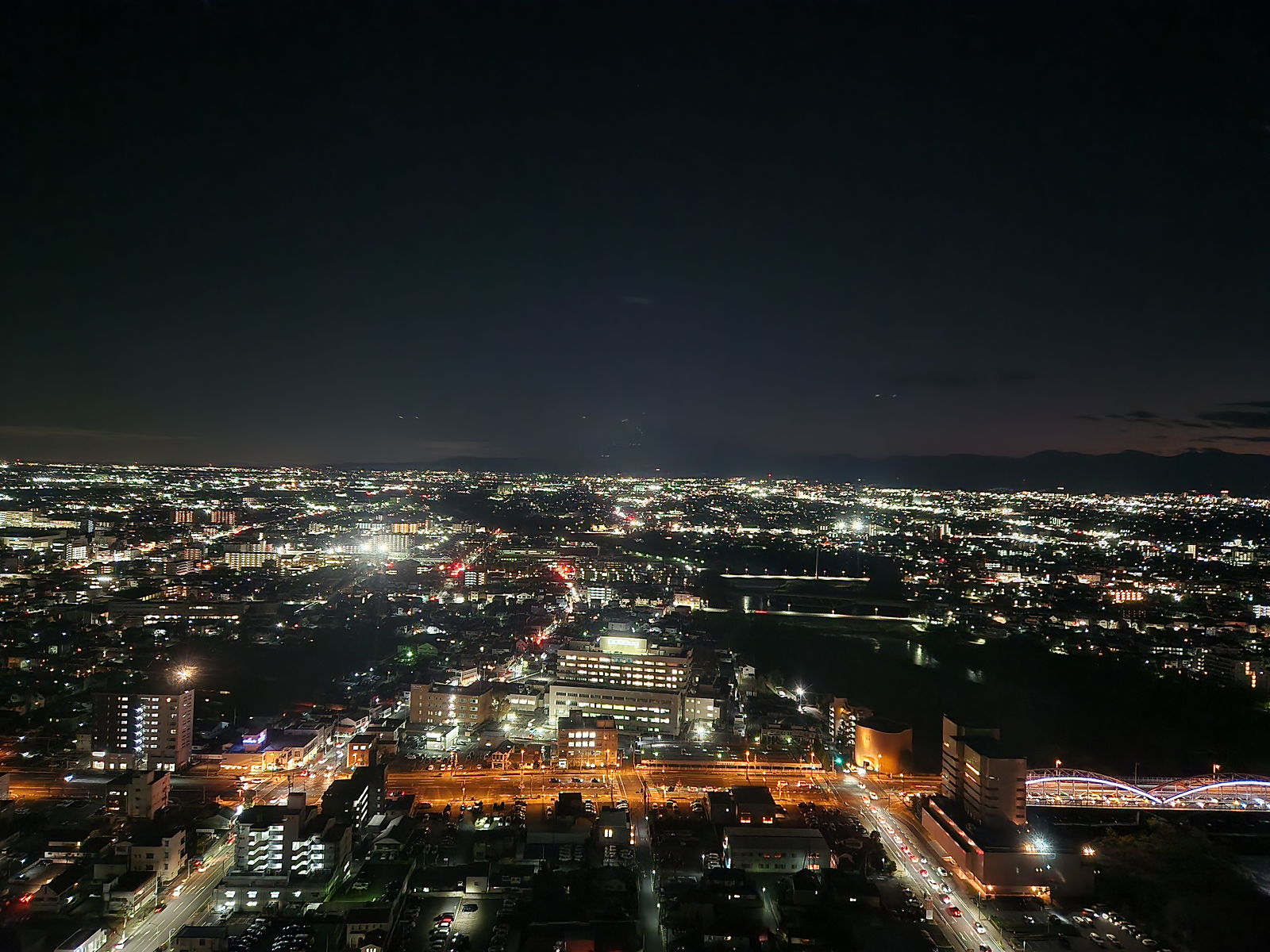
Wrapping up the Day
End the day by taking the bus to Takasaki station and catching the train back to Tokyo. If you want to stay a bit longer, stroll around the station area and try some of the other local foods like himokawa udon, or if you feel like something sweet, some yaki manju.