Japan in Spring
Sakura, fresh green and that soft Japan light. Spring is the best known season to visit, but also the trickiest for timing and crowds.
Spring Overview
Springtime in Japan means something different to everyone. For locals, it can mean heading back to school or starting a new job at the beginning of the fiscal year. It's a time when many feel a sense of new beginnings and revitalisation.
For many tourists, though, it means packing their bags and heading to Japan at its most popular time of year. And there are plenty of good reasons why. The weather is near perfect, and it's when you can see the most beautiful displays of cherry blossoms in the world.
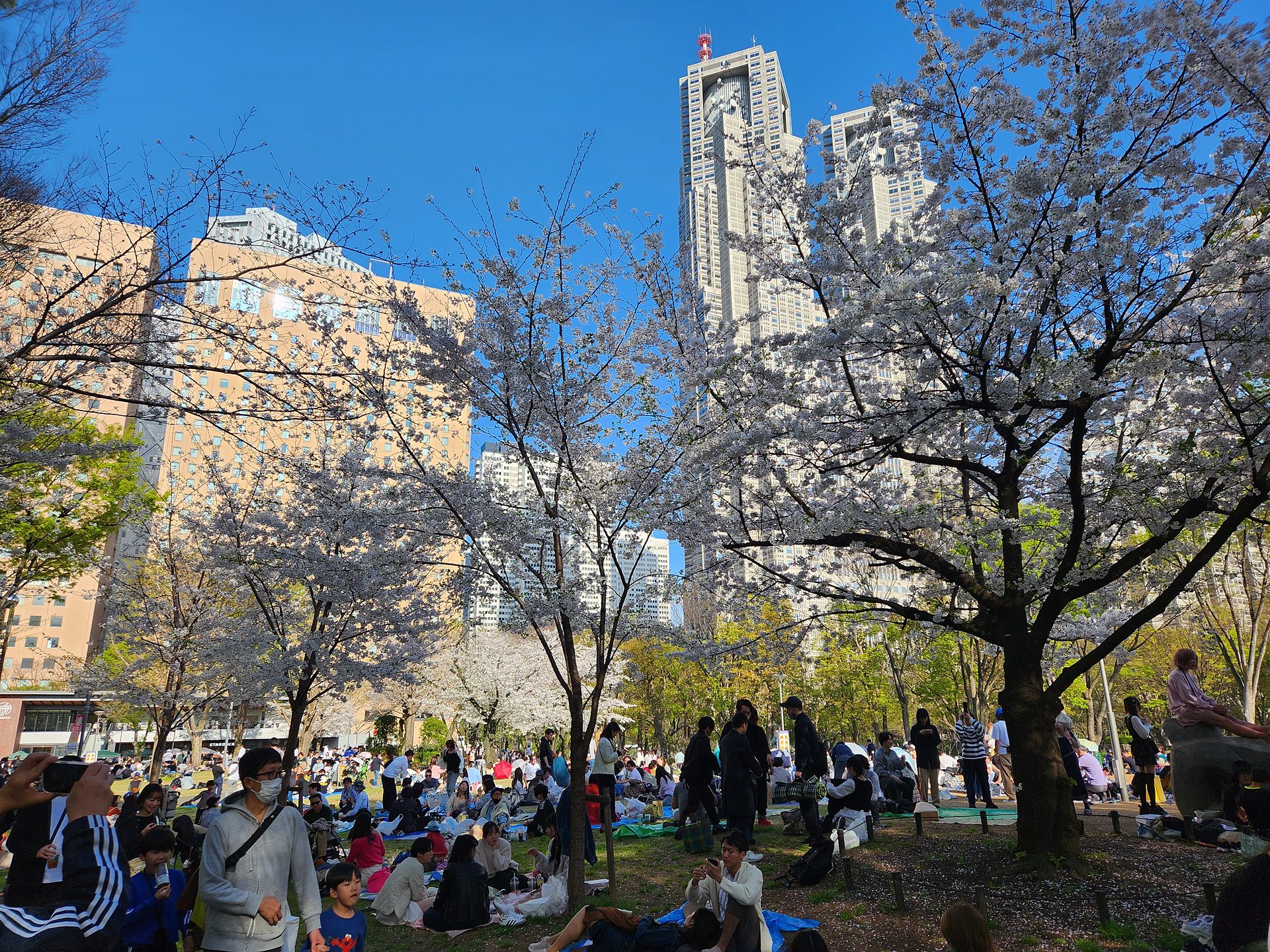
There are many events and activities to enjoy during this time. None, however, are as popular or as celebrated as hanami, an outdoor party or picnic with friends or family beneath the blossoms, by day or as yozakura, under lanterns at night.
When to visit in spring
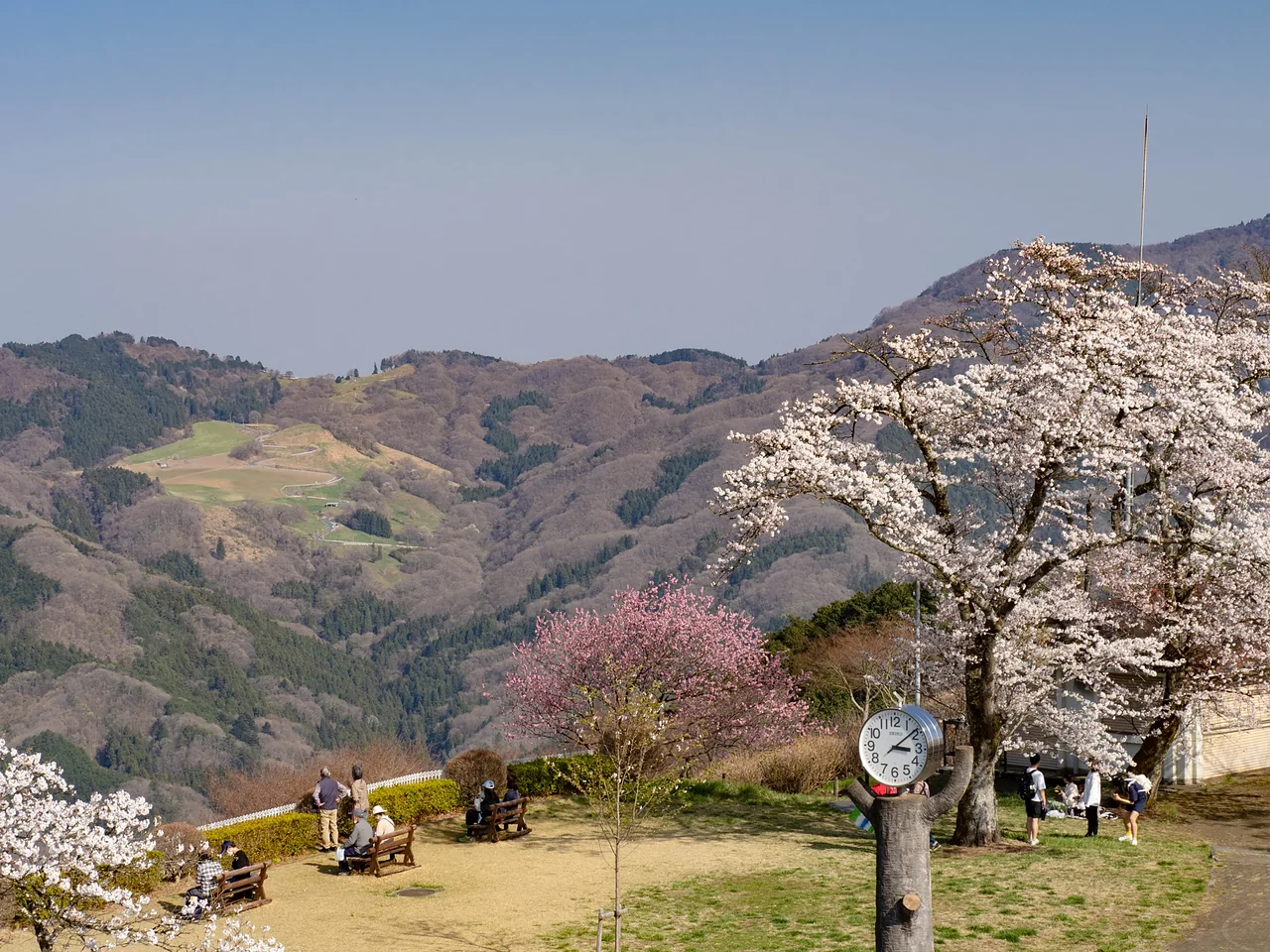
The exact sakura dates change each year, and depend on where you are in the country. Start with the month that fits your trip. Each guide covers the weather, what's in bloom, and how to pace it.
Where to go in spring
Each region has its own character in spring, and its own timing. The blossoms sweep from south to north, so where you go decides what you'll catch. Pick a region for what peaks there and when.
Exploring Tochigi in Spring
Starting the Journey
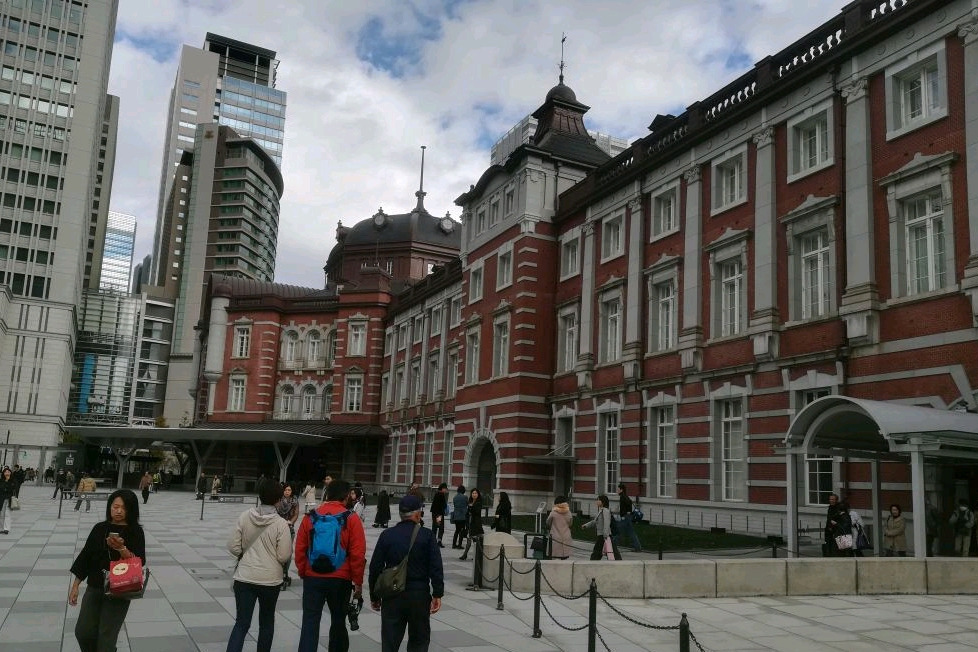
Start your day off with a quick 20 minute train ride from Tokyo station on the Joban line to Kitasenju station. After a short walk to the Tobu Railway platforms, get yourself a limited express ticket and stay on the train for about an hour and 40 minutes until the last stop, Tobu-Nikko station.
Exploring the Town
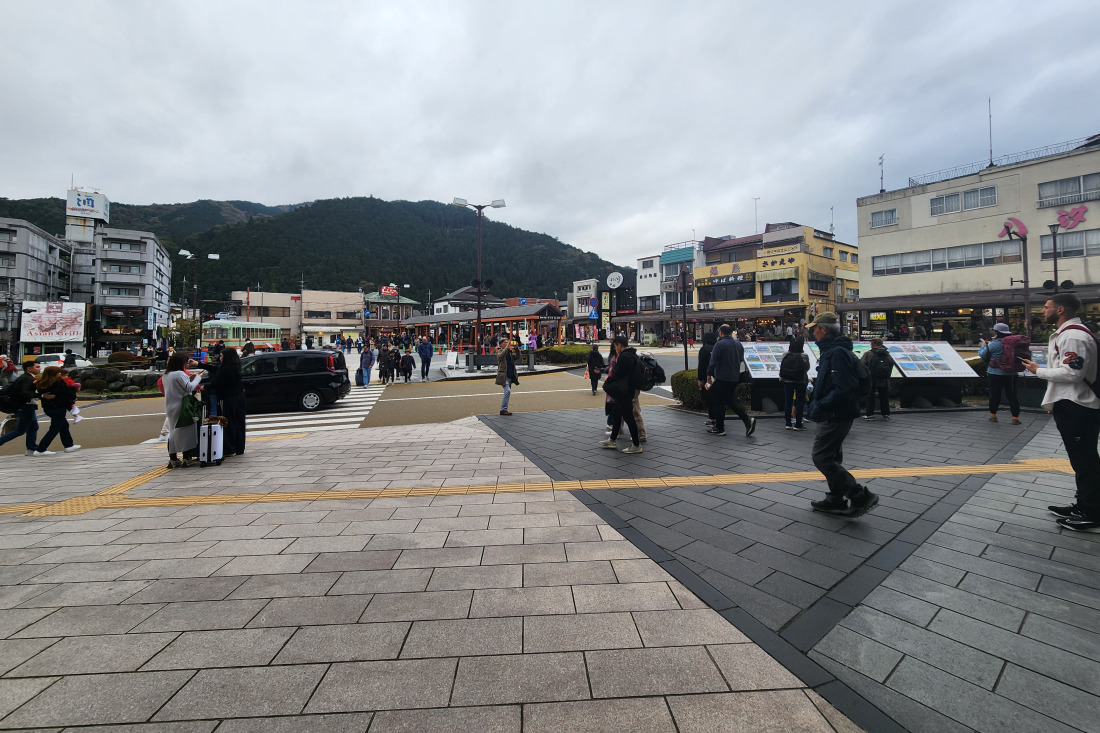
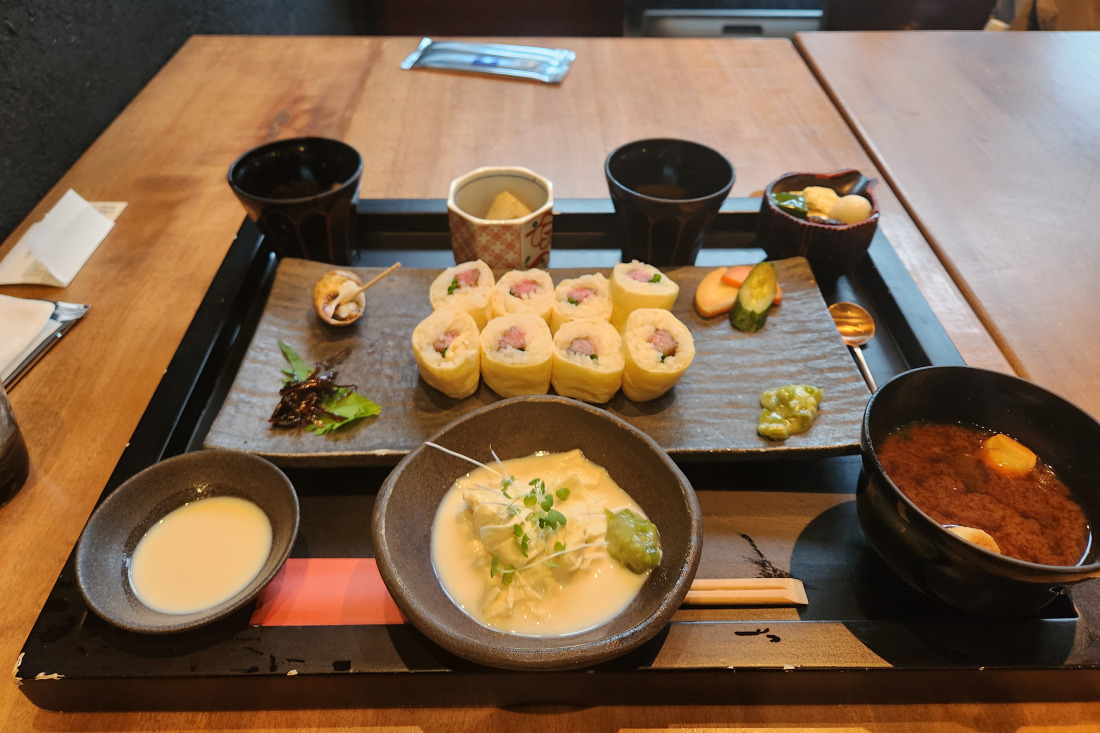
Walk around the area and settle into a slower pace of Japan. There are many shops and small food stalls to enjoy. In particular, the ageyuba manju buns are quite popular, combining the widely loved manju bun with Tochigi's speciality, yuba.
See the Older Side of Atami
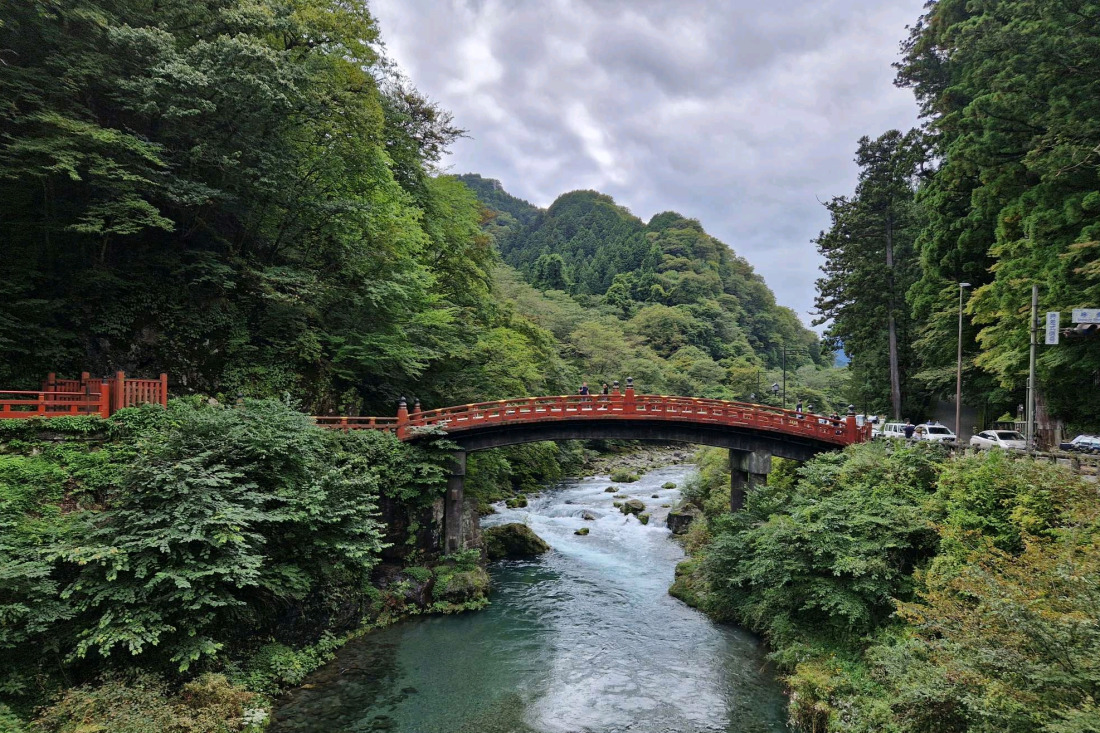
After spending some time in the local town, head up towards the Shinkyo Bridge to see some gorgeous nature. You can pay ¥300 to walk out onto the bridge itself, but the views either way are beautiful. From there it's a short walk to explore the Shrines and Temples of Nikko, a World Heritage Site.
Feel the History
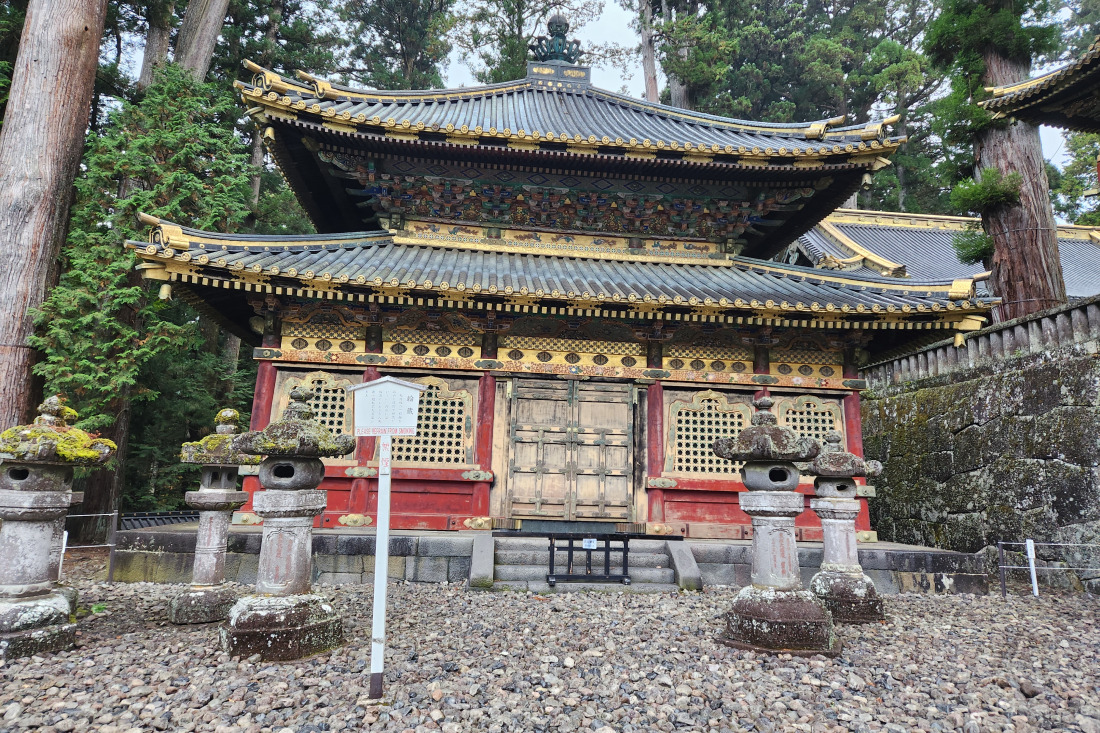
Stroll around the area to see the various Buddhist temples and Shinto shrines, and take some time to check out the museums to learn more about the events and meanings behind it all. For those who are interested in Japanese history or love old architecture, this area won't disappoint!
Witness Incredible Beauty
Have lunch at one of the nearby restaurants and try some of the other takes on yuba cuisine. From there, take a bus to the Akechidaira Ropeway to see the wide view up in the deep mountains. Alternatively, head to the Kegon Falls observation deck and get up close to one of Japan's three great waterfalls.
Wisteria at Night
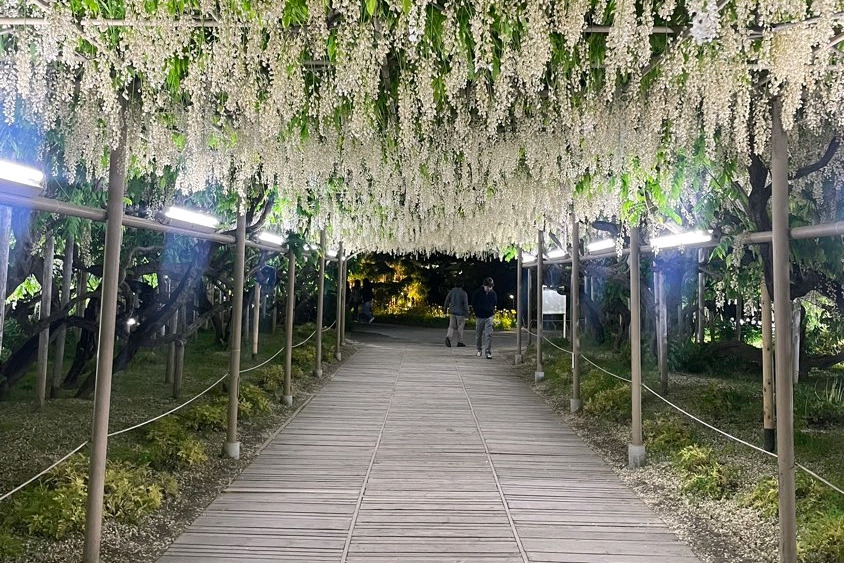
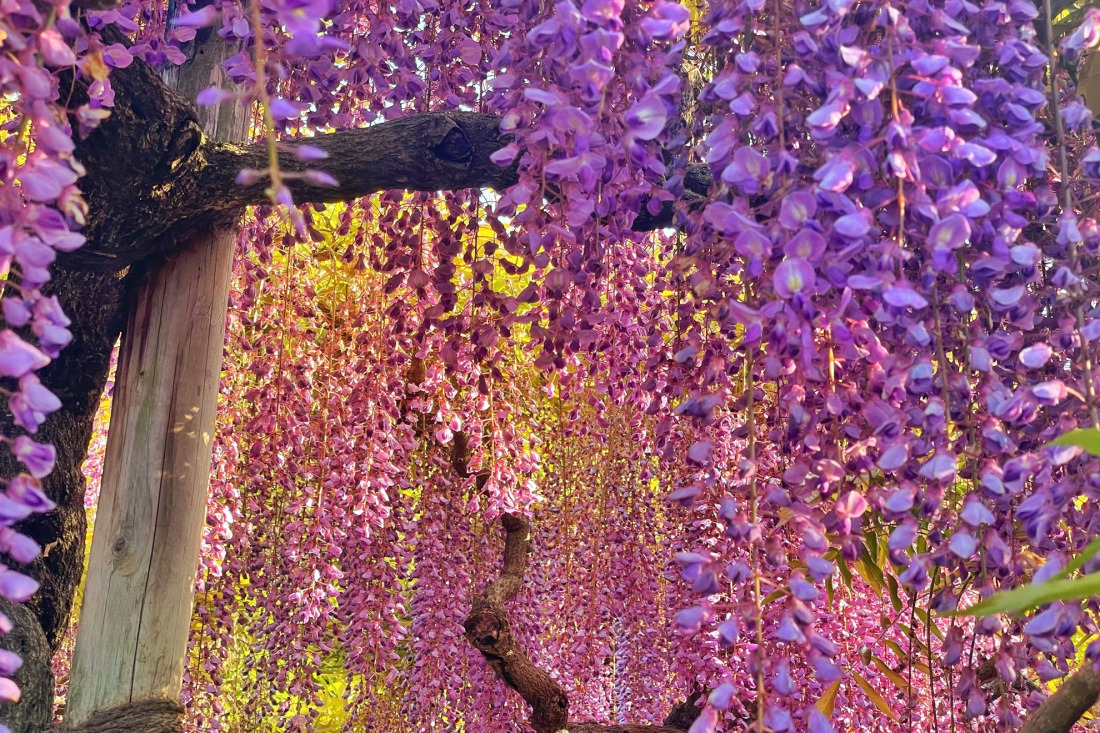
Take the bus back to Tobu-Nikko station and buy a limited express ticket to Tochigi station, where you'll transfer onto the JR Ryomo Line and get off at Ashikaga Flower Park station. From there it's a short walk to Ashikaga Flower Park, home to the most famous wisteria in Japan, illuminated at night in one of the country's great spring spectacles.
Wrapping up the Day
Close out the night with a relaxing meal in the park or take the train again on the Ryomo Line to Oyama station and take a bullet train back to Tokyo station.