This page has been translated from Japanese. If anything is unclear, please get in touch.
Prefecture Guide  ·  Kanto Region
東京都

Tokyo

The capital of Japan and the heart of the Kanto plain, with the old temple town of Asakusa and the crossings of Shibuya, the gardens of the palace and the towers of Shinjuku, food at every level from market stalls to the world's great restaurants, and mountains and islands within the city limits.

The metropolis

Capital, plain and islands
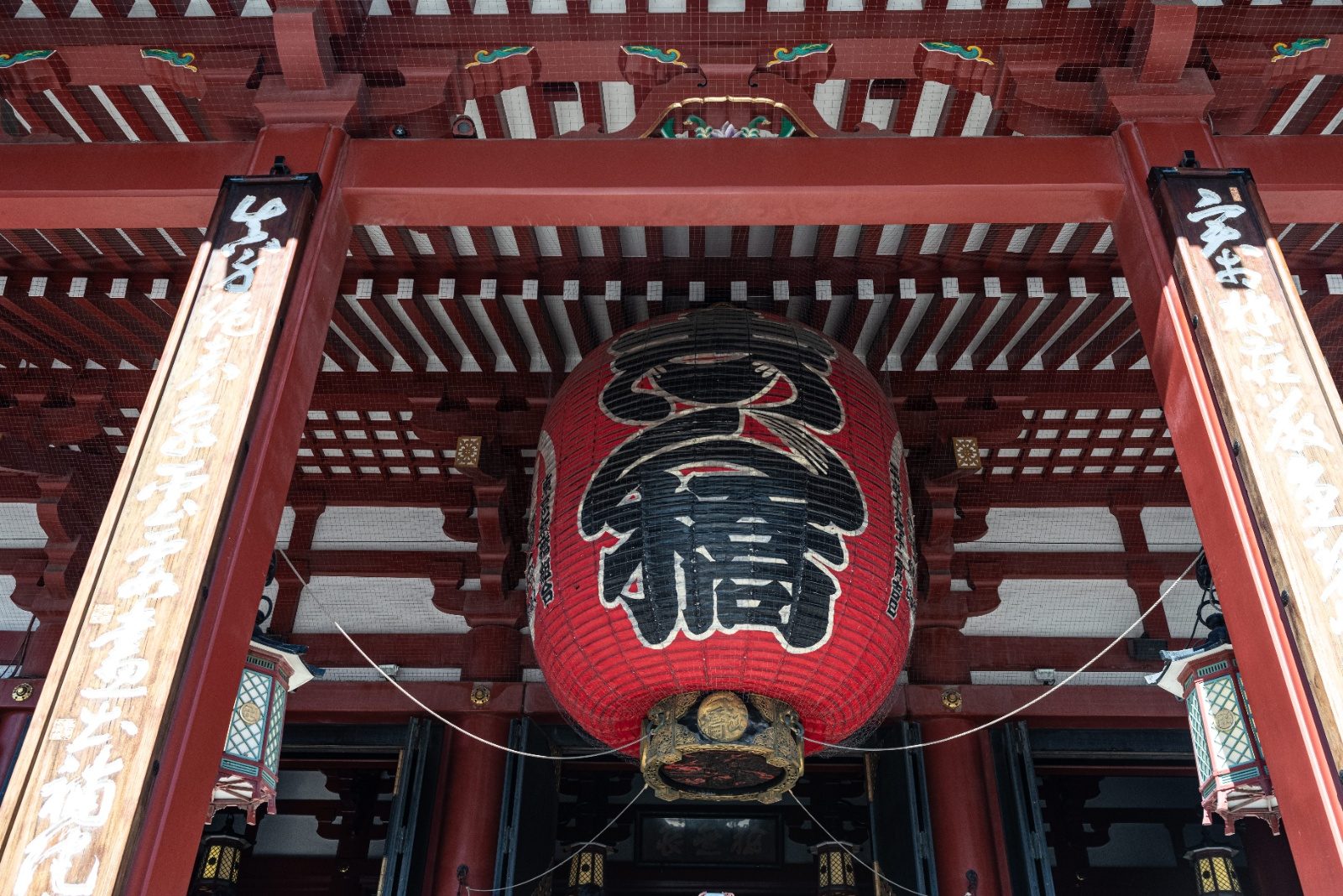
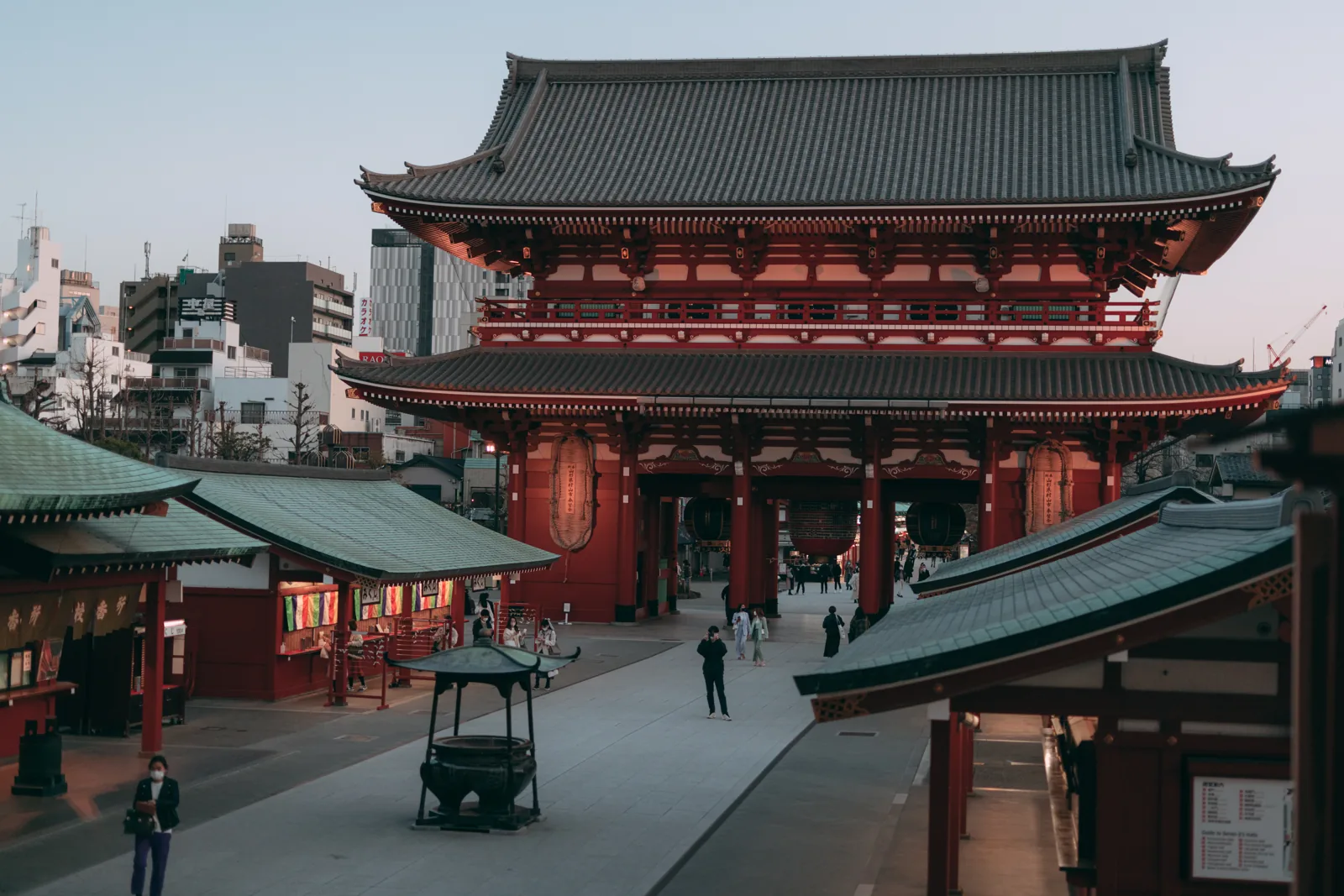
The great red lantern of Kaminarimon in Asakusa
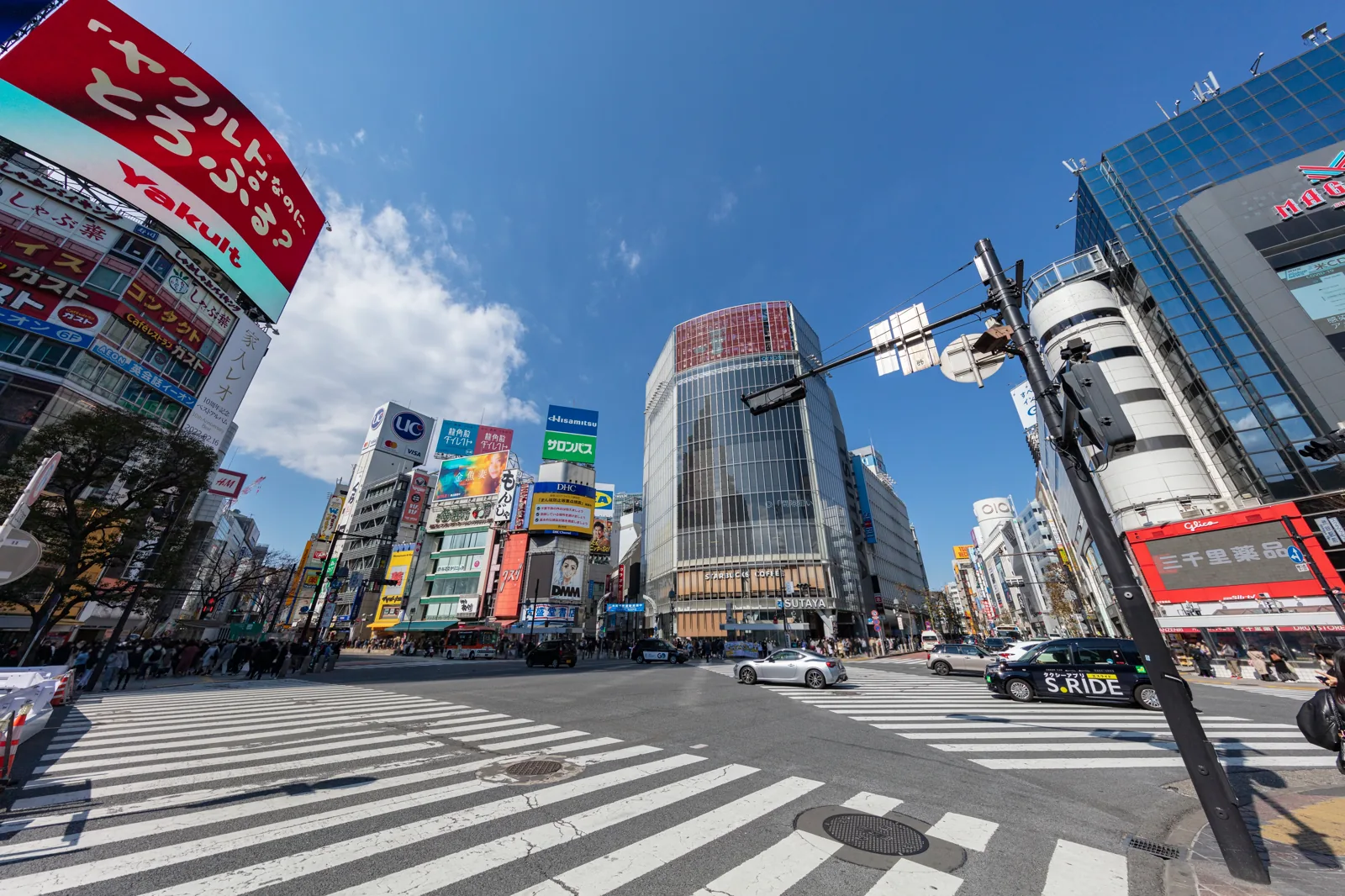
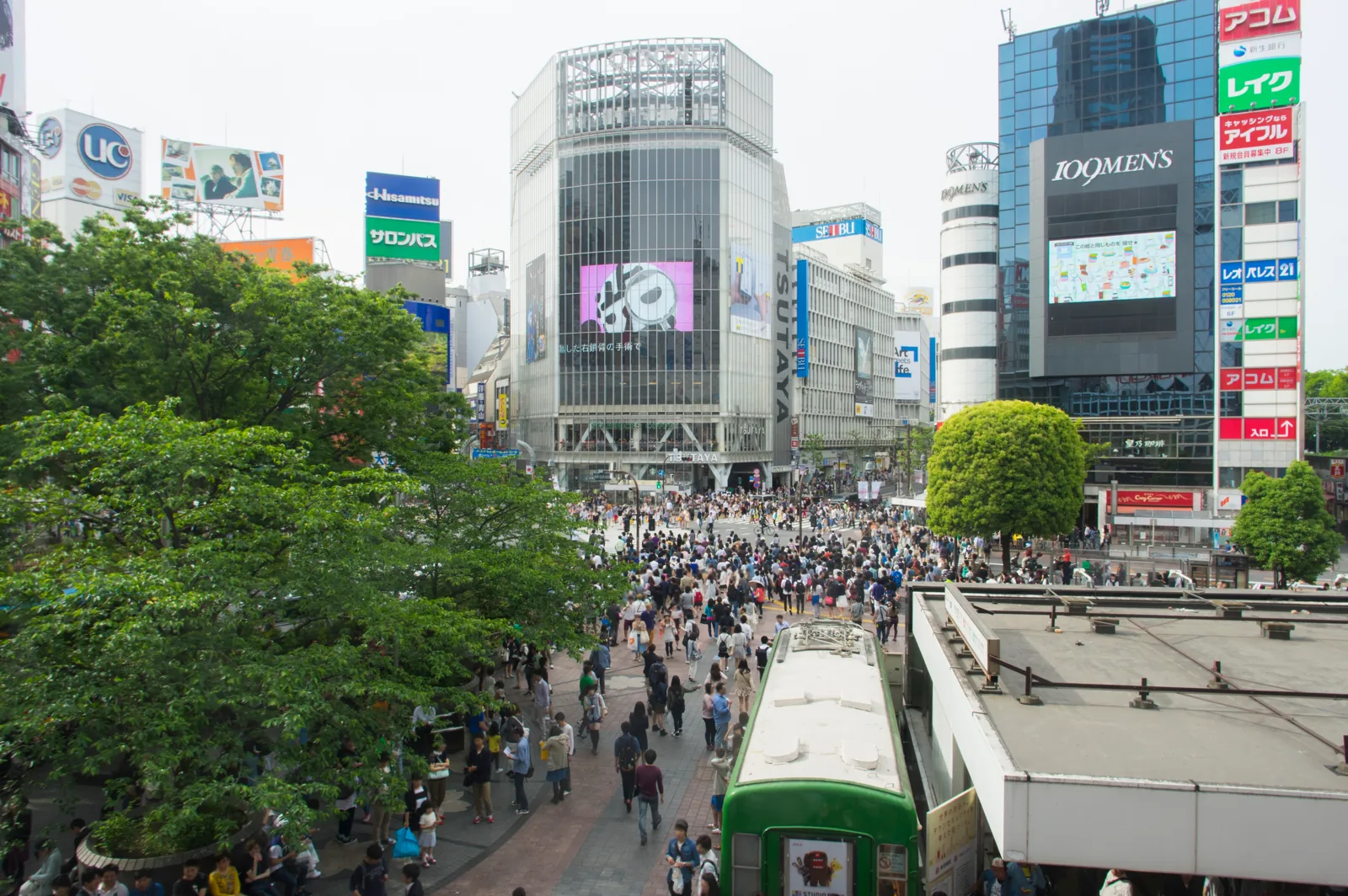
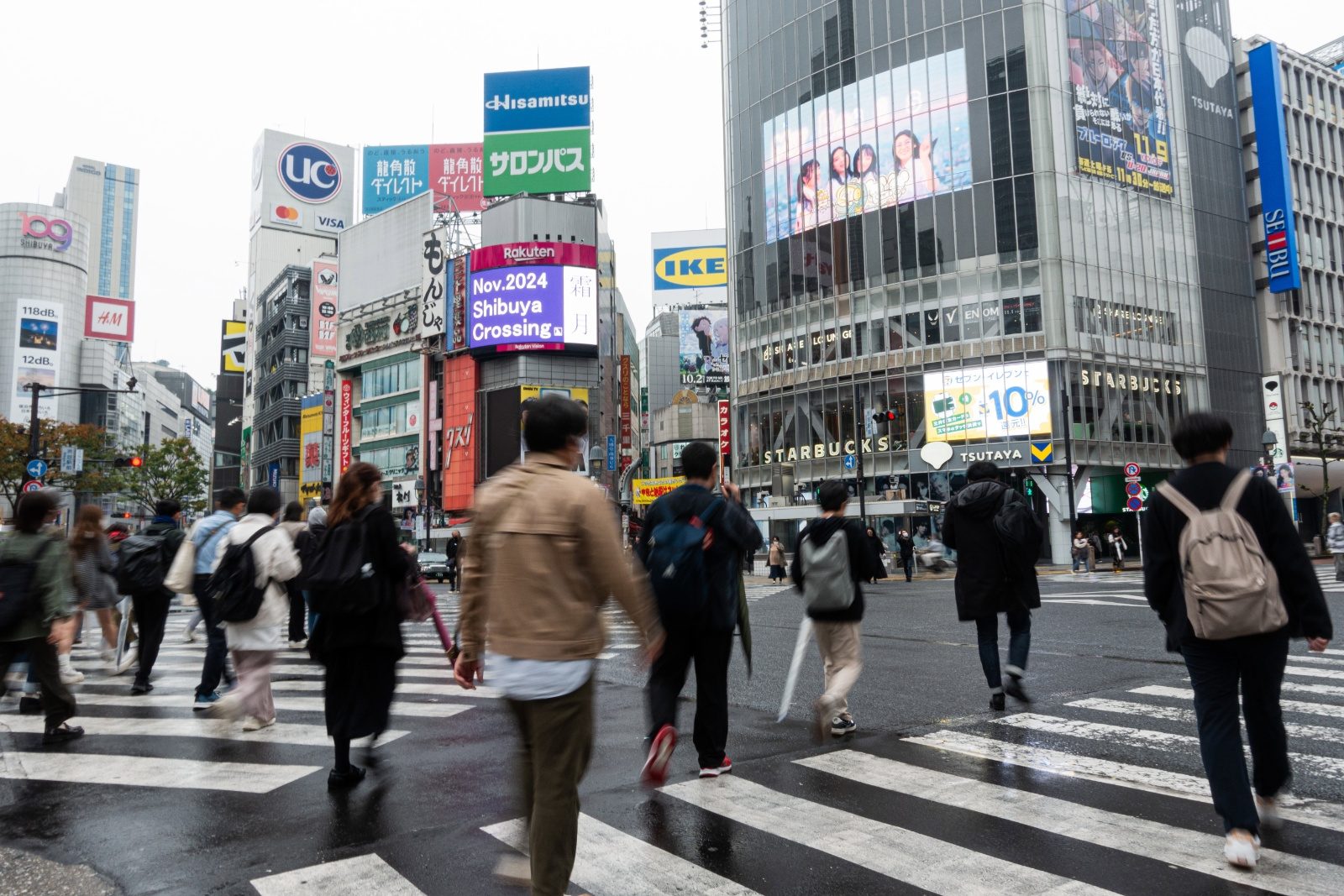
Crowds on the Shibuya scramble crossing
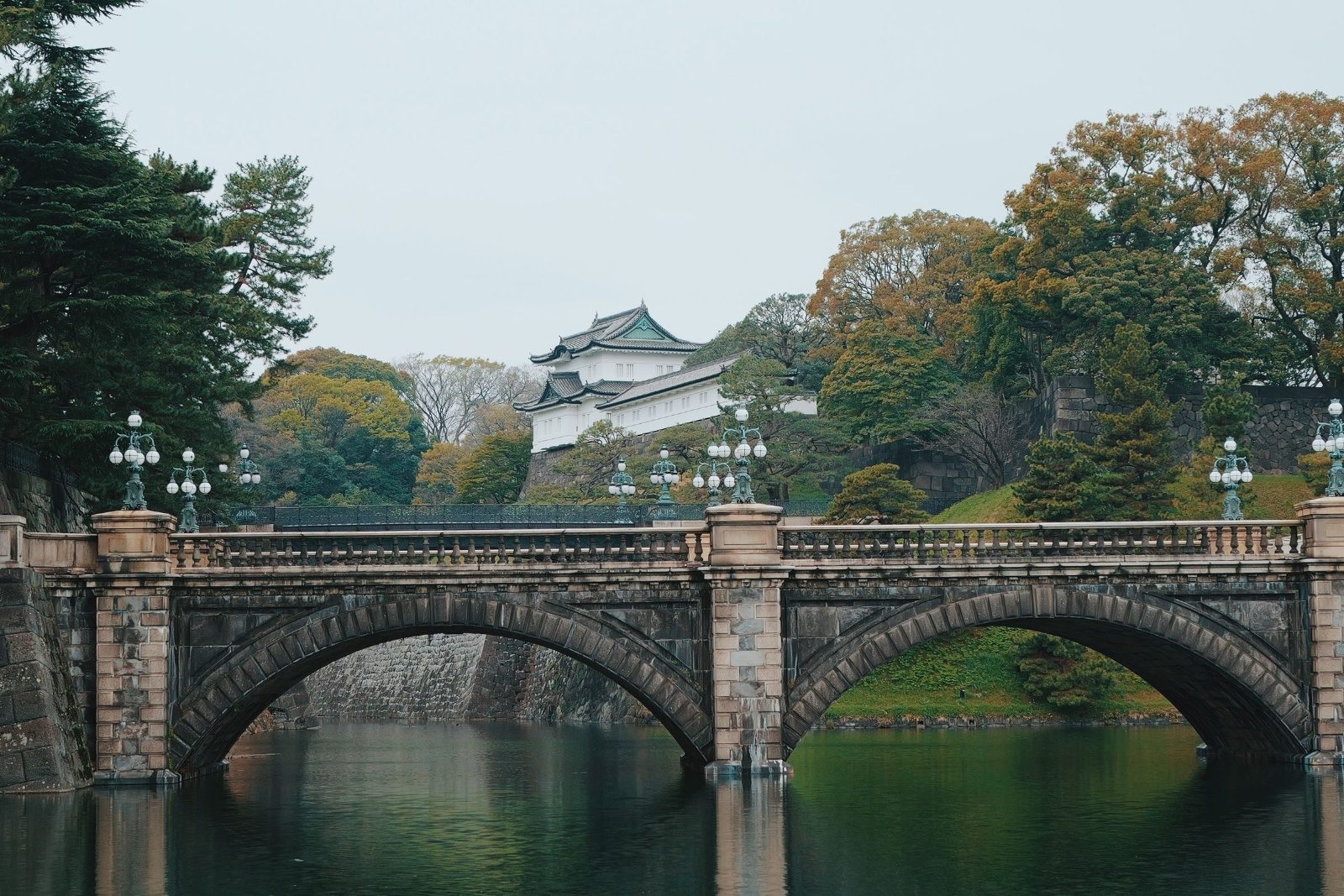
Nijubashi bridge over the Imperial Palace moat

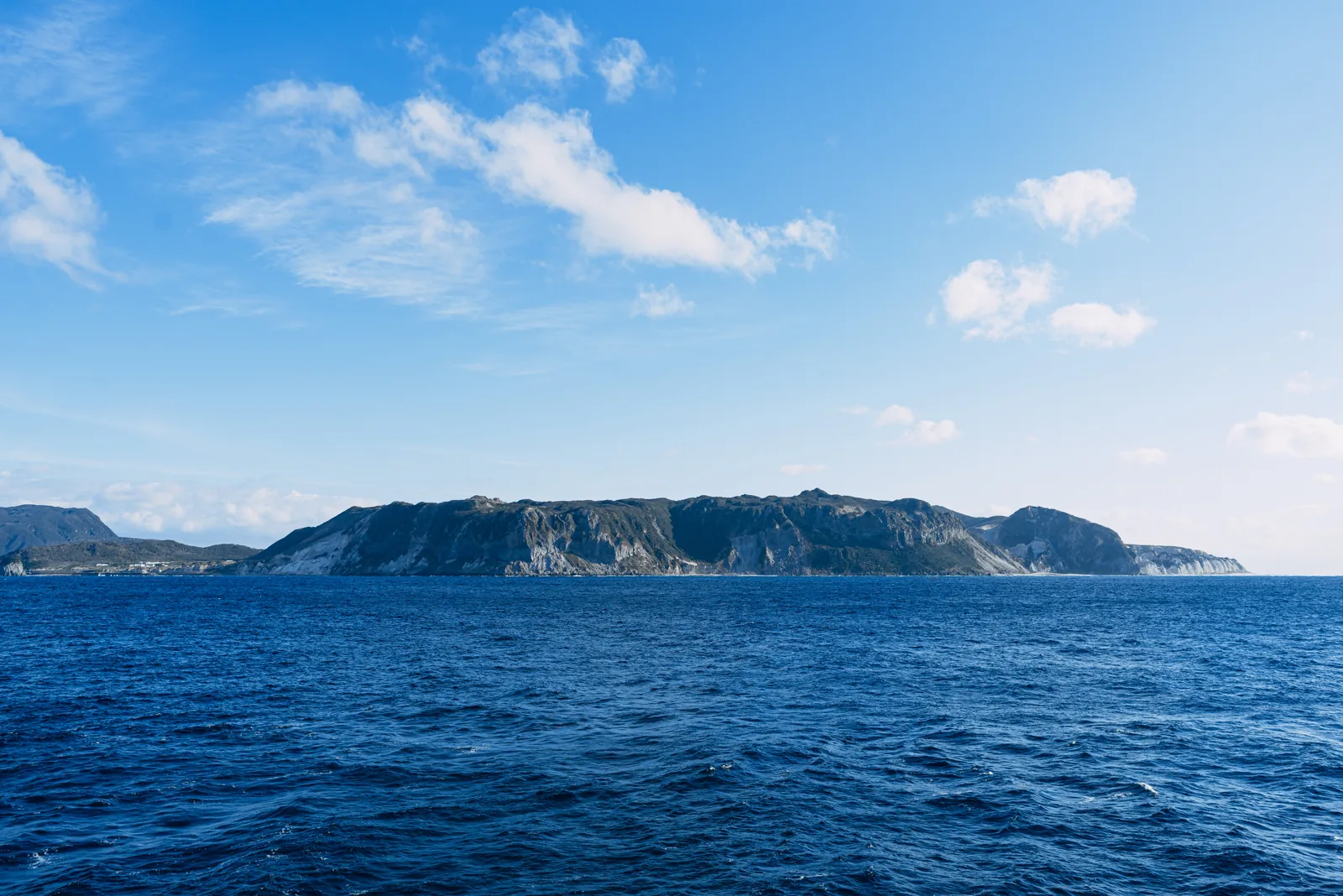
Tokyo sits at the centre of the Kanto region on the Pacific coast, the capital of Japan and the core of the largest metropolitan area in the world. It runs from the 23 central wards out through the Tama suburbs to the west, and far south to the Izu and Ogasawara islands in the Pacific. Most visitors arrive through Haneda or Narita.

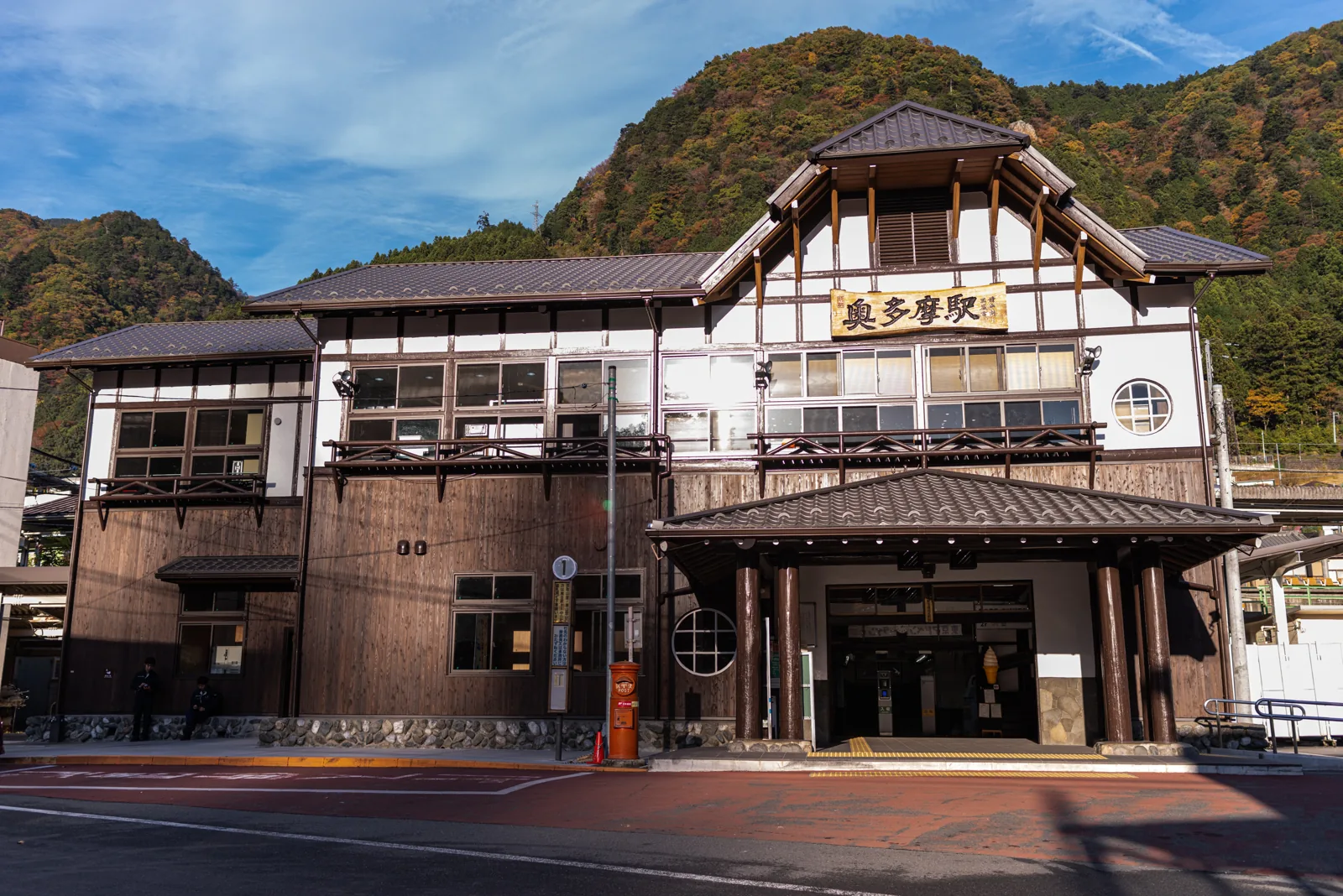
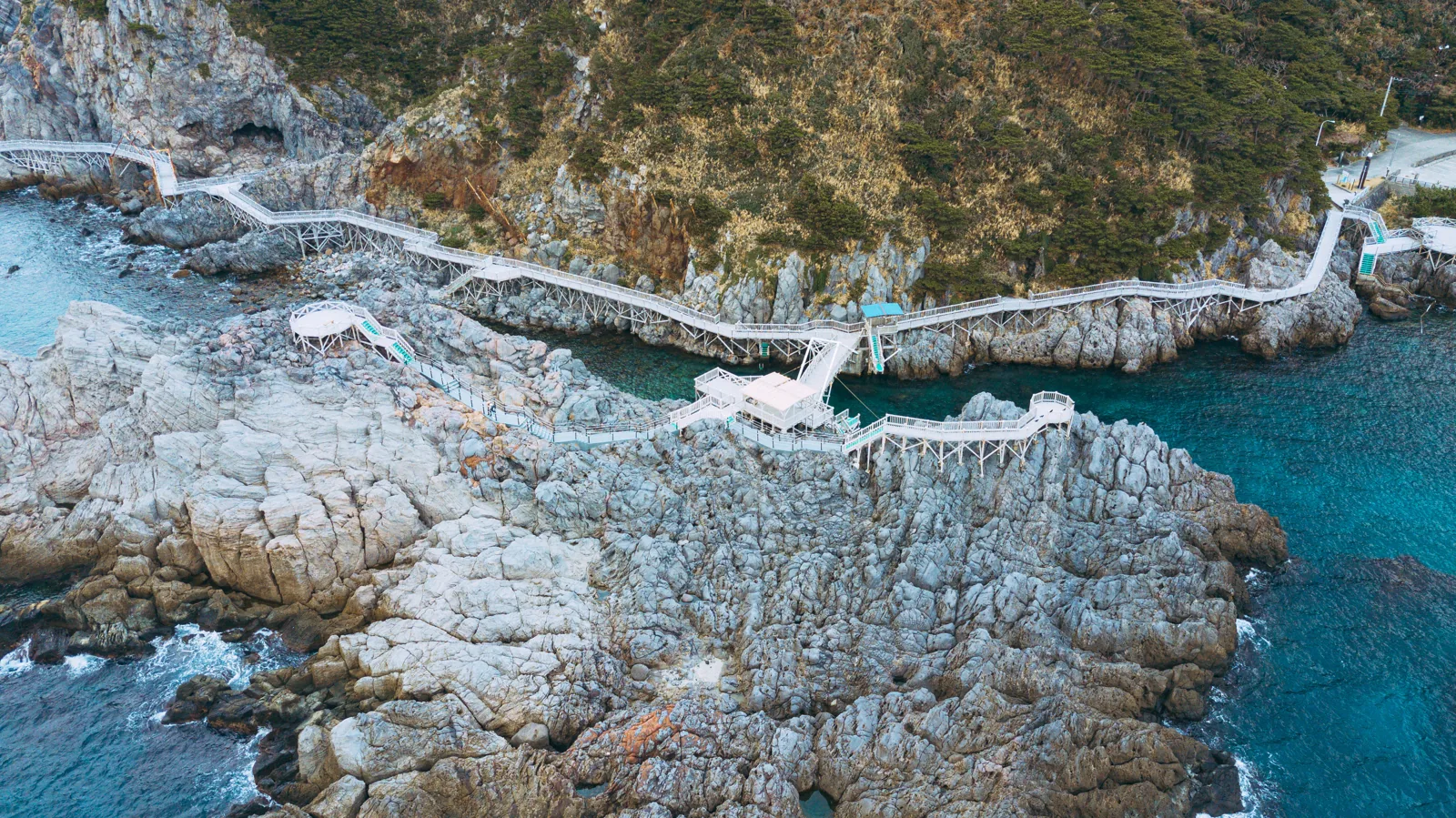
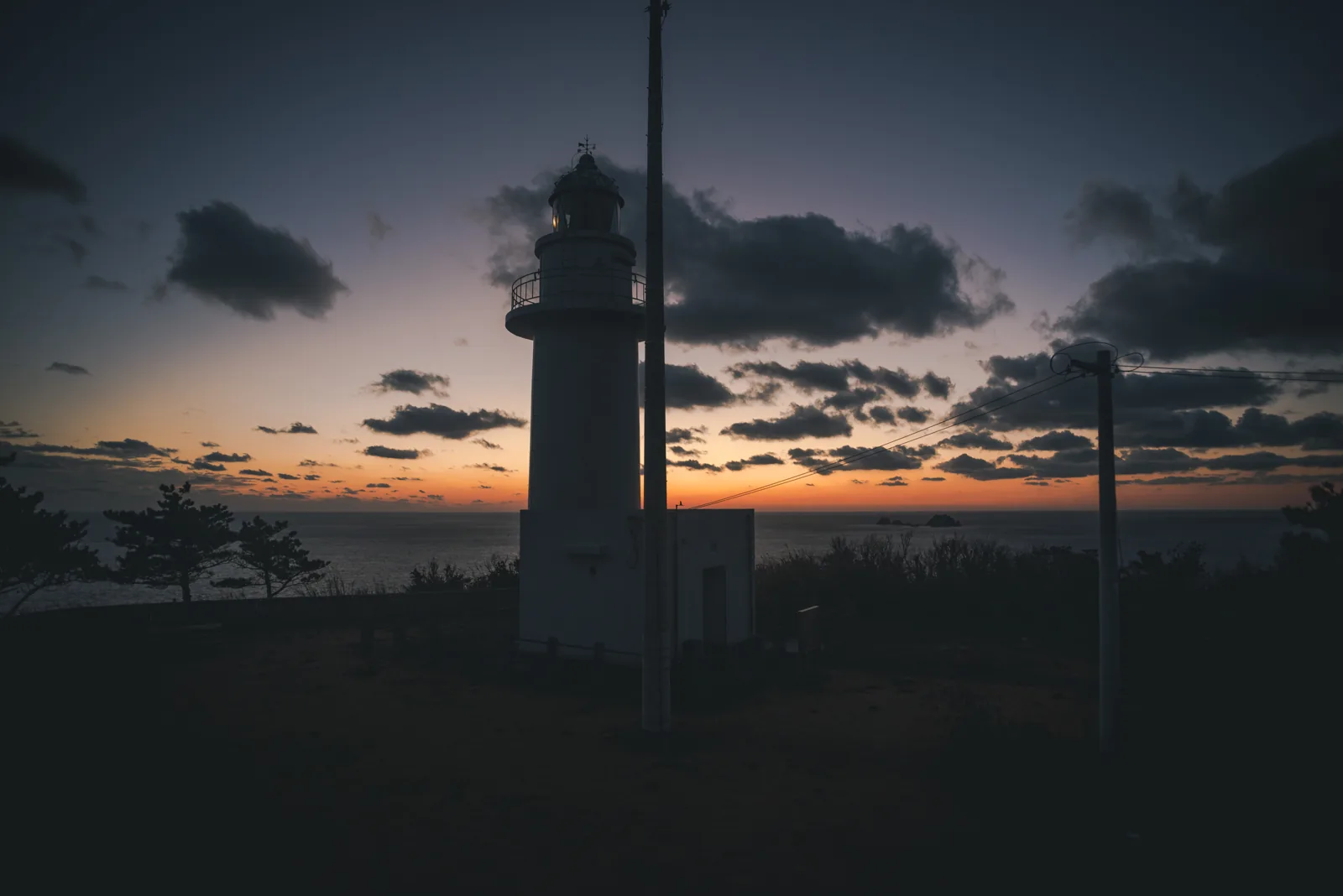
Its range is enormous. The temple town of Asakusa and the gardens of the Imperial Palace sit a short ride from the crossings of Shibuya and the towers of Shinjuku, and the food runs from market stalls and ramen counters to one of the world's great concentrations of fine dining. To the west rise the mountains of Takao and Okutama, and the islands offer diving, whales and subtropical forest.

The four seasons

Explore Kanto by season

Tokyo is part of the Kanto region, and its seasons turn with the wider plain. Choose a season to see what Kanto looks like through the year, and where Tokyo fits in.
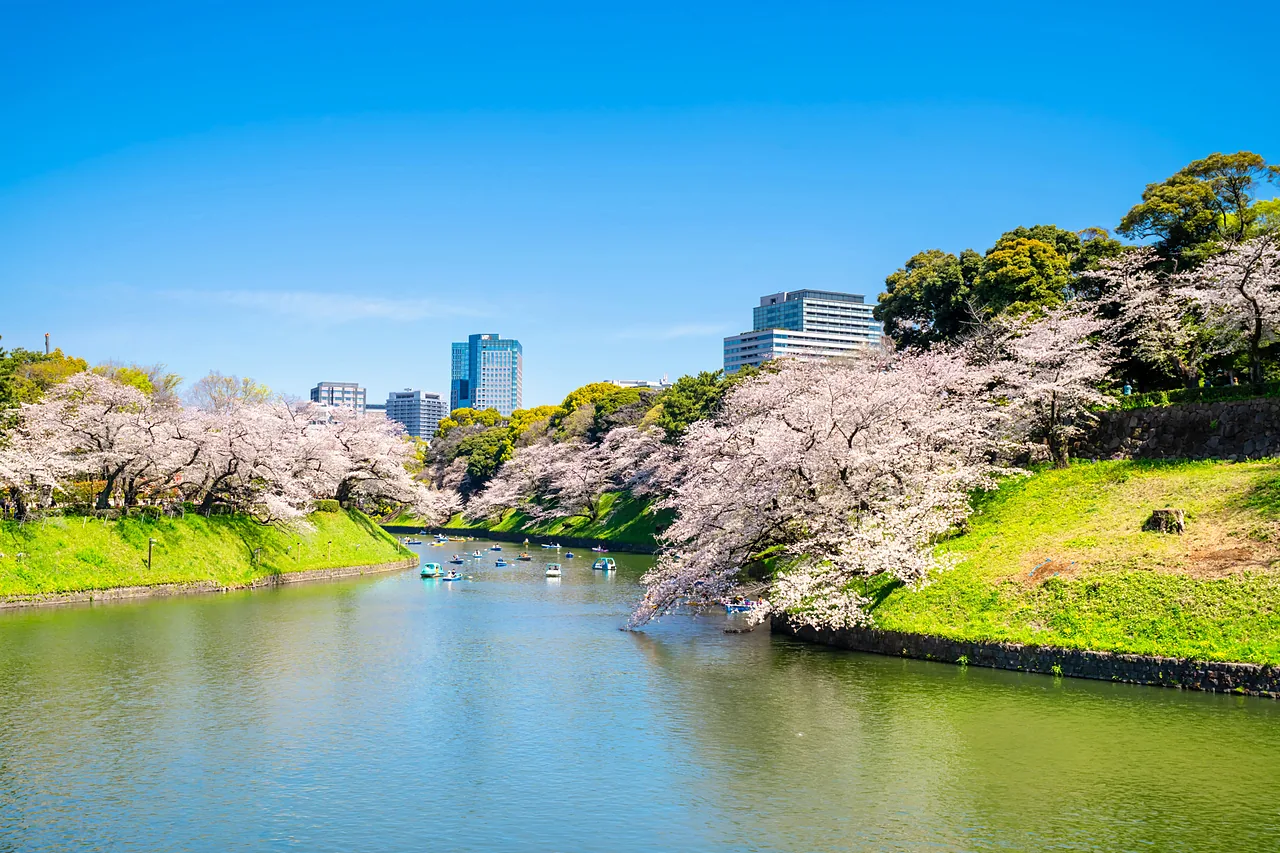
Cherry blossom at Chidorigafuchi
春 Spring · Late March to early April

Spring comes early to the Kanto plain, and in Tokyo it fills the parks and riverbanks with cherry blossom, at Ueno, along the palace moat at Chidorigafuchi, down the Meguro River after dark, and across the lawns of Shinjuku Gyoen.

Spring in Kanto
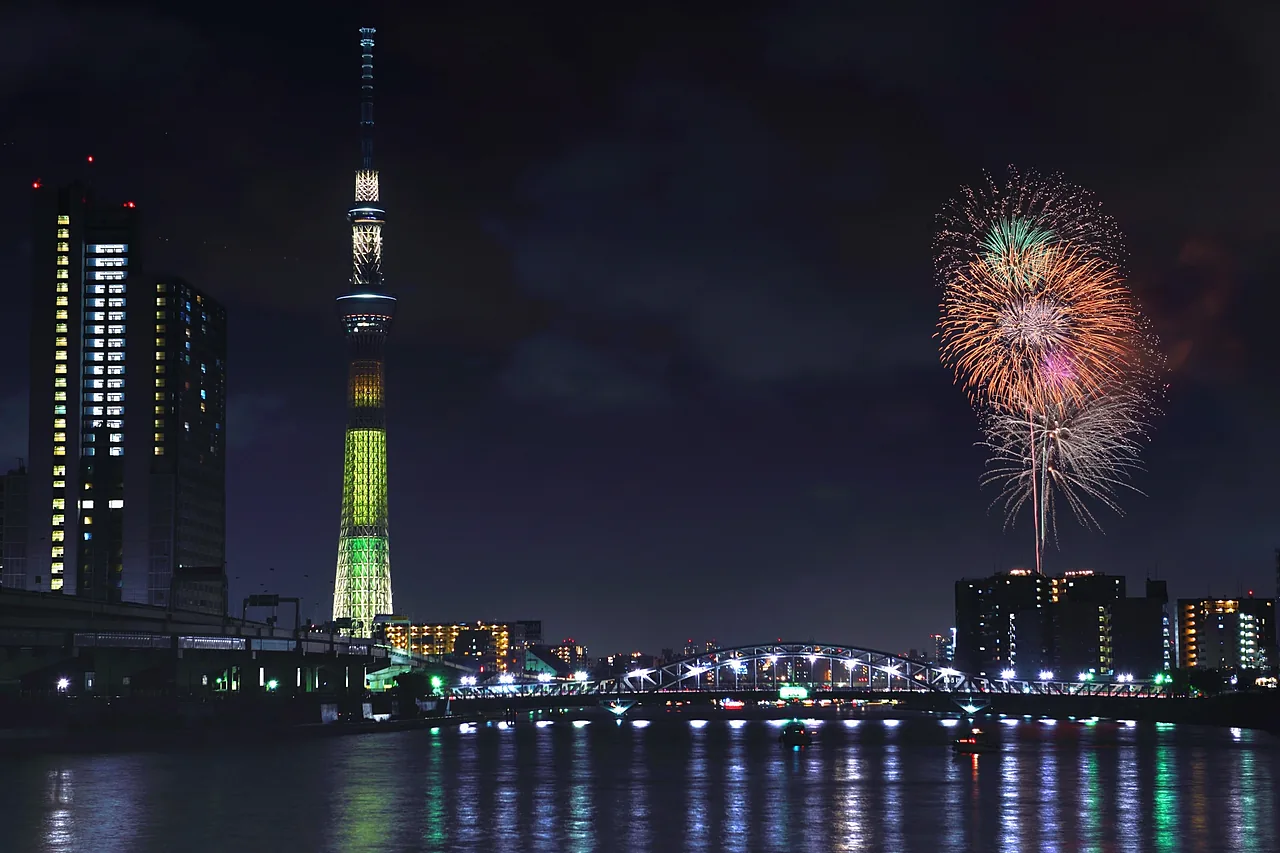
Fireworks beside Tokyo Skytree during the Sumida River Fireworks
夏 Summer · July to August

Kanto's summer is hot and humid, and Tokyo answers with river fireworks over the Sumida, summer festivals and rooftop beer gardens, while the Izu and Ogasawara islands offer an escape out to sea.

Summer in Kanto
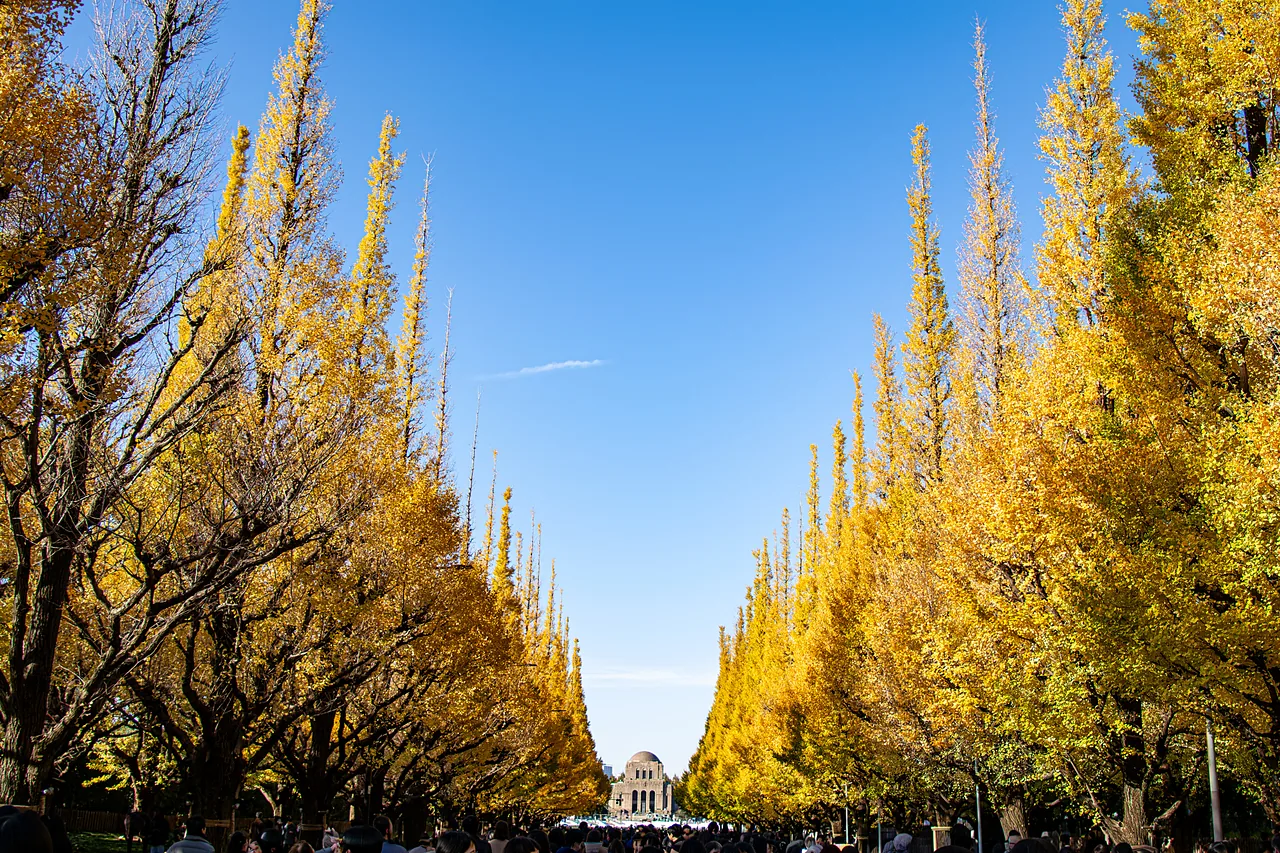
Ginkgo avenue at Jingu Gaien
秋 Autumn · Mid November to early December

Autumn brings colour across Kanto, and in Tokyo the ginkgo avenue at Meiji Jingu Gaien turns gold, the gardens of Rikugien and Koishikawa Korakuen light up after dark, and Mount Takao draws the leaf watchers.

Autumn in Kanto
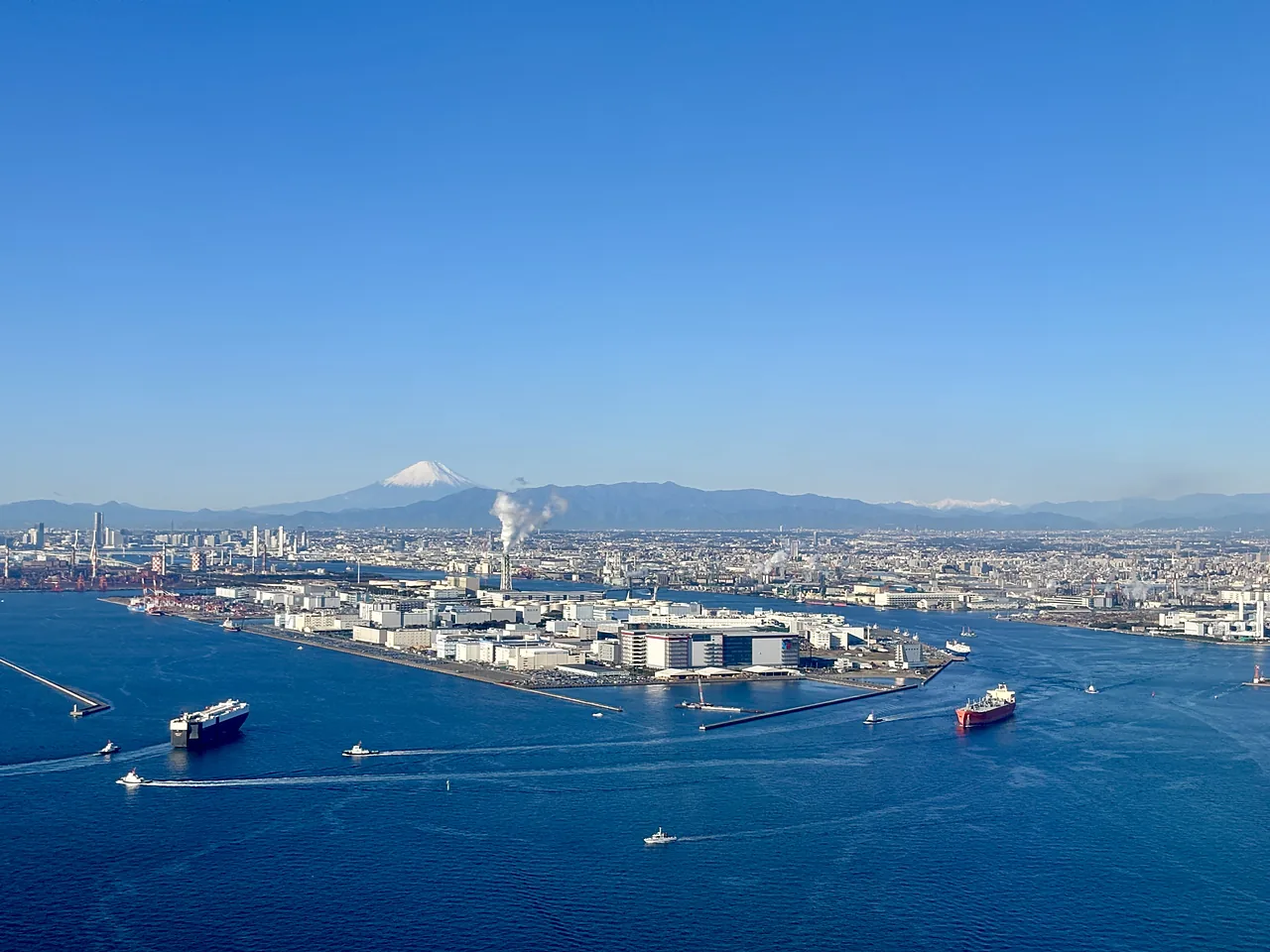
Mt Fuji over Tokyo Bay in winter
冬 Winter · December to February

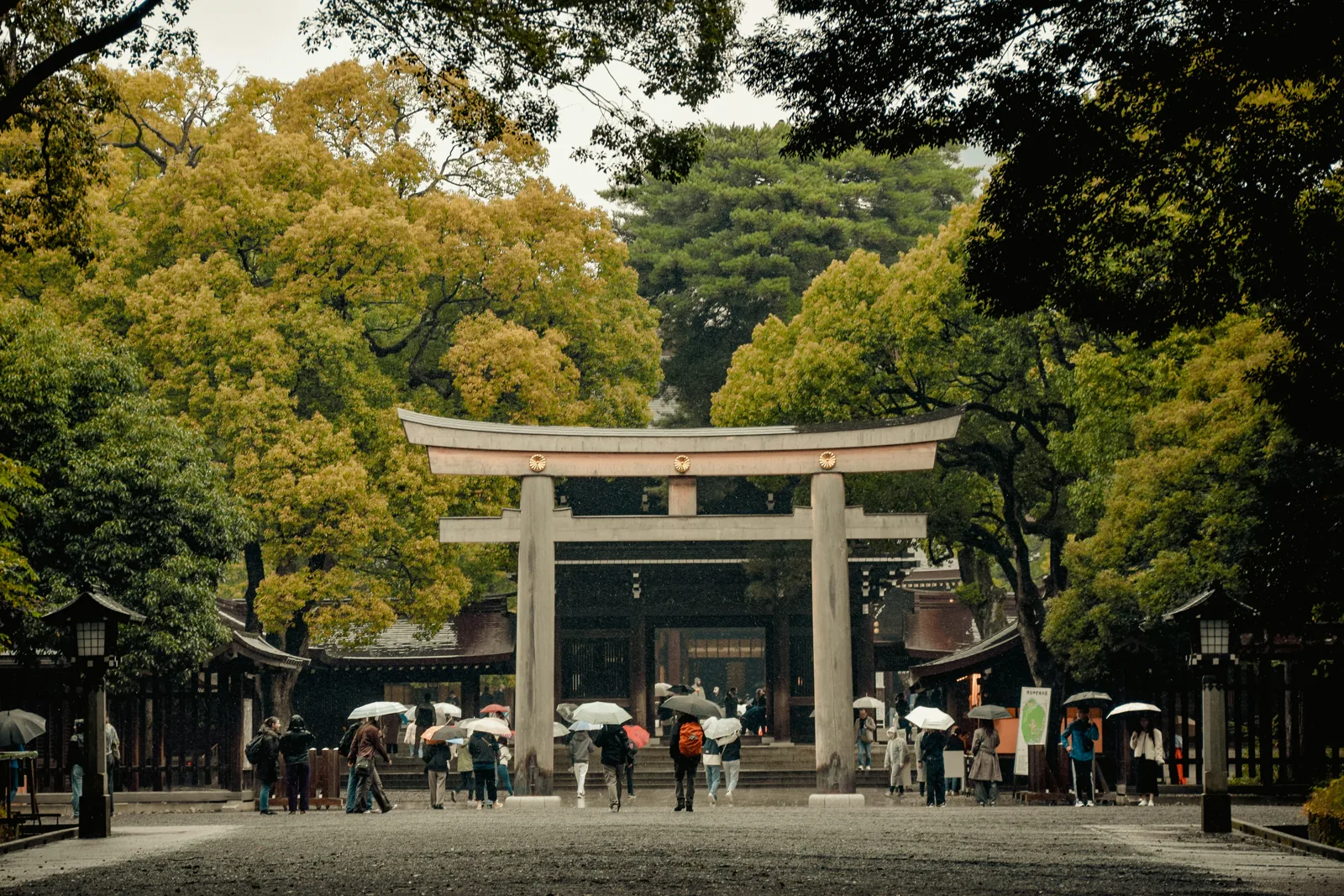
Winters are cold and clear on the plain, and in Tokyo the season brings winter illuminations, crisp views to Mount Fuji from the towers, and the New Year crowds at Meiji Jingu and Senso-ji.

Winter in Kanto
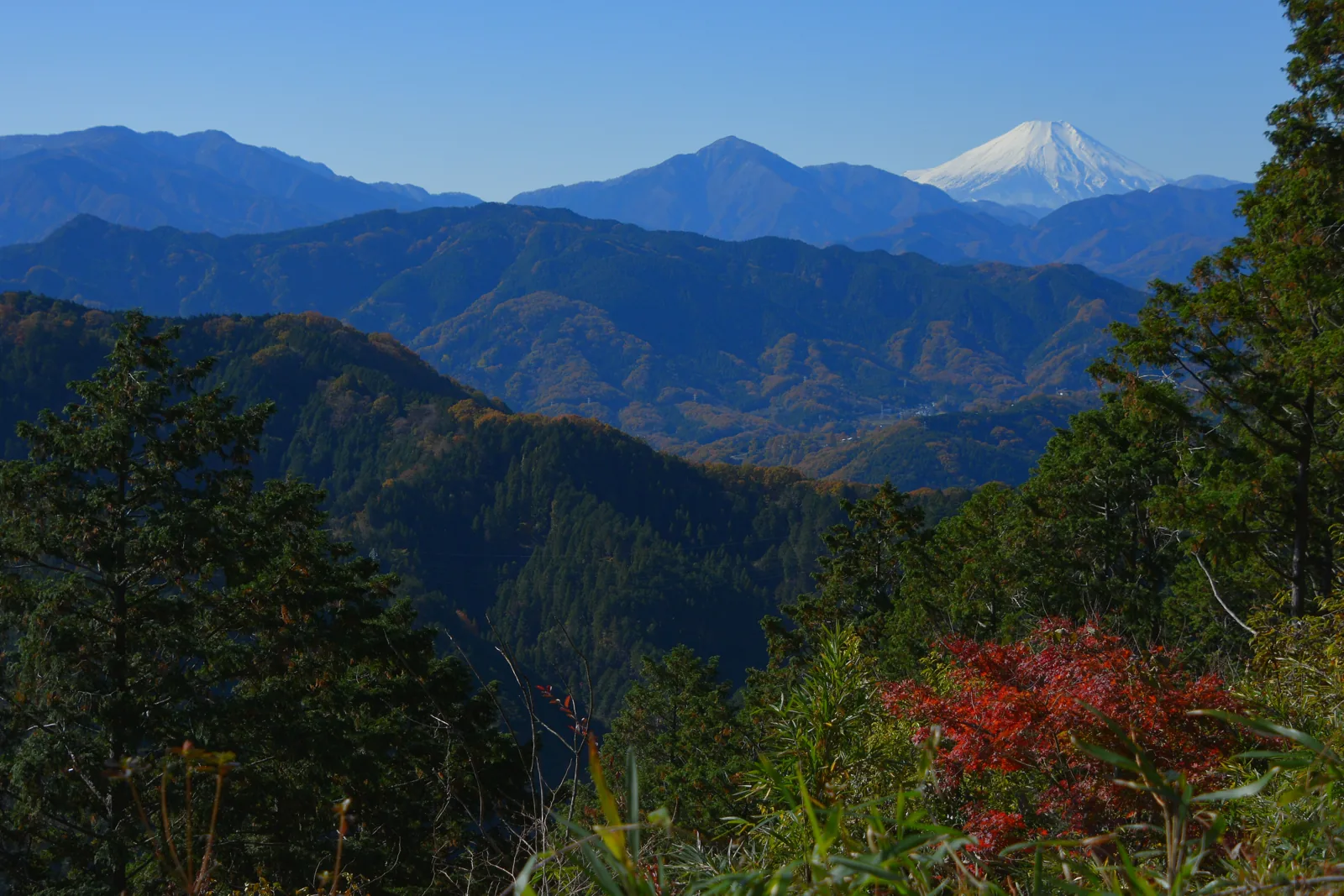
Experiences

Must-See in Tokyo

From the old temple town and the great shrines to the neon crossings, the western mountains and the Pacific islands, here is where to start across the capital.

Transport

Getting to Tokyo

Tokyo is the hub of the country's transport. Two airports, Haneda close to the city and Narita further out in Chiba, handle the flights, while the shinkansen lines fan out from Tokyo, Shinagawa and Ueno to the rest of Japan. Most visitors arrive by air or step straight off the bullet train.

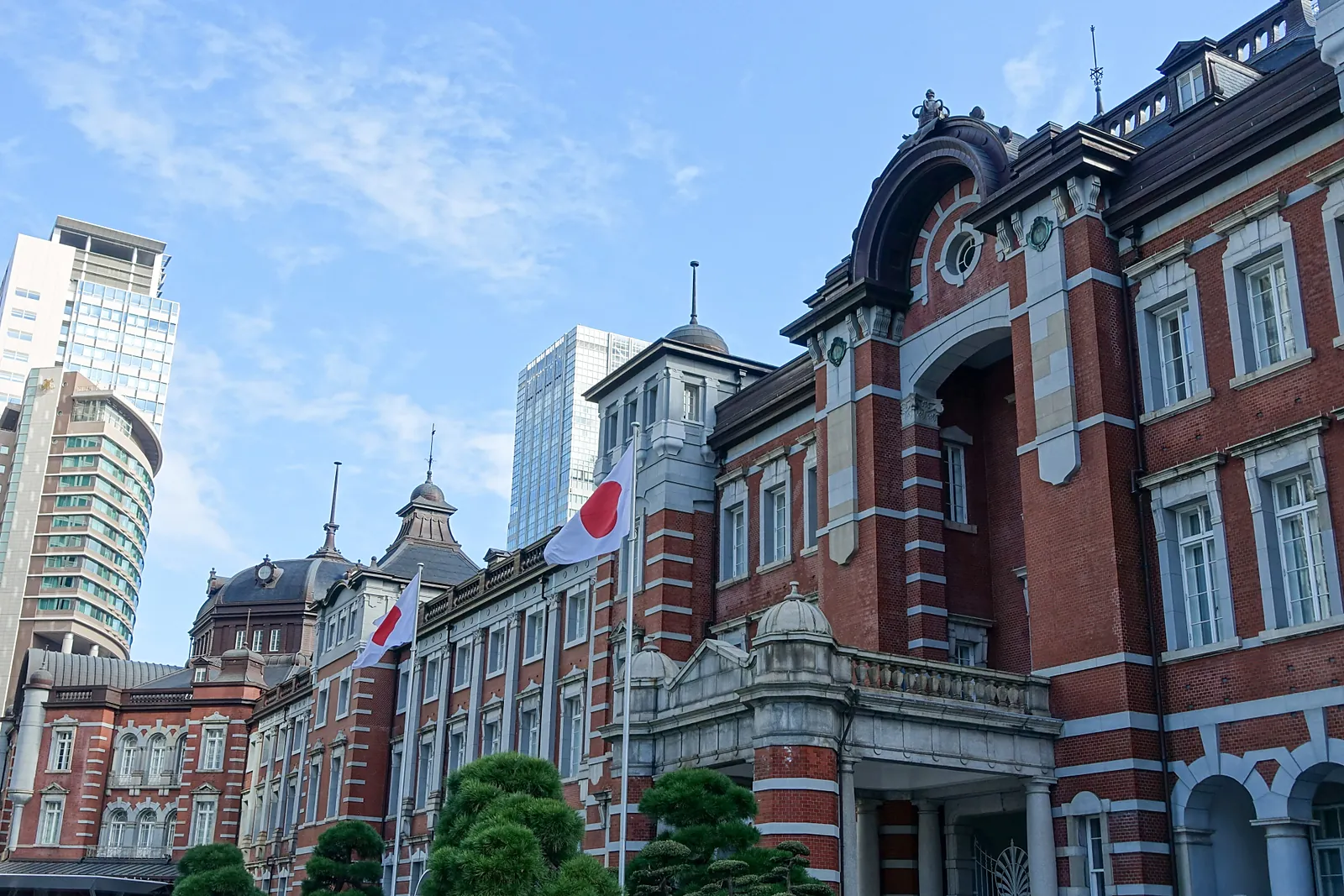
The red brick Marunouchi building of Tokyo Station
Buildings by Tokyo Station

Haneda, on Tokyo Bay, is the closer airport, about 30 minutes from the centre by the monorail to Hamamatsucho or the Keikyu line to Shinagawa. Narita, further out in Chiba, is around an hour by the Narita Express to Tokyo and Shinjuku or the Keisei Skyliner to Ueno. From the west and south the Tokaido and Sanyo Shinkansen run into Tokyo and Shinagawa, and the Tohoku, Hokuriku and Joetsu lines head north from Tokyo and Ueno.

Arriving by air

The airports

Haneda handles the most flights and sits closest to the city on Tokyo Bay. Narita, in Chiba to the east, takes many international arrivals and is around 60 km out. Both link straight into the rail network.

By train from the airport

From Haneda the monorail reaches Hamamatsucho in about 15 minutes and the Keikyu line runs to Shinagawa. From Narita the Narita Express serves Tokyo, Shibuya and Shinjuku in about an hour, and the Keisei Skyliner reaches Ueno in about 45 minutes.

By bus

Airport limousine buses run from both airports direct to the major hotels and stations, useful with luggage, though slower than the train when traffic is heavy.

Osaka and Kyoto to Tokyo

By rail

The Tokaido Shinkansen runs from Shin-Osaka and Kyoto to Tokyo, the Nozomi in about 2h 30m for around ¥14,000, with Hikari and Kodama services covered by the nationwide JR Pass. Frequent trains all day.

By air

Itami and Kansai both fly to Haneda in about 1h 15m, competitive with the train once airport time is added, though the shinkansen lands you in the centre.

By bus

Overnight highway buses run from the Kansai cities to Tokyo, Shinjuku and the bay, the cheapest way to make the journey if you are happy to sleep on board.

Nagoya to Tokyo

By rail

The Tokaido Shinkansen reaches Tokyo from Nagoya in about 1h 40m, the Nozomi the fastest, with trains every few minutes through the day.

By bus

Day and overnight buses run from Nagoya to Tokyo and the bay, slower than the shinkansen but a good deal cheaper.

By air

Flying is rarely worth it on this route, as the shinkansen is faster city to city once you allow for the airports.

Sendai to Tokyo

By rail

The Tohoku Shinkansen runs from Sendai to Tokyo and Ueno in about 1h 30m, a quick and direct ride covered by the relevant JR passes.

By bus

Highway buses link Sendai with Tokyo and Shinjuku, slower than the shinkansen but cheaper, with overnight services available.

By car

The Tohoku Expressway runs straight down from Sendai through the northern Kanto plain into Tokyo, though city traffic and parking make a car more trouble than help once you arrive.
Sapporo and Hokkaido to Tokyo
By air

New Chitose to Haneda is one of the busiest air routes in the world, taking about 1h 35m, with flights all day. From Haneda the monorail or Keikyu line carries you into the city.

By rail

By rail you ride the Hokkaido and Tohoku Shinkansen south through Shin-Hakodate and Sendai to Tokyo, around eight hours from Sapporo, scenic but far slower than flying.

By ferry

There is no direct ferry. Long distance crossings run from Tomakomai to Sendai, Nagoya and the Ibaraki coast at Oarai, from where you continue to Tokyo by train.

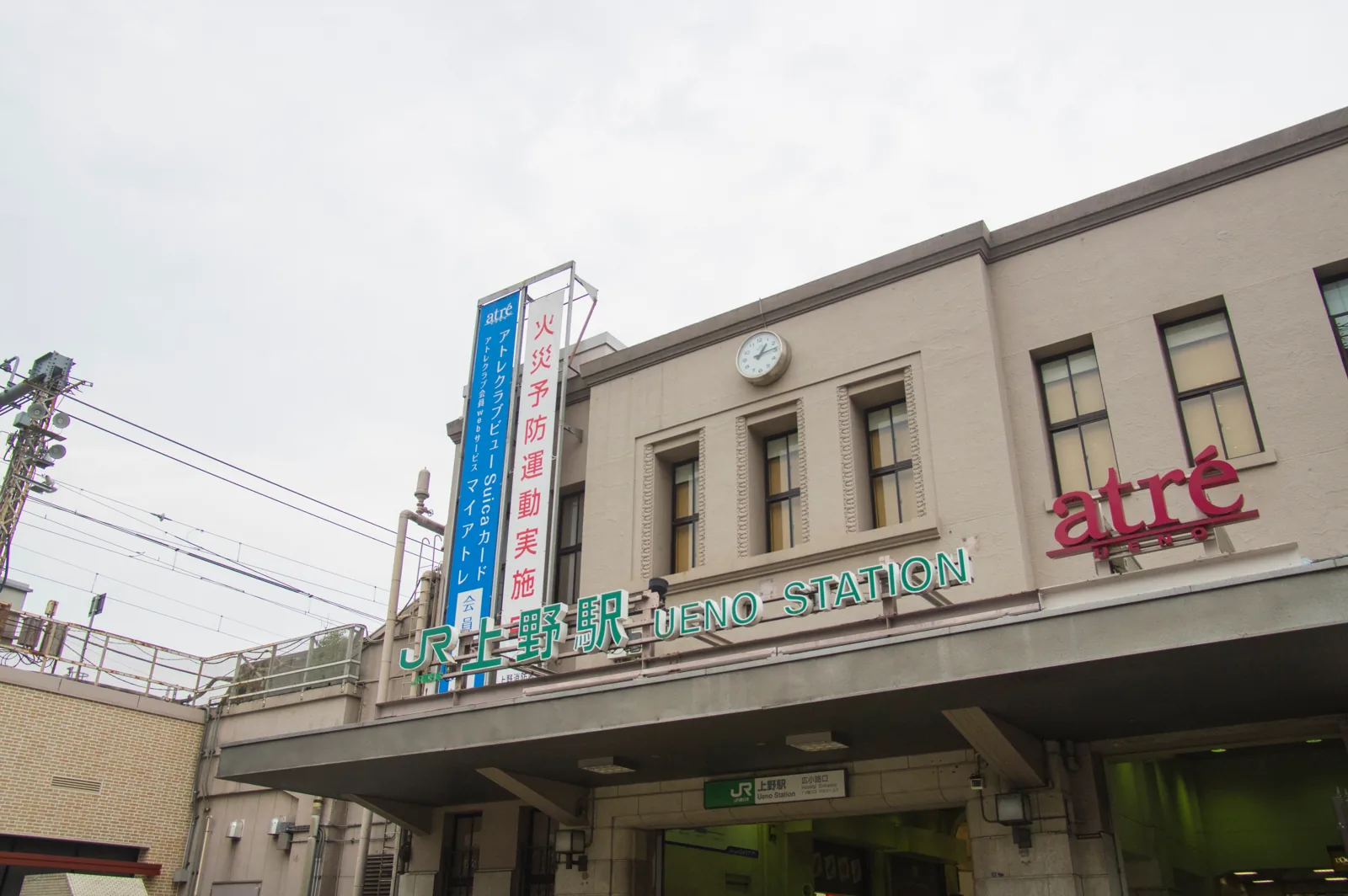
Ueno Station entrance
Transport

Getting around Tokyo

Inside the city the trains do everything. The JR Yamanote loop ties the major hubs together, the Tokyo Metro and Toei subways fill in the rest, and a single IC card covers them all. The Tama mountains and the Pacific islands take more planning.

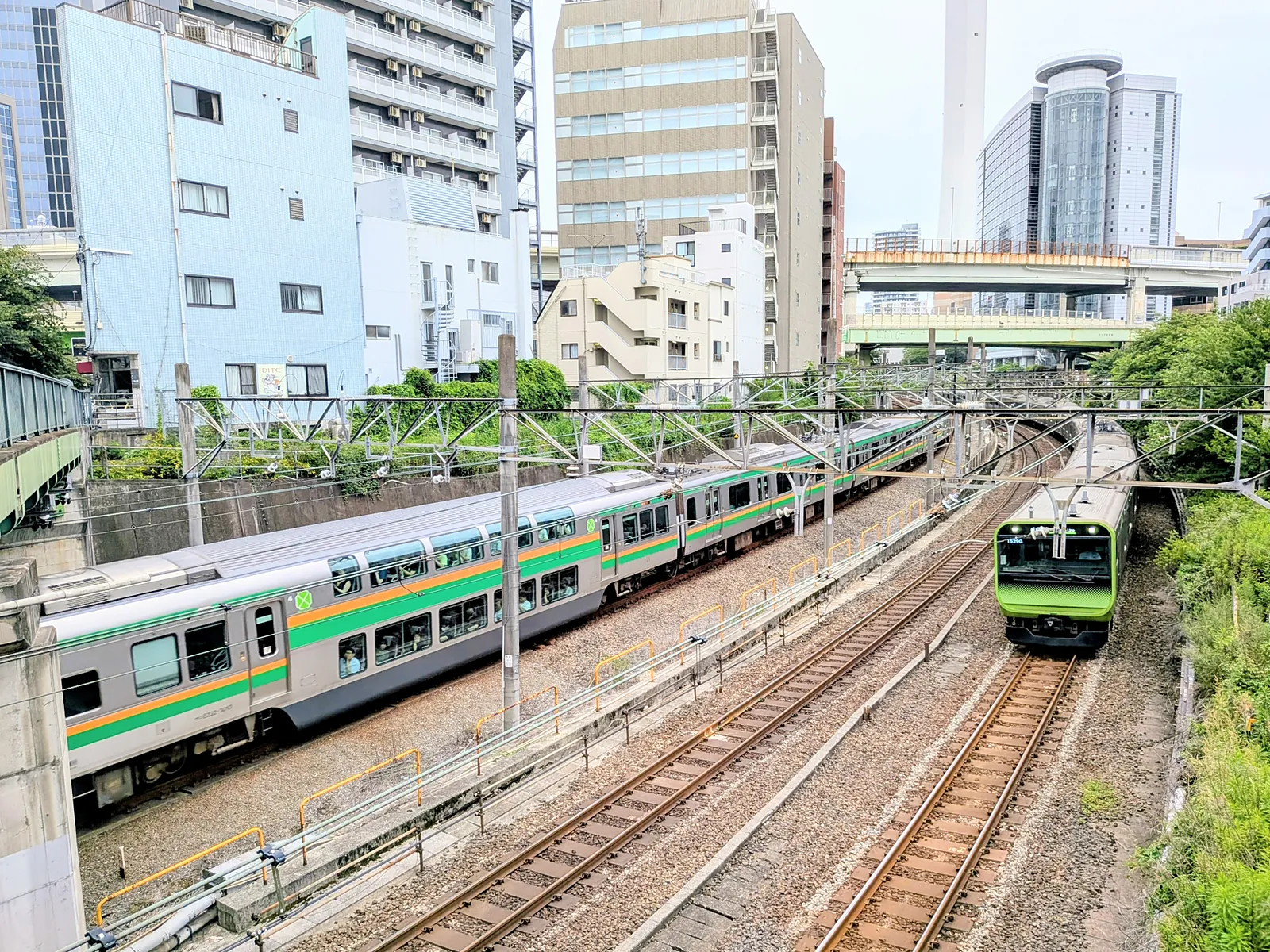
A Yamanote Line train beside other JR lines

The JR Yamanote Line runs a loop around the centre, linking Tokyo, Shinjuku, Shibuya, Ueno, Ikebukuro and Shinagawa, and is the easiest line to find your way around. Inside and across the loop run the Tokyo Metro and Toei subway networks, between them reaching almost every corner of the central wards.

An IC card, Suica or Pasmo, covers fares with a simple tap across the JR lines, the subways, the private railways and the buses, and can be loaded onto a phone. It saves buying paper tickets and covers almost every journey in the city.

For the western suburbs, the Keio, Odakyu and JR Chuo lines run out to the Tama hills, with Mount Takao about 50 minutes from Shinjuku. Okutama is reached on the JR Ome Line, around two hours from the centre.

The Izu and Ogasawara islands are reached from Takeshiba pier near Hamamatsucho, by overnight ferry or fast boat to the near islands, while Ogasawara is a 24 hour sailing run every few days. Oshima and Hachijojima also have short flights from Haneda.

Taxis are plentiful but expensive, and traffic is heavy, so the trains are almost always quicker across the centre. The Yurikamome and the Tokyo Monorail serve the bay and Odaiba.

Accommodation

Where to stay

From the high rise hotels of Shinjuku and the luxury towers of Marunouchi and Ginza to the old town inns of Asakusa and the bay, here is where to stay in Tokyo and how to book it.

No properties match this filter. Try another category.
Shinjuku & the West
Hotel Luxury
Park Hyatt Tokyo
Best for: Couples, views, a special stay
The Lost in Translation hotel 52nd floor New York Bar Mount Fuji on clear days
A landmark luxury hotel on the upper floors of the Shinjuku Park Tower, with the New York Bar and Grill near the top, wide views over the city and, on clear winter days, Mount Fuji to the west.
Hotel Mid-range
Keio Plaza Hotel Tokyo
Best for: Families, a central base
Heart of west Shinjuku Many restaurants Outdoor pool
A large, long running hotel in west Shinjuku a few minutes from the station, with a wide range of rooms and restaurants and a pool, a practical and central family base.
Hotel Mid-range
Hotel Century Southern Tower
Best for: Couples, views, value
Above Shinjuku Station High floor city views Reasonable rates
A mid range hotel on the upper floors of a tower right by Shinjuku Station's south exit, with wide city views and a location that is hard to beat for the price.
Hotel Mid-range
Hilton Tokyo
Best for: Families, business
West Shinjuku Pool and spa Shuttle to the station
A reliable international hotel in west Shinjuku with larger rooms than most in the city, a pool and spa and a shuttle to the station, comfortable for families.
Hotel Mid-range
Hotel Gracery Shinjuku
Best for: First timers, Kabukicho
Godzilla head on the terrace Heart of Kabukicho By Shinjuku Station
A modern hotel in the middle of Kabukicho with a life size Godzilla head looming over its terrace, a fun and central choice in Shinjuku's nightlife quarter.
Marunouchi, Ginza & the Centre
Hotel Luxury
Aman Tokyo
Best for: Couples, a special stay
Minimalist Aman design Pool over the palace Imperial Palace views
A serene luxury hotel on the top floors of the Otemachi Tower, all stone, wood and washi, with a vast pool and spa looking out over the Imperial Palace gardens.
Ryokan Luxury
Hoshinoya Tokyo
Best for: Couples, a modern ryokan
Shoes off at the door Rooftop open-air onsen Guests only kaiseki
A modern luxury ryokan in a tower in Otemachi, tatami throughout and shoes off at the entrance, with a rooftop hot spring drawn from deep below the city and a kaiseki kitchen for guests.
Hotel Luxury
The Peninsula Tokyo
Best for: Families, classic luxury
Faces the palace and Hibiya Park By Ginza and Tokyo Station Afternoon tea at The Lobby
A classic luxury hotel facing the Imperial Palace and Hibiya Park, a short walk from Ginza and Tokyo Station, known for its service, its rooftop bar and its afternoon tea.
Hotel Luxury
Mandarin Oriental Tokyo
Best for: Couples, food, views
Several acclaimed restaurants High over Nihonbashi Top-floor spa
A luxury hotel on the upper floors of a Nihonbashi tower, known for its spread of acclaimed restaurants and a spa near the top, with long views over the old merchant district and the bay.
Hotel Luxury
Imperial Hotel Tokyo
Best for: Families, classic comfort
A grand hotel since 1890 By Hibiya Park and Ginza Many restaurants and bars
A grand hotel by Hibiya Park, serving guests since 1890, with a wide range of rooms, a long line of restaurants and bars, and Ginza on the doorstep.
Hotel Mid-range
Muji Hotel Ginza
Best for: Couples, design, Ginza
Pared back Muji design In the Ginza flagship Library and diner
A calm, pared back hotel run by Muji in its Ginza flagship building, with simple, well made rooms, a ground floor diner and a library, in the middle of the shopping district.
Asakusa, Ueno & the Bay
Hotel Mid-range
The Gate Hotel Asakusa Kaminarimon
Best for: Couples, old town views
By the Kaminarimon gate Rooftop bar over Senso-ji Skytree views
A smart mid range hotel right by the Kaminarimon gate, with a rooftop bar and terrace looking over Senso-ji to the Skytree, in the middle of old Asakusa.
Hotel Mid-range
Asakusa View Hotel
Best for: Families, the old town
Skytree and river views Indoor pool Near Senso-ji
A long running hotel near Senso-ji with rooms looking to the Skytree and the Sumida, a pool and a traditional tea room, a comfortable family base in the shitamachi.
Ryokan Mid-range
Sukeroku no Yado Sadachiyo
Best for: Couples, a traditional inn
Edo-style ryokan Cypress and stone baths Japanese dinners
A traditional ryokan in the back streets of Asakusa, fitted out in the style of old Edo, with tatami rooms, cypress and stone baths and Japanese dinners, a few minutes from Senso-ji.
Hotel Luxury
Conrad Tokyo
Best for: Couples, bay views
Looks over Tokyo Bay Pool and spa Acclaimed dining
A luxury hotel on the upper floors of a Shiodome tower, with rooms over Tokyo Bay and the Hamarikyu gardens, a spa and pool and a strong line of restaurants, near Ginza and the bay.
Hostel Budget
Nui Hostel & Bar Lounge
Best for: Solo and budget travellers
Lively ground floor bar Dorms and private rooms Kuramae, near Asakusa
A well known hostel in a converted warehouse in Kuramae, with a busy cafe and bar on the ground floor, dorms and a few private rooms, an easy walk from Asakusa.
Food culture

Where to eat

Tokyo eats at every level, from market stalls and old downtown counters to refined sushi and tempura houses and a basement food hall under the main station. Here is where to eat, and what to order, across four parts of the city.

Fish market stalls
Tsukiji & Toyosu

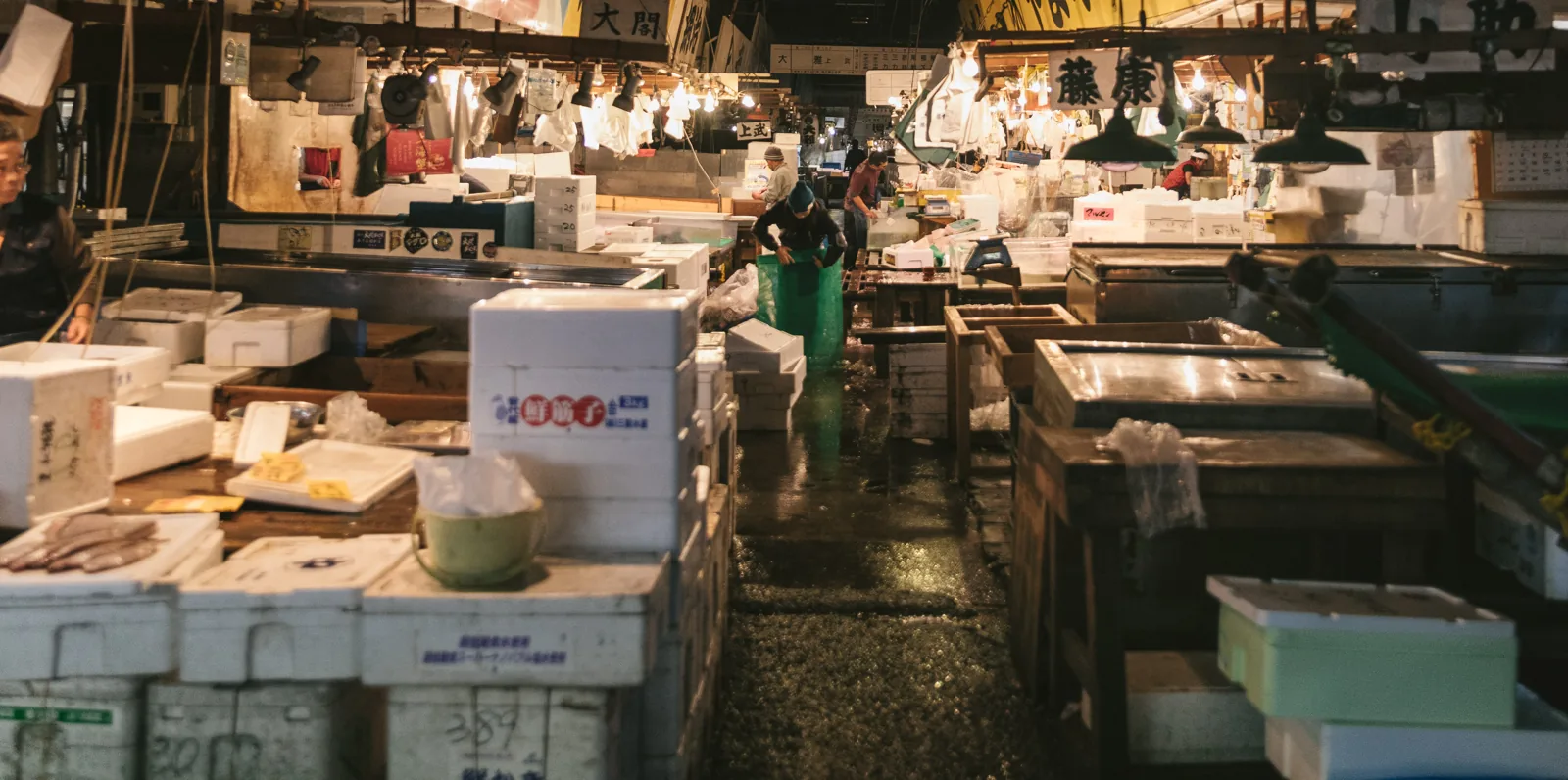
Tokyo's seafood runs through two markets across the bay from each other. The old Tsukiji outer market still feeds the city's snackers, while the wholesale trade and the famous tuna auction moved to Toyosu, where the early morning sushi counters are now found.

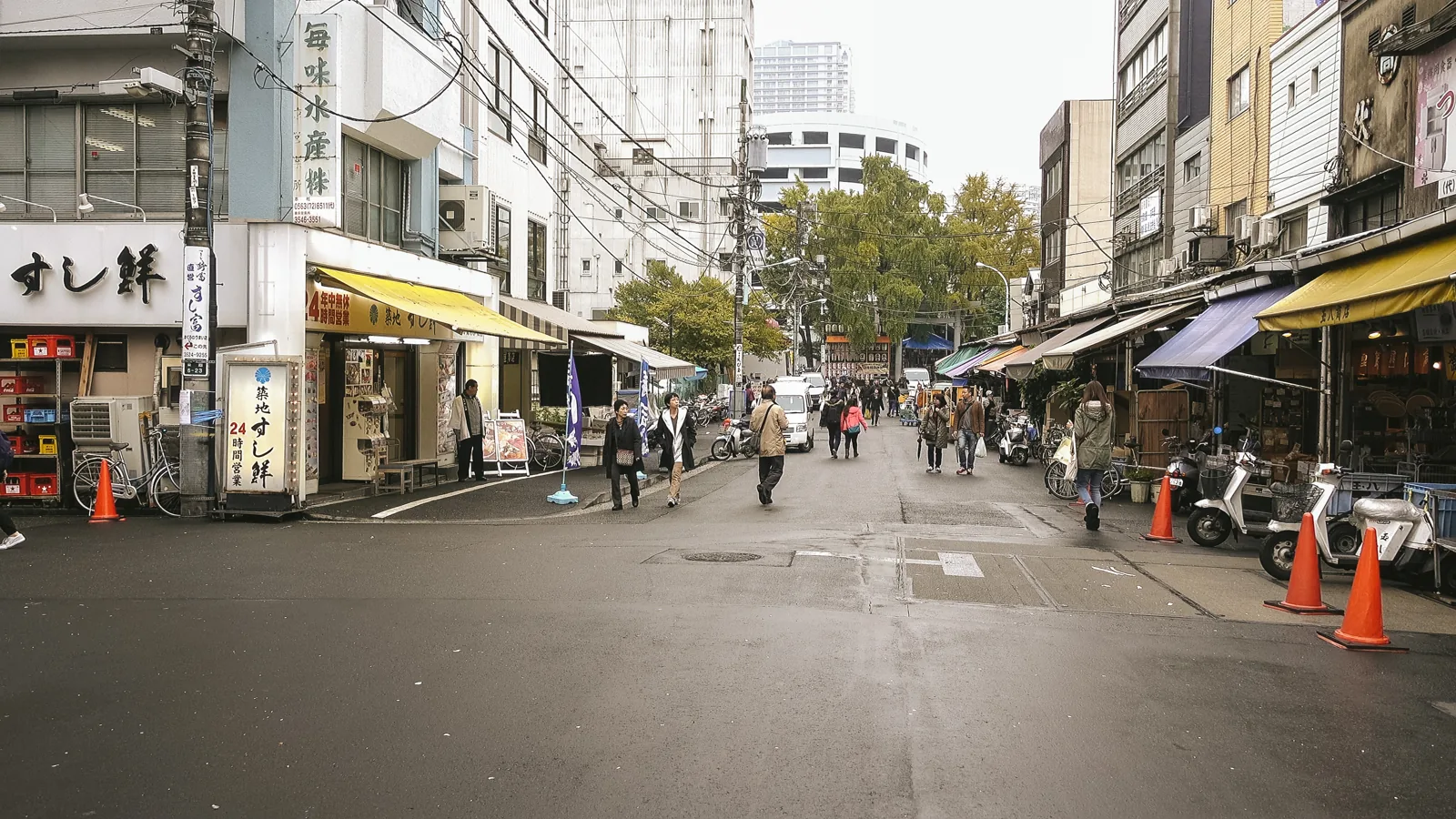
Tsukiji Outer Market
築地場外市場

Hundreds of stalls in the lanes of the old market, still busy from dawn. Eat your way along it with grilled scallops, sea urchin, tuna bowls, sweet tamagoyaki on a stick and unagi skewers.

Tsukiji Outer Market street
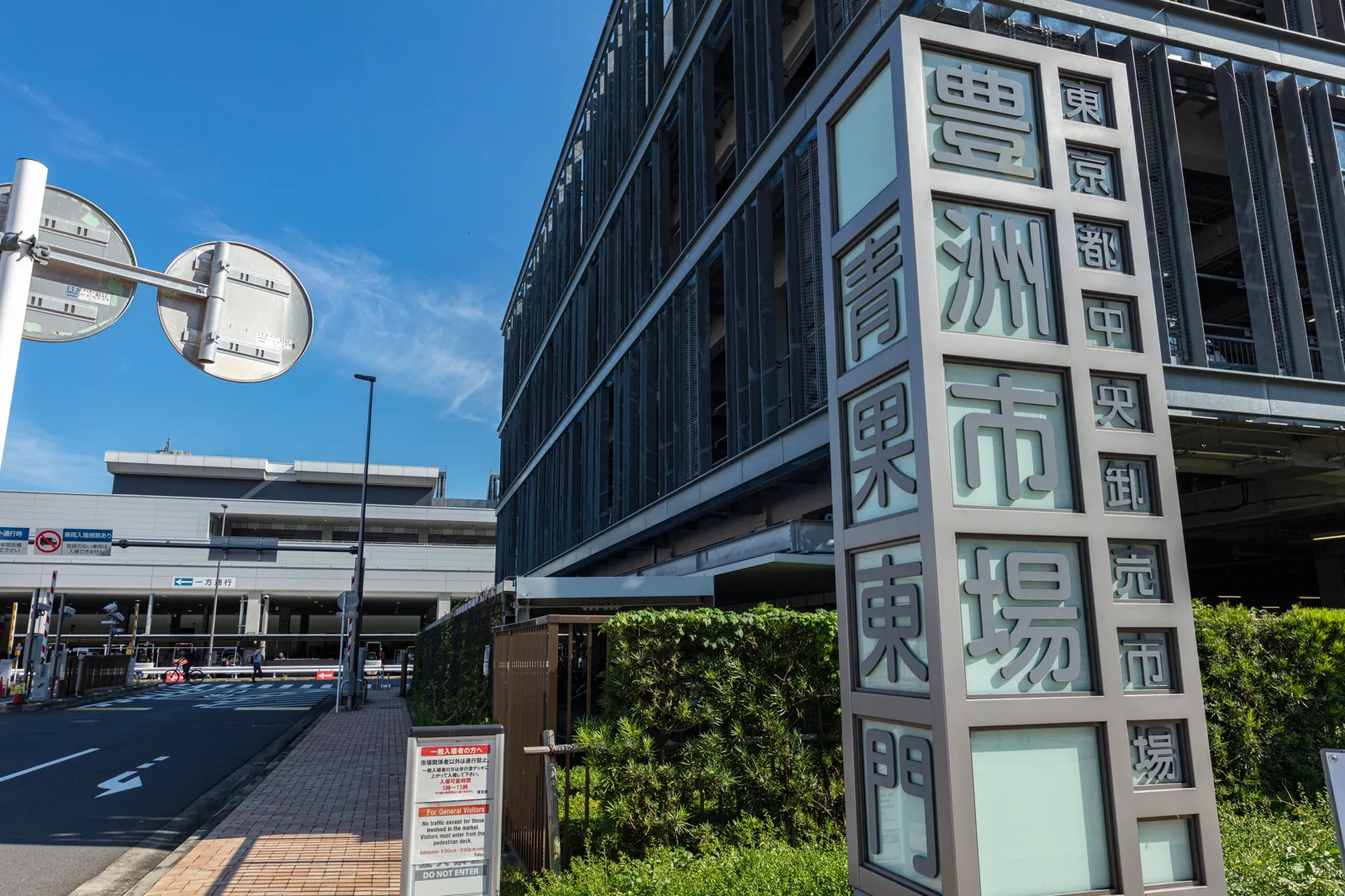
Toyosu Market
豊洲市場

The wholesale market that took over from Tsukiji in 2018, where you can watch the tuna auction from a gallery if you apply ahead, then eat at the sushi counters that moved here with it.

Toyosu Market entrance
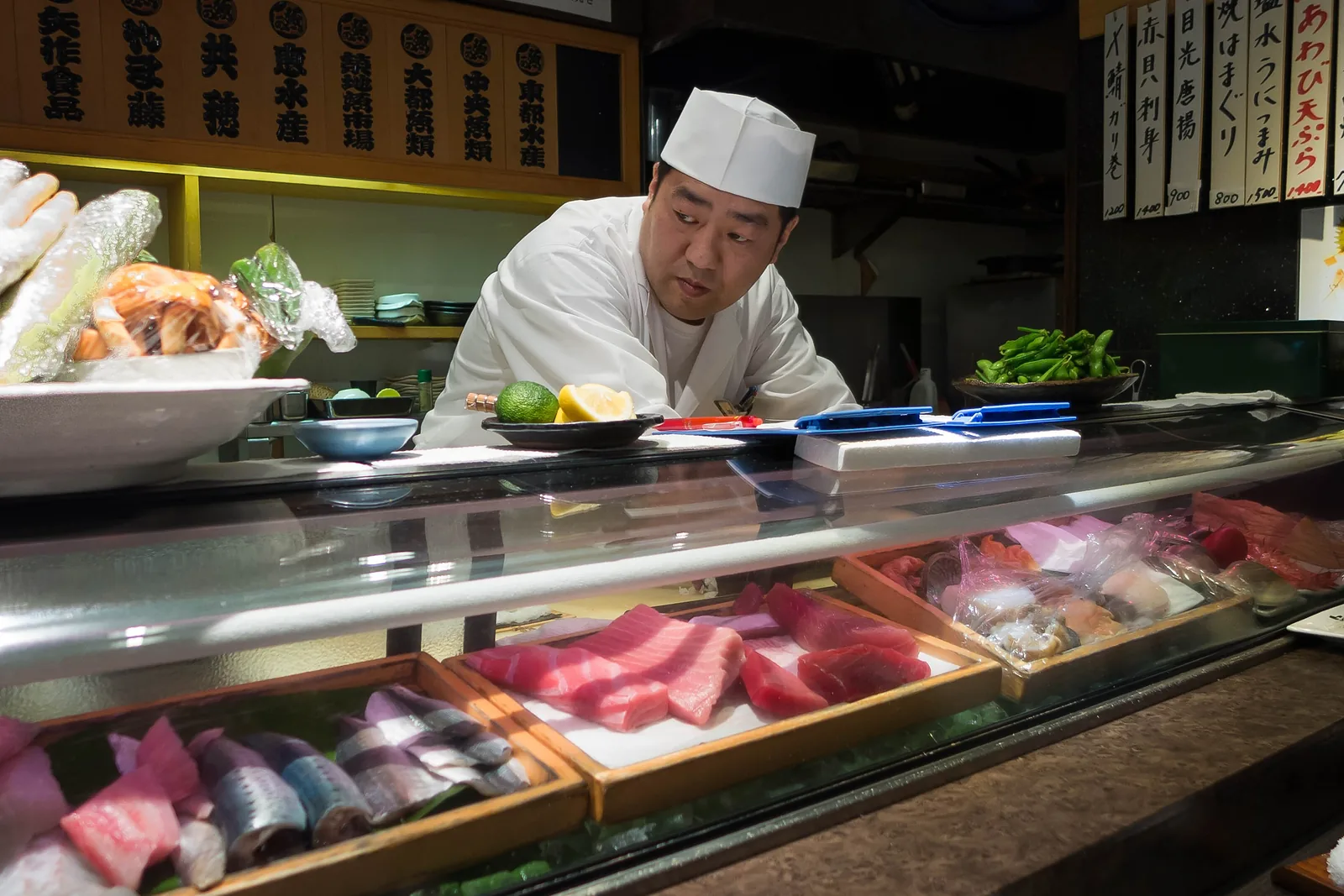
Sushi Dai
寿司大

The most famous of the Toyosu sushi counters, a tiny shop serving an omakase of the morning's best fish. The queue forms before dawn, so come early and be ready to wait.

A sushi chef at Sushi Dai
Daiwa Sushi
大和寿司

A long running Toyosu counter, a little easier to get into than Sushi Dai, serving the same market fresh nigiri to a faithful crowd. Reservations are not taken.

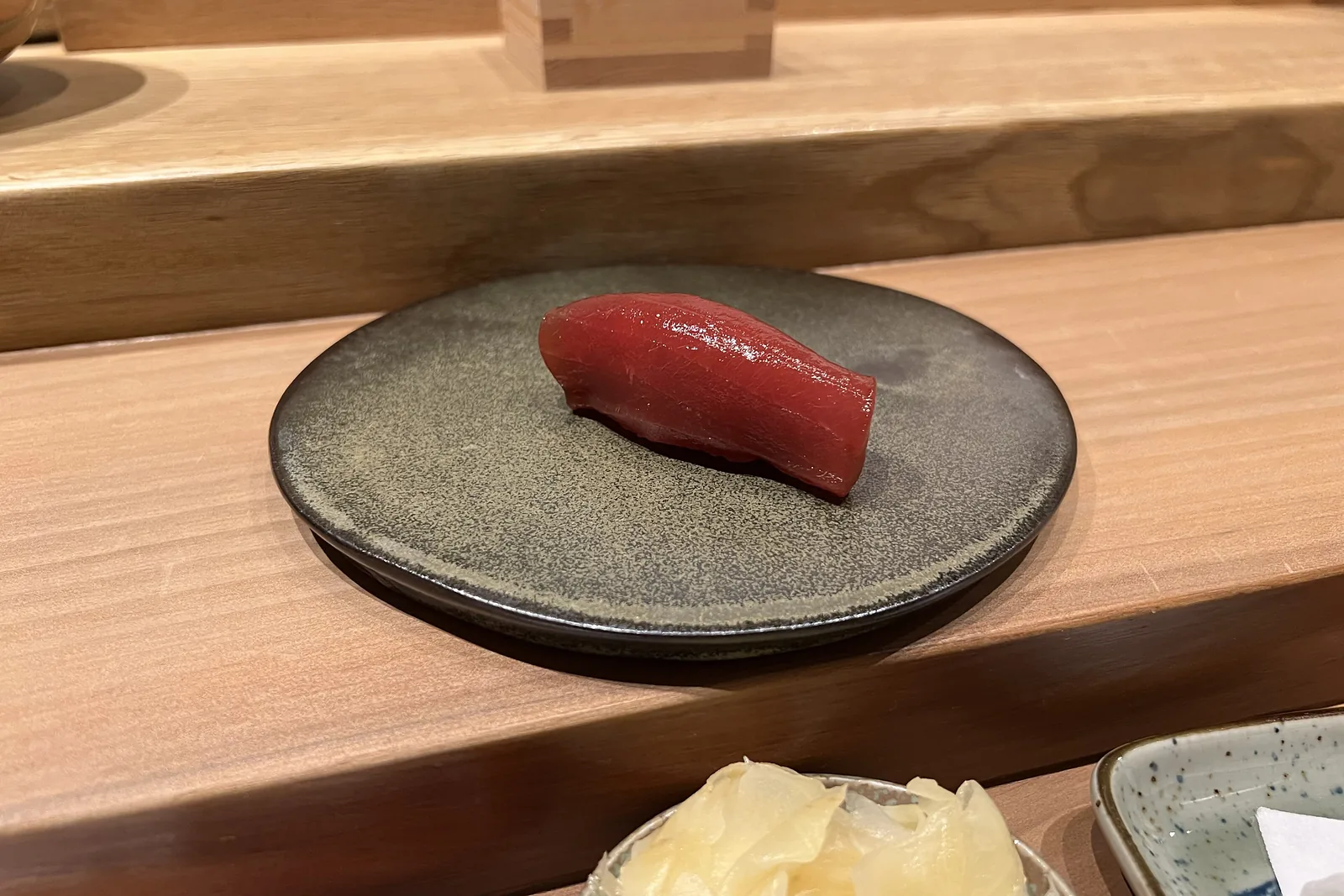
Tuna nigiri
Asakusa shopping street
Asakusa & the Shitamachi

Asakusa keeps the old downtown food of Edo. Around Senso-ji the long running shops serve tempura, sukiyaki and river fish, the temple approach is lined with snack stalls, and across the river the monja griddles fill a whole street.

Daikokuya Tempura
大黒家天麩羅

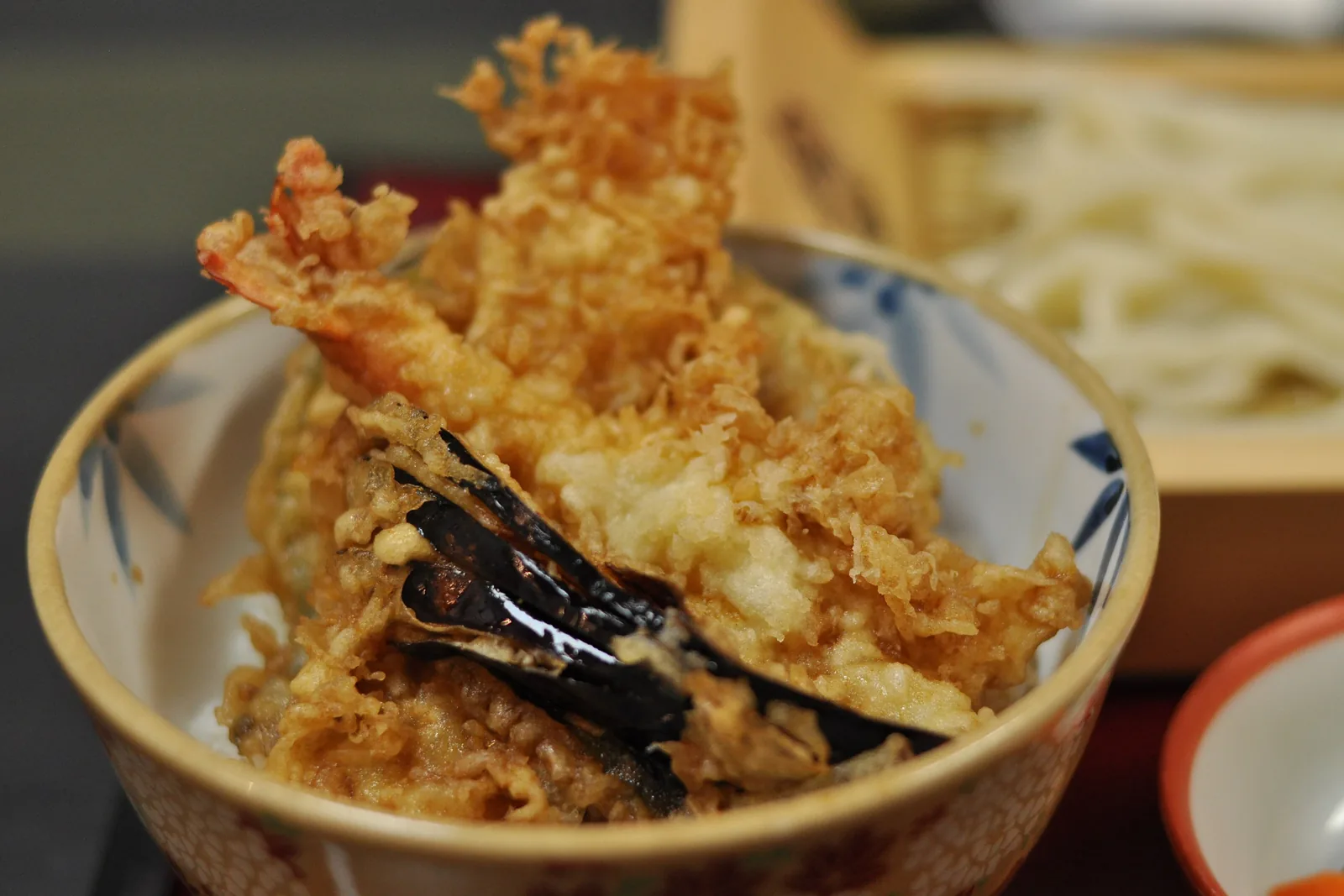
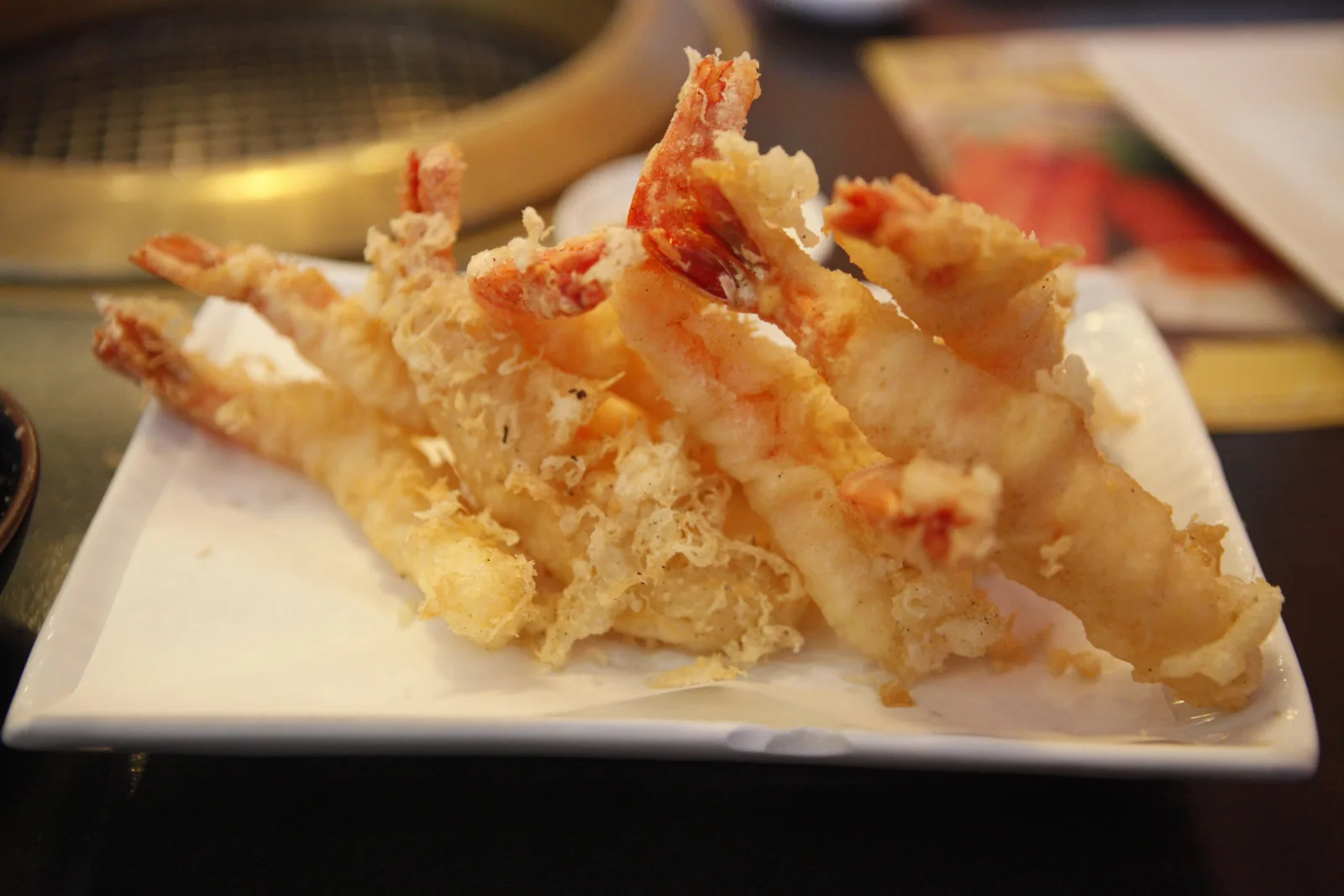
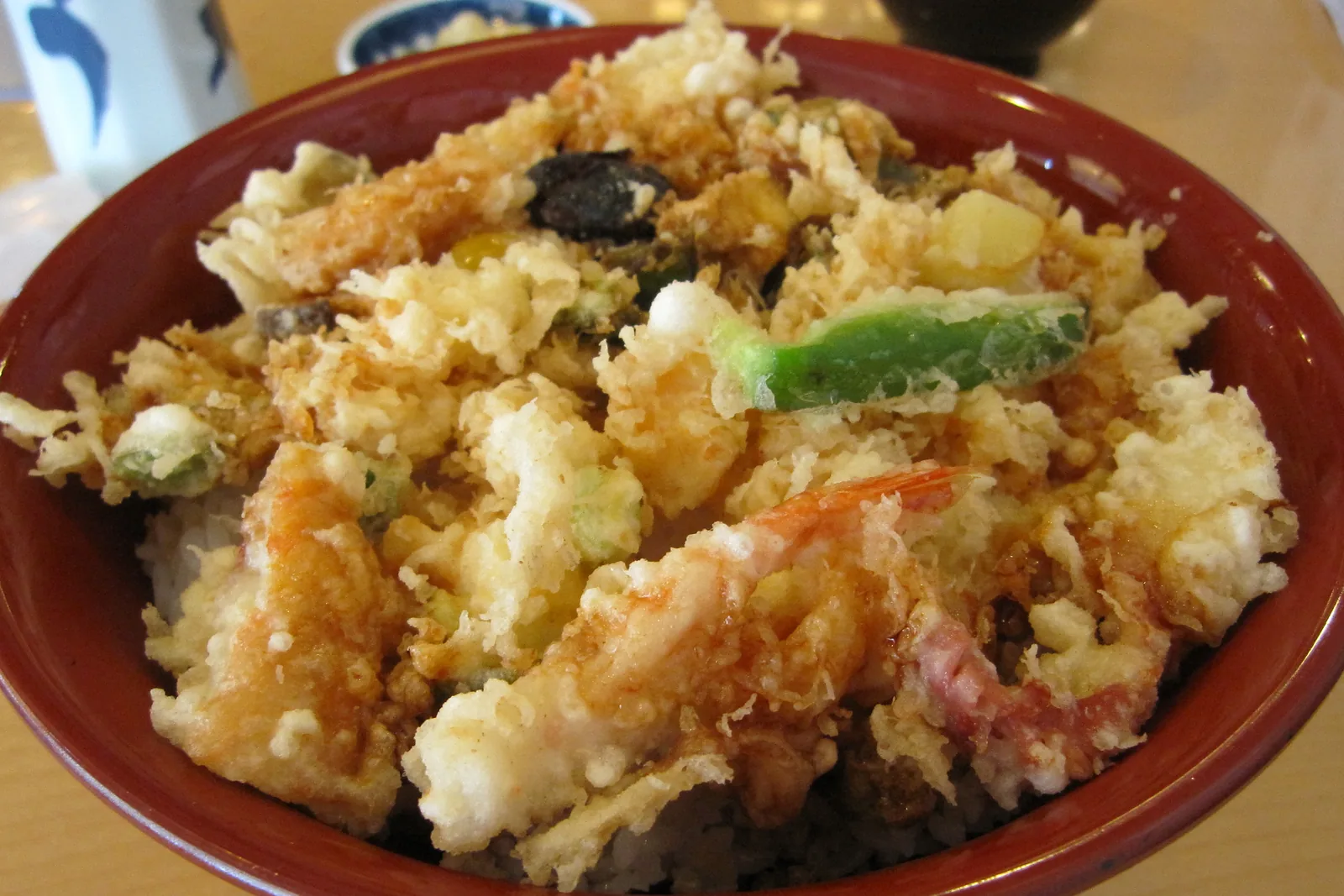
A tempura house near Senso-ji open since 1887, known for tendon, prawns fried in sesame oil and set on rice under a dark, sweet sauce. Plain and old fashioned, with queues at lunch.

Tendon, tempura on rice
Asakusa Imahan
浅草今半

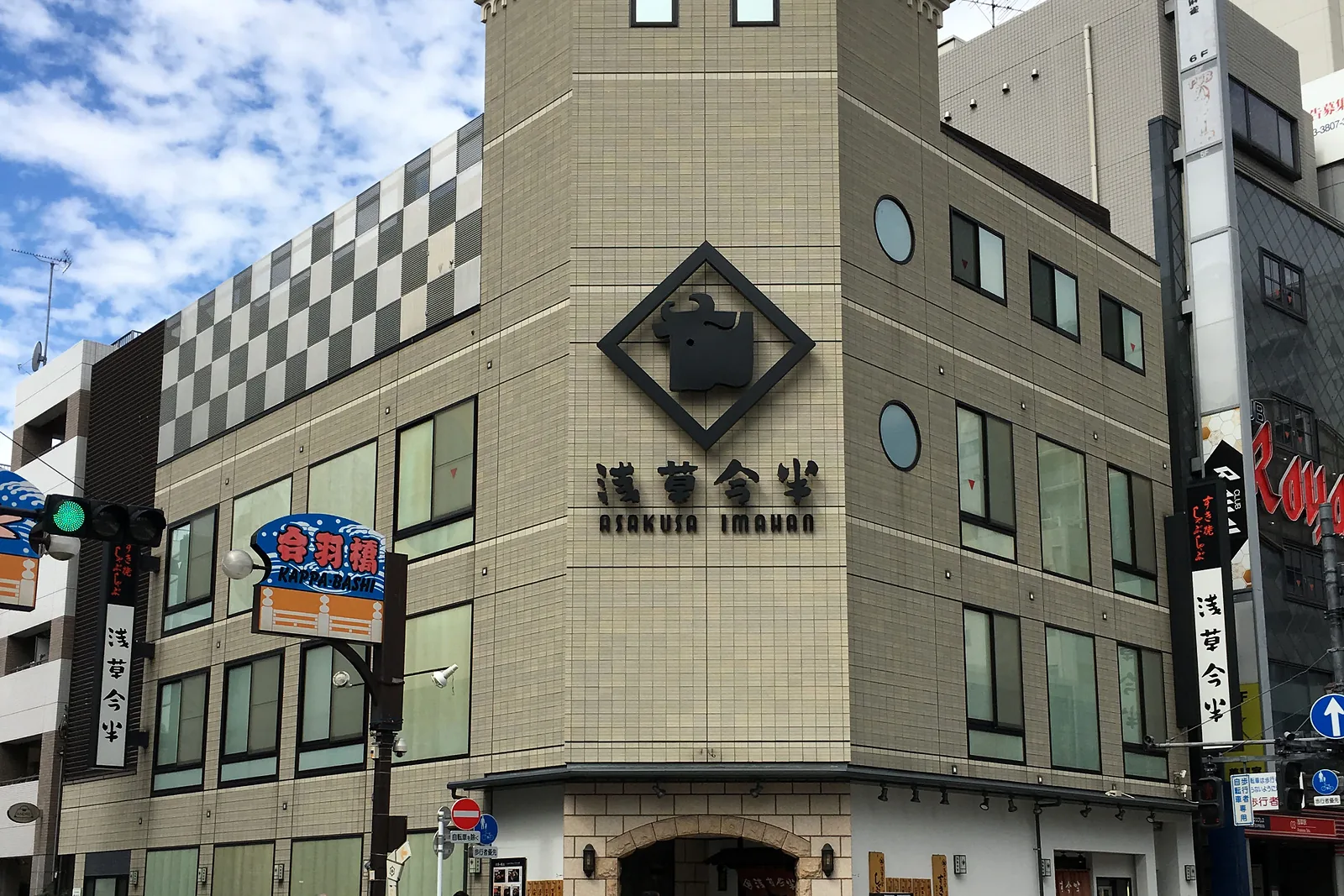
A sukiyaki house on Kokusai-dori open since 1895, cooking marbled wagyu at the table in a sweet soy broth, dipped in raw egg. A formal old Tokyo beef restaurant.

Asakusa Imahan on Kokusai-dori
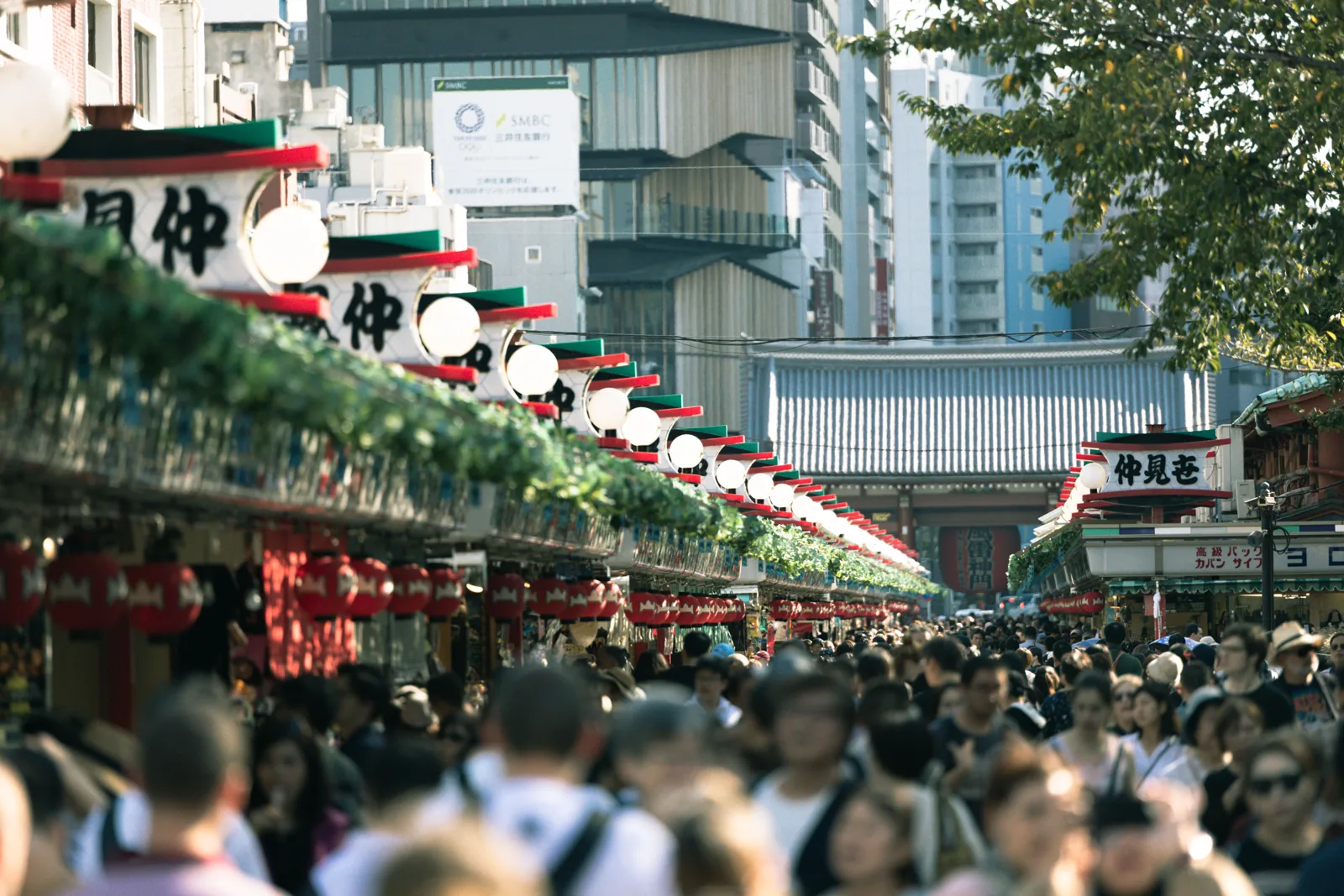
Nakamise-dori
仲見世通り

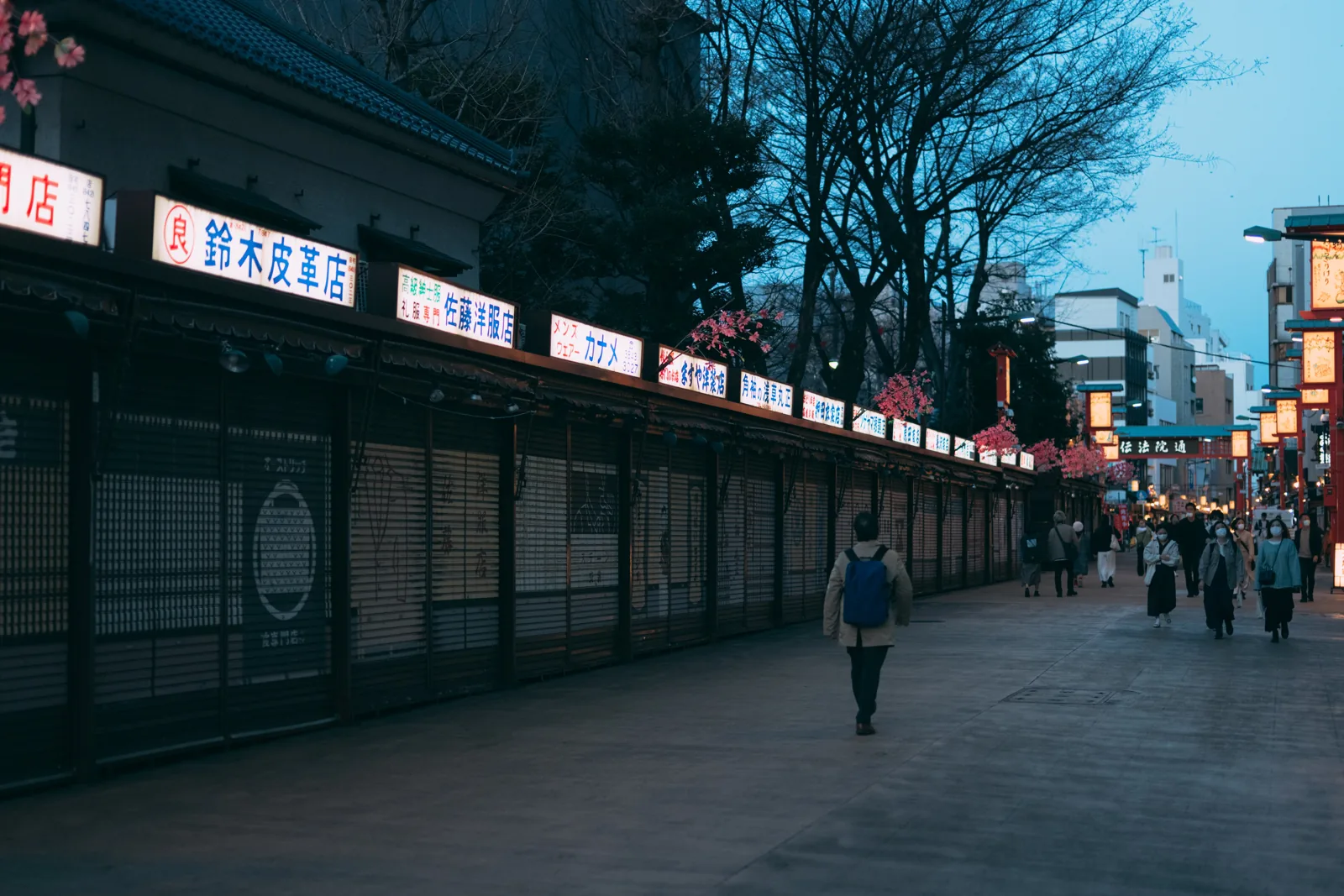
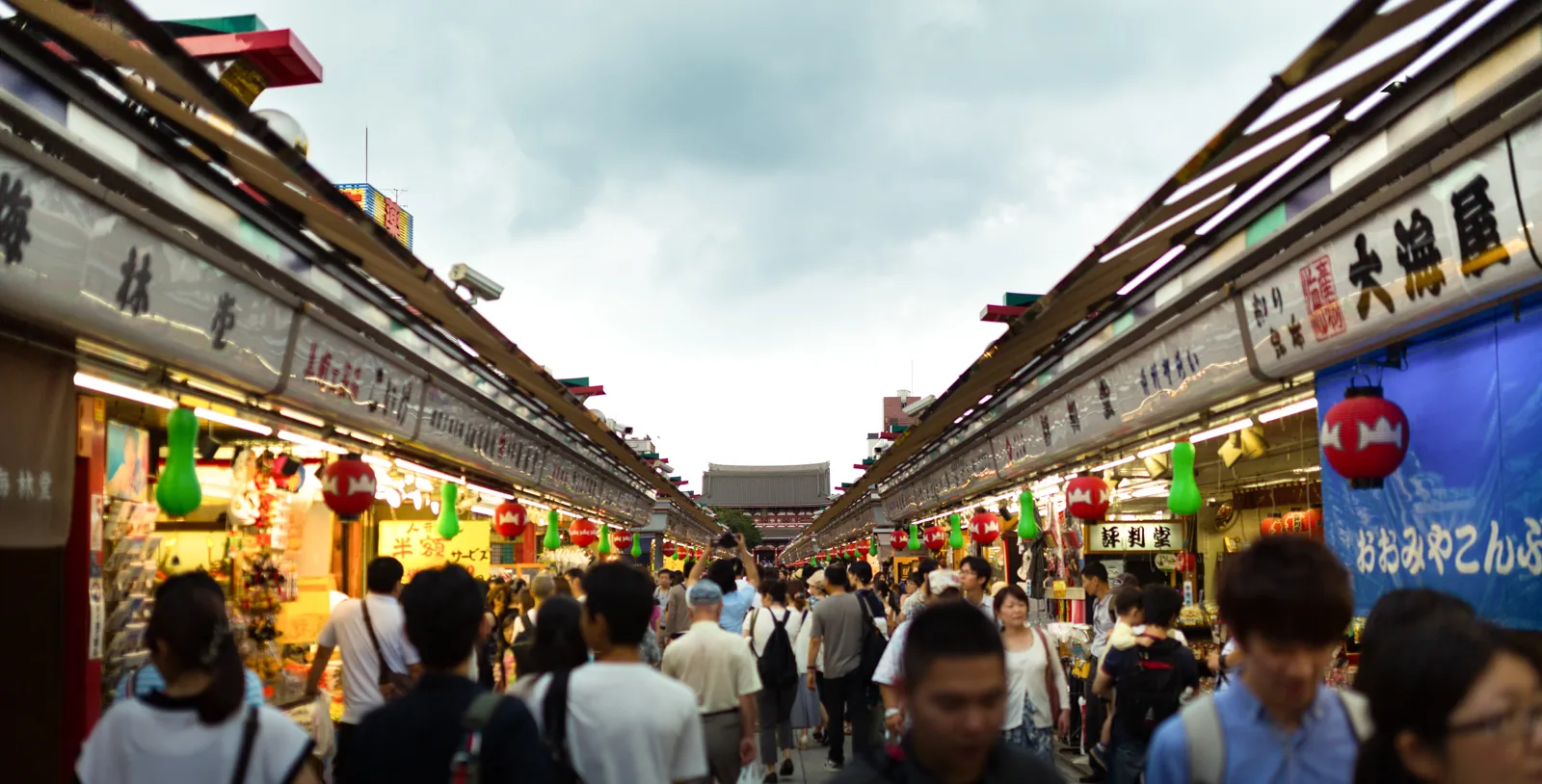
The stall lined approach to Senso-ji, one of the oldest shopping streets in Japan, good for street snacks such as ningyo-yaki doll cakes, hot age-manju, freshly grilled senbei and melonpan.

Nakamise shopping street
Tsukishima Monja Street
月島もんじゃストリート

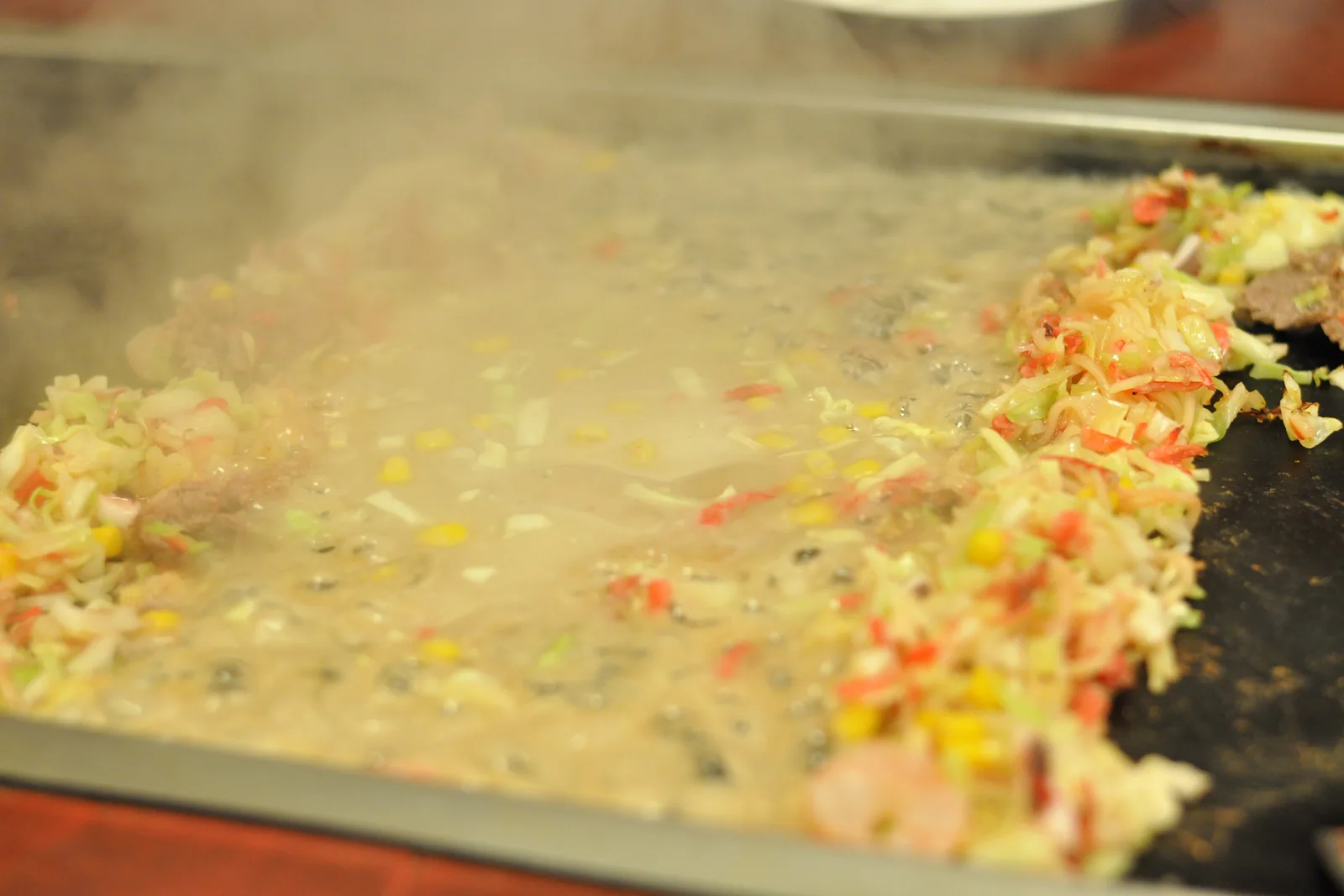
A street on the river island of Tsukishima lined with dozens of monja shops, where you cook the loose, savoury batter yourself on a tabletop griddle, the local Tokyo cousin of okonomiyaki.

Monjayaki on the griddle
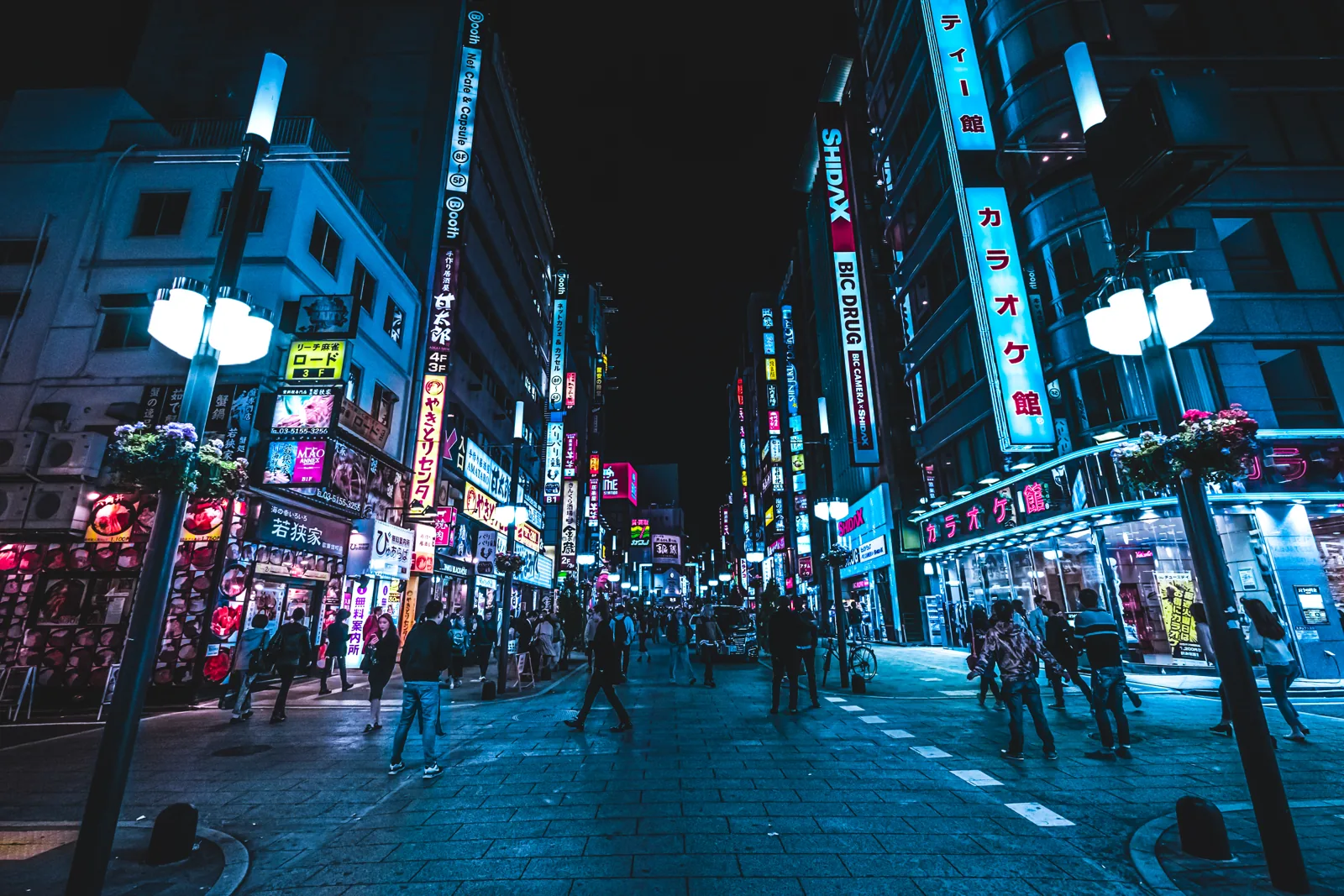
Shinjuku at night
Shinjuku & Shibuya

The west of the city eats late. Shinjuku's narrow alleys are packed with tiny yakitori counters and ramen shops, the tempura houses go back a century, and Shibuya hides its own retro drinking lanes behind the crossings.

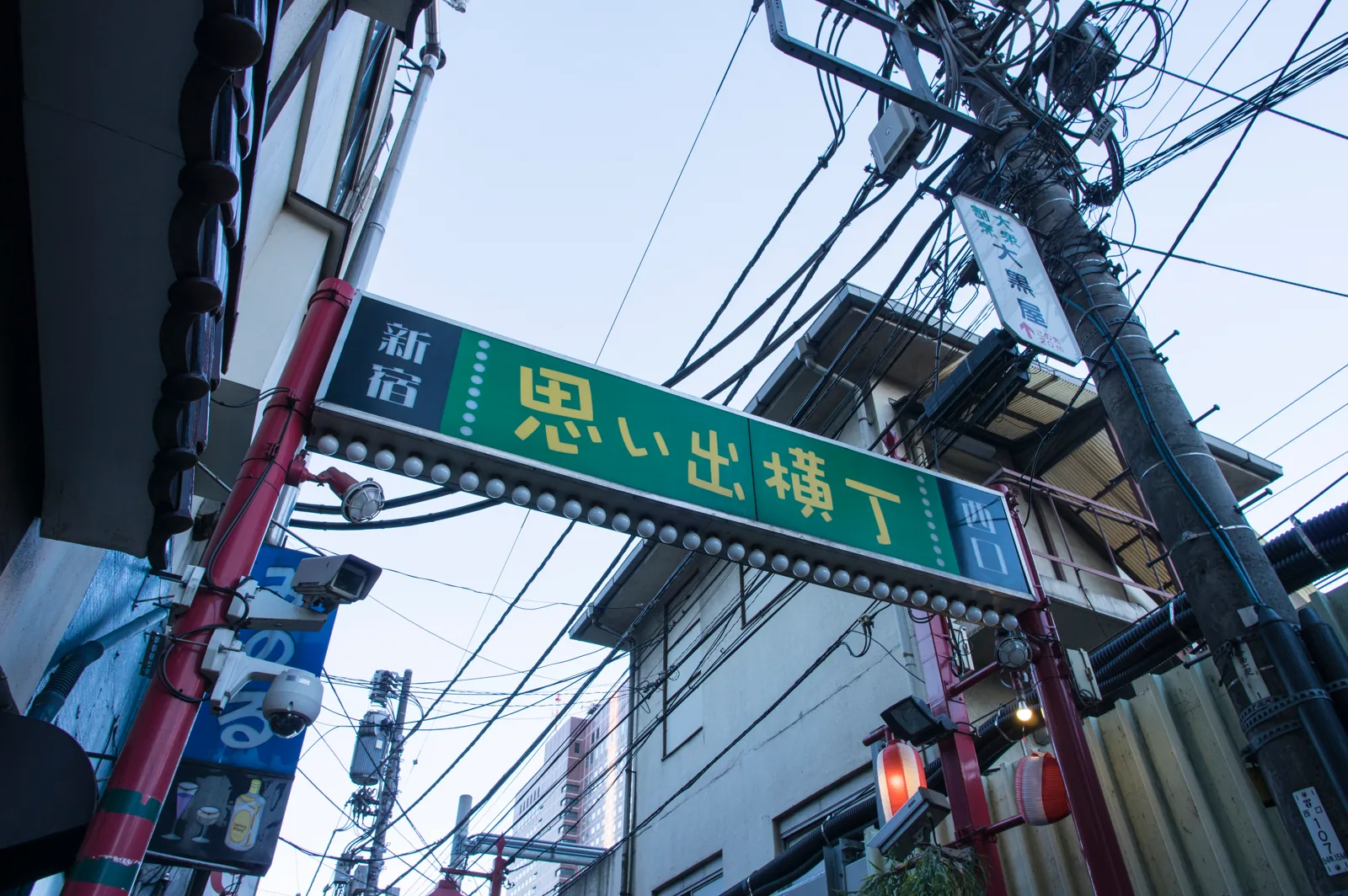
Omoide Yokocho
思い出横丁

Memory Lane, a tight grid of tiny smoke filled stalls by Shinjuku's west exit, serving yakitori, grilled offal, ramen and beer elbow to elbow. Old Tokyo at its most atmospheric after dark.

Entrance to Omoide Yokocho
Tsunahachi
つな八

A tempura house in Shinjuku open since 1923, frying seafood and vegetables in sesame oil piece by piece at the counter, a long running and reasonably priced place to eat it properly.

Tempura
Nagi
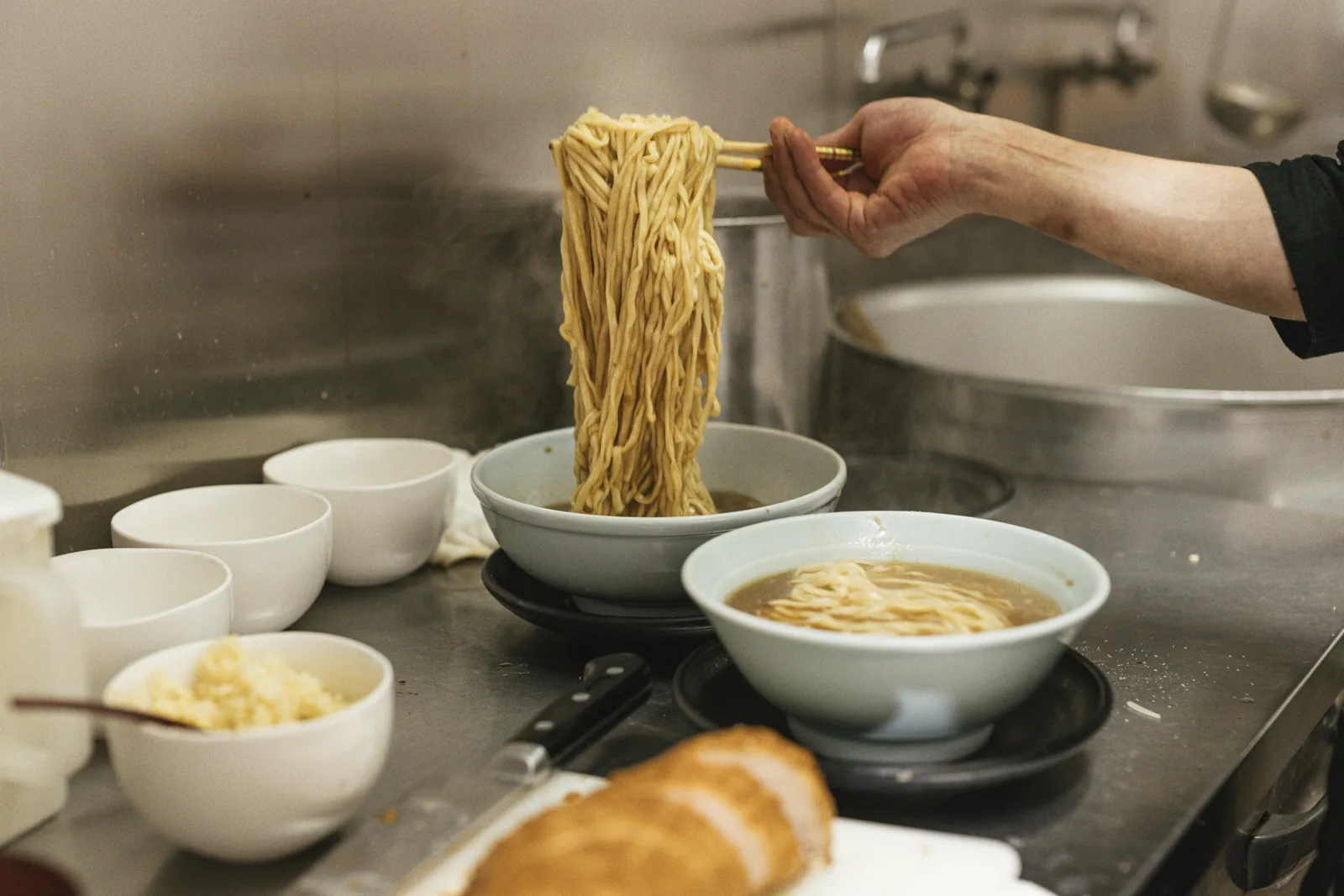
ラーメン凪

A niboshi ramen shop in the lanes of Golden Gai, its broth heavy with dried sardine, dark and full of umami. Order at the machine and climb the narrow stairs.

Ramen noodles lifted from the bowl
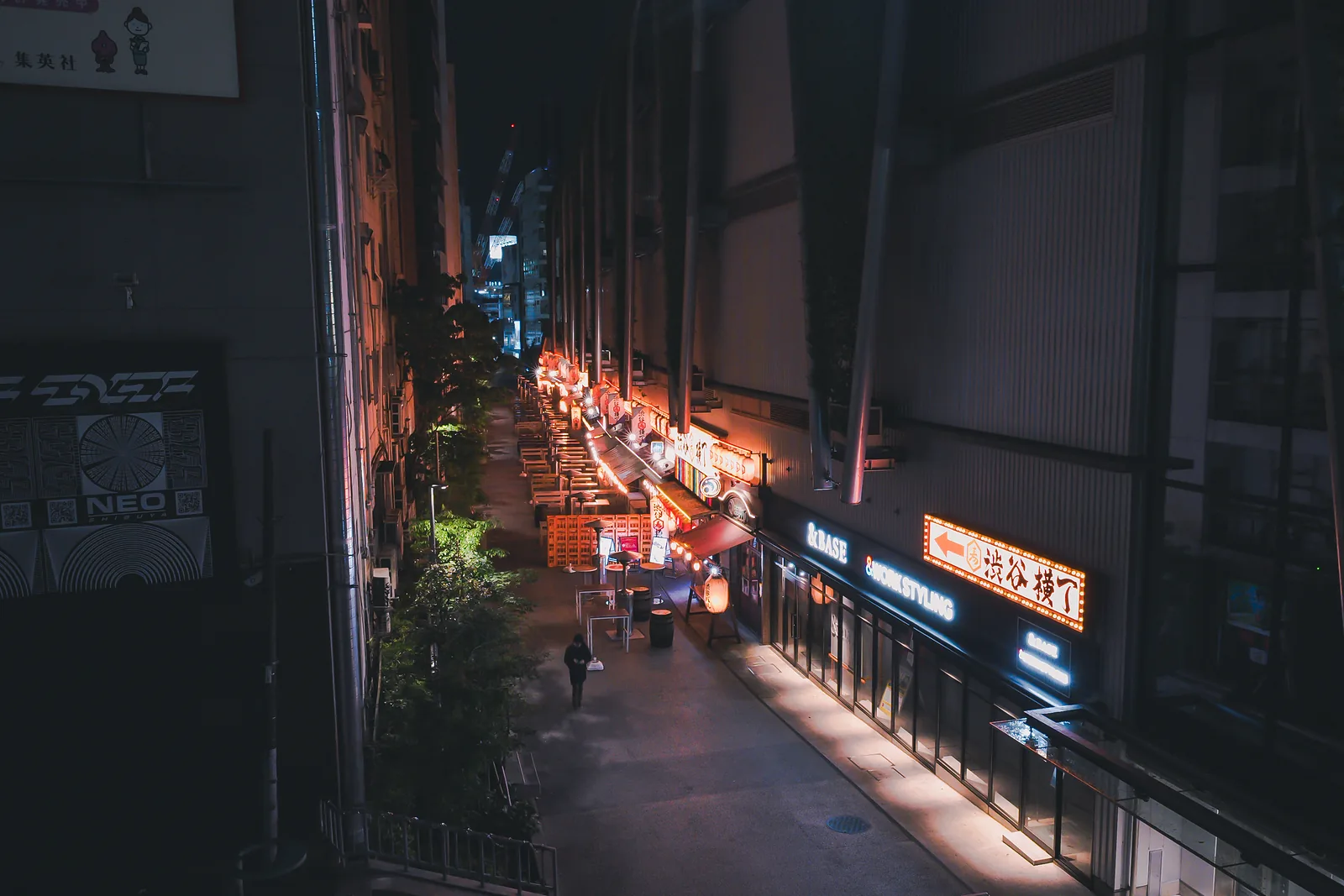
Shibuya Nonbei Yokocho
のんべい横丁

Drunkard's Alley, a sliver of tiny postwar bars and counters tucked beside the railway tracks by Shibuya Station, a few seats each, for skewers, small plates and a drink.

A narrow drinking alley in Shibuya at night
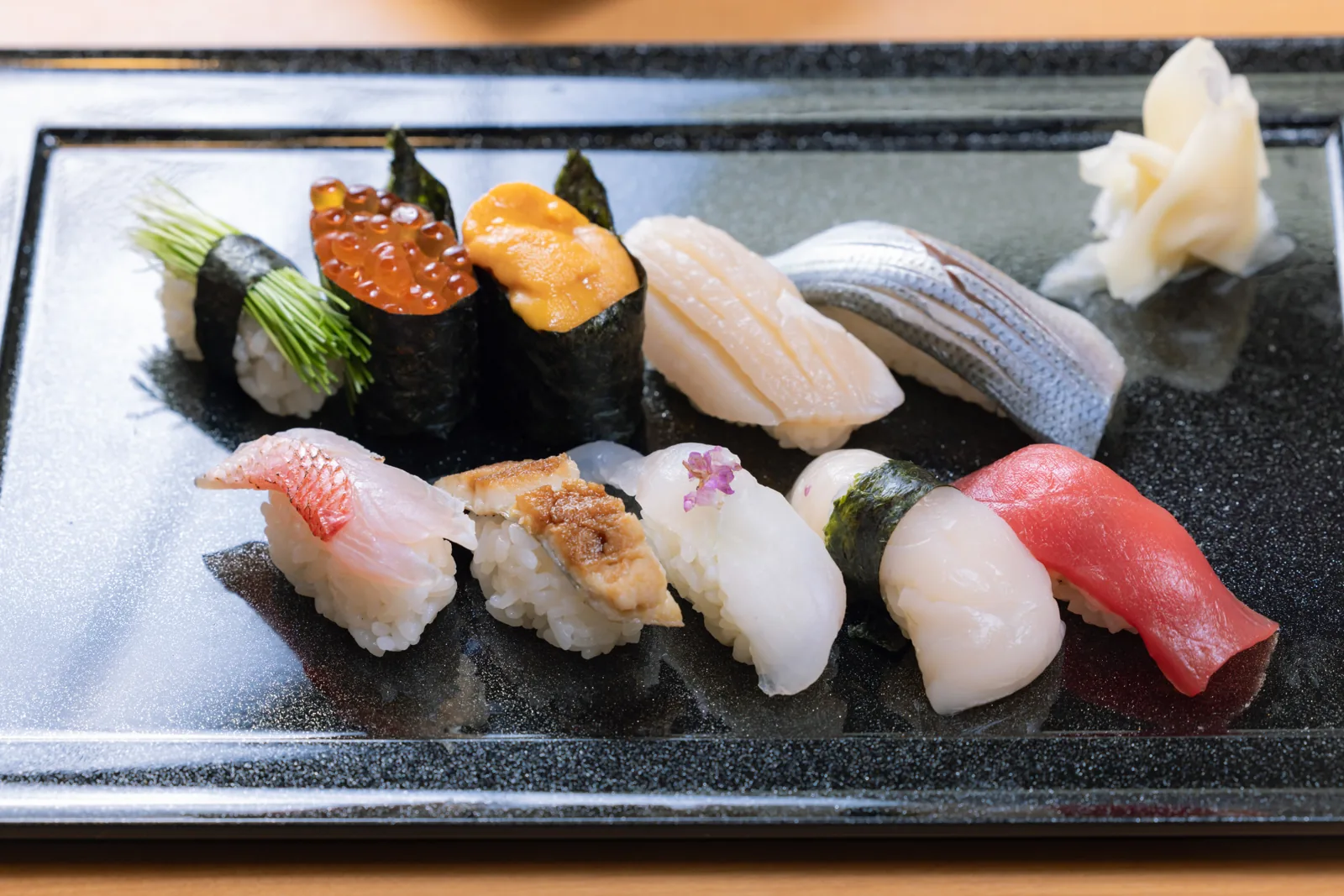
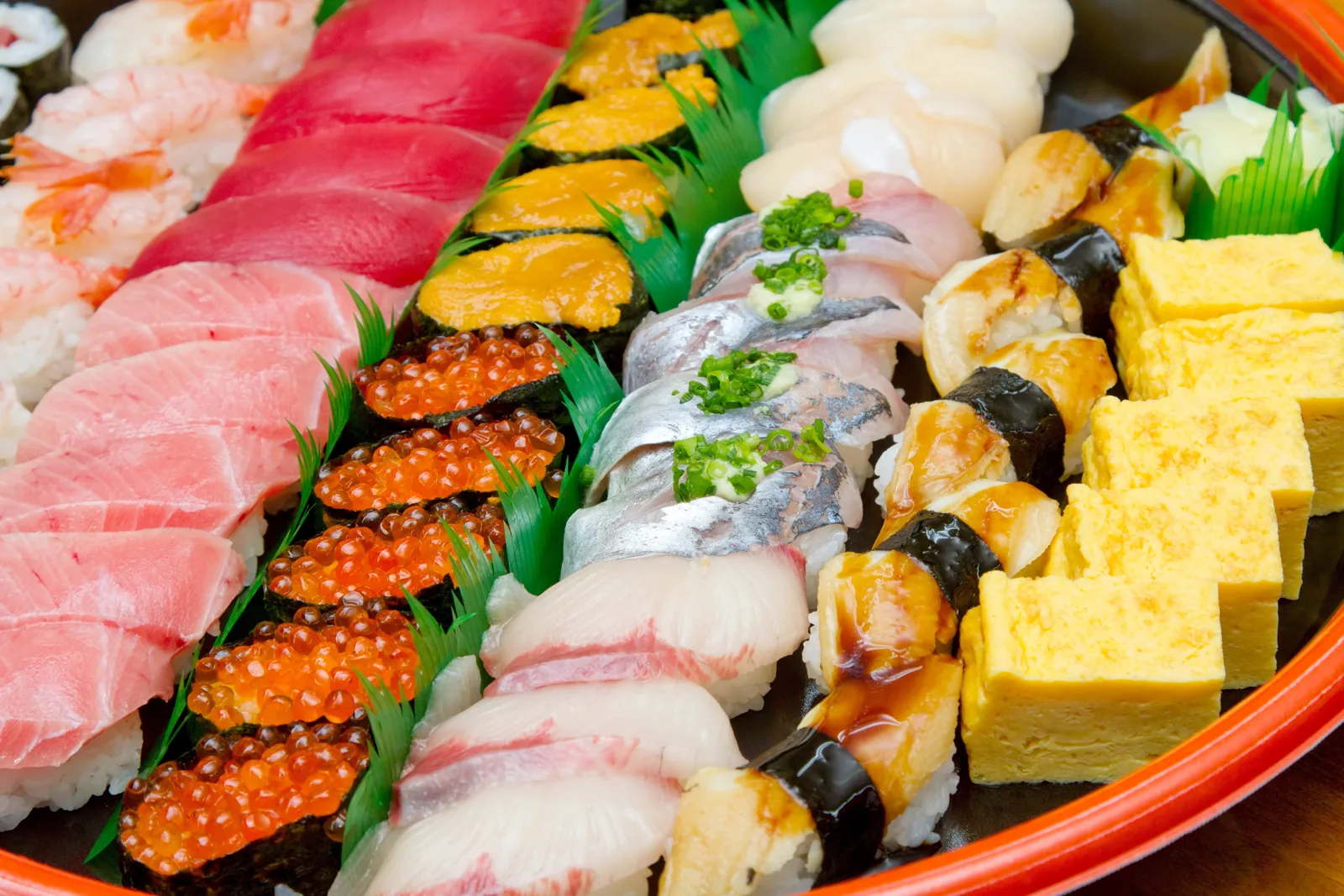
An assortment of nigiri sushi
Ginza & Marunouchi

The centre is where Tokyo eats at its most refined, and at its most convenient. Ginza holds the celebrated sushi and tempura counters, while Tokyo Station packs ramen and a vast food hall under one roof.

Kyubey
久兵衛

A celebrated Ginza sushi house founded in 1935, serving Edomae nigiri at the counter and said to have made the gunkan-maki battleship roll its own. Refined, and priced to match.

Edomae nigiri
Tenkuni
天國

A Ginza tempura restaurant going back over a century, known for its kakiage tendon, vegetables and prawn fried into a fritter over rice, a long standing name in the district.

Kakiage tendon, a mixed tempura fritter over rice
Tokyo Ramen Street
東京ラーメンストリート

A row of well known ramen shops gathered in the basement arcade of Tokyo Station, among them Rokurinsha for thick tsukemen, an easy place to compare bowls without leaving the station.

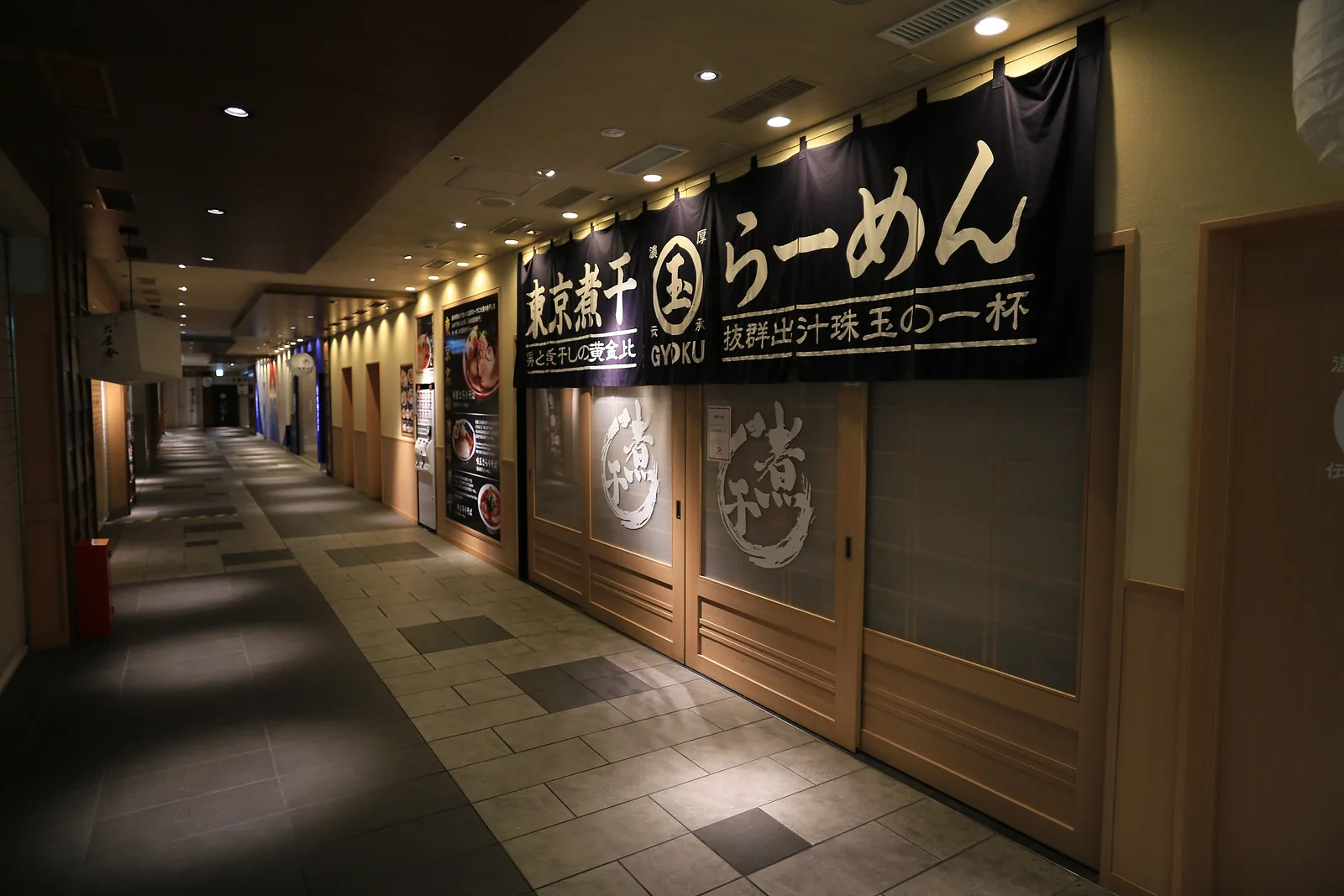
Ramen shop fronts in Tokyo Ramen Street, before opening
Ginza Depachika
デパ地下

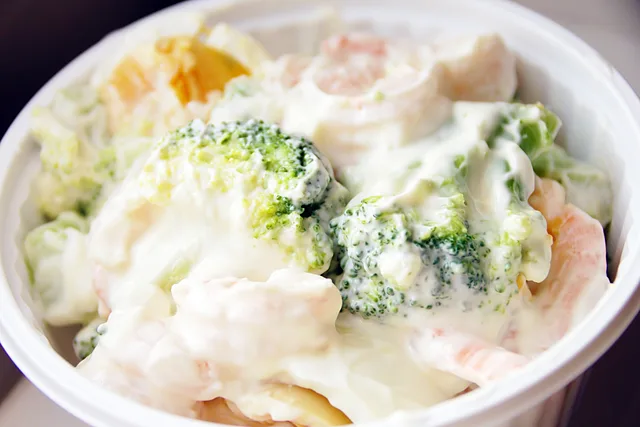
The basement food halls of the Ginza department stores, Mitsukoshi and Matsuya among them, a dense spread of prepared dishes, bento, sweets and sake at a quality few cities match.

A prepared deli dish
Plan your trip

Book your stay in Tokyo

Search accommodation across Tokyo, from the high rise hotels of Shinjuku and the luxury towers of Marunouchi and Ginza to the old town inns of Asakusa and the bay. Compare options across the major booking platforms.

Book with
Pick a site. Your dates and details are carried over so you can check prices and book there.

Ready to plan your Tokyo trip?

Browse itineraries built specifically for this region, from first time visitors to return travellers.

View Tokyo Itineraries →