Temples, craft streets and northern seas
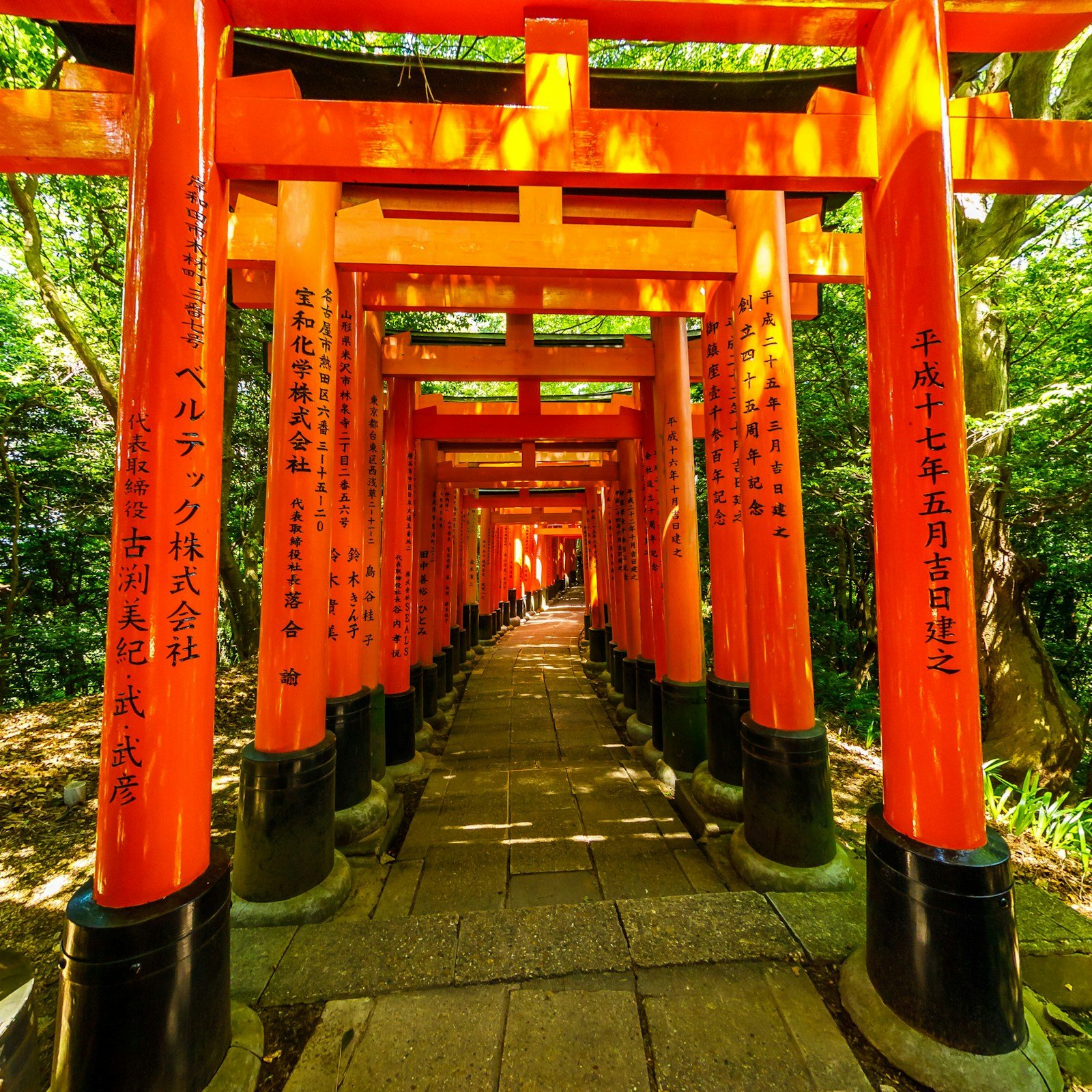
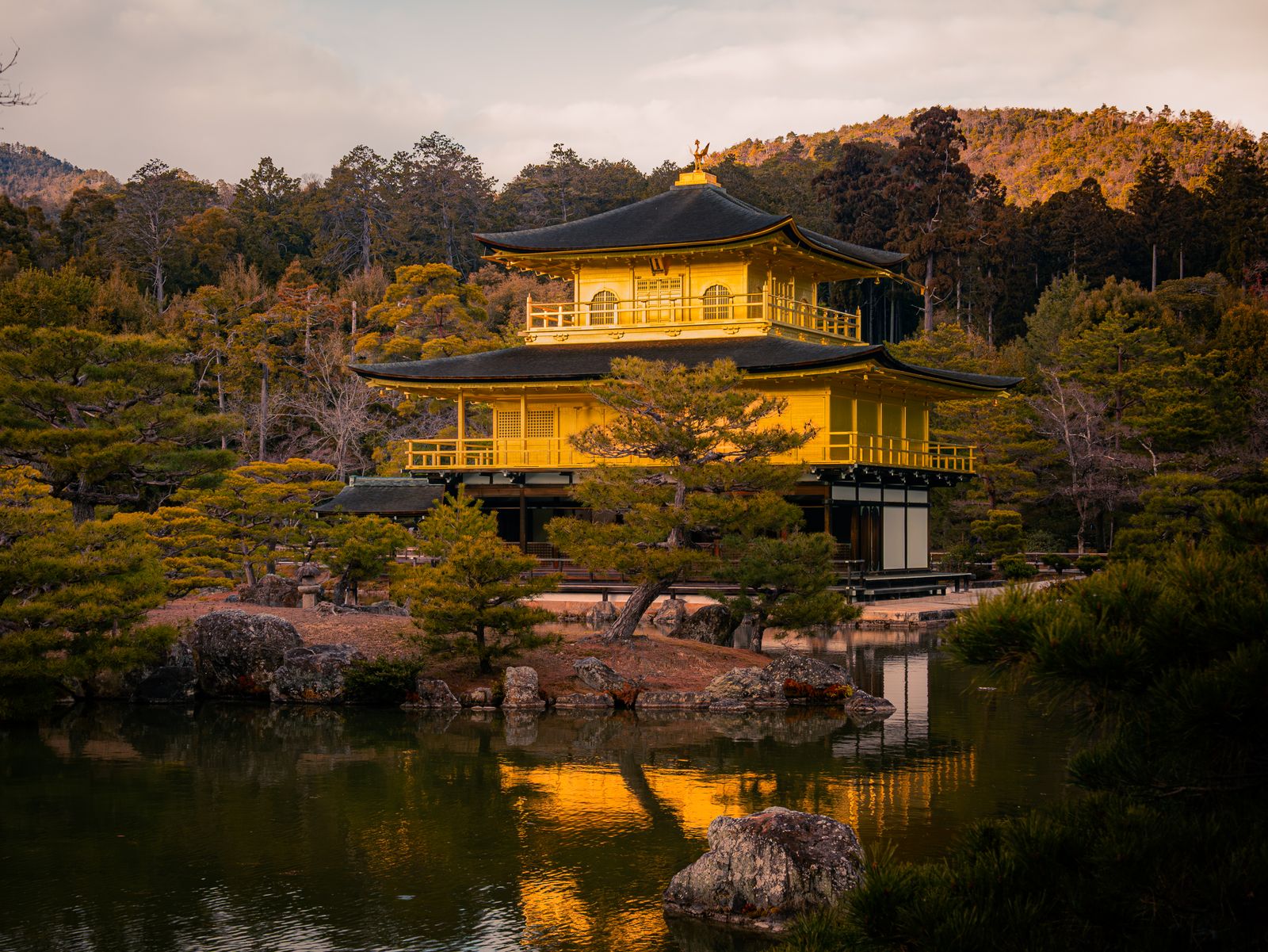
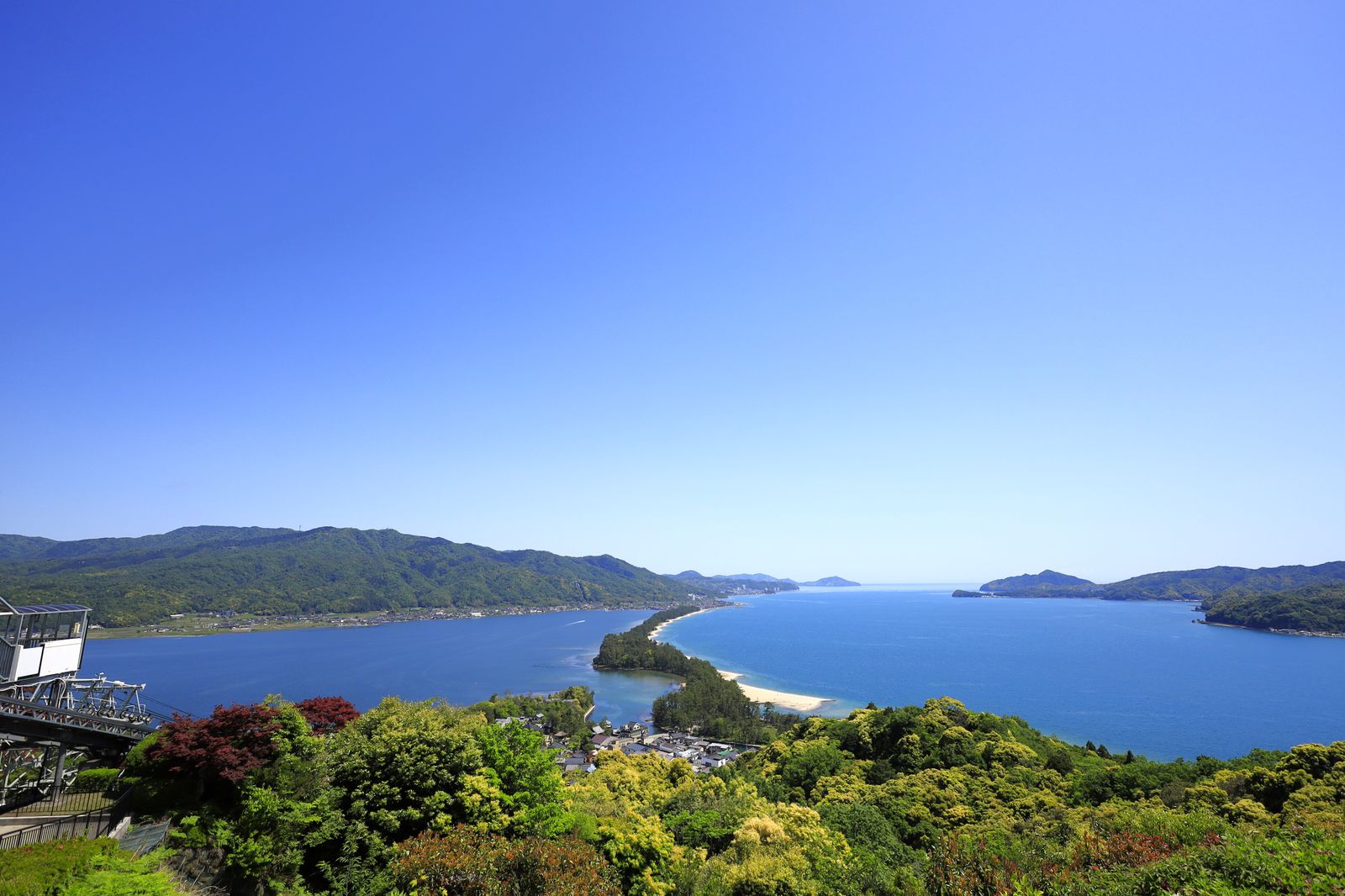
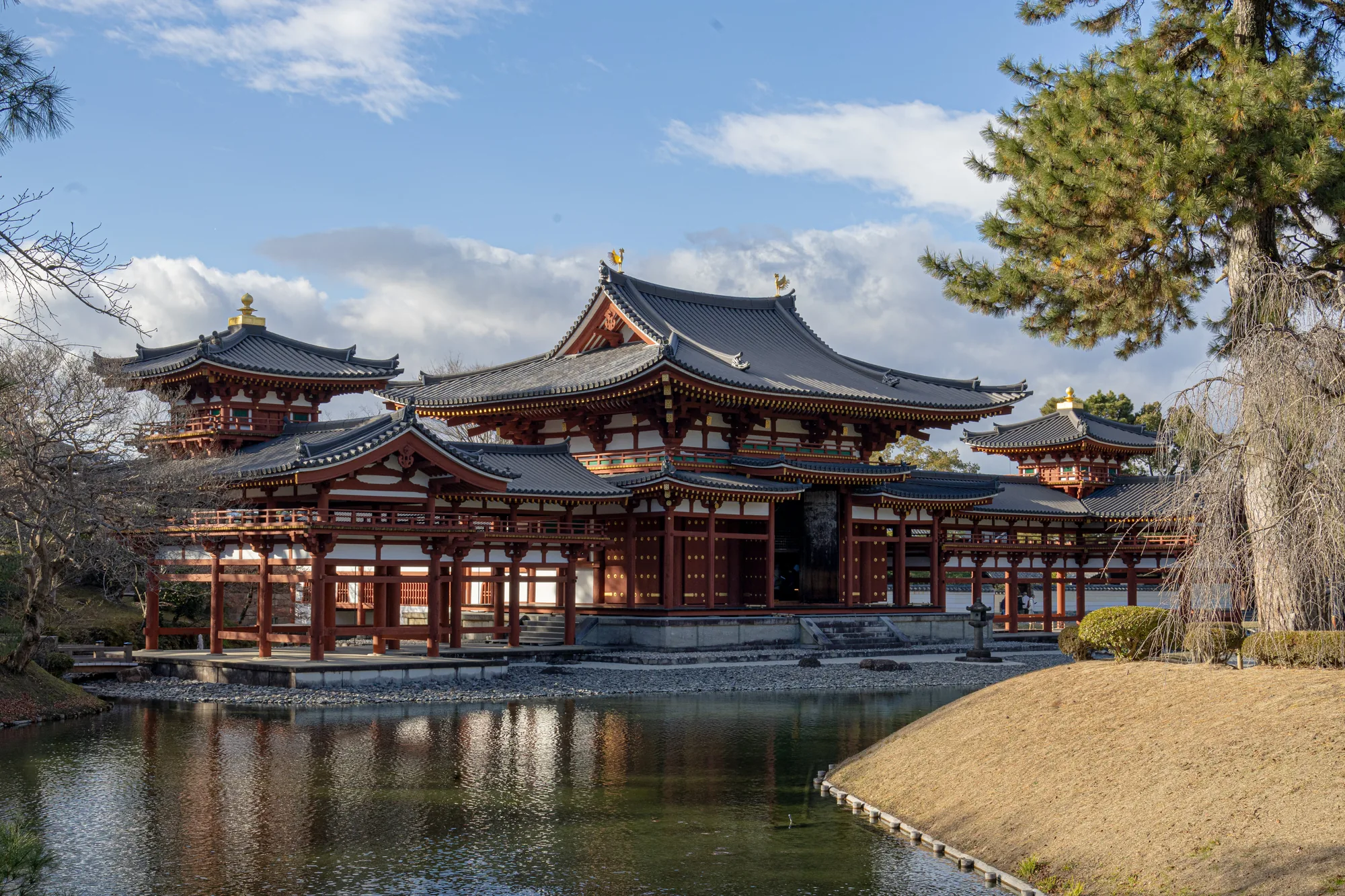
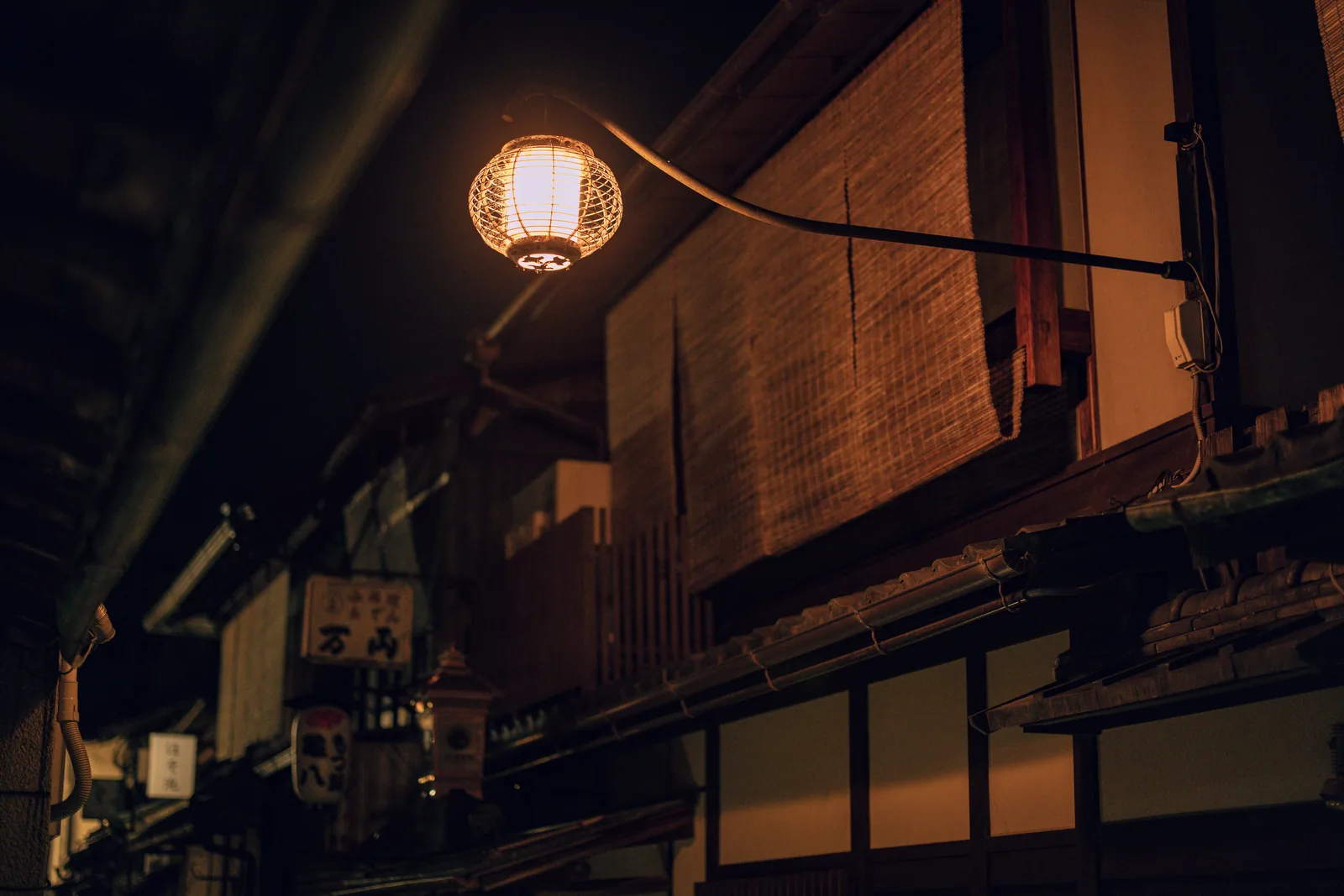
Kyoto is Japan's old capital and one of the country's defining travel destinations, but the prefecture is wider than the city most visitors picture. In the basin are the temples, gardens, palace grounds, geisha districts, tea houses and craft streets that shaped Japanese culture for more than a thousand years. Around the edges are wooded mountains, shrine villages, river valleys and old roads leading toward the Sea of Japan.
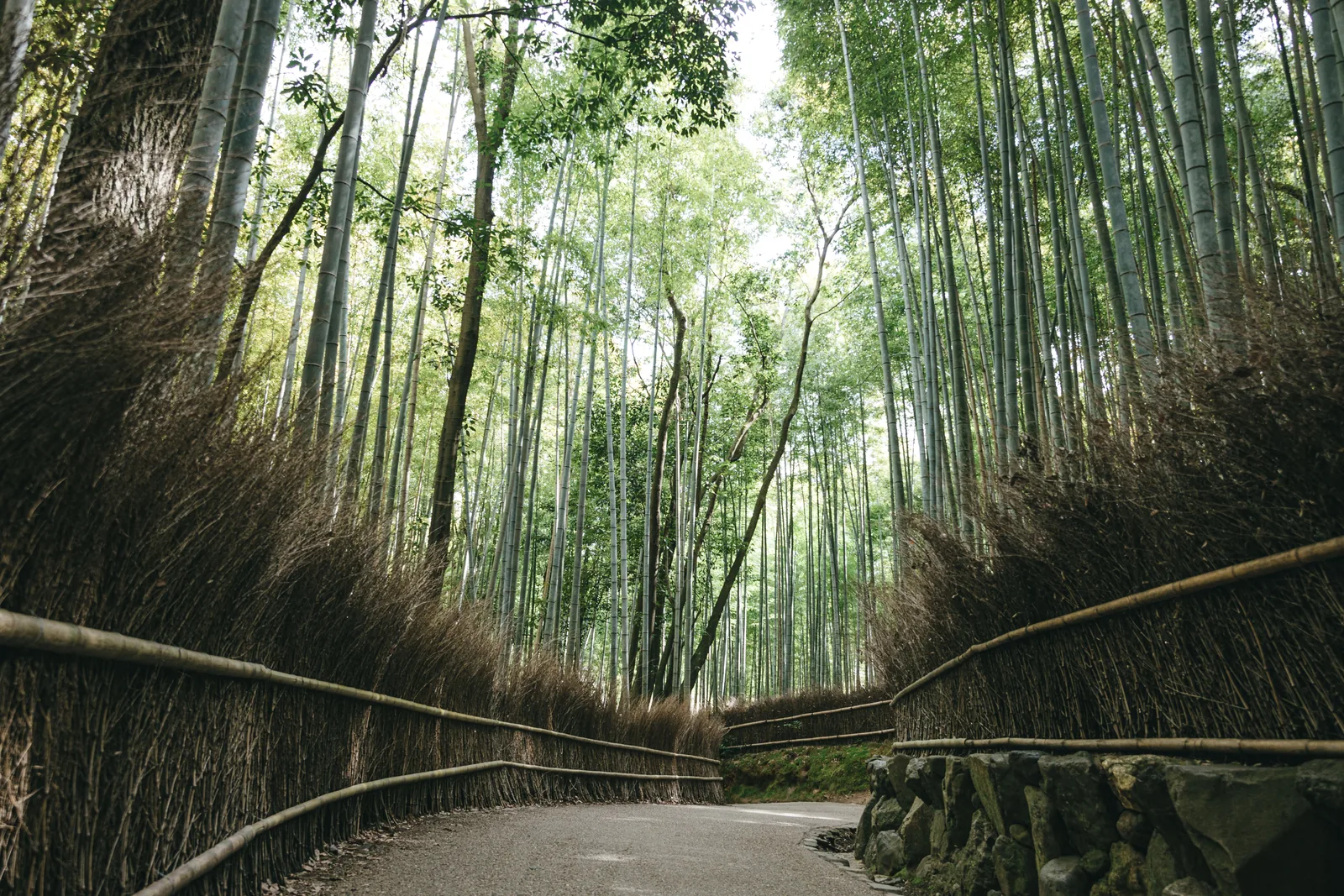
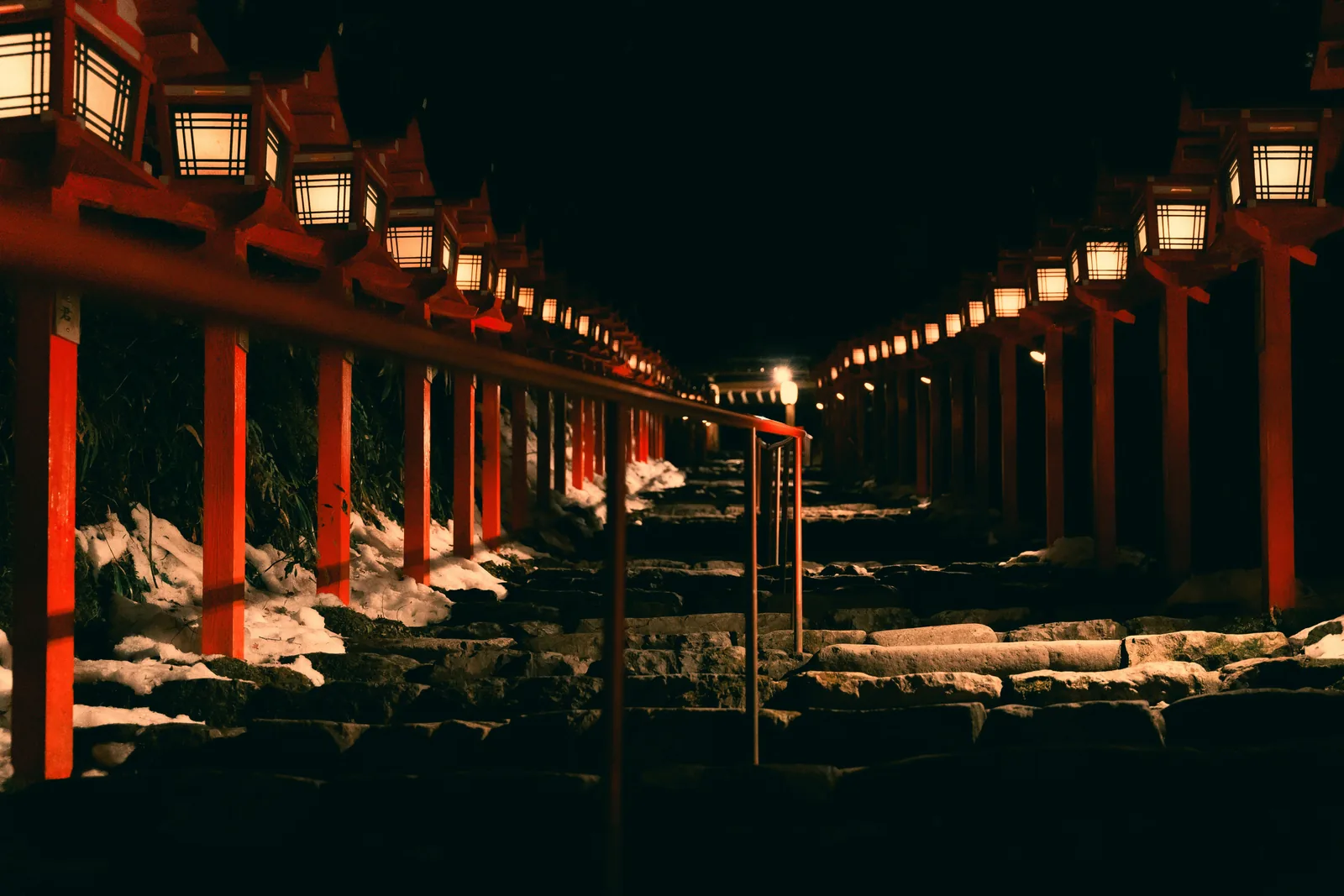
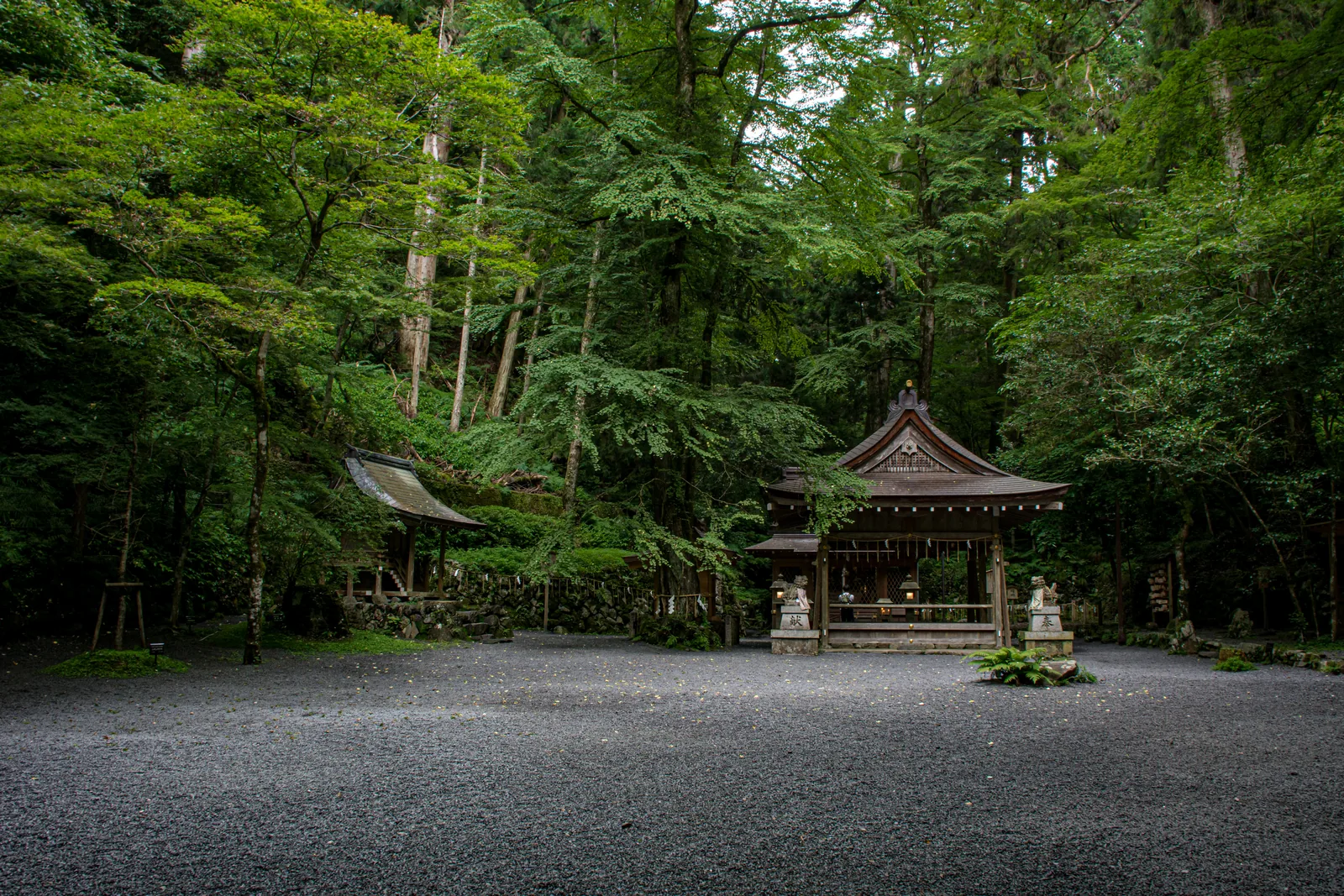
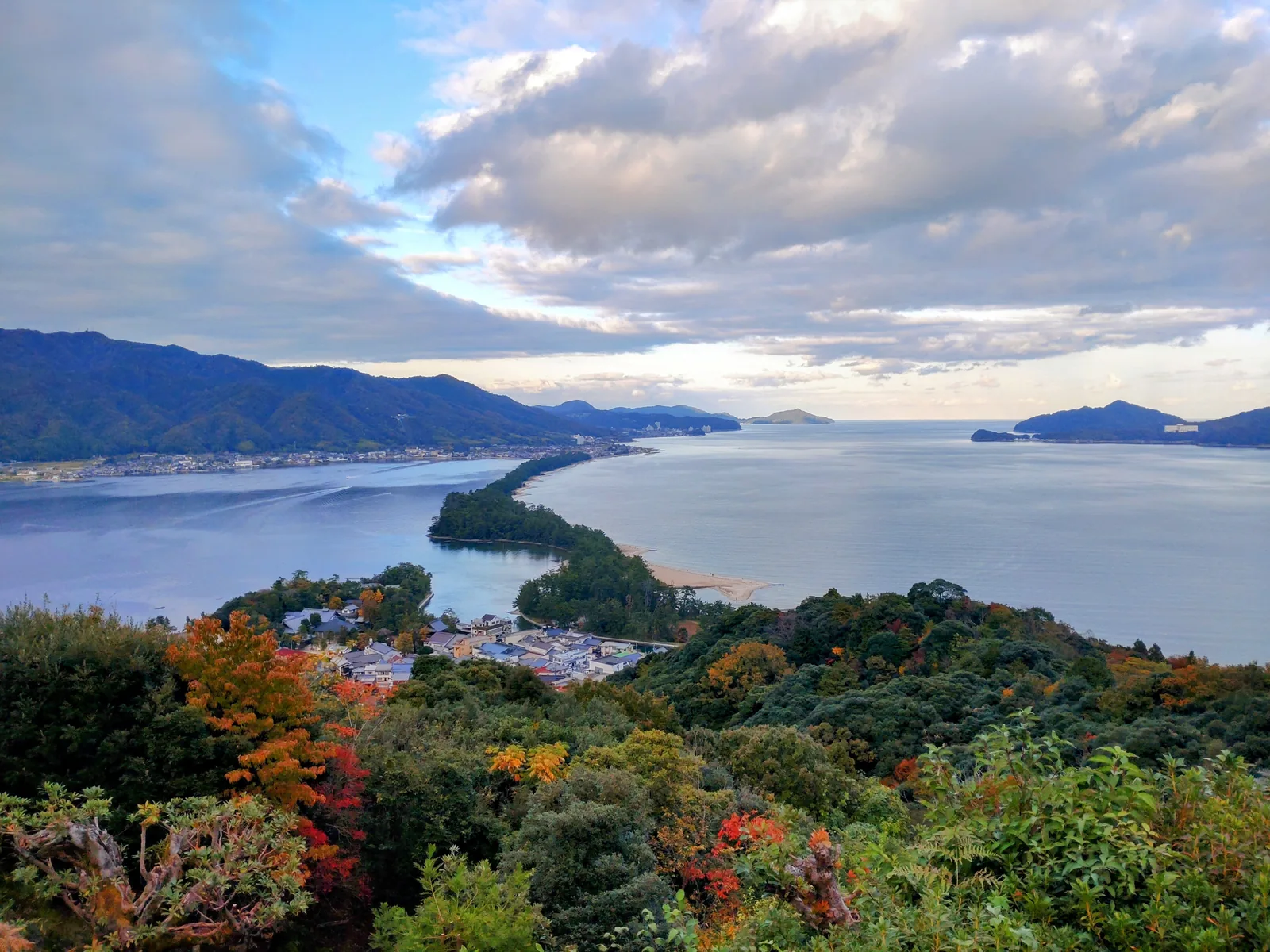
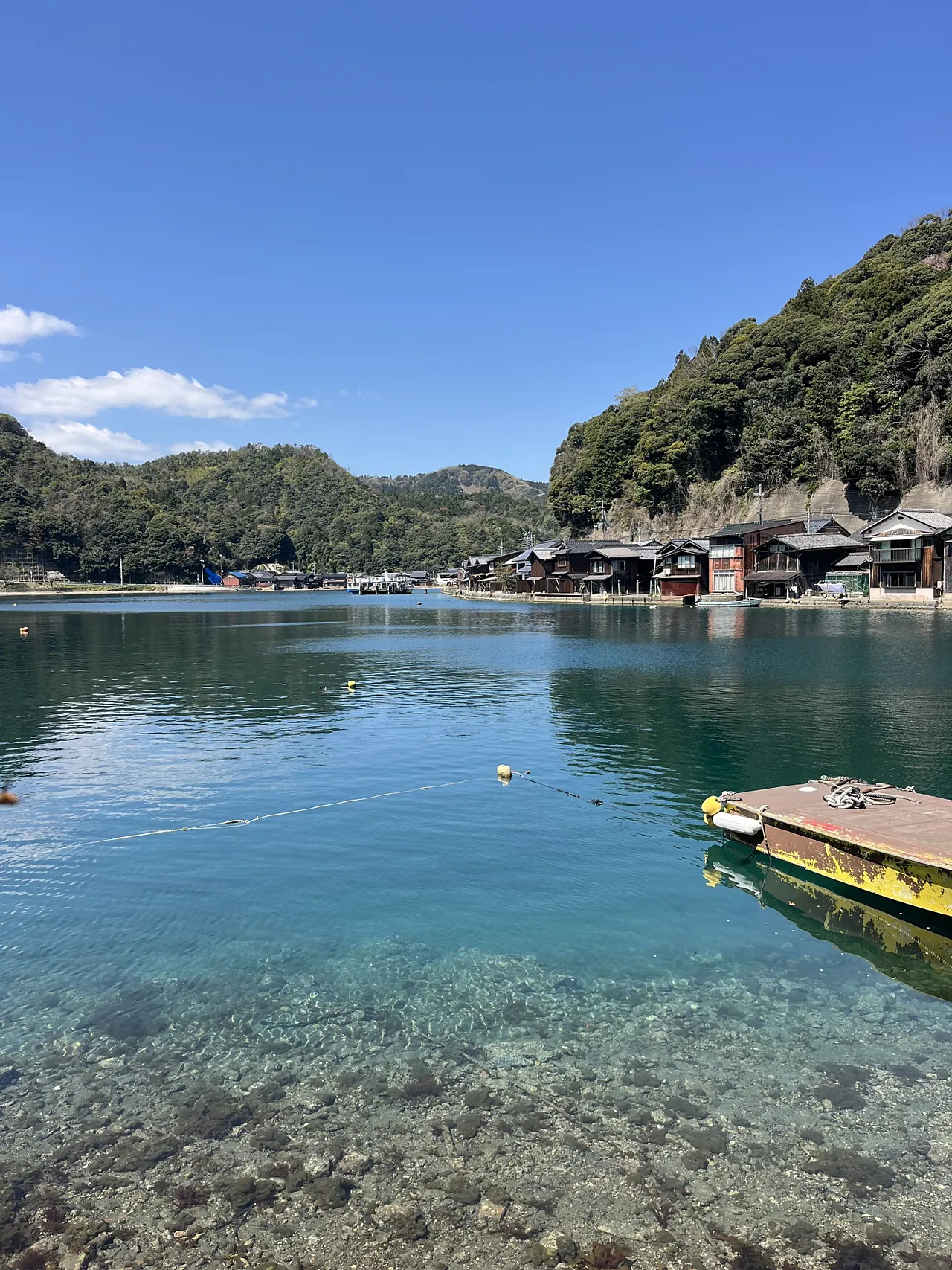
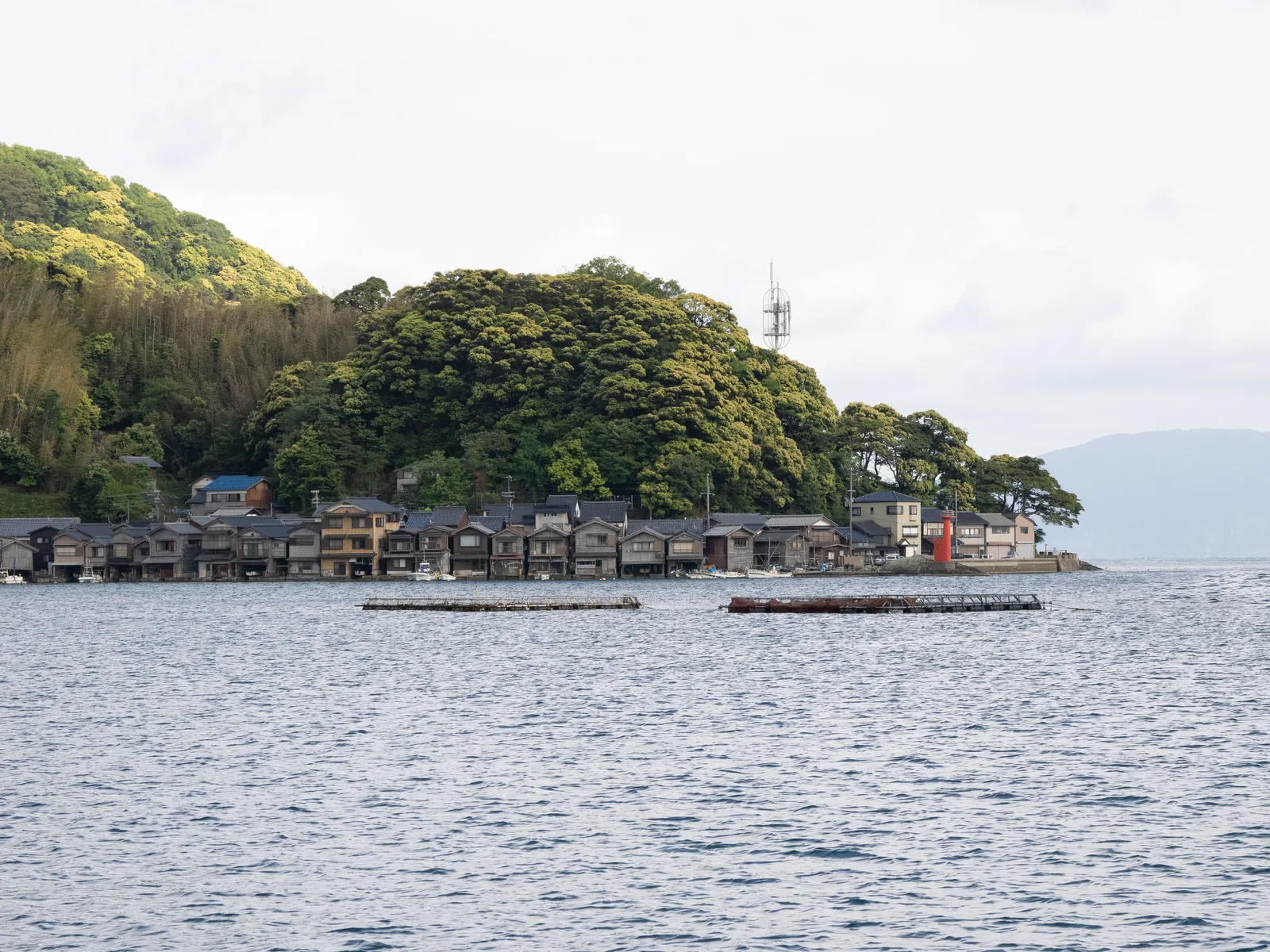
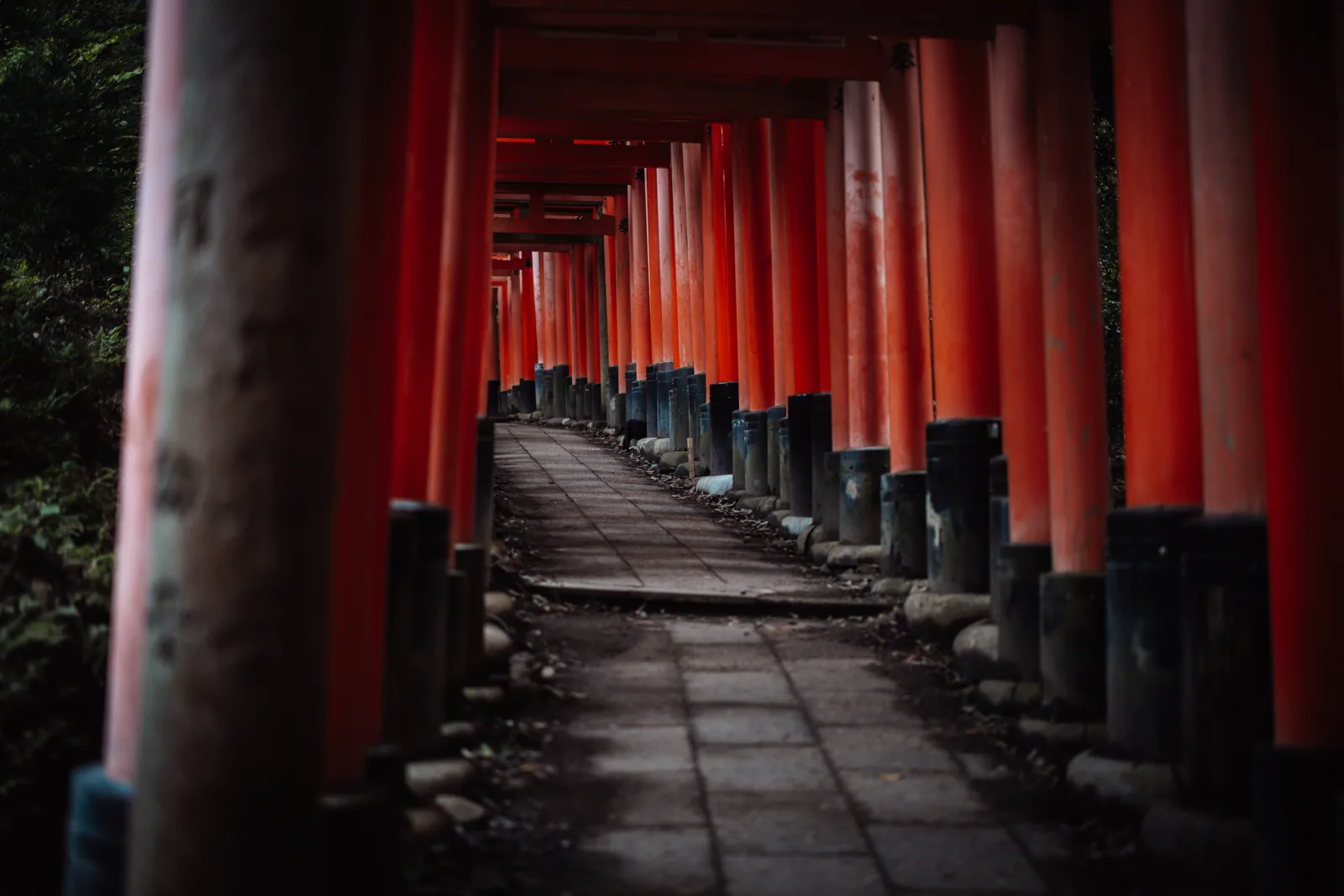
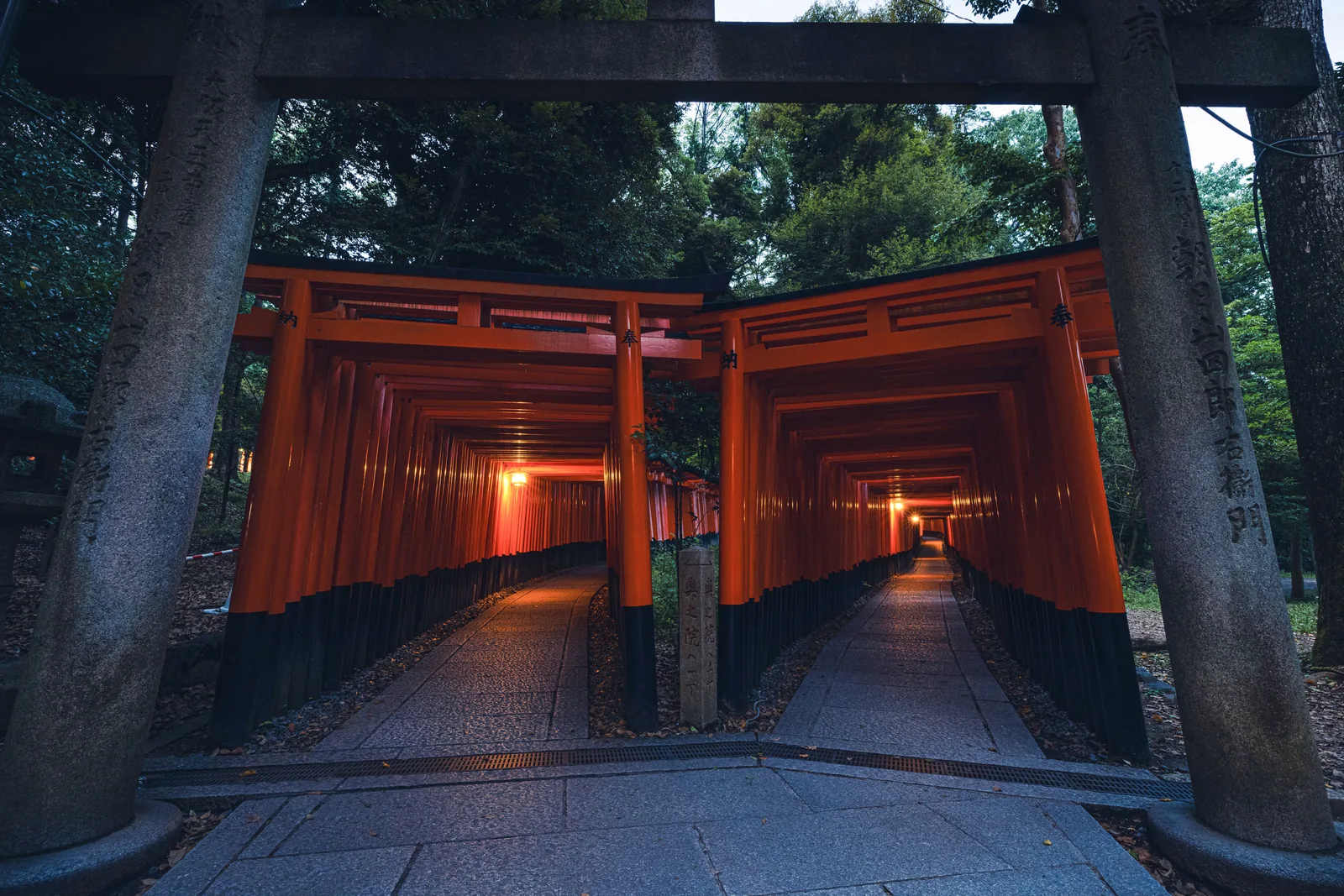
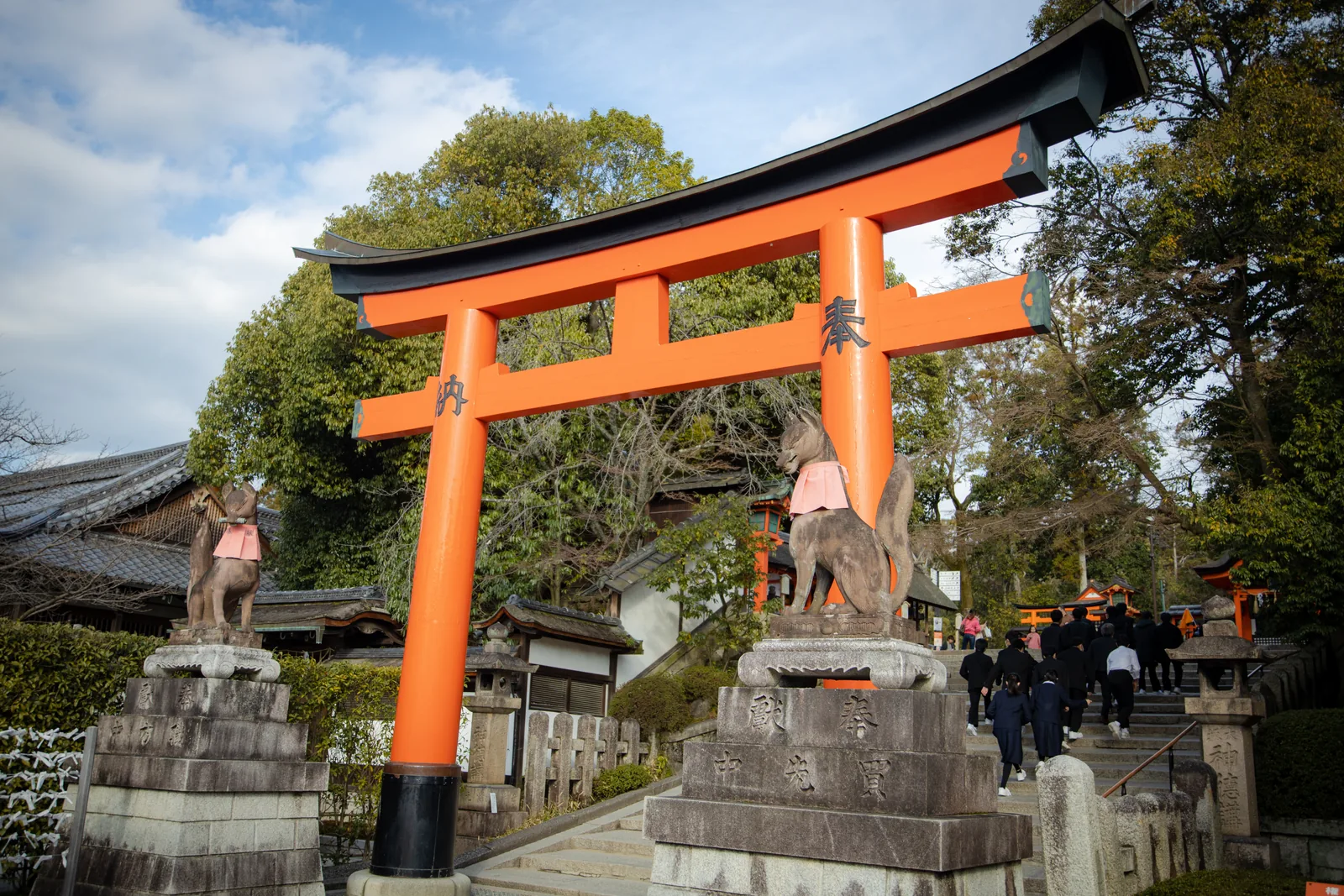
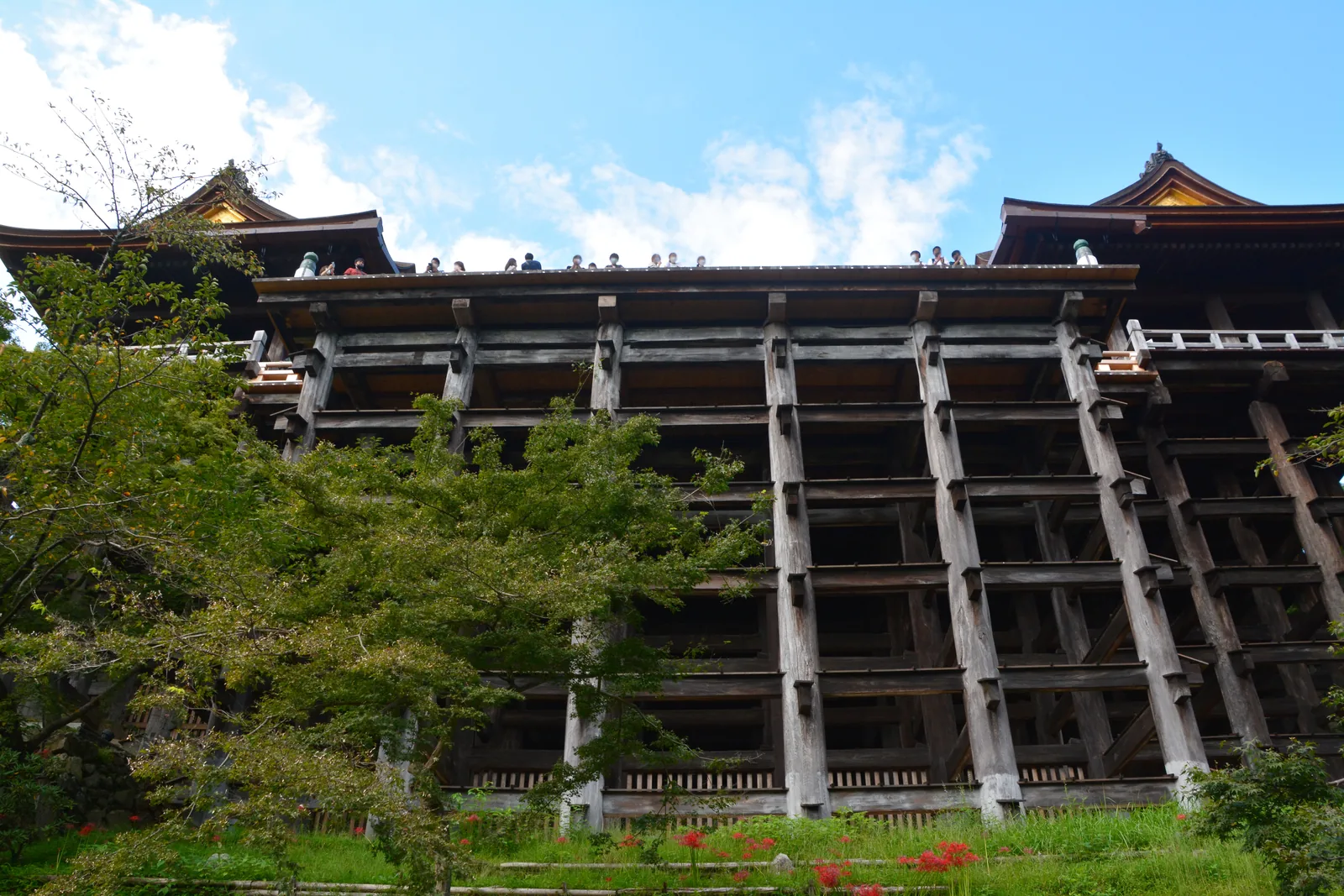
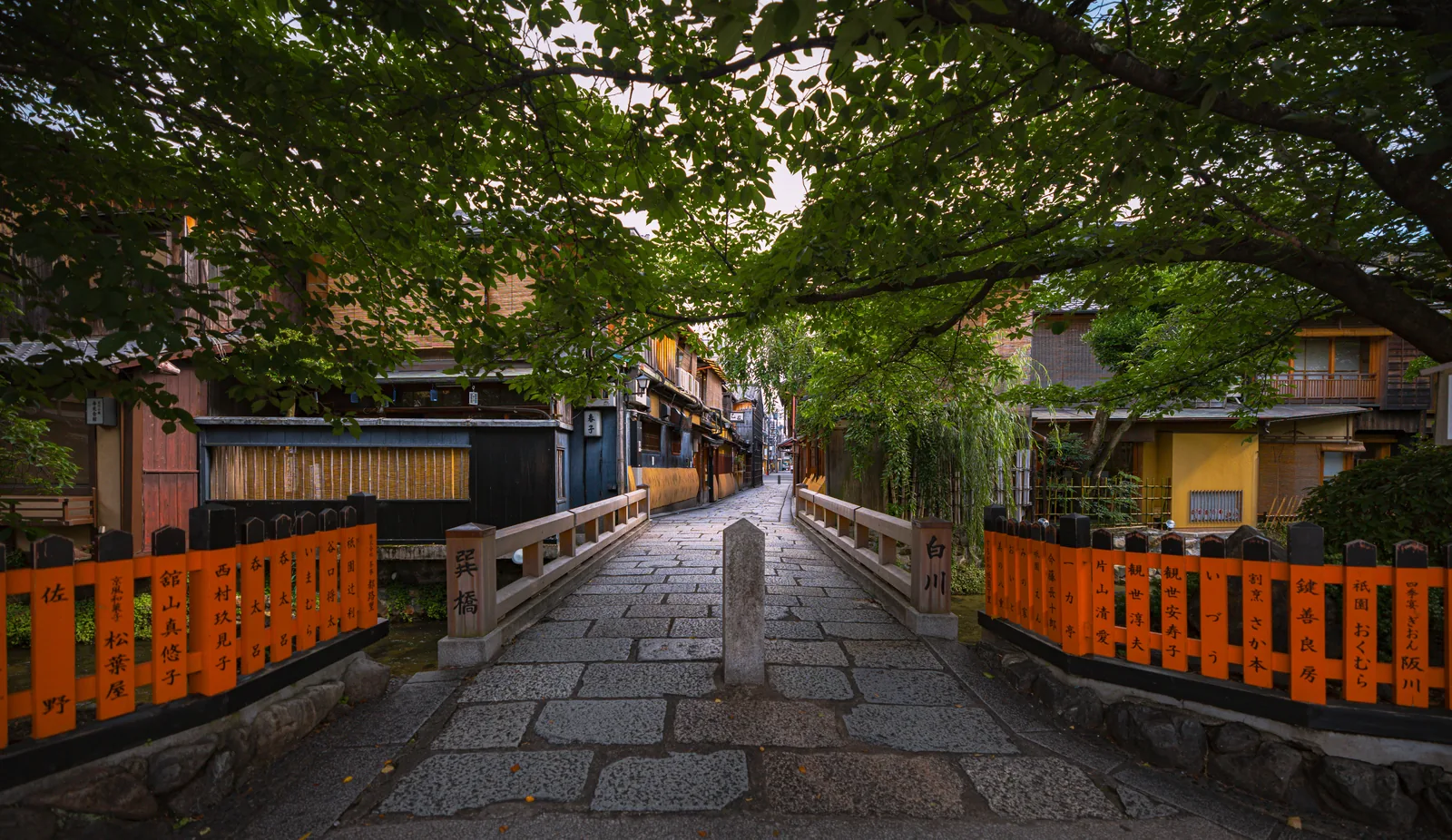
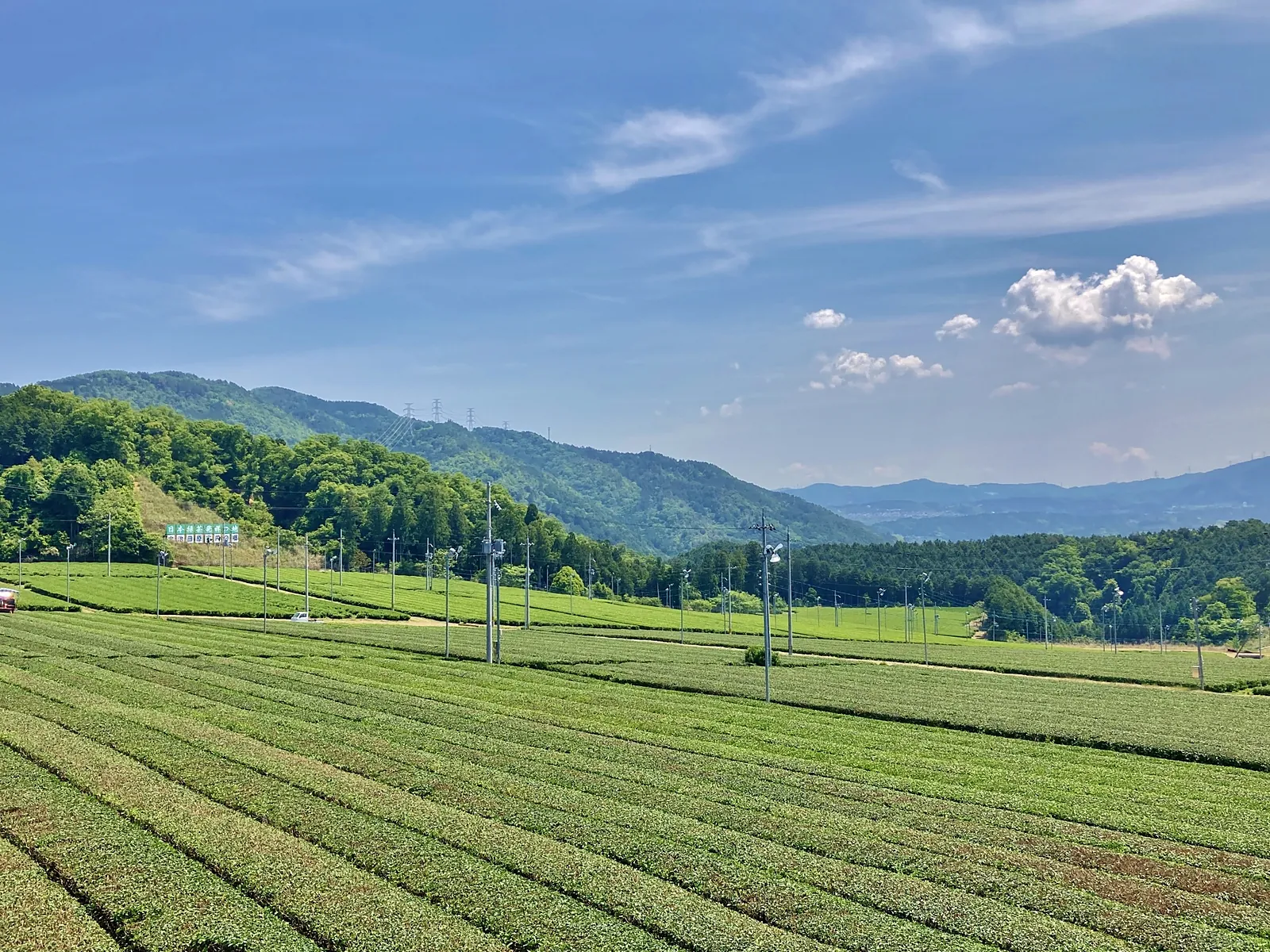
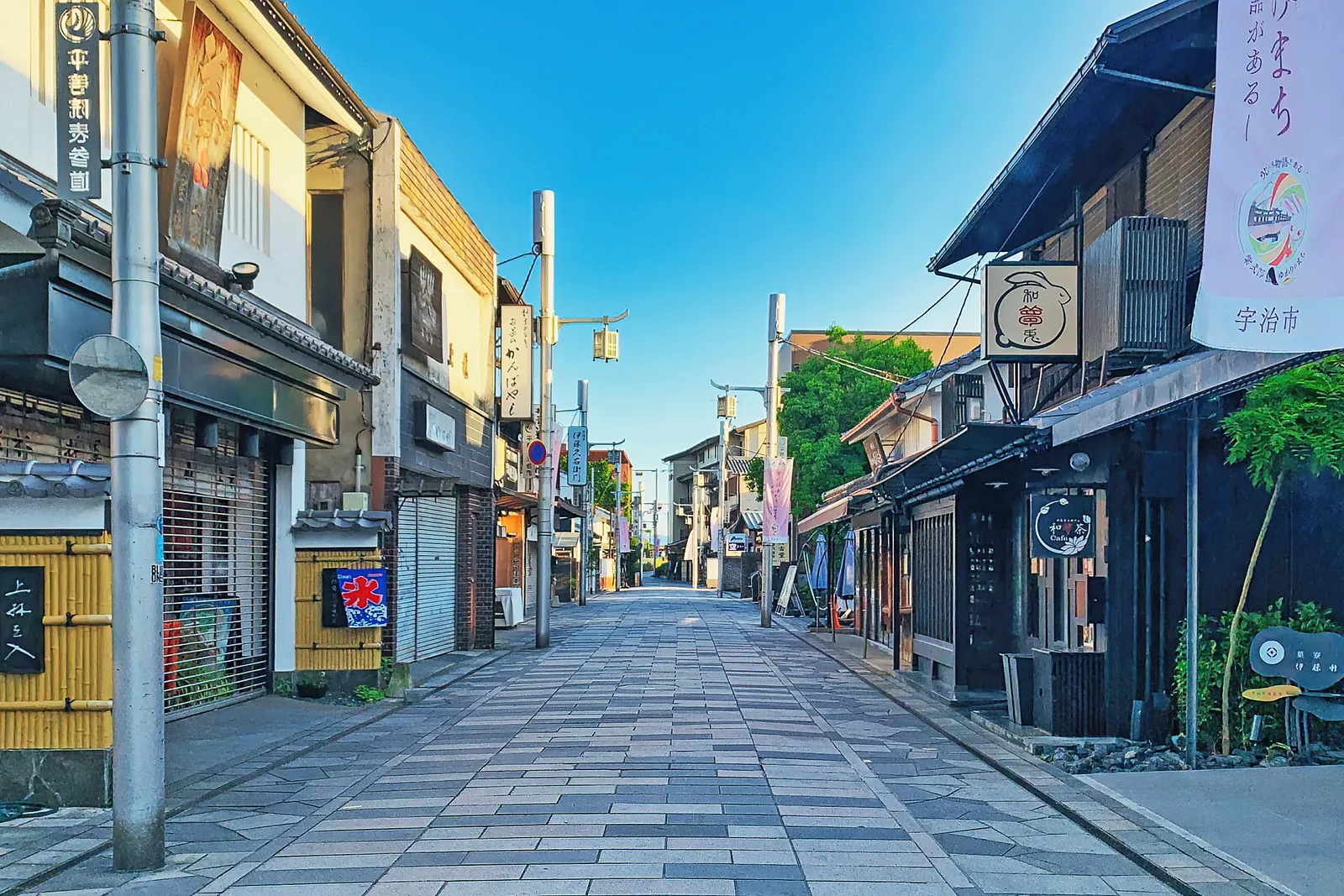
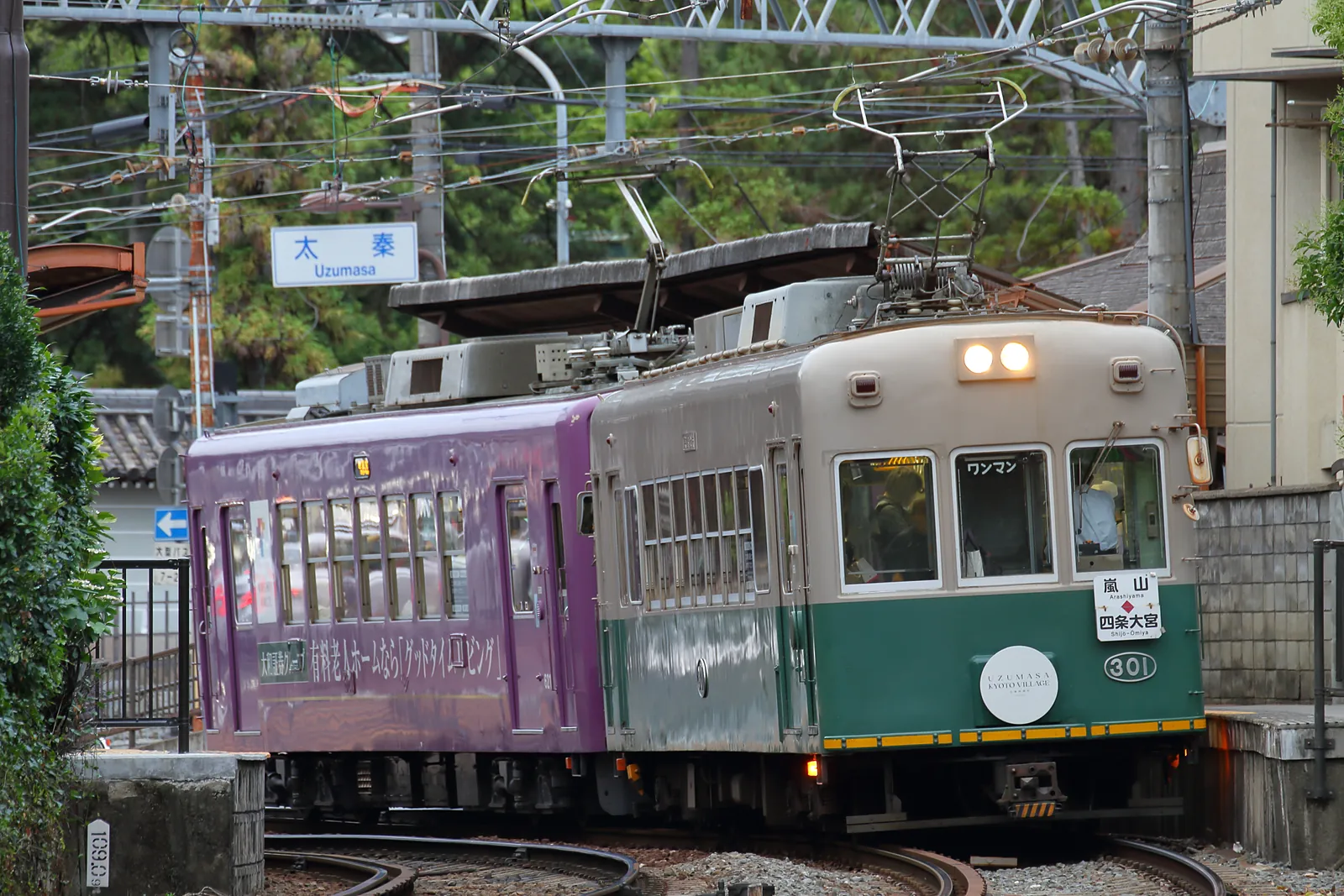
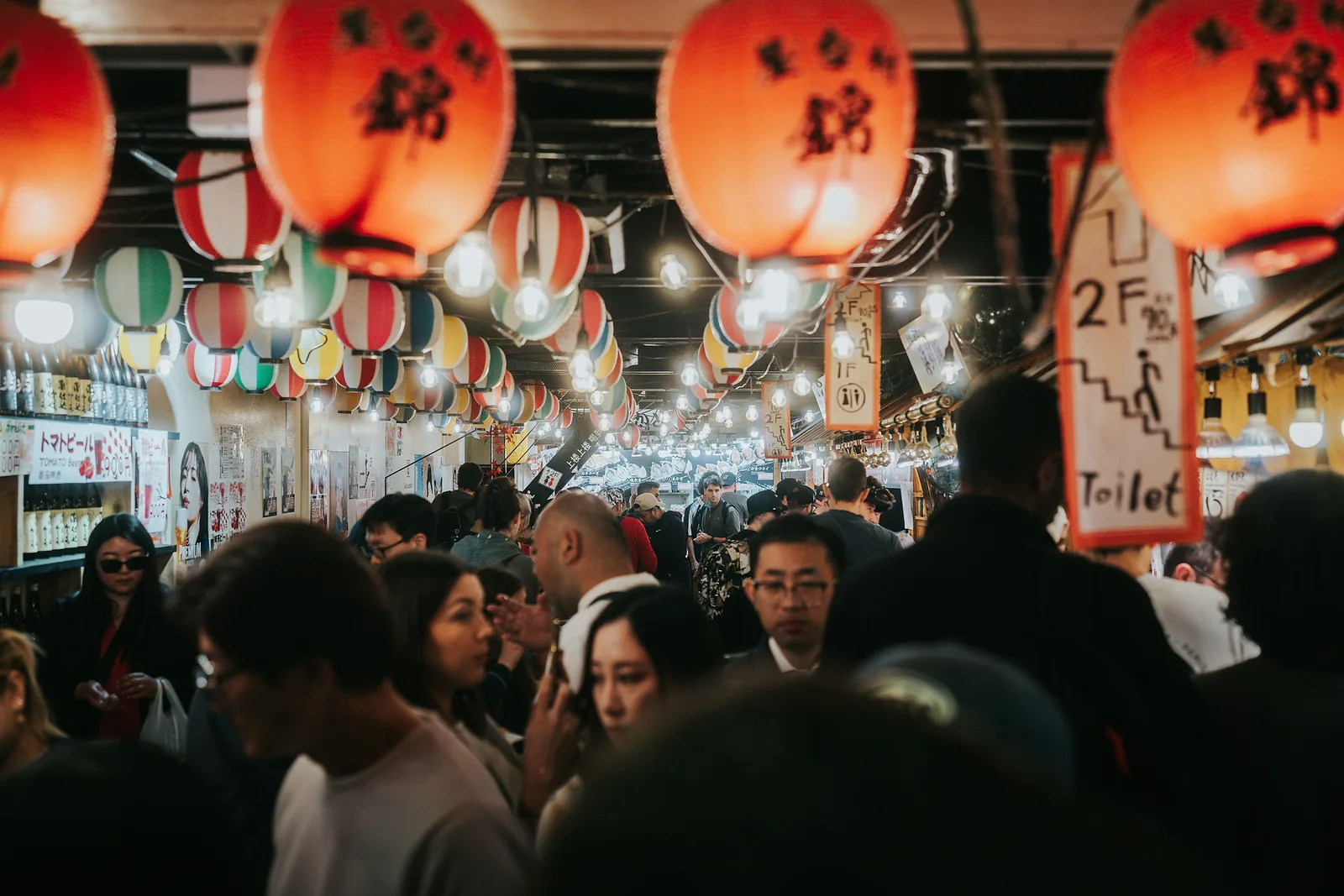
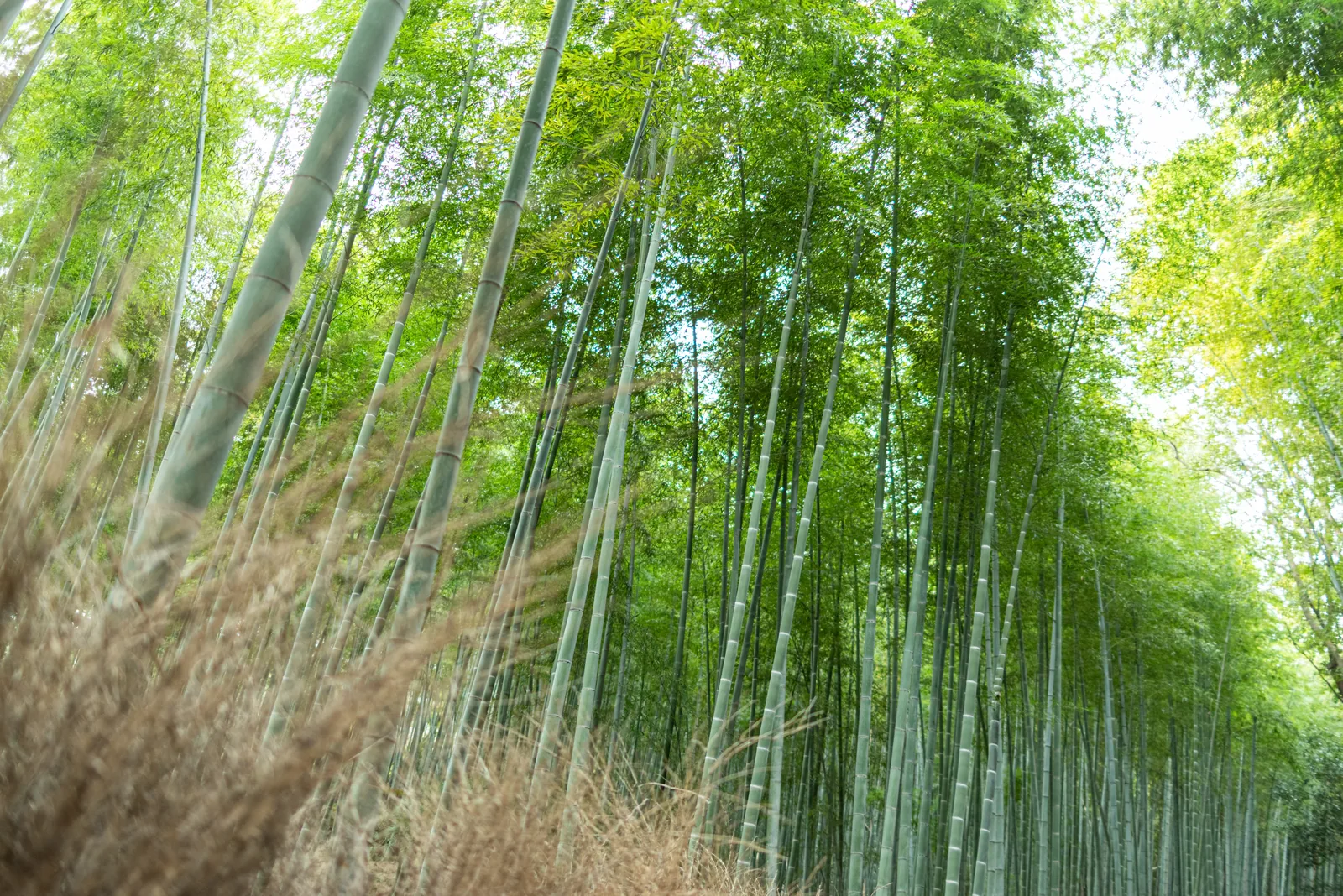
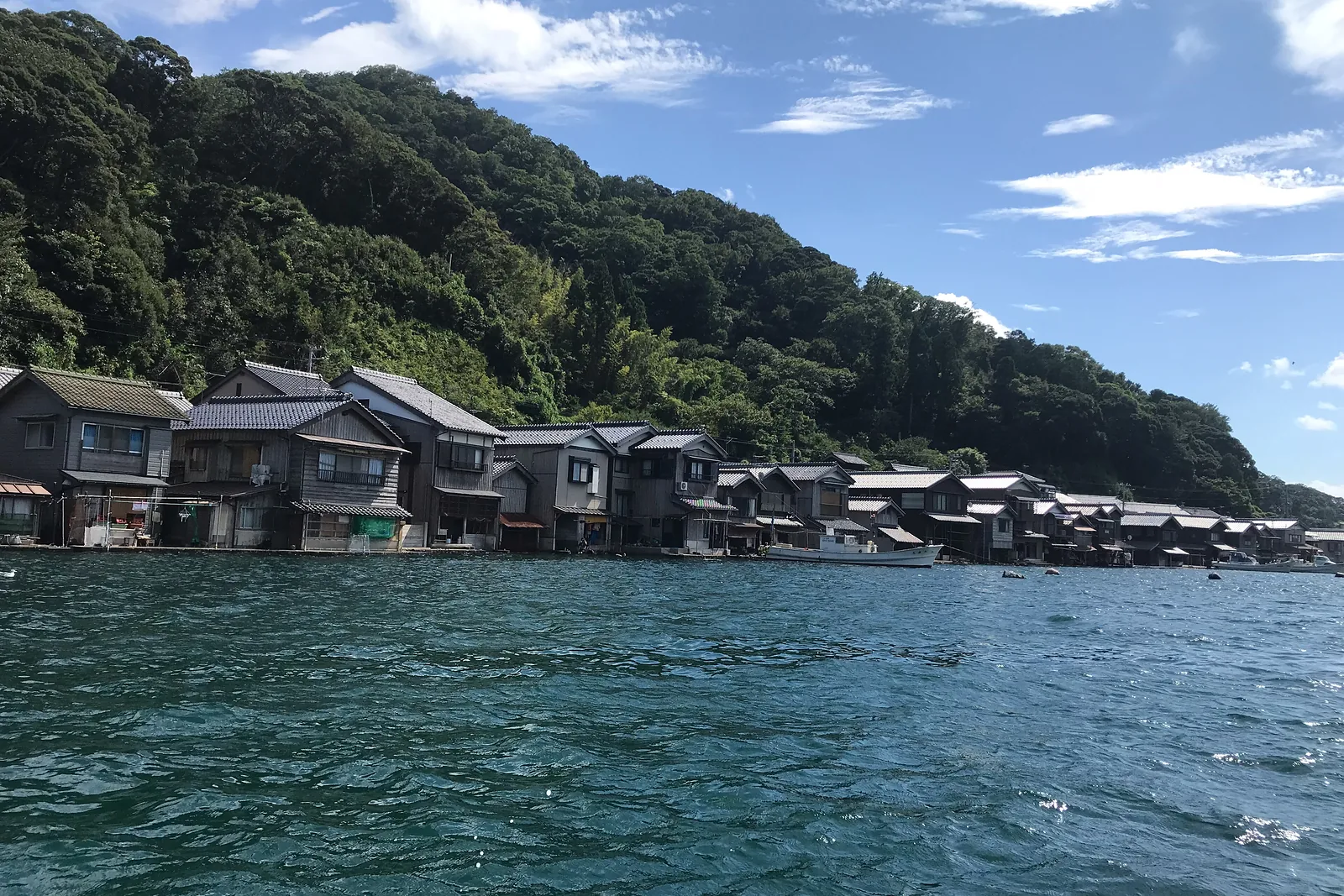
The classic trip centres on Kyoto City, with Higashiyama, Gion, Arashiyama, Fushimi Inari, Nishiki Market, the Philosopher's Path and the temple hills. But the prefecture also includes Uji's tea culture, Kurama and Kibune in the northern mountains, the old port scenery of Ine, and Amanohashidate, one of Japan's Three Views. Kyoto rewards slow travel, early mornings and choosing areas carefully rather than trying to cross the city again and again.
Explore Kyoto by season
Kyoto is intensely seasonal. Cherry blossoms, summer festivals, autumn foliage and quiet winter temple mornings all change the same streets and gardens completely.
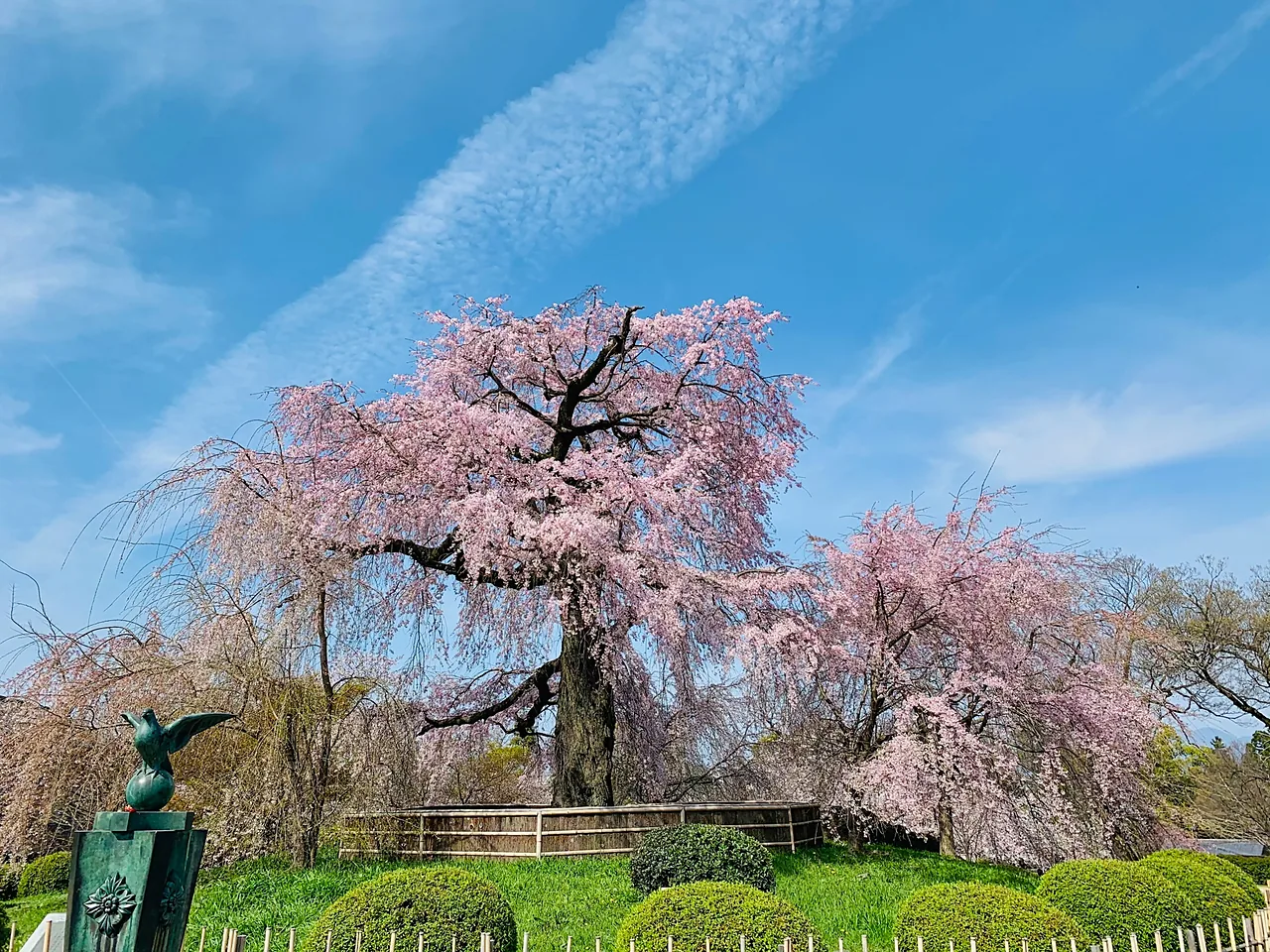
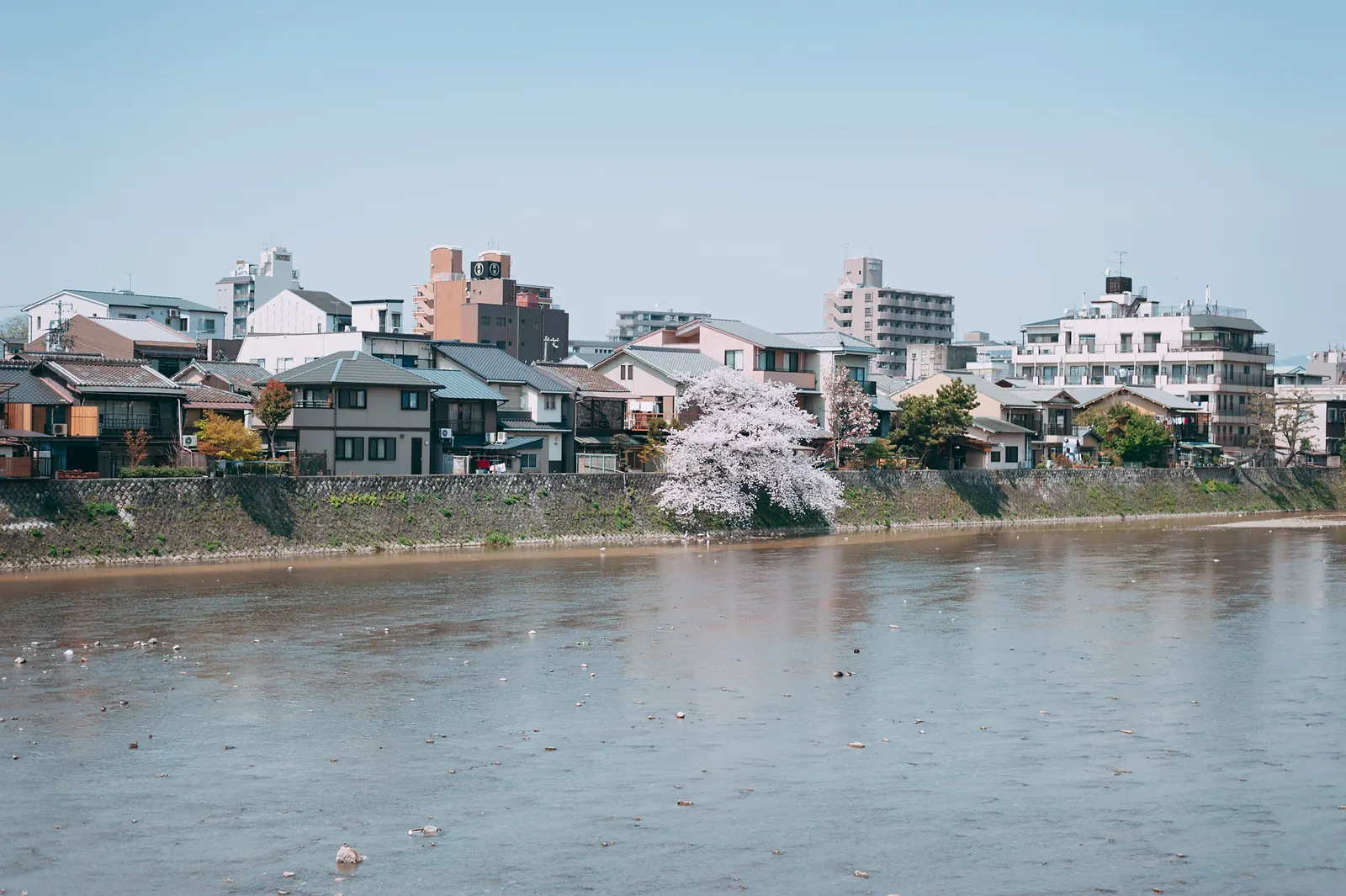
Cherry blossoms at Maruyama Park, the Philosopher's Path, Arashiyama, Daigoji, Kiyamachi and temple gardens across the city.
Spring in Kansai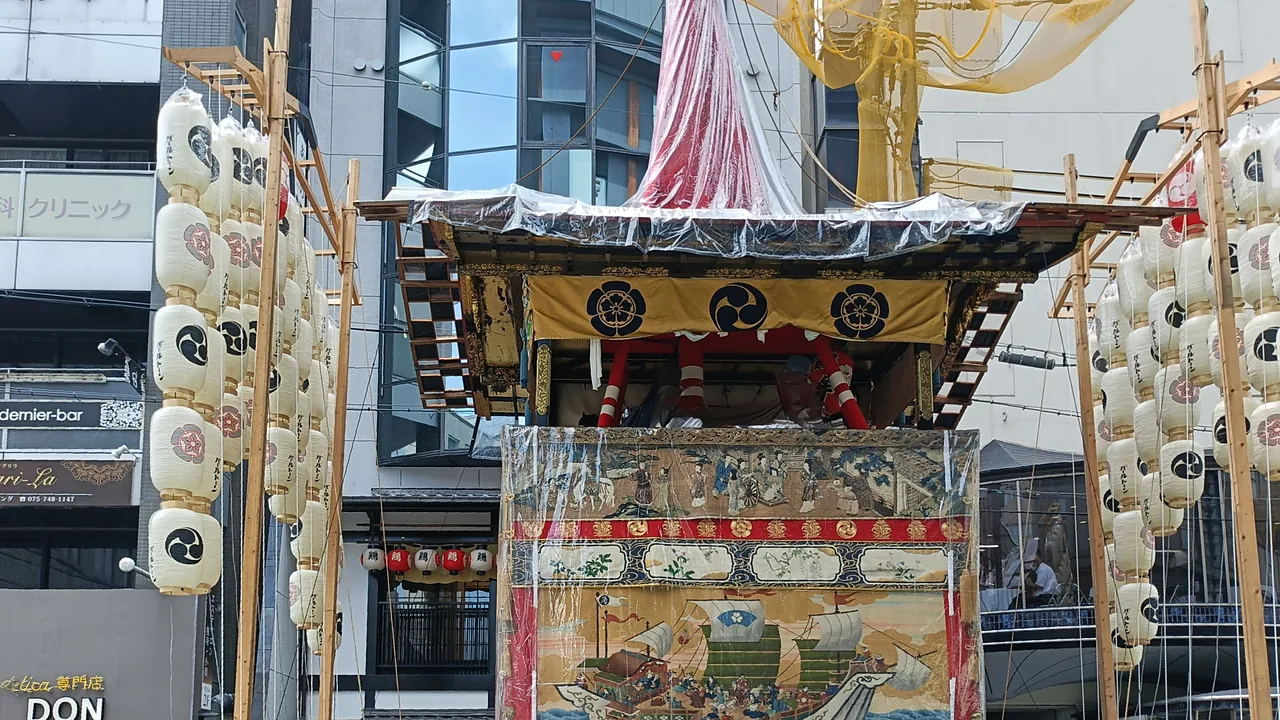
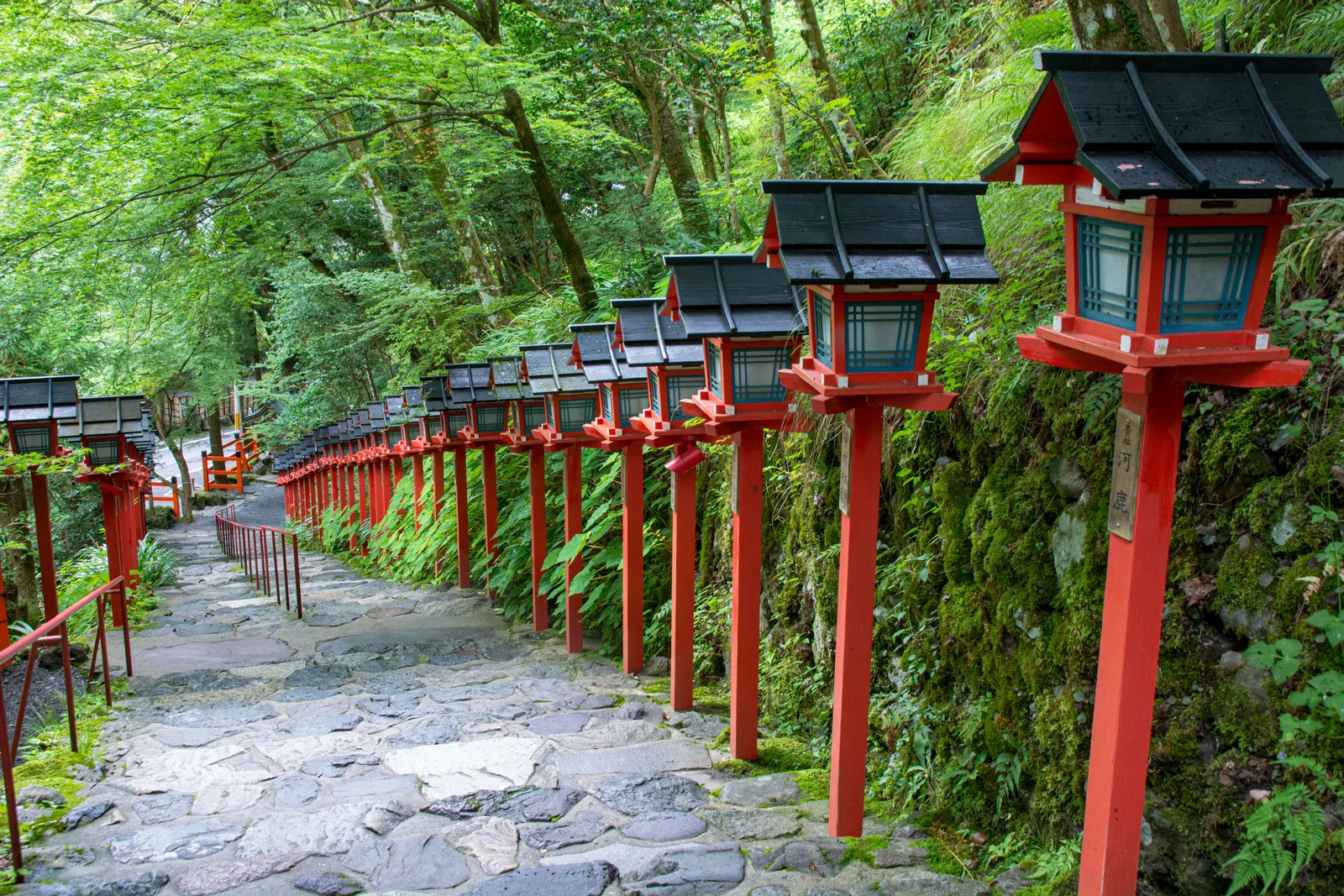
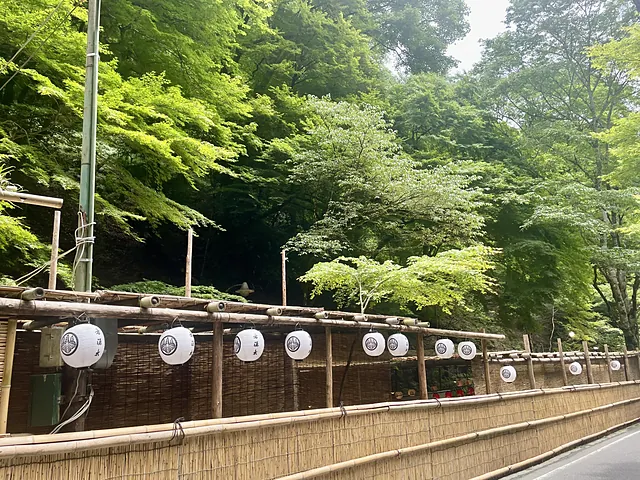
Gion Matsuri, river terraces, green moss gardens, hydrangeas, mountain escapes at Kibune and Kurama, and hot humid evenings in the city.
Summer in Kansai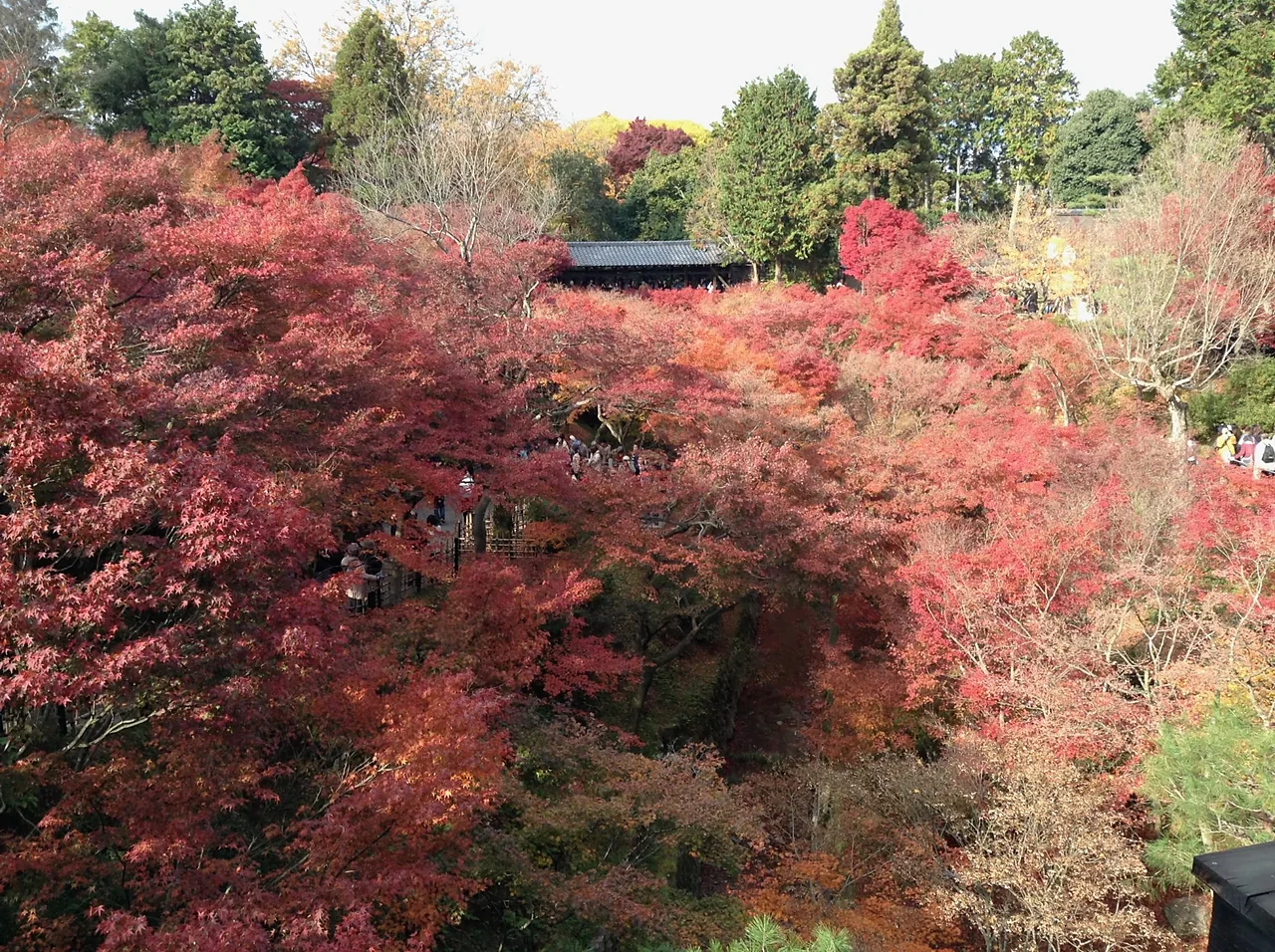
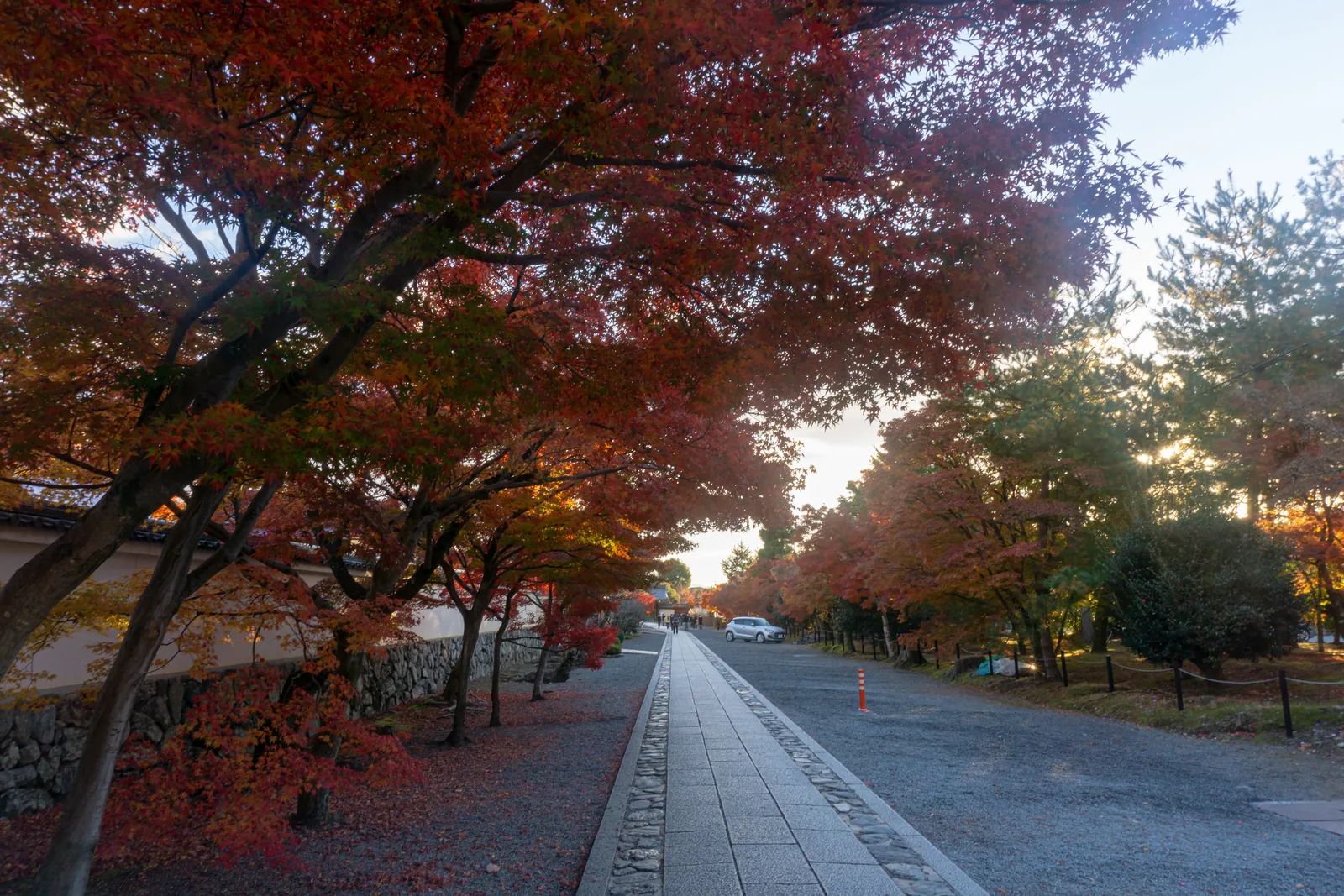
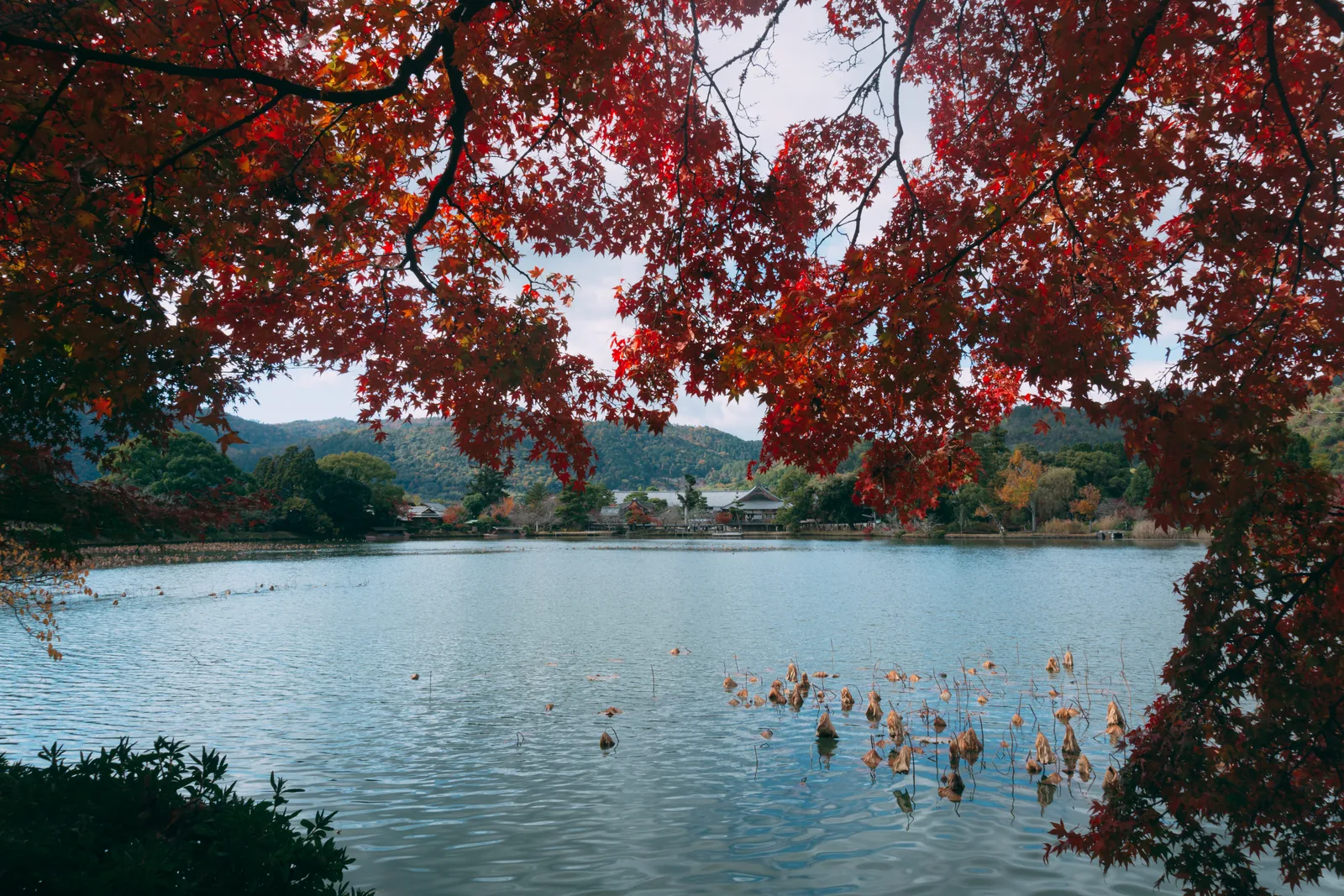
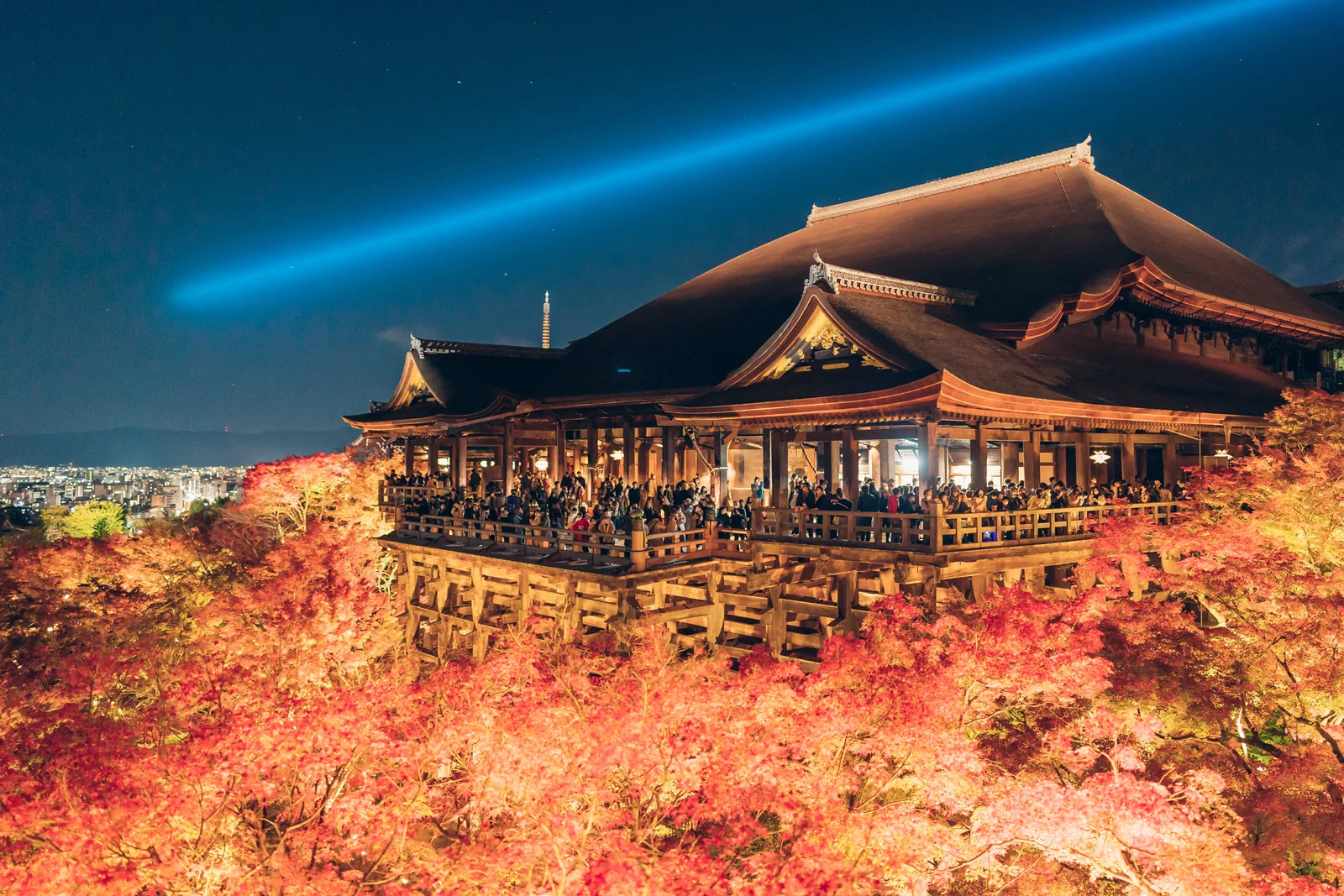
Brilliant maple colour at Tofukuji, Eikando, Nanzenji, Kiyomizu-dera, Arashiyama, Ohara and mountain temples.
Autumn in Kansai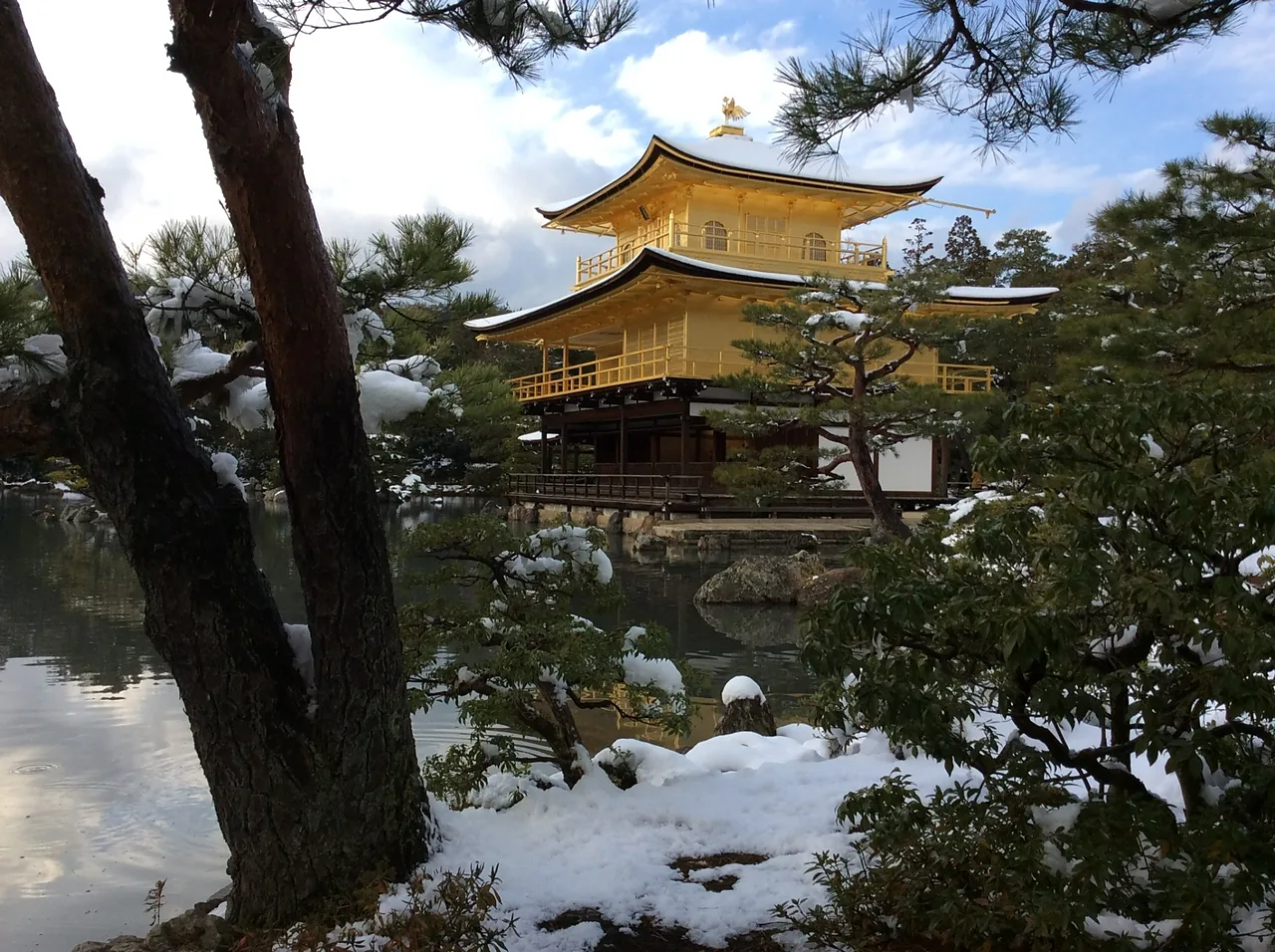
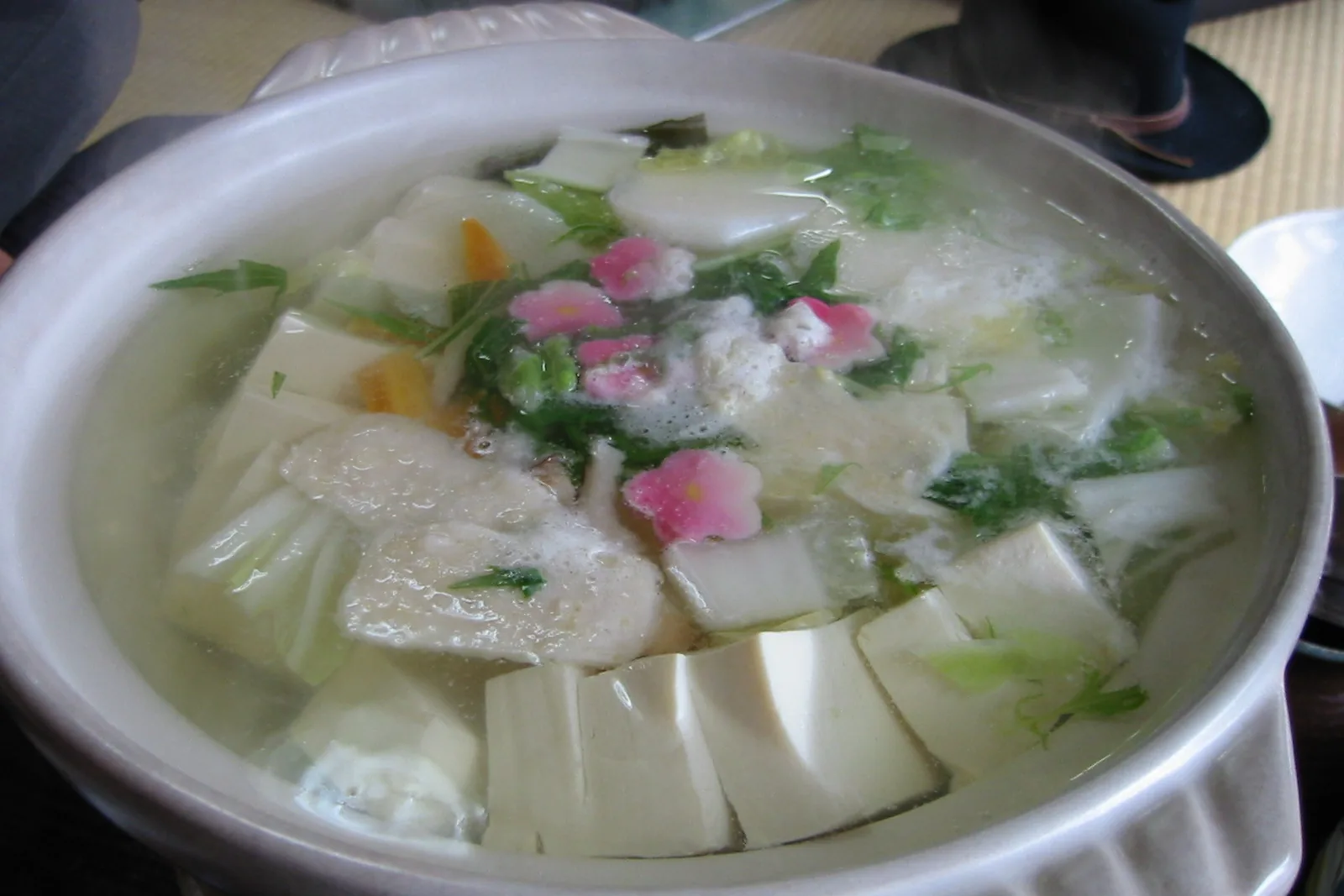
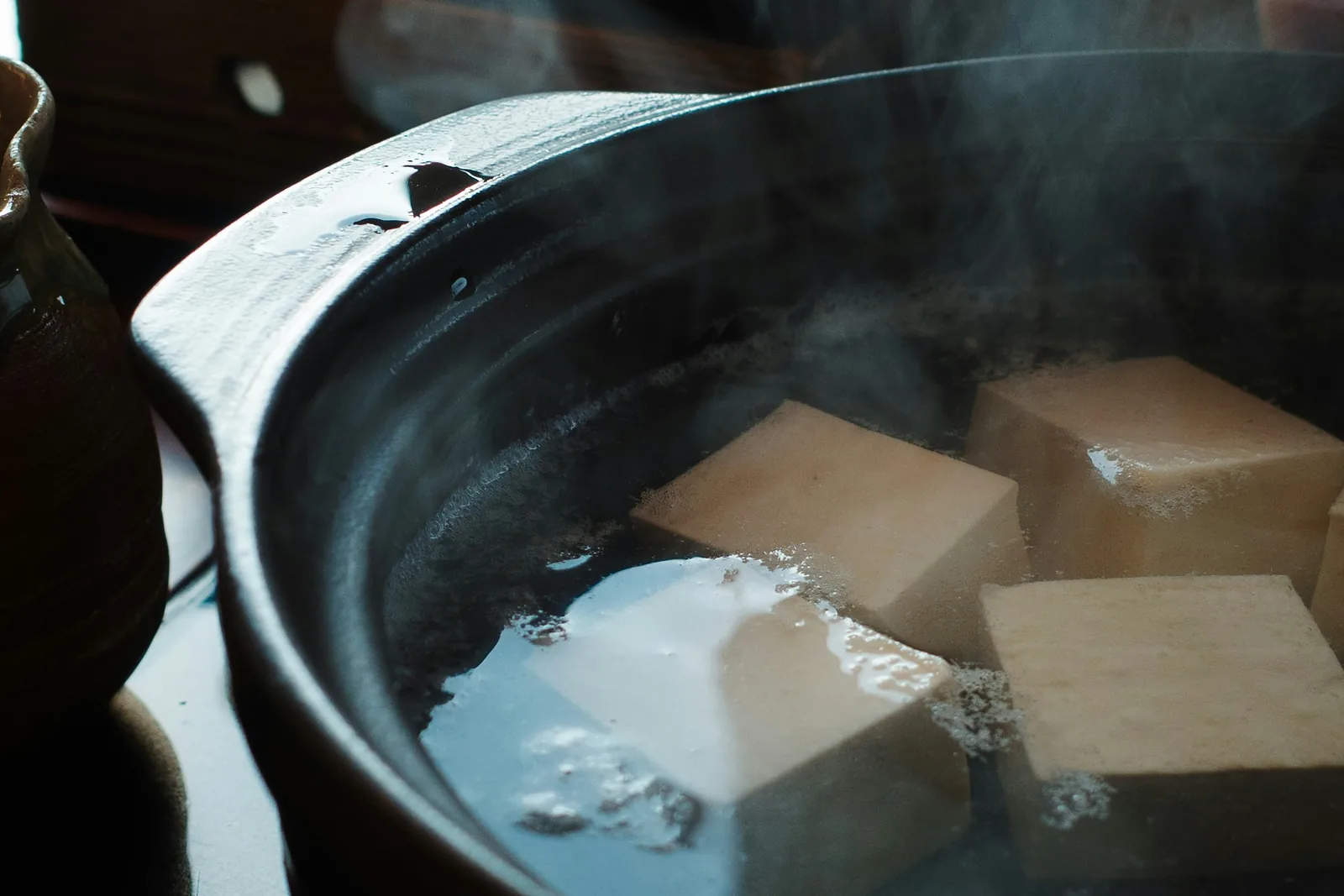
Quiet temple mornings, occasional snow on rooftops and gardens, hot yudofu, New Year shrine visits and fewer crowds outside peak dates.
Winter in Kansai