Japan in Winter
From snowboarding in Hokkaido to soaking in hot springs in Nagano, winter in Japan offers a unique blend of serene beauty and lively culture.
Winter Overview
Winter time marks a season of transformation across Japan, where landscapes are blanketed in snow and cities take on a quieter, cosier atmosphere. In the northern regions and mountainous areas, heavy snowfall creates a winter wonderland made for skiing, snowboarding, and enjoying the classic snowy scenery.
In contrast, many cities and southern regions experience crisp, clear weather with fewer tourists, making it an ideal time for sightseeing without the crowds. It's also the season when hot springs come into their own, as locals and travellers alike look to warm up and relax in the cold.
Winter is also a season of lively festivals, from the snow sculptures of the Sapporo Snow Festival to the illuminations that light up cities across the country, giving the season a perfect balance of outdoor adventure, culture, and snug relaxation.
When to visit in winter
Winter runs from December to February, with snowy conditions in the north and clear, dry weather in many cities. Start with the month that fits your trip. Each guide covers the weather, what's on, and how to pace it.
Where to go in winter
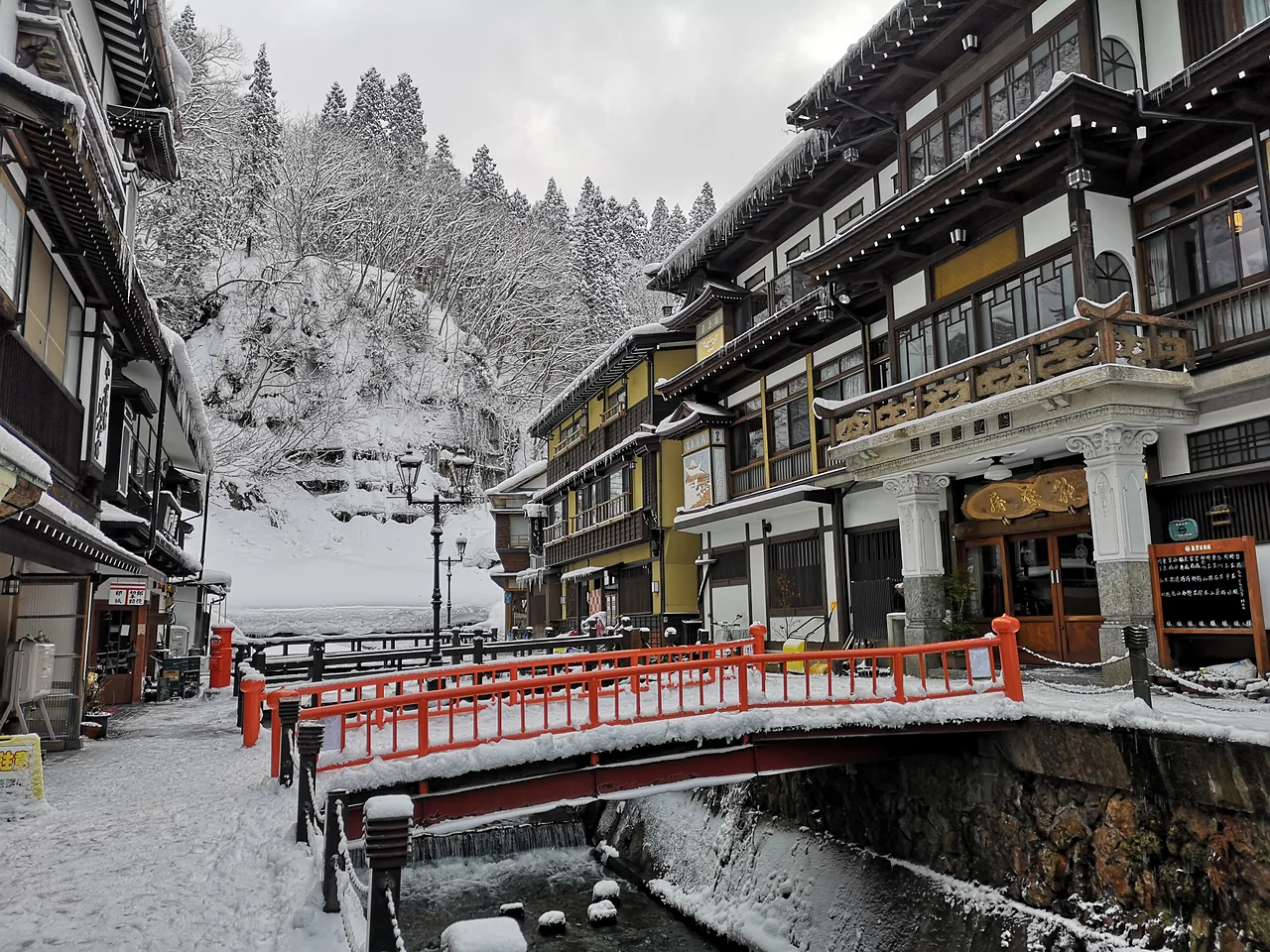
Each region has its own character in winter. The north and the mountains hold the deep snow and the ski country, the cities on the Pacific side stay crisp and clear, and the hot spring towns are at their best in the cold. Pick a region for the winter you're after.
Head down to Hakone
Starting the Journey
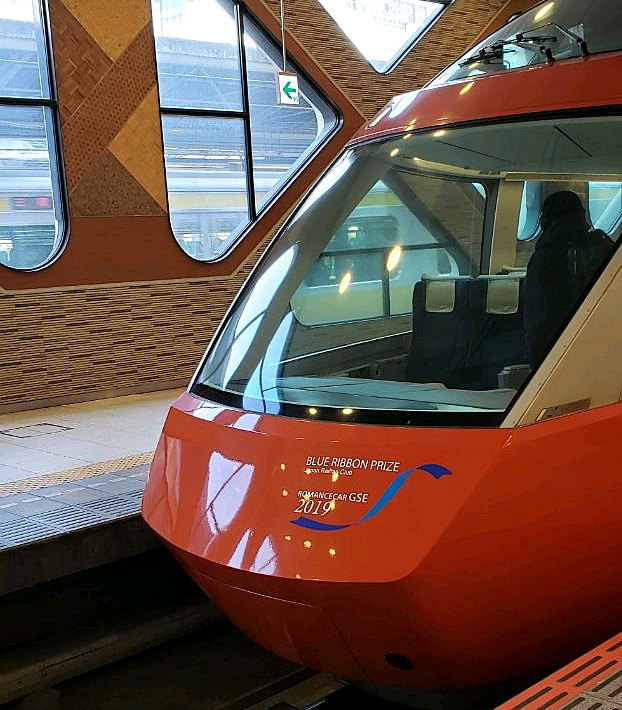
Purchase a Romancecar ticket online or at Shinjuku station and take the Romancecar to Hakone-Yumoto station, or take the Rapid Express on the Odakyu line to Odawara station and transfer to the local train to Hakone-Yumoto. The Romancecar is the more comfortable option and faster by about 30 minutes, but it costs an additional ¥1,200 one way.
Exploring the Town
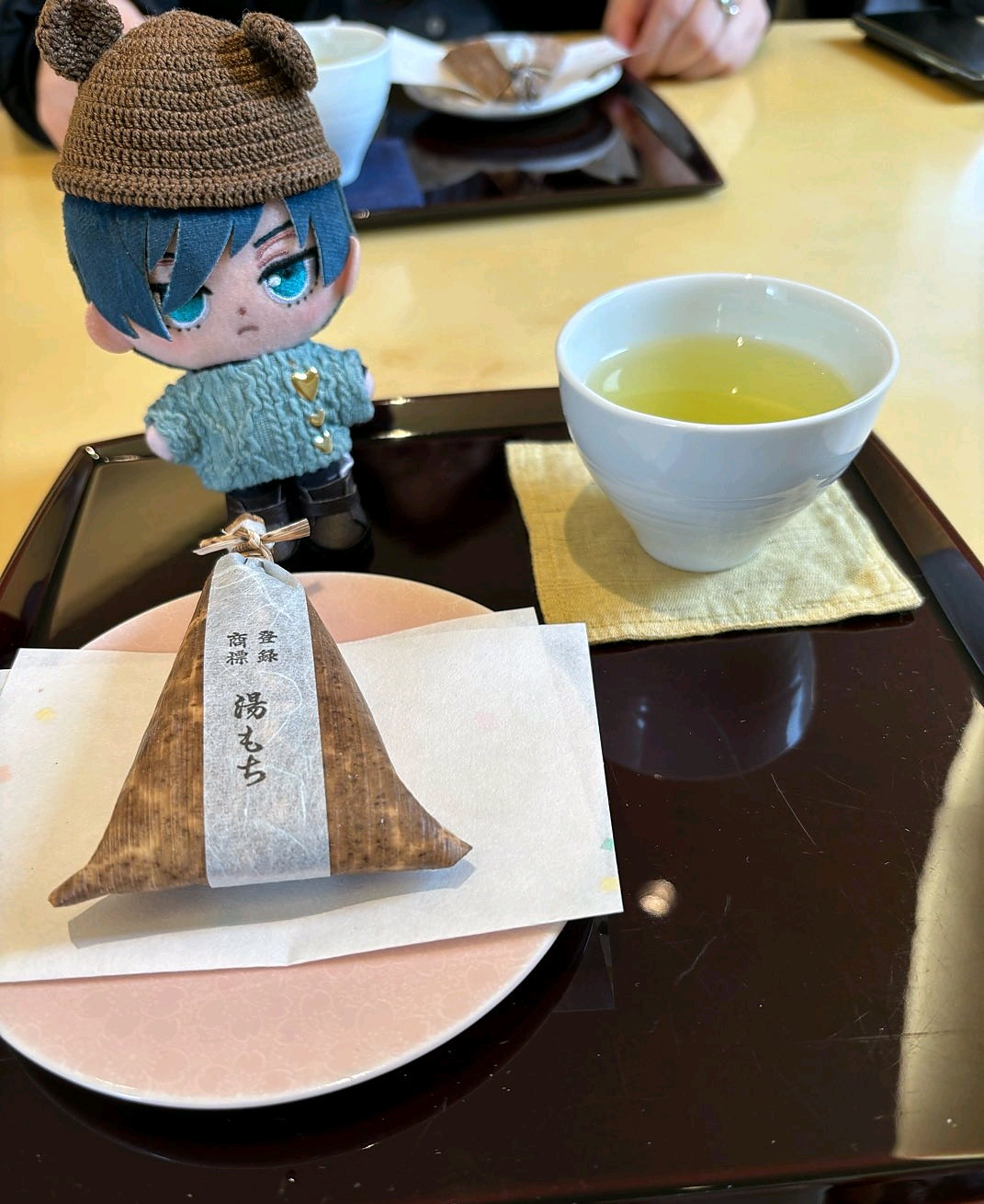
At Hakone-Yumoto station, there are many small stalls for you to try local snacks and food, or cafes where you can sit down and enjoy the atmosphere. In particular, the manju from Manjuya Nanohana, the yumochi from Chimoto, and the local kamaboko are absolute musts.
See the Older Side of Atami
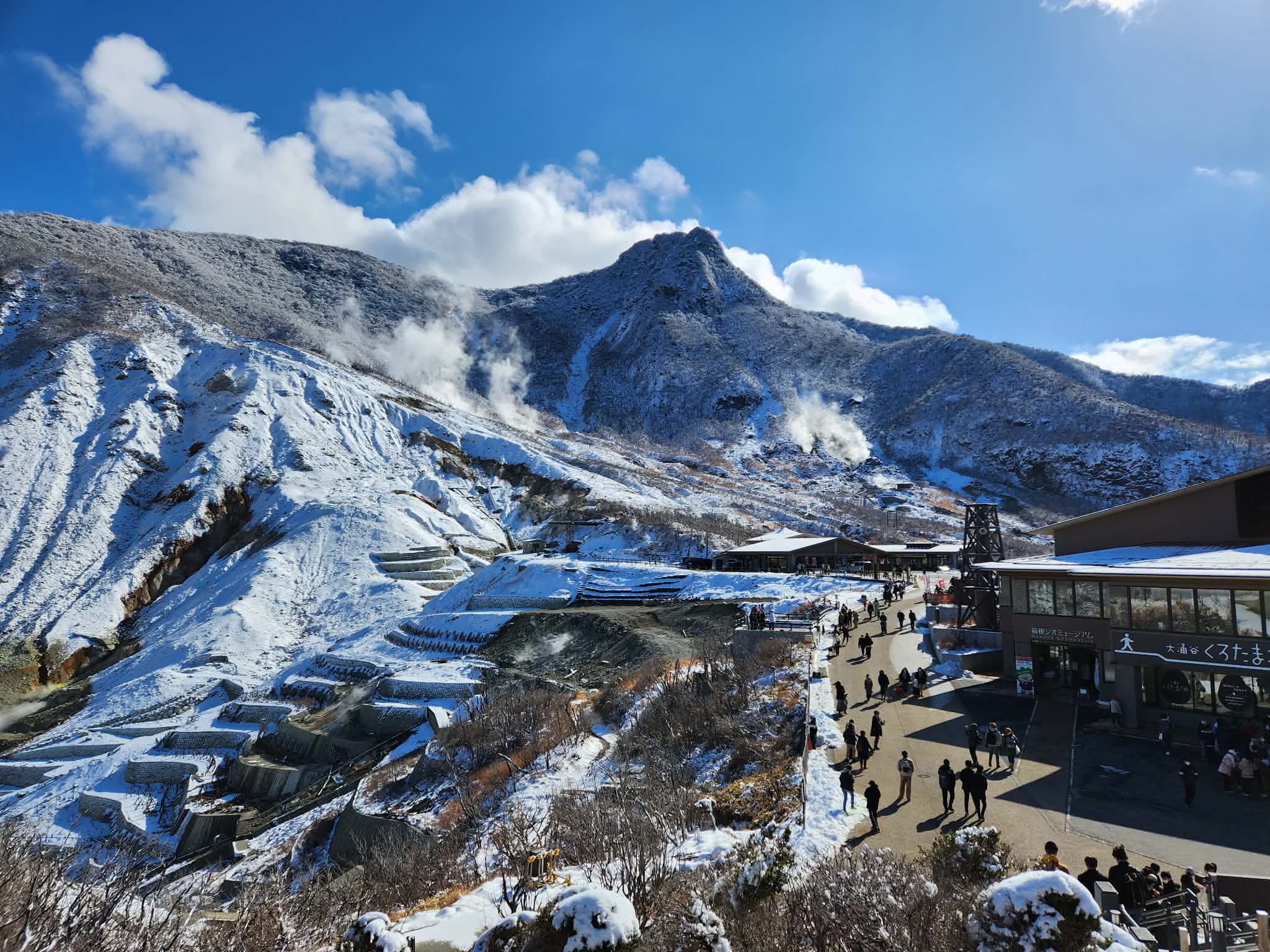
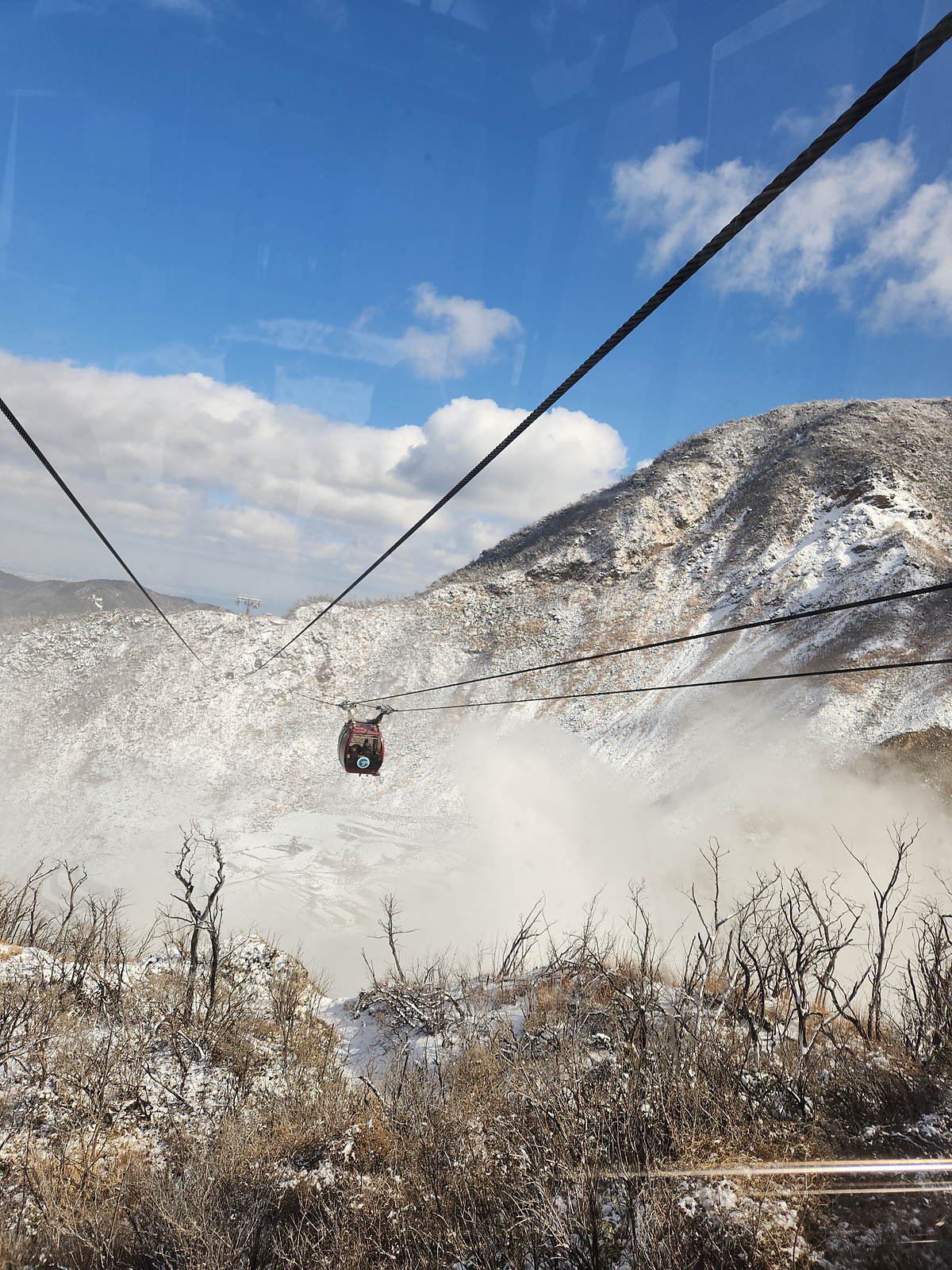
From Hakone-Yumoto station, take the local train on the Hakone Tozan line to Gora and transfer to the cable car to Sounzan station, where you can take the ropeway to Owakudani station and along the way see the steaming sulphur vents and lovely snowy views of the mountains. Once you get to Owakudani, make sure to try the famous black eggs boiled in the hot springs, which are said to add 7 years to your life for each egg eaten.
Feel the History
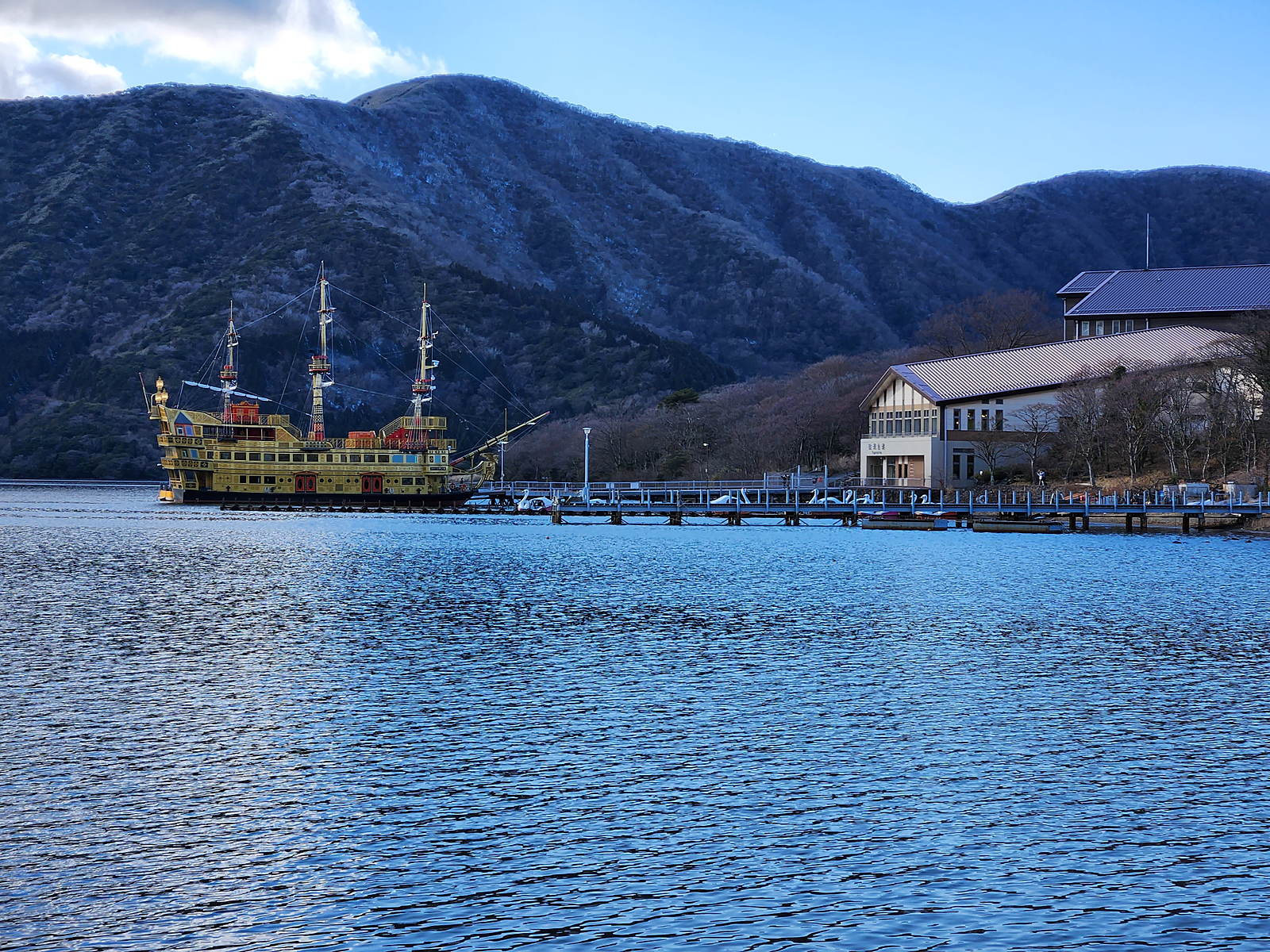
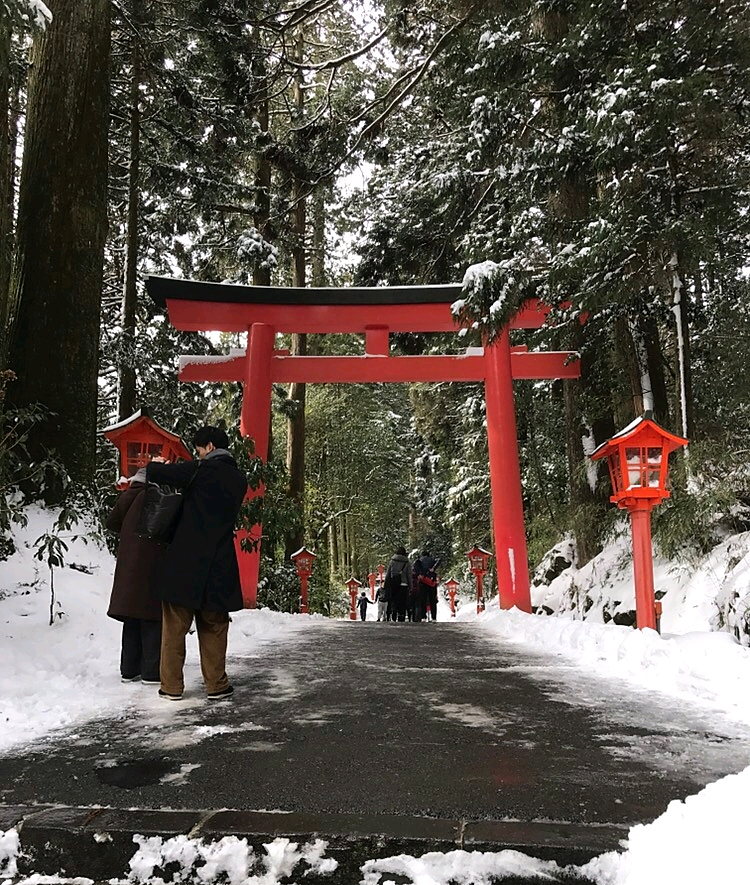
When you're done strolling around the area, take the ropeway down to Togendai station and hop on the sightseeing cruise across Lake Ashi, where you can see Hakone Shrine's lakeside torii, beautiful snow capped mountains and, if the weather is clear, even Mt. Fuji in the distance. Winter's crisp air gives you the best odds of the year. The cruise will take you to Hakone-machi or Moto-Hakone, where you can explore the small shops and cafes and enjoy the peaceful atmosphere of the lake.
Witness Incredible Beauty
From Moto-Hakone it's a short lakeside walk to Hakone Shrine for a closer look. Alternatively, take a bus back up the valley to the Hakone Open-Air Museum, which has a great collection of sculptures and artwork displayed in a beautiful outdoor setting. In the weeks around Christmas and New Year, the museum runs its Night Museum illumination, where you wander the sculpture garden with a glowing lantern in hand. An atmosphere not to be missed.
Wrapping up the Day
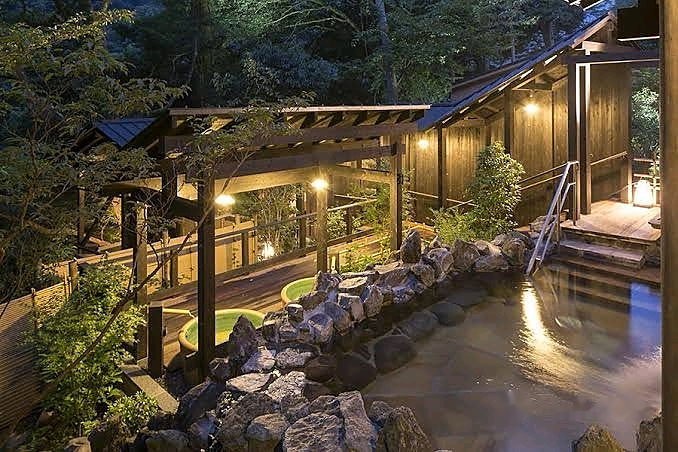
To top off your trip, head to Hakone Yuryo, a hot spring facility where you can relax and soak while enjoying the beautiful snowy scenery around you. After you've had your fill of relaxation, take the free shuttle bus back to Hakone-Yumoto station and catch the train to Tokyo for dinner, as most restaurants in Hakone close early in the evening.