Japan in Summer
Hot, humid, and lively - summer in Japan is a season of filled with energy and excitement. From the early rains to the peak festival season and the lush landscapes, summer offers a unique way to experience Japan's culture and natural beauty.
Summer Overview
Summer in Japan runs hot, and the experience varies depending on where you are. The northern prefectures enjoy hot but drier days, whereas the rest of the country turns so humid it can feel like a sauna. Early summer also brings the rainy season, though its timing shifts by region, and Hokkaido escapes it almost entirely. With the less forgiving weather, it's a quieter period for tourism, which is reflected in the cost of flights and accommodation.
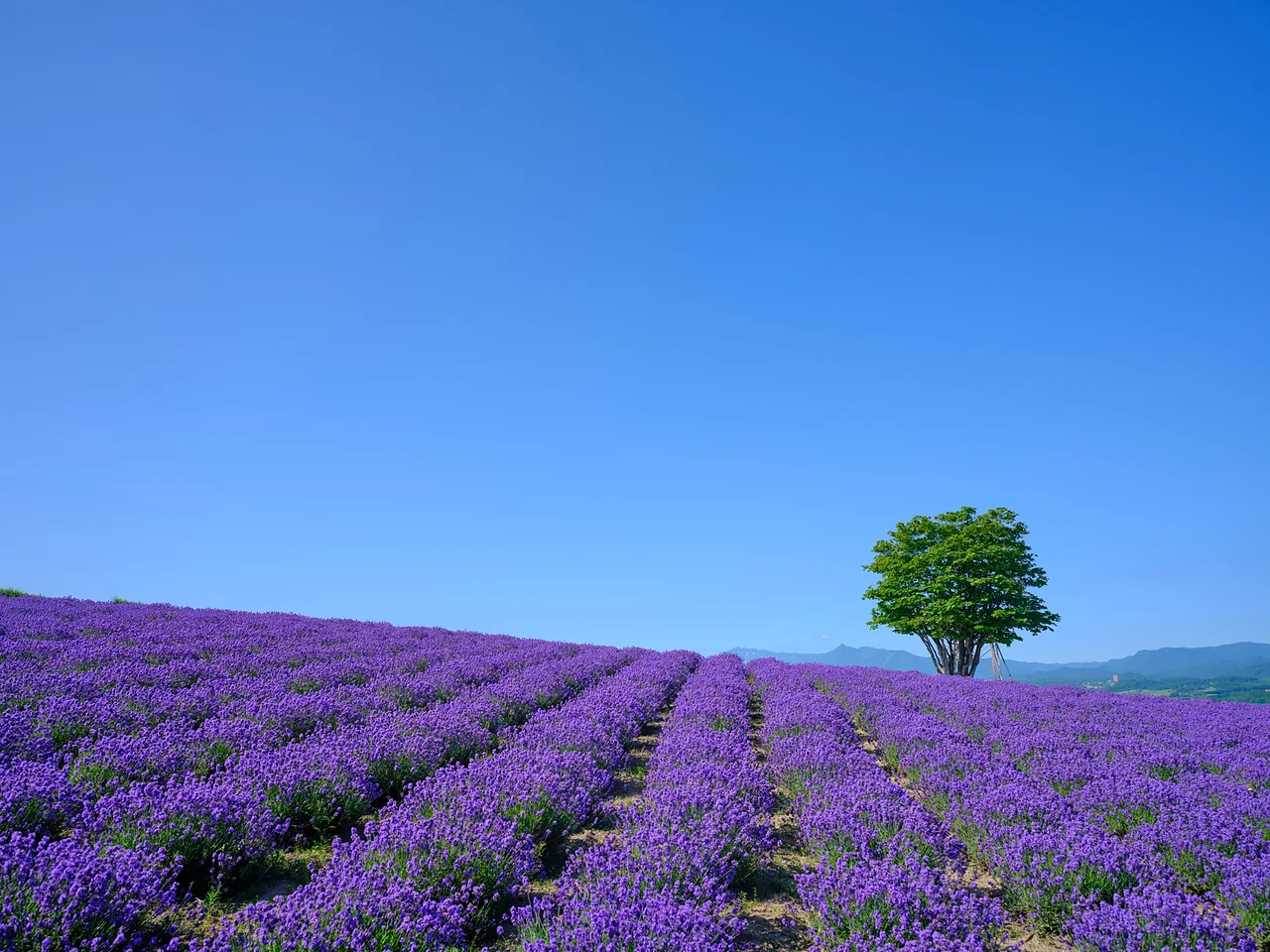
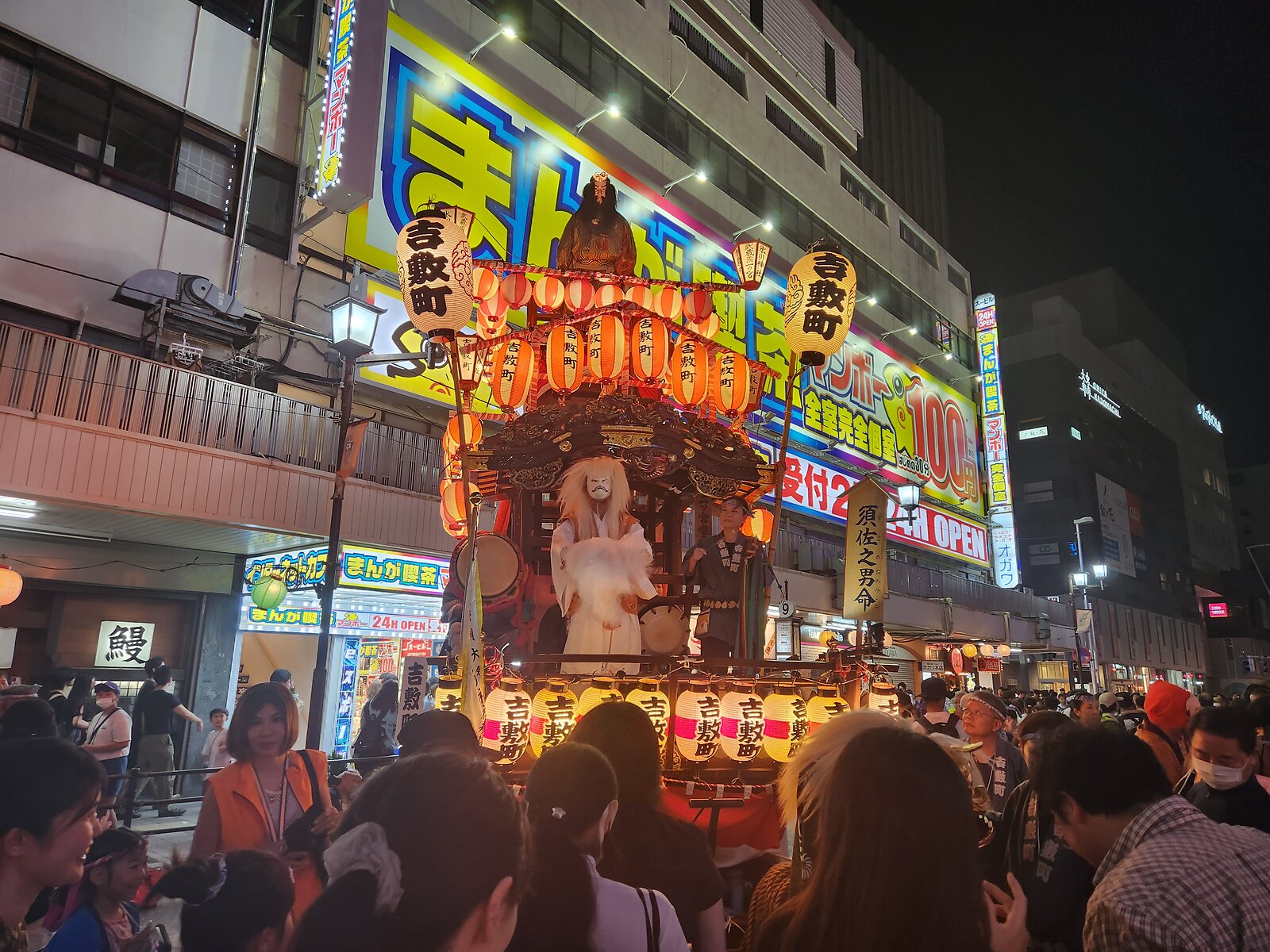
With that said, there is plenty to enjoy in summer. Across the country there are festivals such as Obon and Tanabata, and firework displays that light up the night skies. Beaches come to life with people making their way down to cool off, while hikers head for Japan's gorgeous mountains. Summer also highlights a different kind of natural beauty, from lush greenery to colourful fields of flowers like the ones in Furano.
Keep in mind that Japan's summers have slowly been getting hotter on top of being very humid. Staying cool is easy enough in the big cities, where almost every building is air conditioned, and Japan sells a wide variety of cooling products, from handheld fans to cooling sprays. Grab a few, bring a reusable water bottle, and your time will be a lot more comfortable.
When to visit in summer
Summer in Japan is from June to August, shifting from the rainy season into long, hot days filled with festivals and energy. Start with the month that fits your trip. Each guide covers the weather, what's on, and how to pace it.
Where to go in summer
Where you go matters most in summer. Northern regions and the mountains offer cooler escapes, while cities and coastal areas bring a lively, high energy atmosphere. Pick a region for the summer you're after.
Head down to Atami
Starting the Journey
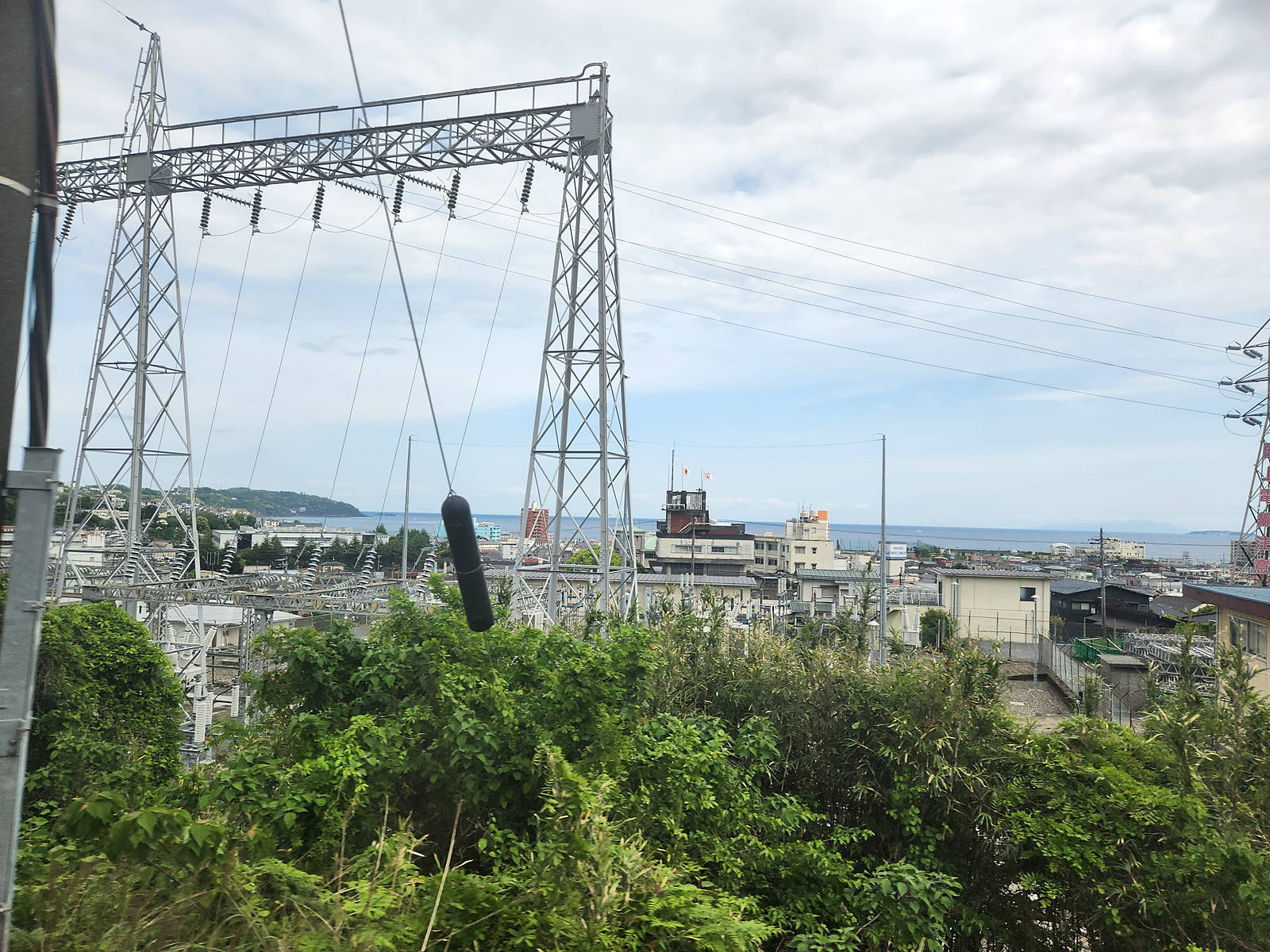
From Shinjuku station, take the Yamanote line to Shinagawa station, follow the signs for the Shinkansen South Transfer, and take the shinkansen to Atami station. Alternatively, take the Rapid Express on the Odakyu line from Shinjuku to Odawara station and transfer to the JR Tokaido line to Atami. The shinkansen costs roughly ¥4,000 and saves about 45 minutes, while the Odakyu route takes longer but costs around a third of the price.
Exploring the Town
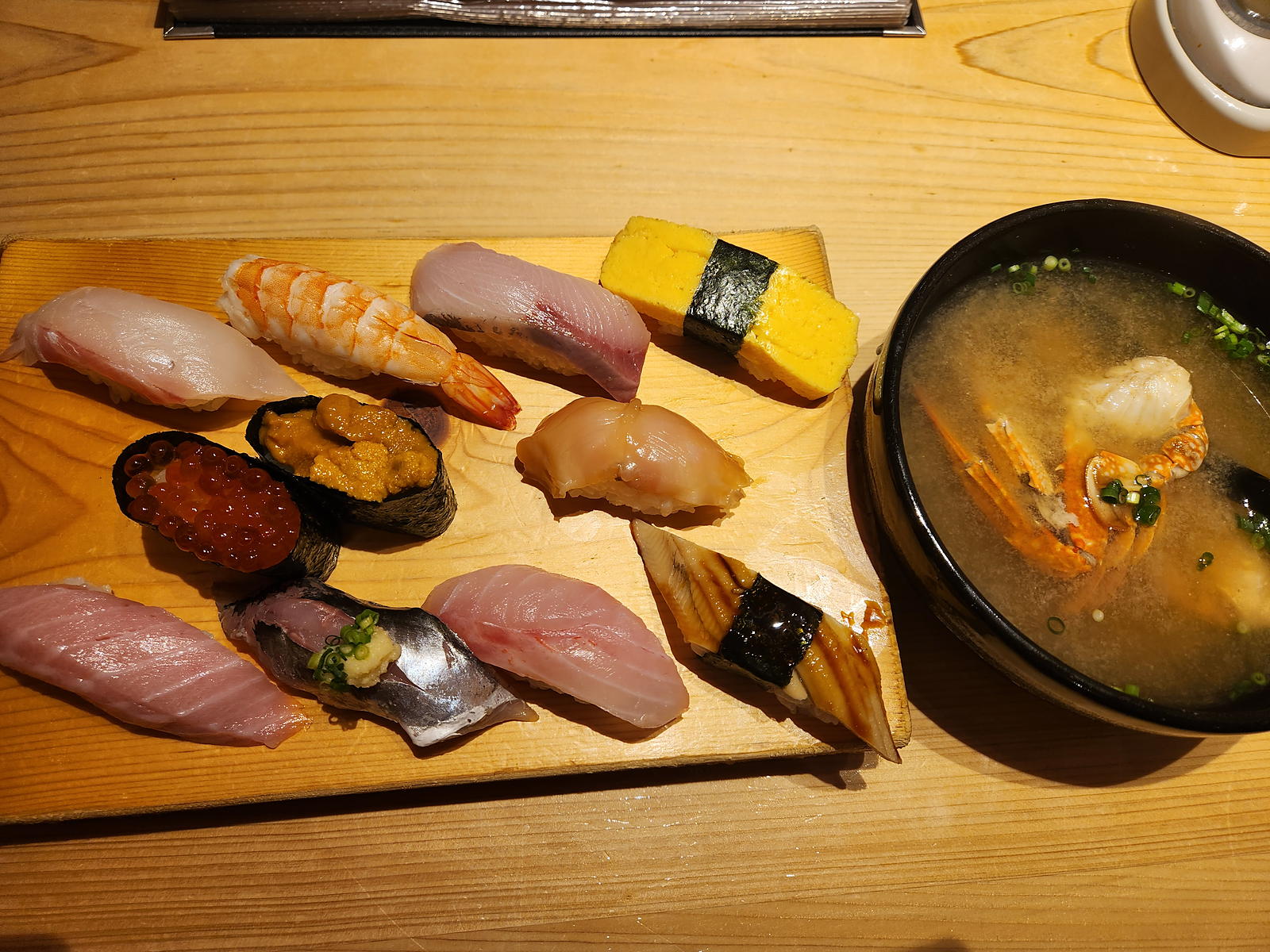
Once you arrive at Atami station, head towards the shopping streets by the station and have a look around. There are various shops where you can eat fresh local seafood or specialties such as the famous butter anpan or the bruleed square cream puffs.
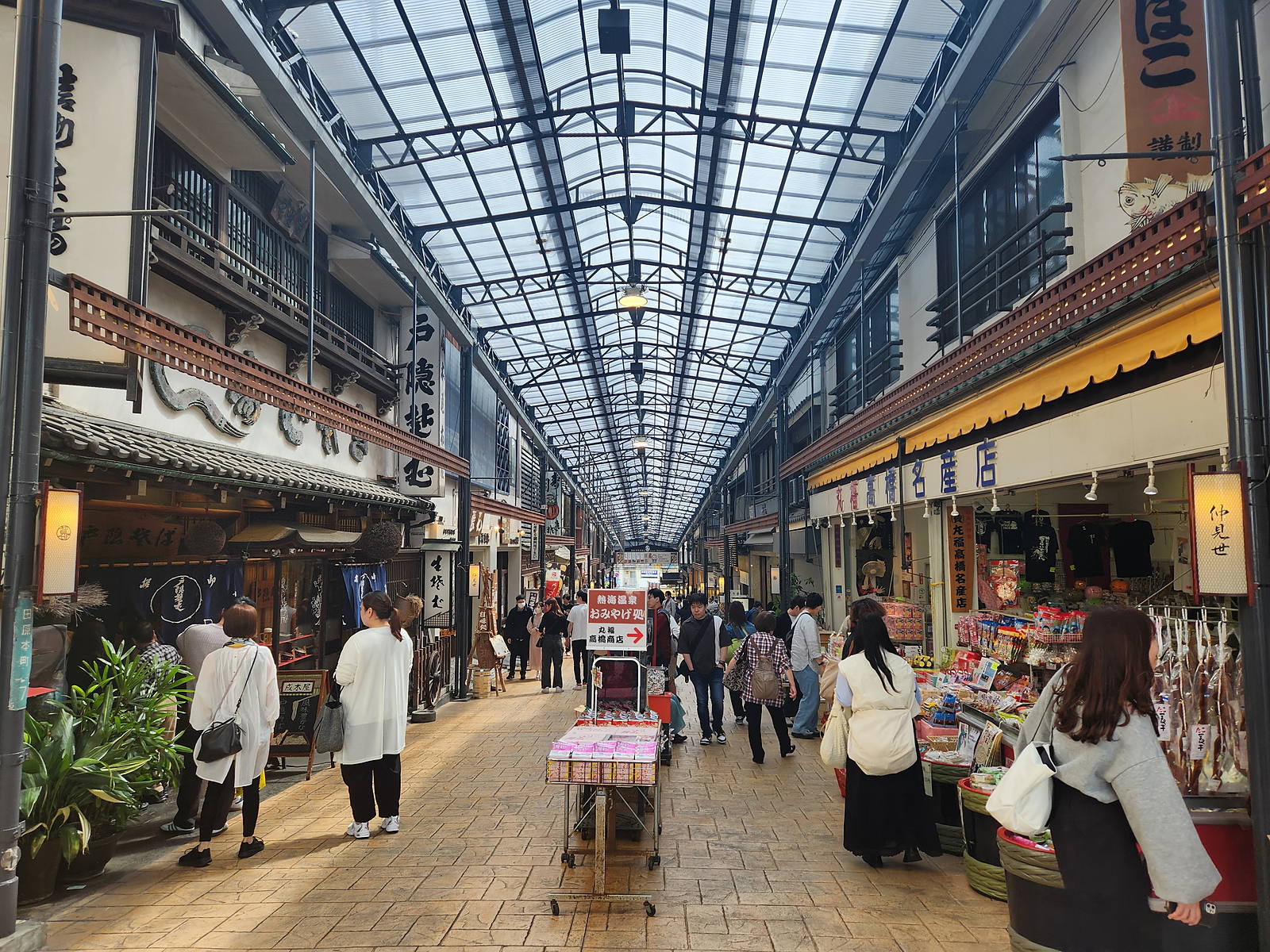
See the Older Side of Atami
After eating, take one of the various paths down to Sun Beach, where you can see the locals hanging around and enjoying the summer atmosphere. After which, make your way to Kinomiya Shrine through Ginzacho, a small area in Atami known for its Showa retro vibe. The shrine grounds are remarkable and you'll even find a camphor tree believed to be more than 2,000 years old.
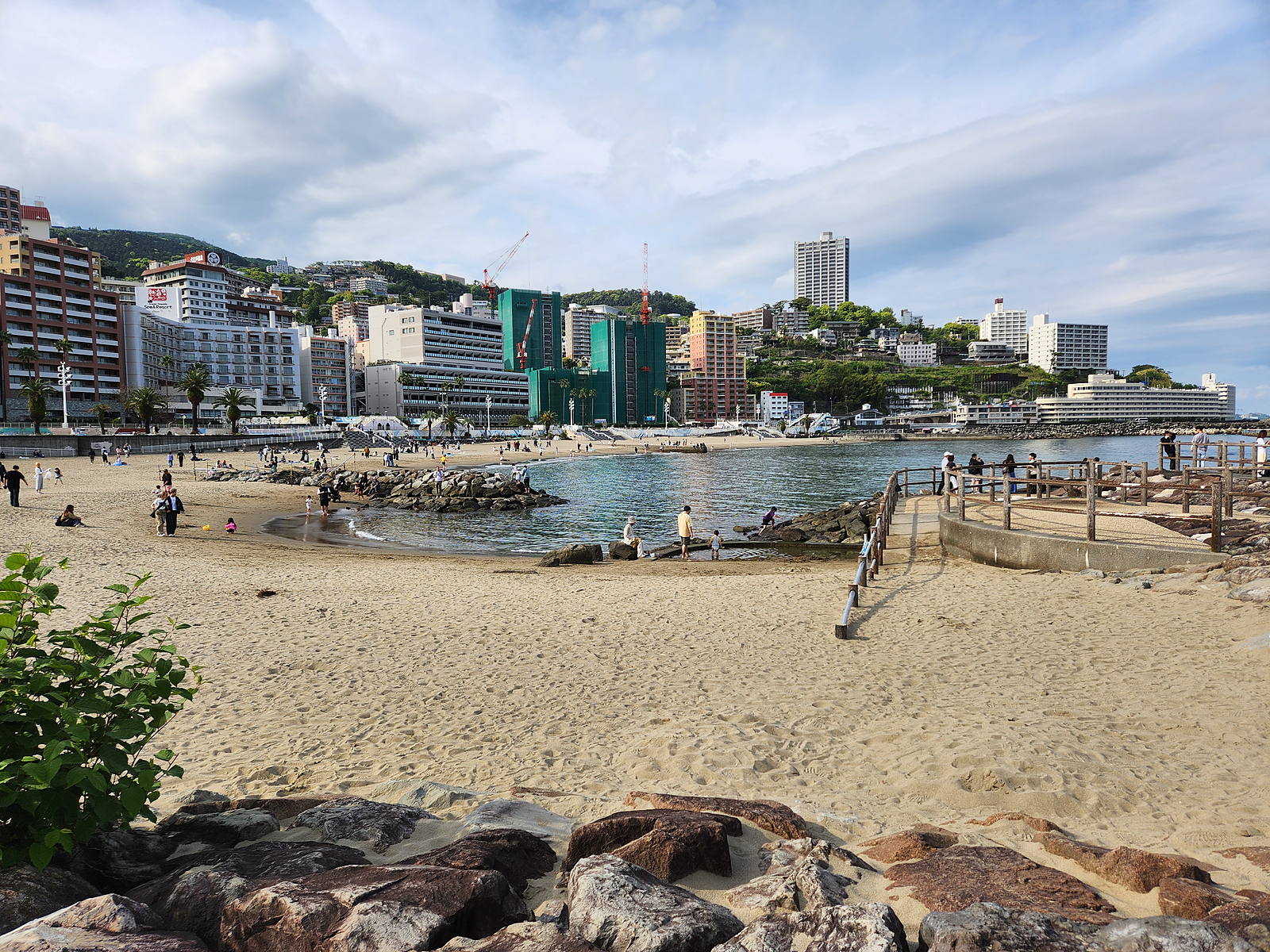
Feel the History
Once you have finished wandering Kinomiya Shrine, walk down to the Atami Ropeway and ride up for a wide view over the city and the bay. At the top you can tour Atami Castle, a modern hilltop castle with samurai exhibits and panoramic views, or for those interested in something quirky, visit the Atami Trick Art Museum which is only a short walk away from the castle.
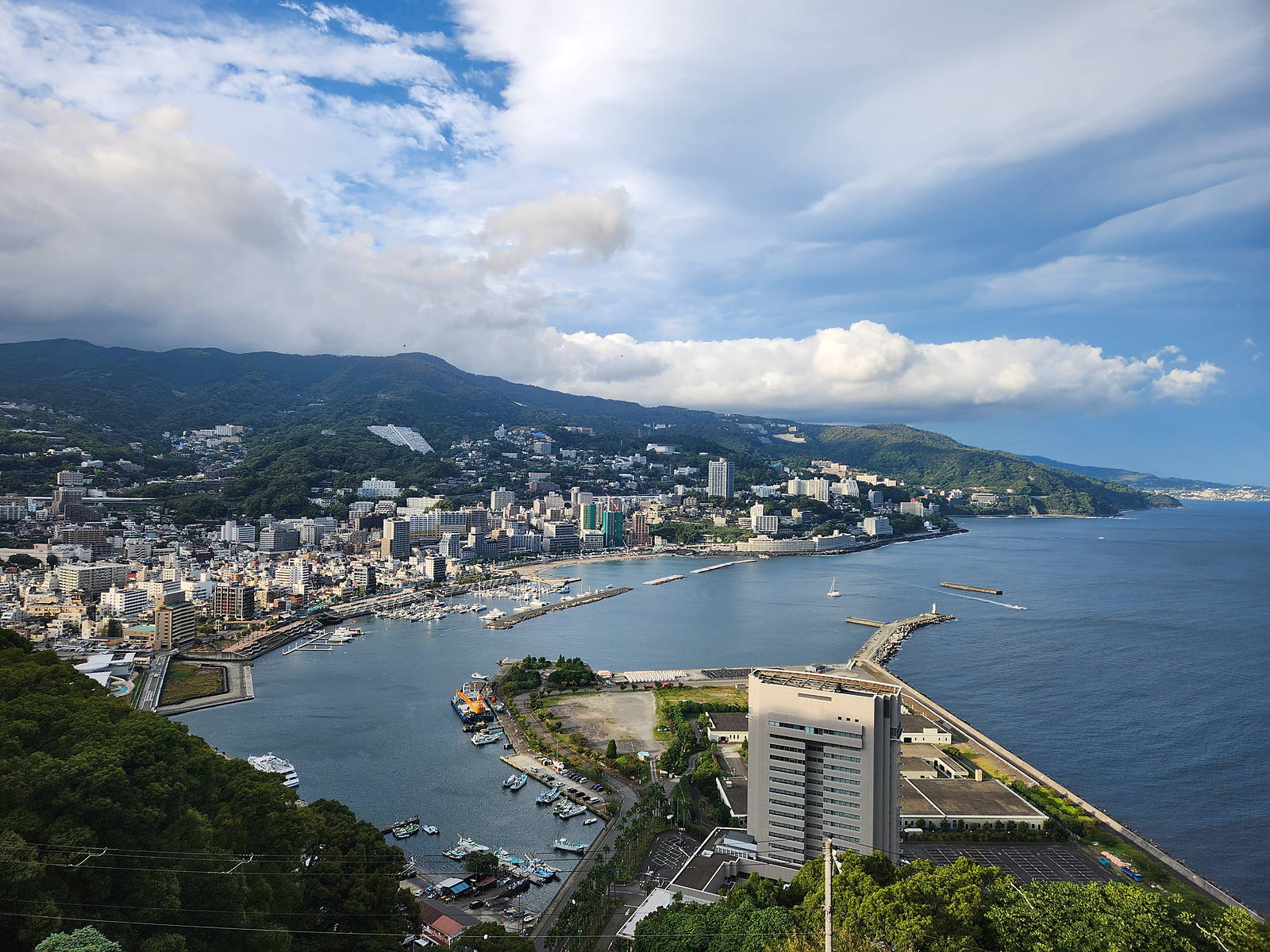
Witness Incredible Beauty
Next, head back to Ginzacho or the shopping streets to enjoy a seafood dinner at one of the many restaurants in the area. Then take a short stroll back towards Sun Beach for the famous Atami seaside fireworks, which run on scheduled dates throughout the year, with several shows across July and August. Summer shows start from 8:15pm to 8:40pm. Crowds gather early, so check the schedule before your trip and stake out a spot in good time.
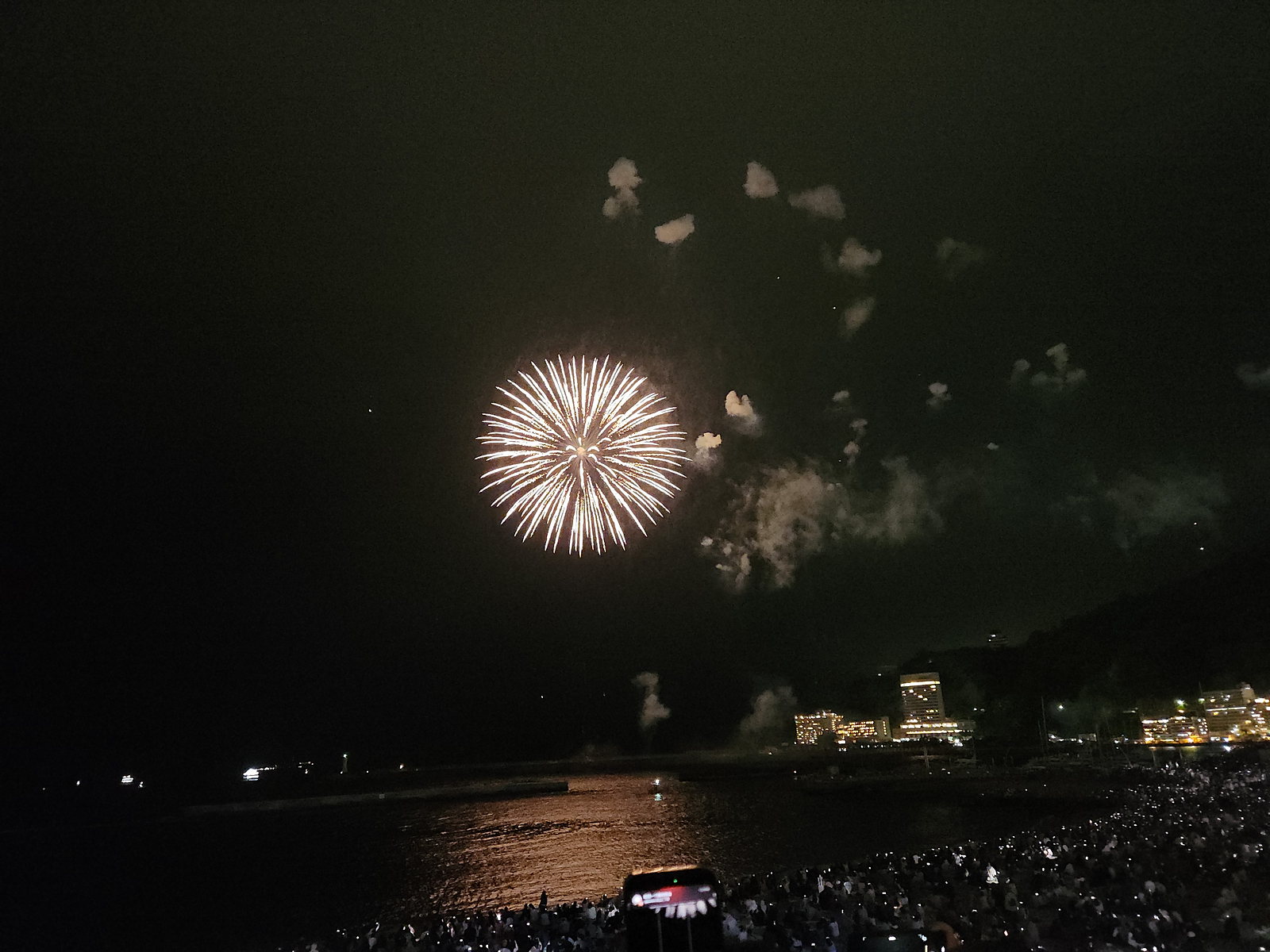
Wrapping up the Day
Once the fireworks show ends, head back to Atami station and take the same shinkansen route home, or take the JR Tokaido line to Fujisawa station and transfer to the Odakyu Enoshima line express towards Shinjuku.