Miso ramen, soup curry, uni, crab, lavender soft serve, Jingisukan. Hokkaido has one of the great regional food cultures in Japan. Here's what to order and where.
People plan Hokkaido trips around powder snow and lavender fields, then come home talking about the food. The island is Japan's farm and its fishing ground, and its cold climate cooking is heartier and more generous than what you find further south. This guide covers the dishes worth planning around, and where each one is at its best.
The big three: miso ramen, soup curry and Jingisukan
Sapporo's gift to the ramen world is the miso bowl, a rich, savoury broth built for winters that hit minus fifteen, usually topped with butter, sweetcorn and bean sprouts. The touristy Ramen Alley in Susukino is fun, but almost any well reviewed neighbourhood shop in Sapporo will serve you a memorable bowl. Asahikawa counters with its own shoyu style and Hakodate with a lighter shio version, so ramen alone can carry you across the island.
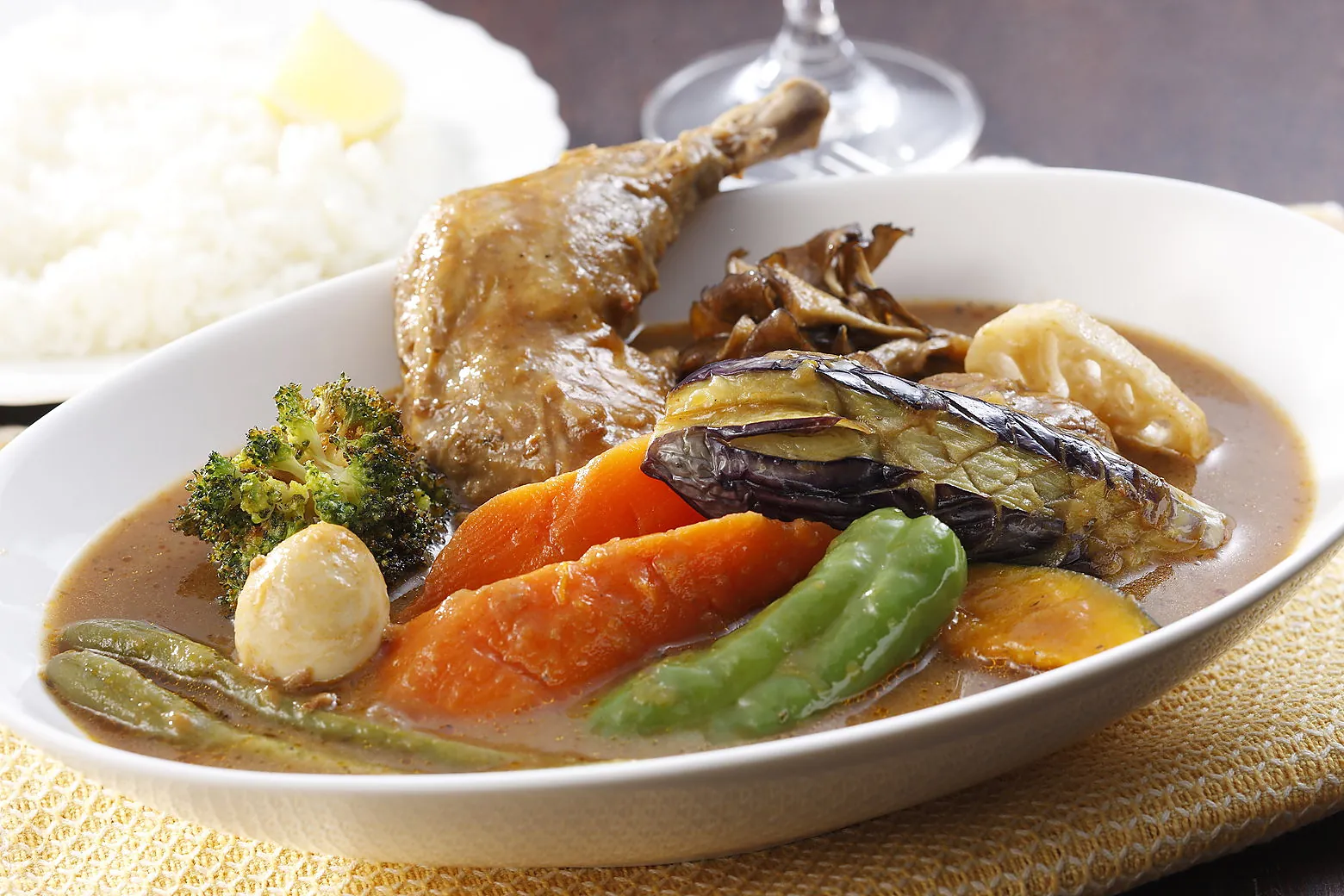
Soup curry is Sapporo's other homegrown classic, a spiced, brothy curry served with a whole braised chicken leg and chunky roast vegetables, with rice on the side for dipping. You choose your spice level by number. It is exactly what you want after a cold day, and it barely exists outside Hokkaido, so eat it here.
Jingisukan, named after Genghis Khan, is lamb and mutton grilled at your table on a domed iron plate with piles of vegetables. The classic setting is a rowdy beer hall in Sapporo, and it pairs with the local Sapporo Classic beer so naturally that it feels engineered.
Seafood: crab, uni and the morning markets
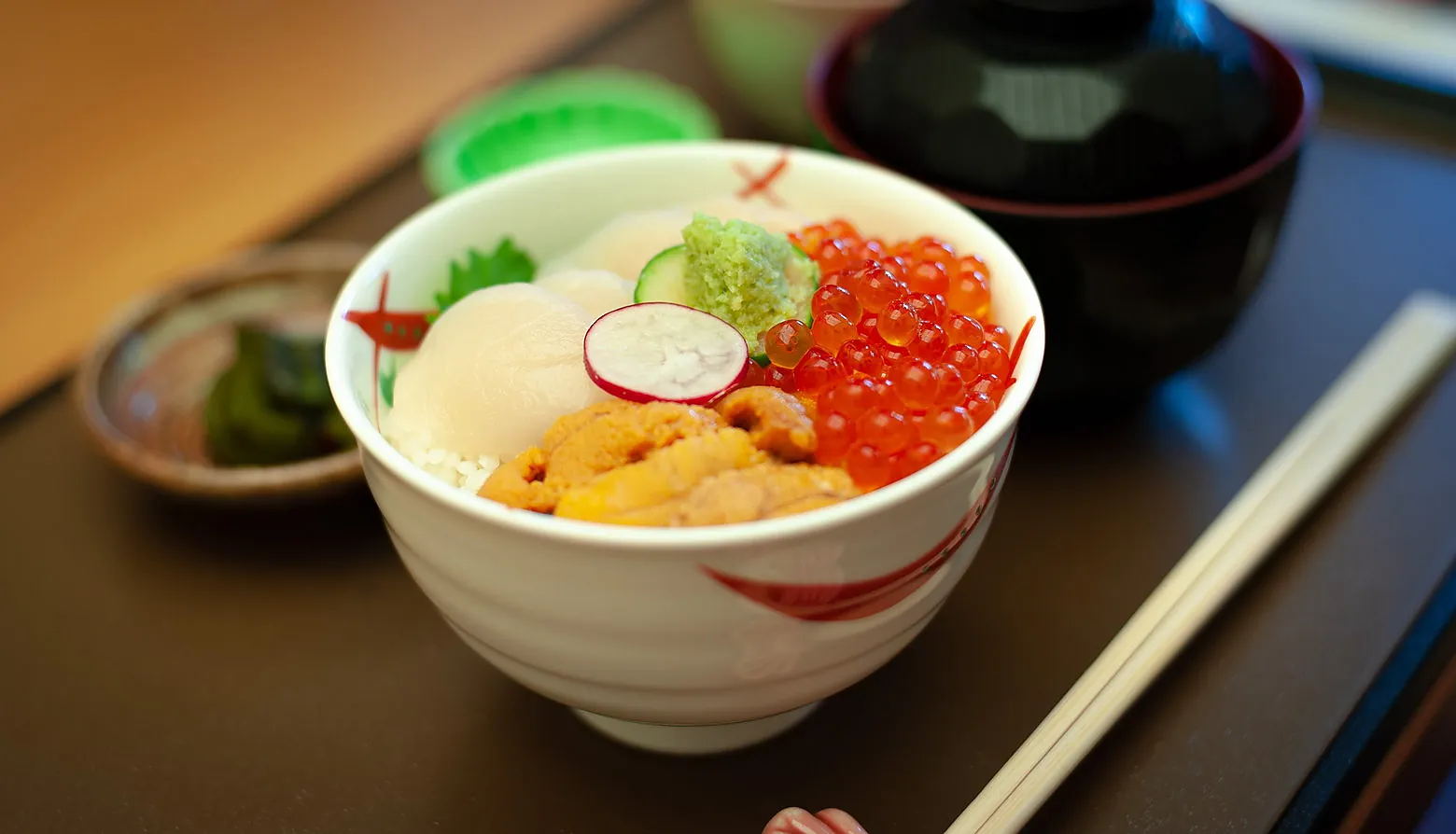
Hokkaido's cold waters produce Japan's prized shellfish. Crab is the headline act, with king crab, snow crab and the sweeter hairy crab all on offer, whether as a full crab course dinner or a simple grilled leg at a market stall. Uni, sea urchin, is the other pilgrimage item. On the Shakotan Peninsula in summer, a fresh uni rice bowl is a different food from the uni most people have tried elsewhere.
The morning markets make the seafood easy. Hakodate's market is famous for squid so fresh it is served dancing, plus build your own seafood rice bowls. Otaru trades on sushi, with a whole street of sushi shops backed by the local catch. In Kushiro, the katte-don tradition lets you buy a bowl of rice and top it piece by piece from the market stalls.
From the farms: dairy, melon and sweet things
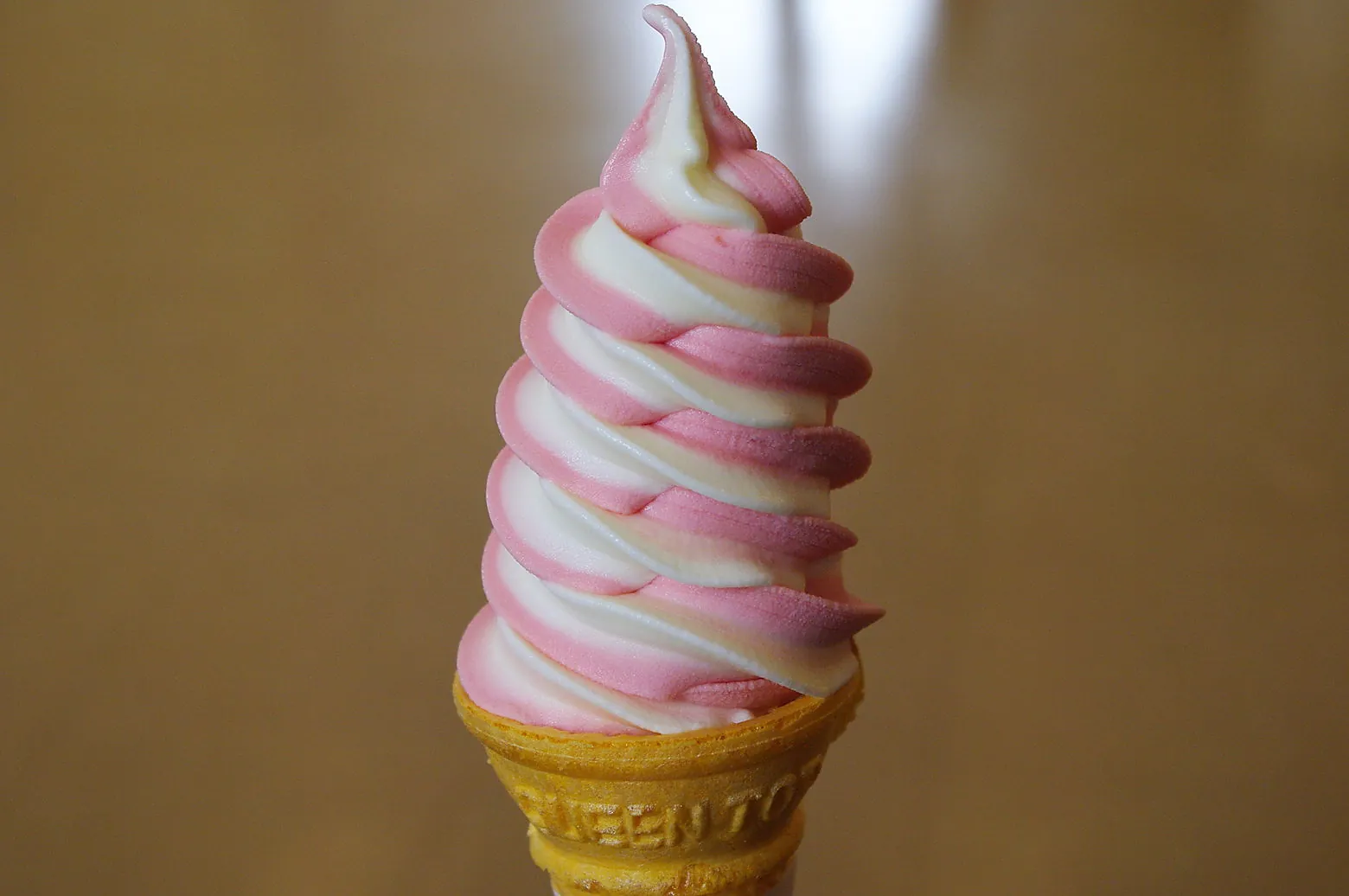
Hokkaido produces most of Japan's dairy, and it shows. Soft serve here is a category of its own, whether plain milk flavour at a roadside farm stand or the lavender version at Furano's flower farms. Local cheese, butter and milk bread are all worth the calories, and the island's dessert shops, including some now famous across Asia, started here for a reason. In summer, Yubari king melon appears everywhere from fruit shops to parfaits, sold at prices from sensible to absurd.
Two sleepers: zangi and butadon
Zangi is Hokkaido's take on fried chicken, more deeply marinated than standard karaage, and Kushiro claims it proudly. Butadon, a bowl of rice under sweet soy glazed grilled pork, is the speciality of Obihiro in the farming east. Neither is glamorous. Both are the kind of thing you find yourself craving months later.
Planning your eating
The practical takeaway is that Hokkaido food is regional, so the itinerary decides the menu. Sapporo covers ramen, soup curry and Jingisukan. Hakodate and Otaru are the seafood mornings. Furano and Biei handle the farm produce, and the east rewards you with butadon, zangi and crab at prices the cities do not match. A well routed week eats through all of it without a single detour that exists only for lunch.
If you want your Hokkaido route planned around the food as much as the scenery, tell us what you like eating and we will build the trip accordingly.