
Powder skiing, snow festivals, drift ice, and red crowned cranes. Hokkaido in winter is unlike anywhere else in Japan. Here's how to plan it properly.
Most of Japan does winter as a season. Hokkaido does it as an identity. Siberian weather systems cross the Sea of Japan, pick up moisture and drop some of the driest, most consistent snow on earth on the island's western half, while the east freezes into a landscape of drift ice and cranes. It is unlike anywhere else in the country, and it rewards a bit of planning. Here is how to put a Hokkaido winter trip together properly.
The snow, and where to ski it
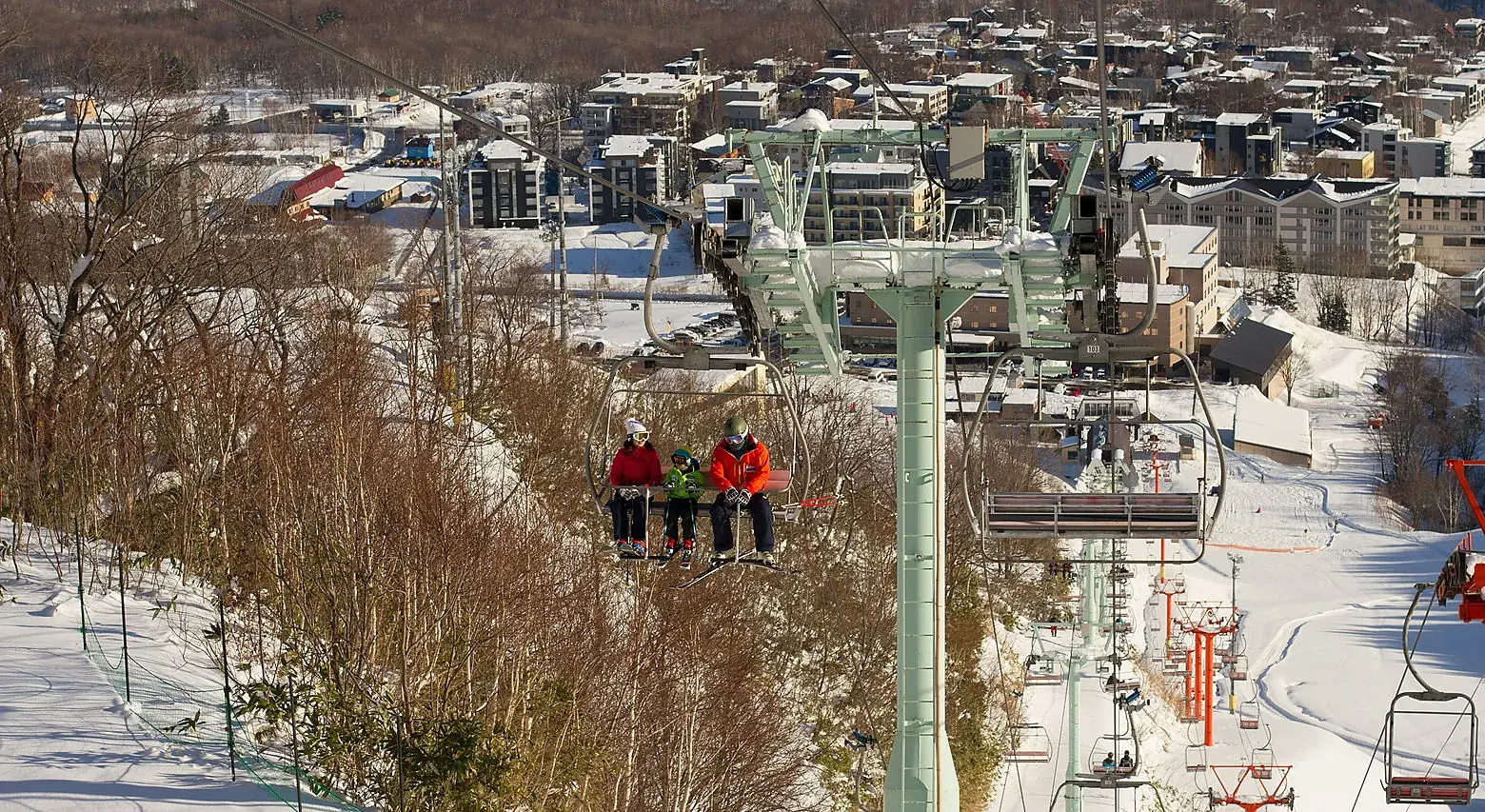
Hokkaido's famous powder falls roughly from late December through February, with January the most reliable month. Niseko is the international headline, four interlinked resorts on one mountain with enormous snowfall, night skiing and a resort town that runs comfortably in English. Rusutsu and Kiroro offer similar snow with fewer people. Furano, in the colder centre, gets lighter, drier snow, clearer days and a more Japanese resort town feel. If you cannot choose between the last two, we wrote a whole comparison of Niseko and Furano, because they suit quite different travellers.
You do not have to ski to justify the season, though. Snowshoe tours, ice fishing and simply walking a silent, snow buried Otaru canal at dusk are all their own reward.
The festivals
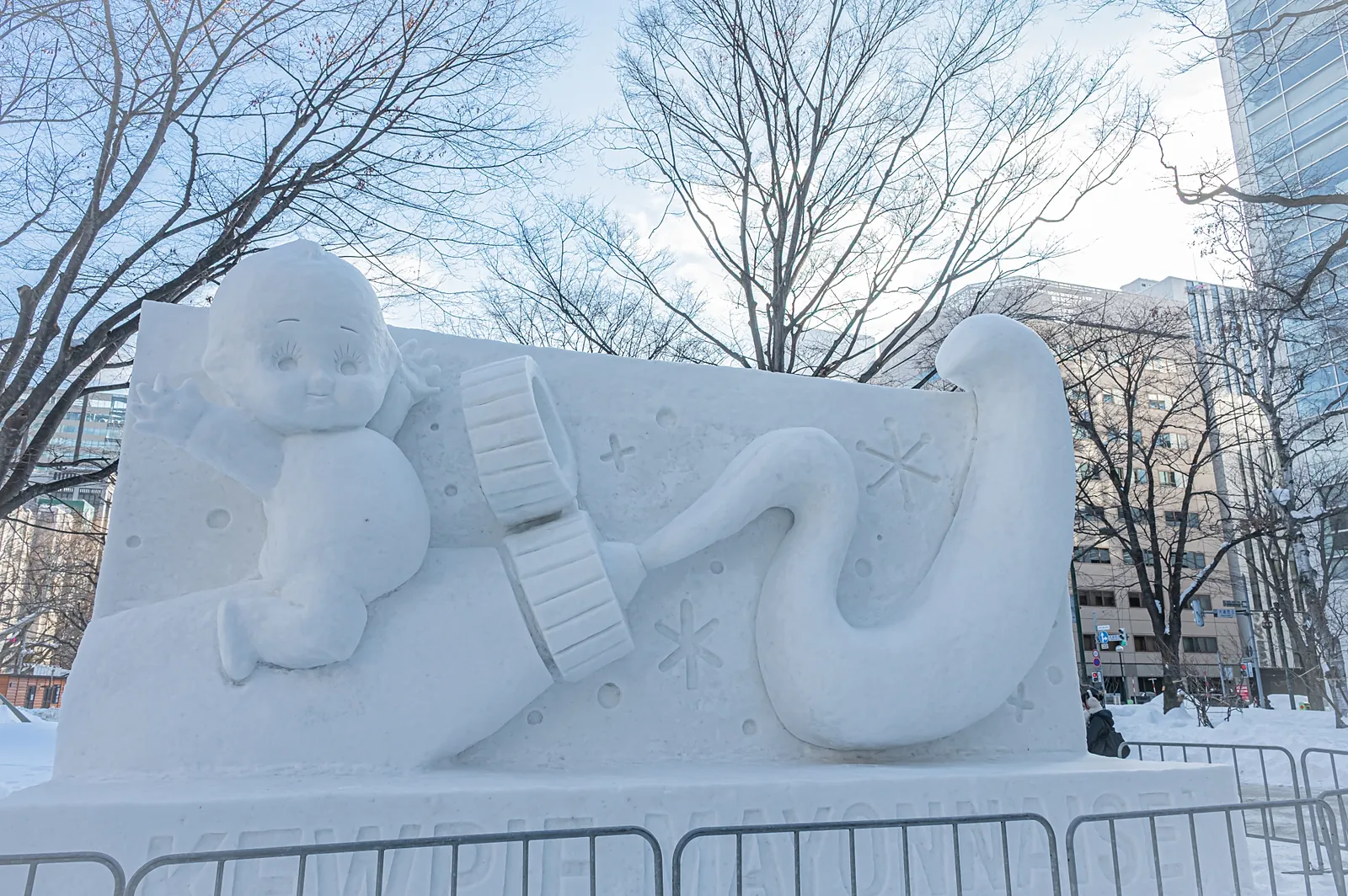
The Sapporo Snow Festival in early February is the big one, a week of enormous snow and ice sculptures through Odori Park and Susukino that draws around two million visitors. It is worth seeing, and it is also the week when accommodation is dearest and hardest to get, so lock accommodation months ahead. Otaru's Snow Light Path runs around the same time, with candlelit lanterns along the canal, and smaller ice festivals at Lake Shikotsu and Sounkyo give you sculpture and light with a fraction of the crowd.
The frozen east: drift ice and cranes
From roughly late January to early March, drift ice from the Sea of Okhotsk packs against the northeast coast of Hokkaido, one of the few places in the world where drift ice reaches this far south. Icebreaker sightseeing ships run from Abashiri and from Rausu and Utoro near Shiretoko, and on the right day you cruise through white ice to the horizon with sea eagles overhead. Conditions vary day to day, so build in a spare morning rather than betting everything on one sailing.
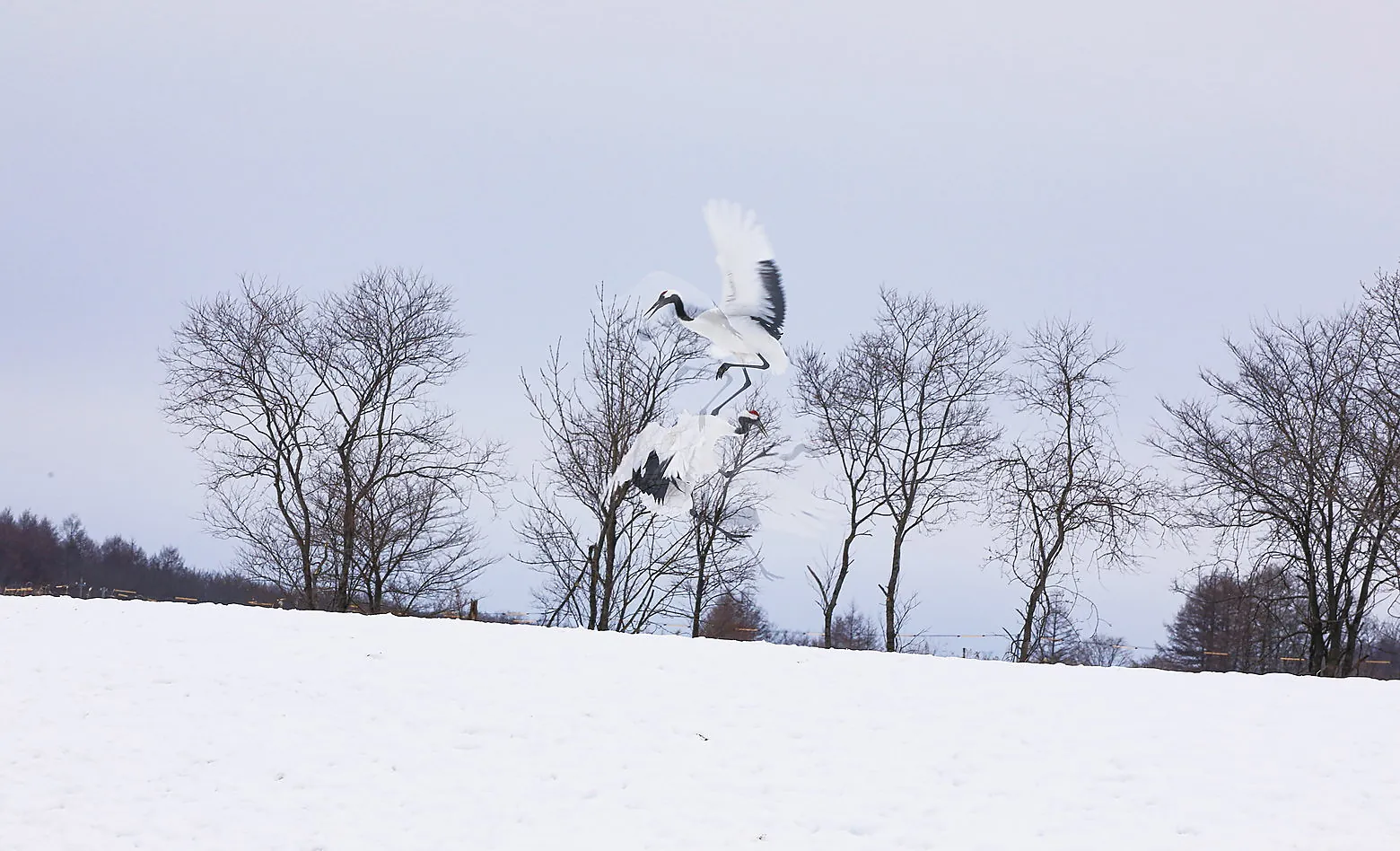
Further south, the marshes around Kushiro host the red crowned cranes, resident year round but at their most theatrical in winter, dancing in the snow at the feeding grounds of Tsurui. Pair the cranes with Lake Akan and a night in an onsen town and the east becomes a trip of its own.
The practical side
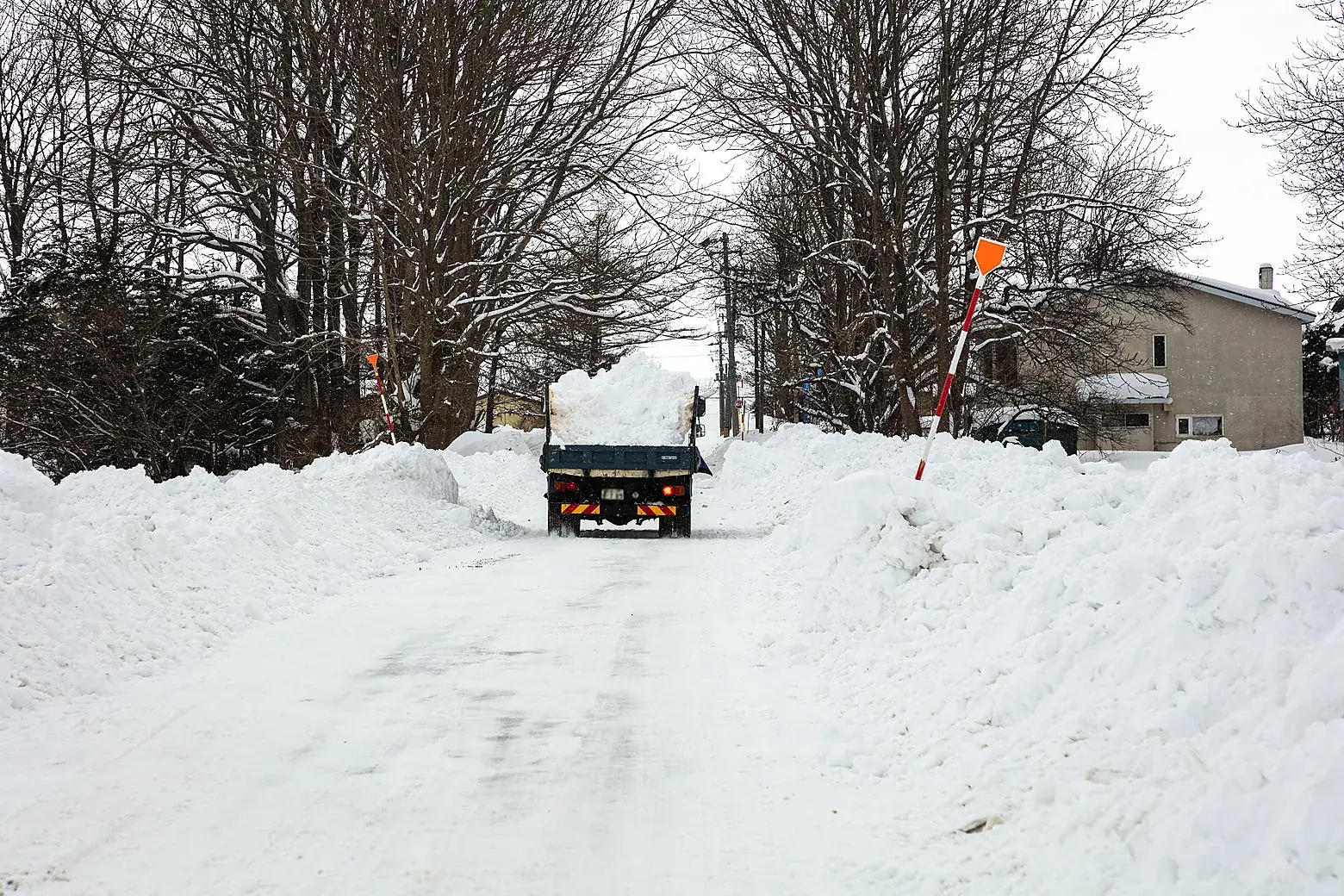
Fly into New Chitose near Sapporo, which handles winter operations better than almost any airport in the world, though delays still happen in heavy storms. Trains connect Sapporo, Otaru, Asahikawa and Hakodate reliably, and resort shuttles cover the ski areas, so a car is optional in the west. For the east in winter, either hire a car with genuine care, as our Hokkaido driving guide covers, or use the winter sightseeing buses that link the drift ice, cranes and lakes without you touching an icy road.
Expect daytime temperatures between about minus two and minus ten, colder inland. Proper boots with grip matter more than any other item, because footpaths are sheet ice for weeks at a time. Layers, not one giant coat, since interiors are heated to tropical levels. And finish more days than not in an onsen. Noboribetsu and Jozankei are the famous names, but a rotenburo in falling snow anywhere on the island is the moment the whole trip is secretly about.
Putting it together
A first Hokkaido winter usually works as Sapporo and Otaru plus a ski stay in the west, or as the eastern wildlife and ice loop, and ten days fits both halves comfortably. February gets you festivals, drift ice and deep snow at once, at the price of the busiest bookings. If you want the version tailored to your dates, your tolerance for cold and how much skiing you actually plan to do, that is precisely the kind of itinerary we build.