Autumn colour in Japan starts in Hokkaido in September and moves south through November. Here's how the timing works, where to go at each stage, and how to avoid the crowds.
Autumn is the connoisseur's season in Japan. The weather is stable, the light is beautiful, and the country turns red and gold over about ten weeks in a slow wave you can actually plan around. It is also far more forgiving than cherry blossom season, because the colour lasts weeks rather than days. Here is how the timing works and how to build a trip that lands in the middle of it.
How the koyo front moves
Autumn colour, koyo, starts high and cold and flows downhill and southward. The first reds appear in the alpine zone of Daisetsuzan in Hokkaido as early as mid September. Through October the wave covers Hokkaido's lower elevations and the mountains of Tohoku and the Japan Alps. By early to mid November it reaches the cities of the main island, and Kyoto and Tokyo typically peak from mid November into early December. As a rule of thumb, altitude runs a few weeks ahead of the lowlands at the same latitude, which is the planner's secret weapon. If you are early for the cities, go up a mountain.
Forecasts are published from September and are reasonably dependable, since colour is driven by accumulating cold rather than by one warm week. Even so, treat any single date as an estimate and give yourself a window.
Where to aim at each stage
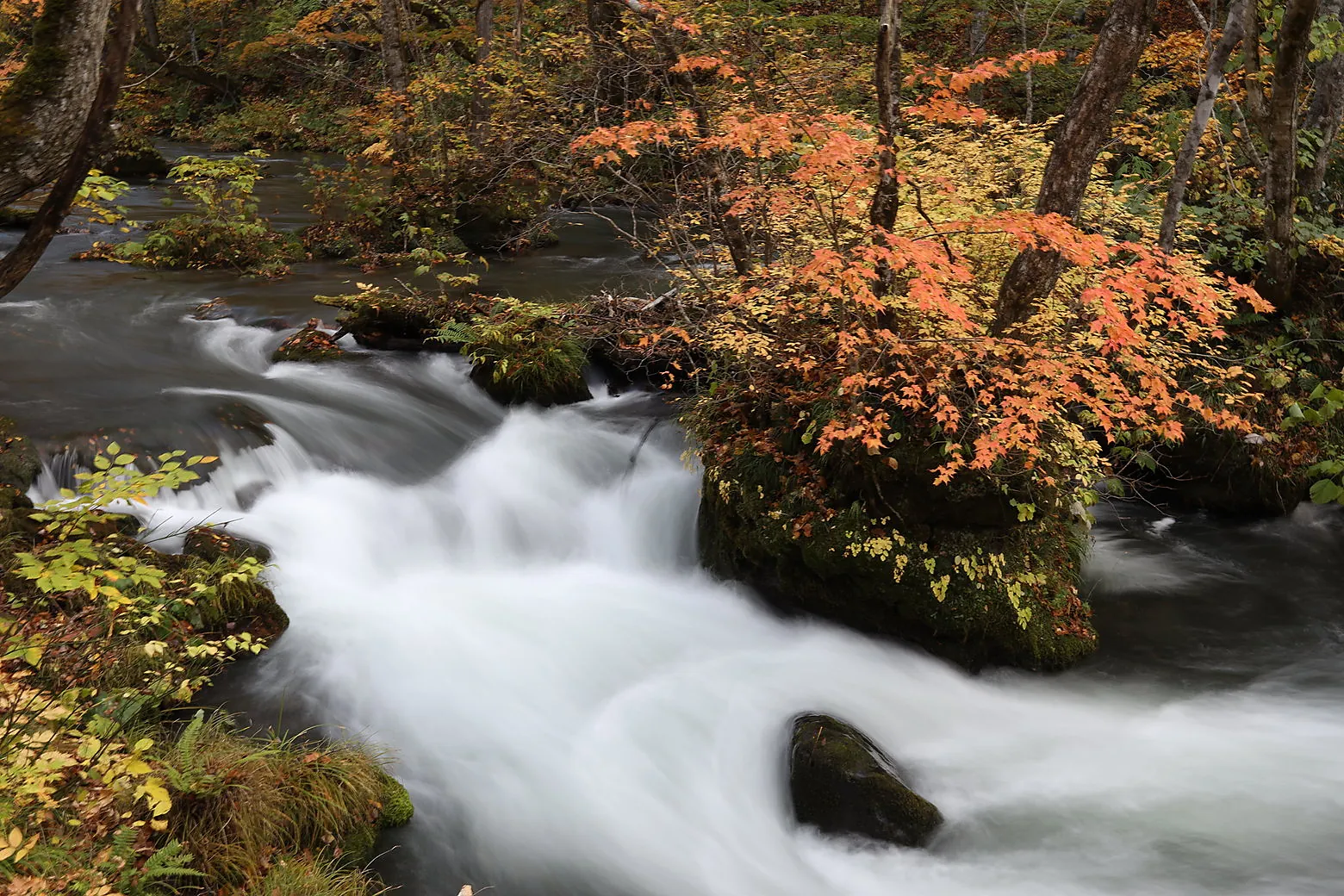
Late September to early October belongs to the high country, starting with Daisetsuzan in Hokkaido, then the ropeways and gorges of northern Tohoku, with Oirase Gorge and Lake Towada a highlight. Mid October brings the Japan Alps into play, with Kamikochi's larches and the Tateyama Kurobe route in full colour, and Nikko's lakes and waterfalls not far behind. This is also when Hokkaido's parks and Sapporo's ginkgo avenues turn.
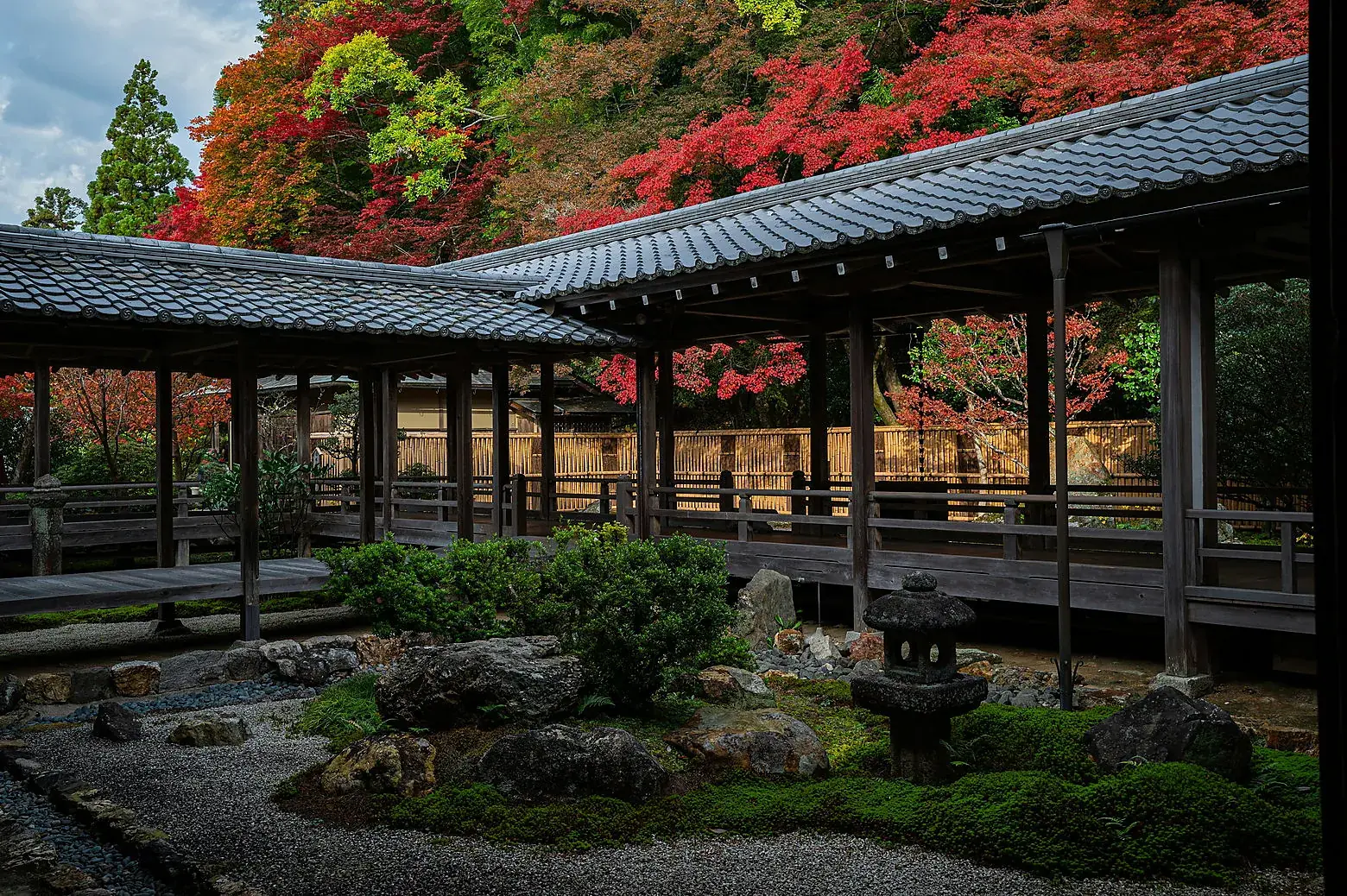
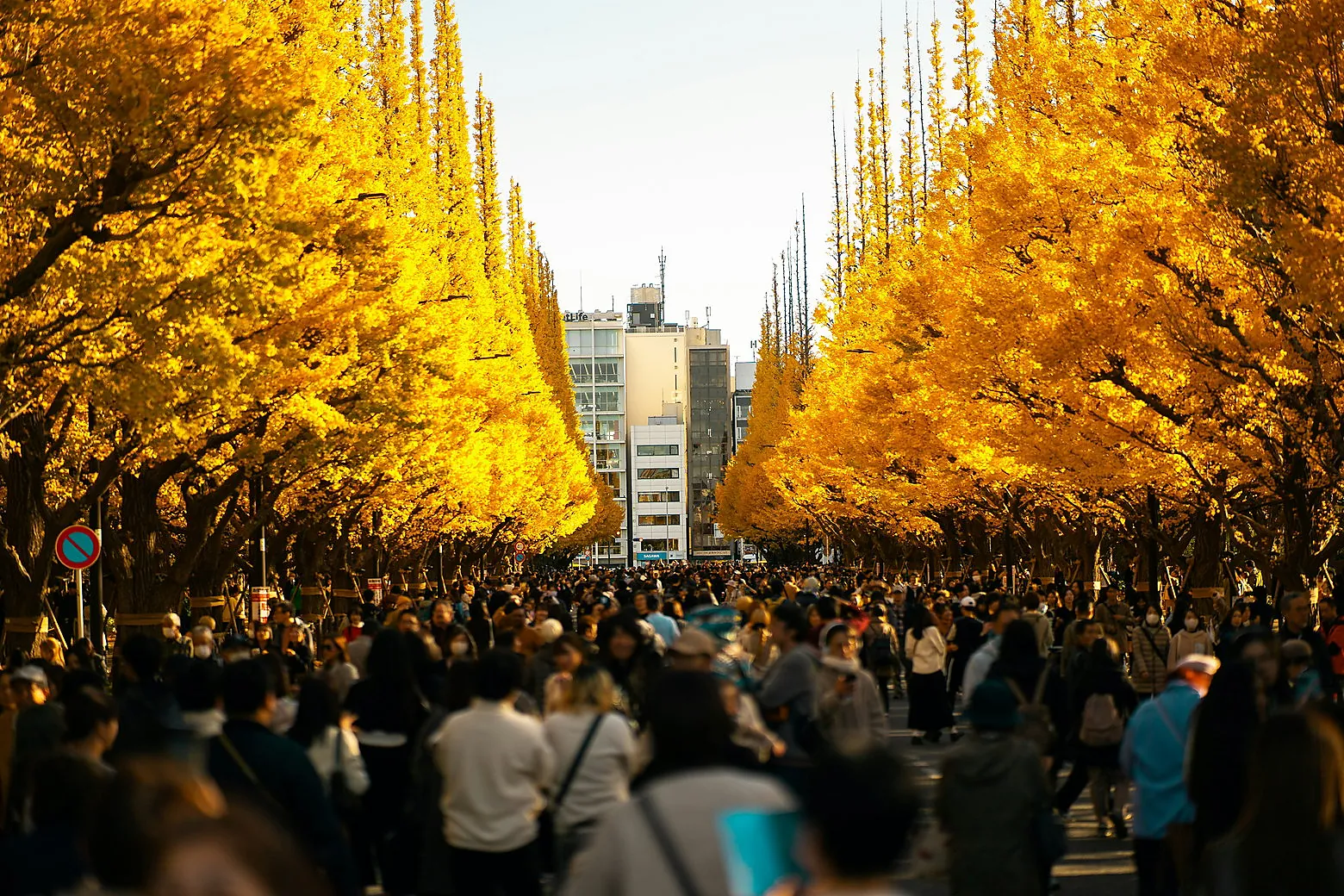
November is the classic city season. Kyoto is the obvious destination and earns it, with Tofukuji's maple valley, the Eikando night illuminations and Arashiyama all peaking in the second half of the month. Tokyo answers with the ginkgo avenue at Meiji Jingu Gaien and the landscaped maples of Rikugien, and nearby escapes like Kamakura and the Fuji Five Lakes give you colour with the mountain behind it. If your trip runs late, southern cities and gardens hold colour into early December.
Crowds, and how to dodge them
Autumn is busy but rarely desperate, with one exception. Kyoto in the last two weeks of November now draws crowds on a scale that catches people out. If those are your dates, book rooms months ahead, hit the famous temples at opening time, and spend afternoons in quieter districts like Ohara or across in Nara. Better still, take some of your foliage in the mountains or in Tohoku, where the same colour comes with a fraction of the audience. Weekdays beat weekends everywhere, and night illuminations spread the crowd across more hours.
Building the trip
The reliable pattern is to travel north to south through October into November, or to pair one mountain stage with one city stage and let the front connect them. A late October trip through the Alps finishing in an early turning corner of Kansai, or a mid November week split between Tokyo, Fuji and Kyoto, will almost always land you in peak colour somewhere without gambling on a single date.
Timing a route to a moving front, with bookings that hold up if the season runs a week early or late, is exactly the sort of puzzle we enjoy. Tell us your dates and we will place you where the colour will be.