
Almost every first trip to Japan runs into the same early question. Do you need a Japan Rail Pass, and what is the deal with those tap in travel cards everyone mentions? The honest answer is that the pass is worth it far less often than it used to be, and for most people an IC card quietly handles the majority of their travel. Here is how to think about both without overspending.
Japan's trains are the reason getting around is so easy, but the ticketing sits in two separate worlds. There is the long distance world of the shinkansen and express trains between cities, and the everyday world of local trains, subways and buses within a city. The Japan Rail Pass belongs to the first world. IC cards belong to the second. Understanding which is which saves both money and confusion.
What the Japan Rail Pass actually is
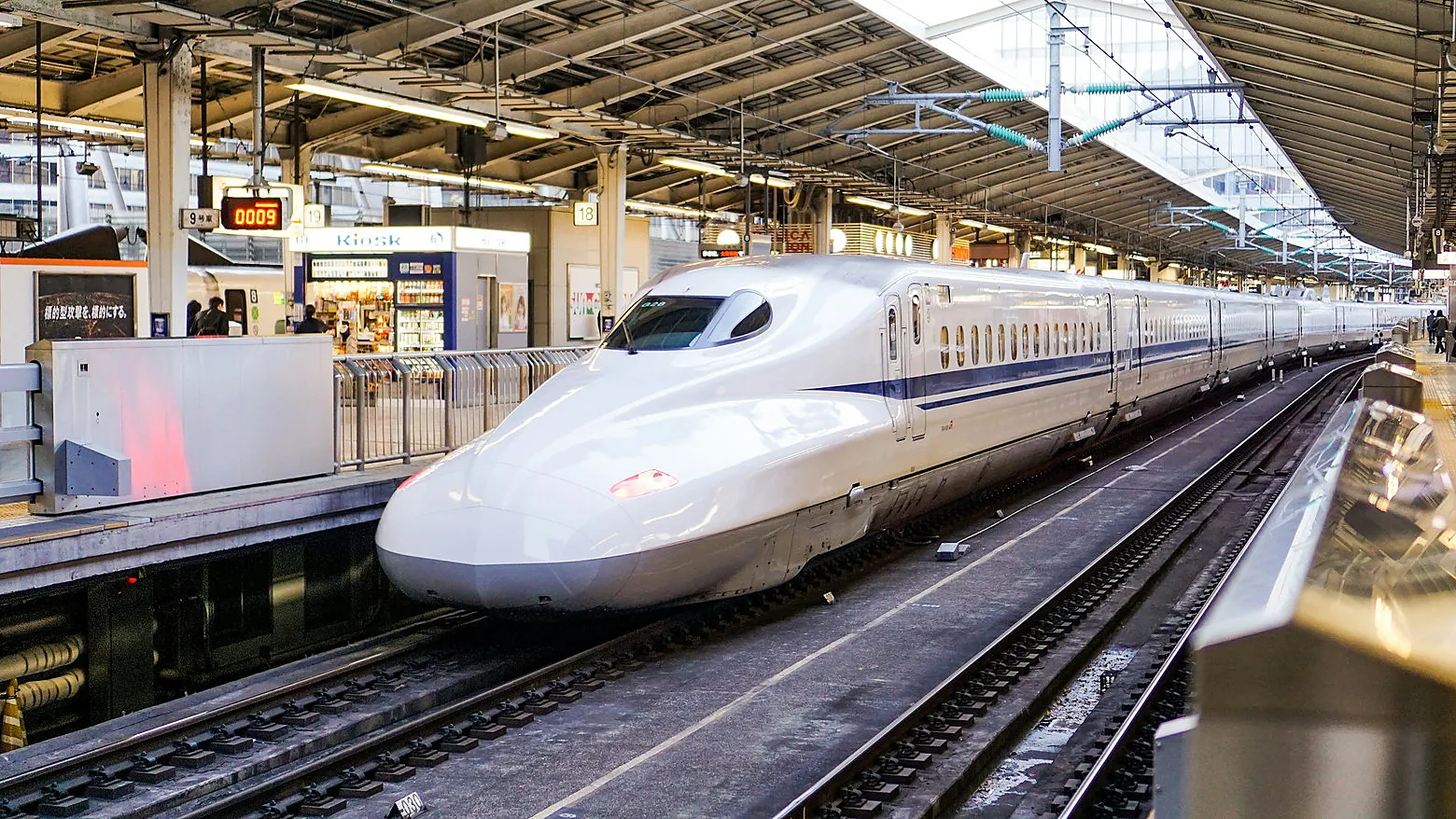
The nationwide Japan Rail Pass is a single ticket, sold only to overseas visitors, that covers unlimited travel on most JR trains for a set number of consecutive days. That includes most shinkansen services, which is where its value comes from, since individual bullet train tickets are not cheap. You choose a 7, 14 or 21 day pass, activate it, and then ride freely within that window.
The catch is the price. In late 2023 the cost of the pass rose sharply, and that single change flipped the maths for a lot of itineraries. Where the pass was once an easy default, it now only pays off if you are covering serious long distance ground in a short time. A further modest rise of around 5 to 6 per cent is scheduled for passes bought through overseas travel agents from 1 October 2026, though the official Japan Rail Pass website is expected to hold current prices for a limited period after that date.
When the pass is worth it
The pass rewards distance covered quickly. It tends to make sense when your trip involves several long shinkansen legs packed into its validity window, rather than one or two.
A fast loop that strings together far apart cities, for example Tokyo down to the Kansai region and onward west, then back within a single week, is the kind of trip that earns it. So is any route where you are crossing the country rather than settling in one region, or where the convenience of not buying tickets each time tips an already close decision. If that sounds like a lot of moving around, it is, which is exactly why it suits fewer trips than people expect.
When to skip it
Most relaxed first trips do not earn the pass back. If you are basing yourself in a couple of cities and taking day trips, or spending most of your time within one region, individual tickets almost always come out cheaper. The itinerary that looks the busiest on paper is usually the one that justifies a rail pass, and the one that feels best on the ground usually does not.
There is also a middle path worth knowing about. JR sells regional passes covering a single area, such as one part of the country or a cluster of prefectures. If your trip stays largely within one region, a regional pass can be far better value than the nationwide one, without paying for coverage you will never use.
Where IC cards come in
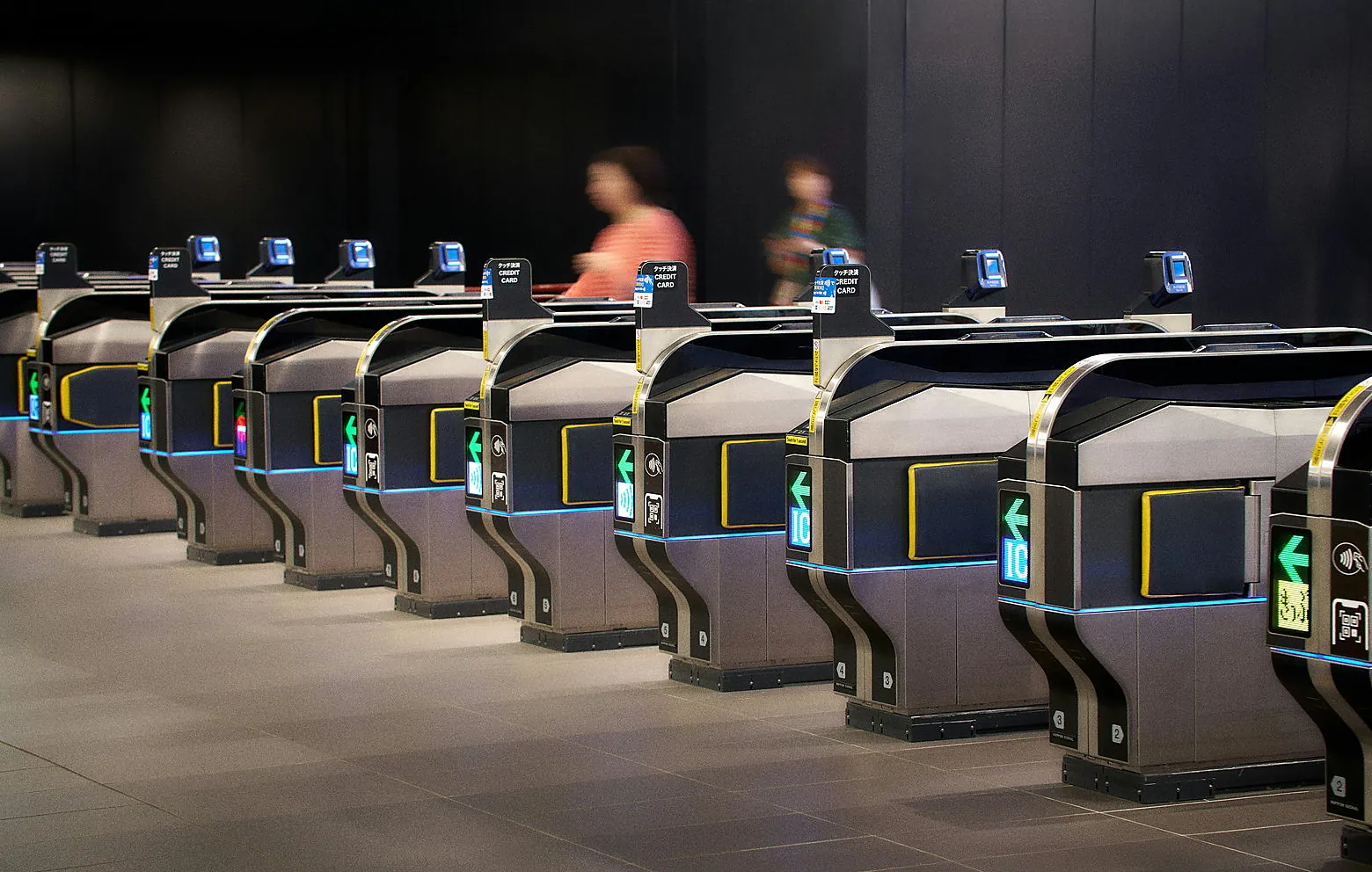
This is the part first timers underestimate. An IC card is a rechargeable tap to ride card, usually Suica or ICOCA, though several regional versions exist and all work more or less interchangeably across the country. You tap in and out of ticket gates and the fare is deducted automatically. No working out fares, no buying a paper ticket for every short hop.
For everything the rail pass does not cover, which is to say the bulk of your daily movement, the IC card is what you actually use. Local trains, subways, most city buses, and increasingly a lot of convenience stores, vending machines and lockers all accept it. For a lot of visitors, the daily rhythm of a trip runs almost entirely on an IC card, with the occasional separately booked shinkansen ticket on top.
Getting an IC card
You can pick up a physical card at stations on arrival, since regular Suica and Pasmo cards went back on general sale in March 2025 after the chip shortage years, and tourist versions such as the Welcome Suica are sold at the airports with no deposit. If you use an iPhone you can add a digital Suica straight to Apple Wallet and top it up as you go, which skips the queue entirely. Most Android phones sold outside Japan cannot run the mobile version, so Android users should plan on a physical card. Either way, load a modest amount to start, since topping up at machines or in the app takes seconds and any remaining balance is easy to spend down on food and drink before you leave.
So what do most first timers actually need?
For a typical two week first trip built around a few cities and day trips, the answer is usually simple. Use an IC card for daily travel, plus individual shinkansen tickets for the handful of long legs between them. The nationwide rail pass only enters the picture if your route is unusually spread out and fast paced, and a regional pass is worth checking if you are staying mostly in one area.
None of this needs deciding on day one. Work out your rough route first, price the long distance legs both ways, and the right answer tends to make itself obvious. The trains themselves are the easy part.