
Both get exceptional powder. But they're very different experiences. Here's how to choose between Japan's two headline ski destinations based on what you actually want from a ski trip.
Ask about skiing Hokkaido and two names come back, Niseko and Furano. Both sit under the same Siberian snow machine and both deliver the light, dry powder the island is famous for. Beyond the snow, they are strikingly different holidays, and choosing the wrong one for your group is the mistake we see most often. Here is the honest comparison.
The case for Niseko
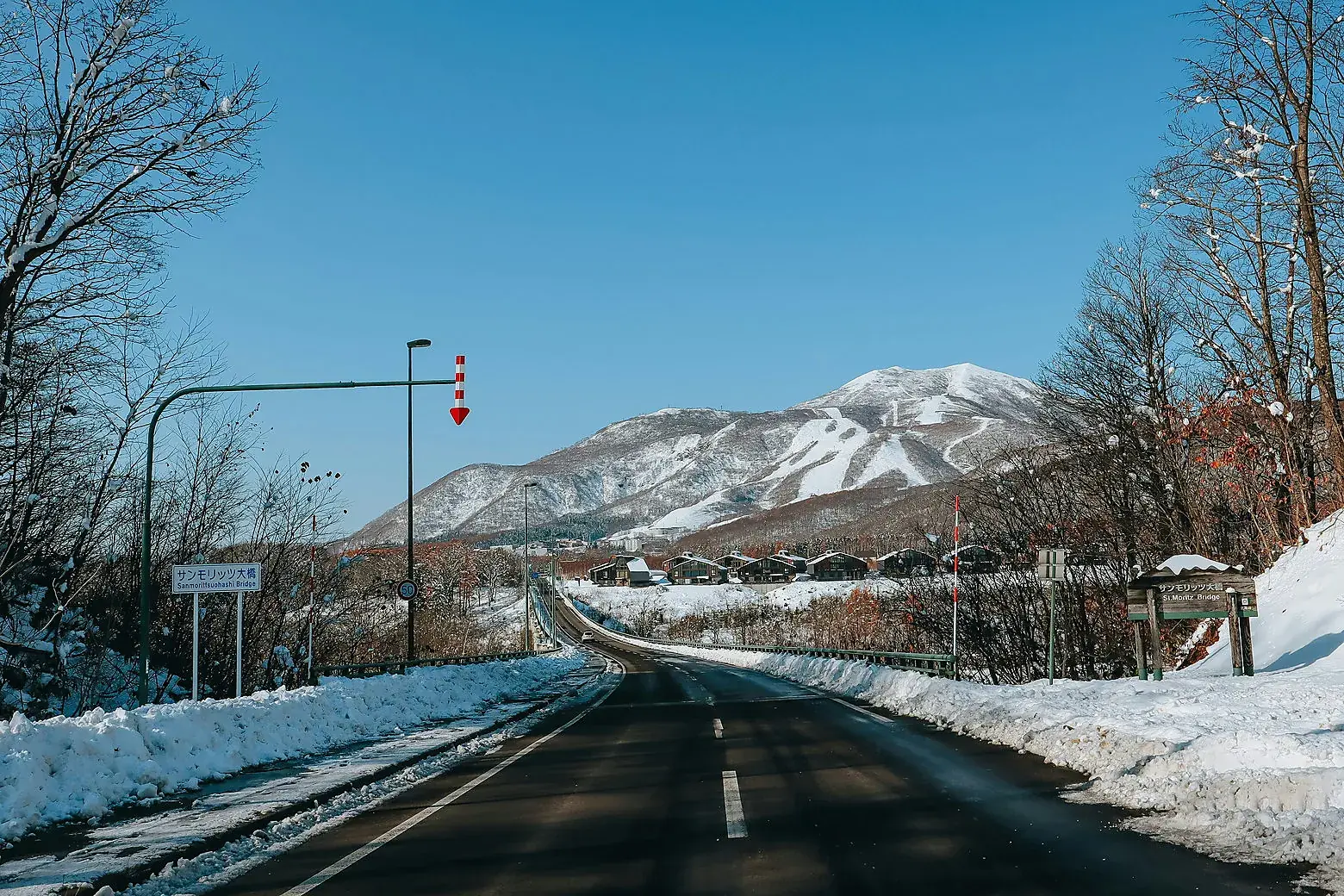
Niseko United is four interlinked resorts wrapped around one mountain with Mount Yotei posing across the valley. Snowfall often runs around 14 metres a season, and its gate system gives legitimate lift accessed access to off piste and sidecountry terrain that most Japanese resorts fence off. Night skiing is extensive, terrain variety is exceptional, and the lift infrastructure keeps improving.
Off the hill, Hirafu is a genuine international resort town, with restaurants from izakaya to fine dining, real nightlife, English spoken everywhere and ski schools, rental fleets and childcare all running at global standard. The trade offs follow directly. It is expensive by Hokkaido standards, peak season lift queues exist, powder gets tracked out fast on storm days, and parts of it can feel more like an international resort that happens to be in Japan than like Japan itself.
The case for Furano
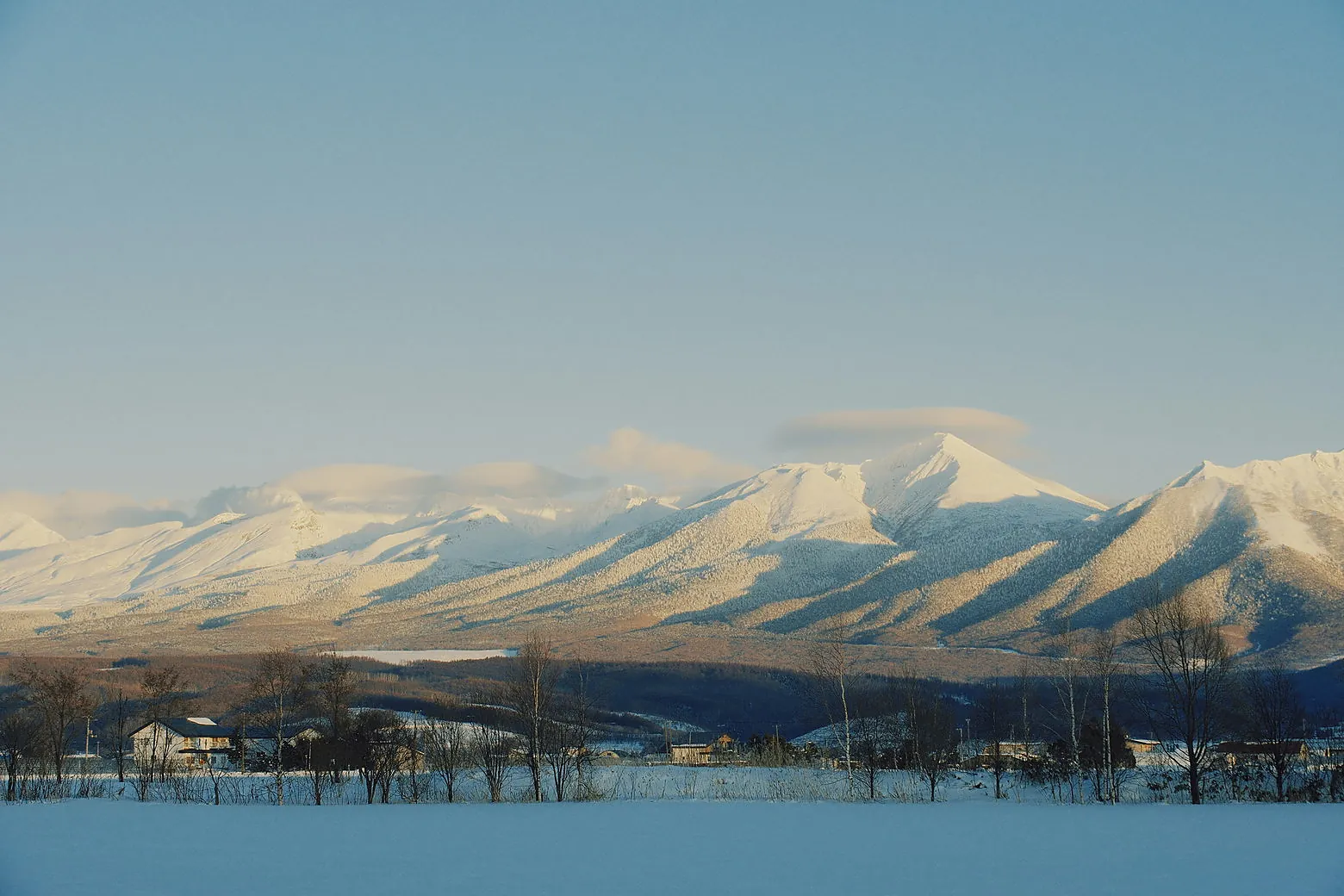
Furano sits in central Hokkaido, colder and further from the coast, which means somewhat less total snowfall than Niseko but lighter, drier snow and noticeably more clear days, since the storm systems weaken inland. The ski area is smaller and mostly lift served piste, with brilliant fast groomers, short queues and an on piste experience that flatters intermediates and families. Serious off piste exists but is more restricted, which is the main reason hard charging powder hunters pick Niseko instead.
The town is the real difference. Furano is a working Japanese farm town that happens to have a ski hill, so evenings mean local izakaya, an onsen and early nights rather than bar crawls. Costs for lodging, food and lift tickets run meaningfully below Niseko. It is also a better base for days off the snow, with Asahiyama Zoo, the Biei hills and Asahikawa's ramen all within easy reach.
So which one is right for you?
Choose Niseko if terrain variety and off piste access are the point of the trip, if your group wants nightlife and dining, or if you want everything effortless in English at international standard and are happy to pay for it. Choose Furano if you want value, quieter slopes, sunnier skiing, a family friendly pace or a ski week that still feels unmistakably like Japan.
The third options
If neither fits perfectly, Hokkaido has depth. Rusutsu, near Niseko, pairs enormous snowfall and superb tree skiing with a quieter resort feel. Kiroro gets exceptional snowfall with minimal crowds. And combining resorts works well. A week split between Niseko and Furano, with a Sapporo night in the middle, samples both worlds in one trip.
The bottom line
There is no wrong answer on snow quality. The decision is really about the holiday around the skiing, with international resort energy in Niseko and small town Japan in Furano. Be honest about which one your group actually wants at 6pm, not just at 9am on a powder morning, and the choice usually makes itself.
If you want the whole thing assembled, transfers, ski days, an onsen night and the days off the snow included, a Hokkaido ski itinerary is one of our favourite things to build.