
The rules, the etiquette, the tattoo question, and how to find good ones. A practical guide to experiencing one of Japan's defining cultural traditions without getting it wrong.
Sooner or later every Japan itinerary arrives at the same threshold, a steaming bath, a small towel and a set of unwritten rules. Onsen bathing is one of the things worth planning a trip around, and the etiquette that intimidates first timers is simple once someone spells it out. So here it is, spelled out.
What an onsen actually is
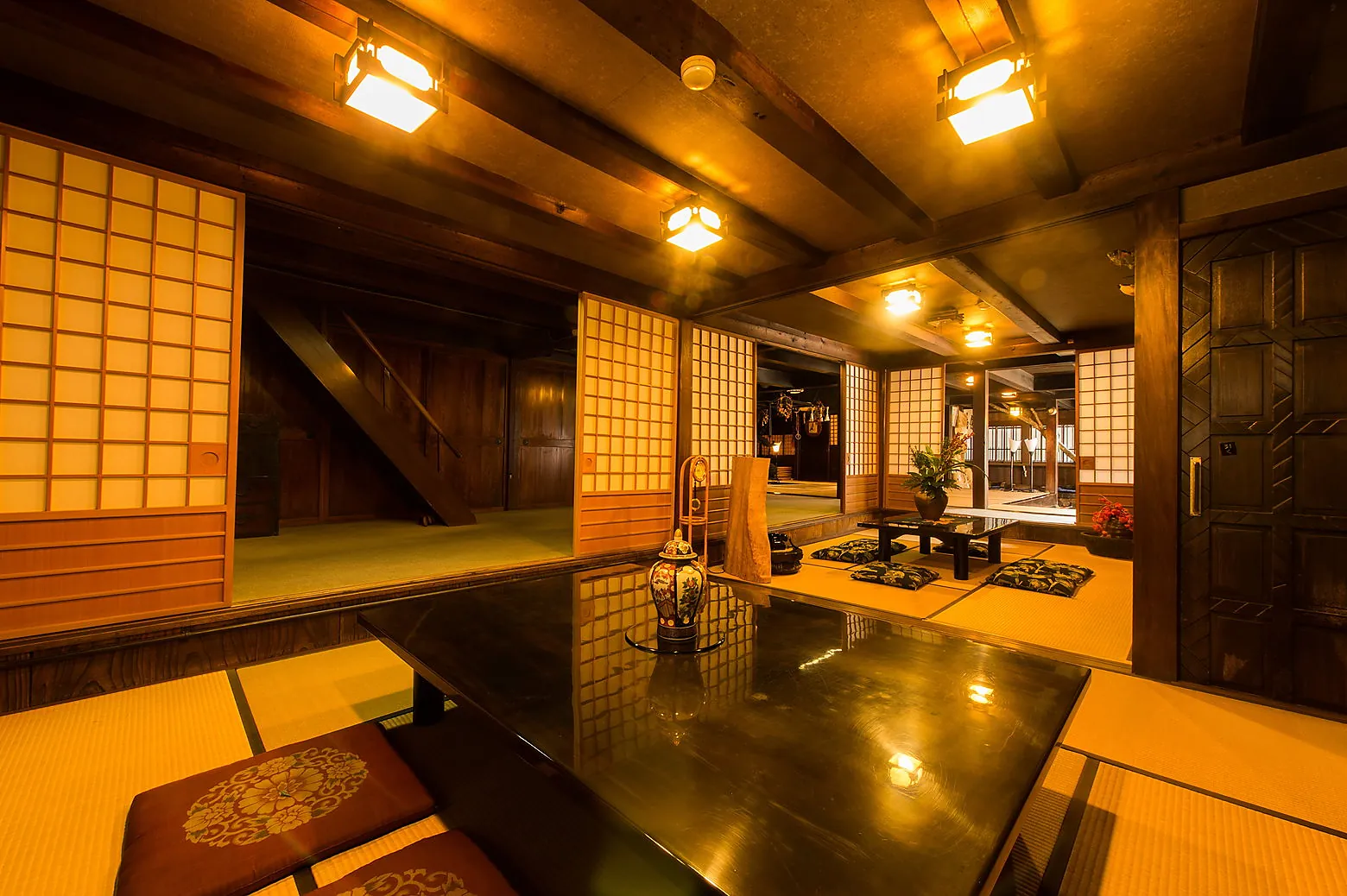
An onsen is a bath fed by natural hot spring water, legally defined by temperature and mineral content, found everywhere from centuries old ryokan to modern bathhouses. A sento, by contrast, is a neighbourhood bathhouse using heated tap water. The bathing ritual is the same in both. Baths are almost always separated by gender, marked by curtains reading dark for men and red for women, and the version everyone remembers is the rotenburo, an outdoor bath open to the sky, ideally with snow falling into it.
The ritual, step by step
Undress fully in the changing room and leave everything in a basket or locker. Swimwear is not worn, and this is the part first timers dread and then forget about within five minutes, because nobody is looking at anyone. Take only the small towel into the bathing area.
Wash before you soak. Sit at one of the shower stations, soap and rinse thoroughly, and tip the stool and taps clean for the next person. Only then enter the bath, easing in slowly, because 40 to 43 degrees is hotter than most people expect. The small towel never goes in the water. Fold it on your head or set it on the side. Tie up long hair, keep conversation to a murmur, never swim, and leave your phone in the locker, since cameras in a bath are an absolute taboo. When you are done, a light rinse is optional, dry off roughly with the small towel before the changing room, and drink water. Locals often finish with a small bottle of cold milk, a tradition worth adopting.
The tattoo question
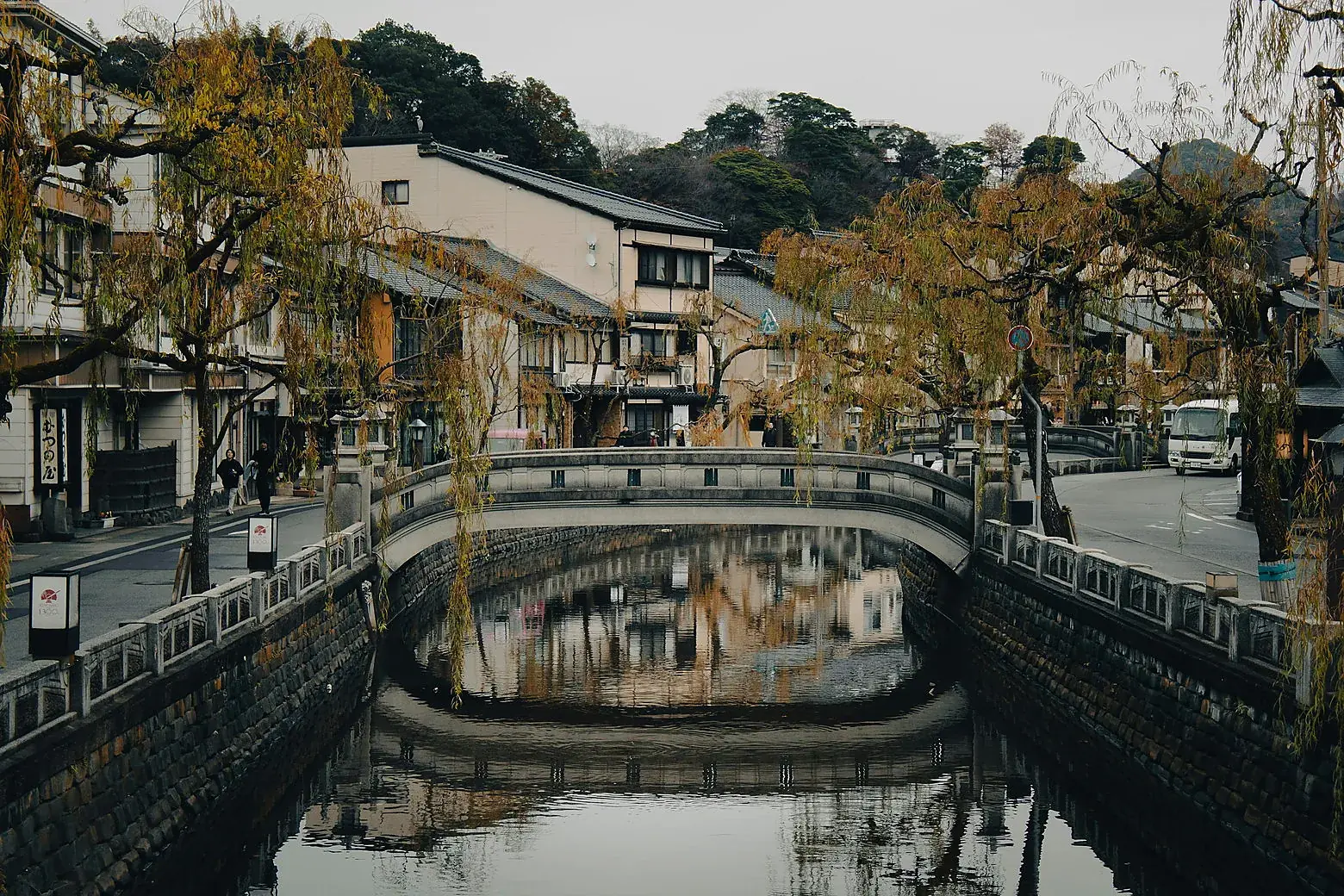
Many onsen still refuse visible tattoos, a policy rooted in old associations rather than anything about you, though attitudes are relaxing. If you are tattooed, you have good options. Small pieces can be covered with waterproof cover stickers, sold online and at some bathhouses. Many baths are explicitly tattoo friendly, and the town of Kinosaki famously welcomes tattooed bathers at all seven of its public baths. The easiest route of all is a private bath. Many ryokan rent kashikiri family baths by the hour, and rooms with a private open air bath solve the question entirely while being a spectacular treat in their own right.
Where to go
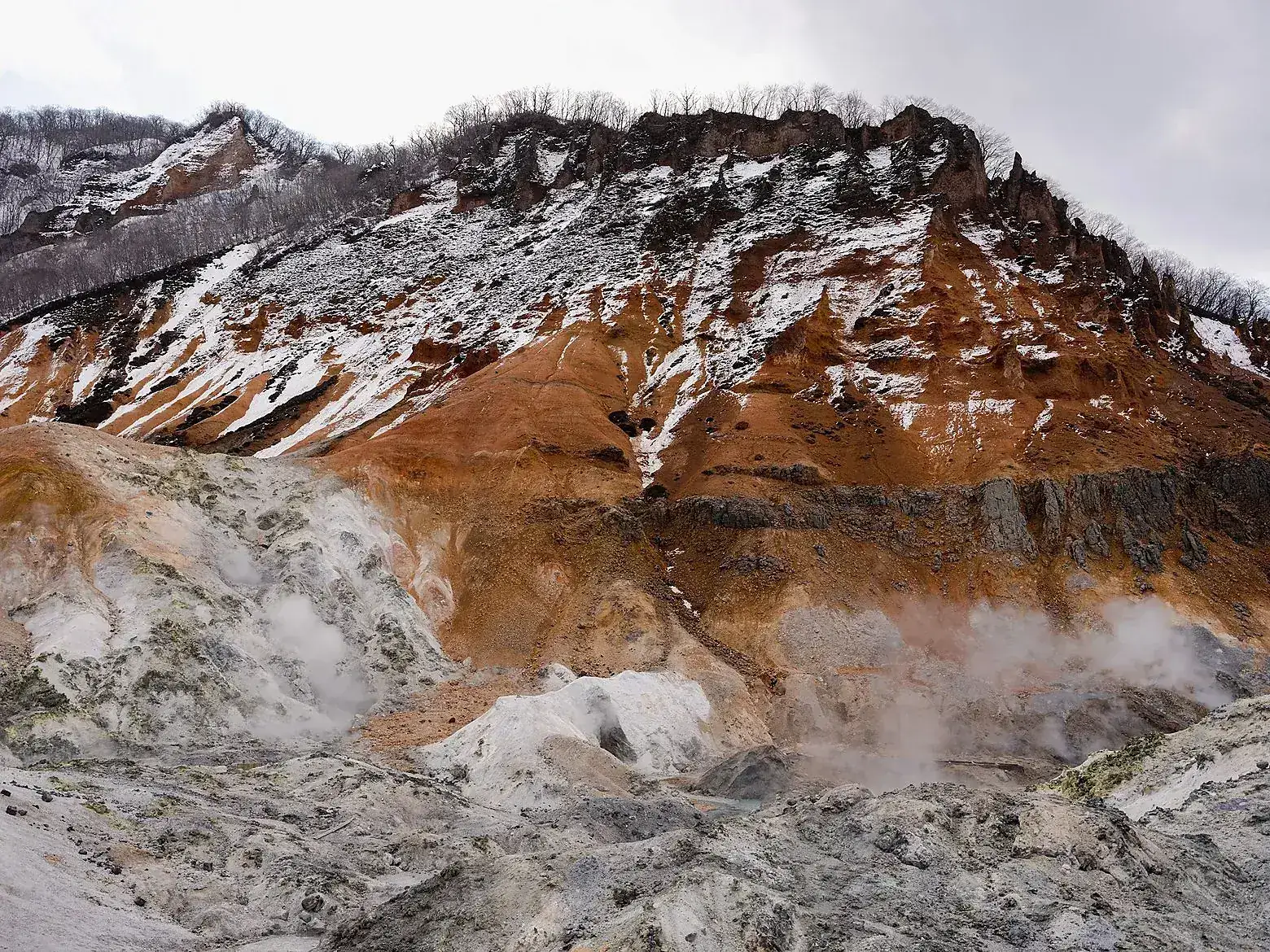
You could pick almost anywhere, but a few places justify the pilgrimage. Hakone is the easy classic from Tokyo. Kusatsu in the mountains of Gunma has scalding, sulphurous water and a dramatic hot water field at the town centre. Kinosaki, near the Sea of Japan, is the storybook version, with guests strolling between bathhouses in yukata and clacking geta. Beppu in Kyushu is the sheer spectacle of the genre, and Noboribetsu is Hokkaido's headline town, steaming out of a volcanic valley. For the full experience, stay a night in a ryokan in any of them, take the kaiseki dinner and bathe three times, before dinner, before bed and at dawn.
A few health notes
Soak in rounds of 10 to 15 minutes rather than one heroic session, and step out if you feel lightheaded. Skip the bath after heavy drinking. If you are pregnant or have heart or blood pressure conditions, keep the water on the cooler side, keep sessions short and follow your doctor's advice.
The takeaway
Wash first, towel out of the water, keep it quiet, no photos. That is the whole examination. Everything after that is one of Japan's great pleasures, and if you want your trip built with the right onsen towns and ryokan stitched into the route, that is exactly what we do.