General Feeling of the prefecture
Step into Chubu in summer and the region splits in two almost immediately. Down on the Pacific coast, Aichi and Shizuoka bake under the full weight of Japan's summer heat and humidity, temperatures push well into the thirties through July and August, and the air carries that thick, enveloping warmth that defines the Japanese summer experience at its most intense. Head inland and upward into the Alps however and the story changes completely. Nagano's highland valleys and the mountain communities scattered through Gifu breathe at a different altitude entirely, offering cool, clear summers that feel like a different country from the coastal lowlands sitting just a few hours away.
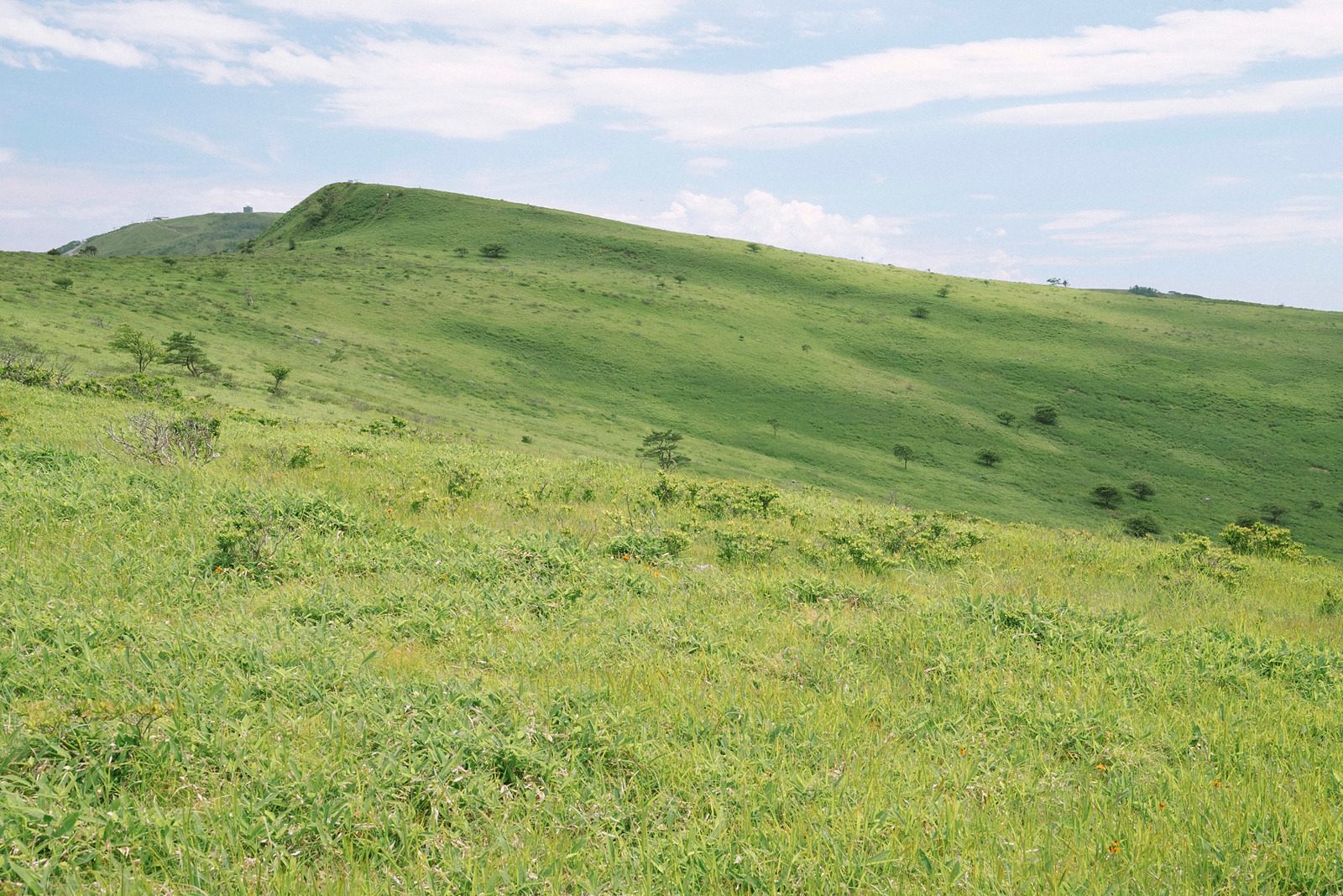
That split is worth understanding before you plan how to move through the region. Nagoya functions as Chubu's urban anchor and handles the summer heat the way large Japanese cities do, efficiently, with air conditioning everywhere and an urban infrastructure built around keeping people comfortable. But it is not a city that particularly rewards lingering outdoors in the middle of a July afternoon. The smarter approach is to use it as a base or transit point and push into the cooler interior as often as possible, where the summer conditions make outdoor exploration enjoyable rather than something to be endured.
Rain is a factor worth planning around. The rainy season moves through Chubu in June, clearing from the south first before working its way north, and while it rarely derails travel entirely it does affect the mood and accessibility of certain areas, particularly mountain trails and rural routes that can become slippery and difficult after heavy rain. Once the rainy season clears, typically by mid July, the summer skies that follow are often spectacularly clear, and the visibility across the alpine areas on a fine summer day is extraordinary.
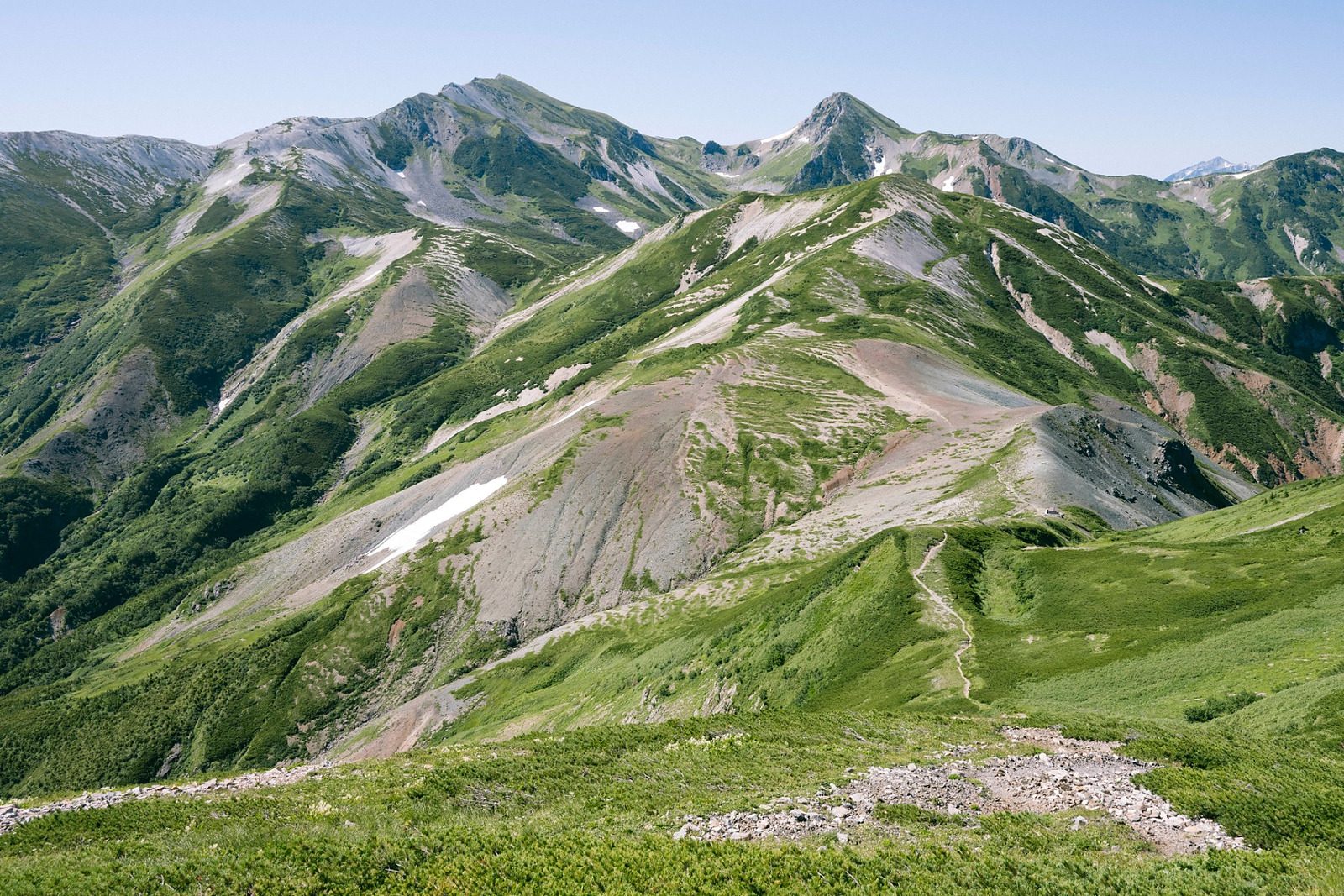
Light, breathable clothing covers the coastal and lowland parts of the region comfortably, but if the mountains are on your itinerary, and they should be, an extra layer and a reliable waterproof are worth packing regardless of how warm it feels when you set off. Weather in the high alpine areas shifts quickly and afternoon thunderstorms are a regular feature of the summer mountain environment. The reward for being prepared is access to some of the finest highland scenery in Japan at the time of year when it is most alive and most accessible.
Exploring the Chubu Region
Summer in Chubu opens the mountain interior fully and the combination of the highland valleys, alpine routes, and historic post towns that define the region's character are all at their most accessible and most rewarding through July and August. The heat that makes the lowland cities of Nagoya and the Pacific coast uncomfortable through the peak summer months makes the highland destinations of Nagano and Gifu correspondingly more appealing, and the range of what is available at elevation in this part of Japan through summer is as good as anywhere in the country.
Seasonal Experiences and Events in Summer
Now that you have a sense of how the season runs here, these are the highlights and experiences worth building the trip around.
Prefecture map
Seasonal Food & Everyday Atmosphere
Summer in Chubu is shaped more than in any other season by the region's dramatic geography. The Japan Alps that run through the heart of the region create a natural divide between the sweltering lowland heat of the Pacific coast and the cool, fresh highland conditions of the mountain interior, and that contrast produces two quite different summer food experiences within the same region. The highland areas of Nagano in particular come into their own in summer in a way that makes the prefecture one of the most rewarding places to eat in Japan at this time of year.