General Feeling of the prefecture
Shikoku in summer is warm, humid, and in the case of Kochi prefecture, wet. The Pacific facing southern coast sits directly in the path of Japan's summer weather systems and receives some of the highest rainfall in the country through the rainy season and into the typhoon season that runs from late summer into autumn. That is worth knowing before planning a summer visit, not as a reason to avoid it, but as a practical reality that affects how you move through certain parts of the island and how much flexibility you build into your itinerary.
Away from the weather considerations, summer reveals a side of Shikoku that is energetic and distinctly local in character. The island heats up through July and August with temperatures across most areas sitting in the low to mid thirties, and the combination of heat, greenery, and the rivers and gorges that define the interior creates an atmosphere that feels full and alive in a way that the quieter seasons don't quite match. The Yoshino River running through Tokushima and the deep gorges of the Iya Valley are particularly striking in summer when the water levels are high and the surrounding forest is at its densest.
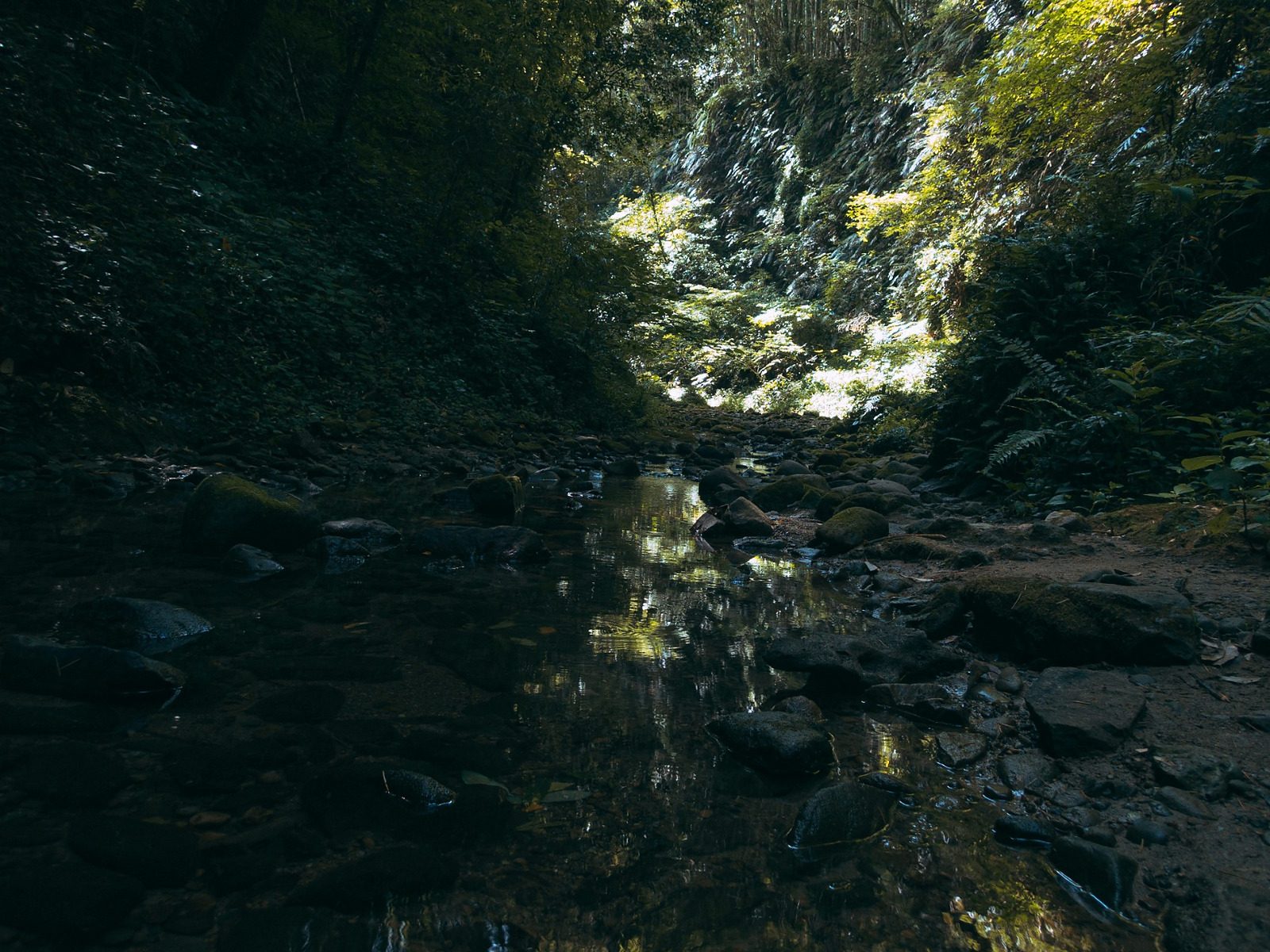
Clothing is simple, light and breathable for the heat, with a reliable rain layer that actually gets used rather than sitting at the bottom of a bag. Waterproof footwear is worth considering if you are planning to spend time in the interior or along river areas where paths can become wet and slippery after rain. Sun protection matters on the Pacific coast where the combination of open sky and high summer sun is intense, particularly around Kochi's long coastline.
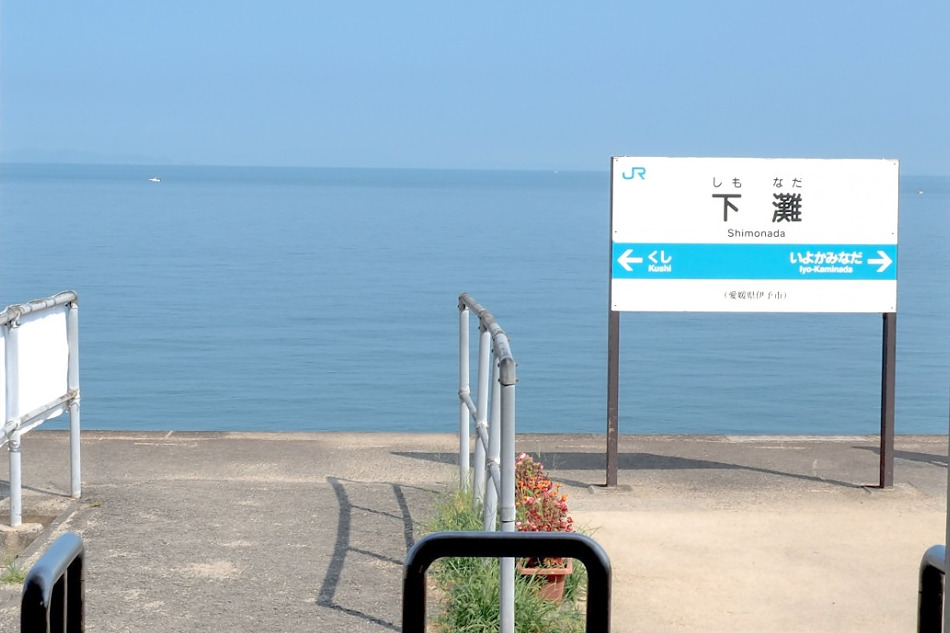
Shikoku remains quiet in summer relative to the rest of Japan. The island draws domestic visitors and a steady stream of pilgrims walking the 88 temple circuit, but international tourism stays low and accommodation outside of peak festival periods is generally available without significant advance planning. The heat and the rain keep some visitors away, which from a practical standpoint works in favour of those who do come. The island's rivers, gorges, and rural communities are easy to access and largely uncrowded even in the height of the season.
Exploring the Shikoku Region
Summer in Shikoku is hot and in Kochi particularly wet through the rainy season, but the island's rivers, coastline, and mountain gorges offer some of the most compelling summer outdoor experiences in Japan. The Pacific coast of Kochi extends further south than any other part of Shikoku and the combination of the dramatic capes, the clear rivers, and the mountain gorges of the interior gives the island a summer character that is more physically engaging and more directly connected to the natural environment than most other regions of comparable size.
Seasonal Experiences and Events in Summer
Now that you have a sense of how the season runs here, these are the highlights and experiences worth building the trip around.
Prefecture map
Seasonal Food & Everyday Atmosphere
Summer in Shikoku is hot and in Kochi particularly wet through the rainy season, but the island's rivers, coastline, and farmland produce a range of seasonal ingredients through the warmer months that make eating well in Shikoku in summer easy. The food identity of the island is less about abundance and more about quality and specificity, a few ingredients done exceptionally well rather than the overwhelming variety of a region like Kanto or Kansai.