Confirm your email to unlock saving, sharing and exporting. We sent a link when you signed up.
Winter region guide
Kanto in Winter
Setting the Scene
General Feeling of the prefecture
Winter in Kanto is mild by Japanese standards, and that mildness is both its defining characteristic and its greatest practical advantage for travellers.
Tokyo and the surrounding lowland prefectures rarely see significant snowfall, and while temperatures through December, January, and February are
cold, sitting in the mid to low single digits on the coldest days, the dry, clear skies that dominate the season make being outside far more manageable than
the raw, wet cold of other regions. Winter is in many respects one of the more underrated times to visit Kanto, particularly for those who want to experience
Tokyo without the crowds and prices that accompany spring and autumn.
The wider prefectures tell a more varied story. The coastal areas of Chiba remain relatively mild throughout winter while the inland and elevated areas of
Gunma and Tochigi experience proper winter conditions, with heavy snowfall in the mountains that draws skiers and snowboarders to resorts that sit within
surprisingly easy reach of the capital. This contrast within a single region is one of Kanto's quiet advantages in winter. You can move between a temperate,
functioning city and a fully snow covered mountain landscape within a couple of hours.
Cold weather clothing is necessary but the layering requirements are less extreme than in Tohoku or Hokkaido. A solid insulated coat, warm layers underneath,
and a good pair of boots will cover most situations across the lowland areas, with heavier gear worth considering if you are heading into the mountains.
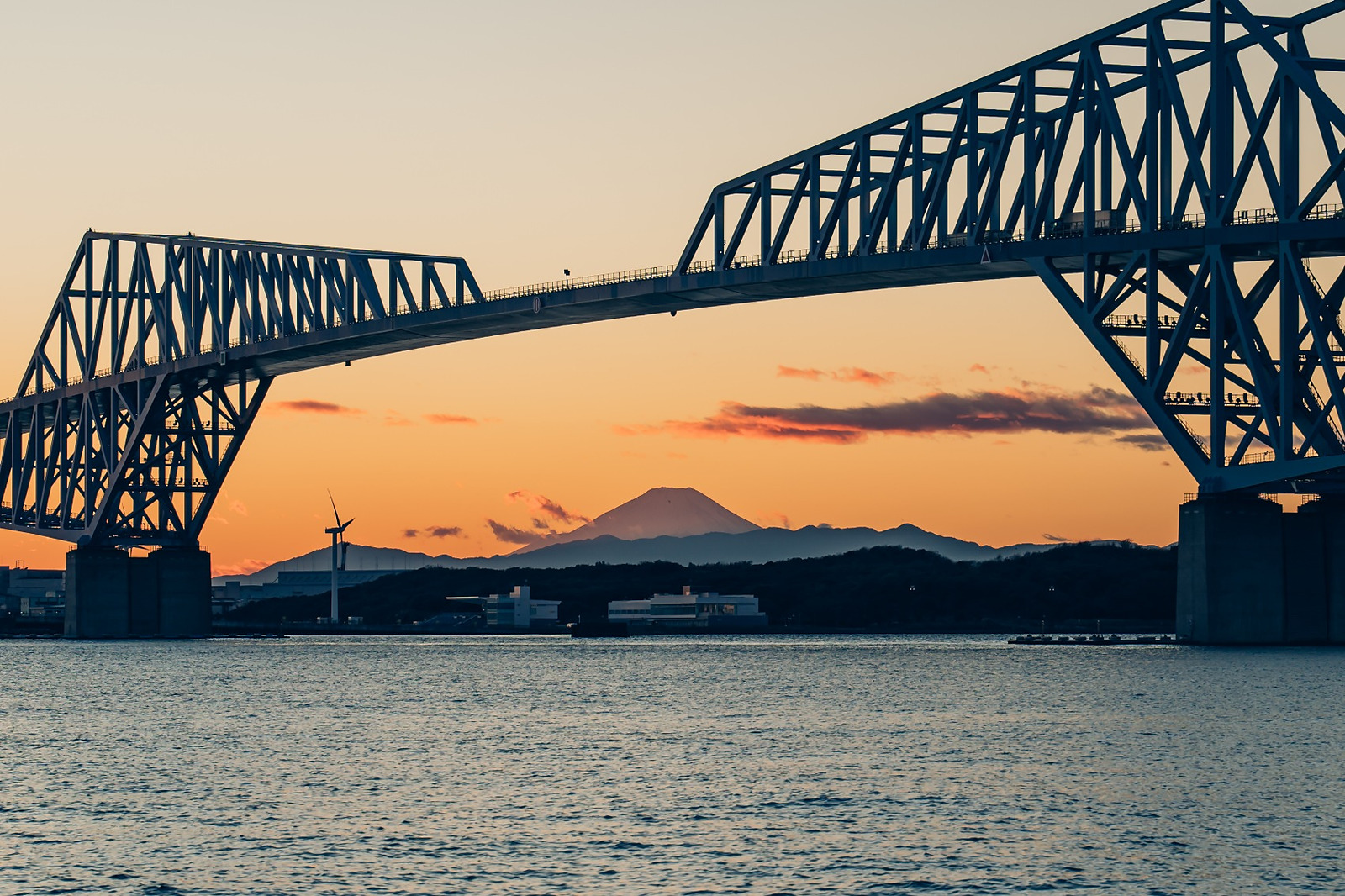
The dry winter air and lack of humidity make the cold feel less penetrating than in regions further north, and the frequently clear skies bring with them
one of winter Kanto's best known sights, unobstructed views of Mount Fuji from multiple points across the region on days when the air is at its crispest
and clearest.
Winter is Kanto's quietest tourist season outside of the New Year period, which brings its own surge of both domestic and some international
visitors particularly around Tokyo's major shrines. Outside of that window accommodation is generally more available and affordable than at any other
time of year, and the major attractions across both the city and the wider region carry none of the seasonal pressure that defines spring or autumn peak
periods. For travellers who prioritise space, value, and the particular stillness that winter brings to even the busiest of cities, Kanto in winter makes a
compelling and often overlooked case for itself.
Beyond the capital
Exploring the Kanto Region
Winter in Kanto is cold, dry, and clear for much of the season and the clarity of the air through December, January, and February gives the region some of its finest views of the surrounding mountains, particularly Mount Fuji, that the haze of the warmer months makes impossible. The spots below cover both the natural winter experiences of the wider region and the urban and cultural destinations that winter suits particularly well.
Chichibu · Saitama
Chichibu Icicles (秩父の氷柱)
Three walls of ice in the Chichibu hills, one natural on the bank of the upper Arakawa at Misotsuchi and two built up from spring water at Ashigakubo and Onouchi, all lit after dark from January to late February.
秩父の氷柱 (the Chichibu icicles) are three walls of ice in the hills of western Saitama, promoted together as the 秩父三大氷柱 (Chichibu Three Great Icicles) and open through the coldest weeks from early January to late February. 三十槌の氷柱 (Misotsuchi no Tsurara) on the bank of the upper Arakawa at Otaki, at the western end of Chichibu City, is the natural one. Spring water seeps out of the rock face all year and freezes in place, building a sheet of ice that reaches around 8 metres high and 30 metres across in a good season, with an artificial section beside it. How much forms depends on the run of cold weather, and the ice is usually at its fullest from the middle of January to the middle of February. The Chichibu Tourism Association ran the 2026 season from 9 January to 23 February, open 8:30 to 17:00 for ¥300 for secondary school age and above and ¥200 for primary school children, with evening lighting from 10 January from 17:00 to 19:00 on weekdays and until 20:00 at weekends and on holidays. The other two are built. At あしがくぼの氷柱 (Ashigakubo) in Yokoze, spring water is sprayed over the wooded slope above the Seibu Chichibu Line to grow a wall of ice around 30 metres high and 200 metres wide, a 10 minute walk from Ashigakubo Station, ¥600 for secondary school age and above. At 尾ノ内百景氷柱 (Onouchi) in Ogano, water piped about 500 metres from the Onouchi stream freezes over the gorge beside a suspension bridge, ¥500. Dates for the following winter are set in the autumn. From Tokyo the Seibu Red Arrow Limited Express reaches Seibu-Chichibu Station from Ikebukuro in around 80 minutes, with a Seibu Kanko bus on the Mitsumine-jinja line from there to the Misotsuchi stop. The valleys run far colder than central Tokyo and the paths ice over, so bring proper boots and full winter layers.
General information
AddressMisotsuchi: 4066 Otaki, Chichibu City, Saitama 369-1901
AccessSeibu Kanko bus on the Mitsumine-jinja line from Seibu-Chichibu Station to the Misotsuchi stop, or a Chichibu City or Seibu Kanko bus from Mitsumineguchi Station
A four tier waterfall in the hills of northern Ibaraki that turns to ice in the coldest weeks, seen from viewing decks reached by tunnel and lift.
袋田の滝 (Fukuroda Falls) in Daigo Town drops over the rock face in four stages, giving it the old name 四度の滝 (Yodo no Taki), and the town gives its size as 120m high and 73m wide. It is a national Place of Scenic Beauty. In the coldest weeks, usually late December to February, the falls freeze into a wall of ice, and in some years they freeze over completely, last seen in 2012. Go early in the morning, before the sun starts to melt it. A paid tunnel leads to the first viewing deck facing the falls, and a lift partway along climbs to the upper decks, with a view of all four tiers. Entry to the tunnel is ¥500 for adults and ¥300 for children, and from December to April it is open 9am to 5pm every day. Buses from JR Fukuroda Station on the Suigun Line take about 10 minutes to Takimoto, then a 10 minute walk. From Tokyo, take the limited express to Mito and change to the Suigun Line, about 2.5 hours in all.
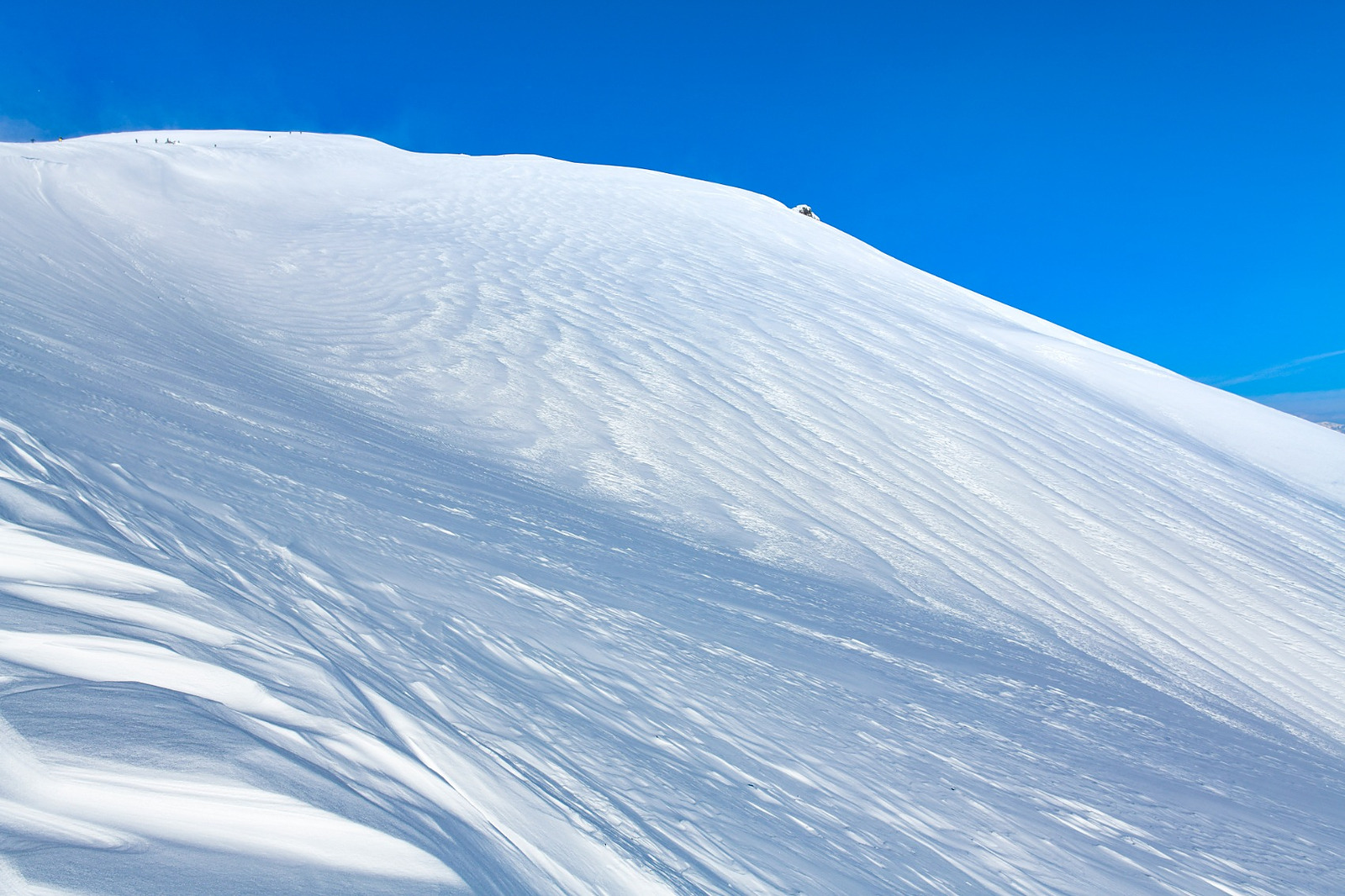
A snow covered highland plateau reached by a 15 minute ropeway from the base, drawing heavy natural snow off the Sea of Japan from late December to early April with the twin peaks of Mount Tanigawa rising above.
Mount Tanigawa Tenjindaira (谷川岳 天神平) is a highland plateau on the slopes of Mount Tanigawa in Minakami, Gunma, within Joshinetsu-kogen National Park, reached by a 15 minute ride on the Tanigawadake Ropeway from the base station and offering one of the most accessible high mountain snowscapes from Tokyo in winter, with the twin peaks of Mount Tanigawa rising above and the surrounding Joshinetsu mountain ranges visible across the snow covered plateau on a clear day. The plateau is the home of the Tanigawadake Tenjindaira Ski Area, renamed Mt. T by Hoshino Resorts from December 2024, with 10 courses across the highland and the longest Tajirisawa Course running around 3 kilometres beneath the ropeway, drawing heavy snowfall from the Siberian winter winds across the Sea of Japan that produces high quality natural snow without any artificial snowmaking from late December through to early April. The lift pass is ¥4,000 per day with a ¥500 discount for women and visitors aged 50 and over, with the ropeway running through winter regardless of ski conditions for visitors who are not skiing. From Tokyo Station the Joetsu Shinkansen runs to Jomo-Kogen Station in around 1 hour 20 minutes, with a Kanetsu Kotsu bus from there to the Tanigawadake Ropeway in around 50 minutes for a total journey of around 2 hours.
General information
Address220-4 Yubiso, Minakami, Tone District, Gunma 379-1728
AccessApproximately 50 minutes by Kanetsu Kotsu bus from Jomo-Kogen Station to the Tanigawadake Ropeway, then the ropeway to Tenjindaira
Now that you have a sense of how the season runs here, these are the highlights and experiences worth building the trip around.
Prefecture map
Seasonal culture
Seasonal Food & Everyday Atmosphere
Winter in Kanto is cold, dry, and clear for much of the season, and the food that defines it leans into warmth, richness, and the kind of eating that is best done slowly and in good company. Tokyo in winter has a particular energy around food. The city's restaurants fill up, the izakayas get louder, and the seasonal ingredients that arrive through the colder months are handled with the same level of seriousness that the city brings to every season.
江戸前ちば海苔 (Edomae Chiba Nori)
Tokyo Bay nori
Seaweed harvested off the Chiba shore of Tokyo Bay from November to March, the original Edomae nori.
Chiba, harvested November to March
海苔 (Nori) is a winter crop, and Tokyo Bay is where the farming of it began. The harvest runs November to March, cut from nets in the shallows off 市川 (Ichikawa), 船橋 (Funabashi), 木更津 (Kisarazu) and 富津 (Futtsu) on the Chiba side of the bay, and the product is sold as 江戸前ちば海苔 under the prefecture's fisheries federation. The Edomae name is literal rather than decorative. Nori cultivation was established in Edo period Tokyo Bay and the sheets made from it are what sushi was built around. The Tokyo half of that industry is gone, since the beds off what is now Ota Ward were filled in and 大森 (Omori) stopped farming in the 1960s, leaving a small museum where the sheds were. Chiba's beds carried on. First harvest 一番摘み (ichiban-tsumi) nori is thin, tears cleanly and smells strongly of the sea, and the difference against supermarket sheets is obvious in a plain rice ball.
大根 (Daikon)
Daikon radish
Sweetened by the cold across the Kanto farmland, simmered in oden through the winter.
Winter vegetable
Daikon is harvested across Kanto through winter and the cold is what makes it worth eating. The plant converts starch to sugar as protection against frost, so winter daikon is noticeably sweeter and less peppery than the summer crop. Kanto has two named varieties worth knowing. 練馬大根 (Nerima Daikon) is the long, thin Edo heirloom from what is now a Tokyo ward, grown for pickling and almost lost to urban development before local farmers revived it. 三浦大根 (Miura Daikon) from the Kanagawa peninsula is the short, heavy, bulging one used for simmering. The winter dish is ふろふき大根 (Furofuki Daikon), thick rounds simmered slowly in kombu dashi until translucent and served under miso, and it is the piece everyone reaches for first in an おでん (oden) pot, which is the other place it lives from November onwards.
煮ぼうとう (Niboto)
Flat noodle stew
Wide flat noodles dropped into the pot raw so their starch thickens a soy broth loaded with Fukaya negi, the winter standard of northern Saitama.
Saitama, autumn to winter
煮ぼうとう (Niboto) is the Fukaya version of a dish northern Saitama makes under several names, ひもかわ (Himokawa) around Iruma and Hiki and おっきりこみ (Okkirikomi) in Chichibu. Fukaya City gives the noodles as roughly 2.5 centimetres wide and 1.5 millimetres thick, and they go into the pot raw rather than being boiled first, so the starch coming off them thickens the broth as they cook. The seasoning is soy sauce rather than the miso and pumpkin of the Yamanashi ほうとう on the Chubu page, and the pot is built on 深谷ねぎ (Fukaya Negi), the local leek that starts shipping around December and sweetens in the cold. The agriculture ministry lists it as an everyday dish eaten from autumn through winter, and Shibusawa Eiichi, the Meiji industrialist born in Fukaya, liked it enough that gatherings on the anniversary of his death still remember him over a bowl.
甘酒 (Amazake)
Sweet fermented rice drink
A warm, lightly sweet drink of fermented rice served from shrine and street stalls through the cold months, handed out hot around the New Year hatsumode crowds.
Warm New Year drink
Sweet fermented rice drink is a warming winter tradition across Japan and Tokyo's shrines and street stalls serve it through the cold months, particularly around the New Year period when shrine visits draw large crowds looking for something warm to drink. It is thick, slightly sweet, and gently warming with a low alcohol content, some versions are entirely non alcoholic, and the combination of its natural sweetness and the warmth it delivers on a cold day makes it one of those simple seasonal drinks that is easy to appreciate regardless of prior familiarity with it.
あんこう (Ankou)
Monkfish
The winter fish of Ibaraki, simmered into anko nabe with every part of it used, a hot pot that defines the northern Kanto coast through the cold season.
Winter hot pot fish
Monkfish is the winter fish of the Kanto coast and Ibaraki prefecture on the northern edge of the area is where it is most closely associated. The fish develops a rich layer of fat through the coldest months that makes it exceptional eating, and every part of it is used, with the flesh, liver, skin, stomach, and other parts all going into あんこう鍋 (Ankou Nabe), a hot pot that becomes progressively richer and more deeply flavoured as it cooks down. The liver in particular, known as あん肝 (Ankimo), is sometimes described as the foie gras of the sea and is one of the winter delicacies the region is known for. Eating ankou nabe in Ibaraki in winter, close to where the fish is caught, is a benchmark winter food experience in Kanto.
けんちん汁 (Kenchin-jiru)
Temple vegetable soup
Root vegetables and crumbled tofu fried in oil and then simmered into a clear broth, a soup the agriculture ministry ties to Kenchoji in Kamakura and one Kanto turns to in the cold.
Kamakura temple soup
Temple vegetable soup is made by frying daikon, carrot, burdock, lotus root, taro and konnyaku in oil and then simmering them with crumbled tofu, komatsuna and dried shiitake. Of the two accounts of the name the agriculture ministry sets out, one makes it a worn down form of 建長汁 (Kenchojiru), the soup made at Kenchoji in Kamakura, where it has been eaten for more than 700 years and from where monks trained at the temple are said to have carried it nationwide. The temple version is shojin ryori, so it uses no animal products and draws its dashi from kombu and dried shiitake, and its sheer number of vegetables comes from an old habit of using up what other dishes left over. It is eaten all year, but the root vegetables and the hot broth make it a cold weather favourite and parts of Kanto attach it to Setsubun.
はば雑煮 (Haba Zoni)
Haba seaweed New Year soup
Grilled mochi in a mild bonito and soy broth buried under dried haba seaweed, the New Year bowl of the Sanbu district of Chiba and one locals say the year cannot start without.
Chiba New Year zoni
Haba seaweed New Year soup is the New Year bowl of the Kazusa side of Chiba and of the Sanbu district in particular, where grilled or boiled mochi goes into a bonito and soy broth and is then covered with toasted はばのり (Habanori), aonori and bonito flakes ground together. The broth is kept mild because the seaweed itself carries a lot of salt. Chiba prefecture records that habanori buds on the rocky Sotobo shore around Amatsu and Kominato in Kamogawa as air and sea temperatures fall from late November, is picked through winter and into spring once it reaches 10 to 15 centimetres, then washed in seawater, cut into 2 to 3 centimetre lengths and dried in the sun. Eating it at the turn of the year is a play on 幅を利かせる (haba wo kikaseru), to hold sway, for the twelve months ahead.
下仁田ねぎ (Shimonita Negi)
Winter leek
A short, exceptionally thick leek from the hills of western Gunma, too fierce to eat raw but turning soft and sweet under heat, with the harvest peaking in December.
December peak leek
Winter leek is a single stemmed leek grown around Shimonita and the neighbouring towns of western Gunma. Shimonita Town describes a white section only 15 to 20 centimetres long but a thickness reaching 4 to 5 centimetres across on the biggest of them, and about 15 months in the ground from sowing to harvest. Gunma prefecture puts the start of cutting in late October as temperatures drop, with the peak in December, and credits exposure to winter cold with building the sugars behind the sweetness and the soft, almost melting texture the leek takes on once heated. Raw it is sharply pungent, so it goes into sukiyaki and hot pots rather than salads. Shimonita Town holds an Edo period letter from a daimyo or hatamoto ordering 200 of them at whatever the carriage cost, and the nickname 殿様ねぎ (Tonosama Negi), the lord's leek, comes from that regard.
いちご (Ichigo)
Strawberries
A cold season crop here rather than a summer one, picked right through the coldest months in the prefecture that has led national strawberry output since the 1968 harvest.
Winter harvest fruit
Strawberries are a cold season crop in Tochigi rather than a summer one, with とちあいか (Tochiaika) and とちおとめ (Tochiotome) picked from October through to June. The prefecture has led Japan for strawberry output for 57 consecutive years, from the 1968 crop through to the 2024 one, when it recorded 25,700 tonnes, and it credits an inland climate with wide day to night temperature swings and a good share of winter sun. Ten varieties have been bred here, among them the low acid とちあいか, the all round とちおとめ that also goes into cakes, the large and neatly conical スカイベリー (Skyberry), the white ミルキーベリー (Milky Berry) and the soft skinned とちひめ (Tochihime), picked from December to May and served only at the prefecture's pick your own farms. Tochigi keeps 15 January as いちご王国・栃木の日, Strawberry Kingdom Tochigi Day, and runs a promotion from then to 15 March.
Plan your trip
Book your stay in Kanto
Search accommodation across Kanto, from Tokyo city hotels to Hakone and Kusatsu onsen ryokan and Nikko mountain lodges. Compare options across the major booking platforms.
Ready to plan your Kanto trip?
Browse itineraries built around Kanto in winter, from crisp clear views of Mount Fuji to the snow slopes of Tanigawadake.