General Feeling of the prefecture
Tohoku in winter is a region of quiet intensity. Snow settles heavily across the interior and northern parts from December onwards, blanketing the mountain ranges, rural villages, and cedar forests in a stillness that feels worlds away from the bustle of Japan's major cities. It is not a season that announces itself loudly. It rewards those who seek it out with an atmosphere that is deeply atmospheric and, in places, remote.
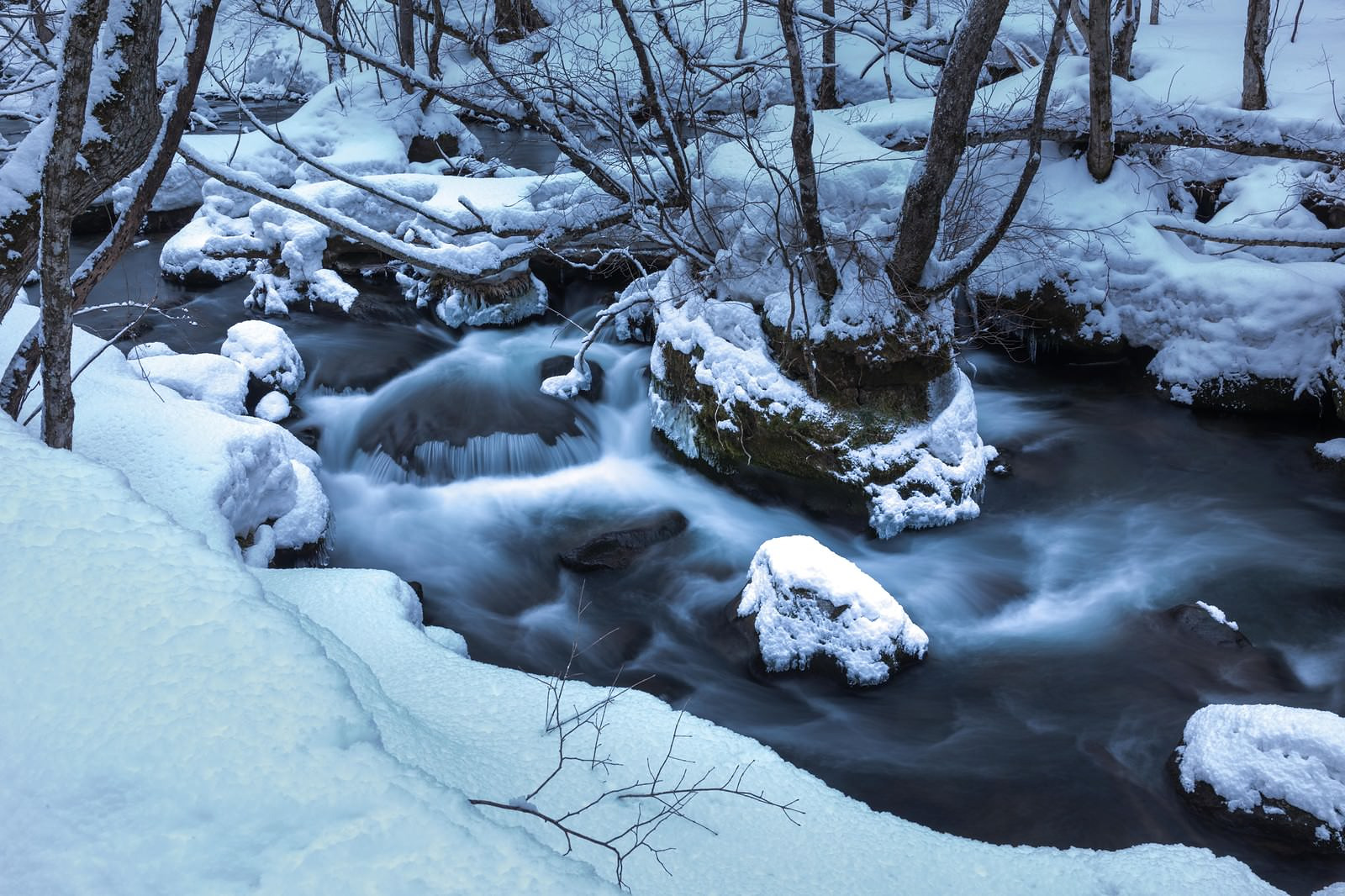
Temperatures across Tohoku in winter are cold throughout, though the range across such a large region is worth understanding. The northern areas around Aomori see some of the heaviest snowfall in Japan, at times rivalling even Hokkaido, while the southern parts of the region around Fukushima experience milder winters by comparison. Coastal areas along the Pacific side tend to be drier and clearer than the Japan Sea side, which bears the brunt of winter weather systems rolling in from the continent. Regardless of where you are heading, serious cold weather clothing is a must. Insulated layers, waterproof boots with grip, and proper gloves and headwear are essentials rather than afterthoughts.
Travel in winter requires more careful planning than other seasons. Snow affects road conditions significantly across the interior and mountain areas, and while major routes are ploughed and maintained, driving in rural Tohoku demands respect for the conditions and ideally a vehicle equipped for winter roads. The Shinkansen remains fast and reliable throughout and serves as the backbone of winter travel across the region, connecting the major cities efficiently regardless of what the weather is doing outside. For reaching more remote areas, local buses and organised transport are worth leaning on if you are not confident driving in heavy snow.
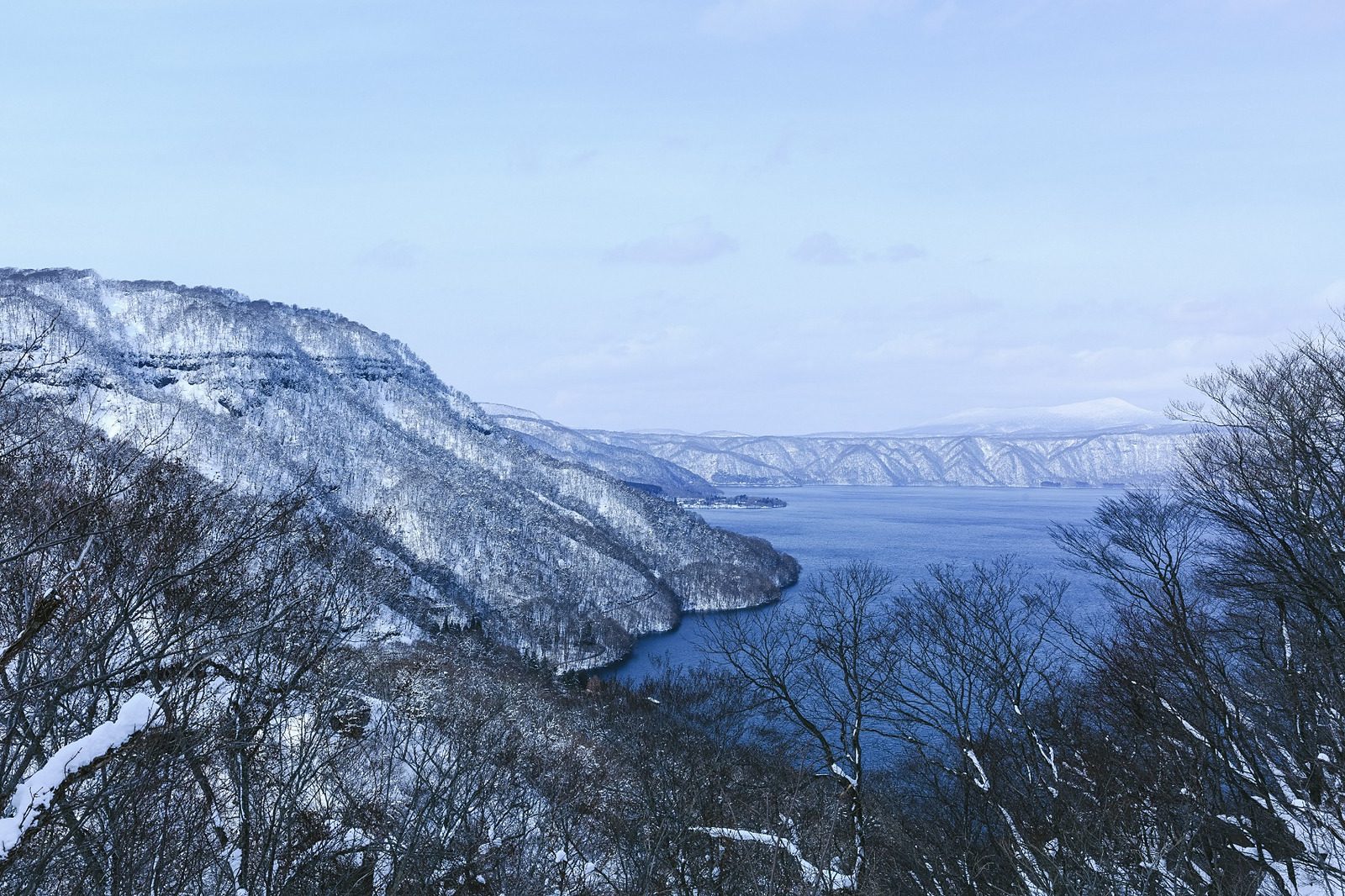
Winter is Tohoku's quietest tourist season outside of specific events and ski areas, which has its advantages. Accommodation is generally more available and affordable than in autumn or during summer festival season, and the popular natural and cultural sites carry none of the crowds that define the busier months. There is a particular kind of satisfaction in experiencing Tohoku in winter, with the landscape stripped back, the pace slower, the connection to the place feeling more immediate and unhurried than any other time of year.
Exploring the Tohoku Region
Winter in Tohoku is cold, heavily snowed in across the inland areas, and demanding to travel through in places. It is also one of the most atmospheric and visually striking seasons the region offers, and the specific winter phenomena that define a few of the spots below are available nowhere else in Japan and only for the narrow window that the cold months provide.
Seasonal Experiences and Events in Winter
Now that you have a sense of how the season runs here, these are the highlights and experiences worth building the trip around.
Prefecture map
Seasonal Food & Everyday Atmosphere
Winter in Tohoku is cold, often heavily snowed in across the inland prefectures, and the food reflects that reality directly. The dishes and ingredients that define the season are built around warmth, depth of flavour, and the kind of eating that makes being inside during a Tohoku winter feel entirely appropriate. It is a region with a strong winter food identity and exploring it properly is one of the better reasons to visit at what is otherwise a demanding time of year to travel.