What August Feels Like
Come mid August, it feels like the whole country is travelling at once. The reason is Obon, one of the most important times in the Japanese calendar, when people head back to their home towns to honour the spirits of their ancestors said to return each summer. The big cities go noticeably quieter while regional towns come alive with bon odori dancing, lantern ceremonies and traditions that go back generations. Add the summer festivals and fireworks on top of that and you get the busiest, most celebratory stretch of the Japanese year.
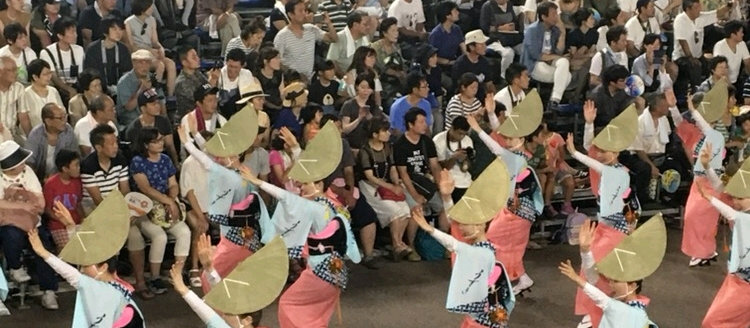
It's an intense month, no two ways about it. The heat is even fiercer than July's, the crowds are at their biggest, and there's something happening almost every night. But if that energy is what you're after, no other month comes close.
Why August Can Be a Great Time to Visit and How to Plan It
The festival calendar is absolutely stacked. The first week alone squeezes Tohoku's great summer festivals into a few days across neighbouring cities, the Awa Odori fills the streets of Tokushima mid month, and almost every town in the country runs its own bon odori and fireworks night somewhere in between. The summer destination guides carry the festival rundown region by region.
The 6th of August is a different kind of significant. It's the anniversary of the atomic bombing of Hiroshima, marked each year by the Peace Memorial Ceremony in the morning and lanterns floated down the river in the evening. It's a memorial, not a festival, and anyone is welcome to attend. If your trip passes through Hiroshima around that date, attending is a deeply moving experience.
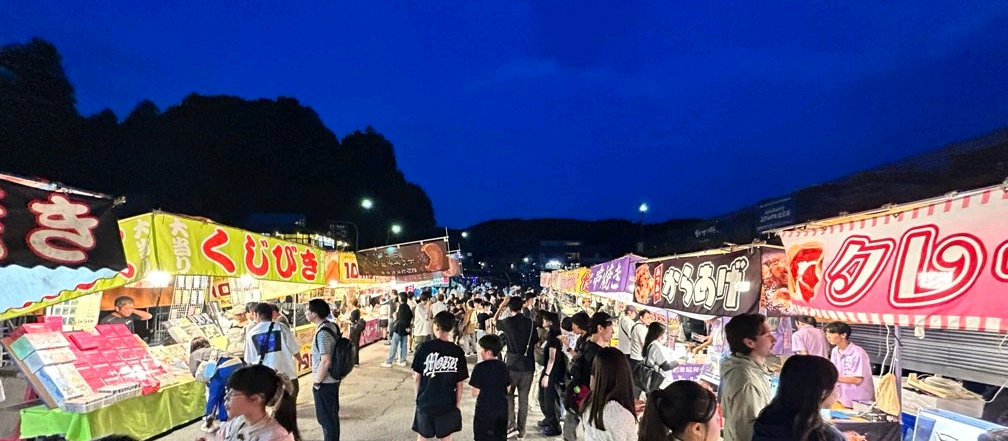
Now let's get into the planning side of things. Obon runs roughly the 13th to the 16th, and it's the travel rush around it that you really need to plan for. It starts from around the 8th as people leave the cities, peaks in the days just before Obon, and then everyone heads back on the 15th and 16th, and through all of it the shinkansen and hotels are as booked out as they ever get. Rooms near the big Tohoku festivals go months ahead, prices sit at their annual high, and shinkansen reservations open one month out and are worth grabbing the moment they do.
Where you decide to stay makes a big difference in August. One week around the Tohoku festivals followed by a second week in Hokkaido works really well, since you escape the worst of the heat and the crowds just as they peak down south. If you'd rather something quieter, spend the time in western Japan instead and be in Hiroshima for the ceremony on the 6th. And if the festivals aren't appealing at all, Hokkaido is the most comfortable place in the country to spend August, with the mountains as the backup option if you're staying on the main island.
August Weather and Where It's Cooler
August is the hottest month of the year across most of the country, and it's not particularly close. Daytime highs in Tokyo and Osaka regularly sit in the low 30s and can push past 35, the humidity makes it feel even hotter, and the nights barely cool down. The middle of the day is the worst of it, so mornings and evenings are when you want to be out and about, with plenty of water in between. The exceptions are Hokkaido, where Sapporo sits in the low to mid 20s, and the high country of the Alps and the Tohoku highlands, which stay noticeably cooler than the cities below.
Typhoon season also hits its peak through August and September. Okinawa and Kyushu see the most storms, though Shikoku and the coastal areas from Kansai up to Kanto can cop them too, so keep an eye on the weather forecast and hold your outdoor and coastal plans a little loosely, especially later in the month.