What December Feels Like
December is when Japan tips over into winter and the year starts winding down. You can still see some autumn foliage around in the warmer areas early on, but by the end of the month the whole country has settled into the cold. It's a lively time to be there.
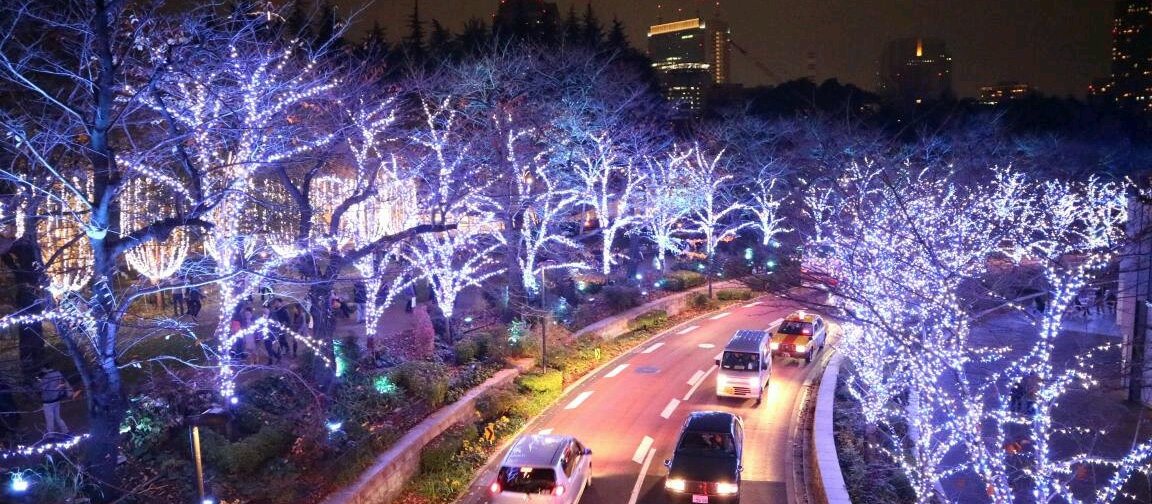
A lot of that energy comes from the run up to the new year. The cities fill with winter illuminations, the shops and department stores go all out on their displays, and the restaurants and izakaya are packed most nights with bonenkai, the end of year parties where workmates and friends get together to see off the year. There's a real warmth to it that the quieter months of January and February don't quite have.
Why December Can Be a Great Time to Visit and How to Plan It
The nice thing about December is that it's really two months in one. The first couple of weeks are the cheaper, calmer side of it, the autumn crowds have gone, the cities are lit up for winter, and hotel rates sit below what you'd pay in spring or autumn. Prices start creeping up from the middle of the month and really jump as the new year period kicks in, so the earlier in December you can go, the better value you'll get.
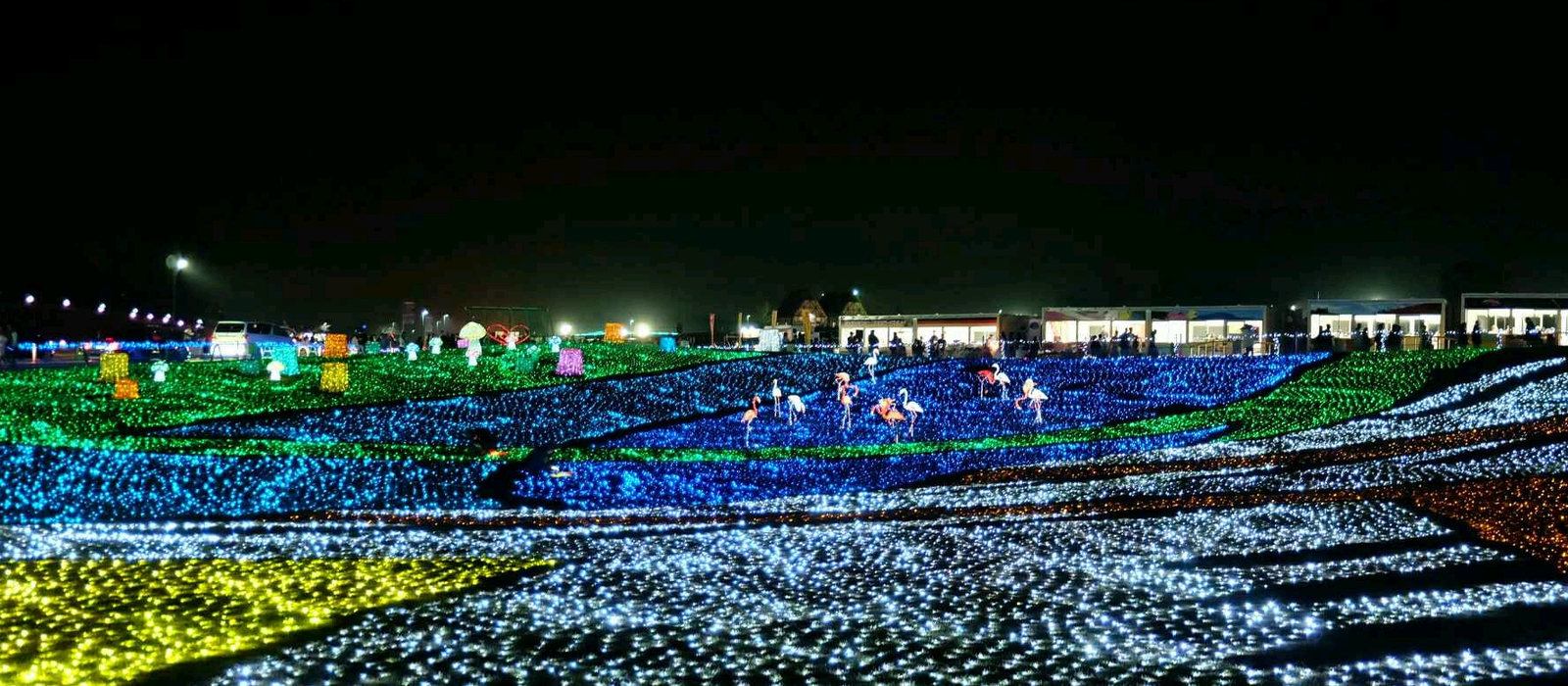
Now, about those lights. Japan goes all in on winter illuminations, turning whole streets and plazas into light displays through the month, with Tokyo and Osaka standing out in particular. However, unlike in the West, Japan celebrates Christmas more as a romantic occasion than a religious one, so it's more about the atmosphere and a nice evening out in the cold.
Christmas might be the first thing that comes to mind in December, but there's also the Chichibu Night Festival worth catching while you're here. Held on the 2nd and 3rd of December in a mountain town about ninety minutes from Tokyo, it's one of Japan's three great float festivals and the only one held in winter, with huge lantern covered floats hauled up a steep slope and over two hours of fireworks on the main night. It's close enough to do as a day trip from Tokyo, though the trains back afterwards are absolutely jam packed, so it's worth thinking about staying the night.
Another thing you have to plan around is the new year. The last week of December flips completely, from around the 28th it becomes one of the busiest travel weeks in the country, on a par with Golden Week and Obon, as people head home for the holidays. Trains fill up, accommodation books out months ahead, and prices jump. If your trip runs into that window, book it as early as you possibly can. Otherwise, aim for early December and you'll dodge the worst of it.
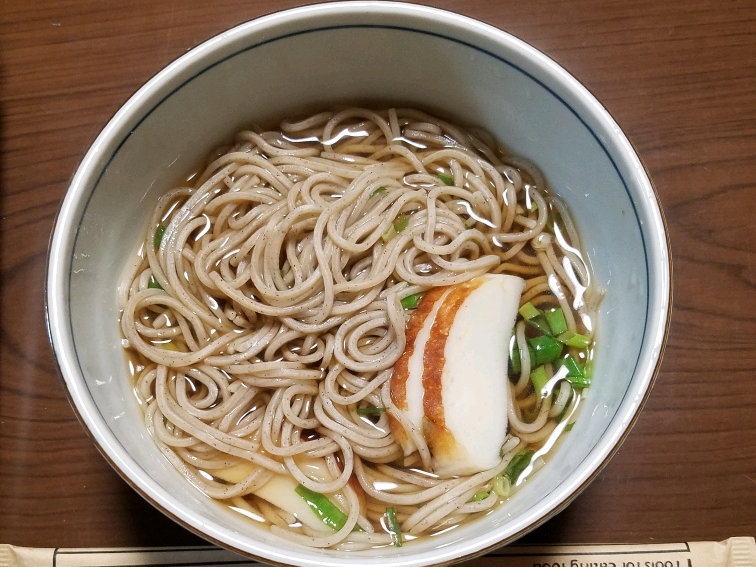
December is also a great month for food. The Japan Sea coast has its winter seafood at its peak, snow crab especially, and it pairs perfectly with an onsen trip. There are a couple of seasonal quirks too, toshikoshi soba, the buckwheat noodles eaten on new year's eve to see off the old year, and, more improbably, KFC, which has somehow become the classic Japanese Christmas dinner, to the point where people order it weeks ahead.
December Weather and the Winter Scene
December gets steadily colder as it goes, and it varies a lot depending where you are. Tokyo is around 8 to 12 degrees in the first half, dropping to 5 to 9 by the end, cold enough for a warm coat but usually dry and clear along the Pacific coast. Kyoto is much the same with a slightly better chance of a light snowfall, which, with the last of the autumn leaves still hanging on early in the month, makes the temples look great.
However, places like Kanazawa, Niigata and Akita along the Japan Sea side get their first bit of snow through the month, with the mountains well into winter by mid December. Hokkaido is cold and snowy with the ski resorts at Niseko, Furano and Rusutsu up and running and fresh powder snow to go with it. Down the other end, Okinawa stays mild in the high teens, so it's there if you want the December atmosphere without the cold. One nice bonus of the clear winter air on the Pacific side is that you get some of the best Mount Fuji views of the year, from the shinkansen and around the Fuji Five Lakes.