What January Feels Like
Once the new year celebrations die down in the first few days, January becomes a cheaper, easier time to get around. The cold is real, but the prices drop, the domestic crowds thin out once everyone's back from the holidays, and the whole place feels calm after the new year rush.
Why January Can Be a Great Time to Visit and How to Plan It
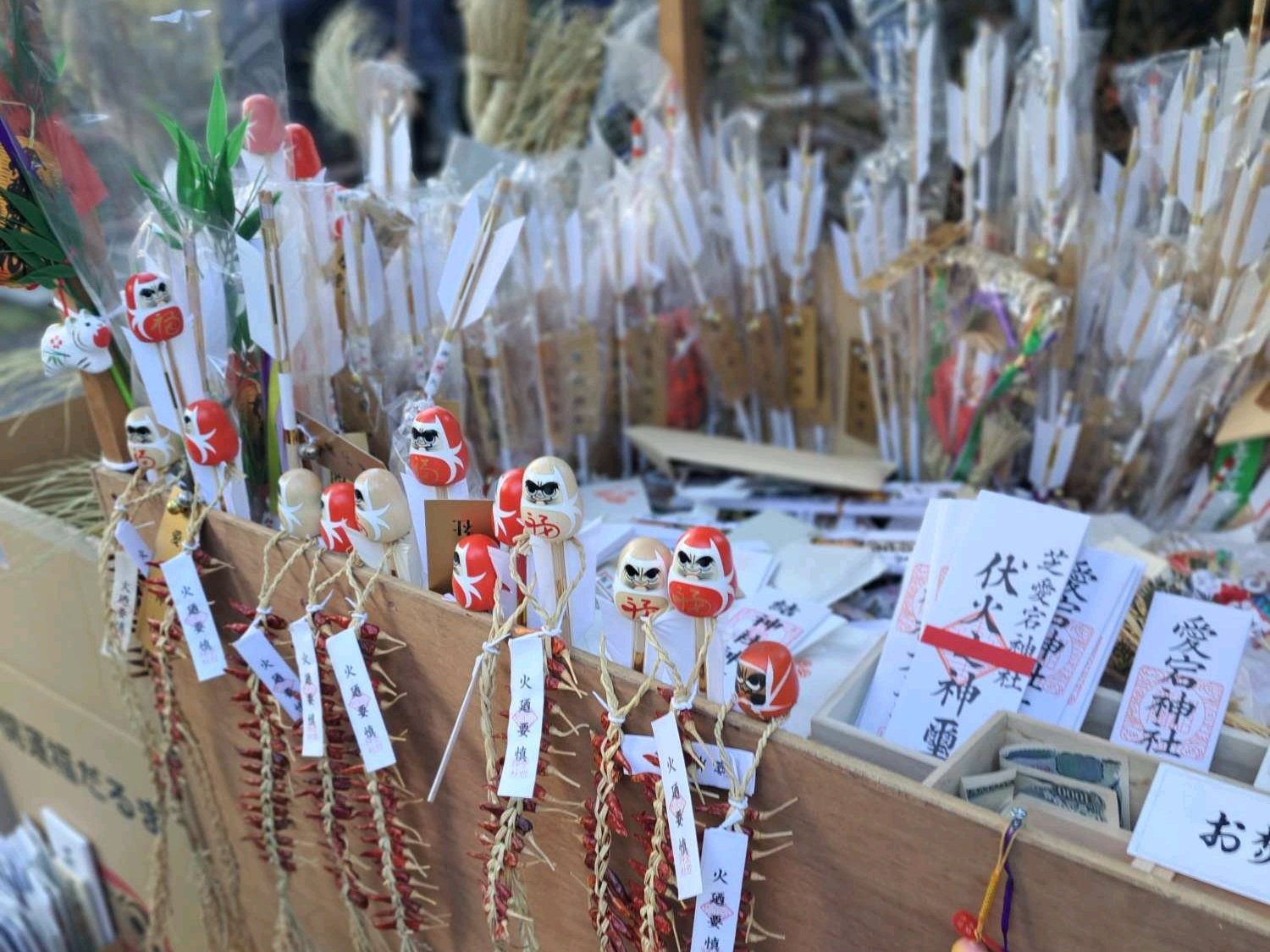
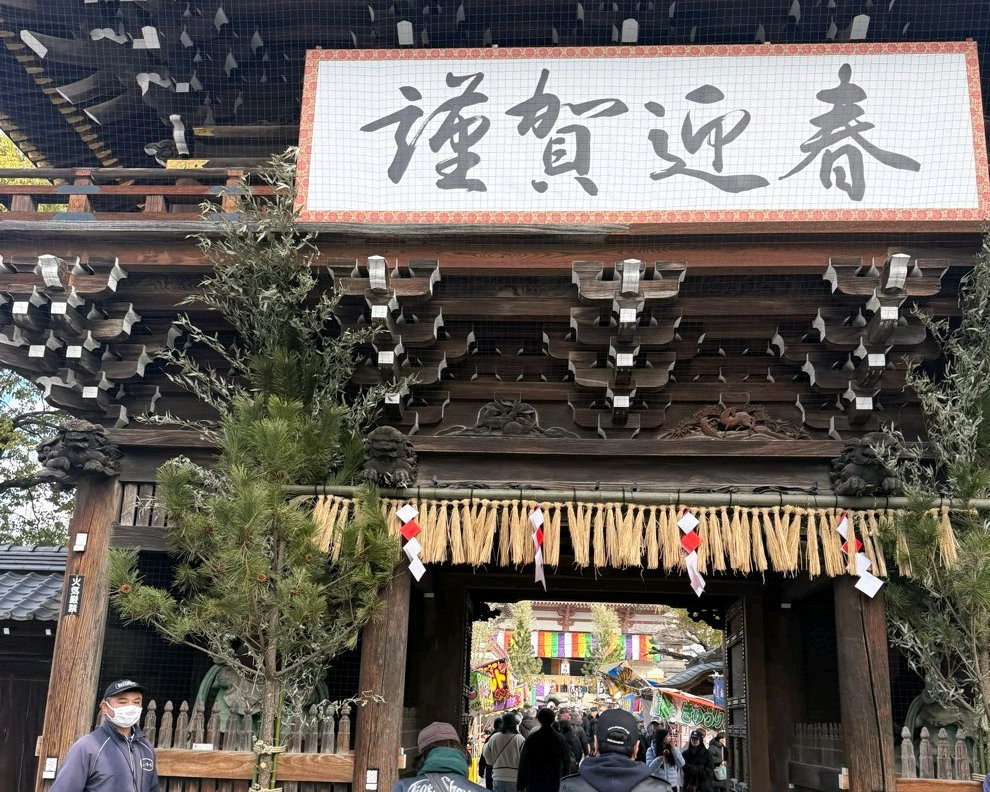
The big draw in January is the new year, which is the most important cultural moment of the year in Japan. The main tradition is hatsumode, the first shrine or temple visit of the year, and joining in over the first few days of January is a great way to get a feel for it. Meiji Shrine in Tokyo, Fushimi Inari in Kyoto, Naritasan in Chiba, Ise Jingu in Mie and Dazaifu Tenmangu in Fukuoka are some of the most popular spots, each with its own character.
Beyond the new year, there's plenty else on. January gives you some of the best Mount Fuji views of the year, with the cold, clear air showing off the snow capped peak from the shinkansen and around the Fuji Five Lakes. The powder skiing up in Nagano, Niigata and Hokkaido is some of the best in Asia, and if you're in Tokyo mid month, the first grand sumo tournament of the year runs from the 12th to the 26th.
Another thing going for January is the value. Once the first week is out of the way, it's one of the cheaper, calmer times of the year, with lower room prices than the spring and autumn peaks and fewer domestic travellers at the big sights. It's worth knowing that overseas visitor numbers are actually high in January, and Chinese New Year lands in the month some years and pushes things up, but on the whole it's an easier and better value time to travel than the headline seasons.
January is a great month for food, too. The winter seafood along the Japan Sea coast is at its peak, with snow crab, yellowtail and oysters all in season, and it goes perfectly with a soak in an onsen to warm up afterwards.
The main thing to plan around is that first week. The new year period drives a lot of domestic travel, so the shinkansen and express trains are heavily booked from around the 2nd to the 4th as people head home after the holiday, and rooms near the popular shrines fill up early. If your trip falls in that window, book well ahead. From the second week on it eases right off and January becomes one of the easiest months to find good rooms at good prices. One last thing worth knowing is that a lot of shops and restaurants keep reduced hours over the first week for the new year holiday, so check ahead if you're travelling early in the month.
January Weather and the Winter Scene
January is the coldest month of the year in Japan, especially in mid to late January, but how cold it gets depends a lot on where you are. Tokyo averages around 5 to 9 degrees through the month, with the odd dip below freezing at night, though it only actually snows a handful of times each winter, and when it does the city looks great for a day. Kyoto is similarly cold and gets the occasional snowfall too, which is when you get to appreciate the old temples and gardens in a whole different way.
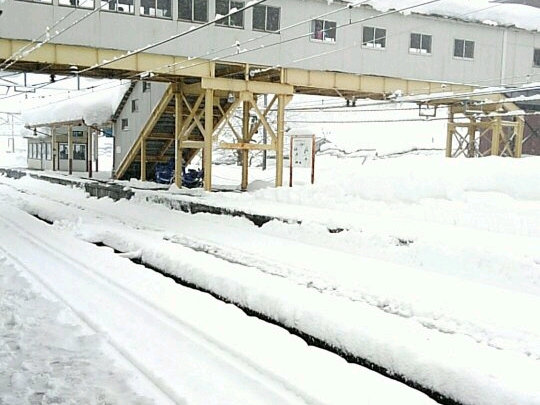
The Japan Sea side gets the worst of the winter, with Kanazawa, Niigata, Akita and the San'in coast all getting heavy snow through January, making it worth checking road and train conditions before you go. The Pacific side, from Tokyo down through Nagoya and Osaka into Kyushu, stays mostly dry and clear with cold but manageable temperatures. Hokkaido is deep into its winter, cold and heavily snowed, and really at its best for skiing and the winter festivals rather than general sightseeing. Okinawa sits apart from all of it, mild and occasionally rainy in the mid teens, and comfortable enough to be outdoors.