What July Feels Like
Somewhere around the middle of July, the rainy season breaks, and Japan flips into full summer almost overnight. The grey skies give way to brilliant blue, the heat arrives in force, and the cicadas start up their nonstop racket. It's hot and sticky, and there's no way around that, but it's also when the country feels most alive. Festival season hits its peak, the fireworks start up, and on warm evenings you'll see people out in yukata heading off to the local festival.
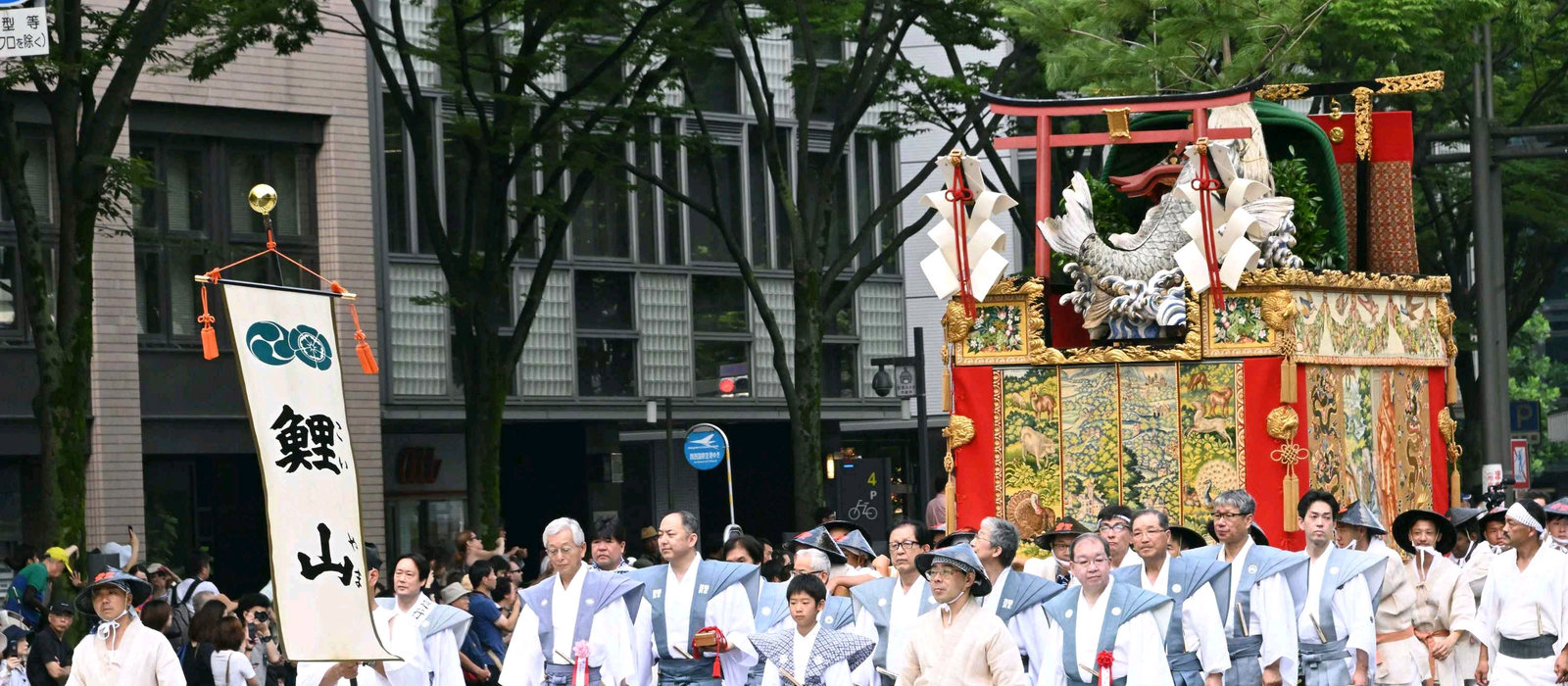
That summer energy is the whole draw of July. The days are long and hot, the nights stay warm, and there's almost always something on, a fireworks display over the river, food stalls packed around the shrine, a festival in the next town over. It's Japan at its loudest and liveliest, and if you can handle the heat there's nothing else like it.
Why July Can Be a Great Time to Visit and How to Plan It
Festivals are the big reason to come in July. The season hits its peak this month, headlined by Kyoto's Gion Matsuri, which runs the whole month and is one of the most famous festivals in the country. The atmosphere gets even livelier with the summer fireworks that light up rivers and bays all over Japan through July and August.
You do pay for all that in sweat, though. The summer heat in the cities is serious, and you have to build your days around it. Get your outdoor stuff done in the cooler morning hours, duck into museums, department stores and the shopping arcades through the worst of the midday heat, then head back out in the evening for the festivals and fireworks once it cools off.
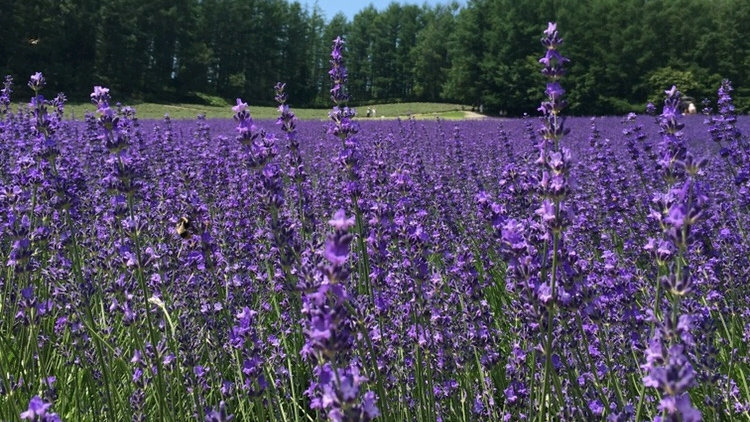
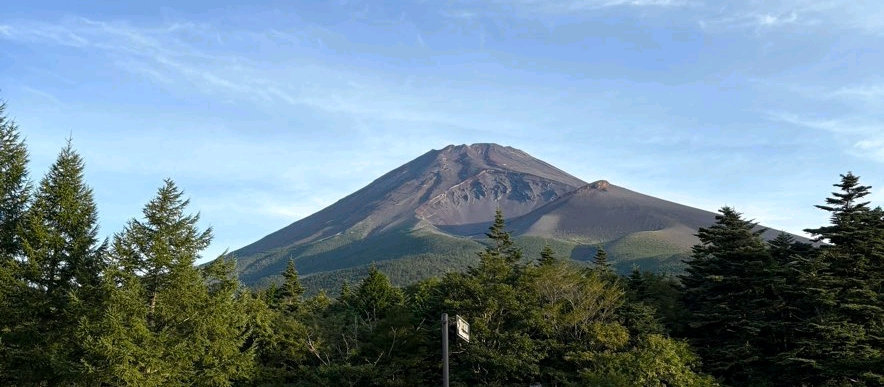
One of the best ways to beat the heat is to head for the mountains, where the air is noticeably cooler, the hiking season is in full swing, and the alpine meadows are covered in wildflowers. It's also the one time of year you can climb Mount Fuji. And Hokkaido, as always, sits outside the worst of the heat, mild and clear with the lavender at its peak.
If you've got two weeks, splitting them between the festivals and the mountains works really well. Spend the first week around Kyoto and Kansai for the Gion Matsuri and the summer city buzz, then head up into the Japan Alps or Tohoku highlands to cool off. With only a week, commit to one thing, whether that's Kansai timed to the Gion float processions, Hokkaido for the clear weather and the lavender, or the Nagano and Tohoku mountains for the cool air and the wildflowers. The summer destination guides have more on each.
July Weather and the Summer Outdoors
July heat in the cities is no joke. Tokyo, Osaka, Nagoya and Fukuoka all regularly hit 33 to 35 degrees, the humidity makes it feel even hotter, and it often stays warm well after dark, so keep a water bottle handy wherever you go.
Up in the mountains it's a different climate altogether, with the Japan Alps, the Tohoku highlands and the Nagano ranges running a good 5 to 10 degrees cooler than the cities below. The hiking trails are all open and the alpine meadows are at their most colourful with summer wildflowers. This is also Mount Fuji's climbing season, which opens on the 1st of July and draws big crowds right through summer, so if you're planning to climb, book your mountain huts and lock in your timing well ahead.
The one weather curveball to know about is typhoons, which start becoming a factor in the south through July, with Okinawa and Kyushu the most likely to cop them. If you're planning to go through those areas, it pays to watch the forecast and keep your plans a little flexible.