What May Feels Like
May might be the most comfortable month of the whole year to be in Japan. The cherry blossoms are done, the summer heat hasn't kicked in yet, and the whole country turns a fresh, vivid green, the mountains, the rice paddies and the city parks all coming back to life. Warm days, mild evenings, and none of the sweatiness that shows up a month or two later.
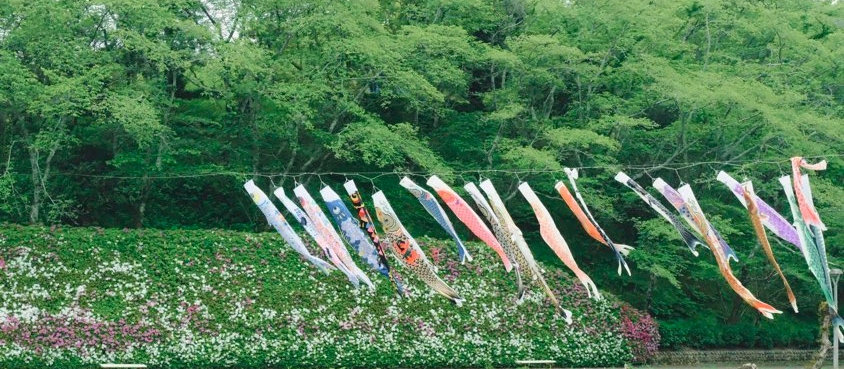
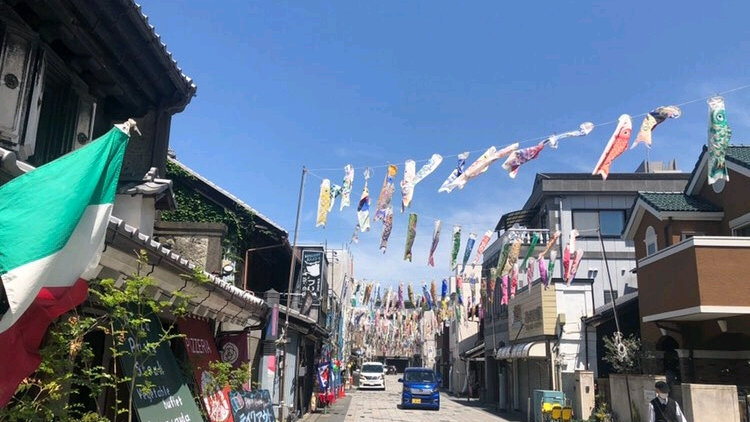
It's an easy month to just be outside. The days are long, the weather mostly does what you want, and you can wander gardens, castles and countryside without either battling crowds for blossoms or melting in the humidity. The one big exception is Golden Week at the start of the month, when the whole country is off on holiday at the same time, but more on that below.
Why May Can Be a Great Time to Visit and How to Plan It
For sheer ease of travel, May is hard to beat. The weather's great, everything's open, and you're not fighting the blossom crowds or the summer heat. Up in Tohoku and Hokkaido the cherry blossoms are still going for the first couple of weeks, so if you time it right you can even catch the tail end of the season in the north while the rest of the country enjoys the fresh green.
The one thing you have to plan around is Golden Week. It's a stretch of back to back public holidays at the very start of the month, roughly the 29th of April to the 5th of May, and it's one of the biggest domestic travel periods of the year. The whole country is on the move, so rooms book out months ahead, prices spike, the shinkansen is packed, and the big sights are as busy as they ever get. If your trip has to fall over Golden Week, book everything as early as you possibly can.
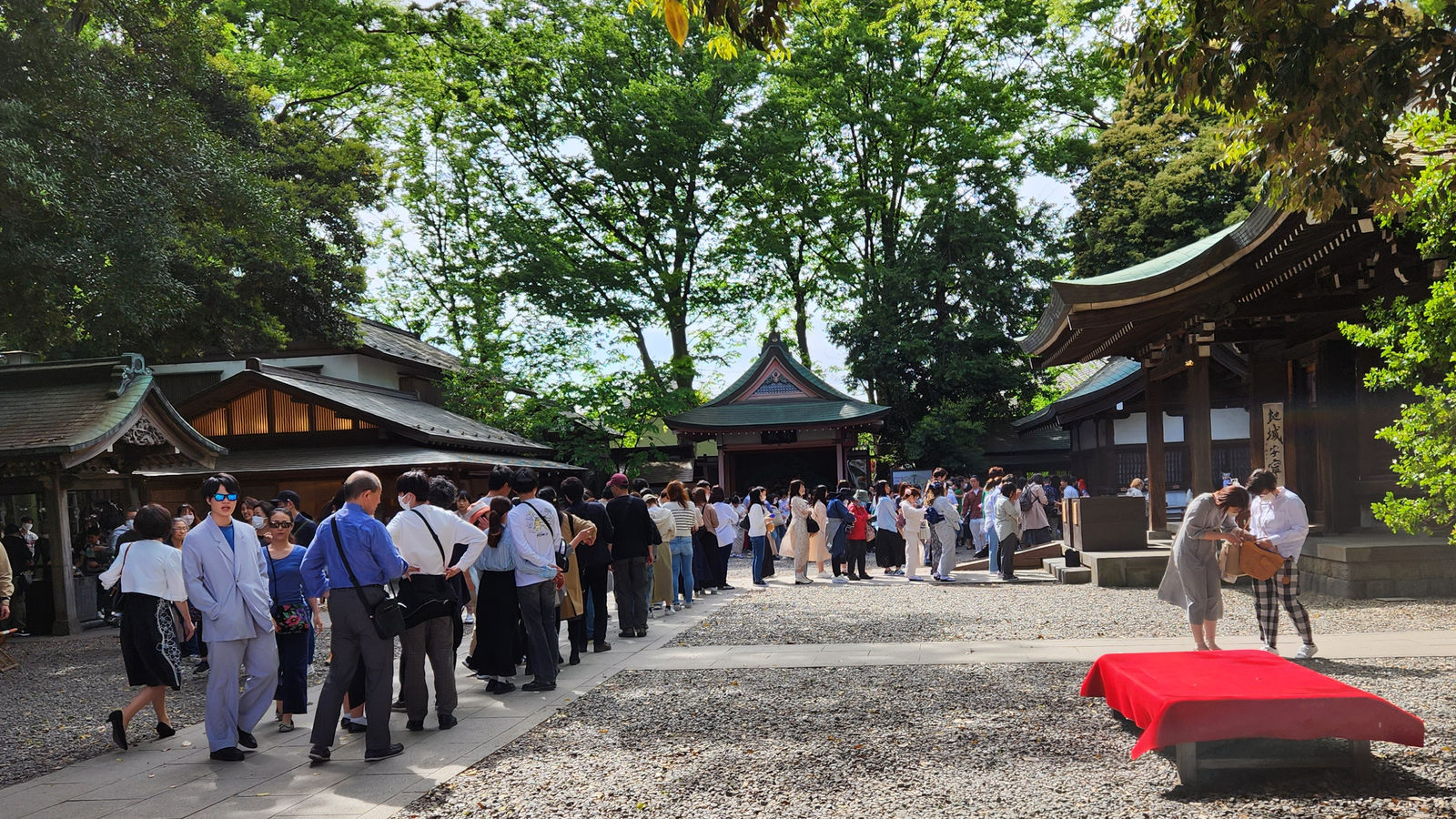
Here's the insider bit. The week straight after Golden Week, roughly the 6th to the 12th, is one of the best value windows in the entire year. The domestic crowds are back at work, the blossom rush is over, the weather's lovely, and room prices drop back to normal. If you can line your trip up for right after the holiday, you get May at its best with barely anyone around.
For pacing, two weeks works nicely if you start north and work down south. Catch the last of the blossoms in Tohoku and Hokkaido early in the month, then come back down through the central and western regions for the fresh green in the second half. For one week, it's worth picking one region, either the north for the late blossoms, Kyoto and Kansai for temple gardens at their greenest, or the Japan Alps for the highland season opening and the snow corridor.
May Weather and What's in Bloom
May weather is about as good as Japan gets. Tokyo sits around 15 to 22 degrees, Osaka and Kyoto a touch warmer, and Shikoku and the Chugoku coast are at their best, mild and dry along the Inland Sea. Fukuoka and the south edge toward summer by late May, and even Sapporo climbs into the high teens now winter's let go up there. Most of the month stays clear and dry across the areas most people visit, so you can plan full days outside without much worry about rain.
The rainy season does start creeping in, but not where most people go. Tsuyu usually begins down in Okinawa around mid May and works its way up to the rest of Japan, though it doesn't normally reach Tokyo and Kanto until mid to late June. So unless you're heading to Okinawa or the far south, May stays mostly dry. Up north, the last of the cherry blossoms finish in Hokkaido and northern Tohoku through the first couple of weeks.
The mountains are a different world in May. The Alps and the Tohoku highlands are only just coming out of winter, and roads and trails that were shut all season start reopening. The big one is the Tateyama Kurobe Alpine Route in Toyama, where the snow walls tower over the road at their most enormous through May before the summer melt shrinks them down. If you want proper snow scenery this late in spring, that's where to find it.