
What September Feels Like
The summer holidays wrap up fast once September arrives. Kids go back to school, the Obon rush is done, and the big sights suddenly have room to move again. It's still properly hot for most of the month though, and the evenings stay warm and sticky longer than you'd think. The real relief doesn't kick in until the last week or so, when it finally starts feeling like autumn rather than a cooler version of summer.
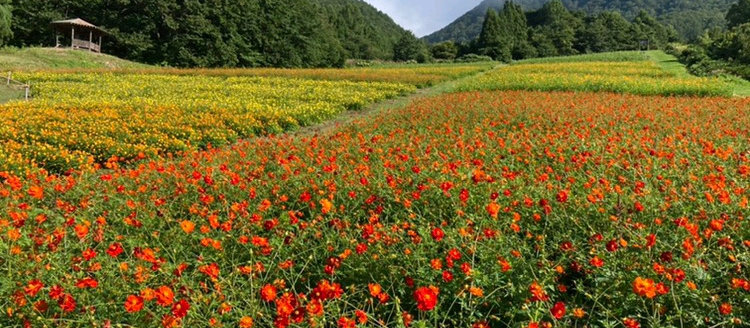
Out in the countryside it's harvest time. The rice fields turn gold and get cut through the month, chestnuts and the first sanma of the season start showing up on menus, and you get that first proper hint of autumn in the air. Food is a huge part of autumn in Japan, and September is where it all starts.
Why September Can Be a Great Time to Visit and How to Plan It
If you're travelling on a budget, September rewards you for it. Prices ease off after the summer holidays, the queues shrink, and conditions get better week by week. You're also right on the edge of autumn, close enough to catch the first colours without paying October prices.
The catch is typhoon season, which peaks this month. Most September trips are completely fine, but this is when the year's biggest storms tend to show up, so it pays to stay flexible. Make sure to book stays with free cancellation and don't stack the itinerary too tight, and considering travel insurance for this month isn't a bad idea either.
The one thing to keep an eye on are the public holidays in the second half of the month. Respect for the Aged Day and the autumn equinox land close together, and in some years they line up into a five day break, sometimes called Silver Week, when a lot of Japanese travellers head off for one last trip. It's the exception to everything above, prices jump and the popular spots get busy for those few days, so check the dates for your year before locking anything in.
For where to actually go, the mountains are the move in September. They've got crisp air and the first colours while the cities are still sweaty, and up in Hokkaido the Daisetsuzan peaks start turning from the middle of the month, the earliest autumn foliage in the country. A split between one big city and the mountains works nicely, and our autumn destination guides cover where the colour is as the season moves.
September Weather and Typhoons
Weather in September splits sharply by region. Across most of the country, from Tokyo and Kyoto down through Osaka, Hiroshima and Fukuoka, the first half of the month is still summer, regularly low 30s with heavy humidity and nights that stay warm well after dark. The heat hangs on later than people expect, then eases off in the last week or so as things finally turn comfortable. Head to Shikoku or Kyushu and it's the same story, hot and sticky early, better late.
The two exceptions sit at either end of the country. Hokkaido is already cooling into autumn, with Sapporo in the low 20s by day and cool evenings, while down in Okinawa it's still full summer all month. Wherever you're headed, pack for summer, and add a light layer for the evenings later on, or something warmer if Hokkaido's on the list.
September is the peak of typhoon season, and the strongest storms of the year usually turn up this month. Okinawa, Kyushu, Shikoku and the Pacific side of Honshu see the most action. Kansai gets off relatively lightly, since the mountains around Osaka and Kyoto blunt the worst of most storms. Good news is you'll see them coming. Typhoons are forecast well ahead, so the worst you're likely to cop is a day of cancelled trains and grounded flights while it passes.