
Walking the Nakasendo
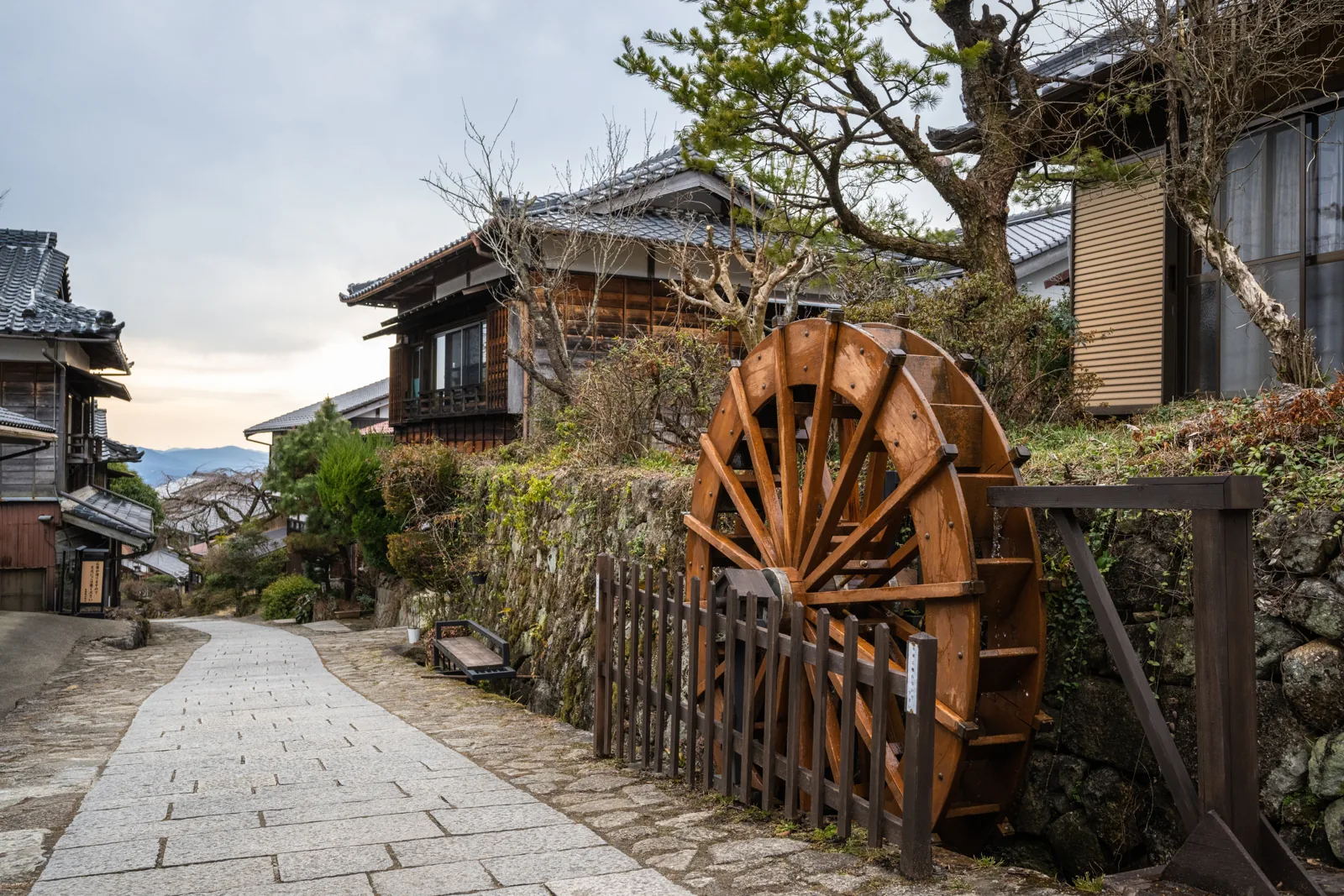
The Nakasendo was a historic road connecting Edo, now Tokyo, with Kyoto. Most visitors walk selected surviving sections rather than the entire road. Magome to Tsumago is one popular introduction, combining post towns, forest paths and rural roads.
Plan the visit around the walking section and its transport connections. The old towns are also worthwhile without a through walk, while a longer Kiso Valley stay lets you explore more than one area without treating every stop as part of a single continuous trail.
One day or a longer stay?
A day walk
Choose Magome to Tsumago if you want a clear route between two towns. Allow time for reaching the start, exploring both towns, meals and the onward connection as well as the walking itself.
Two or three days
Stay locally and add another town or researched walking section. Book lodging and meals first. This should be a series of realistic days, not an assumption that every preserved town links by an easy trail.
Towns without the through walk
Visit Magome, Tsumago or Narai using their individual transport connections. This suits visitors more interested in buildings, shops and local history, although town streets can still be sloping or uneven.
A longer walking itinerary
Use detailed route resources for each stage. Modern roads, separate preserved sections and accommodation gaps mean the historic road is not one uniform recreational footpath.
The Magome to Tsumago section
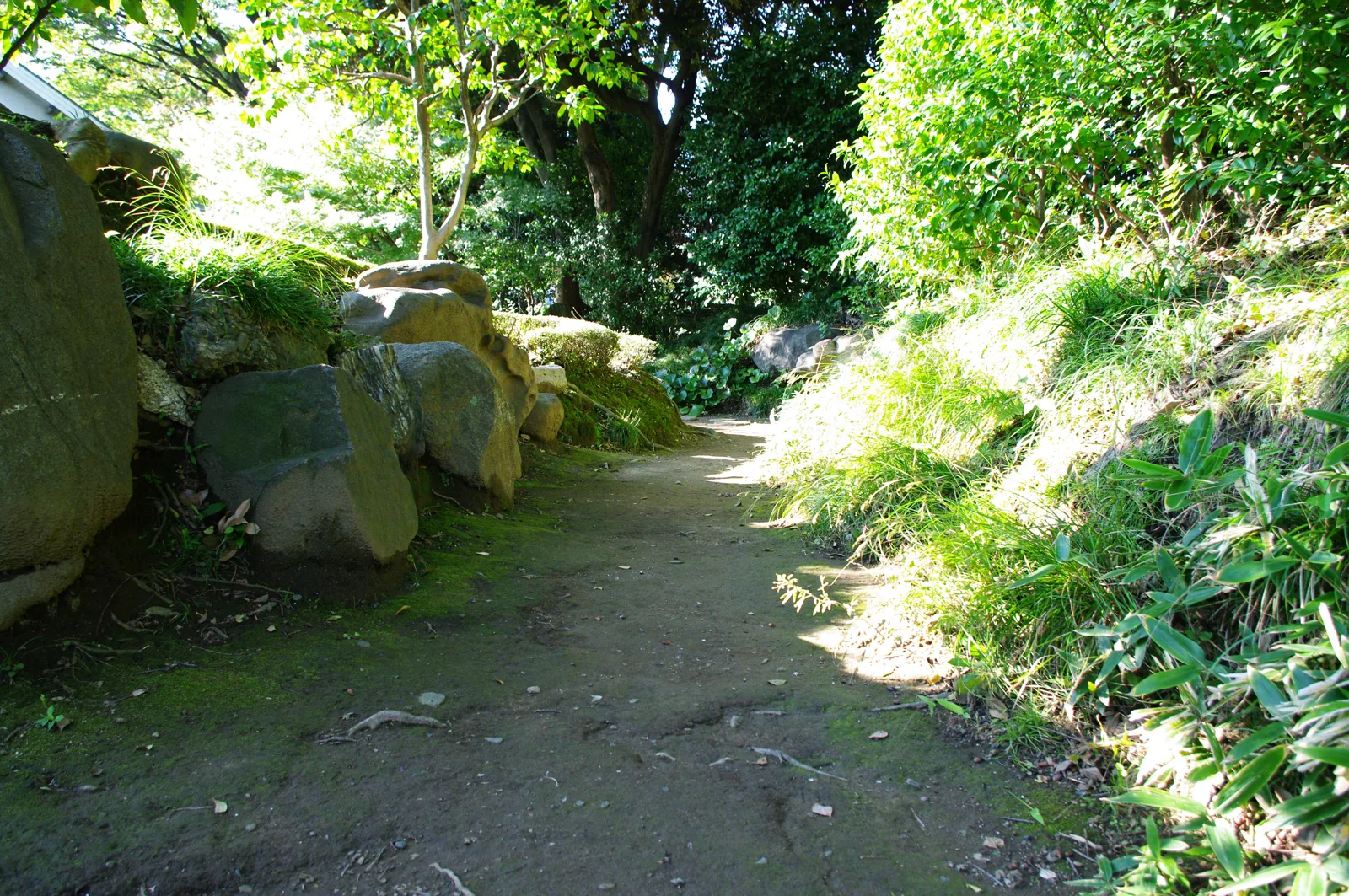
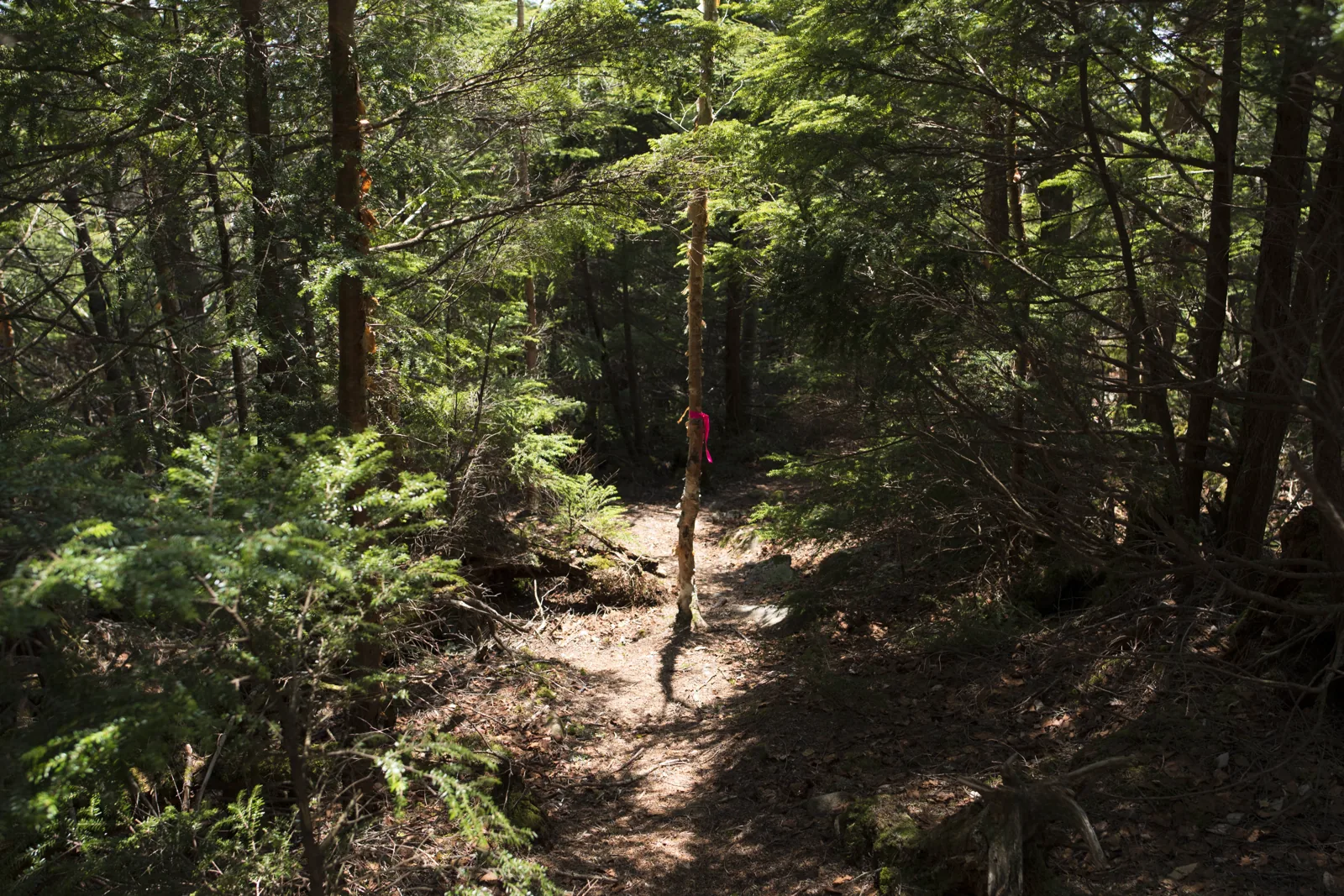
Treat the roughly 8 km walk as a half day activity once stops are included, then add transport and town visits. The surface changes between forest paths, stone paving and local roads. It is not an entirely flat promenade, and wet leaves, ice or rain can change the footing.
Choose a direction that fits the day
Magome is higher than Tsumago, so starting there generally means less overall climbing, but the route still crosses a pass. Transport and accommodation may make the reverse direction more practical.
Allow more than walking time
Build in photographs, rest stops and looking around the towns. Start early enough that a slower pace does not leave you racing for the last connection.
Wear suitable shoes
Use footwear with grip and carry rain protection. Suitcases are unsuitable for the trail. Keep the walking load manageable and arrange larger luggage separately.
Check the current route
Read local trail notices and follow signed diversions. Snow, storm damage or temporary closures can make a familiar online itinerary unsuitable on your date.
Use Kiso tourism information and Tsumago’s official visitor information for local planning, maps and current arrangements.
Transport, luggage and meals
Plan the arrival connection
Magome is commonly approached through Nakatsugawa and Tsumago through Nagiso. Check the actual train and bus services for your date, not every train stops at every station.
Check the route after the walk
Work out how you will reach your hotel or onward train from the finishing town. Do not assume frequent buses or that a taxi will be waiting without a booking.
Arrange luggage before leaving
Ask about available transfer services, operating dates, drop off deadlines and collection location. If a seasonal service is unavailable, use confirmed storage or a different forwarding plan.
Bring food and water
Buy what you need before the walk. Small shops and restaurants may close on different days or finish serving early, and a rest stop on a map is not a guaranteed meal.
Reach accommodation on time
Local inns may serve dinner at a fixed time. Give the host your expected arrival and allow for delays before taking on extra sightseeing.
Adding another stop
Narai
Explore it as its own destination using its rail connection. It is not the immediate next village after Tsumago. A walking route beyond town needs its own map, timing and weather check.
Kiso-Fukushima
Consider the transport connections and accommodation choices when planning several days. Pick specific outings rather than assuming a base in the valley makes every trailhead equally convenient.
An extra night near the walk
An overnight stay can reduce pressure on the arrival or departure day. Confirm where the inn is relative to the trail and whether it provides meals. Staying nearby does not automatically solve the last transport connection.
Walking through inhabited countryside
Keep to marked public paths, close gates where instructed and respect private gardens and houses. Carry rubbish out, use designated toilets and ask before photographing residents. The towns are places where people live, not outdoor sets.
Check current local wildlife advice, including bear notices, and follow any route closure or guidance. Save a map offline, carry a charged phone and know where you can leave the route. If weather or trail conditions deteriorate, change the plan rather than improvising an unmarked shortcut.
Common questions
Does Magome to Tsumago cover the whole Nakasendo?
No. It is one section of a much longer historic road.
Can I walk in either direction?
Yes, when the route is open. Compare the climbing, transport connections and accommodation before choosing a direction.
Can I transfer my luggage between the towns?
Services and operating periods vary. Confirm the current arrangements and deadlines before relying on a transfer.
Can I enjoy the towns without hiking?
Yes. Plan their individual transport connections and allow for sloping or uneven streets.