
Pilgrimage routes in Japan
You can visit a few sacred sites, walk one section of a pilgrimage route or organise a journey lasting several weeks. Choose the level of commitment first. Visiting a temple by train and walking a long mountain route are both meaningful outings, but they require very different plans.
You do not need to follow a particular religion to visit many of these places. Treat ceremonies, buildings and local customs with respect, and follow the rules of each site. The walk should fit your abilities and available time rather than a sense that you must complete an entire circuit.
How much of a route to take on
A temple or shrine visit
Suitable within a city or regional itinerary. Allow time for the grounds and any booked programme, and check the last admission or office hours separately from access to the grounds.
One walking section
Choose a named start and finish, distance, ascent and transport connection. A short mountain section can still be steep or slippery. Distance alone is not a difficulty rating.
Several days on foot
Book compatible daily stages and accommodation before filling the rest of the trip. Include meals, luggage and a way to stop early if weather or fatigue changes the plan.
A longer circuit
Requires sustained time, budget and physical preparation. Decide how much you will walk and where transport is appropriate. Keep flexibility for rest, weather and accommodation availability.
Choosing a route
Kumano Kodo, Wakayama and the Kii Peninsula
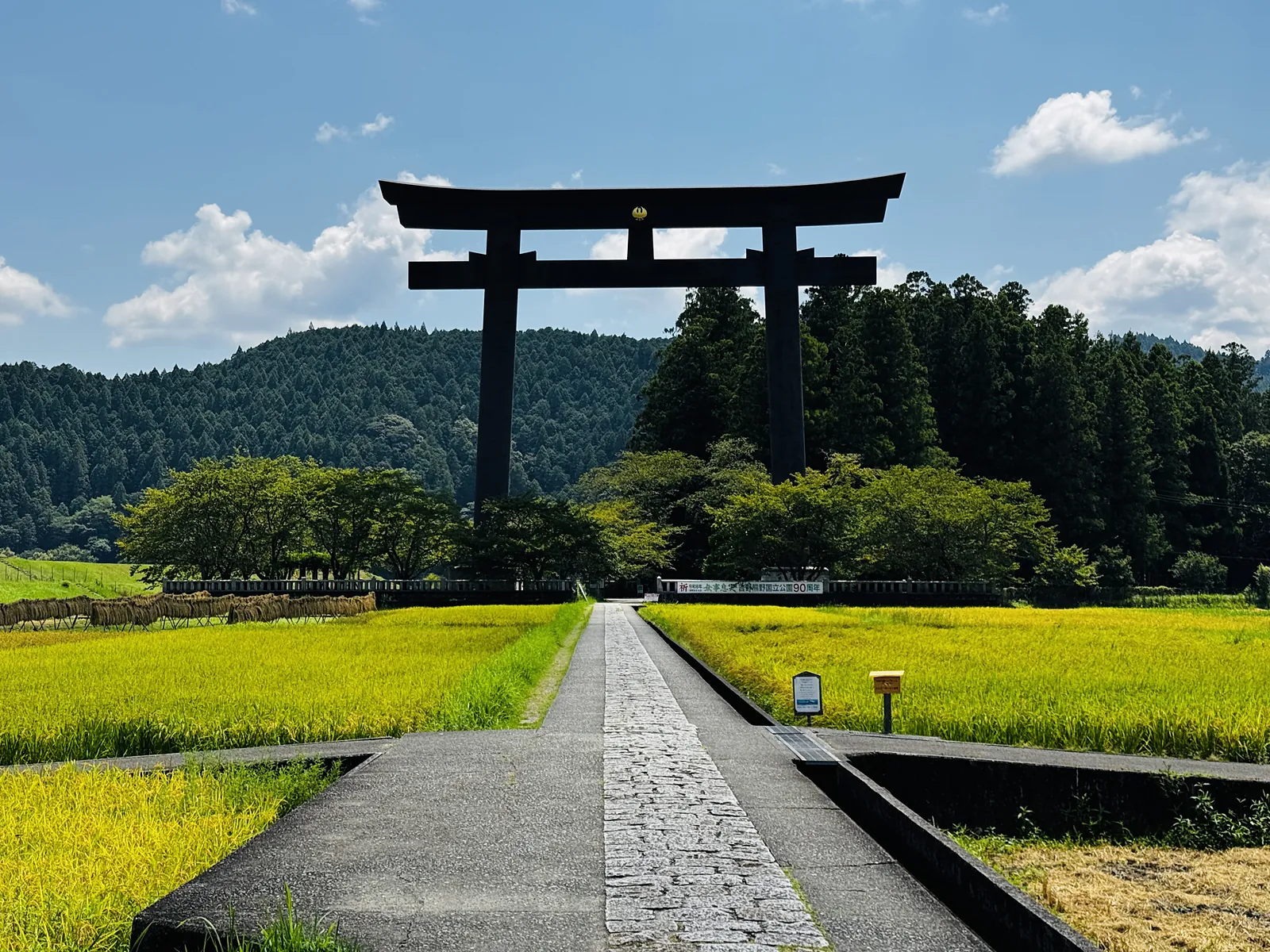
Kumano Kodo is a network, not one trail with a single length. Nakahechi itineraries can combine mountain paths, settlements and major shrines. Use the Tanabe City Kumano Tourism Bureau route information to compare the exact stages, elevation and transport. A multiday route should be built around confirmed lodging and current trail information.
Shikoku pilgrimage
Temples are spread across four prefectures, and a complete walking circuit is a major undertaking rather than a few days of hiking. Select a manageable group if time is limited. Road walking, heat, climbs and the distance to accommodation matter as much as the temple count. Walking and transport based visits need different schedules.
Koyasan, Wakayama
An overnight temple stay can include specified meals or observances, depending on the property. It does not require walking a long approach route. If walking in, research that trail independently and arrive in time for the lodging’s check-in and dinner requirements.
Sacred mountain visits
Choose an established visitor route and check its seasonal opening, facilities and restrictions. Steps and forest paths may demand more effort than the description “temple visit” suggests. Do not enter closed or restricted areas simply because a mapped path continues.
Planning each walking day
Check the named stage
Use a current route map with ascent, descent, closures and access points. Distinguish walking time from the full day including worship, meals and breaks.
Confirm where you will sleep
Ask about check-in, dinner, packed lunches and cancellation conditions. Do not rely on arriving in a small settlement and finding a spare room.
Set a departure and stopping time
Leave enough daylight for the route and an unexpected delay. Identify where you can safely shorten the day. A nearby road does not guarantee a bus or available taxi.
Carry what the stage needs
Take water, food, weather protection and offline navigation. Check where supplies are actually available rather than assuming each religious site has a shop.
Tell the next host about delays
Keep contact details accessible and communicate a change of plan early. If conditions make the stage unsuitable, use an established alternative instead of pressing on to protect the itinerary.
Temple stays, stamps and respectful visits
Goshuin
These are religious seals or inscriptions connected with a visit. Follow the office’s procedure, opening hours and payment arrangements. Photography, availability and the type of book accepted may differ.
Route credentials
Pilgrimage stamp programmes and completion certificates have their own rules. They are separate from ordinary goshuin. Check the programme before starting if a credential matters to you.
Temple accommodation
Read the specific property’s schedule. Meals, bathing, morning observances and accessibility vary. Neither private bathrooms nor participation in every ceremony should be assumed.
Dress and conduct
Follow signs, keep voices low where appropriate and ask before photographing ceremonies or people. Let worshippers use entrances and paths without obstruction.
Seasonal heat, heavy rain, snow and storm damage can change a route. Check official local notices close to departure, then adjust the walking plan to conditions. A transport based visit or shorter stage is a valid choice when a longer walk does not fit.
Common questions
Do I need to be religious?
Many visitors come for walking, history or reflection. Follow the customs and access rules of each sacred site.
Must I walk the whole route?
No. You can choose a short section or visit selected sites using transport.
Are goshuin the same as route completion stamps?
No. Religious inscriptions and route credential programmes have different purposes and procedures.
Can I arrange accommodation each evening as I go?
That is risky on routes with limited lodging. Book appropriate stages ahead and confirm meals and arrival times.