Rural Japan
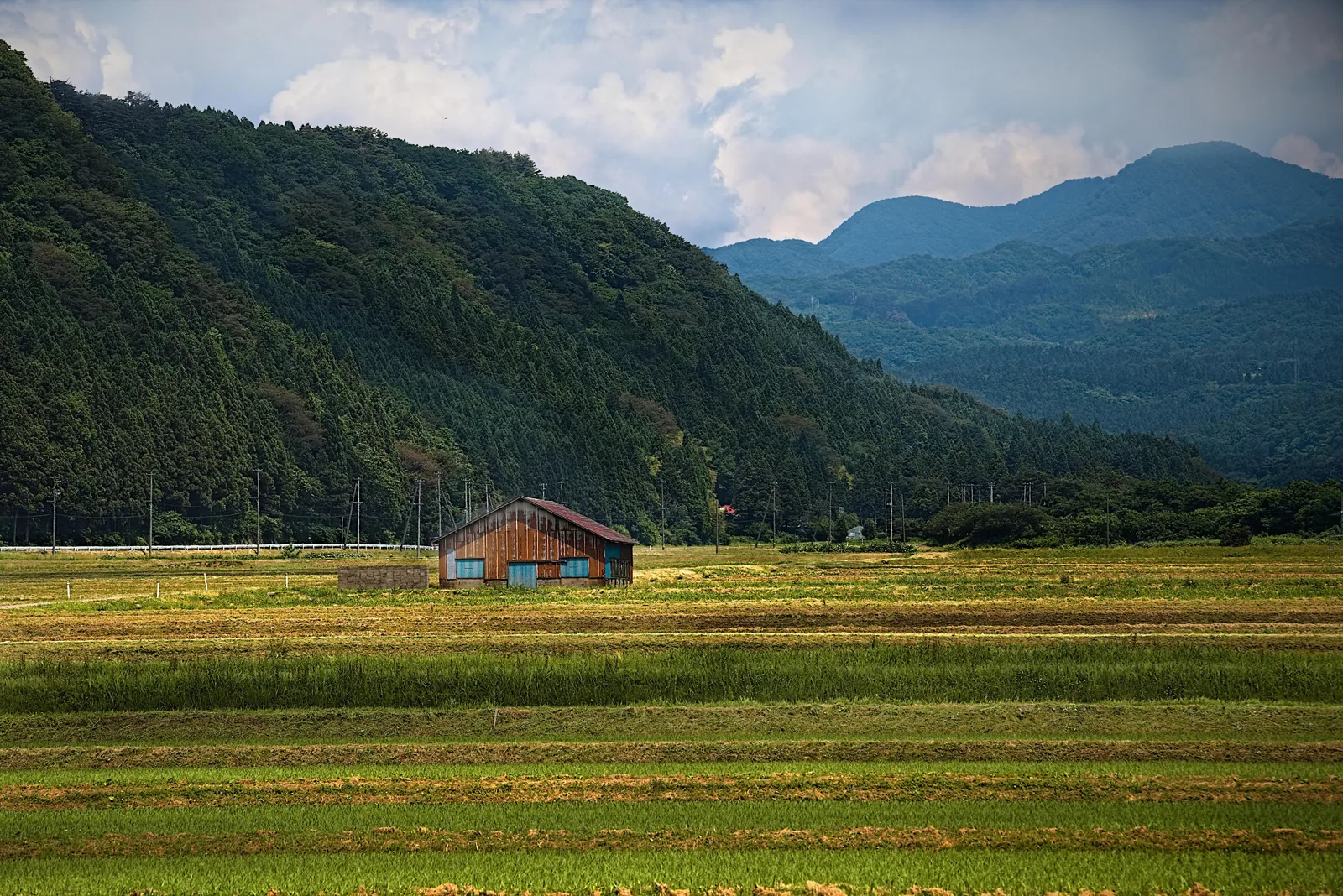
A countryside trip works best when you choose what you want to do there. Walk between towns, stay with a host, explore villages by car or spend a few nights in one small community. These are different trips, with different transport and accommodation needs.
Start with an area that fits the time you have. A village with a direct bus connection can work as a day trip. Scattered valleys and small settlements often need an overnight stay or your own transport. Choose a few places you can reach comfortably rather than collecting distant stops.
Choose the kind of trip you want
Village visit
Good for traditional streets, local shops and a meal within a wider itinerary. Check how long you actually have between arrival and the last useful return service. Famous villages can be busy during the day.
Walking between towns
Choose a mapped route with clear access at both ends. The Nakasendo guide explains a practical example. A line between villages on a map does not establish a suitable walking path.
Hosted countryside stay
Choose a farmstay if spending time with a host or joining a booked activity matters. Confirm what is included, as a rural address alone does not mean meals or farm activities are provided.
A base for several days
Stay in one town and take nearby outings if you want time for walks, markets and changing weather. Two nights can give you a full day without moving luggage, but the right length depends on what is open and reachable.
Areas to consider
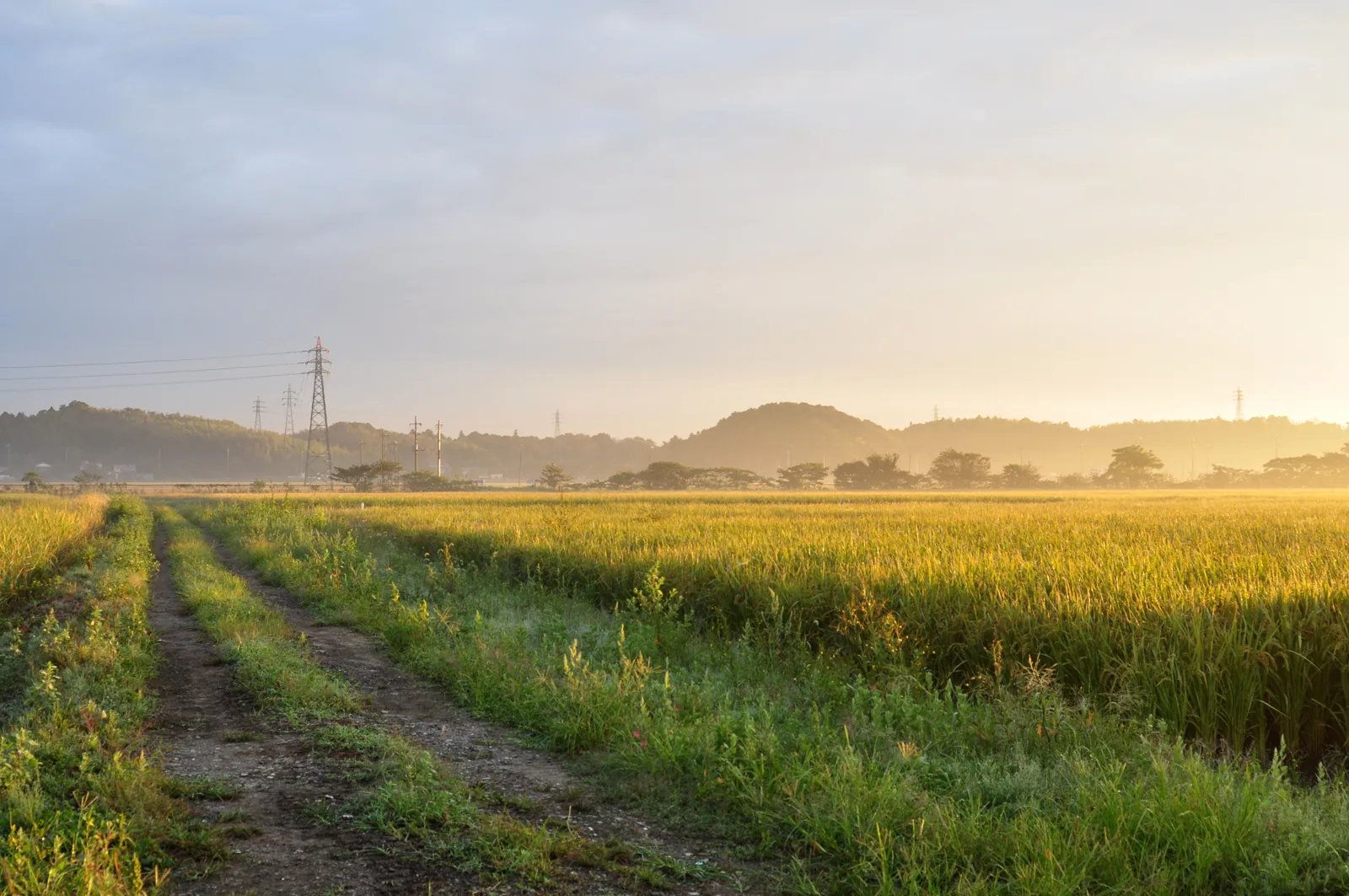
Kiso Valley, Nagano and Gifu
A useful choice when you want to combine rail travel with historic towns. Narai and the Magome to Tsumago area are separate stops, not one walkable village cluster. Check the bus links for each day and decide which trail sections you actually want to walk.
Miyama, Kyoto
Choose a village visit or a specific accommodation experience. Public transport requires more planning than a central Kyoto outing. Match your bus connections to the property and meal time. Homes and fields remain private even when the street is open to visitors.
Shirakawa-go, Gifu
Suitable if architecture is the main interest and you can book the required transport. Expect other visitors rather than an empty village. Staying overnight offers a different schedule, but accommodation and access need arranging in advance.
Iya Valley, Tokushima
A better fit for a carefully planned overnight trip than several rushed stops. Compare the exact bus route with each attraction and accommodation address. Drivers should be comfortable with narrow mountain roads. Short map distances can take longer than expected.
Tono, Iwate
Build the visit around selected museums, village sites or a booked local experience. A bicycle outing needs a realistic route, weather backup and confirmed rental arrangements. Sights outside the centre are not all close together.
Ouchi-juku, Fukushima
Useful alongside nearby towns and accommodation rather than as an isolated long detour. Check the final road connection and seasonal transport. Winter scenery changes the footwear, weather and travel time requirements.
Plan transport and accommodation together
Check the last connection first
Work back from the final bus or train you can use. Distinguish weekday, weekend and seasonal timetables, and check whether advance reservations are required.
Choose a realistic base
Use the accommodation’s exact address, not just its town name. Confirm the route from the station, walking conditions after dark and whether any pickup is actually offered.
Decide whether a car helps
A car can connect scattered places, but parking, narrow roads and winter conditions still limit the day. For a trip without a car, concentrate on a transport corridor or book transfers before arrival.
Arrange meals and luggage
Ask whether dinner requires a meal plan or an arrival deadline. Nearby restaurants may close early or on different days. Forward large luggage only after confirming that the receiving property accepts it.
Keep a workable alternative
Save maps and contact details offline, carry some cash and identify an indoor option. Do not rely on a taxi, ATM or mobile signal being available exactly when you need one.
Visiting a working community
Stay on public routes
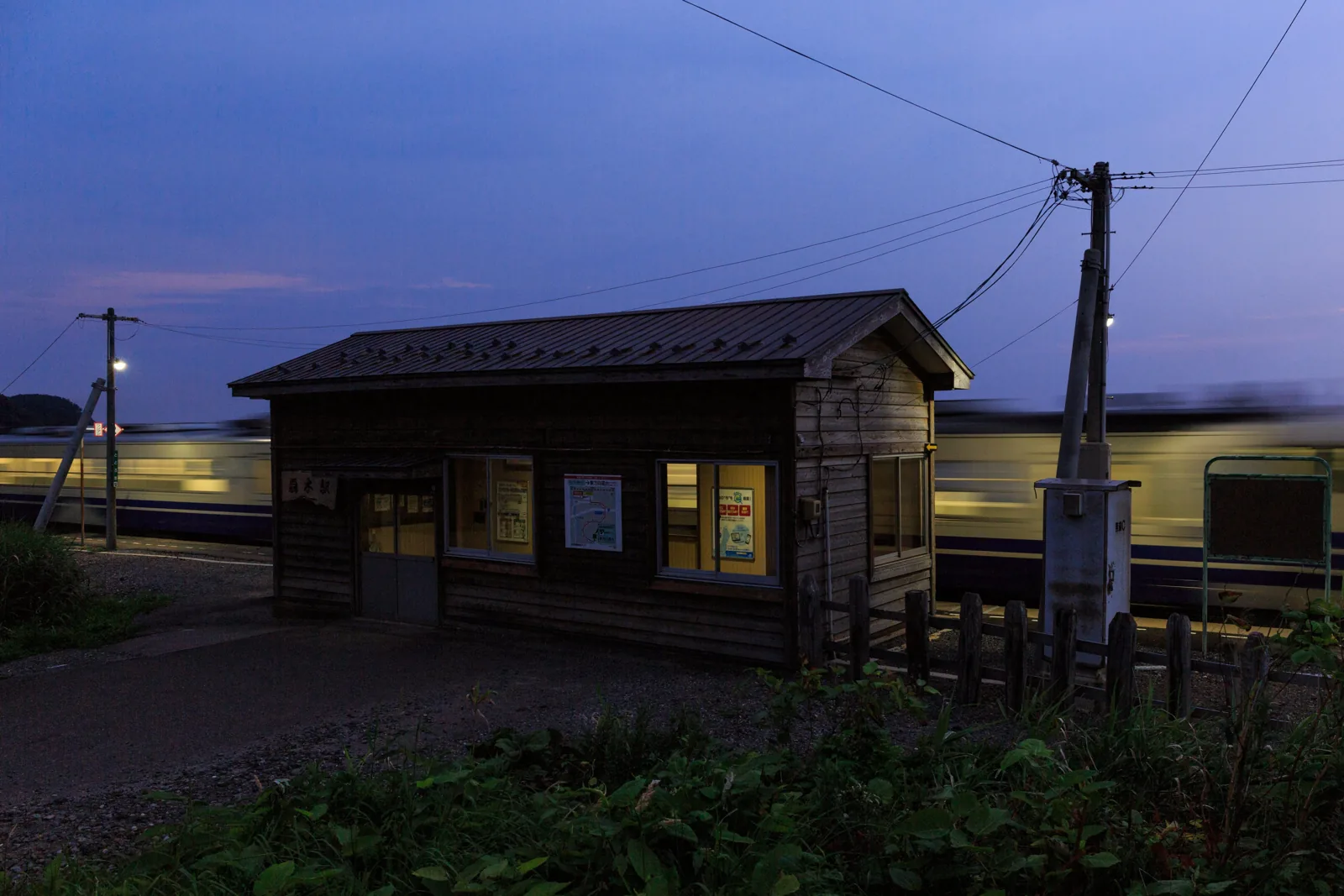
Fields, irrigation channels, house entrances and farm buildings are not visitor spaces unless access is clearly offered. Follow parking signs and leave room for residents and deliveries.
Ask before photographing people
A scenic setting is still someone’s home or workplace. Ask before photographing a host, entering a garden or flying a drone. Local restrictions may apply.
Use local services thoughtfully
Book activities you intend to attend, arrive at agreed times and tell small accommodation providers about delays. A late cancellation can matter when a host has prepared meals for your group.
Choose a season for the activity
Planting, harvest, snow and autumn colour create different visits. Do not expect an agricultural task on demand, and confirm closures and road conditions before committing to a seasonal outing.
Common questions
Can I explore rural Japan without a car?
Yes, if you choose an area around usable rail and bus connections and plan the final connection to your accommodation.
Is one night enough?
It can work for a focused visit. Two nights give you a full day without changing accommodation, but the useful length depends on local activities and transport.
Will shops and restaurants be open in the evening?
Do not assume so. Confirm meals with your accommodation and check individual opening days.
Is every rural accommodation a farmstay?
No. A rural hotel or rented house may offer neither host interaction nor agricultural activities.