Cycling in Japan
Cycling can turn the space between destinations into part of the trip. Japan has nationally recognised long distance routes, quiet island roads, lakeside circuits and short paths that begin close to a station. You can rent an upright city bicycle for two hours, use an e-bike to soften the hills or build several days around a road bike.
The important choice is not simply where the scenery looks best. Distance, climbing, traffic, wind, one way rental rules and the return journey determine whether a ride feels relaxed or demanding. Start with the kind of day you want, then choose the route and bicycle that suit it.
Choosing a cycling route
Use the ride format to narrow the options before comparing individual routes. A famous distance is not automatically the best match for a first ride.
Easy local ride
Choose a riverside, rail trail or compact countryside course when cycling is one part of the day. Station area rentals and an out and back route keep the transport simple.
Best for beginners, families and travellers without cycling clothing.
Supported one way route
Routes with clear signs, several rental terminals and luggage services reduce the logistical burden. Confirm where your bicycle may be returned before booking accommodation.
Best for a first point to point ride or an overnight cycling trip.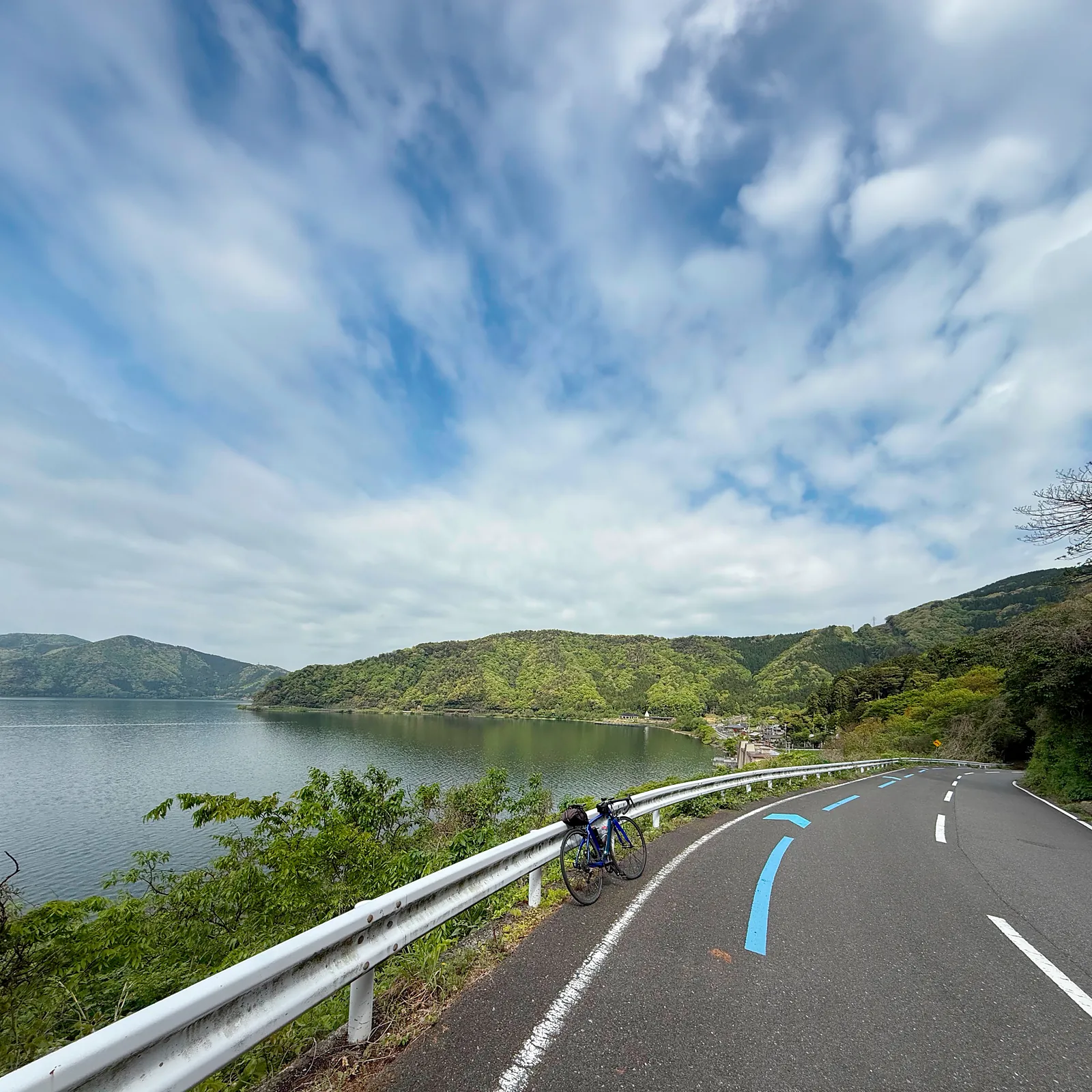
Lake or island circuit
A loop removes the one way return problem, but the complete distance may be substantial. Check wind exposure, climbing and where food, water and repair support are available.
Best for riders comfortable pacing a long day or splitting it overnight.
Mountain or multiday ride
Long climbs, tunnels, changing weather and limited shops make preparation more important. Bring repair essentials and build the itinerary around realistic daily distances.
Best for experienced riders using a suitable road, touring or gravel bicycle.Recommended rides
These routes use the same comparison fields so distance is not mistaken for difficulty. Figures are planning guides. Confirm current diversions, rental operations and transport before riding.
Open the rides that match your time and confidence. “Traffic” describes the general route character, not a guarantee of separation from vehicles.
Supported destination rides
Well known routes with visitor infrastructure and a clear identity.
Shimanami Kaido
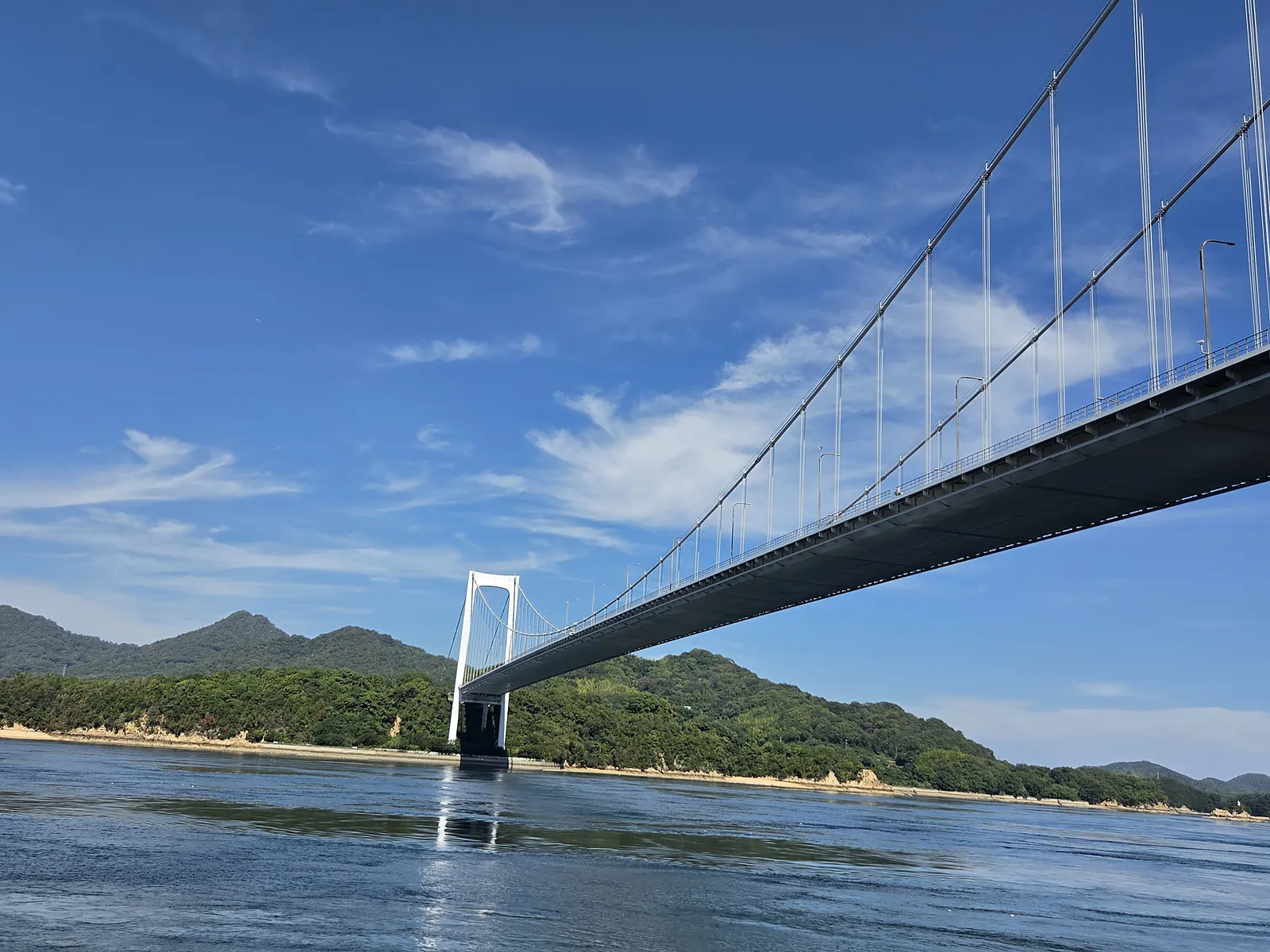
The main cycling course crosses six islands of the Seto Inland Sea. The blue route line, rental network and frequent towns make it approachable, but every bridge adds a ramp and the full route still requires a sustained day. Two days leave time for island stops and reduce pressure around bicycle return times.
Kibi Plain Cycling Route
A gentle countryside route through rice fields, shrines and burial mound landscapes. One way rental arrangements can make it a simple half day choice, but confirm participating terminals and return hours for your date.
Tsukuba Kasumigaura Ring Ring Road
The complete National Cycle Route combines the former Tsukuba rail corridor with the Lake Kasumigaura shoreline. Visitors need not ride all 176 kilometres. The flat rail trail section and shorter lakeside out and back rides work well as day rides.
Long loops
Better when the cycling itself is the main purpose of the day or trip.
Biwaichi
The full National Cycle Route follows roughly 193 kilometres around Japan’s largest lake. Strong riders may attempt a single day, but two or three days create a more useful travel experience. The northern shore is quieter and hillier. The populated southern section requires more attention to road conditions.
Awaji Island loop
A demanding coastal circuit commonly called Awaichi. The southern part carries the most climbing, while wind can significantly change the effort around the exposed coast. Treat the complete loop as an athletic ride rather than an easy sightseeing circuit.
Shorter scenic rides
Routes that fit around sightseeing without requiring a cycling holiday.
Fuji Five Lakes
Kawaguchiko and Yamanakako have rental shops and manageable lakeside sections, including e-bikes. Views depend on cloud, and not every shoreline section is a protected cycle path, so choose the exact lake and route rather than assuming one continuous traffic free network.
Arakawa riverside
A flexible flat ride that can be shortened whenever needed. The riverside space is shared with walkers, runners, sports users and maintenance vehicles. It is useful for relaxed distance rather than fast urban riding.
From rental to return
Choose the route first
Check the complete distance, surface, climbing and return transport before choosing a bicycle.
Reserve the right bicycle
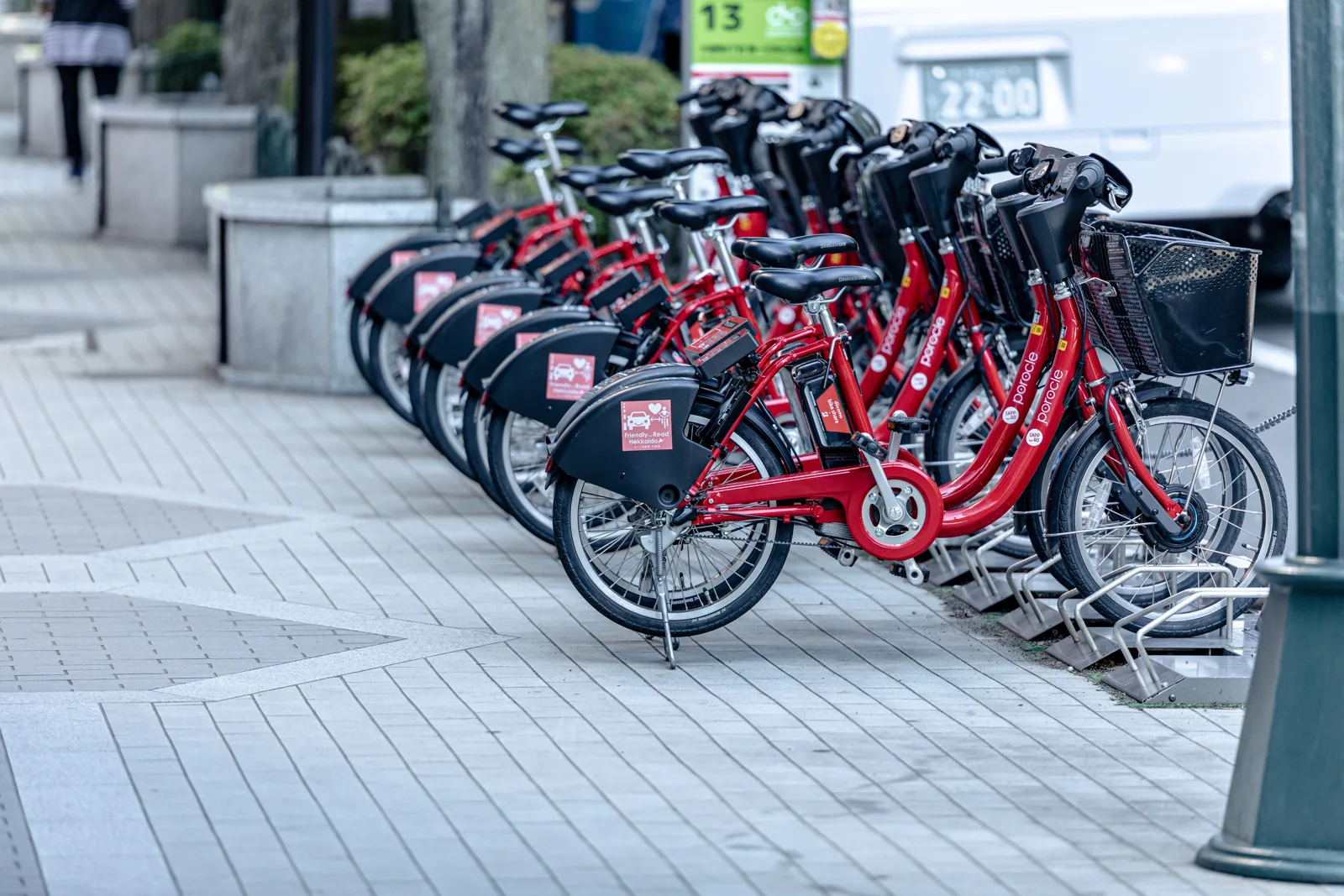
Give the shop your height and intended route. Confirm whether the price includes a helmet, lock, repair kit and e-bike charger.
Agree on the return plan
One way returns are limited to participating terminals and operating hours. Ask what happens if weather or a puncture delays you.
Move luggage separately
Leave large bags at accommodation, use station lockers or forward them. Do not assume a rental bicycle can carry a suitcase.
Allow time at the finish
Return the bicycle before the desk closes and leave a buffer before the final ferry, bus or train.
Most ordinary trains require a bicycle to be dismantled or folded and fully enclosed in a suitable carrying bag. A limited number of cycle trains and buses accept assembled bicycles under their own rules. Check the operator for the exact service instead of assuming one national arrangement.
Cycling conditions through the year
Japan’s climate varies considerably. The useful question is where the weather suits riding during your dates, not whether one season works everywhere.
March to May
Comfortable across much of Honshu, Shikoku and Kyushu. Blossom periods bring busier accommodation and paths, while mountain routes may still have snow or winter closures.
June to August
The rainy season, humidity and heat make exposed lowland routes harder. Hokkaido and higher areas are better candidates, but strong sun and sudden storms still require planning.
September to November
Often the strongest all round period once the worst heat eases. Monitor typhoons and wind, especially on coastal routes and bridges, and expect shorter daylight later in autumn.
December to February
Snow closes many northern and mountain options. Milder Pacific and southern routes can remain rideable, but daylight is short and icy shaded sections are possible.
Bikes, roads and safety
Ride on the left
Bicycles generally use the left side of the road. Use a pavement only where permitted and give pedestrians priority on shared space.
Wear a helmet
Japan’s National Police Agency advises all bicycle riders to wear one. Confirm a correctly fitting helmet is included with a rental.
Use lights and obey signals
Carry working front and rear lights for tunnels, poor weather and dusk. Stop at red lights and signed crossings as you would in a vehicle.
Do not ride distracted
Do not use a handheld phone, hold an umbrella or ride after drinking. Stop somewhere safe before checking navigation.
Prepare for tunnels and wind
Use lights before entering a tunnel and watch for narrow shoulders. Bridges, lakes and coasts can be much windier than nearby towns.
Know the support limit
Ask the rental shop who to call for a puncture or mechanical problem and whether collection is available outside the immediate area.
Common questions
Do I need to bring my own bicycle?
No. Popular routes offer city bicycles, cross bikes, road bikes and increasingly e-bikes. Reserve in advance when bicycle size or one way return matters.
Is the Shimanami Kaido suitable for beginners?
It is well supported and clearly marked, but the full route is still about 70 kilometres with repeated bridge ramps. A shorter island section or a two day plan is more comfortable for an inexperienced rider.
Can children join?
Sometimes. Child bicycles, seats and trailers are not available at every rental point, and long routes may use public roads. Check equipment, minimum height, traffic exposure and return options with the operator.
What happens in bad weather?
Rental and cancellation policies vary. Strong wind can be particularly important on bridge and coastal routes even when rain is limited, so keep an alternative without cycling for fixed travel dates.