Onsen in Japan
An onsen visit may last an hour at a neighbourhood bathhouse, an afternoon moving between public baths in a hot spring town, or include an overnight ryokan stay. The bathing procedure is largely the same, wash carefully, then soak, but the time, privacy, cost and booking requirements differ.
The word has a legal meaning. The water must come from a qualifying natural spring, based on its temperature or mineral content. That separates an onsen from a sento, an ordinary public bath that may use heated tap water. For the visitor, however, the more useful first question is not which mineral is in the water. It is whether you want a communal bath, a reservable private bath or an in room bath, and whether you are visiting for the day or staying overnight.
Choose the format first, then the town. A spectacular sulphur spring is no help if its tattoo policy, steps or communal layout do not work for you. Select a bath whose rules and facilities you can confirm before arrival.
Choosing your onsen experience
“Onsen” describes the water, not one fixed kind of visit. Start with the level of privacy and commitment you want. Open-air baths, rotenburo, can appear in any of the formats below, so treat the view as a feature rather than a separate category.
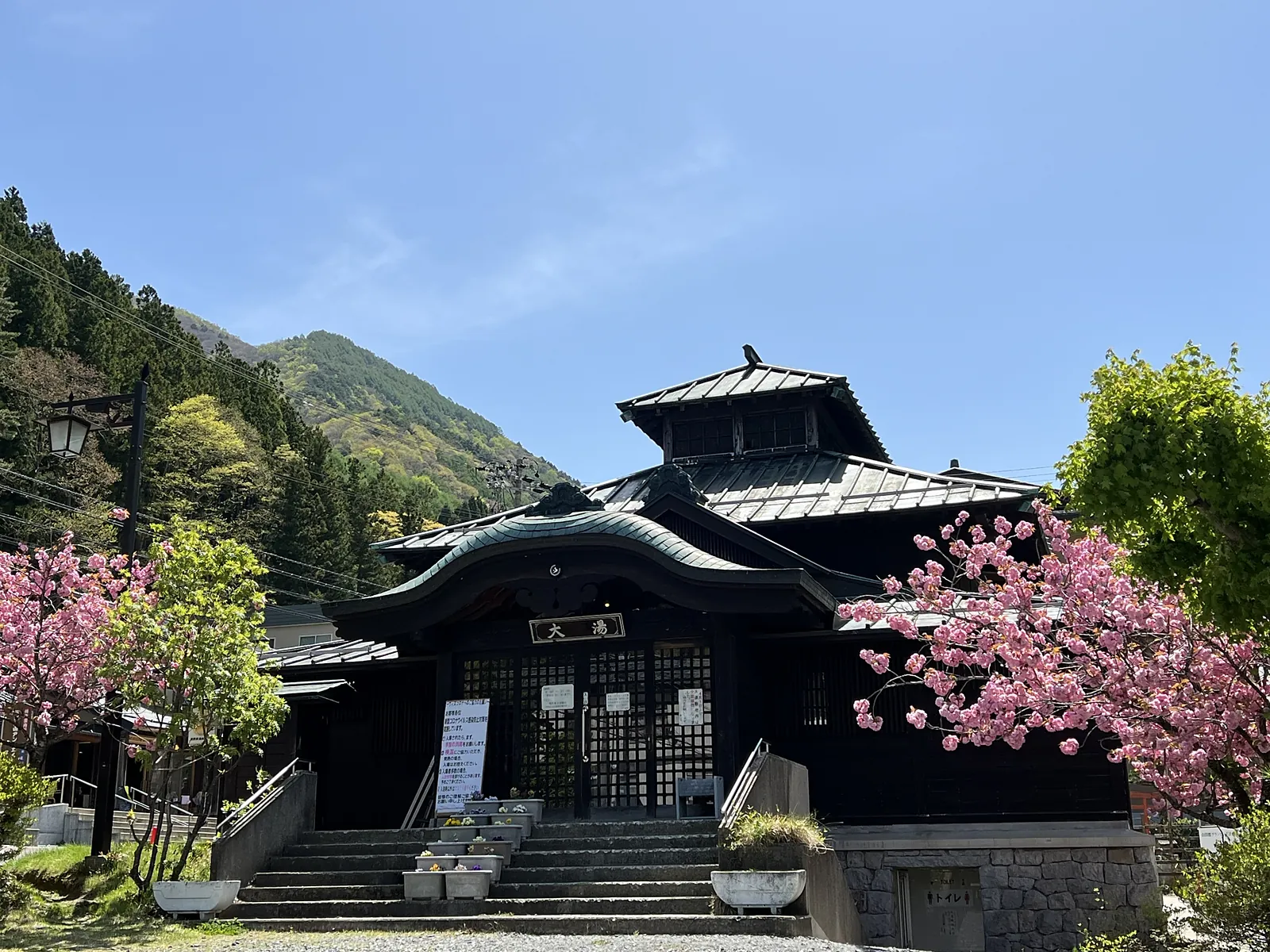
Public bathhouse or day visit
Pay at the entrance, use the shared facilities and leave when you are ready. This is the easiest way to add an onsen to a wider trip without booking a night away.
Check: opening hours, towel rental, tattoo rules and last admission.Ryokan communal baths
The baths are part of the stay, often alongside dinner, breakfast and a yukata. Early morning and late evening can be much calmer than public daytime hours.
Check: meal times, bathing hours and whether baths switch sides.Reservable private bath
A kashikiri or family bath is reserved for your party for a set time. It can suit couples, families and guests who prefer not to use communal changing rooms.
Check: reservation method, time limit, charge and the property’s tattoo policy.Bath in the room
Your room or terrace has its own bath, giving you full control over when you soak. It is usually the costliest option and not every private tub contains natural onsen water.
Check: “open-air bath in room,” spring water supply and accessibility.Useful extra: An ashiyu is a public footbath, often free and found near stations or town centres. It warms only your feet and lower legs. It does not replace a full body bath.
Onsen towns worth staying in
A long directory is less useful than a few clear choices. These three towns represent different reasons to build an overnight stop into the trip. The shorter list below gives alternatives when location or access matters more.
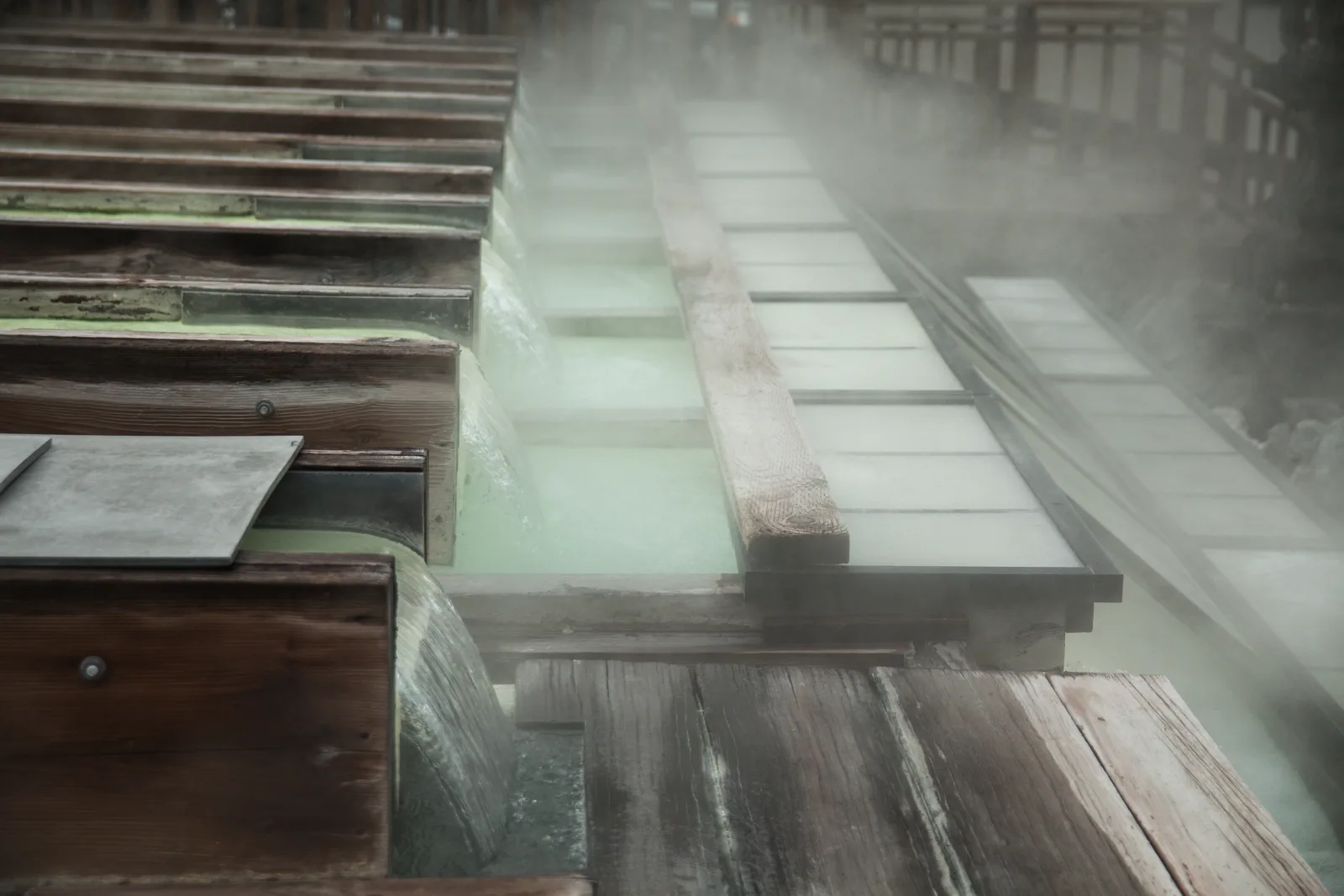
Kusatsu
Choose it for: a walkable town built around the steaming Yubatake, with public baths and shops concentrated near the centre.
Noboribetsu
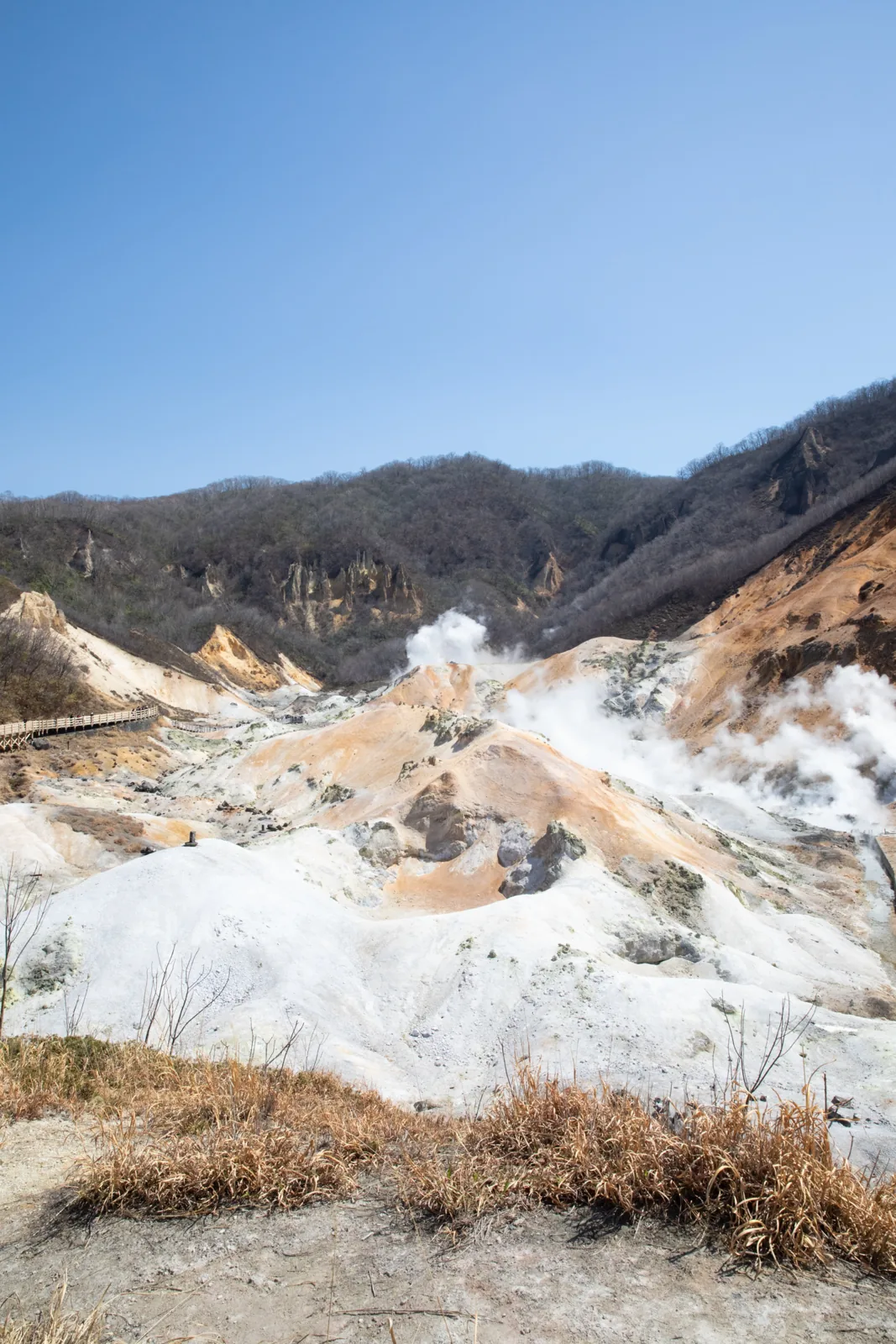
Choose it for: dramatic volcanic scenery and resorts drawing on several kinds of spring water. It works especially well as a one night Hokkaido stop.
Ginzan
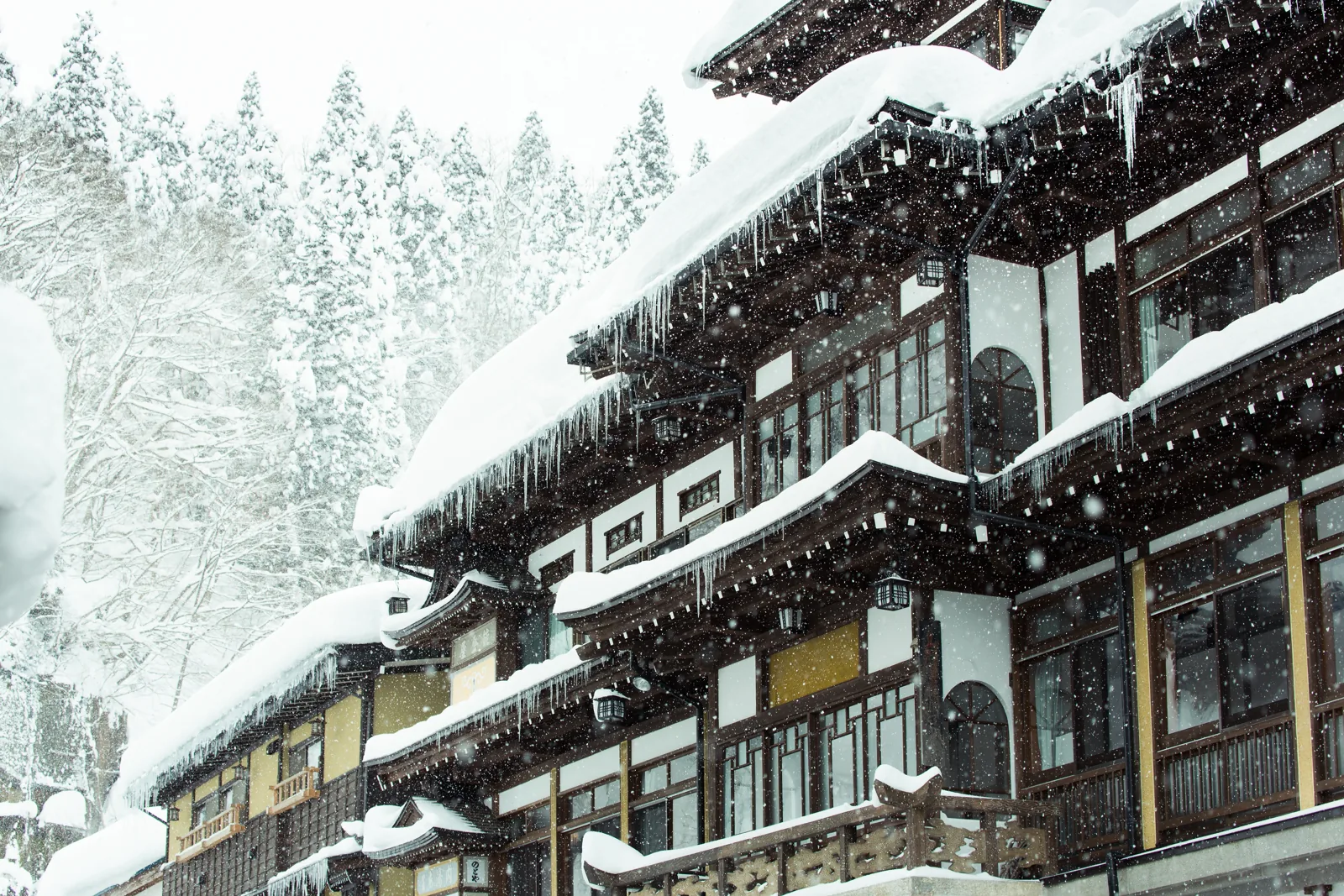
Choose it for: a compact riverfront lined with wooden inns. Book it as a ryokan stay rather than expecting a large circuit of public baths.
Kinosaki
Choose it for moving easily between seven public bathhouses in a compact canal town, usually while wearing the yukata provided by your accommodation. Its tourism office states that all seven public baths accept tattoos of any size. Still check your accommodation separately.
Beppu
Choose it for variety and scale. Different districts offer ordinary baths, steam, sand bathing and the colourful “hells,” which are geothermal sights to visit rather than pools to enter.
Kurokawa
Choose it for a quieter mountain setting and outdoor bath hopping between inns. The town suits travellers prepared to plan transport and stay overnight rather than rush through.
Your first onsen, step by step
The ritual is easier when you know the order. Facility signs take priority over general advice, and curtain colours are not universal. Confirm the written or pictorial entrance signs before going in. The JNTO onsen guide is a useful official primer.
Check the rules before paying
Confirm the correct entrance, day use hours and any rules on tattoos or children. Put your phone away before entering changing or bathing areas.
Undress and store everything
Remove shoes where directed, then leave clothes and valuables in the provided basket or locker. Take only the small wash towel into the bathing area.
Wash thoroughly
Sit at a shower station, wash with soap and rinse it away. A quick splash of bath water is not a replacement for washing before the shared bath.
Enter slowly and soak bare
Swimsuits are normally not worn. Step in carefully, keep the small towel and long hair out of the water, and never put your head under.
Keep the bath calm
Speak quietly, avoid splashing and give other bathers space. Short soaks with a rest between them are more comfortable than trying to stay in very hot water.
Dry, dress and rehydrate
Wipe off excess water before returning to the changing room, then dress and drink water. Leave immediately if you feel dizzy, faint or unwell.
Tattoos, privacy and accessibility
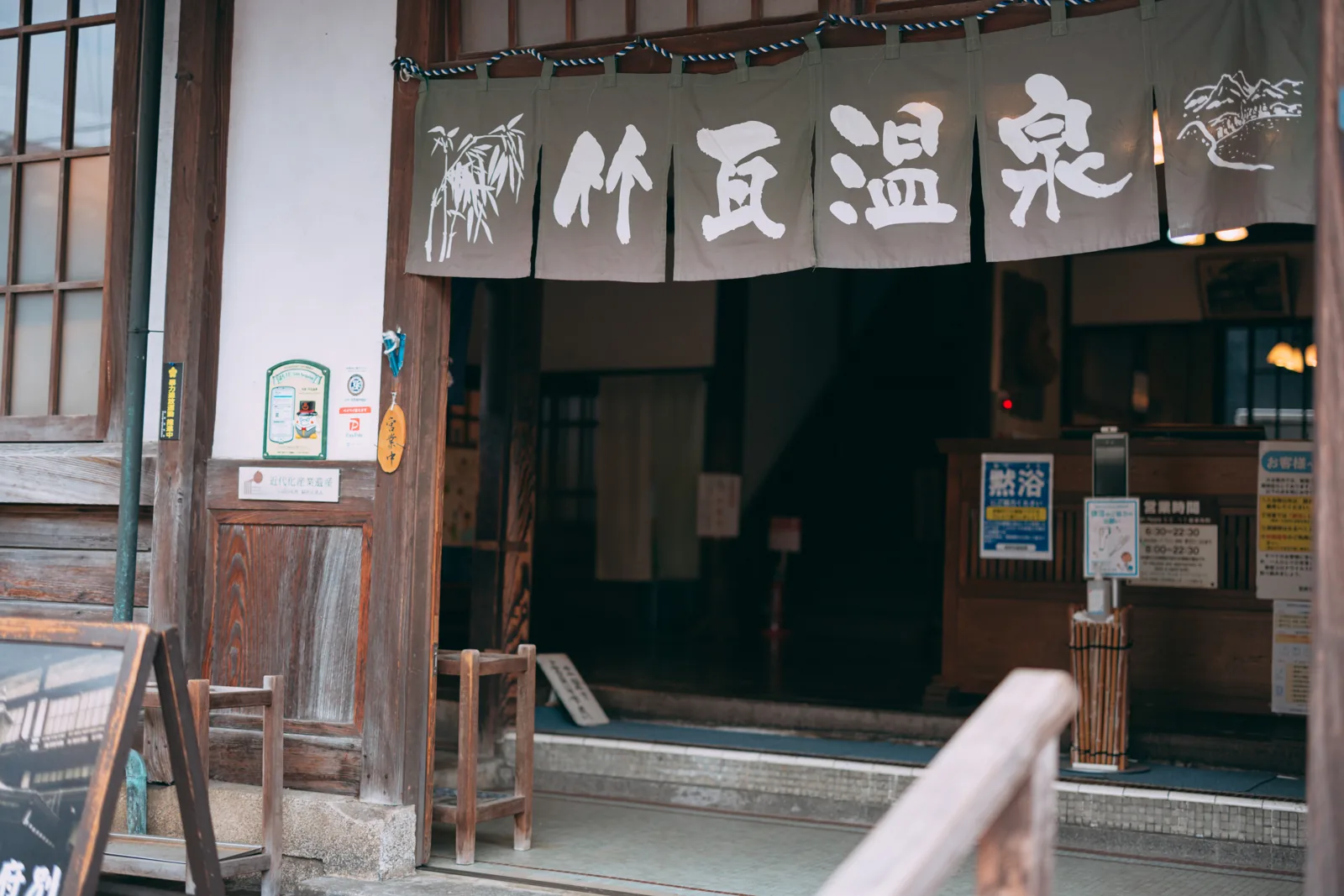
These practical questions can decide whether a particular bath works for you. Treat them as booking criteria, not details to discover after arrival.
Tattoos
Policies vary by facility and can change. Some baths accept tattoos, some allow small ones under a cover, and others refuse them. A private bath can offer privacy, but it does not automatically override the property’s tattoo policy. Ask directly.
Privacy and gender
Most communal baths are nude and separated into men’s and women’s areas defined by the facility. A reservable private bath or in room bath is usually the most predictable choice for couples, families, transgender and nonbinary guests, or anyone who wants more privacy.
Mobility and children
Traditional baths may have steps, low stools, slippery floors and few handrails. Ask about barrier free access, changing facilities and bathing assistance. Children’s ages and whether they may enter with a parent vary by facility.
Health: Hot bathing can cause dizziness, dehydration and changes in blood pressure. Avoid bathing after alcohol, enter gradually and leave if you feel unwell. Anyone with a cardiovascular condition, unstable blood pressure, concern related to pregnancy or other relevant medical condition should seek individual clinical advice before bathing.
Planning the visit
Choose day use for flexibility
A public bathhouse or ryokan offering day admission lets you experience onsen without reorganising the whole itinerary. Check the final entry time, because bathing hours may be shorter than the building’s general opening hours. Also confirm whether towels and toiletries are included, rented or sold.
Choose an overnight stay for more bathing time
A ryokan stay makes time for dinner, repeated bathing and the quieter early or late hours. Before booking, compare the room, meal plan and bath access as separate features. A beautiful room does not guarantee a private bath, and “private bath available” may mean a separately charged, time limited reservation.
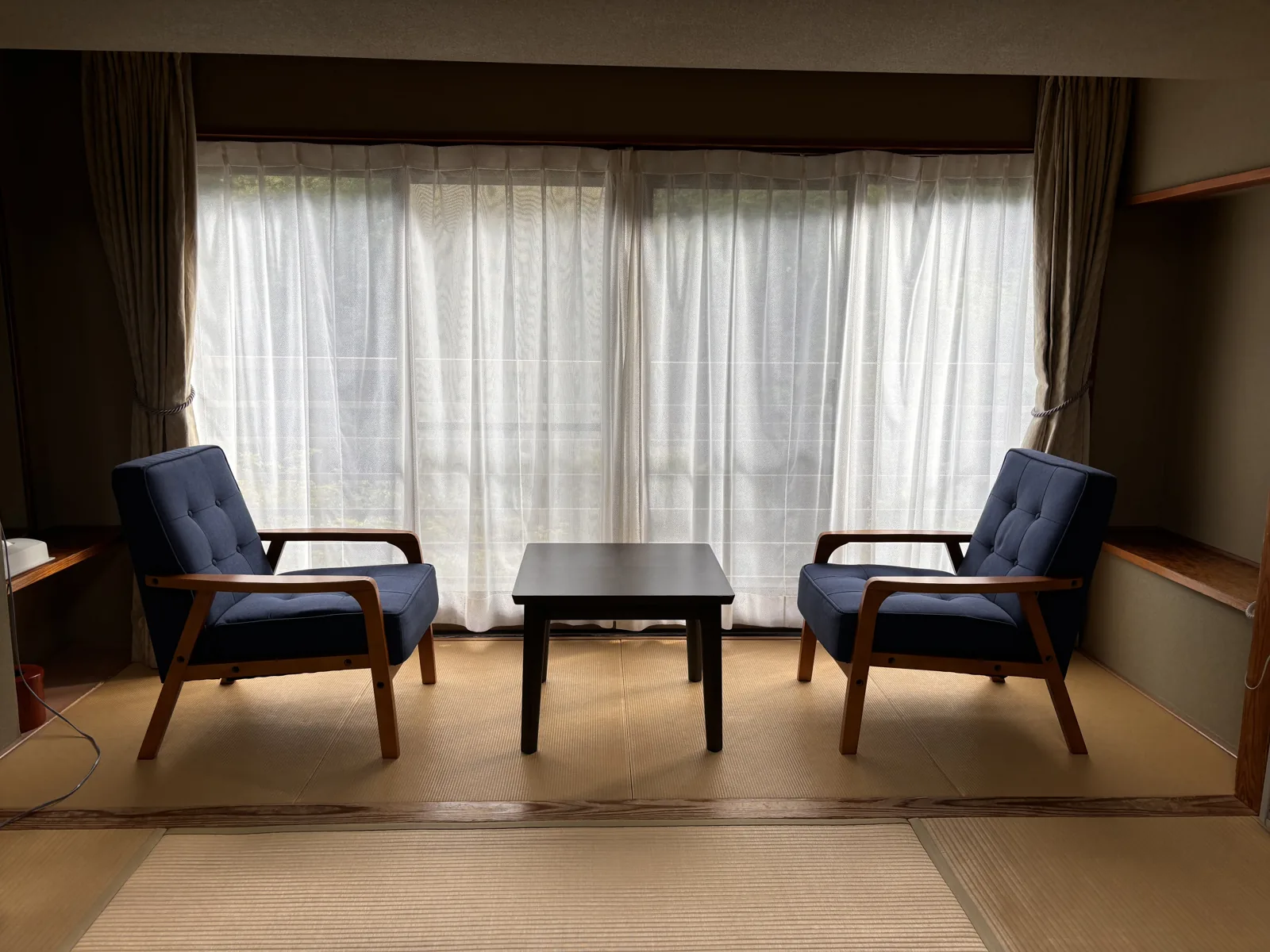
Write to the property when a rule matters
Listing sites often compress nuanced policies into a single icon. If tattoos, gender arrangements, step free access, bathing assistance, children’s rules or natural spring water are essential to the stay, ask the property a direct question and keep its written answer.
Bring less, but check what is supplied
Many facilities provide shampoo and body soap, while towels may be included, rented or sold. Carry a small towel if you have one, a hair tie for long hair, water for afterwards and cash for smaller bathhouses or lockers. Do not assume photography is allowed. Phones and cameras generally stay out of changing and bathing areas.
Common questions
What is the difference between an onsen and a sento?
An onsen uses water from a qualifying natural hot spring. A sento is a public bathhouse and may use ordinary heated water. The bathing sequence can feel very similar, so a sento is also a useful introduction to communal bathing.
Can I visit without staying overnight?
Yes. Public bathhouses and many ryokan accept day visitors. Check the bath’s own admission window, towel arrangements and rules before travelling. A hotel’s reception hours do not necessarily match its bathing hours.
Is every private bath tattoo friendly?
No. A private bath keeps the bathing session private, but the property may still have an overall tattoo policy. Confirm acceptance before booking and do not rely only on the words “private bath.”
Do I need to bring a towel?
Not always. Some baths include towels, while others rent or sell them. The small towel is used for washing and modesty but must stay out of the bath water. The larger towel normally remains in the changing area.
Can I take photographs?
Assume no in changing and bathing areas unless the facility explicitly says otherwise. Keep your phone stored away and ask staff before photographing an empty private bath or other interior space.