Skiing and snowboarding in Japan
Japan’s winter resorts range from compact slopes beside a railway station to large valleys that need several days to understand. Powder is an important part of the appeal, particularly in Hokkaido and on the Sea of Japan side of Honshu, but it should not be the only reason for choosing a resort.
Beginners need suitable learning terrain and lessons. Families need an easy base and options off the slopes. Experienced riders may care more about varied terrain and the resort’s controlled access rules. Start with the kind of trip you want, then compare snow, terrain, village layout and transport.
Choosing a ski region
The broad regional choice affects far more than snow quality. It determines transfer time, resort atmosphere, accommodation style and how easily the trip fits around the rest of Japan.
Cold snow and destination resorts
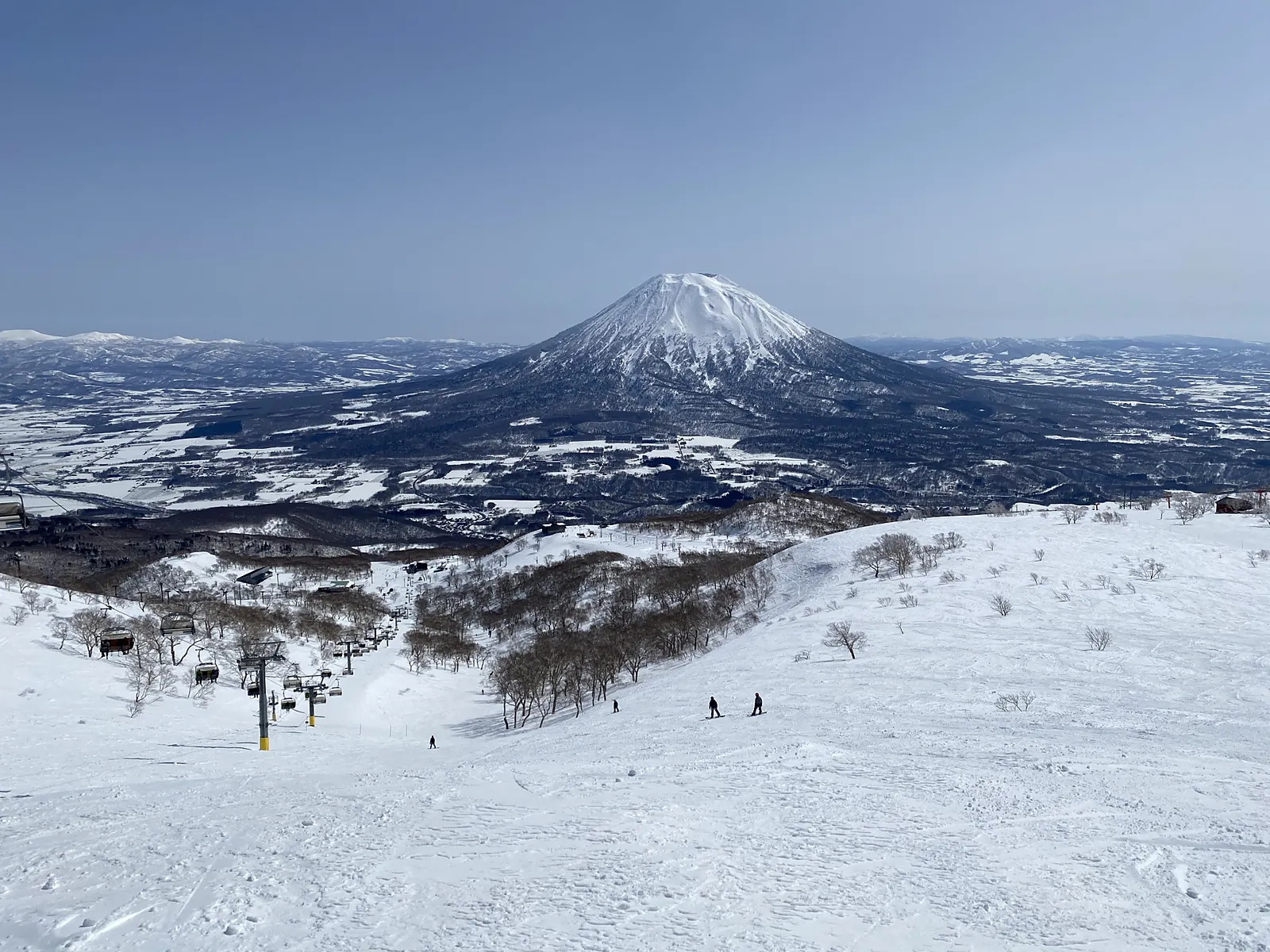
Niseko, Rusutsu, Furano and other Hokkaido areas are strong choices for reliable midwinter snow. Airport transfers are substantial, so these resorts work best as a dedicated part of the trip rather than a casual addition.
Good for powder, international services and multiday stays.
Varied terrain and easier rail access
Hakuba, Nozawa Onsen, Shiga Kogen and the Yuzawa area can be combined with Tokyo through shinkansen and bus connections. Bases range from traditional hot spring villages to spread out resort valleys.
Good for mixed abilities, onsen stays and longer Japan itineraries.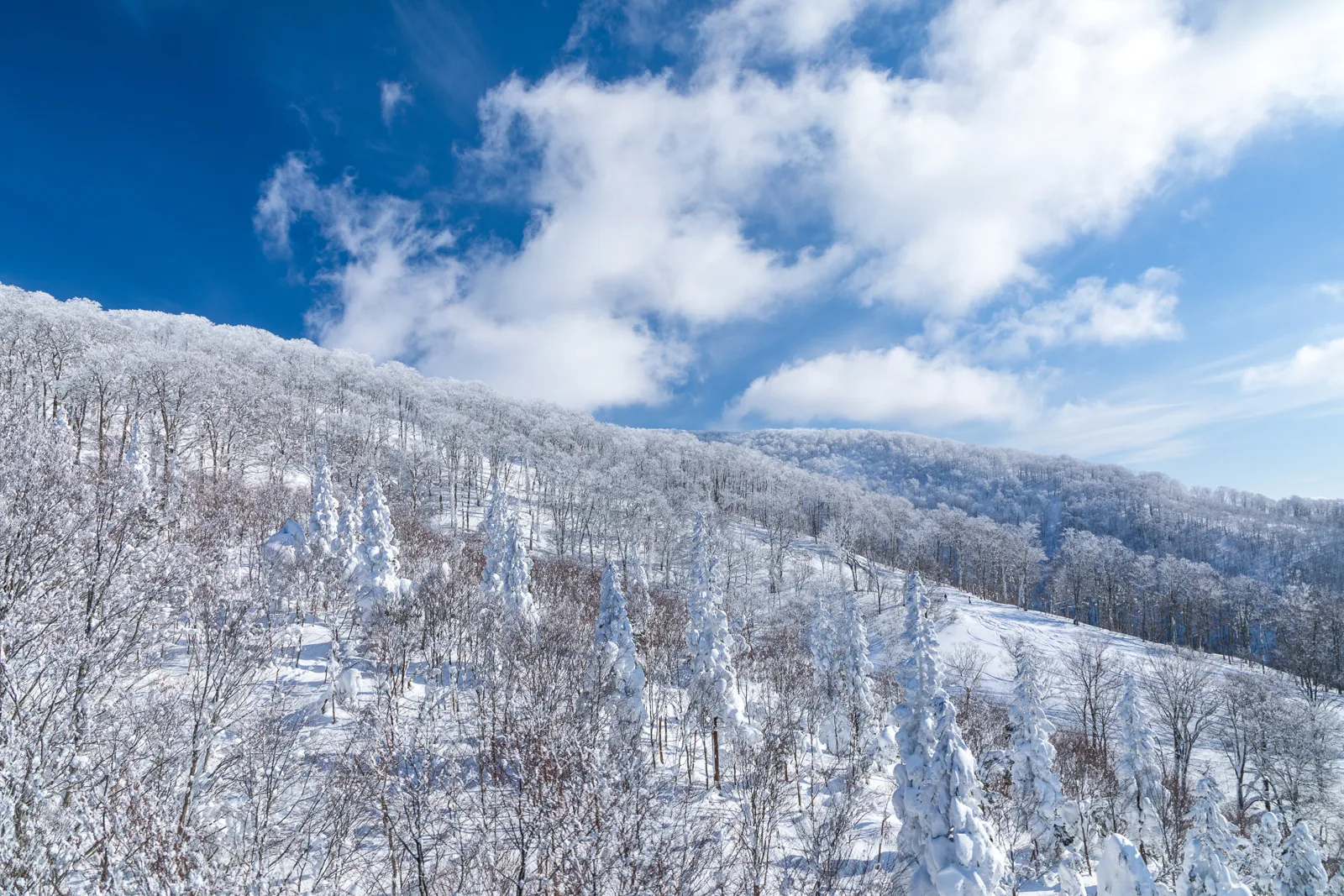
Quieter stays or simple short trips
Zao, Appi and other Tohoku resorts reward travellers willing to continue north, while rail linked areas such as GALA Yuzawa are designed for a simpler day or short stay from Tokyo.
Good for quieter travel, regional character or limited time.Resorts by travel style
These comparisons focus on the traveller each area suits. Lift operations, pass coverage and transport schedules change by season, so use the resort’s current information before booking.
Open the resorts that match your group. A large area is not necessarily convenient when the villages, lifts or separate mountains require local transport.
For a dedicated ski holiday
Places with enough terrain and services to justify several nights.
Niseko United
Four main resort areas share the Niseko United mountain and all mountain pass. It has extensive English language services, a wide accommodation market and regulated gate access for suitably prepared riders. The convenience comes with high demand and higher peak season costs.
Furano
Long groomed runs and colder inland snow make Furano a balanced alternative to a purely powder led trip. The ski zones and town require some planning, but the setting works well for riders who want resort days with a more ordinary regional city nearby.
Hakuba Valley
Hakuba is a valley of separate resorts rather than one continuously linked mountain. The variety suits mixed groups and longer stays, but accommodation location and shuttle planning matter. Choose the village and nearest mountain deliberately instead of relying on the valley name alone.
For skiing with a strong sense of place
Areas where the town or landscape remains important after the lifts close.
Nozawa Onsen
A substantial single mountain rises above a compact hot spring village. Public baths, ryokan and walkable lanes make the stay feel different from a purpose built resort. Check the position of accommodation carefully because the village slopes and lift approaches can be awkward with equipment.
Zao Onsen
Zao combines sulphur hot springs with a large, old established ski area. The frost coated “snow monsters” are a weather dependent winter feature rather than a guaranteed sight. The spread out lift network rewards checking the trail map before selecting accommodation.
For convenience or a shorter visit
Options that reduce the commitment without pretending weather is predictable.
GALA Yuzawa
The resort is directly connected to a seasonal shinkansen station and provides rentals on site, making it one of the simplest snow trips from Tokyo. Its convenience also attracts day visitors, so reserve transport and equipment during busy periods and check operating conditions before departure.
Shiga Kogen
A high, extensive collection of ski areas with a long season and many groomed options. It suits travellers who prioritise skiing over nightlife. The scale can be confusing, and not every sector is always linked by open snow routes, so study transport and lift status each day.
Passes, rentals, lessons and access
Choose the base before the pass
Confirm which mountain or sector your accommodation serves and whether the pass covers every area you intend to use.
Reserve lessons first
English language private lessons and children’s programmes can sell out before general rentals, particularly during school holidays.
Give rentals accurate details
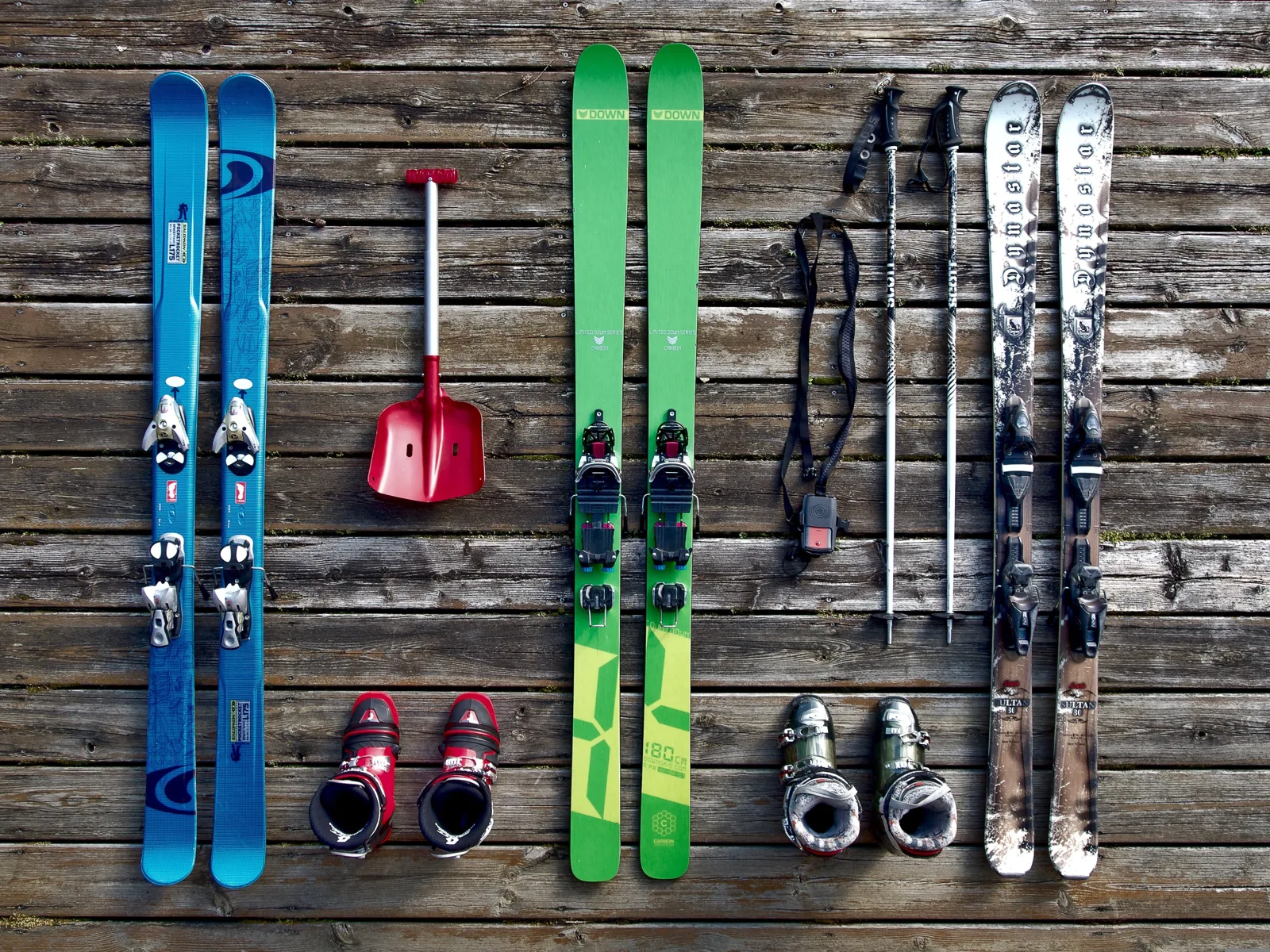
Provide height, weight, ability and boot size. Reserve larger sizes and performance equipment rather than expecting them at walk-in.
Plan the final transfer
A shinkansen may cover most of the journey, but the last bus can be limited. Match arrival time to check-in, rental collection and dinner.
Send large luggage ahead
Delivery services can make rail travel easier, but allow sufficient time and keep the first day’s clothing and essentials with you.
The snow season
Opening dates and snow quality cannot be guaranteed from the calendar alone. Compare historical patterns with current lift, weather and avalanche information.
December
Higher and colder resorts begin opening, but early season terrain may be limited. Holiday demand rises before every run or transport service is necessarily operating.
January and February
The main midwinter period for cold snow and frequent storms. It is also the busiest time for well known international resorts, lessons and popular accommodation.
March
Longer daylight and milder weather suit families and travellers who value visibility and groomed skiing. Snow becomes more variable at lower elevations and later in the day.
April and later
Spring skiing continues at selected high or northern areas. Operations contract as lower lifts close, so verify the exact sector, transport and rental shop rather than relying on the resort’s headline closing date.
Adding an onsen town stay
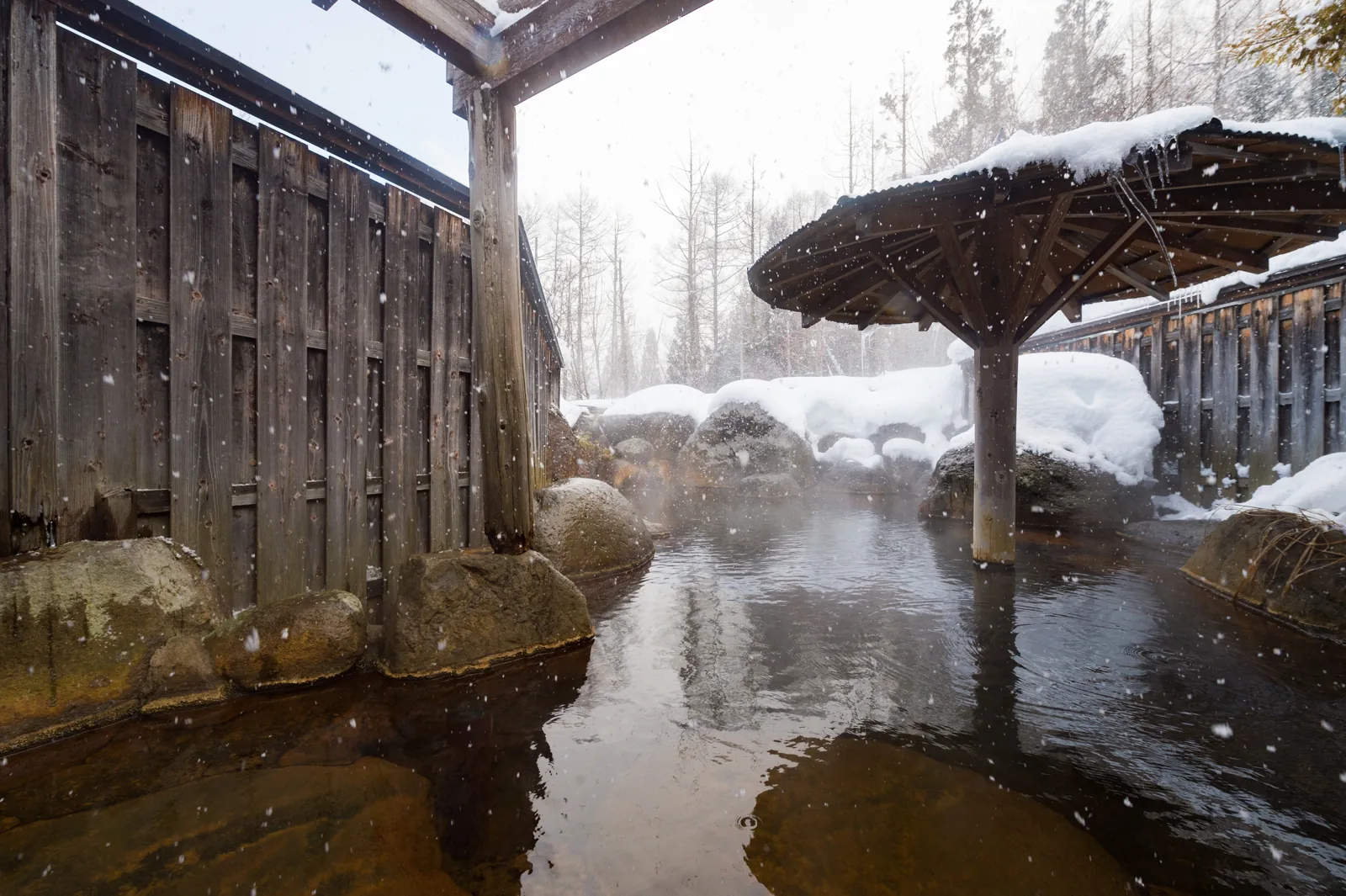
Nozawa Onsen, Zao Onsen and several other ski bases are living hot spring towns rather than only accommodation beside a lift. They suit travellers who want an evening experience beyond restaurants and bars.
Do not assume every hotel has a private bath or that every public bath accepts tattoos. Read the property’s bathing arrangements, meal times and transport position before booking. A convenient slope side hotel and a characterful ryokan may solve different problems.
Mountain boundaries and bad weather planning
Stay inside your ability
Deep snow, trees and poor visibility can overwhelm a rider who is comfortable only on groomed pistes. Use a lesson or qualified guide when changing terrain.
Follow each resort’s rules
Off piste and gate systems differ. A track under a rope is not permission, and entering closed terrain can endanger both the rider and rescuers.
Separate resort and backcountry
Leaving controlled terrain requires avalanche knowledge, rescue equipment, suitable insurance and often a guide. A lift nearby does not make terrain controlled.
Keep a poor weather alternative
Wind, heavy snow and low visibility can close upper lifts. Choose a base with lower terrain, lessons, onsen or other activities rather than depending on one summit.
Take winter transport seriously
If driving, confirm winter tyres, chain requirements, parking and road conditions. Do not learn winter road handling during a storm transfer.
Check insurance and rescue cover
Read whether winter sports, off piste activity, equipment damage and mountain rescue are covered before travel.
Snowfall, wind and temperature change daily. Choose a resort you would still enjoy on a groomed, stormy or low visibility day instead of building the trip around one ideal photograph.
Common questions
Do I need to bring my own equipment?
No. Major resorts rent skis, snowboards, boots and often clothing. Reserve ahead when size, ability specific equipment or peak dates matter.
Which area is easiest for a first ski trip?
Choose a resort with a simple base, dependable beginner terrain and lessons in your language. GALA Yuzawa is convenient from Tokyo, while larger areas may suit a multiday beginner who wants more progression.
Should I stay in one resort or move around?
Most short trips are better with one base. Moving winter luggage and relying on weather sensitive transport can consume the time gained by seeing another mountain.
Can people who do not ski enjoy the trip?
Yes, but base choice matters. Look for onsen, walkable dining, sightseeing lifts or regional excursions and confirm that these operate in winter.