Drift ice in Hokkaido
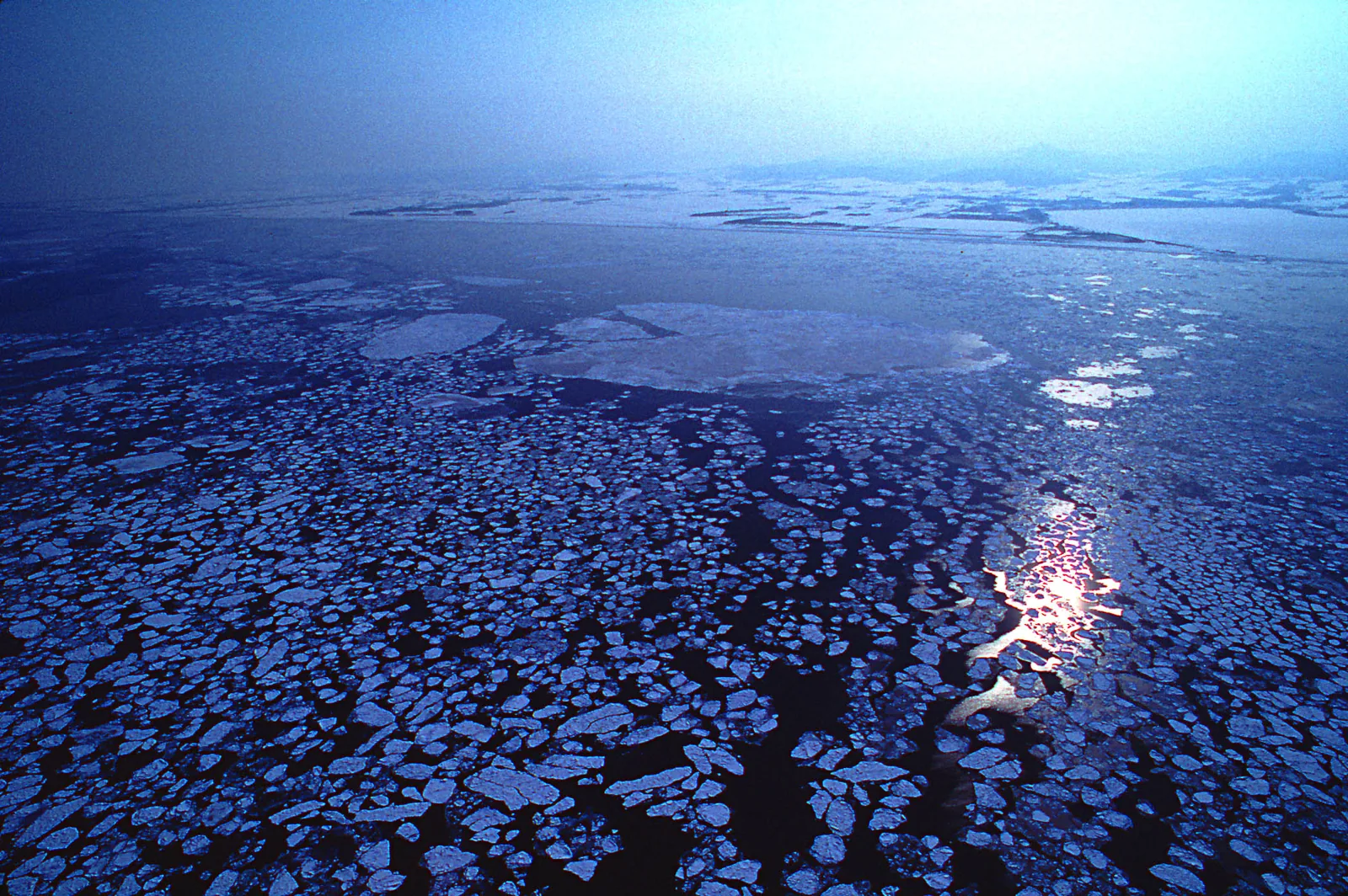
Drift ice changes the appearance of northeastern Hokkaido’s coast, but the view can change from one day to the next. Wind and sea conditions may bring floes close to shore, leave scattered ice offshore or move it beyond a tour’s reach.
Start by choosing how you want to see it, from a sightseeing vessel, a shore viewpoint or a guided ice activity. These options have different physical demands and cancellation rules. A booked winter trip guarantees neither dense ice nor access onto it.
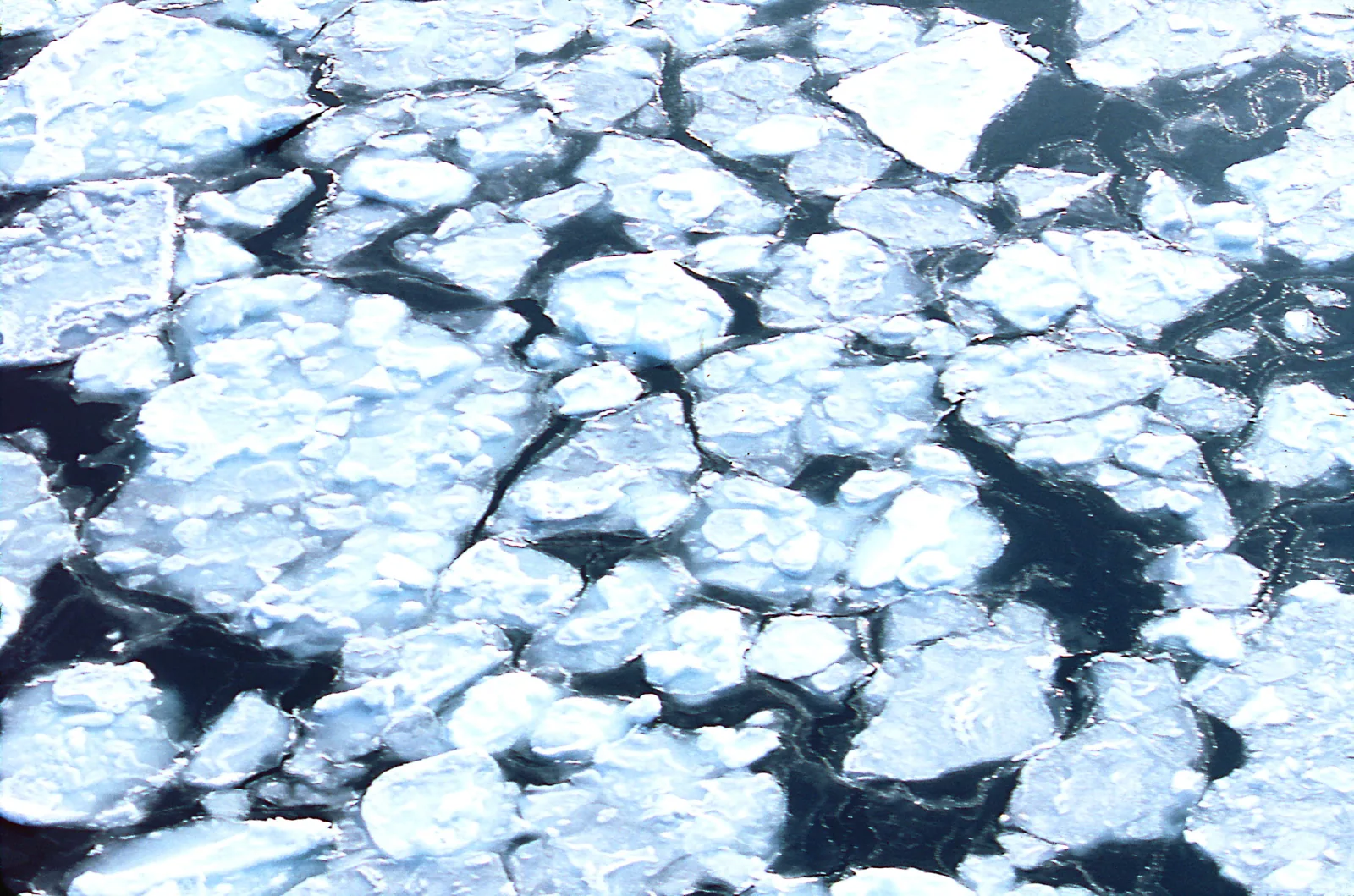
Ways to experience the ice
Sightseeing vessel
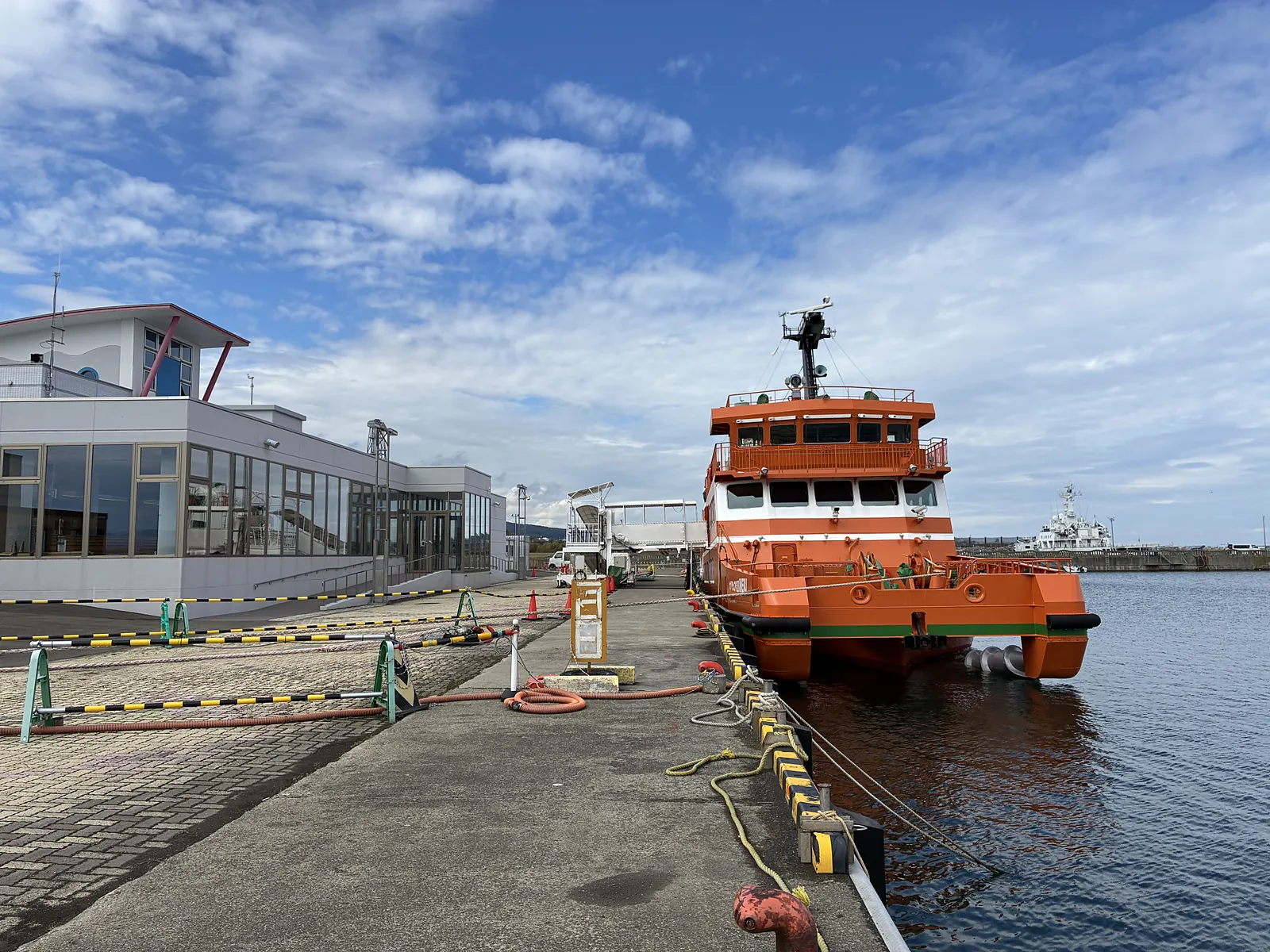
A practical first option when you want to see the ice without entering the water. Check cabin space, boarding access and outdoor deck rules rather than assuming every vessel offers the same comfort.
Shore viewing
Useful if you prefer to remain on land or want a flexible stop. Use a designated safe viewpoint and accept that the ice may be too distant to see clearly. A snow covered shoreline is not permission to walk onto the sea.
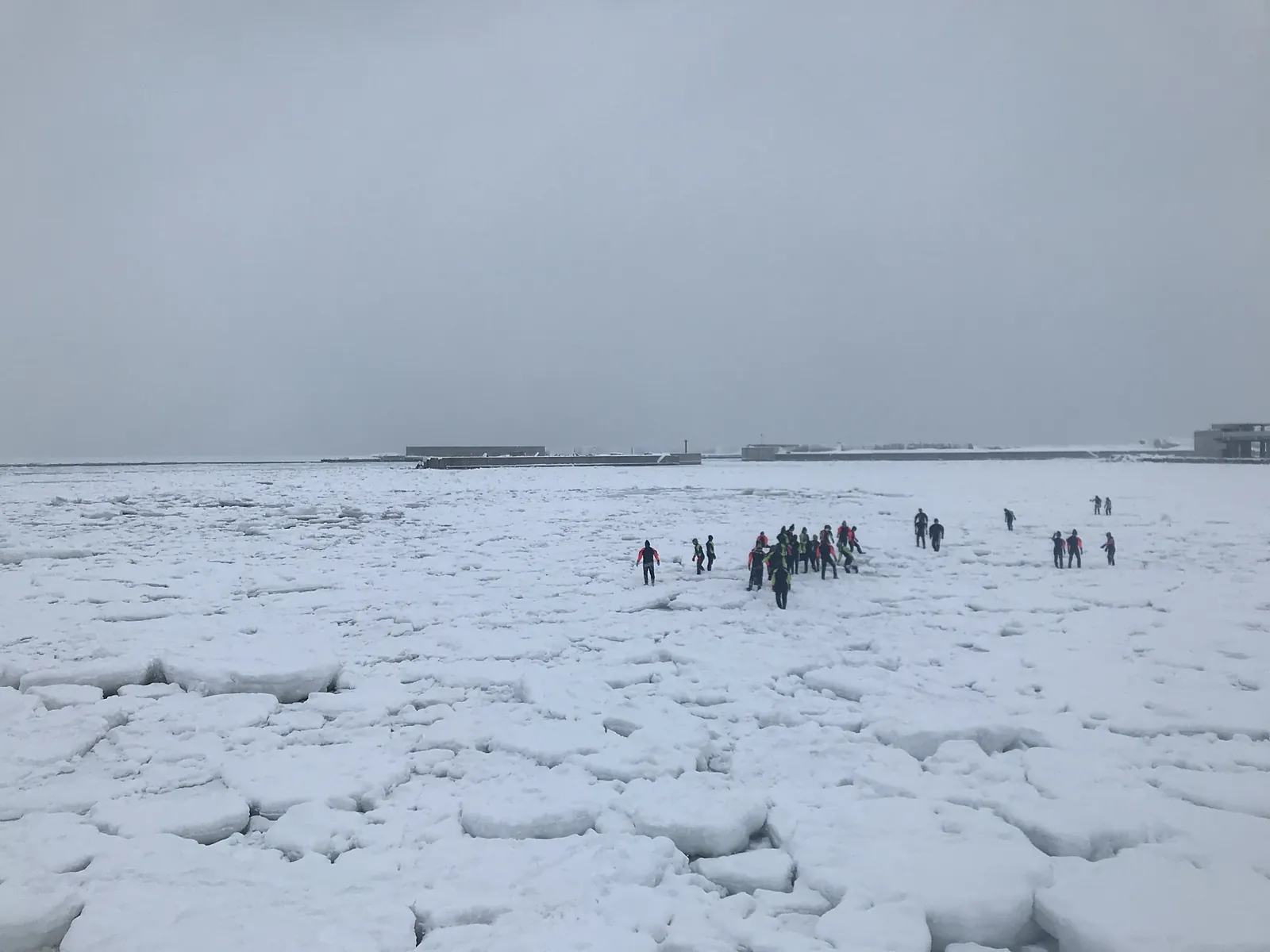
Guided drift ice walk
A specialist operator supplies equipment and assesses conditions. Shiretoko Picchio describes guided outings using insulating, buoyant dry suits. Equipment reduces some risks but does not make moving ice risk free. Check fit and participation requirements.
Specialist diving
A separate technical activity, not the next step after a sightseeing walk. Speak to a specialist operator about cold water experience, qualifications, equipment and its exact requirements. Do not assume a general diving certificate is sufficient.
Choose a base
Open a place to compare the experience, season and practical demands.
Abashiri
Compare the exact Aurora vessel and departure you are booking. The operator’s current information distinguishes a substitute sea excursion for the large vessel from suspension of Aurora 3 when ice is absent. Read the terms for your actual sailing instead of expecting a universal refund rule.
Monbetsu
Choose it because the transport, accommodation and cruise arrangement work for your route, not because ice is guaranteed there. Confirm the current Garinko sailing, check-in point and last mile transfer before booking.
Utoro, Shiretoko
A useful base to investigate guided walks and shore viewing. Confirm equipment sizing, meeting points and the operator’s decision process if ice or weather is unsuitable. An overnight stay gives more flexibility than arriving for one tightly timed activity.
Rausu, Shiretoko
Treat this as a distinct coastal base, not an interchangeable Utoro pickup point. Confirm winter road access and the actual transfer route. A wildlife cruise and an icebreaker excursion differ in purpose, vessel and viewing expectations.
Season and daily conditions
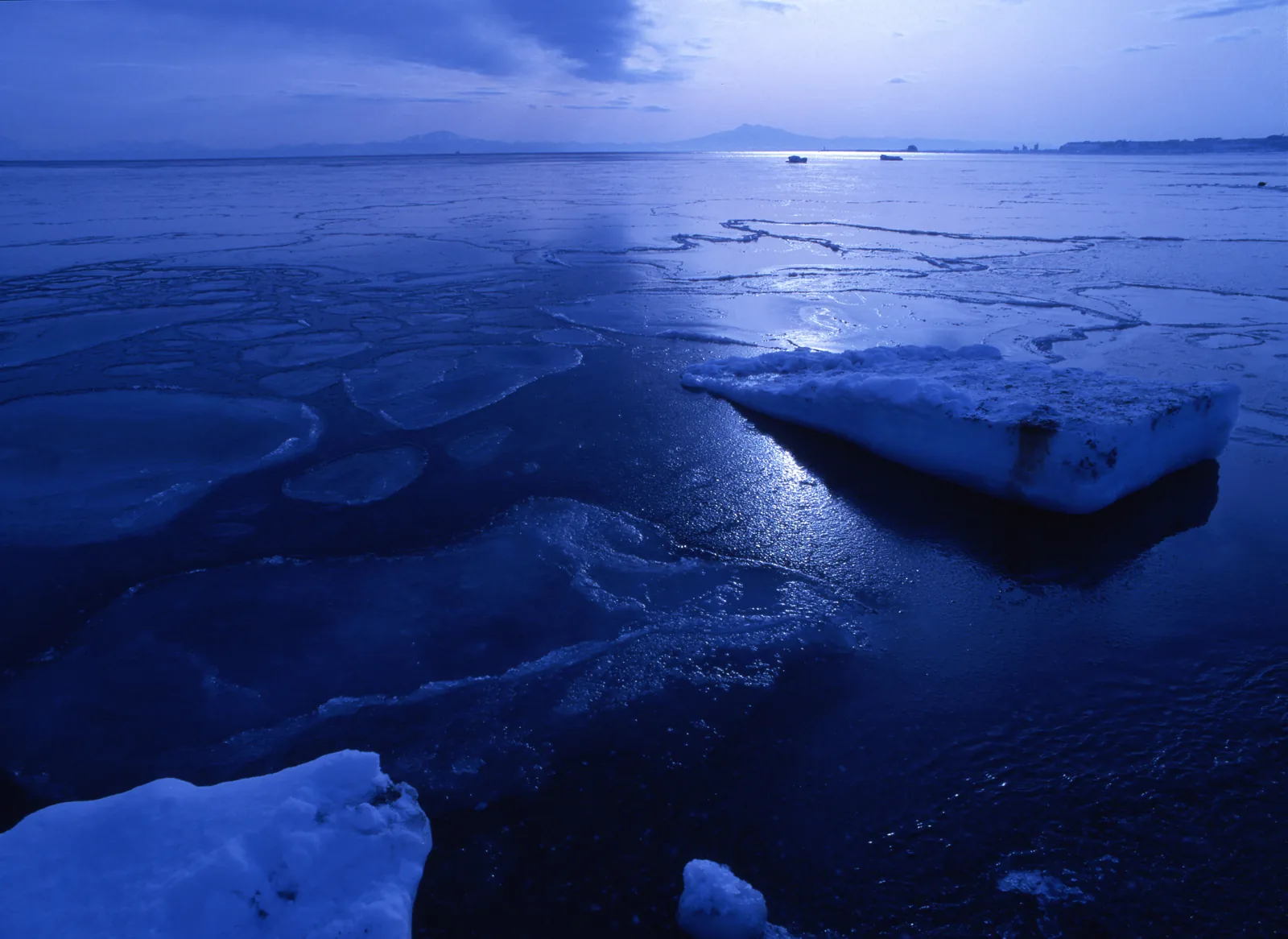
Midwinter to early spring is the broad planning period, often with February as a focus for drift ice travel. That is a seasonal guide, not a forecast. Operators publish their own dates, and an operating season can be longer than the period when ice is reachable.
Before booking
Check the activity’s scheduled season and cancellation terms. Choose accommodation and other activities that make the trip worthwhile if the ice is absent.
A few days before
Review operator notices and weather, then confirm transfers. A photograph from earlier in the week may no longer represent conditions near your base.
On the day
Use the operator’s go/no-go decision. Do not substitute an independent ice walk if a guided activity is cancelled.
If the plan changes
Choose an indoor attraction, a town visit or a safe land based viewpoint if conditions allow. A spare day helps with flexibility but still cannot ensure an ice encounter.
Clothing, transport and participation
Dress for exposed waiting
Layer for cold and wind, including head and hand protection and footwear with grip. Follow the operator’s instructions for clothing beneath a dry suit. Ordinary sightseeing clothes may not suit every activity.
Check fit and access
Ask about suit sizes, height and age limits, boarding steps and the effort required to move on uneven surfaces. Tell the operator about limitations before paying.
Keep transfers realistic
Eastern Hokkaido distances and winter delays can make several bases in one day impractical. Confirm the actual winter route and timetable, and avoid tight airport connections after an activity.
Read the replacement policy
A cancelled departure, altered route and running cruise with no ice are different outcomes. Confirm what each means for payment and whether an alternative date is possible.
Ice can shift, separate or break, and the sea is dangerously cold. Stay behind barriers at shore viewpoints and join an appropriately equipped specialist guide for any permitted activity on the ice.
Common questions
Is a drift ice cruise guaranteed to reach ice?
No. Ice moves, and a sailing may be altered or cancelled under the terms of the particular operator and vessel.
Can I walk out from a beach on my own?
No. Remain at safe viewing areas. Specialist equipment and professional assessment are needed for organised ice activities.
Do I need to join an ice walk?
No. A sightseeing cruise or safe shore viewpoint may suit you better. Viewing from land still depends on the ice’s position.
Are Utoro and Rausu interchangeable bases?
No. They are separate coastal bases. Confirm winter access, transfer time and the actual activity departure point.