Staying in a ryokan
A ryokan is a Japanese inn, but the experience varies widely. Some are small family run properties with simple rooms. Others combine elaborate meals, hot spring baths and highly structured service. Modern properties may provide Western beds and private bathrooms while retaining tatami rooms and set meals.
Before comparing scenery, check the room plan, meals, bathroom, arrival deadline and price basis. Rates are often shown per person rather than per room, and dinner may require arrival by a fixed time. Those details decide whether the stay fits your itinerary.
Choosing the right stay
Choose the plan and facilities first, then the architectural style. A famous inn is not automatically the right choice for a late arrival, strict diet, solo traveller or guest who needs a private bathroom.
Traditional dinner and breakfast stay
The usual choice when food and service are central. Dinner is often served at a fixed time and may be in the room or a dining area.
Check: final check-in for dinner, menu type, dining location and dietary deadline.Breakfast only or room only plan
Useful when you want to eat elsewhere or arrive later. These plans are not offered by every ryokan and may limit access to some services.
Check: nearby evening food, property curfew and whether late check-in is permitted.Onsen ryokan
Choose this when natural hot spring bathing matters. Bath facilities may be communal, reservable, attached to the room or a combination.
Check: tattoo policy, bathing hours, private bath charges and whether the room bath uses onsen water.Modern ryokan with beds
Suitable when floor level futons, low seating or shared bathrooms would be difficult. Some rooms combine beds with a tatami sitting area.
Check: bed height, lift access, steps, bathroom layout and accessible dining arrangements.Related alternatives: a minshuku is generally a simpler family run guesthouse, while shukubo is temple lodging. Both can include Japanese rooms and meals, but they should not be assumed to provide the same service or facilities as a ryokan.
Your stay, step by step
The order below is common, not compulsory. The property’s check-in explanation and meal times take priority.
Arrive before the stated deadline
Leave enough time for rural transport and the walk from the station. If dinner is included, late arrival can mean the meal cannot be served.
Remove shoes where directed
Staff will show you where outdoor shoes stop and slippers begin. Slippers normally come off again before stepping onto tatami.
Confirm the schedule
Check dinner, breakfast, bath and checkout times. Ask now about luggage, private bath reservations or anything unclear in the room.
Use the room and yukata
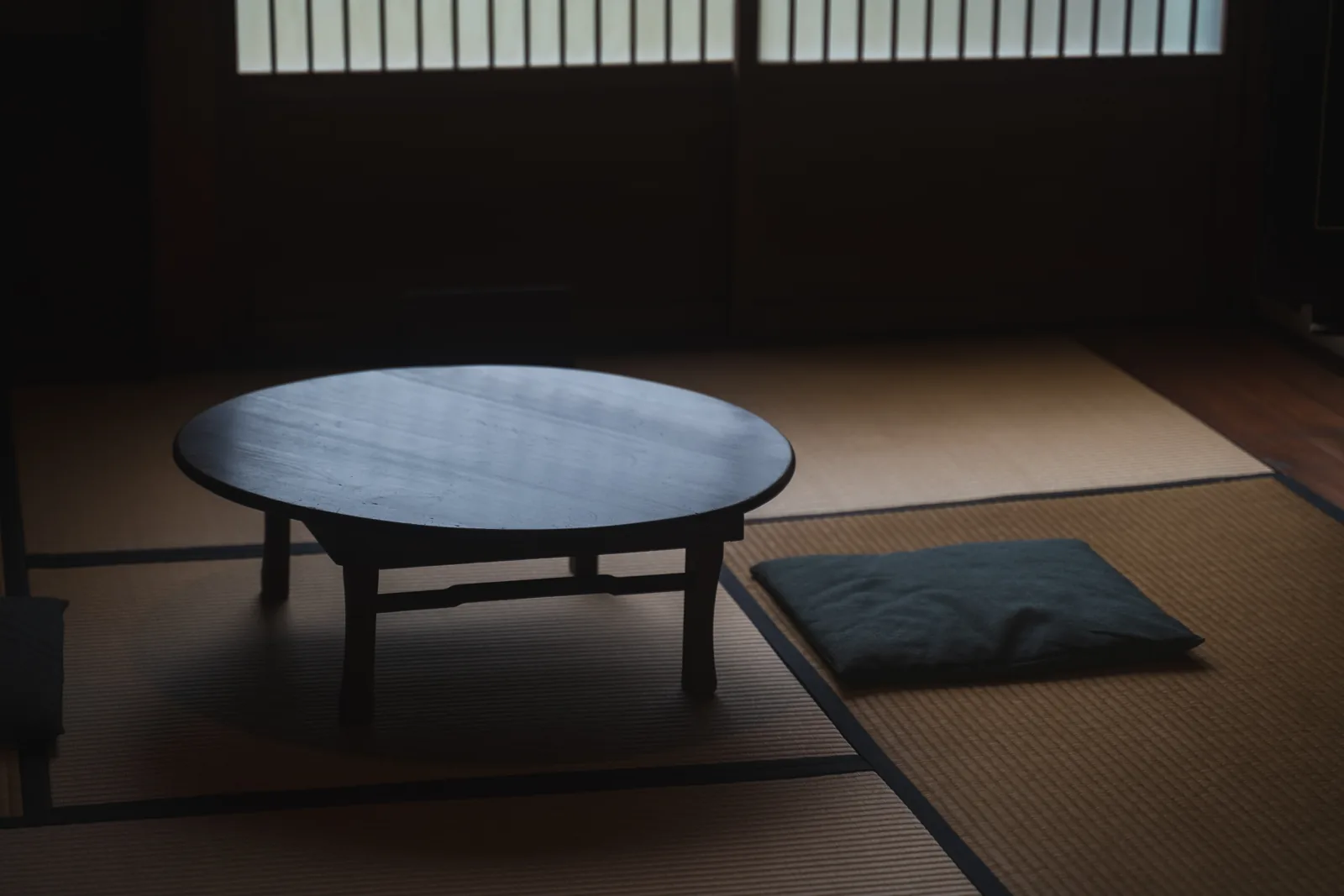
The room may have a low table and no visible bed yet. A yukata is usually provided. Wearing it around the property is optional unless the inn says otherwise.
Bathe and dine
Many guests bathe before dinner, but the timing is yours within the bath hours. Arrive at the dining place at the agreed time.
Sleep, breakfast and check out
Staff may lay out futons while you dine. Breakfast is served at a set time, followed by an earlier checkout than many city hotels.
Rooms, meals and baths
These are separate booking decisions. Do not assume that a Japanese style room includes a private toilet, that every rate includes kaiseki, or that every bath contains natural onsen water.
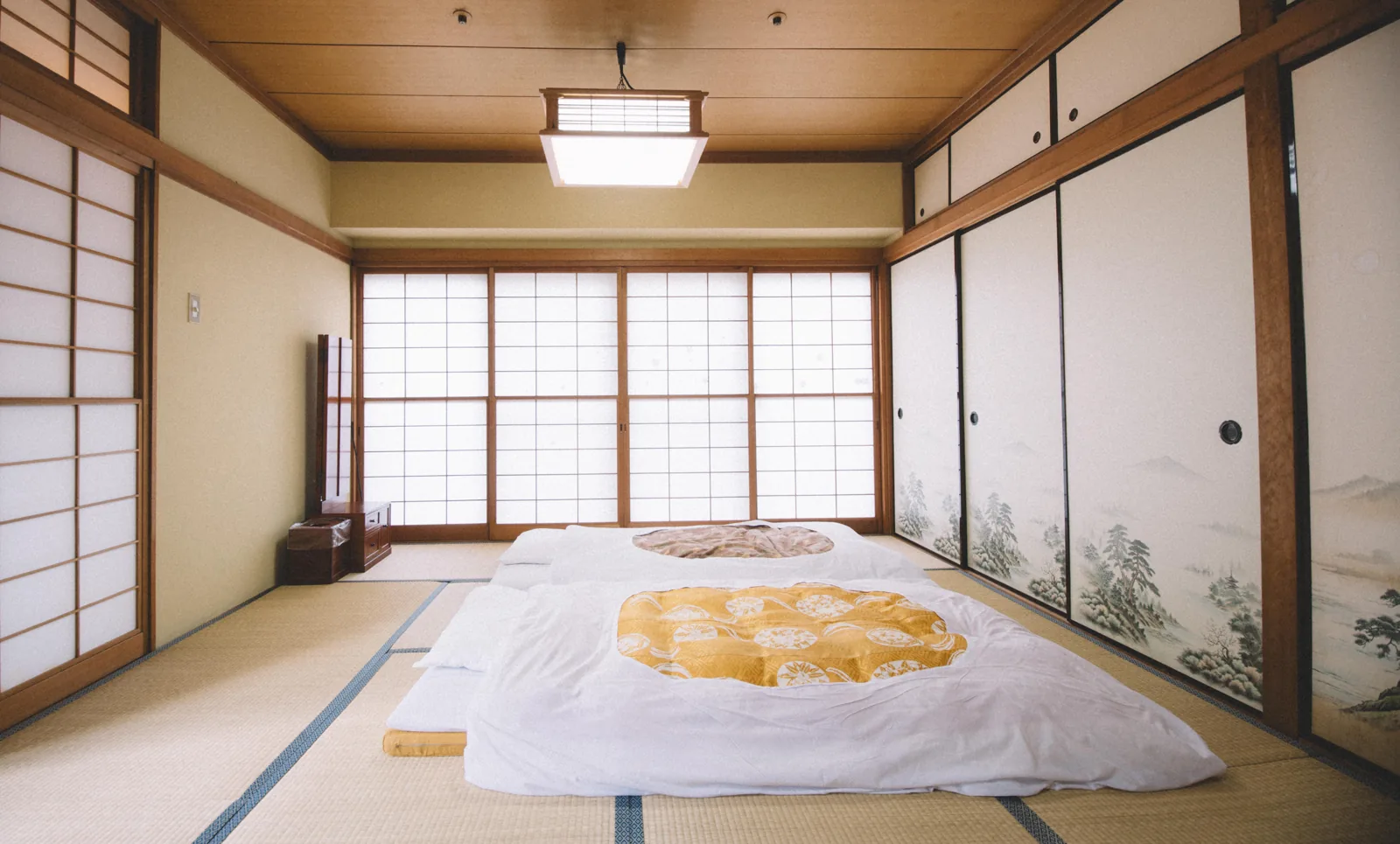
Room and sleeping arrangement
Confirm futon or bed, room size, smoking status, and whether the toilet and bath are private or shared. “Japanese style room” describes the flooring and layout, not every facility.
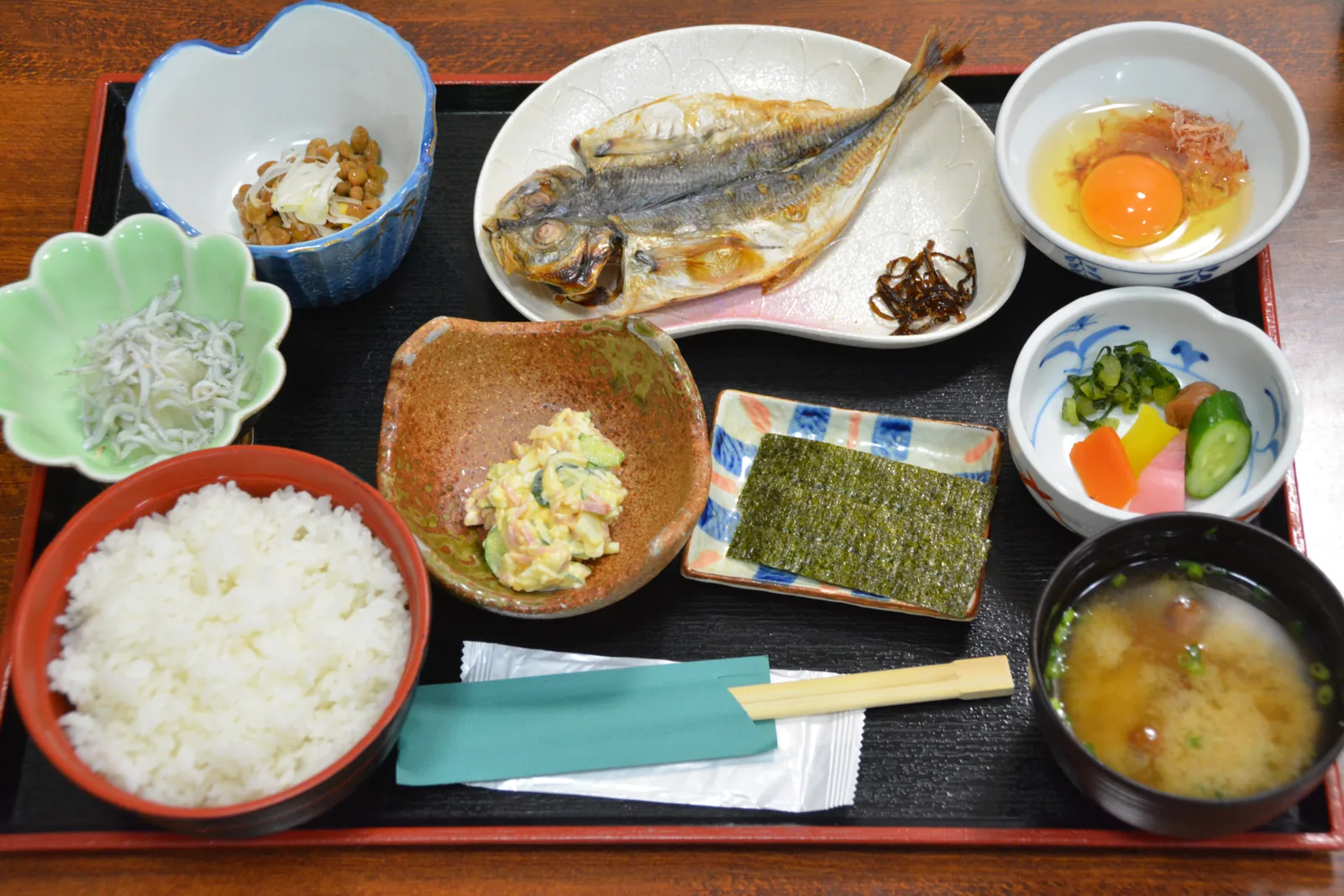
Dinner and breakfast
Meal inclusive plans may provide a multicourse dinner, a simpler set meal or a buffet. Check both meals separately, where they are served and whether drinks cost extra.
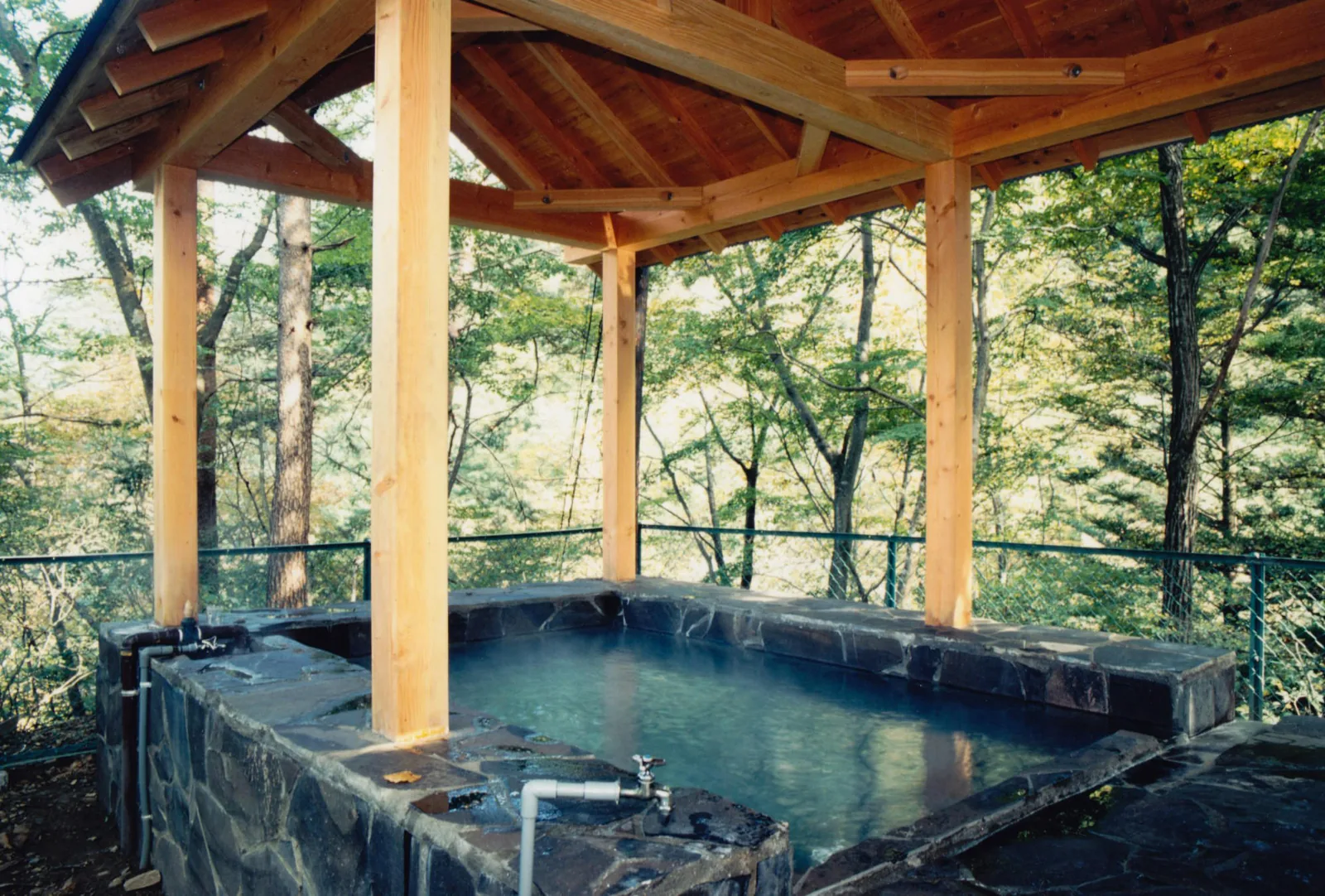
Communal and private baths
A room bath offers privacy, while a reservable bath is usually shared with other guests at different times. Confirm the reservation method, charge, bathing hours and tattoo rules.
Booking, meals and special requirements
Read the price basis
Check whether the displayed amount is per person or per room, which meals are included, whether children have separate rates, and which taxes or bathing fees are paid locally.
Give dietary notice early
Tell the property the exact ingredients and cross contact concerns before booking or by its stated deadline. A multicourse menu prepared in advance may be difficult or impossible to alter on arrival.
Confirm the arrival deadline
Dinner plans may set an earlier final check-in than room only plans. Contact the ryokan immediately if transport disruption will make you late. Do not assume dinner can simply be held.
Ask about solo stays
Some plans require two guests or become more expensive for one person. Search for single occupancy on the exact date rather than dividing a two person room price.
Check children’s arrangements
Children may be priced by age, meal size and whether bedding is supplied. State every child’s age and confirm cot, high chair, meal and bath arrangements directly.
Check access in detail
Historic properties may have entrance steps, no lift, low furniture and floor level bedding. Ask about the route from entrance to room, bath and dining area, not only whether a room is labelled accessible.
Cancellation: meal inclusive stays commit the inn to ingredients and staffing in advance. Read the property’s own cancellation schedule, including no show and late arrival terms, before paying.
Common questions
Do I have to sleep on a futon?
No. Traditional rooms use futons on tatami, but many ryokan also offer Western beds or mixed Japanese-Western rooms. Select the room type carefully rather than assuming all rooms are the same.
Are dinner and breakfast always included?
No. Many rates include both, but breakfast only and room only plans also exist. Check the plan name and inclusions for the exact booking.
Can the ryokan accommodate allergies?
It depends on the kitchen, menu and severity. Contact the property before booking with exact requirements and ask whether it can manage ingredients and cross contact safely.
Can I stay if I have tattoos?
Usually the accommodation itself is not the issue, but communal bath policies vary. Ask about tattoo acceptance, covers, reservable private baths or a room with its own bath before booking.
Do I need to wear the yukata?
No. It is provided for comfort and is commonly worn inside the property, but guests can remain in their own clothes unless a specific area has another rule.