Surfing in Japan
Japan is an island chain with thousands of kilometres of coast facing the Pacific, and every typhoon that spins up out of the tropics sends swell straight into it. That combination has produced a surf culture that is older and larger than most visitors expect, quiet, orderly, and spread along beaches that hardly anyone outside the country has heard of. When the Olympics came to Tokyo, the surfing was held at Tsurigasaki on the Chiba coast an hour from the capital, which told the rest of the world something Japanese surfers had known for fifty years.
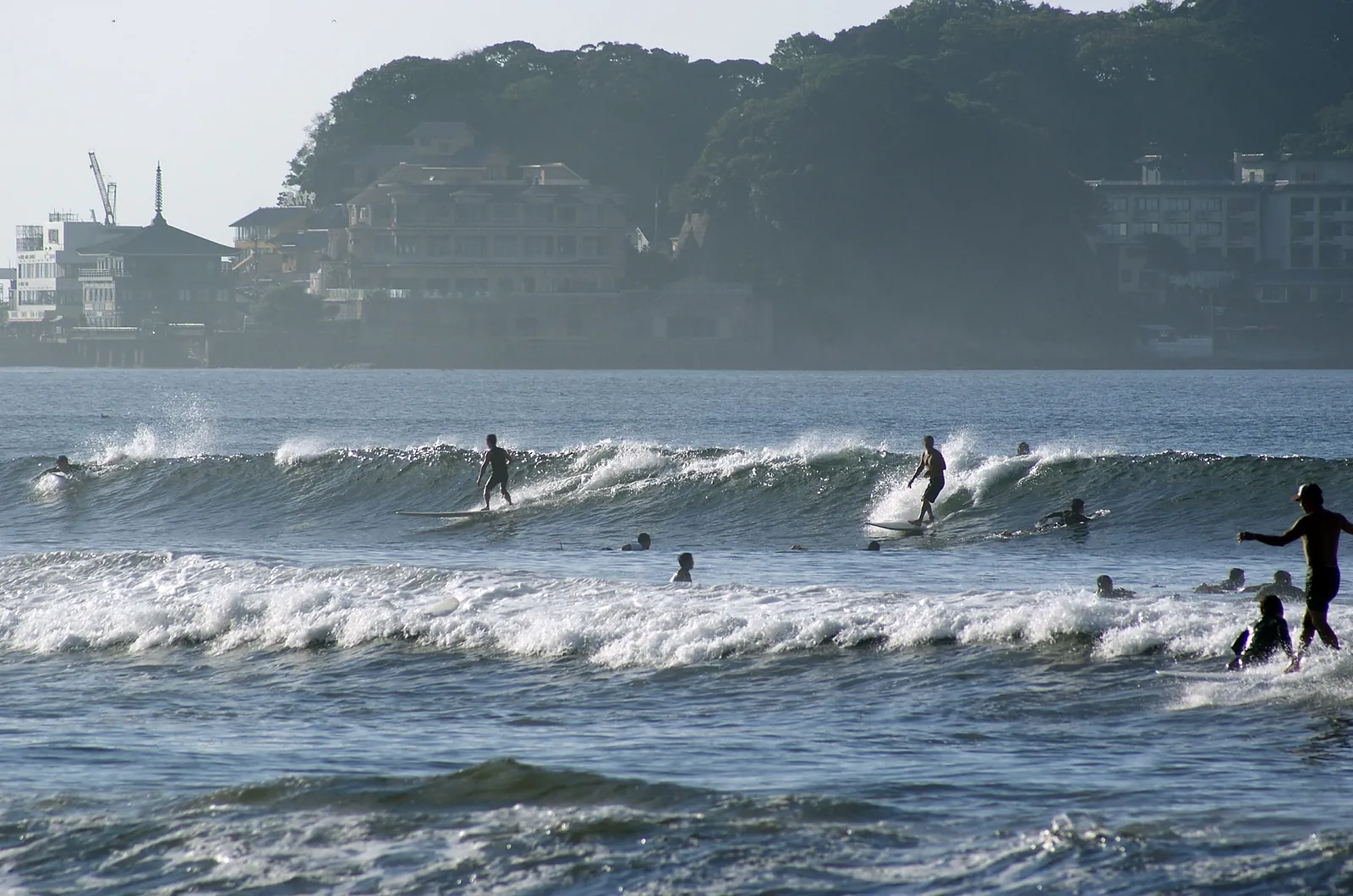
It is worth being clear about what kind of surfing it is, because the honest answer is what makes it good. Most days on most beaches the waves are small to moderate and beach break, which is ideal for learning and for the long mellow session. The famous days come with the typhoons from late summer into autumn, and those are for people who know what they are doing. The water is cold for half the year outside Okinawa. And the line ups are among the most polite you will ever paddle into, provided you are polite back. If that sounds like a place to learn or to surf without a crowd and a hustle, that is exactly what it is.
Where to surf
Two coasts carry most of the reputation, Chiba for its closeness to Tokyo and Miyazaki for its waves, and the rest fill in around them. Everything below is drawn from the national tourism organisation's own surf guides.
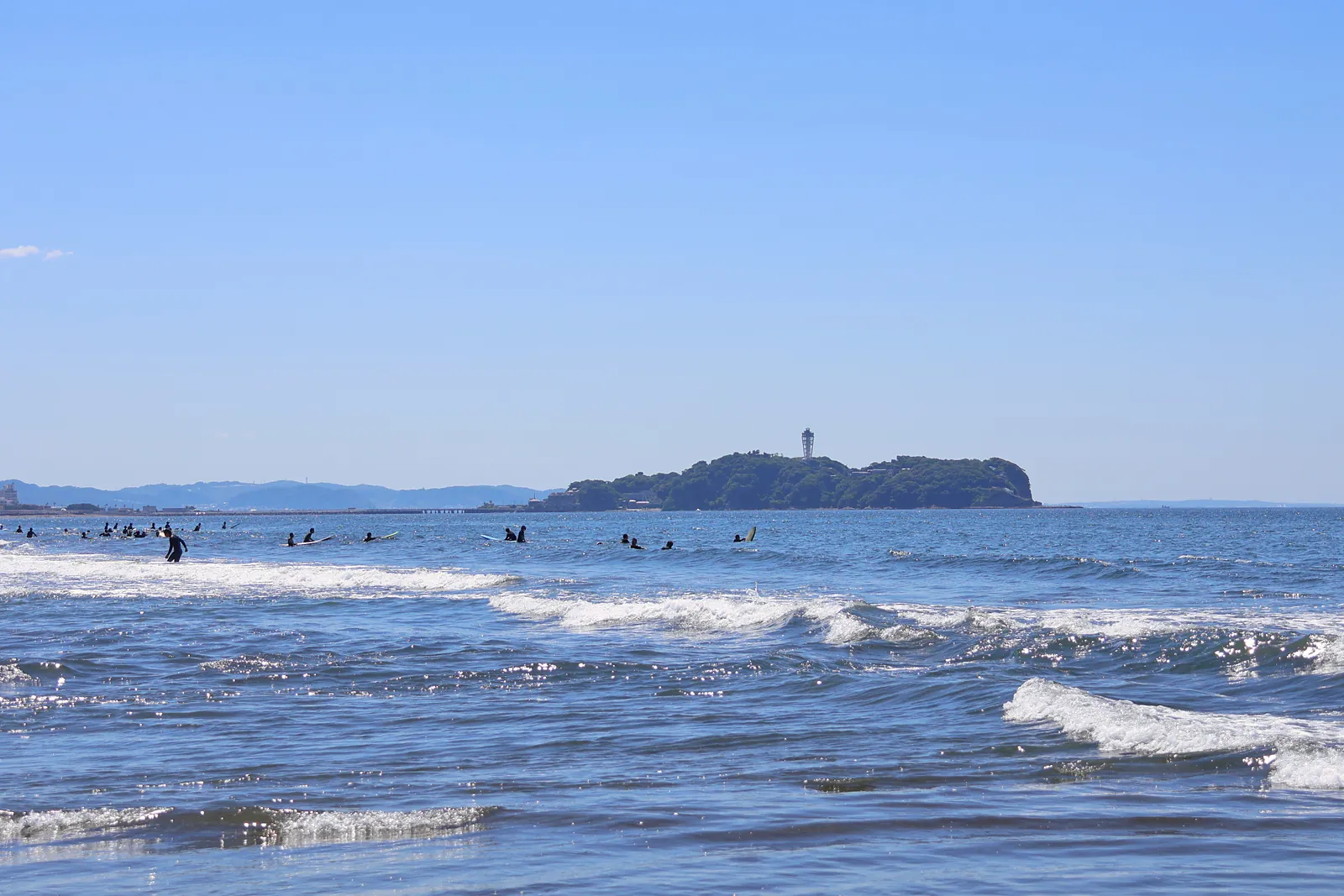
Open a region for its beaches and who they suit.
Chiba, and Ichinomiya
Ichinomiya is a surf town in the plain sense. The beach is the reason it exists and the shops, schools and cafes line up behind it. Tsurigasaki Beach, where the 2020 Olympic surfing was held, is known for its powerful waves and strong currents, and the more forgiving sand bottom breaks nearby are where the schools teach. The coast breaks consistently through all four seasons, to the point that Chiba's own tourism office notes people surfing here in February on the way home from the ski fields. Further down the coast Onjuku has the warmest water in the prefecture on a current from the south, and Wadaura is a beach for experienced surfers. From Tokyo Station the JR Wakashio limited express reaches Kazusa-Ichinomiya in about 60 minutes, or 90 on the ordinary Sotobo Line, which makes this the one surf coast in Japan you can do as a day trip from the capital. Chiba's official page has the detail.
Miyazaki, Kyushu
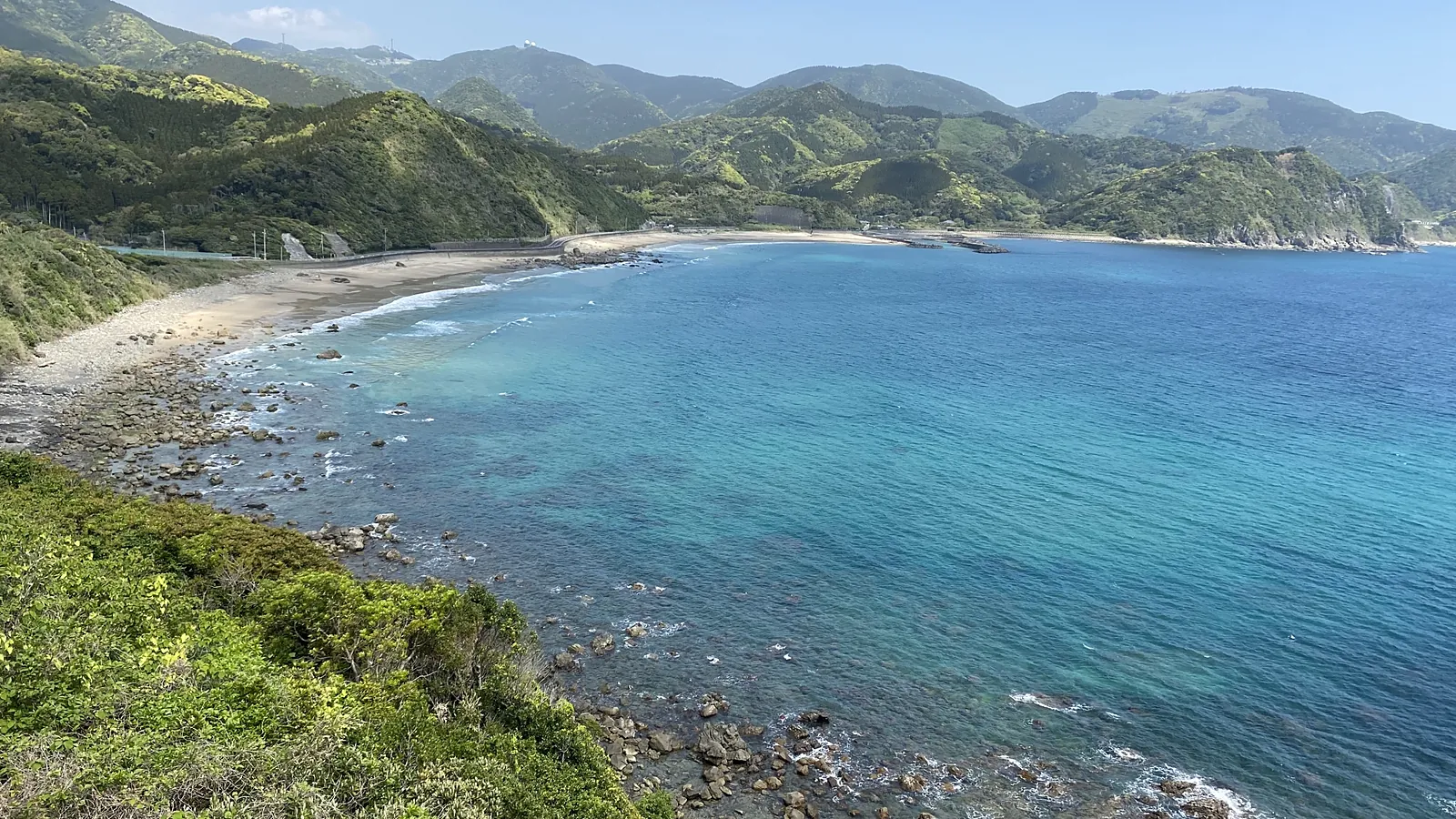
Miyazaki is where Japanese surfers go on holiday. The coast runs south from the city along the Nichinan shore for 90 kilometres of beaches and sea stacks, and it holds the contests. Kisakihama, near the city, hosted the 2019 ISA World Surfing Games and suits every level, and Okuragahama up in Hyuga hosted the World Junior championship, breaks consistently on a sand bottom and takes all comers. Aoshima has the most surf schools. Hitotsuba's shorter, punchier, barrelling waves are not for beginners, and Ibii down the Nichinan coast is exactly for them. Kojima lights up when the typhoons arrive between June and November. There is no bullet train to Miyazaki, so you fly from Haneda or Narita or drive, and once there a car is the way to move between beaches. The JNTO Miyazaki surf page covers each beach.
Shonan, Kanagawa
The stretch of coast from Kamakura past Enoshima is the beach the whole Tokyo region uses, an hour from the city by train and busy every fine weekend. The waves are mostly small, which is why it is full of beginners and longboarders and why the schools and rental shops are everywhere. It is not where you go for the wave of your life. It is where you go for a first lesson with Mount Fuji sometimes visible across the bay, and for the culture, which here is as much cafes and boards on bicycles as it is surfing.
Shikoku, Wakayama and Okinawa
Shikoku's Pacific coast, Kochi and Tokushima especially, is known for river mouth waves that the national guide singles out as some of the finest of their kind, with a season from June to November. Isonoura Beach in Wakayama is where Kansai surfs, and it fills through the long summer. Okinawa is the one place you can surf in boardshorts in December, but the breaks are over coral reef and tropical storms are unpredictable, so it is for competent surfers who understand reef, or for beginners only under instruction at the beaches set up for it.
Seasons, and what the typhoons mean
You can surf somewhere in Japan in every month, and the calendar decides what kind of surfing it is. Summer brings warm water, small waves and the crowds, along with the only months when beaches have lifeguards. Late summer into autumn, roughly August to October, is the peak, because the typhoon season sends the big, clean, long period swell that the coast is famous for. Winter is cold and empty and, on the Chiba and Miyazaki coasts, often very good, for anyone with the wetsuit for it. Spring is the in between and usually the cheapest.
The same storms that make the season also close beaches, cancel trains and put water in the streets. When a typhoon is near, the surfers you see in the water are experienced locals reading a break they know. If you are learning, that is a day for the surf shop, not the surf, and the schools will tell you the same.
Wetsuits are the thing to get right. Outside Okinawa the water is warm enough for boardshorts only at the height of summer, a light suit covers spring and autumn, and winter on the main islands means a thick suit with boots and a hood. Every rental shop has them, and the price of hiring one is far less than the cost of a session cut short by cold.
Lessons, boards and the line up
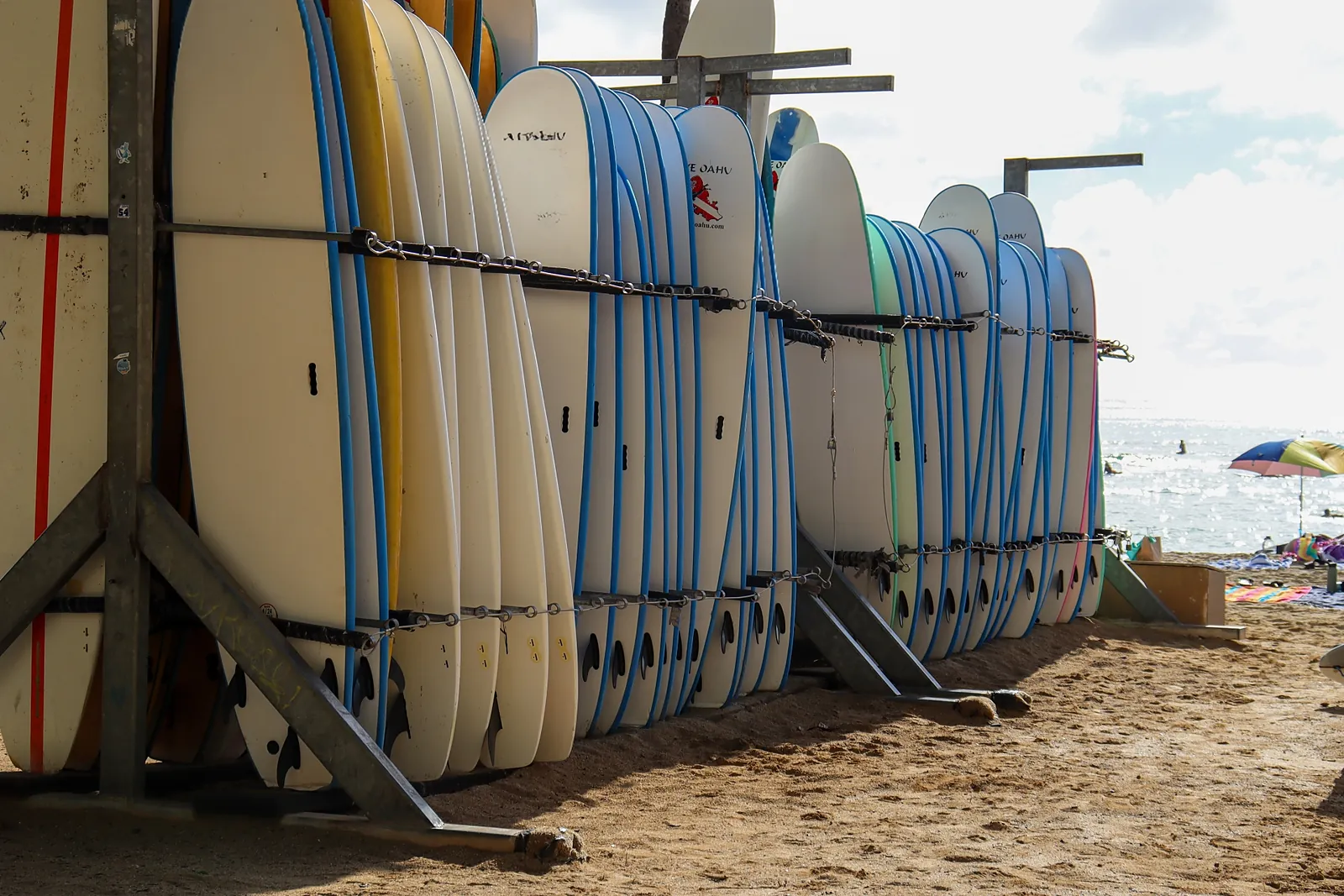
Schools in English are easy to find
The national guide notes English language surf schools across the country, and Ichinomiya, Aoshima and Shonan have the most. A first lesson includes the board and the suit and puts you on a sand bottom beach with small waves, which Japan has in abundance.
Rental is at the beach, retail is in Tokyo
Boards and suits rent by the day from shops behind every popular beach. If you want to buy, the Ochanomizu and Kanda district of Tokyo has a concentration of surf shops that surprises people who came for the guitars.
Summer beaches separate swimmers and surfers
In the swimming season, lifeguarded beaches mark out areas by flags and surfing is confined to its zone. Read the flags, ask the shop, and do not paddle out through the swimmers.
The line up runs on manners
Take turns, do not drop in, do not paddle straight to the peak on arrival, and greet people. Japanese line ups are quiet and orderly and the locals are generous with anyone who respects that. A few of the famous breaks are protective of their regulars, and the answer to that is the same manners, plus a beach with more room.
Planning a surf trip
From Tokyo, with a day: Ichinomiya
An hour on the Wakashio and you are on the Olympic coast with a school booked. Stay a night if you can, because the early session before the day trippers arrive is the part worth staying for.
With a week: Miyazaki
Fly in, hire a car, and work down the coast from Hyuga to Nichinan. It is warm, cheap and consistent, and the beaches are close enough together to chase the swell.
For a first lesson only: Shonan
An hour from Tokyo, a school on every corner, and a train home in time for dinner.
Check the forecast and the typhoon track
A week of small clean waves is a good trip. A typhoon passing through is a good trip for the people who live there. Watch the track before you commit to dates on the Pacific coast in September.
Common questions
Can a complete beginner learn to surf in Japan?
Yes, and it is one of the better places to. Small sand bottom waves, patient schools, and instructors who teach in English at the main beaches.
Which season should I aim for?
For waves, August to October with the typhoon swells. For learning, early summer or early autumn, when the water is warm and the storms are not yet in charge.
Do I need my own board?
No. Rental is available behind every popular beach, and a hired board saves the airline fees and the walk from the station.
Is the water cold?
Outside high summer and Okinawa, yes. Hire the right wetsuit for the month and it stops mattering.