Fuji Speedway
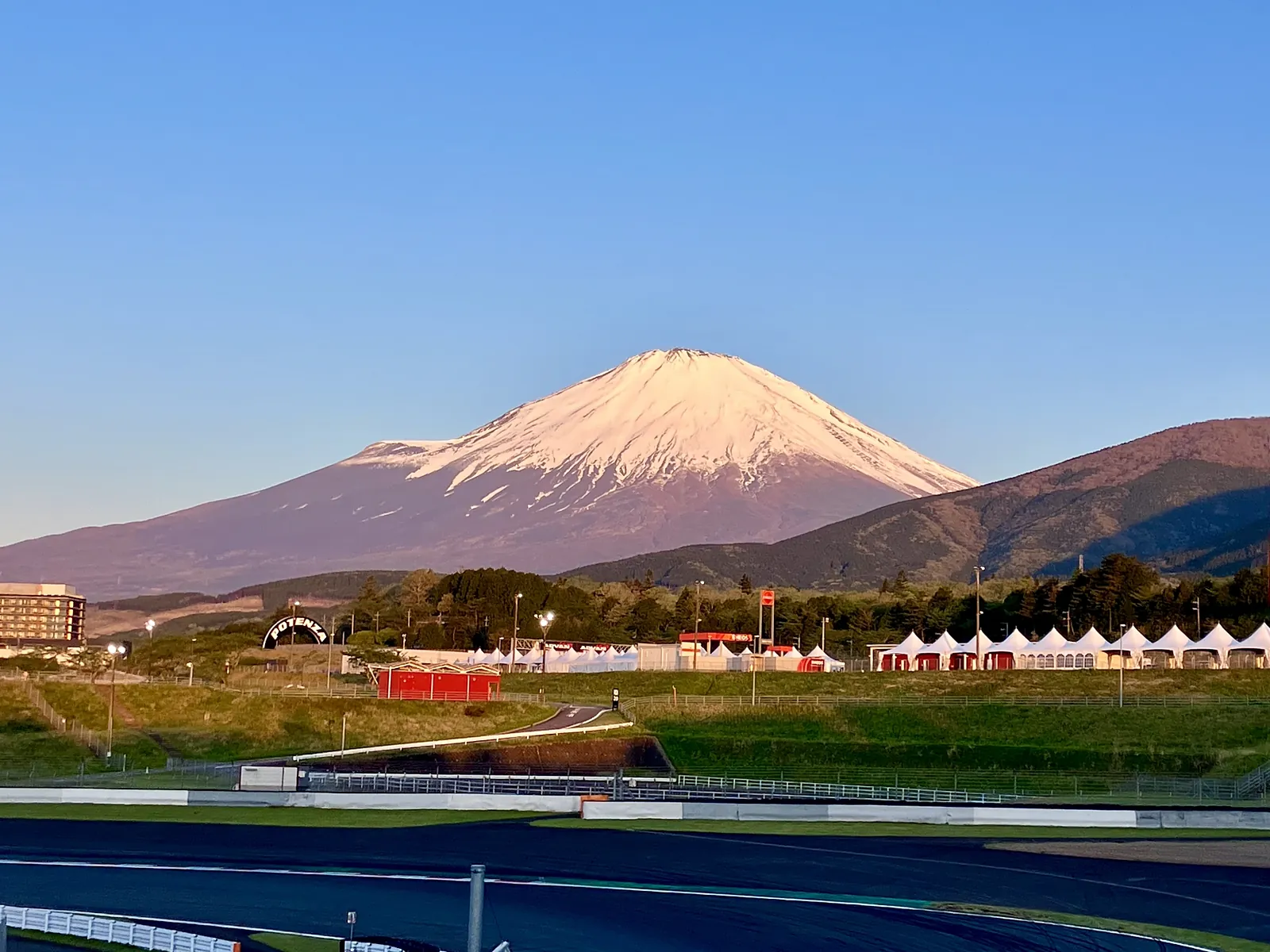
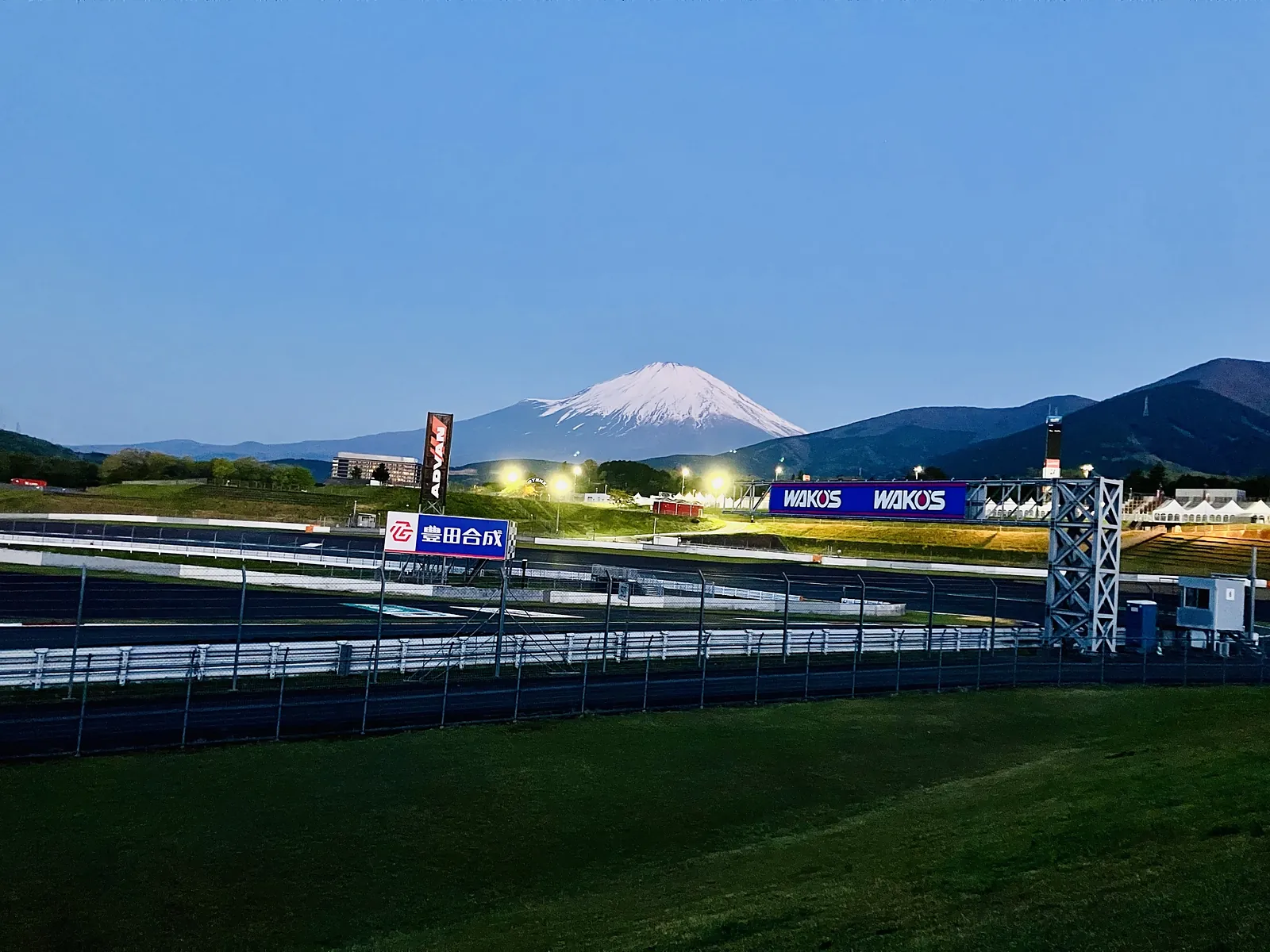
Fuji Speedway sits in Oyama, in the north eastern corner of Shizuoka, with Mount Fuji filling the sky behind the main straight. That view is the reason the place gets photographed as much as it gets raced on, and on a clear morning it does most of the work before a single engine has started. The circuit has been part of Japanese motorsport for decades and today it hosts the country's headline series along with a round of the World Endurance Championship, the same championship that runs Le Mans.
What makes it worth a place on a trip, rather than just a name to recognise from a video game, is that it works on the days when nothing is racing at all. You can drive the full course in your own car behind a pace car, be driven around it properly quickly by a professional, walk through a museum of racing cars beside the track, or simply stand at the fence and watch whoever has booked the circuit that afternoon. For a working circuit it is unusually open to visitors, and none of the others come with that mountain.
It is a day trip from Tokyo, though a long one, and the way you get there shapes the whole day. Sort the transport first and the rest falls into place.
Watching a race
The season runs from spring into early winter and the big weekends are easy to spot on the calendar. Dates move from year to year, so confirm the round you want on the circuit's own event page before you book anything around it. The English calendar is not always the first to update, and the Japanese one is worth a look even if you cannot read it, because the dates are the dates.
Open a series to see what kind of weekend it is.
Super GT
This is the one most people mean when they talk about racing in Japan, with two classes of car sharing the track and manufacturer teams from Toyota, Honda and Nissan in the top one. Fuji usually gets a round in early May, right in the middle of Golden Week, and another in summer. The Golden Week round is the busiest weekend the circuit has and the whole Gotemba area books out well ahead, so if that is the one you want, sort accommodation first and tickets second.
Super Formula
Open wheel cars a step below Formula One, driven by a mix of Japanese talent and drivers who have come across from Europe. The crowds are smaller than Super GT, which works in your favour for seats, parking and the return bus. If you want to see how a circuit weekend runs without fighting through a Golden Week crowd, this is the one to pick.
WEC 6 Hours of Fuji
The same championship that runs the 24 Hours of Le Mans, with the same hypercars and the same factory teams, which makes this the weekend for anyone who follows international racing rather than Japanese series. Six hours means the race runs from early afternoon into dusk, and the light on the mountain in the last hour is a large part of why people come back. It runs across several days, and the practice days are the calmer way to see the cars up close.
Fuji 24 Hours
A full day and night of racing for production based cars, and the one event where the overnight hours are the whole point. The circuit at three in the morning with headlights on the straight is a different place from the circuit at noon. It needs warm clothing even in May, because the mountain air drops away fast after dark.
Drift and fan events
Alongside the championships the circuit runs drift rounds, car festivals and fan days that are far more relaxed than a race weekend. Cars are closer, the paddock is more open and the crowd is there for the culture as much as the competition. If you are travelling with people who do not follow racing, these are the days they will enjoy.
Whatever the weekend, read what the ticket actually includes before you buy. Grandstand seats, general admission and paddock access are separate products and the difference between them is the difference between a good day and a long one standing in the wrong place. Check where you can sit, what shelter there is and what the weather policy says, and work out the return journey before the programme ends rather than after, because the buses back to the station run to their own timetable and not the circuit's.
Driving the circuit yourself
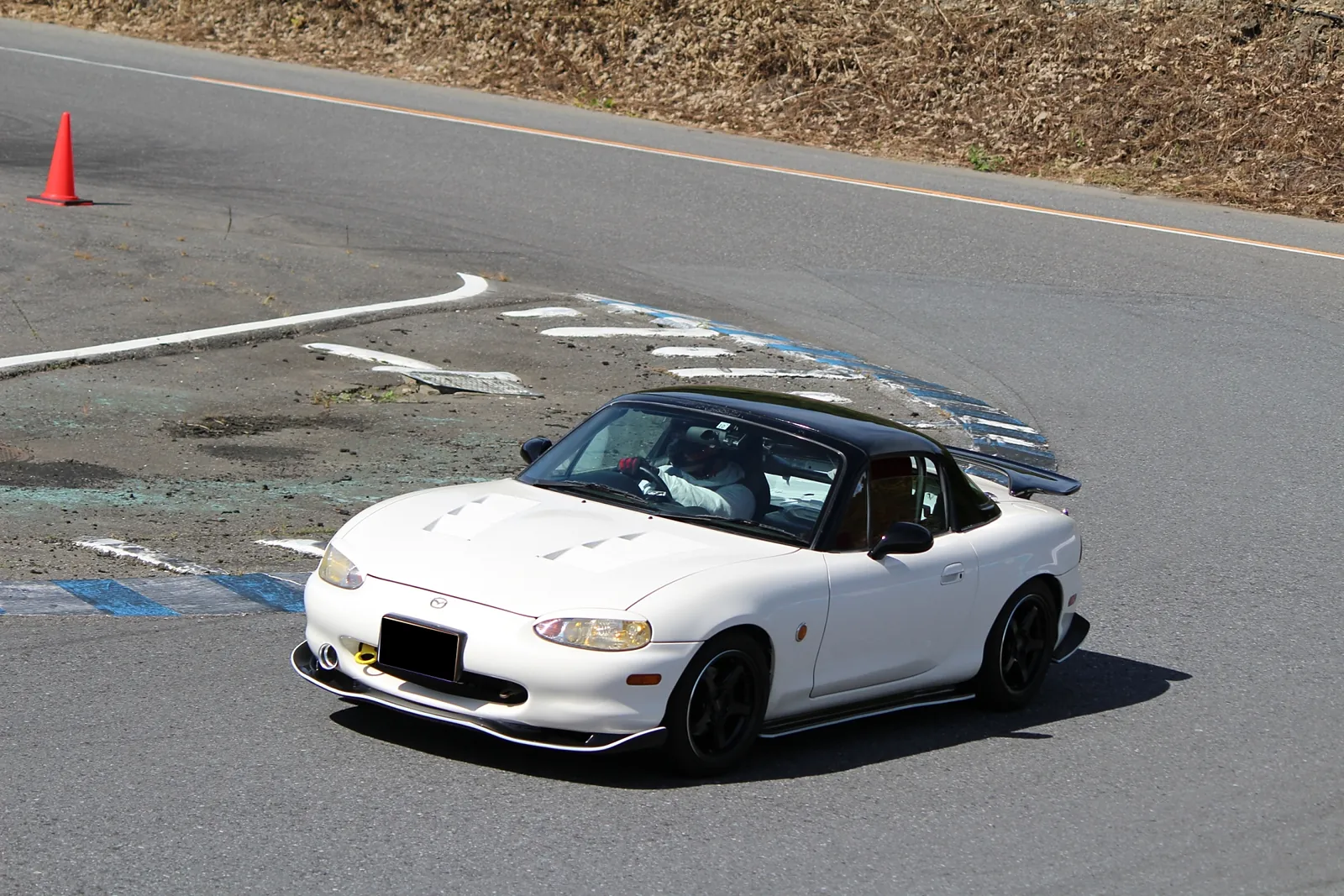
On an ordinary day, with nothing else booked, you can drive Fuji Speedway. This surprises people, and so does the price. The entry level programme costs less than a decent lunch, the licence bar is your ordinary driving licence or an International Driving Permit, and the paperwork is a form. These are the circuit's own published programmes and prices at the time of writing, and the official page is where to confirm them.
Experience Driving, in your own car
Three laps of the full racing course behind a pace car, in your own car or motorcycle, for ¥3,300 per vehicle. No special licence and no helmet needed, just your ordinary licence or an International Driving Permit at the gate. You apply in advance on a form. The car has to be capable of expressway driving and motorcycles of 125cc and under are not eligible.
GR car rental, driven by you
Toyota Gazoo Racing cars supplied by the circuit, a GR Corolla, GR Supra, GR Yaris or TOM'S Supra, from ¥7,700 to ¥13,200 depending on the car. Booking is first come first served at the reception on the day, so arrive early if you have your heart set on one. Passengers are welcome from primary school age.
86 rental, three laps
A Toyota 86 for three laps with you at the wheel, ¥13,300, on an ordinary licence. This one needs a reservation at least three days ahead rather than a walk up, so it is the one to plan for rather than decide on the morning.
Circuit Taxi, driven for you
A professional at the wheel and you in the passenger seat, which is the way to feel what the course is actually like at speed. The cars range across a GR Supra, a Nissan GT-R, a Hyundai IONIQ 5 N, a Toyota Mark X, a Toyota 86 and a GR 86, from ¥7,700 to ¥9,900, and the 86 version runs two laps for ¥11,200. Booking is by phone or an advance form, a helmet is mandatory, and there is a list of medical conditions that rule people out, so read it if that might apply to you.
The circuit allows rental cars on Experience Driving. Your rental agreement is a separate matter, and most exclude circuit use outright, which also means the insurance does not apply once you are through the gate. Read the contract before you book the laps, and if it is not clear, the supplied cars and the Circuit Taxi exist for exactly this reason.
The museum and the hotel
Beside the circuit is the Fuji Motorsports Forest, a development that holds the Fuji Motorsports Museum and the Fuji Speedway Hotel. The museum walks through around 130 years of motorsport with roughly 40 racing cars from around the world, and it is built for the visitor who has come for the cars rather than the racing, which on a quiet weekday is a lot of people. Hours and admission are on the museum's own site and are worth checking on the day, because they shift around events.
The hotel changes the shape of the trip. On regular business days its guests can enter the circuit grounds for free, and the front desk sells discounted museum tickets, so a night here turns a long day trip from Tokyo into a slow morning with the mountain out of the window and the track a short walk away. For a race weekend it is the most convenient bed there is, and for the same reason it is the first one to go.
Getting there and planning the day
By rail, through Gotemba
Gotemba Station on the JR Gotemba Line is the gateway, and from there the circuit's buses do the last leg. They are the awkward part. On weekdays a single morning bus runs to the East Gate and comes back mid morning. On weekends and holidays the service switches to the West Gate, with a couple of departures each way, and Suruga Oyama Station on the same line adds its own weekend buses of around fifteen minutes. Check the access page the week you go, because the timetable is thin and a missed bus is a taxi.
By car, off the Tomei
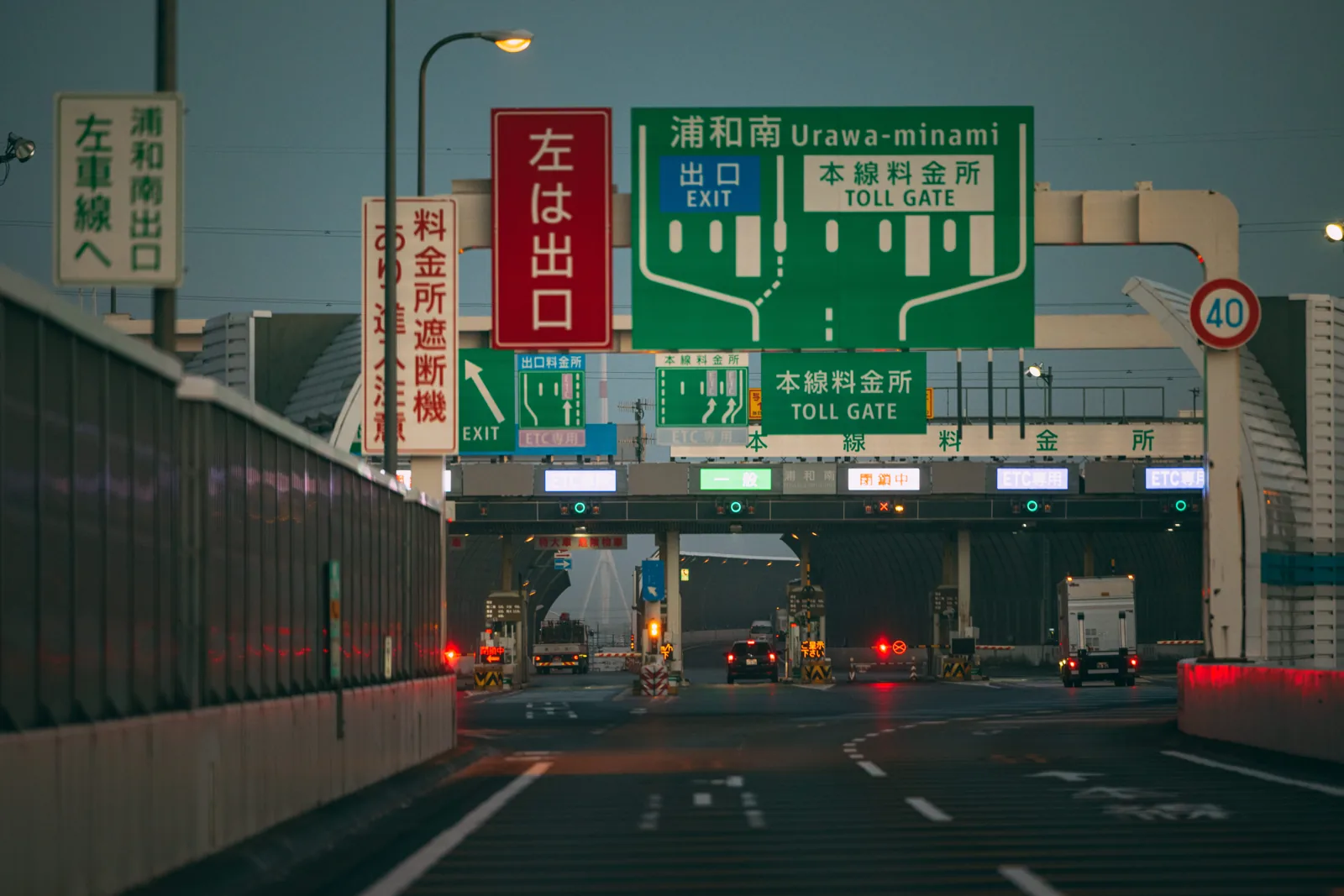
Driving is the easier way in and the only sensible way if you are bringing a car for the track. The Tomei Expressway is the route from Tokyo and the circuit's car access page has the exits and the gates. Budget for tolls, and on a race weekend budget for the traffic you would expect at any major sporting event.
The mountain is not guaranteed
Mount Fuji is behind the main straight, but only when the weather agrees. Cloud sits on it for whole days, especially in summer, and the circuit itself says the view depends on conditions. Winter and early mornings give you the better odds. Come for the circuit and treat the mountain as the bonus it is, and you will not be disappointed either way.
Race weekends fill Gotemba
Gotemba is a small town and a Super GT or WEC weekend fills it, along with the Hakone side of the hills. Book early or stay a station or two down the line. If you would rather not do the return trip in the dark after a full day at the track, a night nearby is the better plan, and the hotel on the circuit is the obvious one.
Common questions
Do I need a special licence to drive on the circuit?
Not for the visitor programmes. Experience Driving and the supplied car rentals run on an ordinary licence or an International Driving Permit. The Fuji Speedway Driving Licence is a separate thing for regular sports driving days and you do not need it for a first visit.
Can I take a rental car on the track?
The circuit allows it for Experience Driving. Your rental contract is the thing to check, and most rule out circuit use, which also removes your insurance. If in doubt, drive one of the circuit's own cars instead.
Is there anything to do on a day with no racing?
Yes, and that is the point of the place. The driving programmes, the Circuit Taxi and the museum all run on ordinary days, and the circuit is quieter and easier to get around when there is no event on.
Will I see Mount Fuji?
On a clear day, yes, and it is not something anyone can promise. Early mornings and the colder months give you the strongest chance.