
What JDM culture actually is
JDM stands for Japanese domestic market, the cars built for Japan rather than for export, and somewhere along the way it stopped being a trade term and became the name for a whole culture. The cars at the heart of it are the ones that came out of the late eighties and nineties, the Skyline GT-R, the Supra, the RX-7, the NSX, the Silvia, and the reason they matter is less what they were when new than what people did with them afterwards. Japan built a tuning industry around those cars, small workshops and big parts brands alike, and the results turned up in video games and films that a generation grew up on. A lot of visitors arrive in Japan having spent more hours driving these cars on a screen than most owners have on the road, and they want to see the real thing.
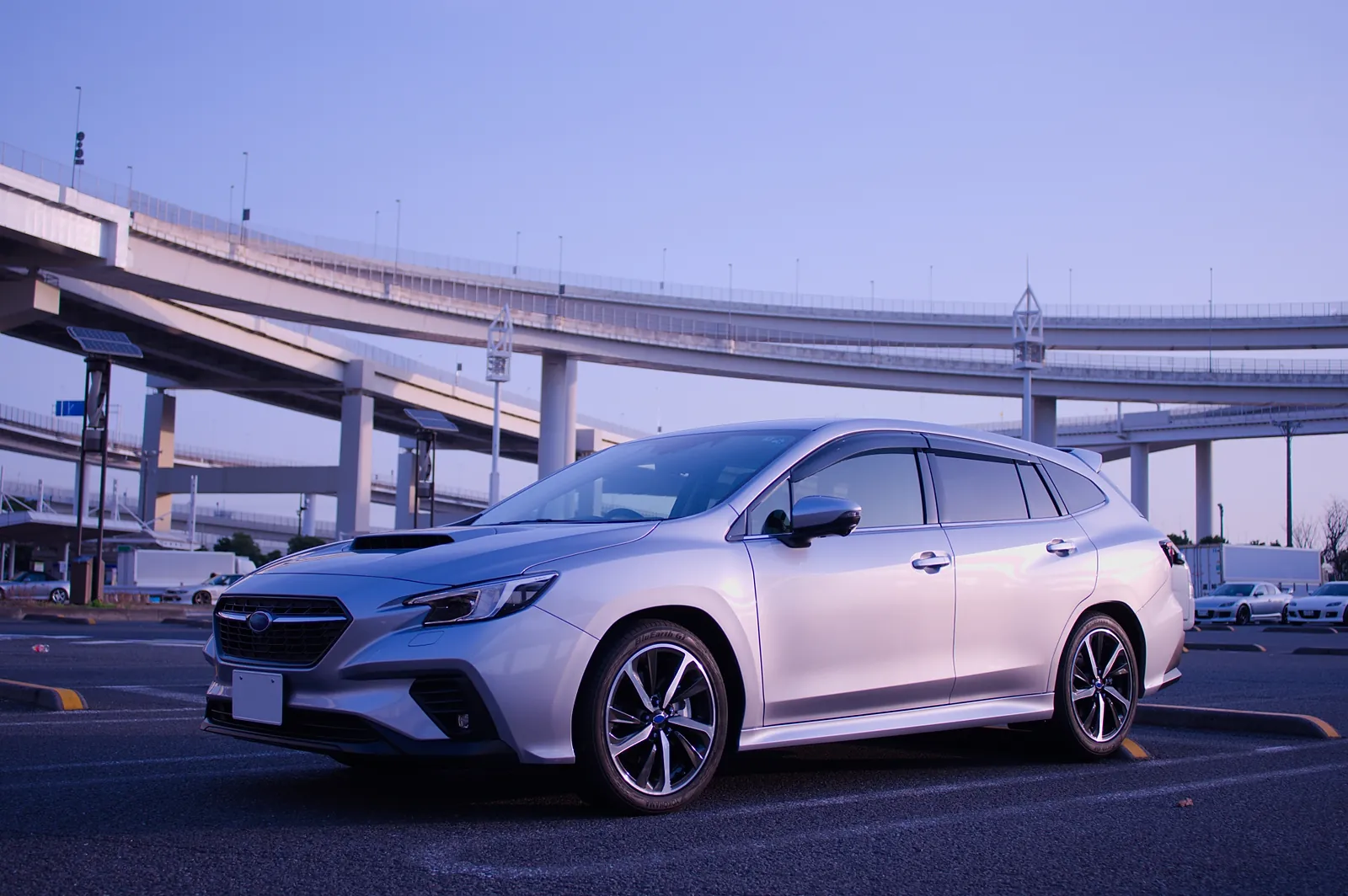
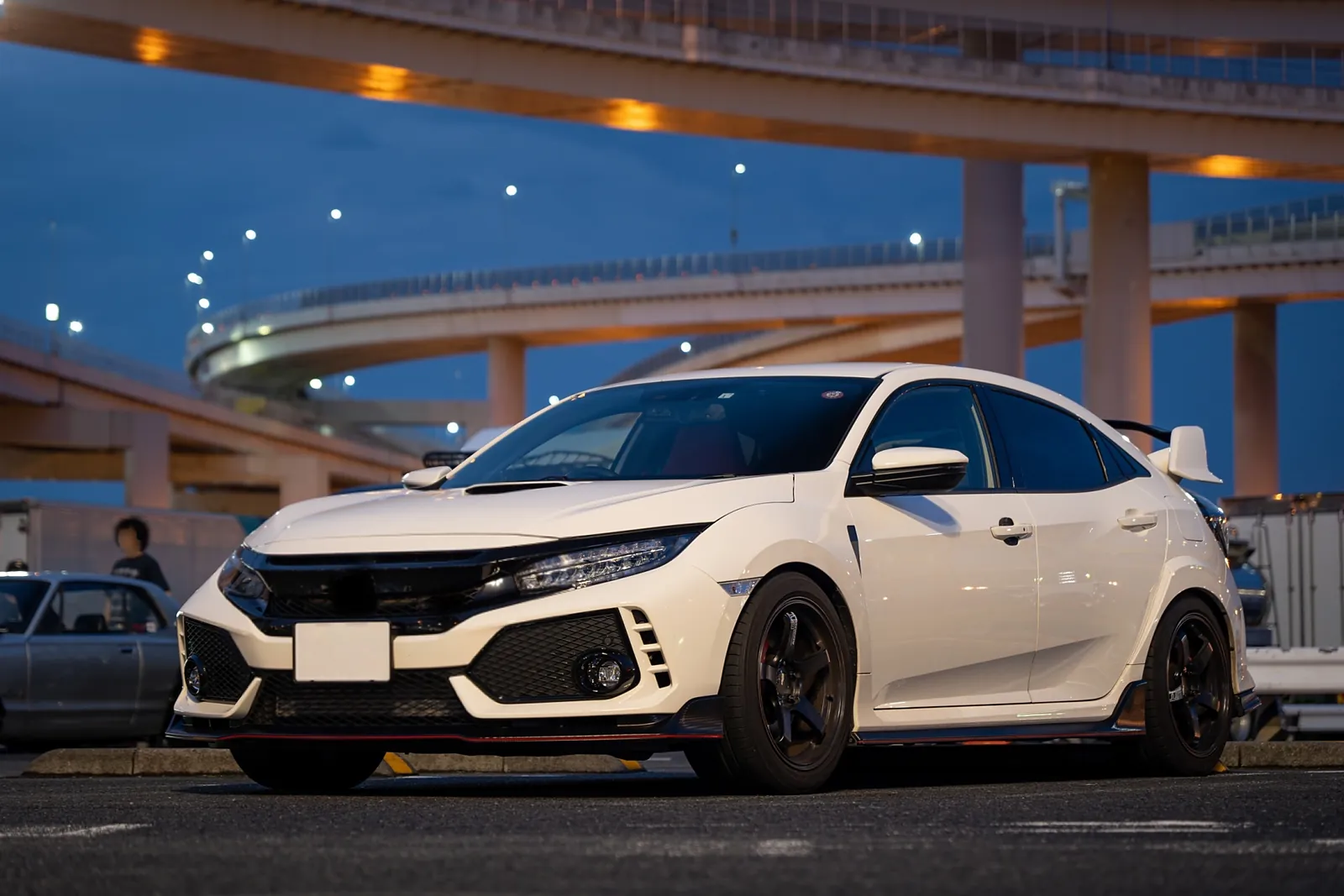
The honest picture is that JDM culture is not a place. It is a scene, and scenes are made of people, workshops, weekend gatherings and a handful of enormous shows, most of which happen on their own schedule and none of which sell a ticket at the door of a museum. That makes it harder to plan around than a circuit or a factory, but it also means that with a little timing you can end up in the middle of it rather than looking at it through glass. The styles run wider than the tuner cars too, from the low, formal VIP sedans to the kaido racer cars with their impossible bodywork, the itasha covered in anime characters, and the tiny kei cars that most of Japan actually drives, and a good week in Japan will show you all of them if you know where to look.
Ways in
These are the routes that exist on paper, with a date, a ticket or a booking form, which is what you want when you have a fixed number of days in the country. Each one shows a different side of the culture.
Open one for what it is and how to get in.
Tokyo Auto Salon
If you can only do one thing on this page, do this. Tokyo Auto Salon is one of the largest custom car shows anywhere, and it is the whole scene under one roof for three days, with the tuning houses, the parts makers, the manufacturers' own performance divisions, the drift teams and the show cars that exist for no reason except to be looked at. The 2026 edition drew 272,383 people to see 856 vehicles from 389 exhibitors, so it is not a quiet afternoon, and the Friday is the calmer day. The 2027 show runs from 15 to 17 January at Makuhari Messe in Chiba, an easy train ride from Tokyo. Tickets and hours are on the official site. If a January trip is at all possible, build it around this.
Drifting, at a circuit or on the Odaiba waterfront
Drifting was born here and the professional series still run here, which makes a drift round the most direct way to see the culture competing rather than posing. D1 Grand Prix is the original championship and its 2026 calendar runs from Fuji in April through Aichi, Tsukuba, Ebisu and Autopolis to a final round on the Odaiba waterfront in Tokyo in November, which is a purpose built street course in the middle of the city and the easiest motorsport event in Japan to reach without a car. Formula Drift Japan also visits Fuji Speedway. Dates and tickets are on the D1 site, which has an English menu even where the pages do not.
Nissan Heritage Collection, Zama
Nissan keeps hundreds of its heritage cars in a garage at its Zama site in Kanagawa, and for anyone whose JDM interest starts with a GT-R, this is the room. It is not a walk in museum. Visits are guided tours booked through Nissan's reservation site, the calendar opens at noon on the fifth day of the previous month and goes quickly, each booking covers a maximum of five people, children of fifteen and under need an adult with them, and the guides speak only Japanese, which has never stopped anyone who came for the cars. From Minami Rinkan Station take the Kanagawa Chuo Kotsu bus bound for Aeon Mall Zama to Hibarigaoka 1-chome, then walk about seven minutes. Details and the booking link are on Nissan's tour page.
Honda Collection Hall, Motegi
Honda's own collection sits inside Mobility Resort Motegi in Tochigi, the circuit and park north of Tokyo, and it holds approximately 150 items across cars, motorcycles, power products and racing machines, laid out over three floors in the order the company lived them. There is no separate charge, it comes with the resort's admission and parking, which makes it a good add on to a race day or a family day there. Hours, closed days and access are on the resort's page, and Motegi is a car or bus journey rather than a train one, so plan the day around that.
The Toyota museums and Fuji Speedway
Toyota's three museums around Nagoya, including a world car collection of around 140 cars, have their own page, and Fuji Speedway, where you can drive the circuit in a GR car or ride in one with a professional, has another. Both belong on a JDM trip and neither needs repeating here.
Shops, workshops and a guided evening
The scene lives in parts shops that run to several floors, in tuning workshops that are working businesses first and attractions never, and in the model car and sticker counters where most visitors end up spending their money. Some shops welcome a browse and some do not, so ask before you photograph cars, staff or customers, and do not expect anyone to stop work for you. For the workshops and the evening gatherings, a passenger tour run by someone local is the practical way in. Read the operator's meeting point, route, vehicle, group size and cancellation terms, and treat any promised gathering as a hope rather than a guarantee, for the reasons in the next section.
Daikoku and the parking area gatherings
Everyone asks about Daikoku. It is a parking area on the Shuto Expressway's Bayshore Route in Yokohama, and on some nights, especially Sunday nights and the night before a holiday, it fills with cars whose owners have come to see each other's. It is real, it can be extraordinary, and it is the single most photographed thing in Japanese car culture. It is also not an attraction, and that distinction matters more here than anywhere else on this site.
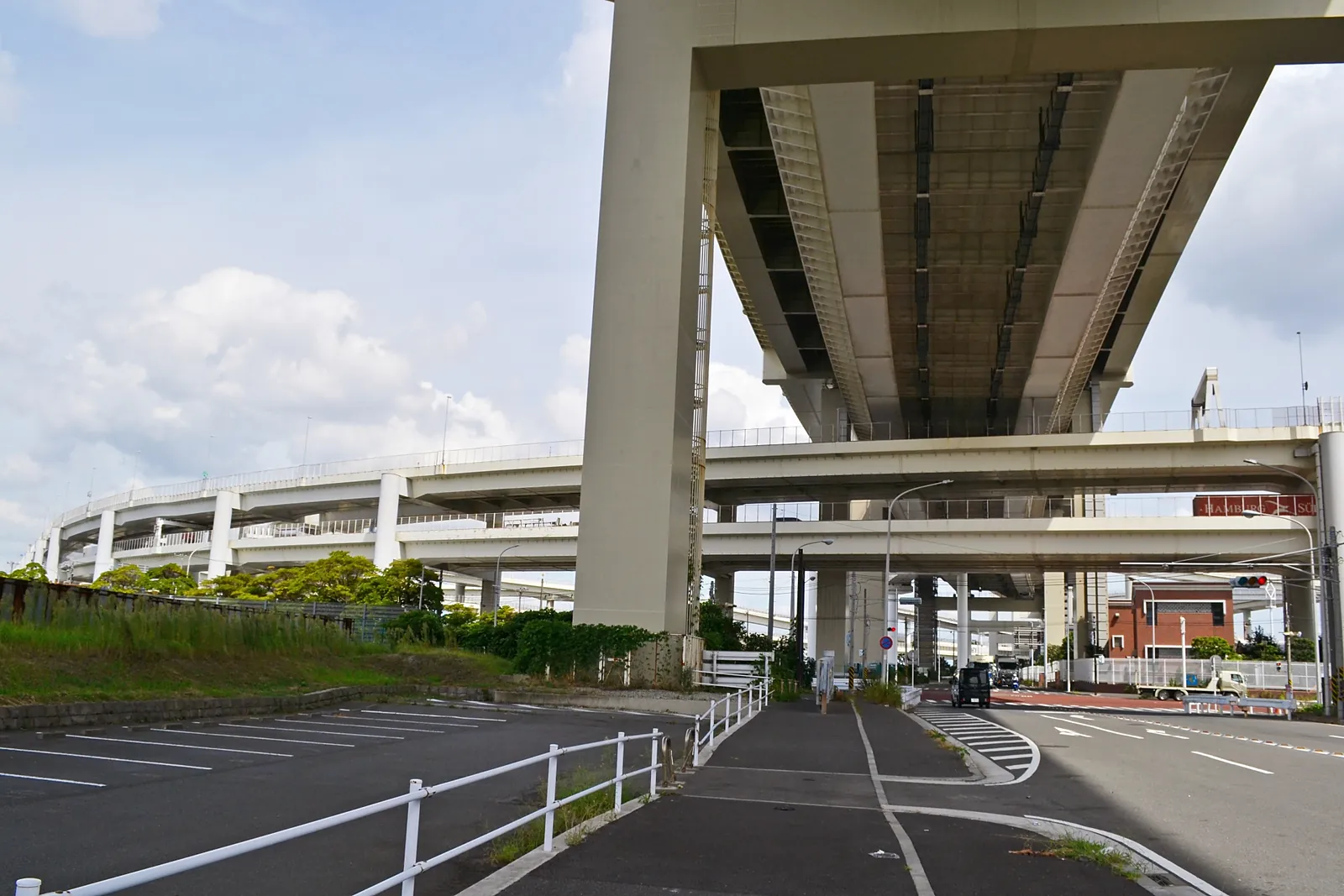
Nobody organises it. Nothing about it is scheduled. It is an expressway parking area, so you arrive by car or you do not arrive, and the police close it without notice when it gets too full, which it does regularly, sometimes for the whole evening and sometimes for weeks. A visitor who builds a night around Daikoku can easily end up sitting in a taxi on the Bayshore Route looking at a closed gate. The same goes for the other parking areas the scene uses. Go if you can, with someone who knows the current state of it, and go with the understanding that an empty car park is a possible outcome and not a failure of planning.
Tokyo Auto Salon, a D1 round and the Odaiba street course are the culture with a date and a ticket. If seeing a lot of modified cars in one place is the point of the evening, they will deliver it. Daikoku is what you do on top of that, not instead of it.
Driving one
You can. The simplest and safest way is at Fuji Speedway, where the circuit rents its own GR cars for laps of the track on an ordinary licence, or puts you in the passenger seat of a GT-R or a Supra with a professional driving. Specialist rental companies around Tokyo hire out the older JDM cars for road use, and if that is your dream then it is a dream you can book, but read the licence requirements, the insurance and the damage terms before you pay, because a nineties sports car on an international permit is not something every insurer covers the same way. The mountain roads those cars were built for have their own page, and it is worth reading before you plan a drive, because the roads are real and so are the rules.
Planning around it
January is the month
Tokyo Auto Salon decides this. If the scene is a big part of why you are coming, come in the second week of January and let everything else fit around three days at Makuhari.
Book the Nissan tour the moment the calendar opens
Noon Japan time on the fifth of the month before. Set an alarm, have your party of up to five ready, and do not expect a second chance in the same month.
Pick a drift round you can reach
The Odaiba round in November is in Tokyo itself. Fuji in April is a train and a bus. The others are a car. Choose by transport, not by which round sounds best.
Behave like a guest
Ask before photographing people and their cars, keep your distance from anything with the bonnet up, do not rev, do not touch, and buy something small from the shops you browse. The scene is welcoming to people who are polite and closed to people who are not, and it has a long memory.
Common questions
Is Daikoku PA a tourist attraction?
No. It is an expressway parking area where gatherings sometimes happen. Nobody runs it, it is car access only, and the police close it without notice. Treat it as a bonus, never as the plan.
Can I do any of this without a car?
Most of it. Tokyo Auto Salon, the Odaiba drift round, the Nissan tour and the Toyota museums are all reachable by train and bus. Motegi, the other drift rounds and the parking area gatherings are where a car or a guide comes in.
Can I join the Nissan tour if I do not speak Japanese?
Yes. The booking is open to anyone and the guides speak only Japanese, so you will understand the cars and not the commentary, which most people find is a fair trade.
What is the one thing to do if I only have a day?
If it is January, Tokyo Auto Salon. If it is November, the D1 round at Odaiba. Any other month, the Nissan Heritage Collection if you managed to book it, and Fuji Speedway if you did not.