Anime and pop culture in Japan
Anime travel can mean browsing a specialist shopping district, spending an hour in an arcade, visiting an official museum, attending a limited exhibition or finding a real location used in a series. These are different experiences and require different levels of planning.
Start with what you actually want to do. Shopping districts are flexible and usually need no booking. Museums, theme park areas, exhibitions and major events often require dated tickets. Real world locations may be ordinary streets, schools, homes or shrines, so the visit has to fit around the people who use them every day.
Choose the experience you want
Do not build the day around the broad label “anime.” Match the place to the activity, then decide whether it can be visited casually or needs a reserved time.
New and secondhand shopping
Choose new release chains for current series and official goods. Choose secondhand specialists for older titles, discontinued items and individually priced collectibles.
Check condition labels, box damage and whether tax free service is available at that branch.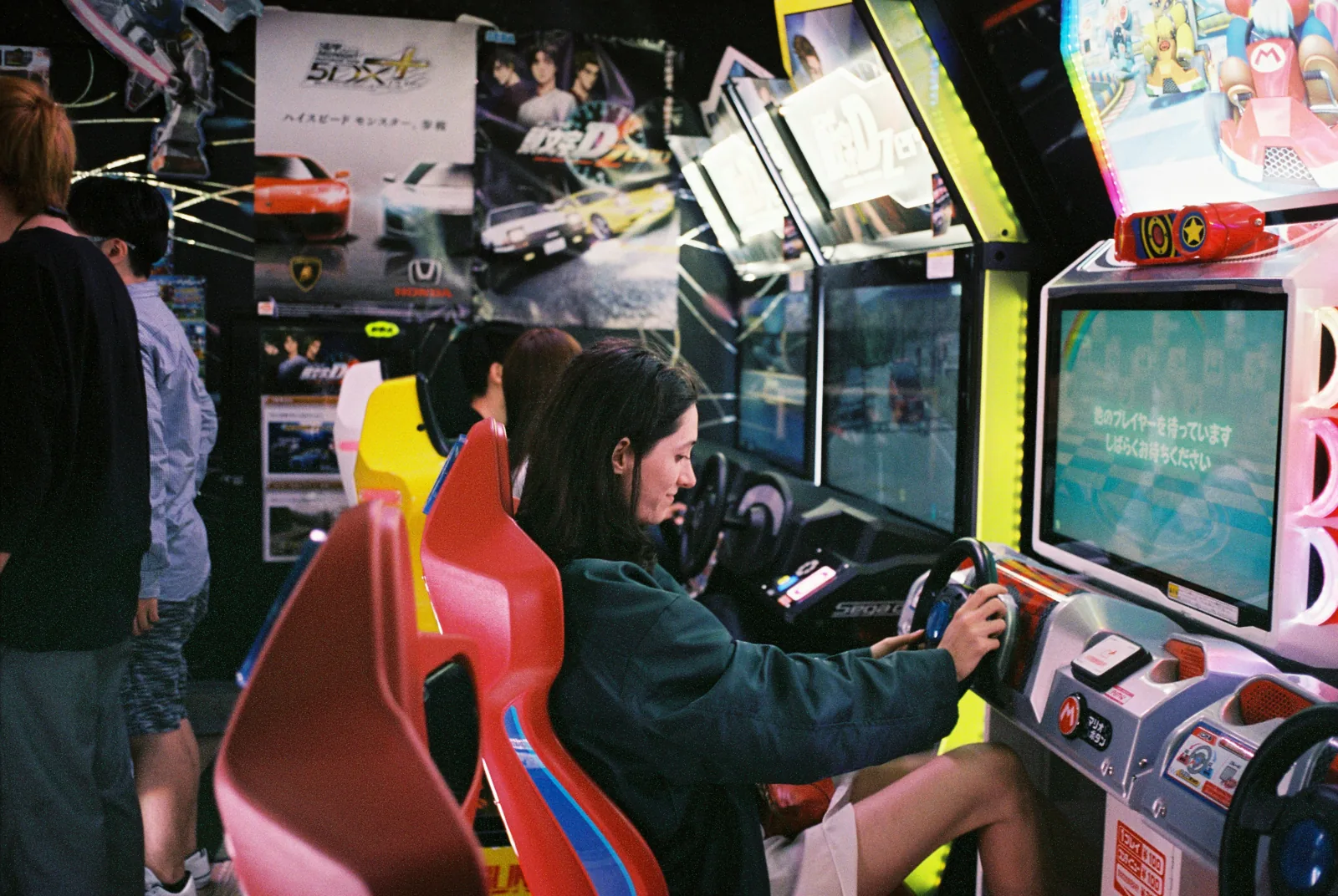
Arcades and game centres
Modern game centres focus on claw machines, rhythm games, music games and current titles. Dedicated retro arcades and game shops are better when older hardware is the main interest.
Look at the floors listed outside. Different levels may serve very different audiences.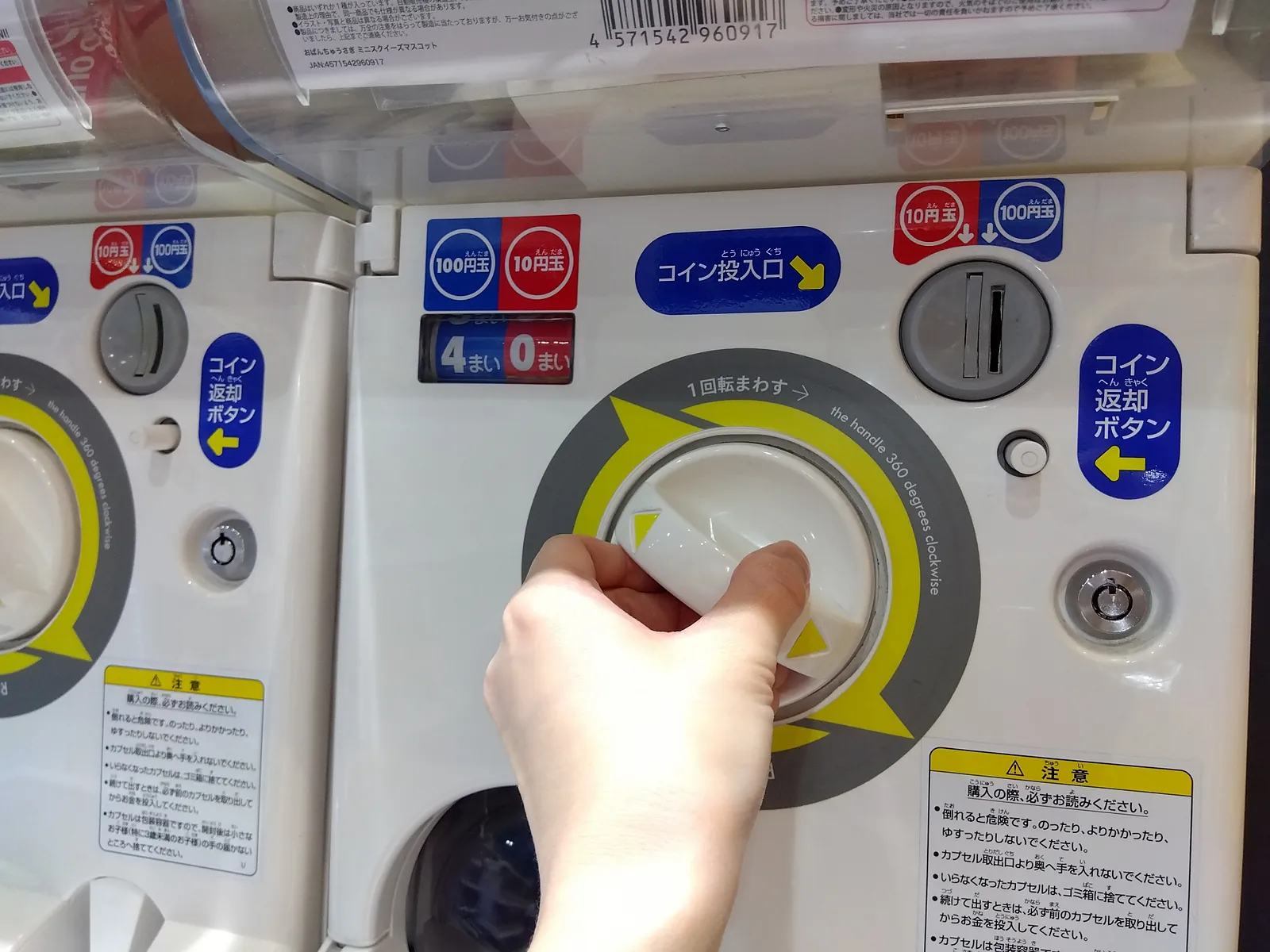
Gachapon and character goods
Capsule toy stores make it easy to browse many series without committing to a large purchase. Character shops are more useful when you want one franchise and official merchandise.
Machines usually show the possible items and price before you insert coins.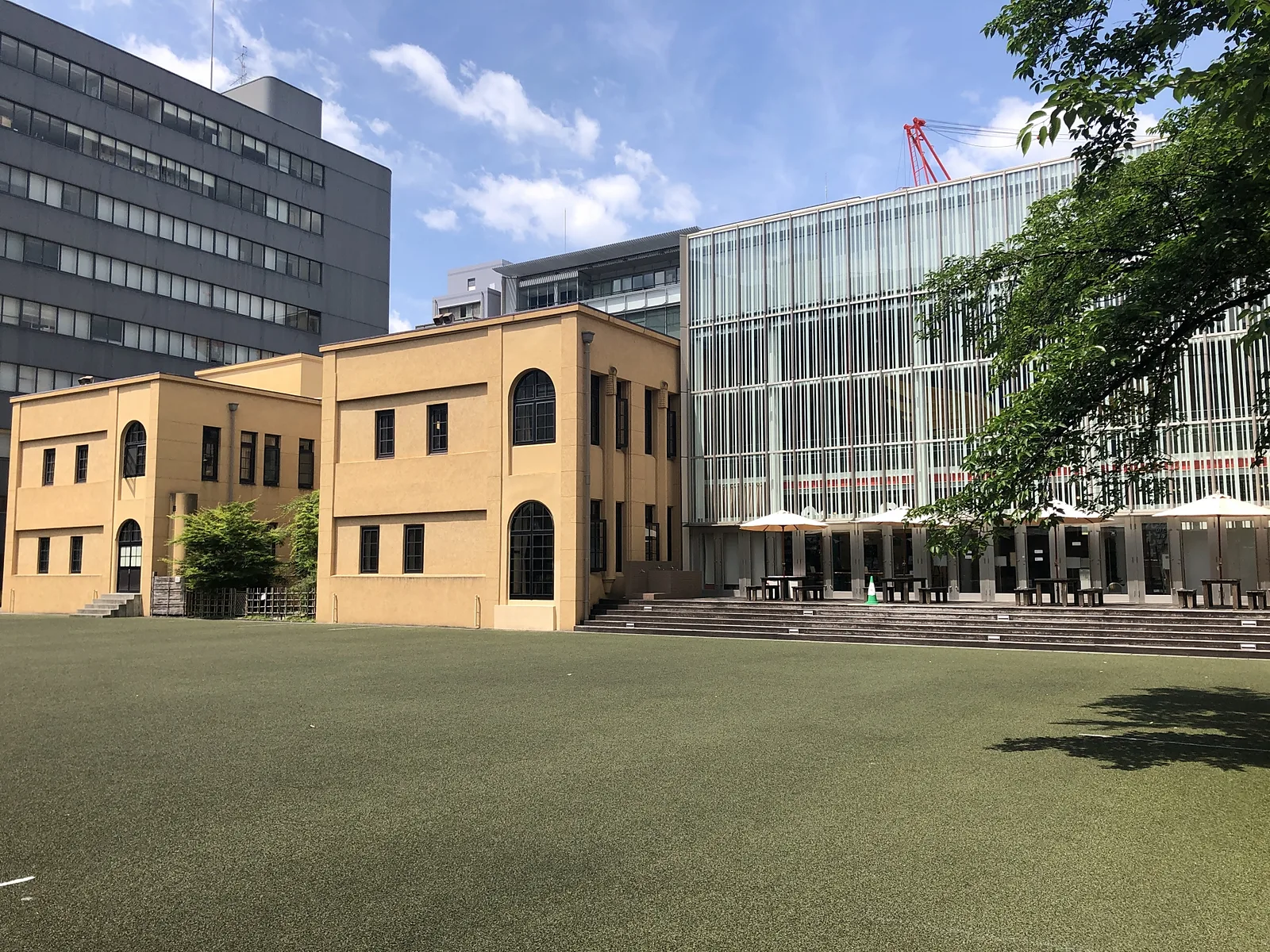
Official attractions
Choose museums, themed areas and studio exhibitions when the visit itself matters more than shopping. These are the most likely to require dated admission.
Events and pop-ups
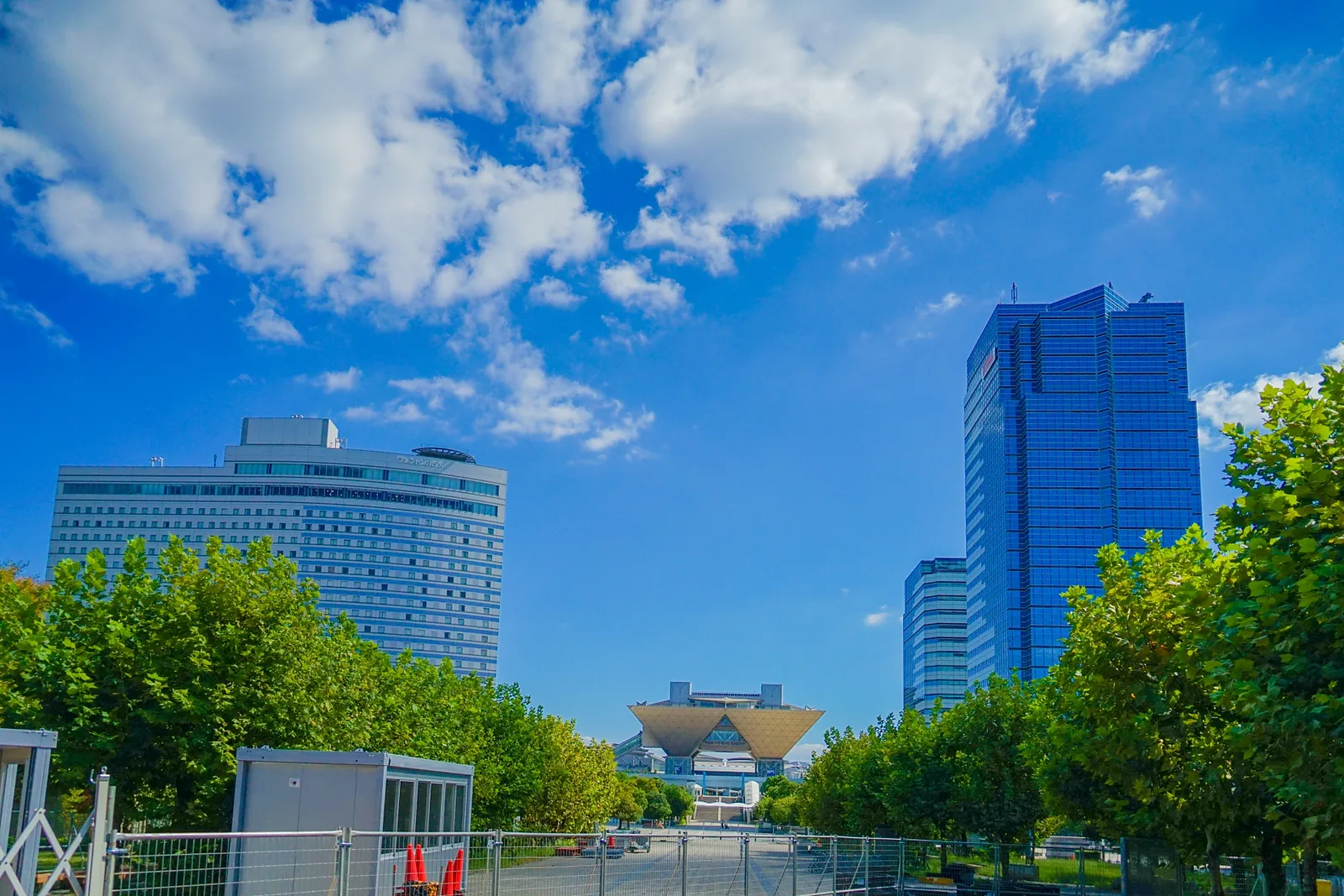
Choose these for limited merchandise, screenings, fan markets or cosplay. Dates, entry methods and purchase limits can change for every event.
Location visits
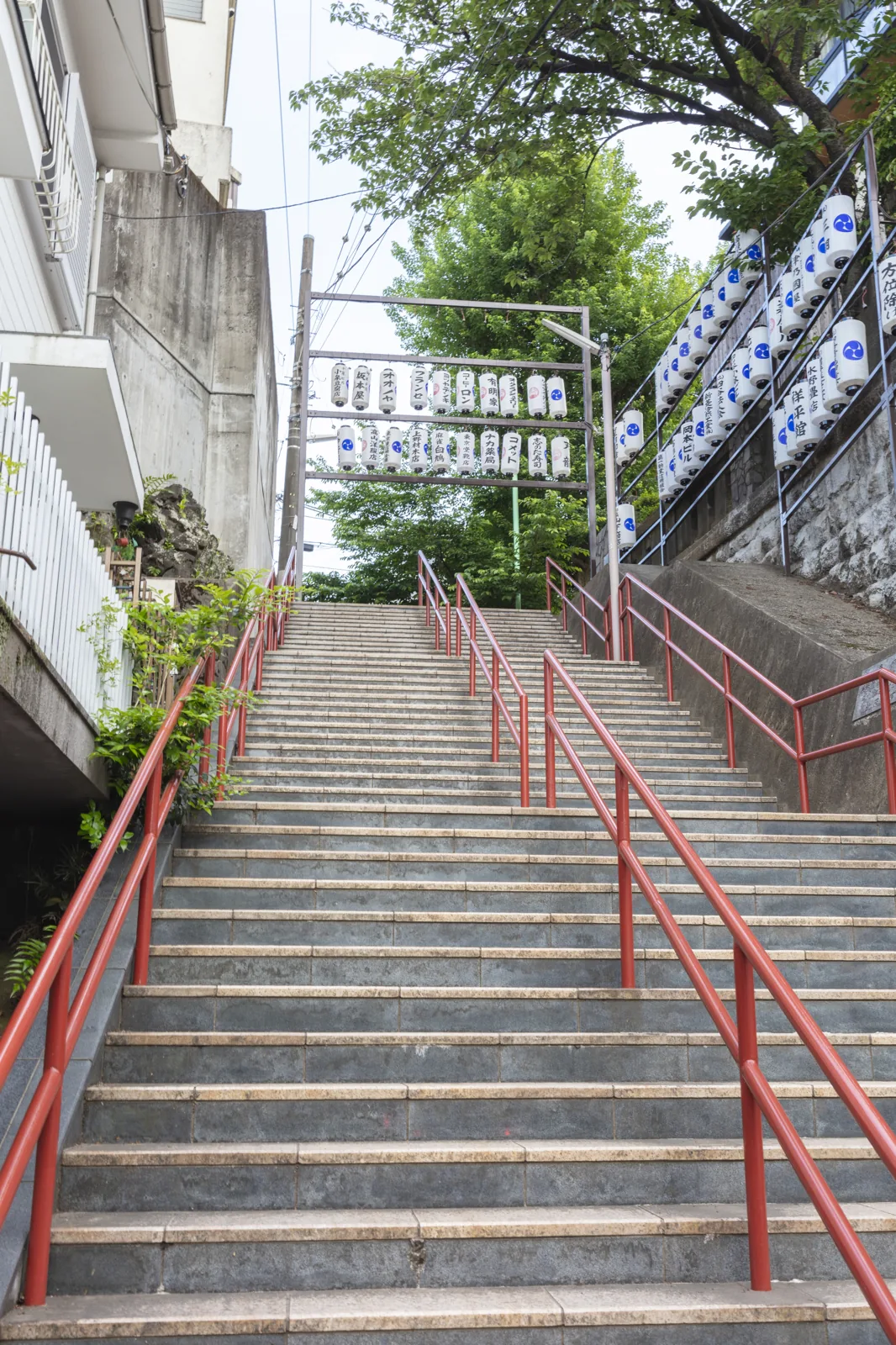
Choose these when a real setting is important to a specific work. Research the exact viewpoint and local rules before travelling there.
Districts for shopping and games
Each district has a different balance. A short list with a clear purpose is more useful than treating every neighbourhood as interchangeable.
Akihabara
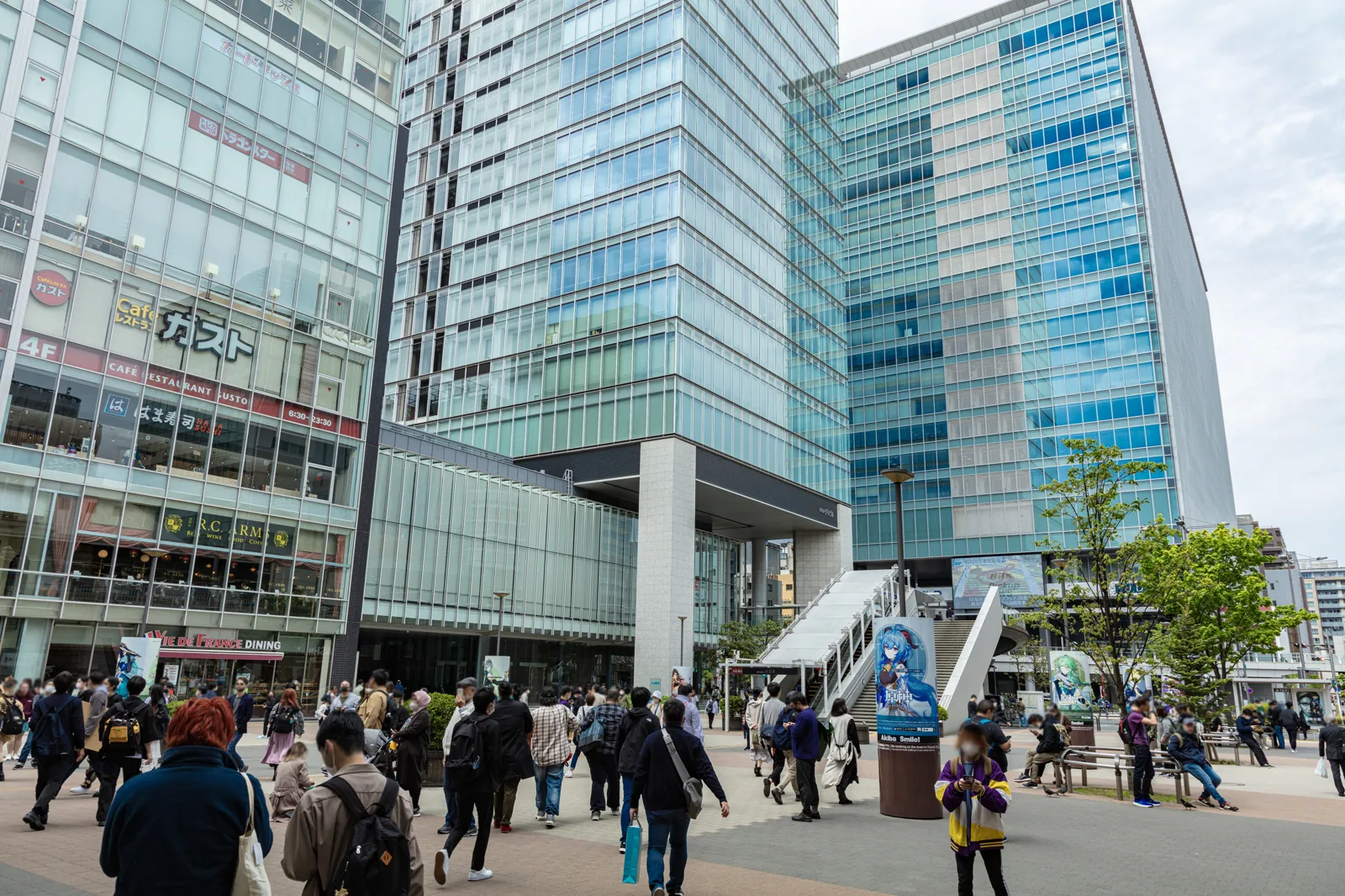
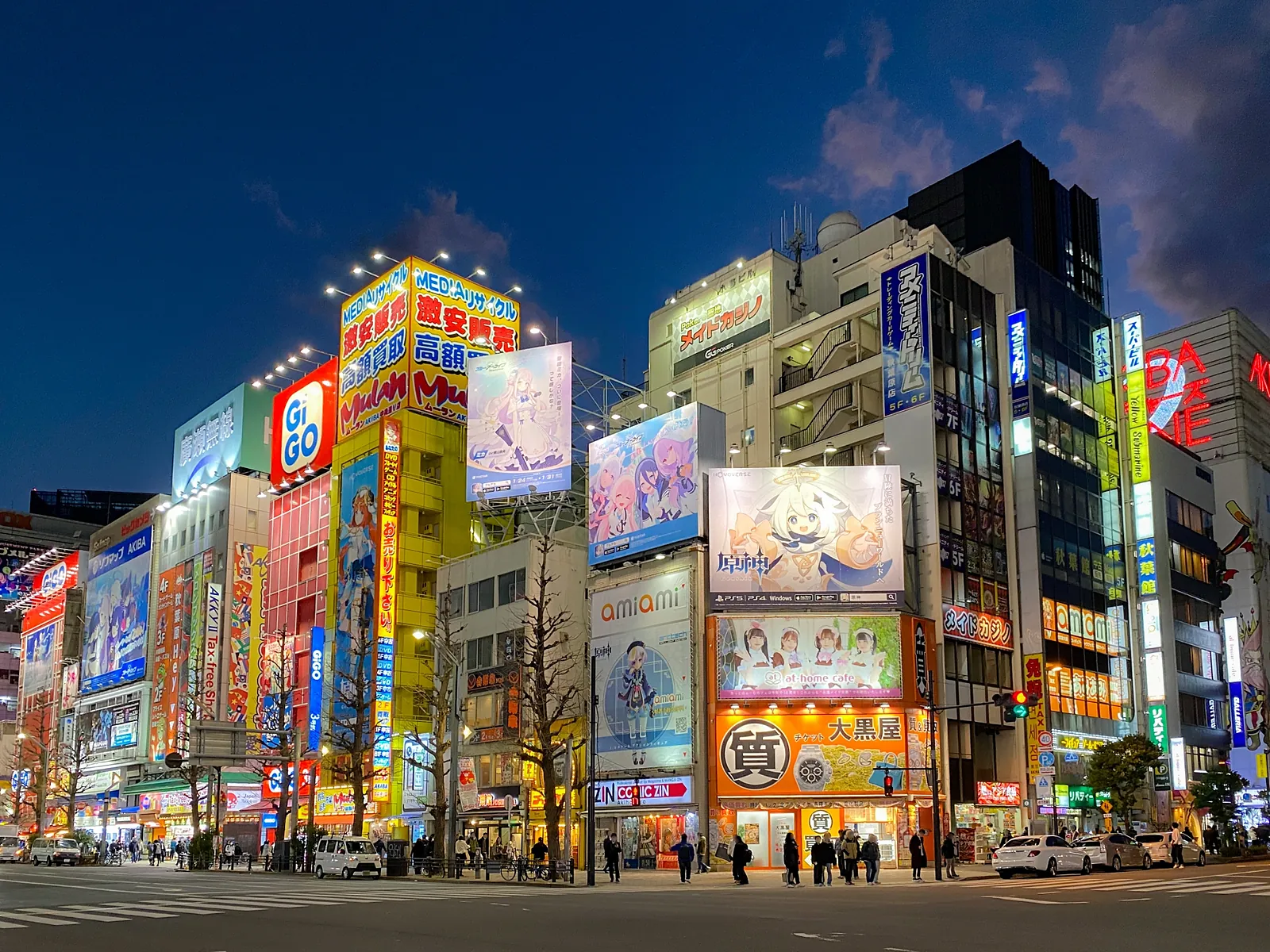
Best for: the widest mixture of current anime goods, figures, electronics, arcades and themed businesses. It is busy and spread vertically through buildings of several floors, so check floor guides rather than judging only from street level.
Nakano Broadway
Best for: secondhand goods, older series, specialist dealers and collectibles. Stock changes constantly. Compare condition and price between shops before buying a high value item.
Ikebukuro
Best for: major character retailers, Animate’s flagship shop and stores with strong ranges aimed at women. The relevant shops are spread around the east side and Otome Road area.
Nipponbashi and Den Den Town
Best for: combining anime, games and electronics in Kansai. The surrounding streets and buildings matter more than one single attraction, making it suitable for an unreserved half day.
Museums, themed attractions and events
Official attractions should be planned individually. A museum with limited dated admission, a theme park area and a temporary exhibition do not share one booking system.
Museums
Check the official sales date, the name required on the ticket and whether entry is tied to a time. Do not rely on arriving at the door for places that state advance purchase is required.
Theme-park areas
A park ticket may not guarantee immediate access to a popular themed area. Read the park’s current rules for timed entry, app registration and any separate attraction pass.
Exhibitions and collaboration cafés
Confirm the operating dates, reservation method, merchandise limits and whether entry is decided by lottery. A listing from an earlier run may no longer apply.
Conventions and fan markets
Check ticket categories, entry time, bag rules, photography zones and weather planning. Major events are not places to drop in casually and may require several separate registrations.
Tickets, shopping and carrying purchases
Use official ticket channels
Follow the attraction’s own link to its authorised seller. Check the release time in Japan, accepted cards, account requirements and whether the named purchaser must attend.
Compare new and used prices
A secondhand item can be cheaper, rarer or both, but condition grading varies. Inspect the item and packaging, and confirm whether returns are accepted before paying.
Check size before buying
Figure boxes and plush toys take up far more luggage space than expected. Measure large items, keep fragile parts protected and check airline limits before planning several purchases.
Ask before shipping
Some shops offer domestic or international shipping, while others do not. Confirm the carrier, insurance, prohibited items and customs responsibility before leaving goods behind.
Keep purchase limits in mind
Limited goods may have per person limits or require an entry ticket. Staff may refuse split transactions intended to bypass those rules.
Confirm tax free eligibility
Participation, minimum spending and eligible goods depend on the shop and current national rules. Bring the required passport and follow the retailer’s instructions at purchase.
Photography and location visits
Street photography and fan travel still take place in working neighbourhoods. The fact that a location appears in a series does not turn private property, a school or a place of worship into an unrestricted set.
Inside shops and exhibitions
Look for signs before photographing displays. Restrictions may apply to the whole space, particular works or video only. Never photograph staff or customers without permission.
At real world locations
Stay on public paths, keep voices low, do not block entrances and do not reproduce a camera angle from private land. If local signs ask fans not to photograph or gather, follow them.
With cosplay
Wear costumes only where the venue or event permits them. Follow changing room, prop and photography rules, and ask the cosplayer before taking or posting a photograph.
Common questions
Where should I start with anime shopping?
Choose Akihabara for the broadest mixture, Nakano Broadway for secondhand and older items, Ikebukuro for major character retailers and stores aimed strongly at women, or Nipponbashi for the main Osaka alternative.
Do I need cash?
Major shops commonly accept cards, but small retailers, older machines and gachapon may still require cash or coins. Carry both rather than assuming one payment method works everywhere.
Can children enter every shop?
No. Some buildings contain floors or products intended for adults, even when the ground floor appears family friendly. Follow age notices and check the destination before taking children inside.
Can I photograph merchandise displays?
Only when the shop permits it. Look for signs and ask staff if the rule is unclear. Permission in one branch or on one floor does not apply everywhere.
Should I book attractions before flights and hotels?
Book the trip first, then monitor the official ticket release for the dates you will be there. Limited attractions may sell only a few weeks or months ahead, so their tickets cannot always be secured when accommodation is booked.