
Themed cafes in Japan
A themed cafe can be a permanent character restaurant, a short lived collaboration, a performance led concept cafe or a venue centred on animals. These are different experiences with different booking systems, costs and questions to ask.
Choose the theme first, then check the official page for your date. A cafe that looks permanent in an old article may have closed, moved or changed its collaboration. Menu availability, reservation methods and photography rules can also change between events.
Treat the food as one part of the visit. The main value may be the setting, exclusive merchandise, a character presentation or staff interaction, so decide whether that is what you want before accepting a cover charge or minimum order.
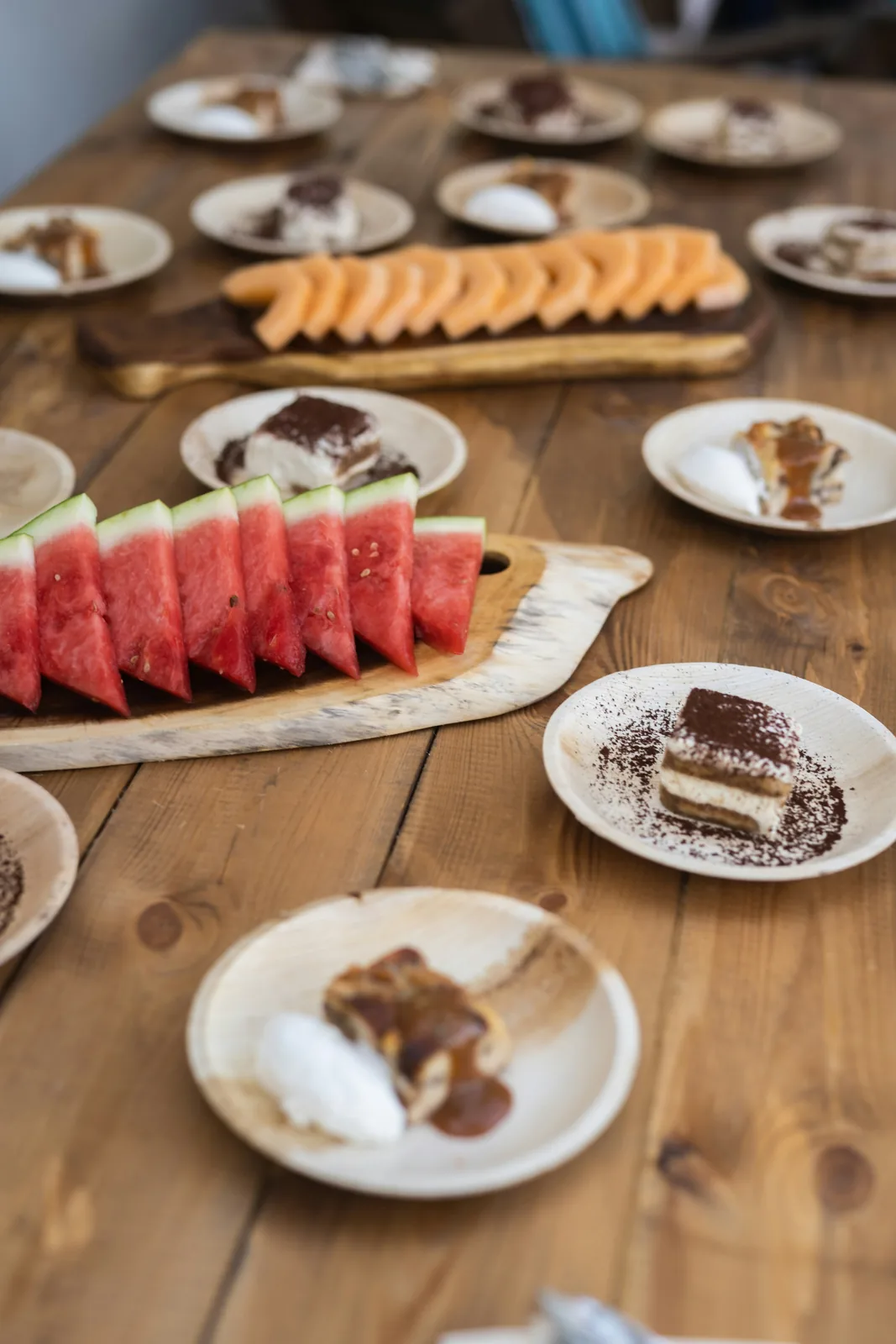
Choose the type of experience
Do not search for “the best themed cafe” as though every venue offers the same thing. Start with the experience you actually want and use the checks on each card before booking.

Permanent character cafe
A fixed venue built around one brand or group of characters. It is easier to plan than a pop up, but reservations and character specific menu items may still sell out.
Check: booking release date, entry time, order requirements and merchandise rules.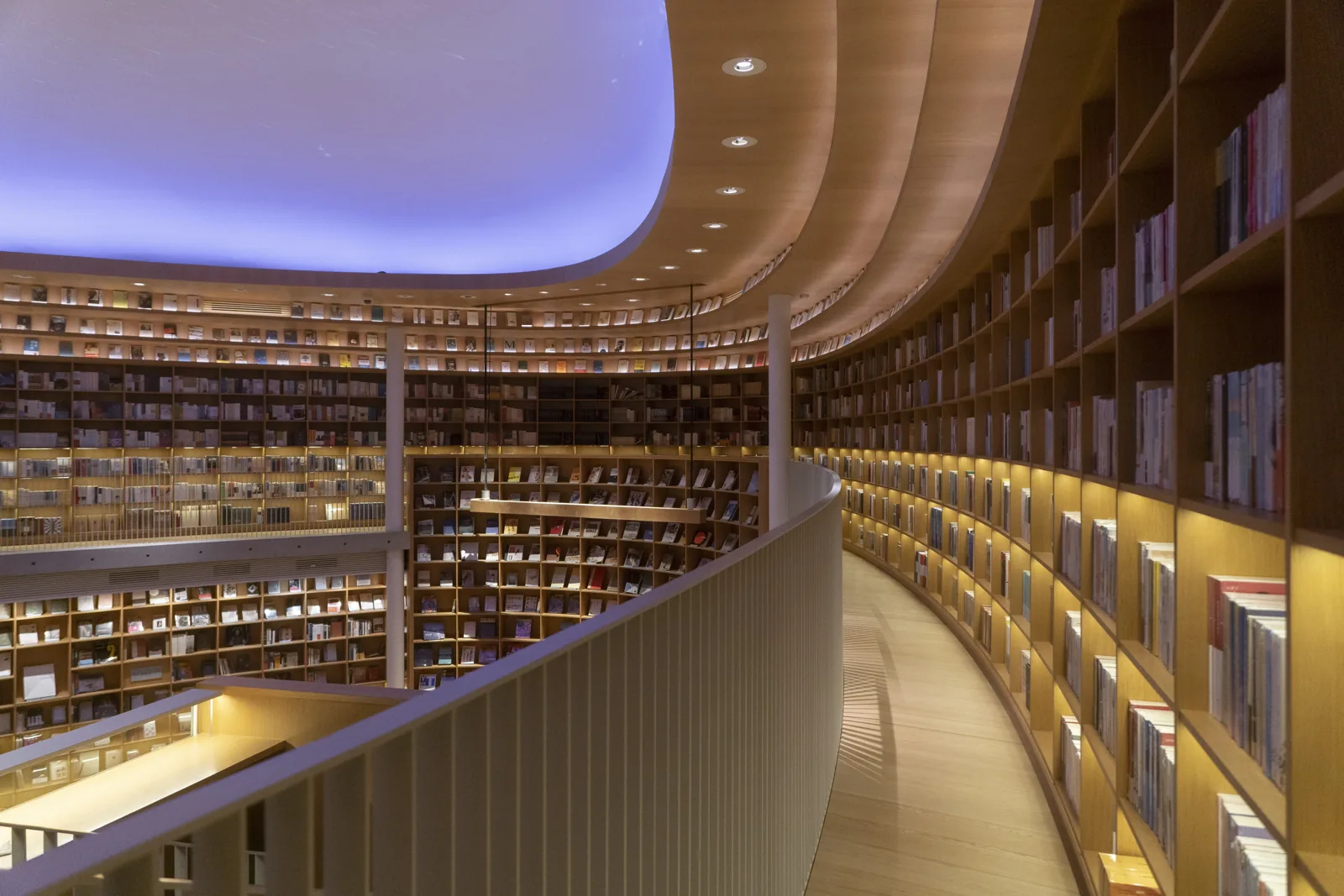
Limited collaboration
An anime, game, film or brand takes over a cafe for a fixed period. Menus and goods may change by phase, and advance booking can open before the event begins.
Check: exact event dates, venue, reservation phase and purchase limits.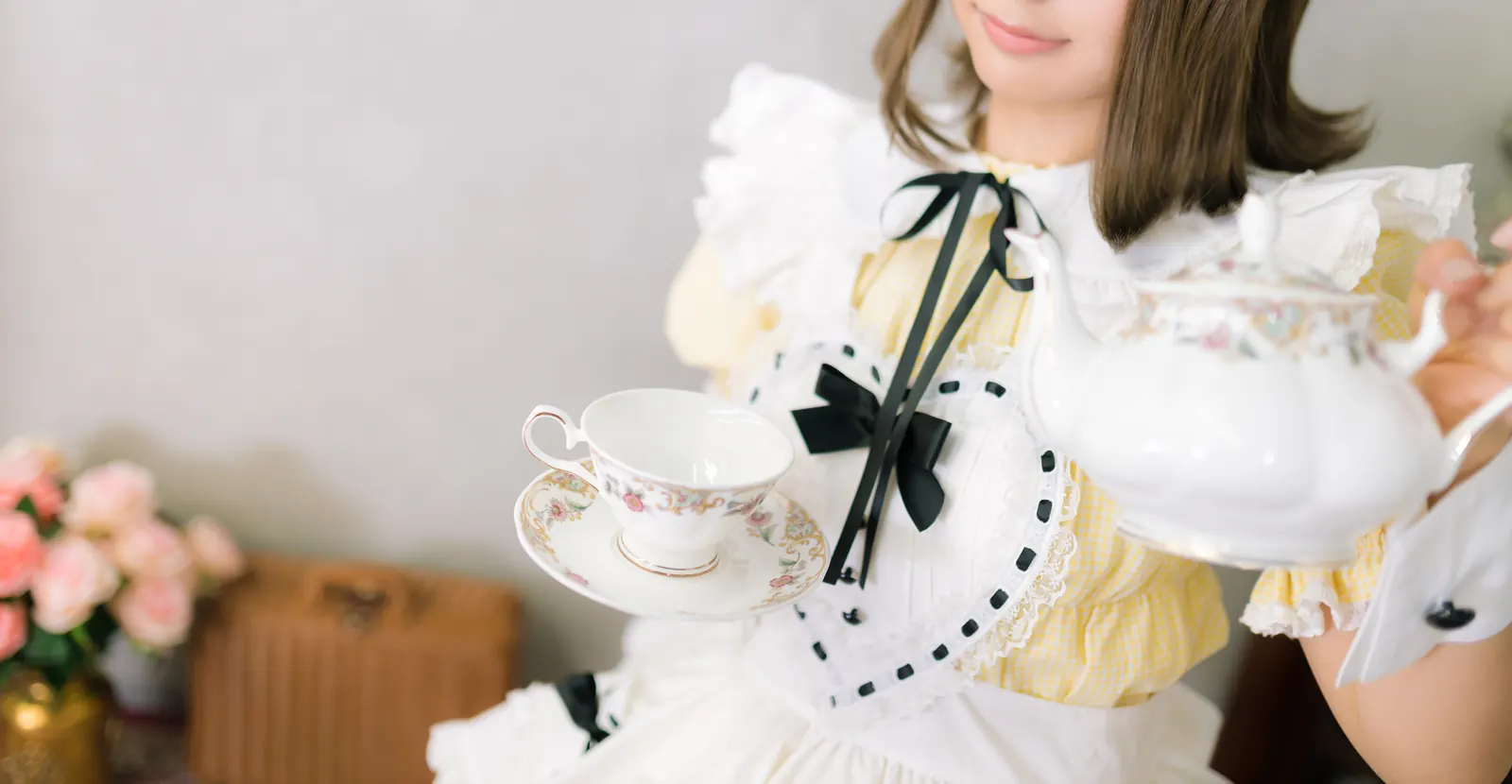
Performance or concept cafe
Staff interaction, costume, games or a designed setting is the main attraction. The service may be playful and highly structured rather than an ordinary quiet cafe visit.
Check: cover charge, expected participation, language support and photography boundaries.
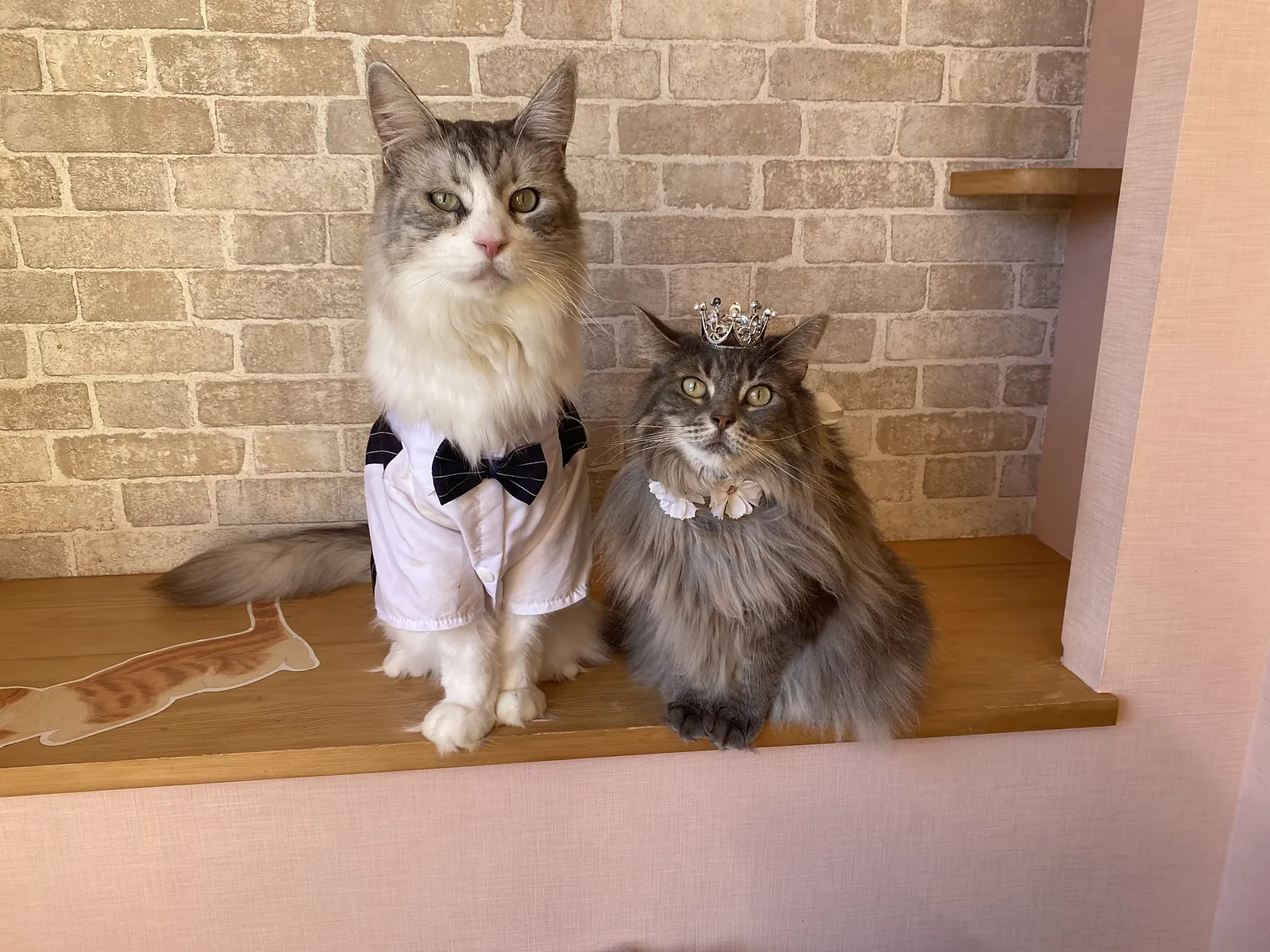
Animal cafe
The animals, not the menu, are the reason to visit. Welfare standards vary widely, especially for exotic, nocturnal or wild species, so this choice requires a separate ethical check.
Check: rest areas, handling limits, hygiene, species needs and independent welfare concerns.Reservations, charges and arrival
The booking process can be more complicated than the visit. Follow the venue’s current instructions rather than relying on an old travel post or an unofficial ticket seller.
Find the official event page
Confirm the operator, venue, dates and opening hours. A collaboration may use several cities or move between branches.
Read how admission is allocated
Look for walk in entry, advance reservations, timed tickets or a lottery. Some venues release unclaimed or same day places separately.
Total the required charges
Add any cover or time charge, minimum drink or food order, reservation fee and optional merchandise. Do not judge the cost from menu prices alone.
Check account and payment requirements
Some systems require a Japanese language account, local phone number or particular payment method. Verify this before the booking window opens.
Arrive for the stated check-in time
A timed reservation may have a short admission window. Bring the confirmation, identification if requested and the payment method named by the venue.
Listen for the venue rules
Staff may explain seating time, photography, character appearances, merchandise queues or when additional orders can be placed.
Where to look
Specific cafes change too quickly for a static directory. These areas are useful starting points, but the current official event page should decide where you go.
Open an area for the types of venues you are most likely to find and the planning issue that matters there.
Tokyo
Akihabara
The largest concentration of maid cafes and related performance led concepts. Compare the street facing price board with the official menu, and understand the cover, time and ordering rules before entering.
Ikebukuro
Department stores, entertainment complexes and streets around the east side frequently host character dining and limited collaborations. Confirm the exact building and floor. Similarly named events may run at different venues.
Harajuku and Shibuya
Useful for permanent brand cafes and temporary pop ups tied to fashion or entertainment. Weekend demand can make timed reservations more important than distance from the station.
Osaka and travelling events
Nipponbashi, Shinsaibashi and Umeda
Nipponbashi is the clearest starting point for fan culture, while major shopping districts often host official collaborations. The same event may use different dates and reservation systems in Tokyo and Osaka.
Limited events in other cities
Nagoya, Fukuoka, Sapporo and other large cities receive touring collaborations. Search the official Japanese event name with the city, then verify dates instead of assuming a national schedule.
Rules that change the visit
Time and minimum orders
A seat may be limited to a fixed session even when the room is not full. Confirm whether every guest must order a drink, food item or set menu and whether children count toward the minimum.
Photography and interaction
The room, food, staff, performers and merchandise can have different rules. Never photograph another guest, touch a performer or post restricted material online.
Food, allergies and dietary needs
Menus are designed for appearance and may offer limited substitutions. Ask the operator directly about allergens and cross contact. A translated character name is not an ingredient list.
Children and accessibility
Check age limits, pushchair storage, lift access, narrow seating and sensory intensity. Loud performances, dim lighting or tightly timed service may not suit every visitor.
Before choosing an animal cafe
Animal cafes need a different decision process from character or performance cafes. A clean room and friendly staff do not by themselves show that the animals’ behavioural, social and rest needs are being met.
Look for animals that can retreat from guests, handling that is optional and limited, space suited to the species, quiet periods and clear rules enforced by staff. Be especially cautious where nocturnal animals are kept awake for daytime contact, wild animals are repeatedly handled, or guests are encouraged to pose with restrained animals.
If the welfare information is vague or the visit makes you uncomfortable, choose another kind of themed cafe. There are many character, craft and concept venues that do not depend on animal contact.
An animal approaching a guest does not prove that constant handling is suitable. Judge the whole environment, including whether the animal can leave, rest and avoid interaction.
Common questions
Do all themed cafes need reservations?
No. Permanent cafes may accept walk in visitors, while popular character cafes, limited collaborations and small performance cafes may require an advance time slot or lottery. Check the official page for the exact date you plan to visit.
Is the food the main reason to visit?
Usually not. You are normally paying for the setting, characters, service or interaction as well as the menu. Read recent official menu information if food quality, allergies or dietary choices matter to you.
Can I photograph staff or characters?
Only when the cafe allows it. Rules may differ for the room, food, performers, animals and other guests. Ask before taking photographs and never assume that purchasing a photo permits other photography.
How can I choose an animal cafe responsibly?
Look for space suited to the species, quiet retreat areas, limited handling, visible rest periods and clear welfare rules. Avoid venues that pressure animals into constant contact or use nocturnal or wild species in unsuitable daytime settings.