Karaoke in Japan
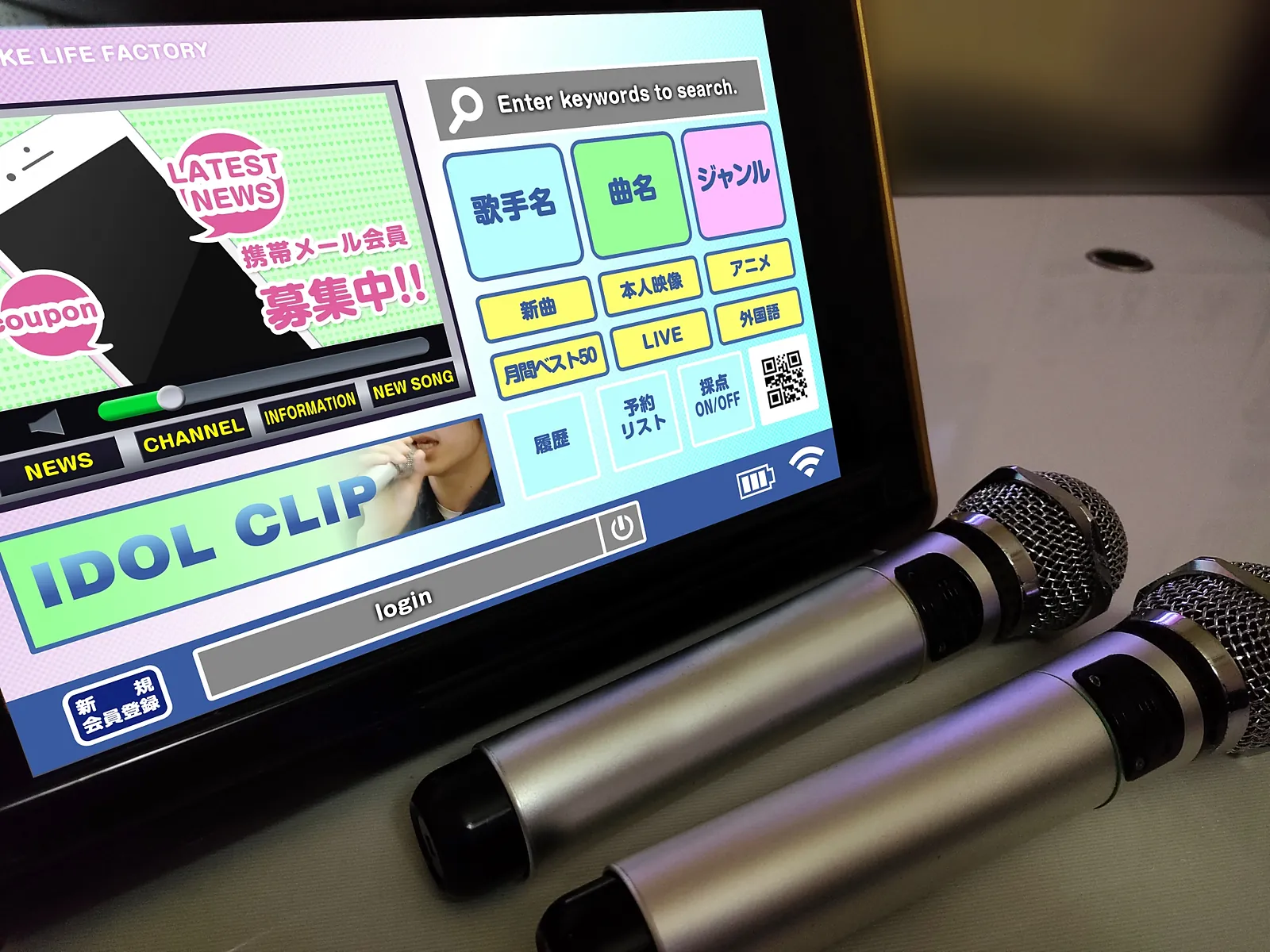
Most Japanese karaoke takes place in a private room rented by a group or an individual. You choose songs from a touchscreen, sing with microphones and control the music without performing in front of an unfamiliar bar.
The basic process is simple, but the advertised rate is not always the final cost. Time band, day, branch, membership, group size and the required drink plan can all affect what you pay.
For a first visit, choose a large chain near a station, go outside the busiest evening period and ask staff to explain the available time and drink plans before checking in.
Choose the room and plan
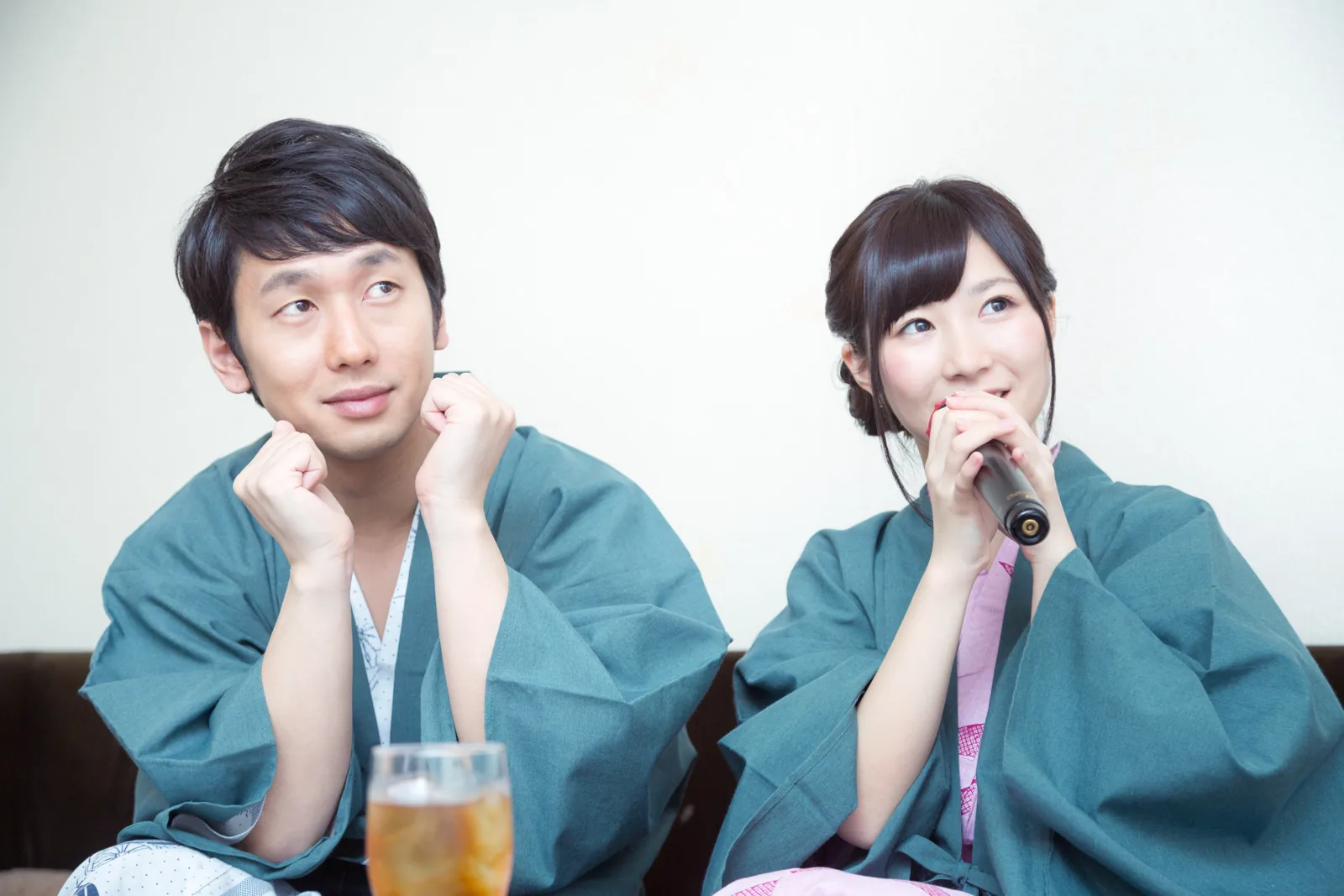
The right option depends more on group size, timing and comfort than on finding one famous venue.
Standard private room
The default choice for friends, couples and families. Room size is matched to the group, and food and drinks can usually be ordered from the room.
Best for: an easy first visit with people you know.
Solo karaoke
Solo visits are normal. Some branches offer compact rooms or specialist equipment, while others simply assign a standard room when one is available.
Check: solo surcharge, minimum time and peak period restrictions.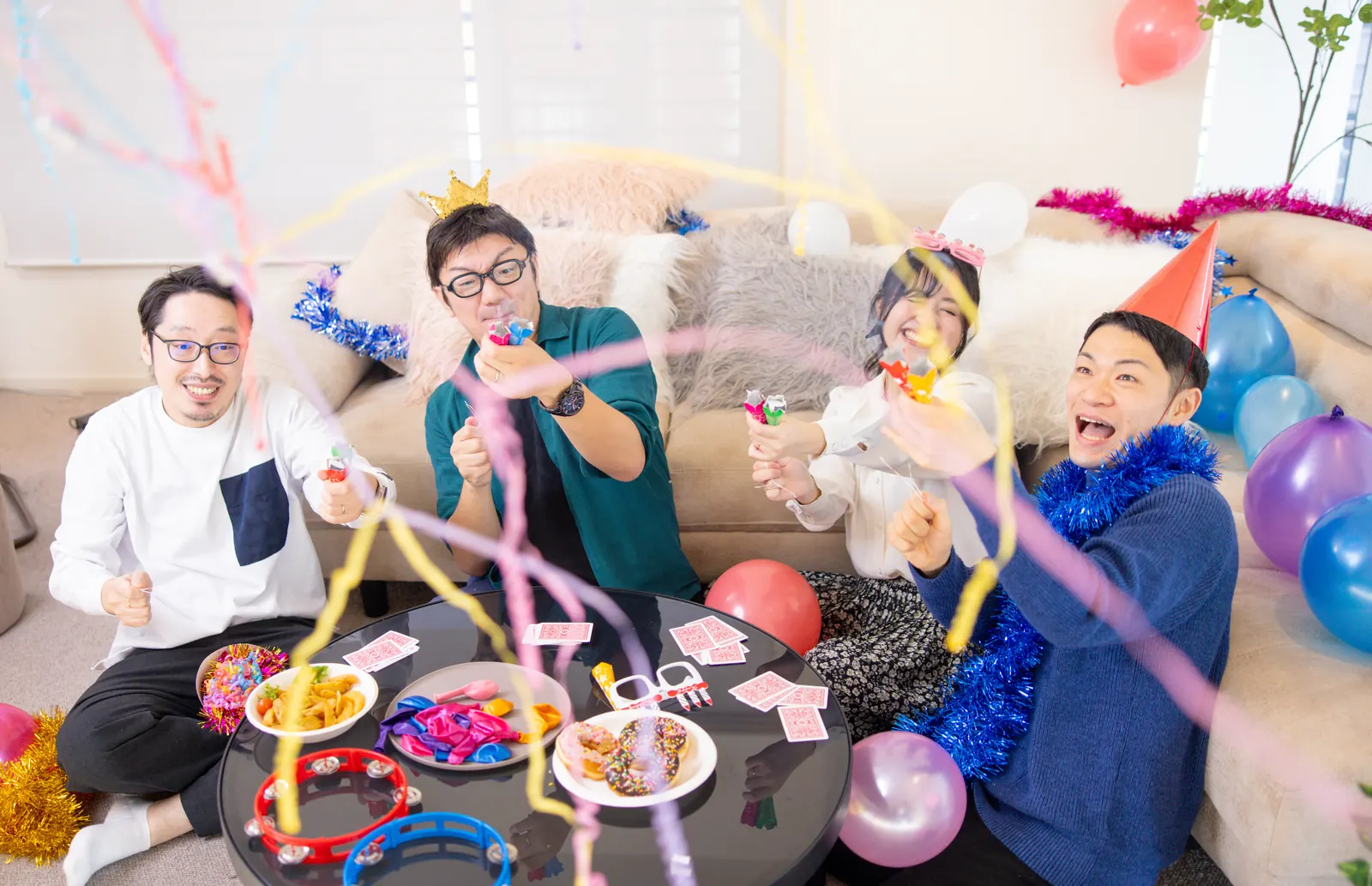
Large, premium or themed room
Useful for celebrations, bigger groups or visitors who want better audio, extra space or a distinctive setting. These rooms are more likely to need advance booking.
Check: capacity, room specific charge, equipment and cancellation terms.How a karaoke box works
Check in at reception
Give the number of people and say how long you want to stay. Staff may ask whether you have a membership or want to register for one.
Choose the time and drink plan
Compare a short timed session with any longer “free time” plan. Confirm whether each person must order a drink or select a drink bar or alcohol plan.
Learn the room controls
The touchscreen queues songs. Separate controls adjust music, microphone volume, key and echo. Ask for an English interface if the system supports one.
Search and queue songs
Search by title or artist, add songs to the queue and pass the microphones around. The catalogue differs between karaoke systems, especially for less common international music.
Order from the room
Use the tablet or room phone for food and drinks. Some plans include self service soft drinks, while others require individual orders.
Watch the remaining time
The screen or phone may warn you before the session ends. Ask whether an extension is available. Otherwise finish on time and pay at reception if you have not already paid.
Reading the price
Treat the rate board as a set of conditions, not a single room price. If the calculation is unclear, ask staff for the total before entering.
Per person and per interval
Rates are commonly listed for each person per 30 minutes or another stated block. Multiply by the number of guests and the number of time blocks.
Required drink or drink plan
A branch may require one drink per person, a self service drink bar or another package. This is separate from the base room rate unless clearly included.
Peak, off peak and membership rates
Evenings, weekends, holidays and nights before a holiday can cost more. A displayed member rate may require registration, and visitor rates can differ.
Free time is not unlimited
A “free time” plan covers a stated period and may end earlier when rooms are busy under the venue’s conditions. Confirm the finishing time and any guaranteed minimum.
Choose when to go
Weekday daytime
Usually the calmest period and the easiest time to understand the system without a queue. It often has the lowest advertised rates.
Evening and weekends
The most popular time for groups. Expect higher prices, waits or shorter available sessions in nightlife and station districts.
Late night
Longer plans may be available after the last trains, but rules and demand vary. Do not rely on a room being available without checking.
Before transport closes
Finish with enough time to pay, collect belongings and reach the correct platform. A song queue is not a reason to miss the final train.
If you intend to sing late, confirm the last train, night bus option, taxi cost or actual accommodation before checking in. Karaoke is not a substitute for a hotel.
Practical checks
Song catalogue and language
Major systems contain international music, but no branch can promise every song. Search by artist and title. Romanised lyrics or an English interface may not be available for all tracks.
Food and outside drinks
Many venues sell full food and drink menus and restrict outside items. Ask about birthday cakes, dietary needs or bringing food rather than assuming it is permitted.
Smoking and room condition
Smoking rules vary by building and room type. Request a no smoking room if it matters, and tell staff promptly about damage, spills or faulty equipment.
Children and accessibility
Late night entry rules for minors vary, and some rooms are reached by lifts or narrow corridors. Ask the branch about age, step free access and accessible toilets.
Common questions
Can I go to karaoke alone?
Yes. Solo karaoke is common, and some branches have rooms or plans designed for one person. Busy evening periods may have different minimum times or pricing, so check the branch before going.
Are English language songs available?
Major systems carry many English language songs, but the catalogue varies. Search the room tablet by artist or title, and ask staff to change the interface language if that option is available.
Is karaoke priced per person or per room?
In Japan, advertised room rates are commonly shown per person for a stated time interval, not as one price for the whole room. Drink requirements, memberships and peak surcharges vary by chain and branch.
Can I use a late night karaoke plan as accommodation?
No. A late night or free time plan is entertainment, not lodging, and the venue can refuse entry or end the session under its rules. Keep a safe onward transport or accommodation plan.