
Kabuki in Japan
Kabuki combines acting, dance, music, costume and stagecraft in a highly stylised form. You do not need to understand every spoken line, but a little preparation makes it much easier to recognise the characters, follow the plot and notice how the performance is built.
A visit might mean a reserved seat for one programme part, a single act at Kabukiza when that ticket system is offered, or a shorter introductory event scheduled for visitors. These are not interchangeable, and performance dates vary by theatre.
Start with the official performance calendar, then choose the ticket format, seat and language support for that production. Do not arrive at a famous theatre assuming kabuki is performed there every day.
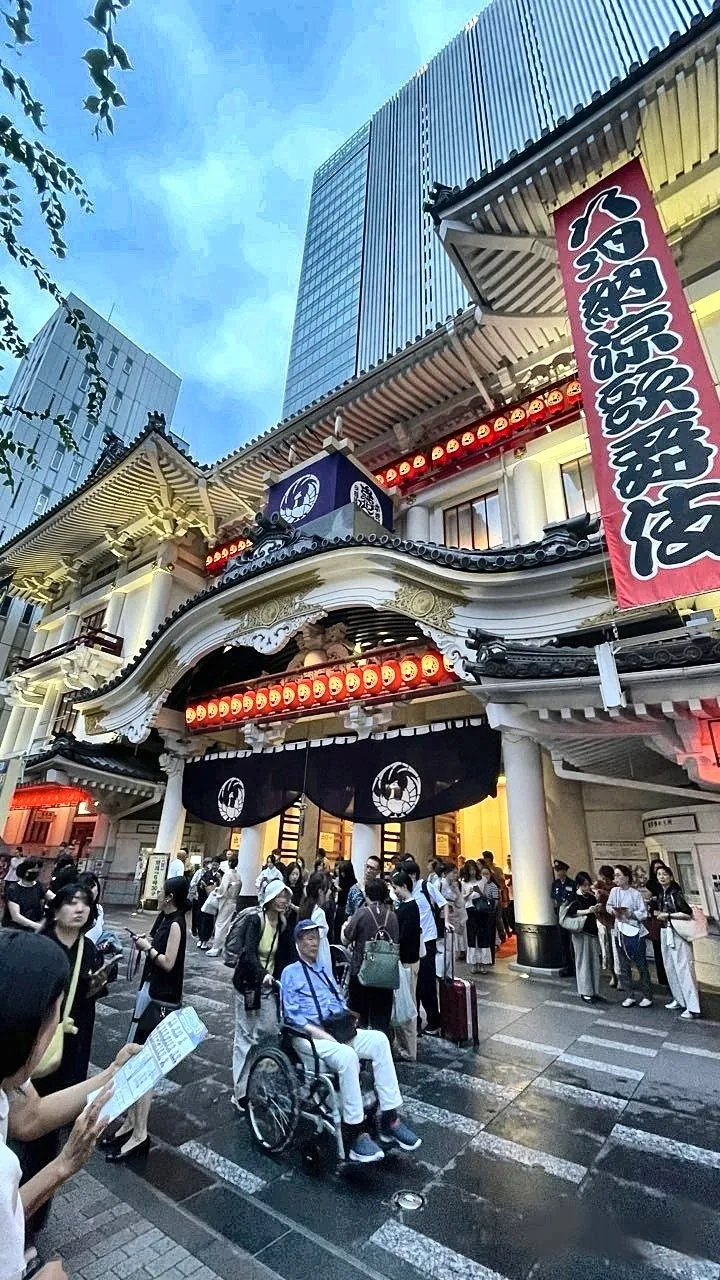
What a first time viewer should notice
You do not need a technical vocabulary to enjoy kabuki. These four elements provide a useful way into the performance.
Voice, movement and pose
Acting is deliberately shaped rather than naturalistic. Watch how a performer slows a gesture, controls the gaze or holds a climactic pose so the audience can read the moment.
Costume and makeup
Colour, wig and silhouette help establish role and status. Bold kumadori makeup is famous, but it belongs to particular roles and styles rather than every kabuki play.
Hanamichi and stage mechanics
The walkway through the audience can turn an entrance into a major event. Revolving stages, trapdoors and rapid scene changes make stagecraft part of the storytelling.
Music and narration
Musicians and narrators may be visible and are part of the dramatic structure. Listen for how rhythm and vocal delivery signal tension, travel, combat or emotional change.
Choose the performance format
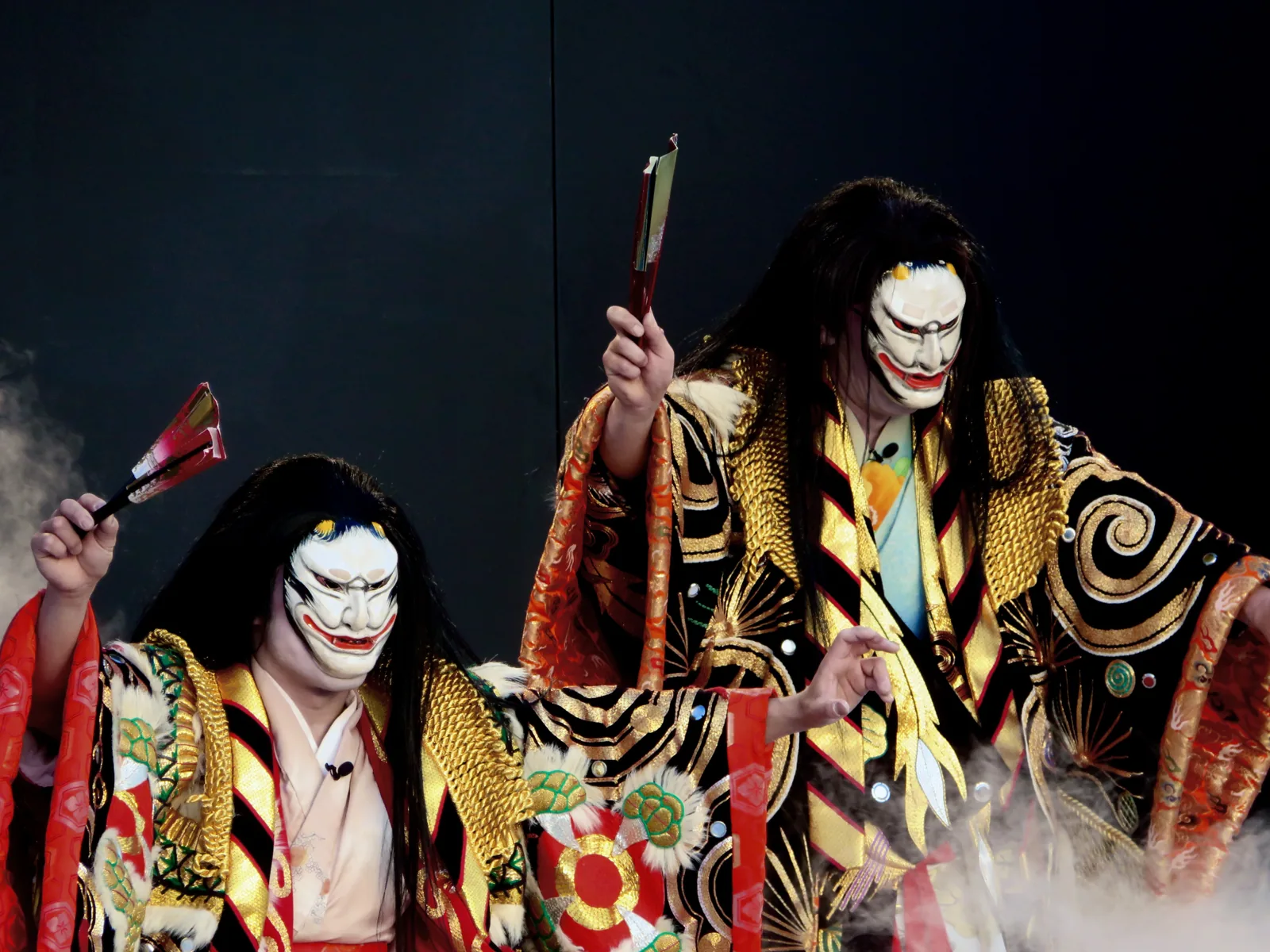
Reserved programme part
The most dependable choice when you want a planned seat and a substantial performance. A day can be divided into separate parts sold as separate tickets.
Check: exact part, start and finish time, seat location and interval arrangements.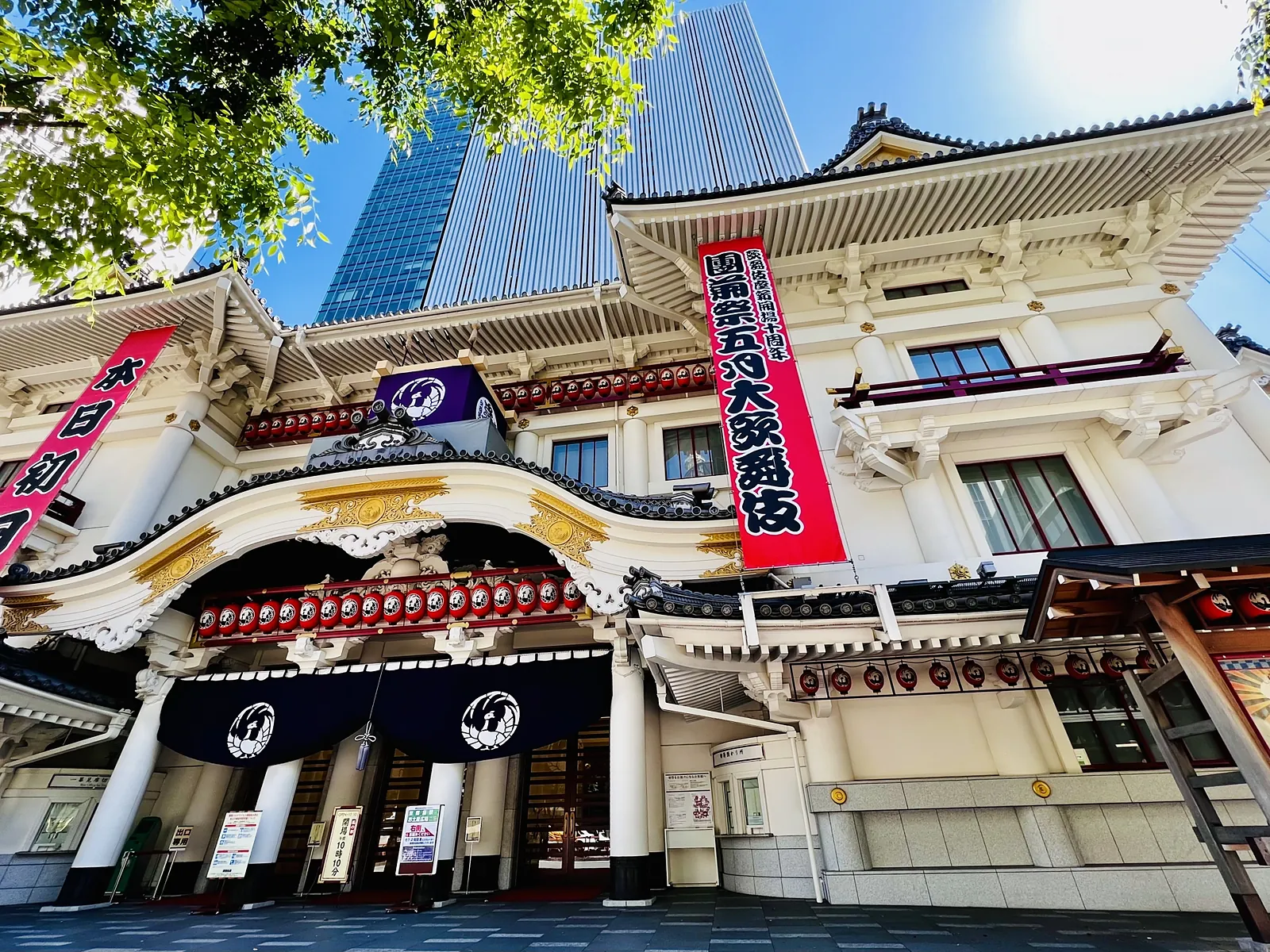
Single act at Kabukiza
A shorter and usually less expensive way to sample one act when the official single act system is offered. Inventory and purchase procedures are separate from ordinary reserved seats.
Check: current eligibility, sale time, assigned or unassigned seating and entry instructions.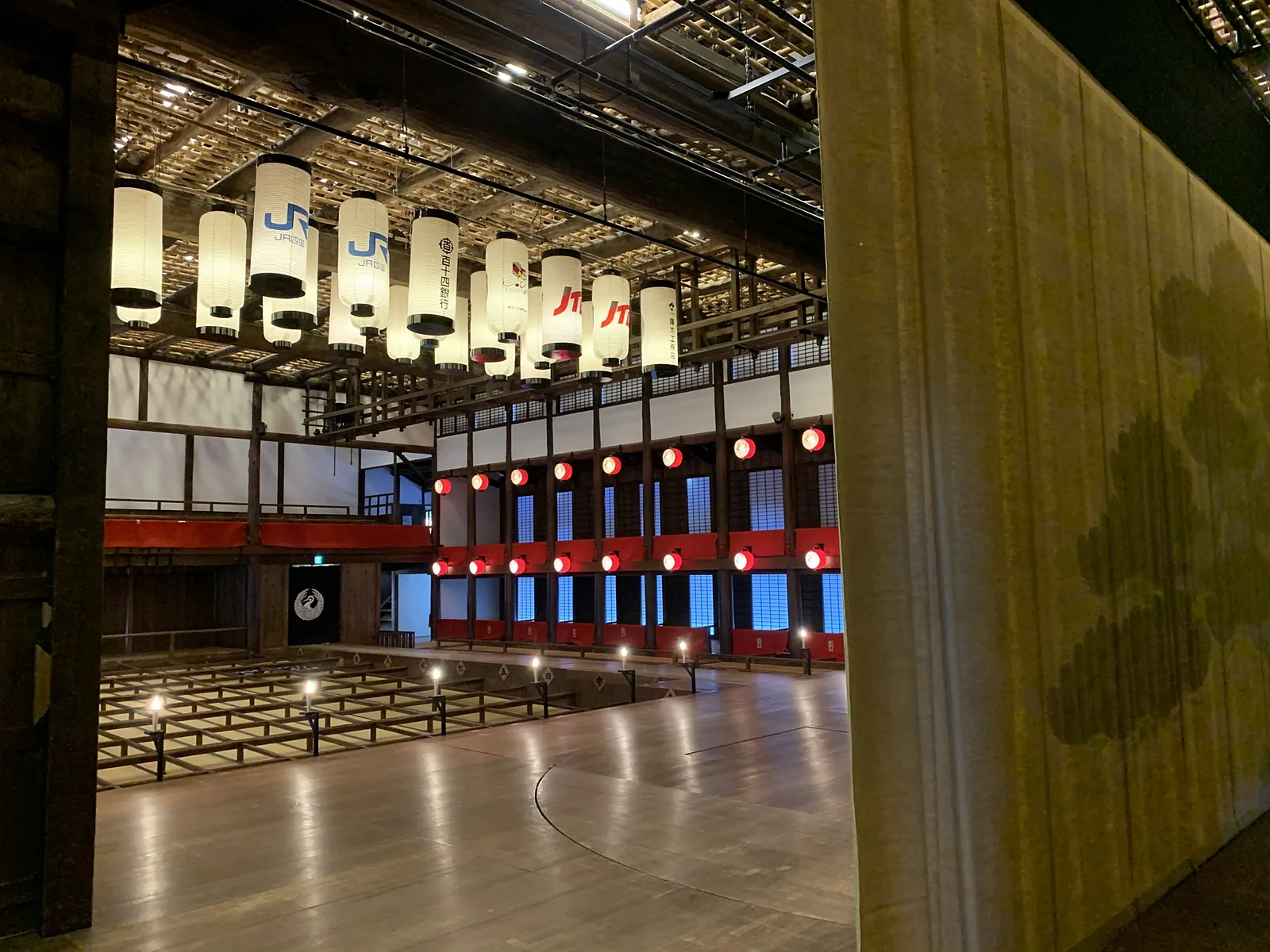
Introductory event or workshop
Selected dates include explanations, demonstrations or shorter programmes designed to make the form easier to enter. They are useful but do not run continuously.
Check: event language, running time, performance content and whether a separate ticket is required.Where to see kabuki
Use the official multilingual listings at Kabuki Web to confirm the production, theatre and ticket method. A theatre name alone does not guarantee a performance on your date.
Open a theatre for what it is useful for and what must still be checked.
Major theatres
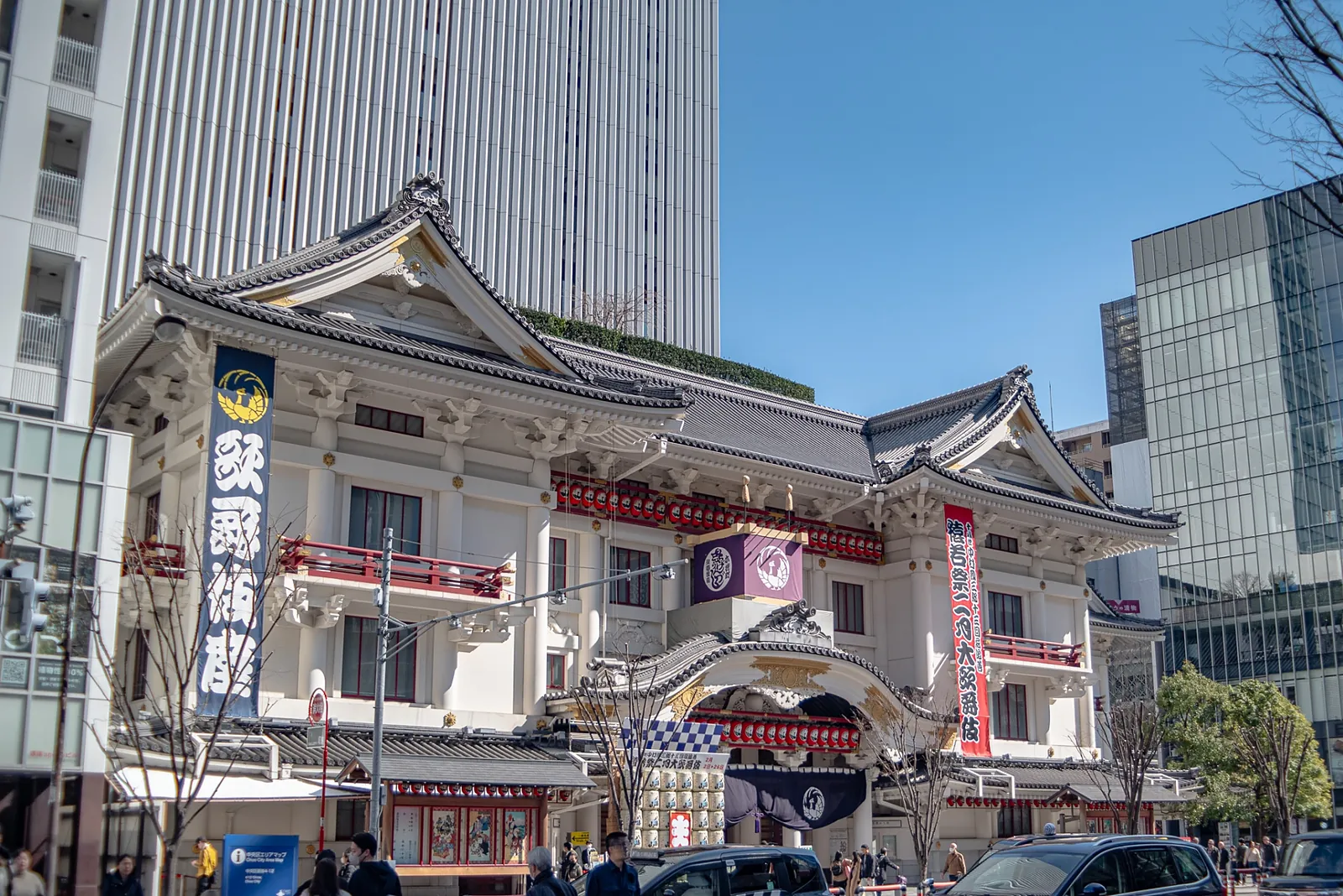
Kabukiza, Tokyo
The clearest first choice when your Tokyo dates align with a production. Monthly programmes are commonly divided into separate parts. Single act tickets and English or Chinese caption devices may be offered for selected performances, but check the notice for the exact date.
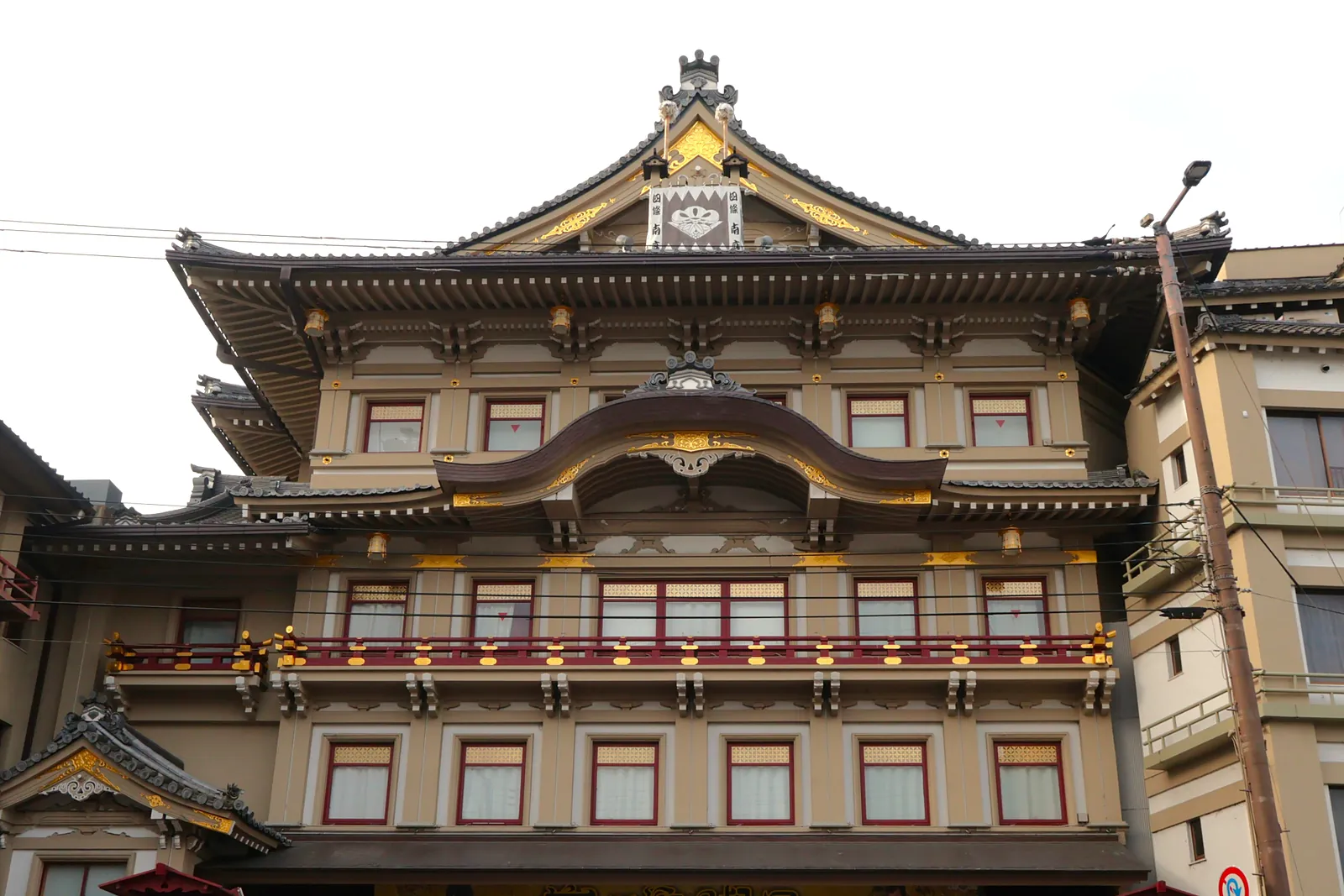
Minamiza, Kyoto
A significant Kyoto venue, but kabuki is scheduled in runs rather than assumed daily. Some performances provide English material or audio support. Availability varies by production.
Osaka Shochikuza
A central Osaka theatre used for major kabuki runs as well as other performances. Confirm that the listed production is kabuki, then check the part, seat and language information.
Other opportunities
Regional theatres and public halls
Kabuki also appears in regional venues and touring programmes. These can be excellent choices, but ticket sales and multilingual information may be handled locally rather than through one standard system.
Seasonal and younger actor programmes
Special New Year, training and youth focused productions can be more approachable or shorter. Read the programme description instead of assuming the format from the venue or title.
Plan the theatre visit
Choose a real performance date
Use the official calendar and open the full production listing. Note which theatre, programme part and cast apply to your date.
Compare seat locations
Consider price, distance from the stage and view of the hanamichi. The cheapest seat can still be worthwhile, but it offers a different view from the lower levels.
Buy through the stated channel
Ticket inventory can differ between multilingual websites, promoters and box offices. Follow the method named for that production and keep the confirmation.
Read the synopsis first
Knowing the main characters and conflict reduces the language barrier. Then check whether captions, audio guidance or a printed English guide is actually offered.
Arrive before the opening time
Allow time to collect tickets, find the entrance, use facilities and locate the seat. Late entry may be held until a suitable point in the performance.
Use intervals deliberately
Long programmes may include breaks for food and facilities. Check their length and return promptly. Leaving the theatre can take longer than expected.
Duration, language and etiquette
Programme length
Use the published start, interval and estimated finishing times for the exact part. Do not fit a long performance tightly between transport reservations.
Language support
English captions, audio guides and printed summaries are not universal. Reserve a device when instructed and bring headphones only if the official notice requires them.
Food and intervals
Theatre rules on eating and designated spaces vary. Buy a meal only when you know the interval is long enough, and do not unwrap noisy food during the performance.
Dress, children and access
Neat everyday clothing is enough. Check age guidance, wheelchair seating, lift access, assistive devices and companion arrangements with the theatre before purchase.
A famous kabuki theatre may host another art form, be between productions or offer no single act tickets on your date. The current performance listing is the source that matters.
Common questions
Do I need to understand Japanese to enjoy kabuki?
No, but reading a synopsis first makes the plot and character relationships easier to follow. English captions, audio guides or printed material are available only for selected performances, so confirm the current listing.
Can I see only one act?
Sometimes. Kabukiza may sell single act tickets for selected performances under a separate system, but this is not available for every production or theatre. Check the official ticket notice for your date.
What should I wear to kabuki?
Ordinary neat clothing is sufficient unless the theatre states otherwise. Prioritise comfort for a long seated performance and avoid large hats, strong fragrance or anything that obstructs another person’s view.
How long is a kabuki performance?
It varies by programme. A full part can last several hours with intervals, while a single act ticket or introductory programme is shorter. Use the published running times for the exact performance.