
Calligraphy in Japan
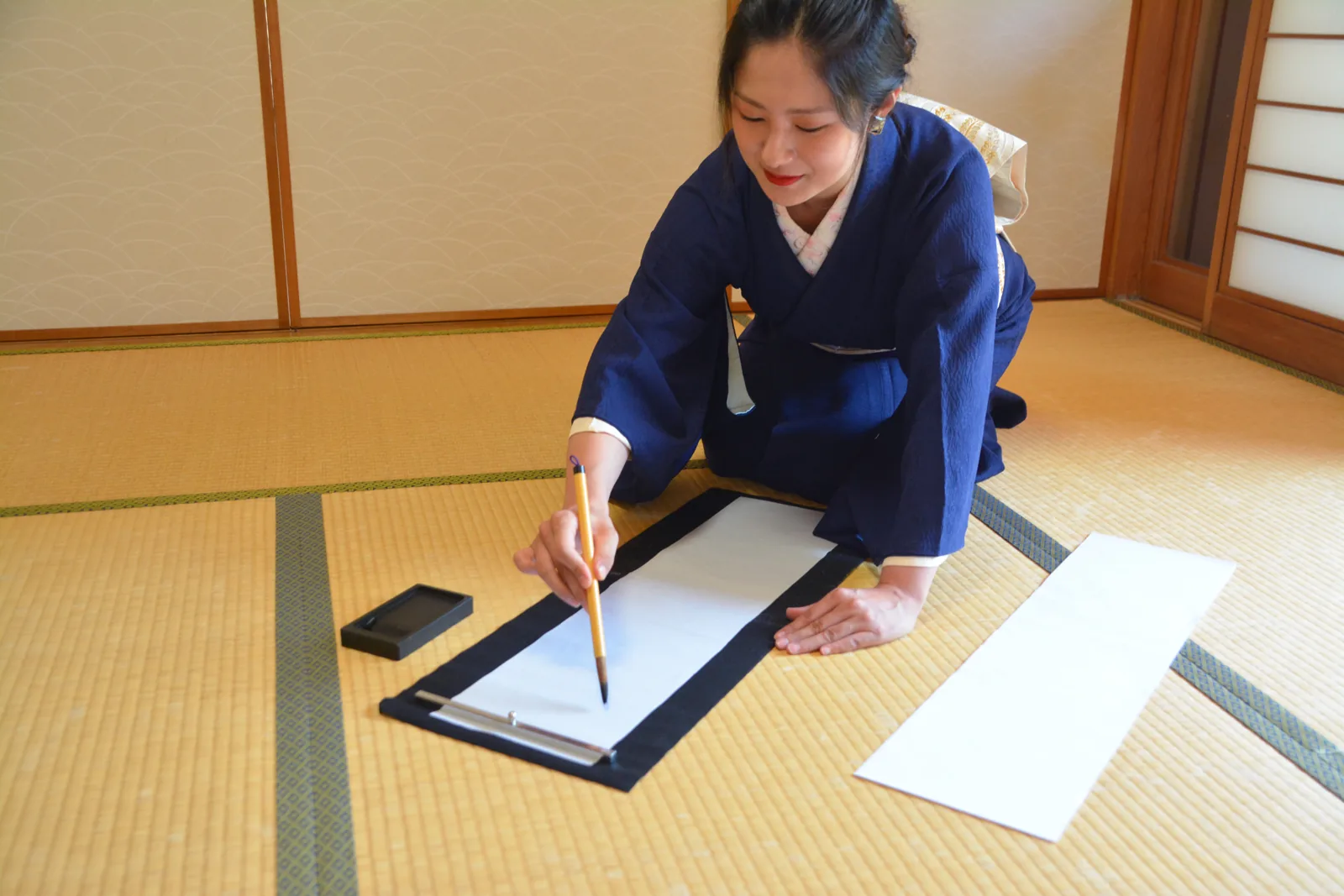
Shodo is writing with brush and ink, with attention to the shape, weight and spacing of the strokes. A visitor workshop lets you experience how a small change in pressure or movement alters a character, even if you cannot yet read Japanese.
For a first session, the useful decision is what you want to do. Practise a character with a teacher, copy a Buddhist text at a temple, or look at finished works. Those experiences differ in purpose, instruction and what you can take home.
Ways to experience calligraphy
Beginner workshop
The most direct route to hands on instruction. Look for time to practise, feedback from a teacher and a clear description of the final piece. Ask whether you can choose a character or work from a set selection.
Temple sutra copying
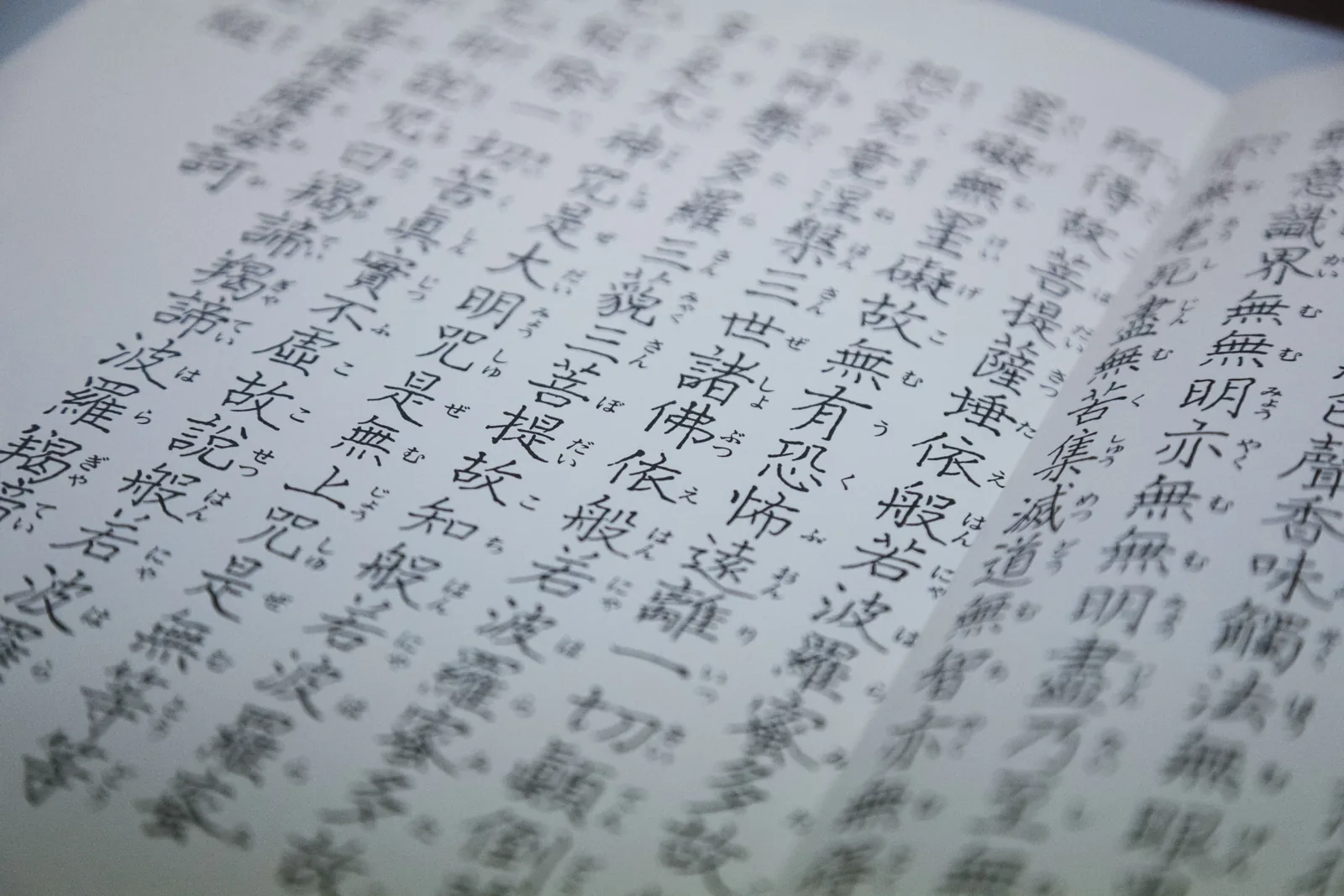
Shakyo is a Buddhist practice, not simply a craft class in a temple setting. Follow the temple’s instructions about preparation, conduct and what happens to the finished sheet. Taking it home is not automatic.
Museum or exhibition visit
A good choice if you prefer viewing to making. Read the work’s translation and notice the relationship between strokes and empty space. Check the current exhibition rather than assuming a particular scroll is permanently displayed.
A commissioned keepsake
Having a name or phrase written for you is different from a lesson. Ask how the wording is chosen and what it means. Phonetic kanji selections are creative interpretations, not necessarily your name’s standard Japanese spelling.
What you may create
Many beginners start with a small number of clearly separated strokes. Kaisho uses distinct, structured forms. Gyosho connects or simplifies some movements. Sosho is more cursive and can be difficult to read without training. Treat these as ways of understanding what you see, not three styles you must master in one visit.
Brush and paper
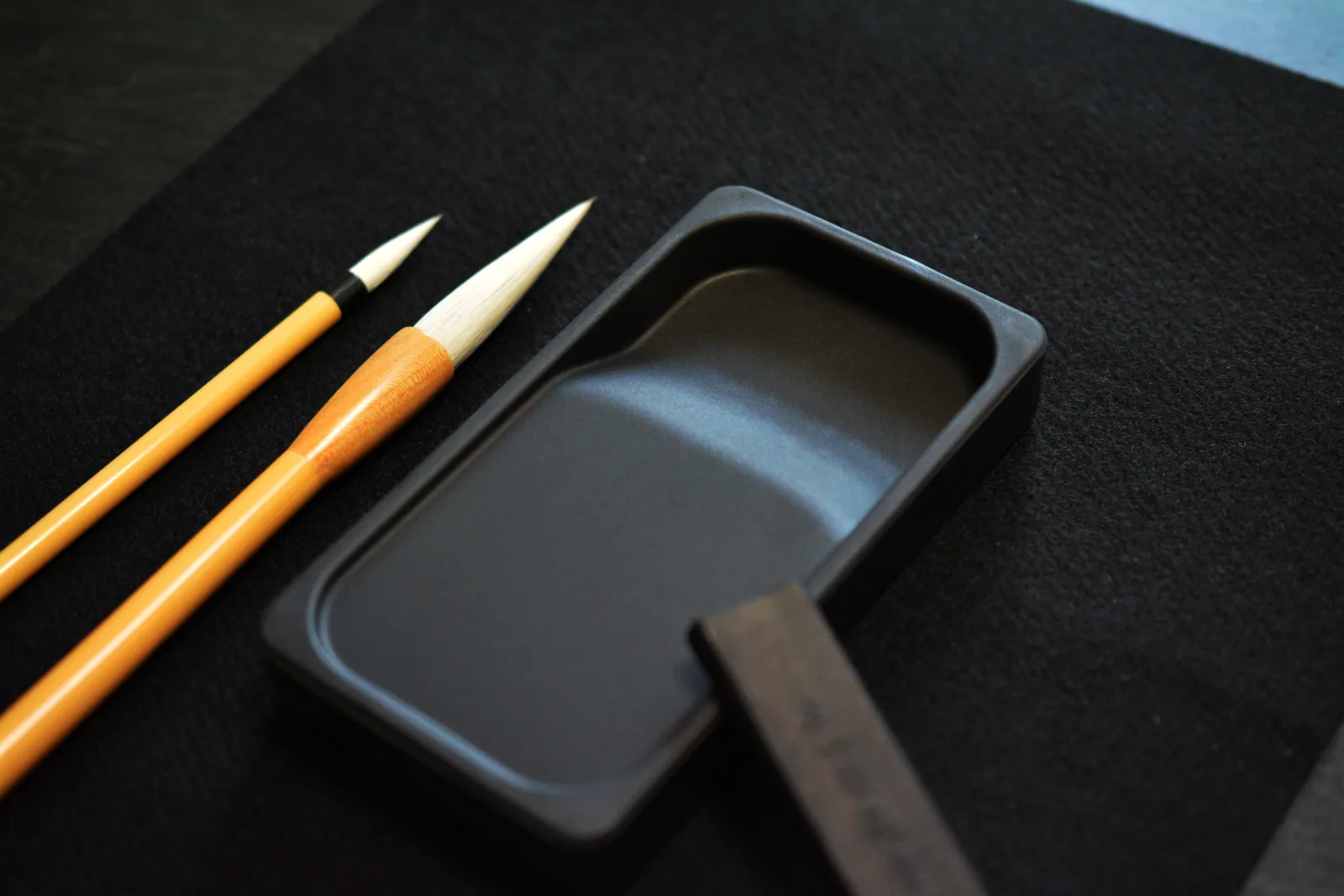
The brush, fude, responds to pressure and angle. The paper affects how ink spreads. The teacher may provide practice sheets and a different surface for the final work.
Ink and inkstone
Sumi ink and a suzuri inkstone belong to the traditional tool set. Some short workshops use prepared liquid ink to leave more time for writing, so grinding an ink stick is not guaranteed.
What happens in a workshop
Choose a character or phrase
Discuss its meaning with the teacher and choose something suited to the time available. If you want a name or quotation, send it ahead so spelling and meaning can be checked.
Learn the basic handling
Watch how the teacher holds the brush, loads ink and positions the paper. Mention if you are left handed or have grip limitations so they can explain the available approach.
Practise individual strokes
Use scrap or practice paper before attempting the complete piece. Focus on controlled movement rather than trying to imitate a dramatic cursive example immediately.
Write and receive feedback
Repeat the character with the teacher’s advice on spacing, balance and stroke order. A lesson with individual feedback differs from a short souvenir making stop.
Make the final piece
Confirm whether paper, a board, a fan or another object is included. Signing or applying a seal may be offered, but do not assume a personal seal is supplied.
Dry and pack the work
Ask the teacher when it is safe to handle and how to carry it. Wet ink can transfer, and a flat sheet can crease inside a day bag. Do not fold or roll the piece until advised.
Where to try or see it
Compare the setting and session format, then confirm the current booking details with the host.
Kangetsu, Kyoto
The operator’s calligraphy page describes a beginner class covering brush handling, ink and practice with kanji or a name, with a paper artwork to take home. Check current availability, language and access for your chosen session.
Malligraphy, Kyoto
The studio advertises English language calligraphy and stone seal workshops. Compare the booked product carefully, as seal carving uses different tools and may carry separate age or participation requirements.
MAIKOYA, Kyoto and Tokyo
The calligraphy listing describes English instruction and an approximately 90 minute class. Confirm the actual location and available format at checkout. The listing is a starting point, not a promise of a particular date.
Temples and museums
Choose the venue for its current programme. Ask temples whether visitors may join shakyo, whether reservations are needed and whether instructions are available in a language you understand. Museum exhibitions rotate, so verify the display you want before travelling.
Practical planning and souvenirs
Clothing and workspace
Ink can leave lasting stains. Wear suitable clothes and ask whether an apron is provided. Keep sleeves, bags and drinks clear of the work surface.
Seating and participation
Ask about chairs, table height, stairs and the amount of fine hand movement involved. Children and left handed participants should be discussed with the teacher. Neither requires a universal yes or no rule.
Language and lesson length
A translated sales page does not establish the language of teaching. Confirm how instructions and feedback are delivered, and whether the advertised time includes explanation, practice and drying.
Taking the piece home
Check what is included, whether protective packaging is supplied and whether mounting or shipping costs extra. Let ink dry fully and follow the teacher’s handling advice before putting it in luggage.
When buying tools, ask for a brush and paper suited to beginners rather than choosing only by appearance. A finished scroll needs different handling from an unmounted practice sheet. Ask the seller how to roll, store and transport the particular work.
Common questions
Do I need to read Japanese?
Not for a workshop designed for beginners. A teacher can explain the character and demonstrate the strokes. Confirm the instruction language.
Can I choose my own word?
Some studios allow it and others use a set selection. Send unusual names or phrases in advance so wording can be checked.
Can I take a sutra copying sheet home?
That depends on the temple. It may be treated as an offering, so ask rather than assuming the same rules as a souvenir workshop.
Will my work be framed?
Not necessarily. Check the included surface, packaging and any extra mounting or shipping charge.