Kyudo in Japan
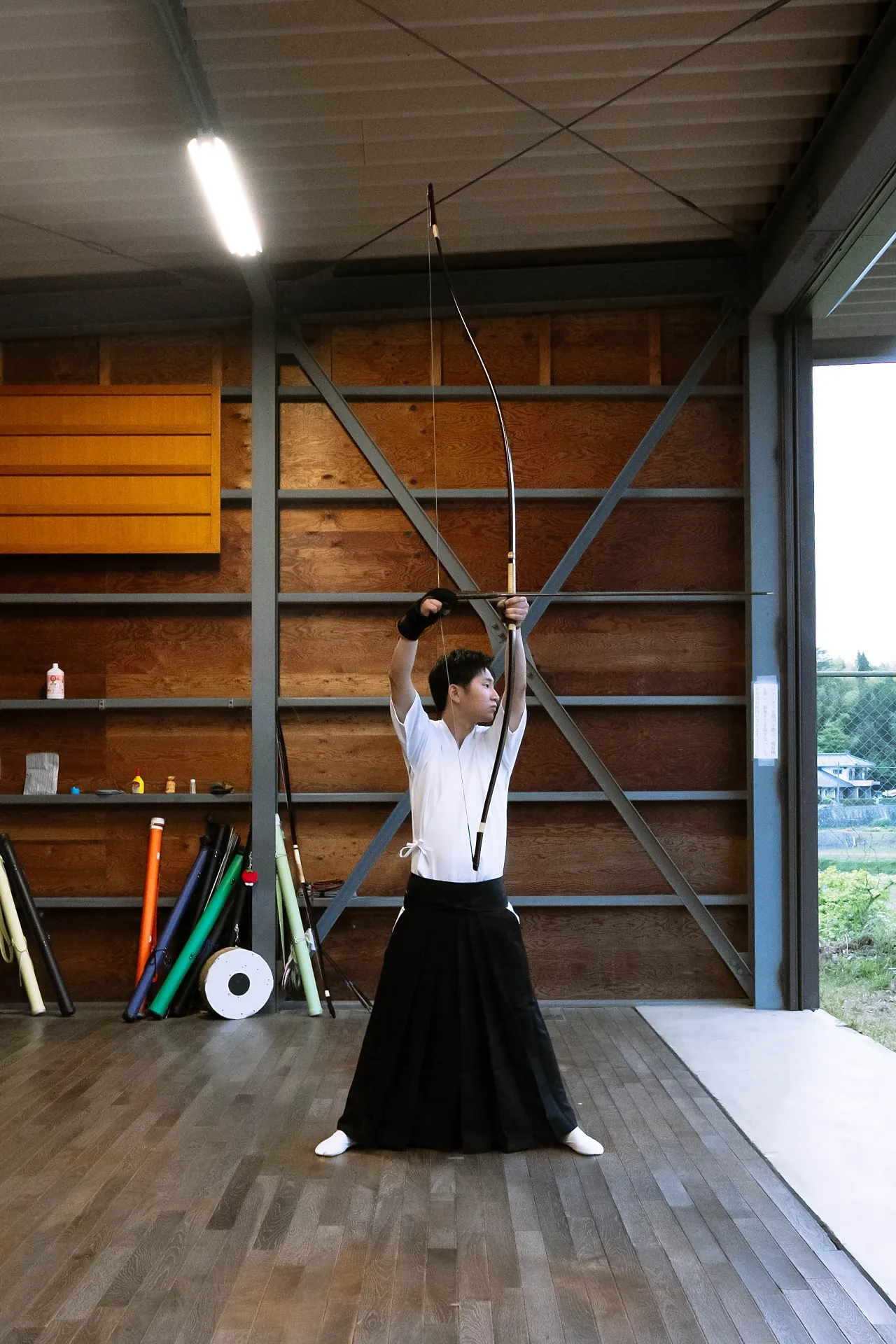
Kyudo is Japanese archery practised as a martial discipline. Its tall, asymmetrical yumi and formal shooting sequence distinguish it from a casual target shooting activity. A beginner introduction focuses on posture, safe handling and following the instructor, not simply how many arrows hit.
The shooting sequence is known as hassetsu, eight stages connecting preparation, drawing, release and the finish. A short visit can introduce that structure, but it is not a substitute for sustained practice. Choose a session explicitly designed for first time visitors.
Full size kyudo, shorter bows or watching
Full size yumi introduction
Choose this when the traditional longbow and form are central to your interest. Ask how much time is spent on demonstration, practice and supervised shooting, and what physical demands the equipment places on beginners.
Hankyu or shorter bow experience
A shorter bow and compact range may offer a different, sometimes more casual introduction. Do not book it expecting the same equipment or lesson structure as full size kyudo. Inspect the venue’s own description.
Observation or demonstration
An alternative if you want to see the discipline without shooting. Confirm that spectators are accepted, where they may sit and whether the visit is an arranged demonstration or ordinary practice.
Ongoing dojo training
Regular clubs and public ranges are not automatically venues where tourists can drop in. A training course may require repeated attendance, membership or Japanese language participation. Arrange visitor access rather than turning up to shoot.
What a beginner session is like
Check in and discuss requirements
Tell the instructor about previous experience and any movement limitations. Change clothing only if the session includes it. Equipment and uniform arrangements vary.
Learn the range rules
Listen for where to wait, when equipment may be handled and how the shooting area is controlled. Ask how instructions will be communicated if you do not speak Japanese.
Watch a demonstration
Observe the overall sequence before trying to copy individual details. Notice how posture and the finish are treated as part of the shot rather than pauses between arrows.
Practise as directed
The instructor may use preparatory movements or training equipment before a bow and arrow. Do not skip this stage or adjust equipment independently to get more shooting time.
Shoot under supervision
Release only when instructed and keep the bow directed as taught. The instructor decides the appropriate equipment, distance and pace for the session.
Finish and return equipment
Wait for staff direction before moving into any shooting or target area. Ask questions and take permitted photographs after handling is complete, not while distracting another participant.
Where to try kyudo
Compare the setting and session format, then confirm the current booking details with the host.
Kanazawa, Ishikawa
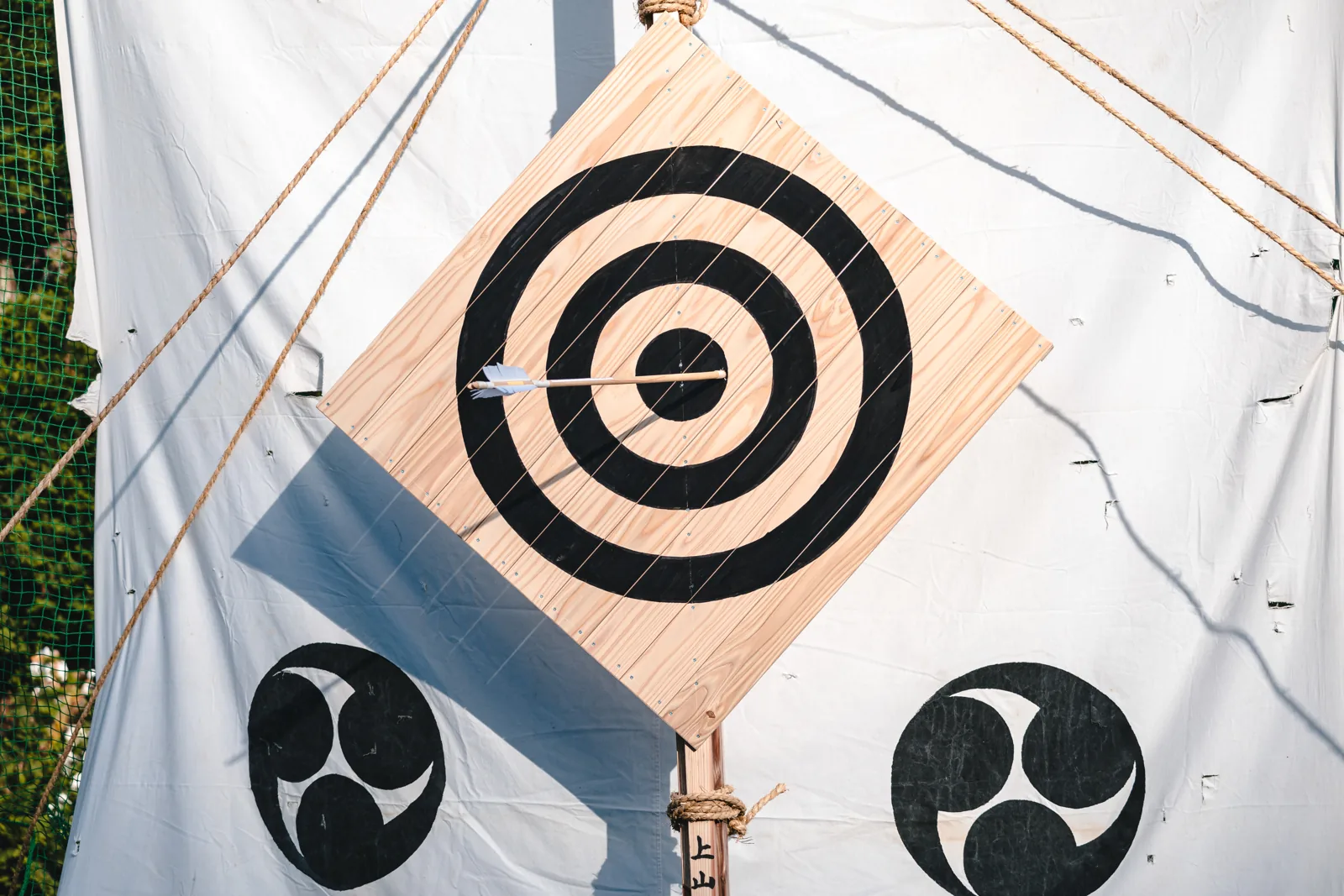
JNTO describes a Kanazawa experience taught by experts from the Ishikawa Prefectural Kyudo Federation, including traditional attire, form and supervised shooting. The article establishes the programme format, not current availability, so verify the booking contact, venue and dates before planning around it.
Kyoto and other visitor focused ranges
Look for a current operator page that states the bow type, beginner eligibility, supervision and instruction language. A short arrow package, a compact indoor range and a formal longbow lesson should not be presented as interchangeable.
Shorter bow venues in Tokyo or Takayama
Shorter bow experiences have their own equipment and teaching formats. Before travelling, confirm the exact venue, bow type, age requirements and reservation method with the operator. An old map listing does not establish current visitor access.
Planning a beginner session
Duration and inclusions
Ask for the total time from check-in to finish, plus the expected practice and shooting time. Compare equipment, clothing, instruction and interpretation rather than judging value by arrow count alone.
Clothing and movement
Follow the venue’s clothing instructions. Explain shoulder, arm or balance limitations beforehand and ask whether an adapted session or observation is possible. Do not assume a shorter bow removes every difficulty.
Children and access
Minimum ages, equipment fit and supervision vary. Confirm steps, seating, toilets and whether accompanying adults may watch. An indoor venue is not automatically step free.
Language and booking
Safety instructions must be understood. Ask whether the instructor speaks your language, an interpreter attends or another communication method is used. Read cancellation terms and avoid planning on unconfirmed walk-in access.
Inside the dojo
Follow the instructor’s direction on entering, bowing, shoes and waiting areas. Keep conversation quiet while others practise and ask before photographing people, equipment or the range.
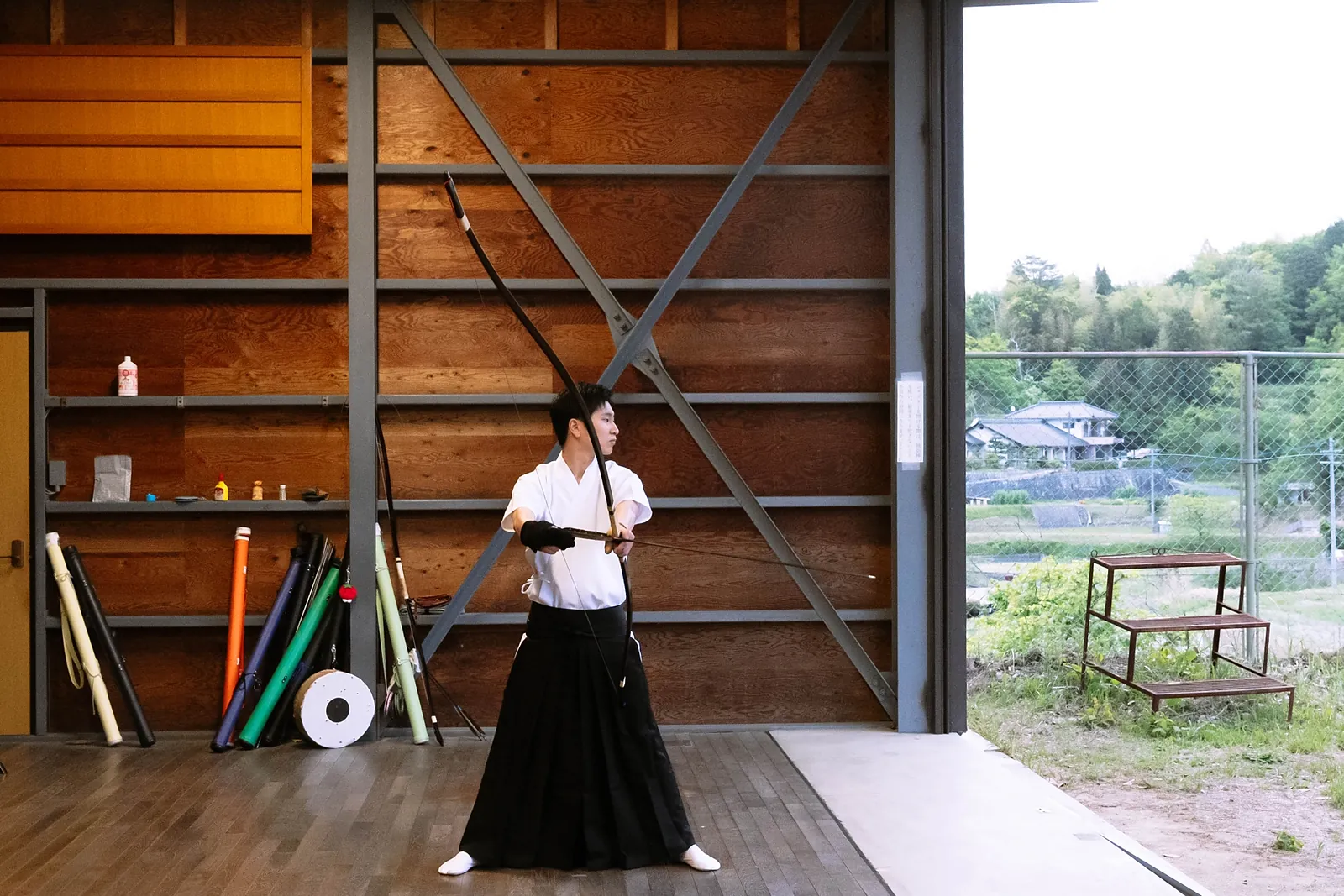
Do not pick up a bow, draw it for a photograph, release a string without an arrow or walk toward targets on your own. Let staff control equipment handling and retrieval throughout the visit.
Treat the lesson as an introduction to a discipline rather than a competition with the rest of the group. Correct preparation and safe conduct matter even when an arrow misses.
Common questions
Do I need previous archery experience?
Choose a session explicitly offered to beginners and confirm its requirements. Ordinary dojo practice is not necessarily open to first time visitors.
Is hankyu the same as full size kyudo?
No. The shorter bow, setting and instruction can differ. Confirm the format before booking.
Can I visit just to watch?
Only with the venue’s permission. Ask about spectator access, seating and photography in advance.
Will I wear a traditional uniform?
Only if the programme includes one and suitable sizing is available. Confirm rather than assuming it is standard.