Tea ceremony in Japan
A tea ceremony introduction is a chance to see how a host prepares and serves matcha, handles the utensils and welcomes guests. The arrangement of the room and the way the bowl is presented are part of the experience, not simply a decorative setting for a drink.
Visitor sessions vary considerably. Some centre on watching the host. Others include whisking your own tea, a private room or a kimono rental. Choose the format and seating that suit you before comparing photographs or prices. A short introduction is not the same as a full formal tea gathering.
Choose the right session
Demonstration and tea
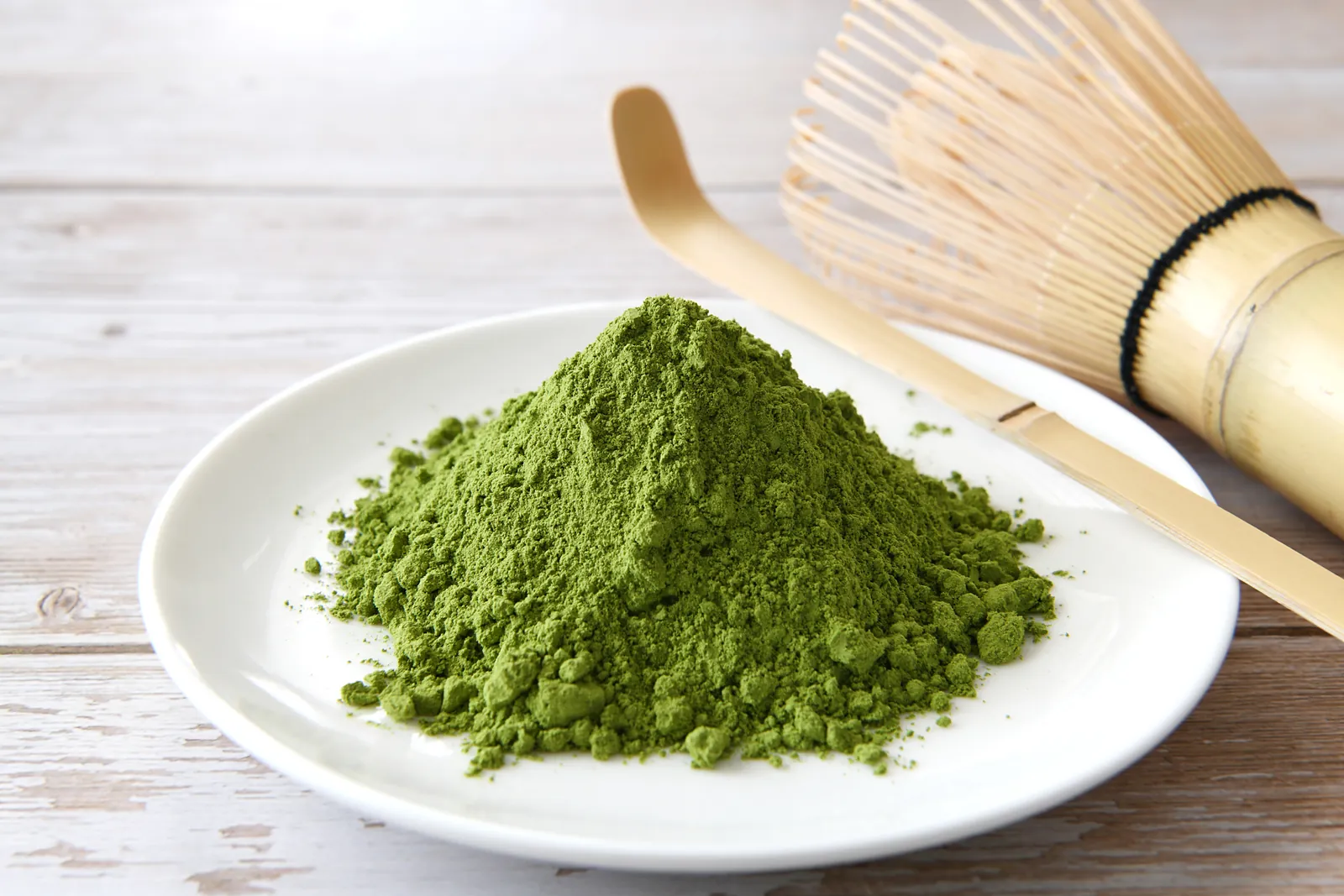
A useful first introduction when you want to watch the host and learn how to receive the bowl. Check whether explanation is given during the preparation or afterwards, and whether a sweet is included.
Hands on matcha workshop
Choose this if making your own bowl matters. Confirm how much instruction and practice are included. A brief turn with a whisk and a dedicated preparation workshop are different products.
Private or more formal gathering
A private booking offers control over the group, but does not automatically make a session more formal. Ask about the programme, expected knowledge, seating and duration rather than relying on the word “authentic.”
Kimono package
This combines separate activities. Allow time for dressing, the session and returning the rental, and check whether photographs or a walk outside are included. Kimono is not normally required for an introductory visitor session.
How a visitor session unfolds
Arrive and settle in
Follow the host’s arrival instructions and remove shoes where directed. Mention seating requirements before the session begins rather than waiting until kneeling becomes uncomfortable.
Meet the room and utensils
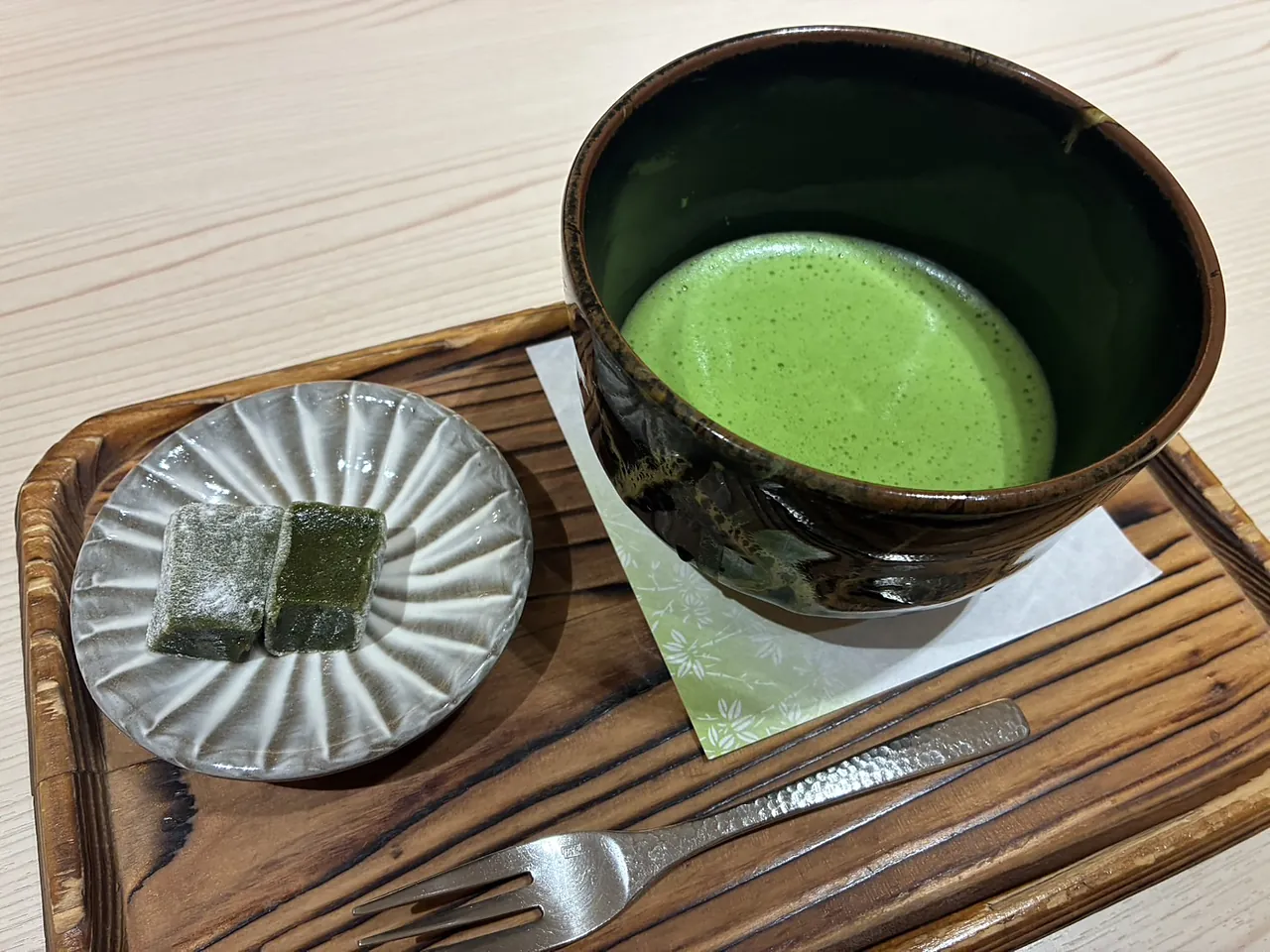
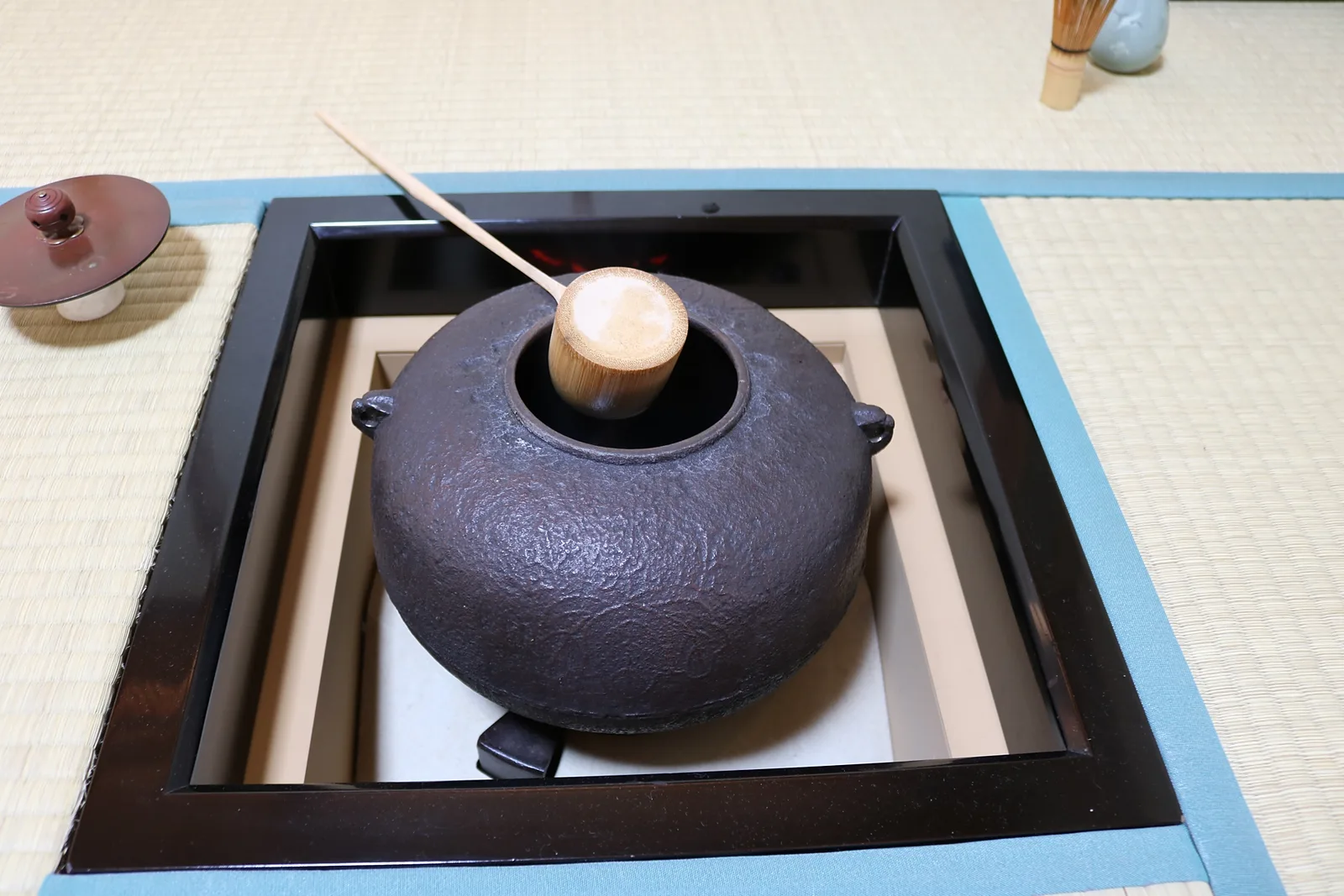
The host may explain a scroll, flowers, bowl or seasonal choices. A compact visitor venue may not have a garden or separate waiting room, so do not expect one fixed sequence everywhere.
Receive the sweet
Listen for when and how to eat it. Ingredients vary, so discuss allergies before booking rather than after the sweet has been served.
Watch the preparation
Notice the handling of the utensils and the deliberate movements. Follow the host’s lead on conversation and photography instead of assuming that either silence or taking pictures is always expected.
Receive and drink the tea
The host will show you how to hold and turn the bowl for that session. You do not need to memorise ceremonial movements in advance. Copy the demonstration and handle the bowl carefully.
Try preparing tea, if included
Some sessions finish with guests whisking their own bowl. Others do not. Use the question period to ask about the tea, utensils or a detail you noticed rather than rushing straight to the next activity.
Where to experience it
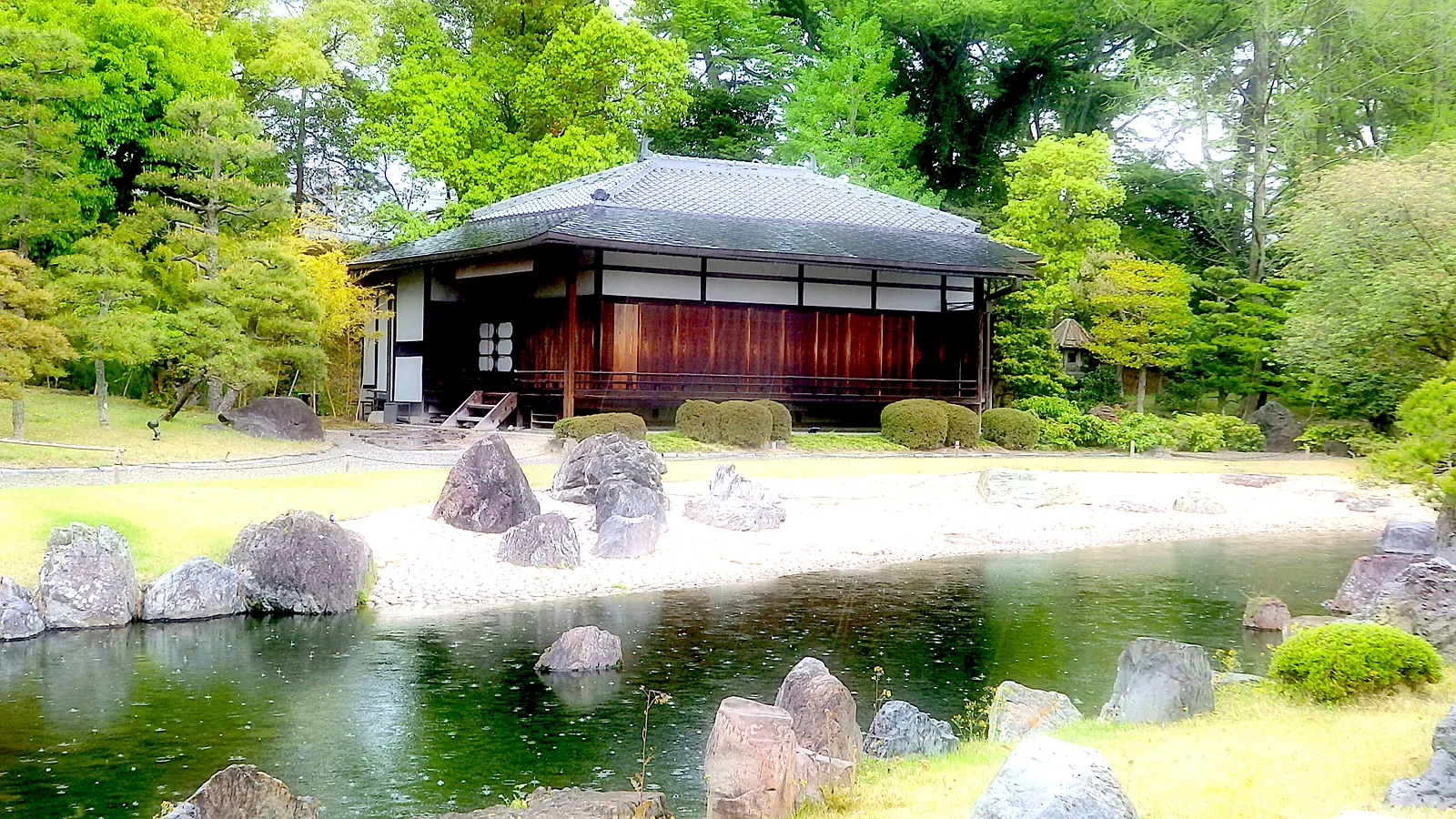
Compare the setting and session format, then confirm the current booking details with the host.
Kyoto
Compare the actual room and group size, not just the neighbourhood. Camellia lists several session formats, including table and chair arrangements at selected venues. Confirm the option you are booking. One room’s accessibility does not apply automatically to another.
Uji
Useful if you also want to explore tea shops or learn about preparation and production. A tea tasting, grinding workshop and ceremony are distinct experiences. Check which is offered and allow travel time between them.
Kanazawa
Look for a hosted session that fits your route through the city. A historic teahouse district is not itself a guarantee of public tea ceremony sessions. Confirm the host, address and booking method before arriving.
Tokyo
Choose a session near the rest of your itinerary when time is limited. Compare instruction, group size and seating as carefully as you would in Kyoto. The city alone does not determine the quality or character of a session.
Before you attend

Seating and access
Ask explicitly about chairs, stairs, low entrances and accessible toilets. Chair seating does not establish step free access to the building. Explain any difficulty kneeling or sitting on the floor when booking.
Sweets and caffeine
Matcha contains caffeine, and sweets can contain ingredients that are not obvious from their appearance. Ask the host about allergies, dietary needs and alternatives. Do not assume every wagashi is suitable.
Language, children and group size
Confirm the language of the explanation, not just the booking website. Ask about minimum ages, whether children participate and how many guests share the room.
Cost and time
Compare the full package, including demonstration, tea, sweets, hands on practice, private use and clothing rental. Use the host’s stated duration and arrival time. Dressing or travel between venues may be additional.
Wear clean socks where requested and clothing suitable for sitting. Avoid strong fragrance, ask about jewellery before handling bowls and wait for permission before touching displayed utensils. Photography rules belong to the host. A staged photo opportunity does not imply permission to photograph the full ceremony.
Common questions
Do I need to wear kimono?
Not normally for a visitor introduction. Kimono rental is a separate optional package unless the host explicitly says otherwise.
Must I kneel throughout?
Not at every venue. Request chair seating or another arrangement before booking and confirm access to the actual room.
Will I make my own tea?
Only if that is included in the booked programme. A demonstration with tea service and a hands on workshop are different formats.
Is a private session the same as a formal tea gathering?
No. Private describes the booking arrangement, not the ceremony’s formality or length. Read the programme details.