
Street food and markets in Japan
Japan's casual food scene appears in several different settings, such as working markets, covered shopping streets, festival stalls and evening yatai. They do not operate in the same way, and the most useful planning question is where and when the food is actually sold.
Some places are everyday shopping districts with prepared snacks at individual shops. Others are temporary events or weather dependent night stalls. Treat each as a place with its own opening pattern and local rules rather than as one national street food culture.
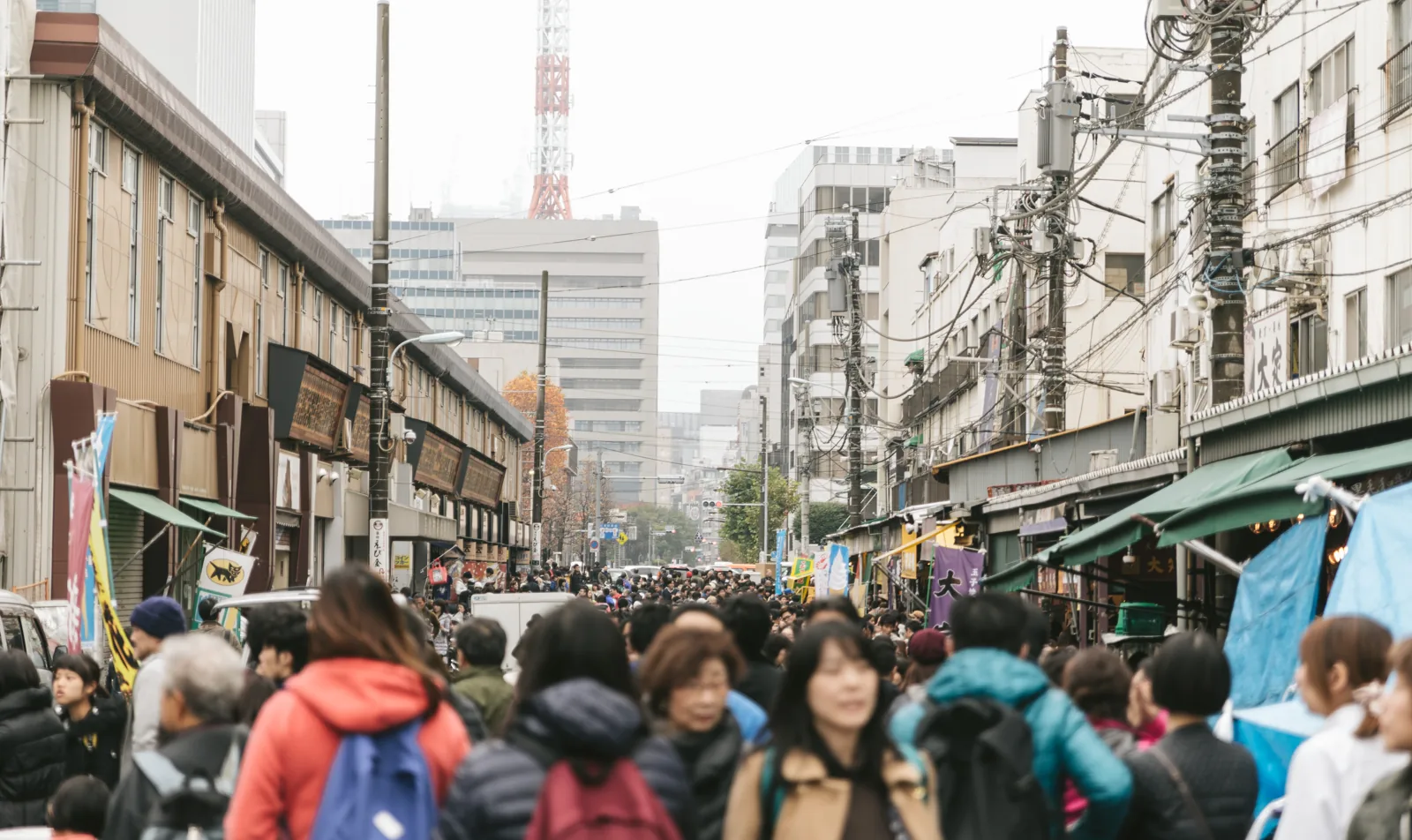
Where you find casual food
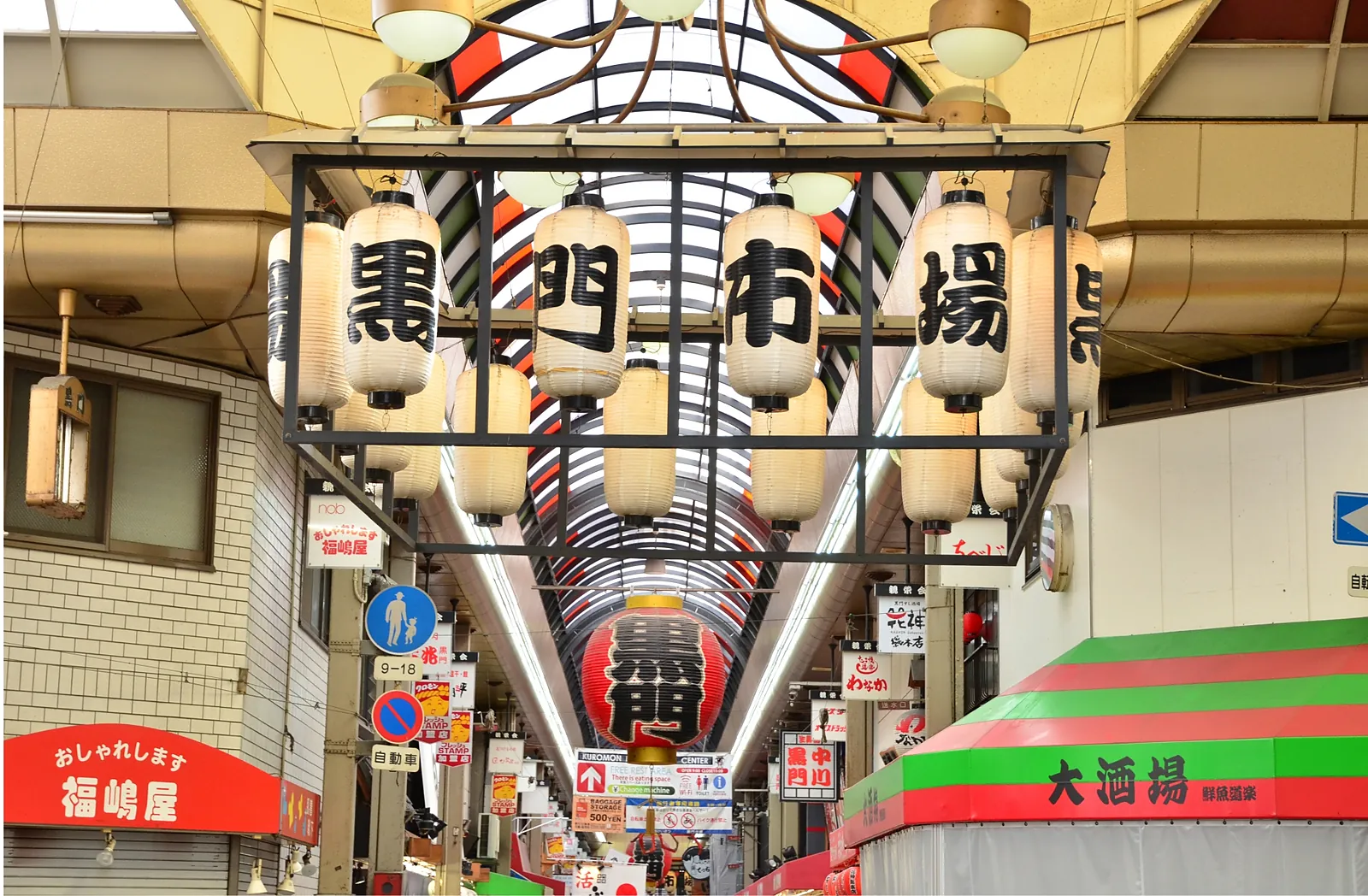
Working and visitor markets
Fish, produce and specialist shops may operate beside prepared food counters. Some businesses serve workers early, while visitor focused stalls trade later.
Plan for: individual closing days and an earlier start.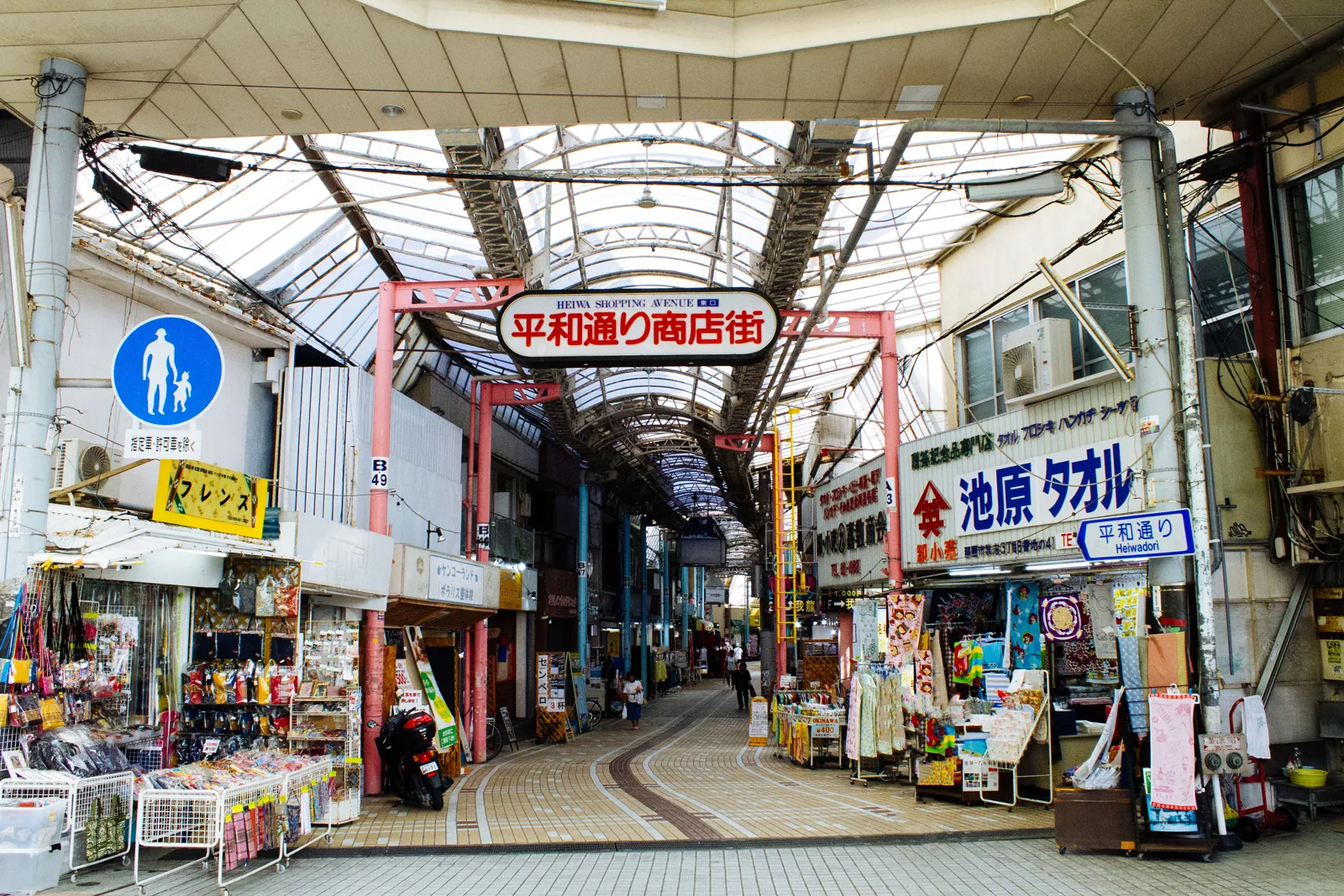
Covered shopping streets
Shotengai combine everyday retailers, takeaway food and long running local shops. Food is spread along the street rather than concentrated in one dining area.
Plan for: browsing, local snacks and limited seating.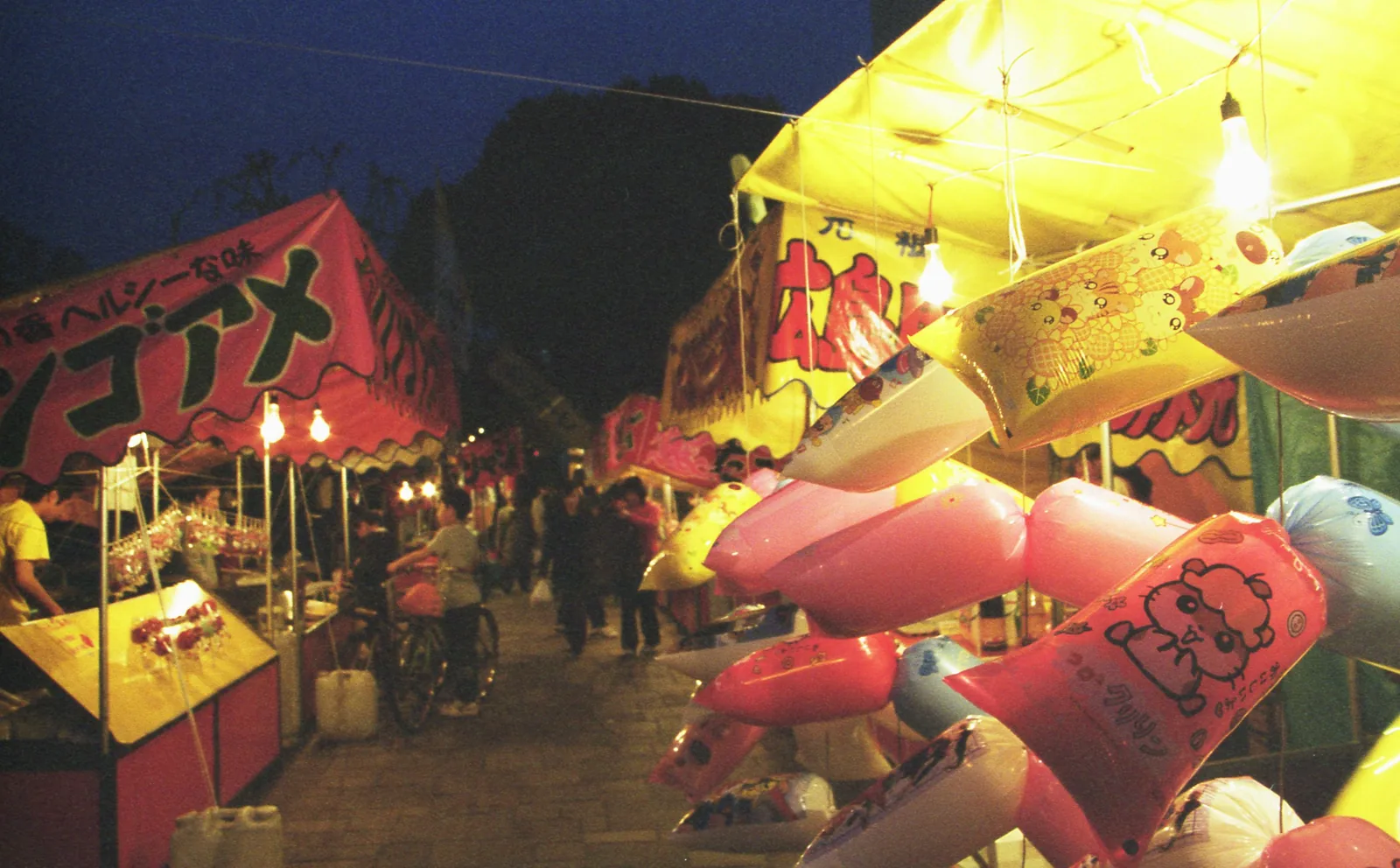
Festival yatai
Temporary stalls appear for festivals, shrine events and seasonal celebrations. The exact food, payment method and operating time depend on the event.
Plan for: crowds, cash and event specific rubbish rules.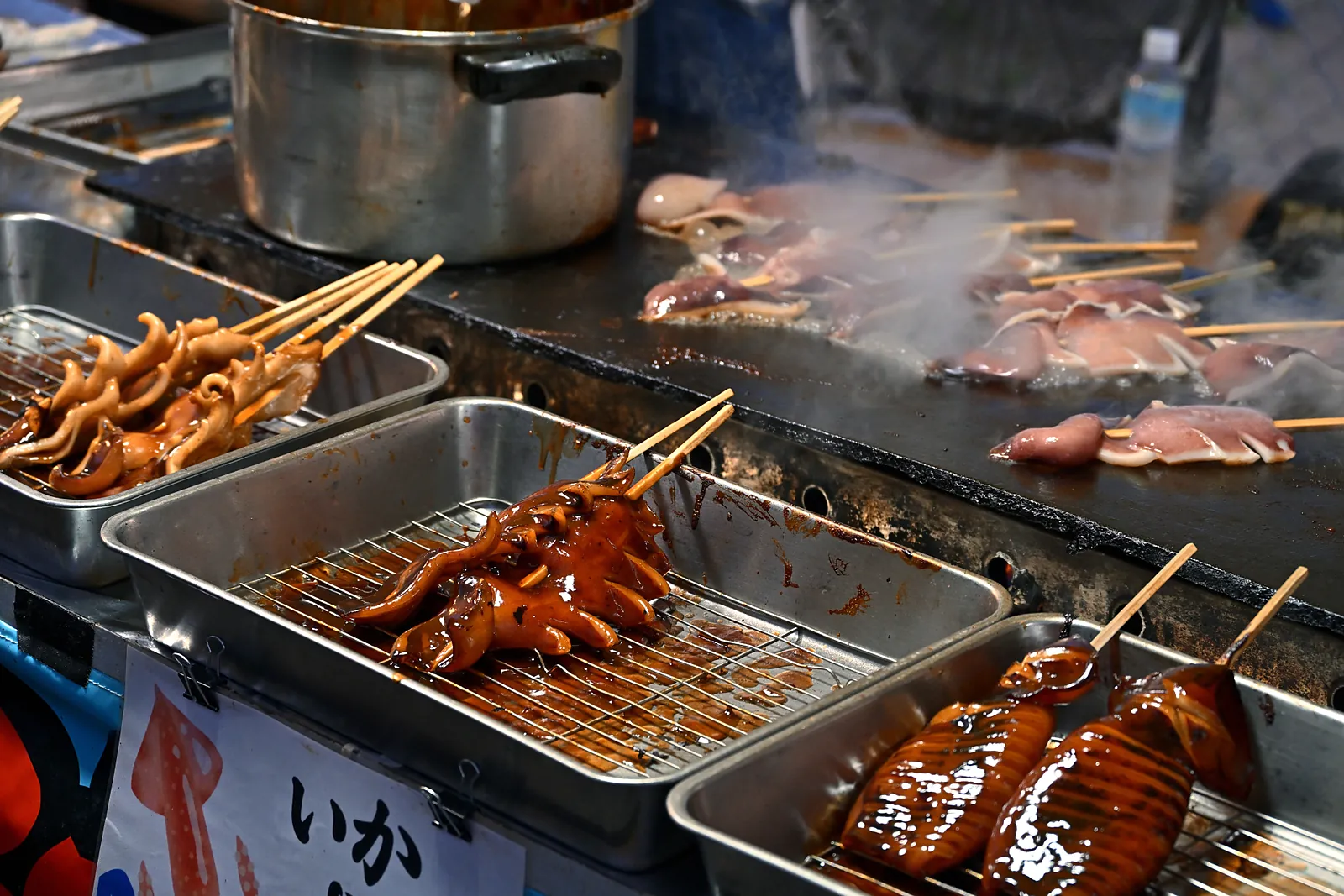
Night yatai
Fukuoka is particularly associated with seated evening stalls. Capacity is small, weather matters and the experience is closer to a tiny restaurant than food eaten while walking.
Plan for: queues, weather and ordering a proper meal.Street food favourites by place
These foods are most useful as location cues. Availability changes by shop and season, so use them to understand what a destination is known for rather than as a checklist.
Osaka: takoyaki and okonomiyaki
Dotonbori and surrounding shopping streets make both easy to find. Takoyaki is the more portable snack. Okonomiyaki is normally better treated as a seated meal.
Kyoto: pickles, sweets and seasonal foods
Nishiki Market connects snacks with specialist food shops. Keep entrances clear and follow each shop's request about where purchased food may be eaten.
Fukuoka: yatai dishes
Ramen, grilled skewers, oden and other dishes are served at compact evening stalls. Menus differ, so choose by the displayed offering rather than assuming every stall serves the same food.
Festival stalls: regional and familiar favourites
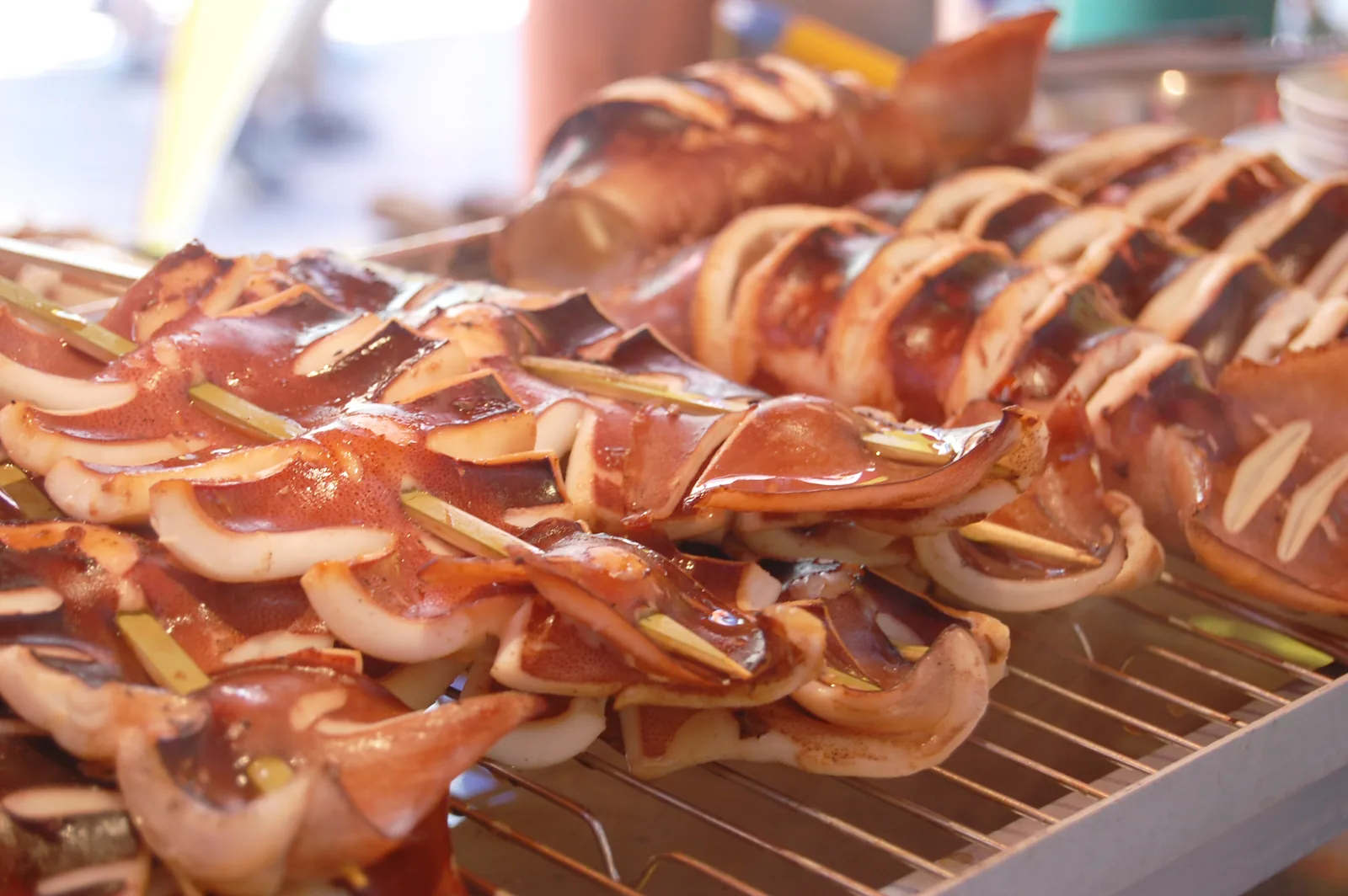
Yakitori, fried noodles, savoury pancakes, sweets and seasonal items vary by event. Temporary stalls are about the festival setting as much as finding a specific dish.
Markets and food streets
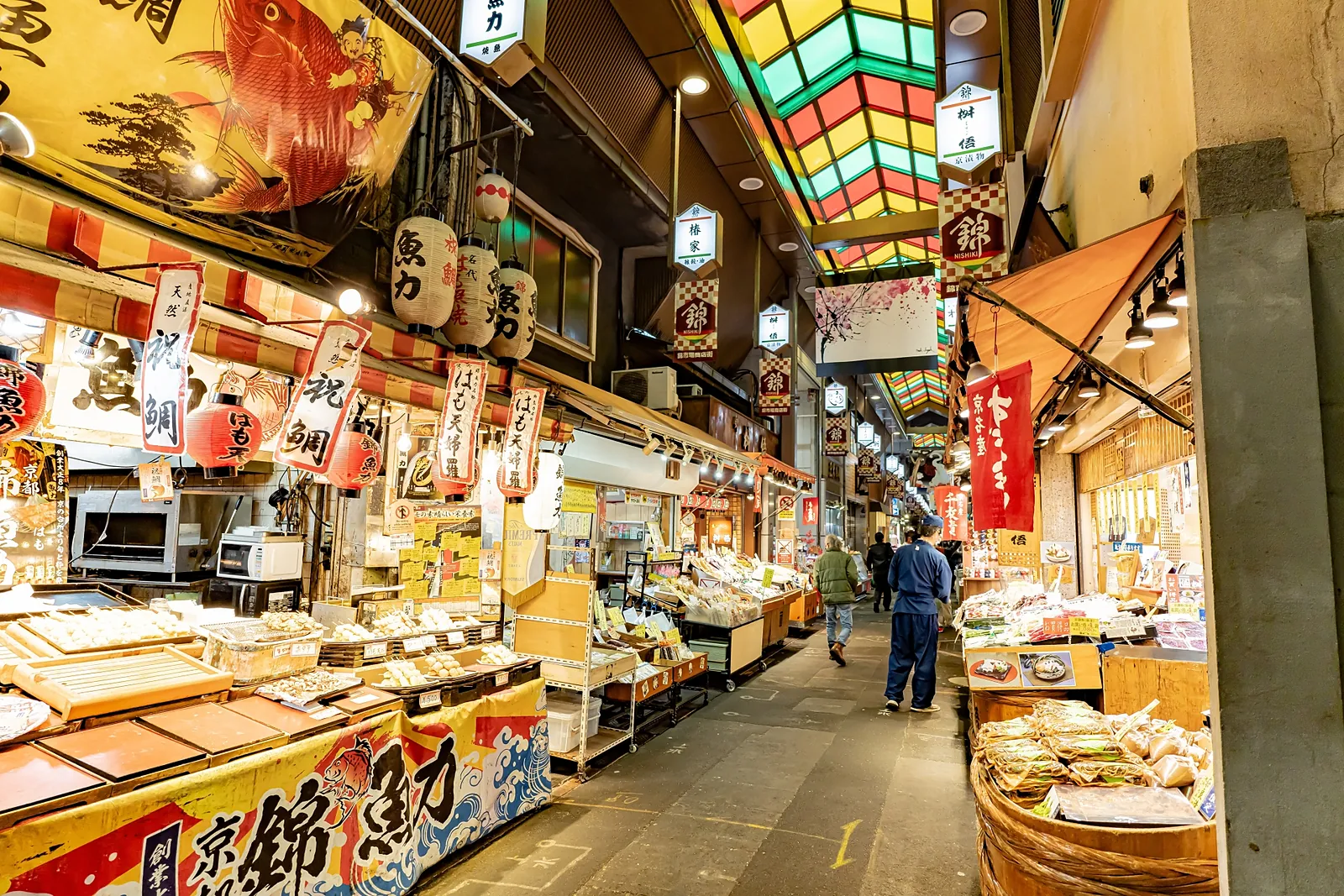
Opening days and hours belong to individual shops. Check the official market or shopping street site shortly before visiting, especially around holidays.
Major city markets
Tsukiji Outer Market
Visit during the morning or early lunch period and remember that this is a collection of independent businesses. Wholesale operations moved to Toyosu, while the outer market shops remain at Tsukiji.
Nishiki Market
A narrow, active shopping street with specialist shops, prepared food and kitchen goods. Crowds can make movement difficult, so avoid blocking storefronts and eat where the seller directs.
Kuromon Market
Convenient from central Osaka and strongly visitor oriented in parts. Compare displayed prices and portions before ordering rather than assuming every stall offers the same value.
Omicho Market
A useful lunch stop for seafood and local produce. Restaurants can queue at peak times, while market shops may finish earlier than the surrounding city attractions.
Distinctive regional settings
Hakodate Morning Market
Best planned as breakfast or an early lunch. Shop hours vary, and some seafood experiences may raise animal welfare concerns for individual travellers.
Fukuoka yatai areas
Arrive with flexibility, as stall locations, opening and capacity can change with weather and operator schedules. Order enough to justify the seat, then move on when the meal is finished.
Timing the visit
Morning
Best for seafood and produce markets, when more businesses are trading and ingredients are central to the experience.
Lunch
Useful for market restaurants and prepared food counters, but popular places may have their longest queues.
Evening
The main period for yatai, nightlife food streets and many festival stalls. Weather and final transport matter.
Festival dates
Temporary stalls depend on the actual event schedule. Confirm the date, location and final entry rather than relying on an old listing.
How to visit well
Eat where the venue permits
There is no useful nationwide rule that covers every market. Follow each seller's signs. Some provide a standing area, some allow food nearby and others ask you not to eat while moving.
Carry your rubbish responsibly
Use the bin provided by the seller when available. Do not leave skewers, cups or packaging at another business simply because public bins are limited.
Ask about ingredients
Stocks, sauces, batter and shared grills can contain fish, meat, wheat, soy, egg or other allergens that are not obvious from the finished snack.
Photograph with care
Ask before photographing staff at close range, avoid blocking customers and do not treat a working stall as a photo set without buying anything.
Markets and shopping streets serve residents as well as visitors. Keep passageways open, make decisions before reaching the front of a queue and avoid crowding a shop after finishing your purchase.
Common questions
Are Japanese markets open every day?
No. Individual shops keep their own closing days, and holiday periods can change the pattern. Check the official site and the business itself.
Should I bring cash?
Yes, even though cashless payment is increasingly common. Temporary stalls and small shops may accept only cash or one limited payment method.
Can I walk while eating?
Follow the rule of the specific market, street or seller. The practical concern is avoiding spills, congestion and rubbish, not applying one blanket rule to the whole country.
Are food markets suitable for allergies?
They can be difficult because ingredients and shared preparation are not always easy to confirm. Choose vendors able to explain their food clearly and avoid uncertain items.