The izakaya experience
An izakaya is built around an evening of drinks and shared dishes rather than one starter, main and dessert meal. Guests order in rounds, add food as the evening continues and usually settle one bill at the end.
The word covers everything from large chains with touchscreen menus to tiny independent counters. Choosing the right venue matters because seating, smoking policy, ordering, charges and dietary flexibility can differ sharply.
Choosing the right kind of izakaya
Large chain
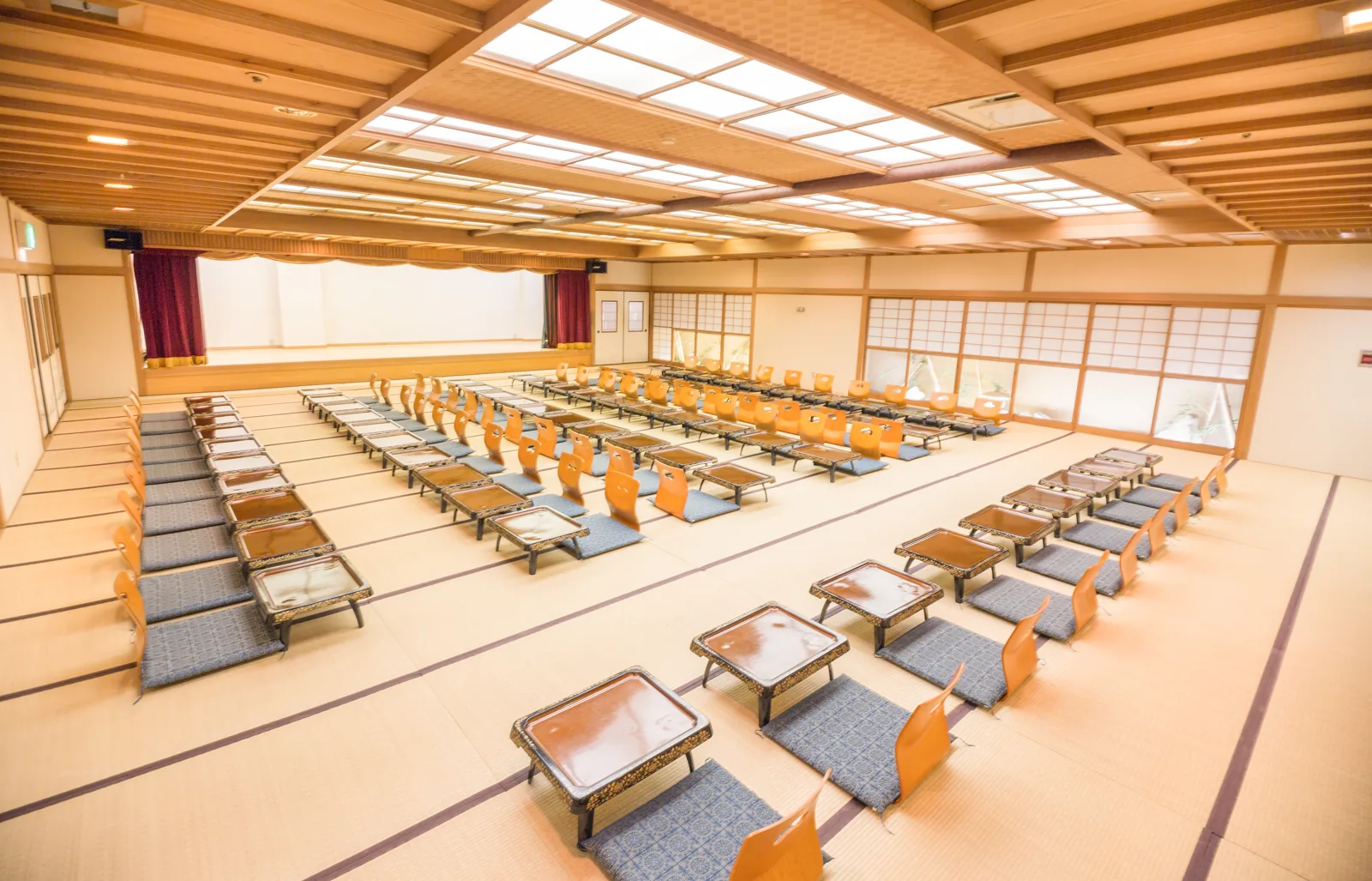
Usually the simplest option for multilingual menus, larger groups, table seating and predictable ordering. The experience is less intimate, but practical when preferences vary.
Best for: first visits, groups and broad menus.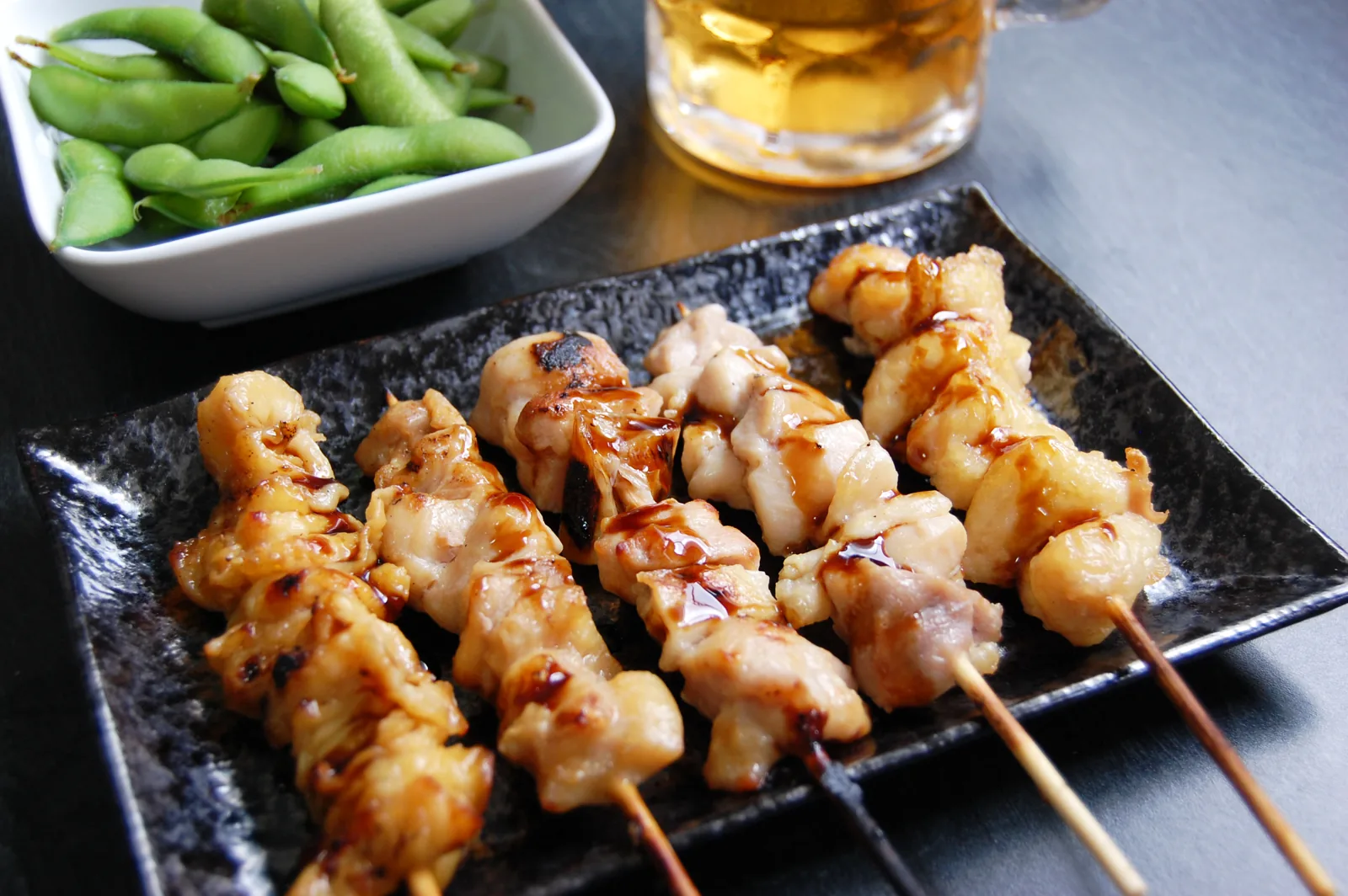
Independent counter or dining room
A smaller menu may focus on seasonal dishes, sashimi, grilled food or local sake. Communication and dietary changes can be harder, but staff interaction is often part of the appeal.
Best for: small parties and a more focused menu.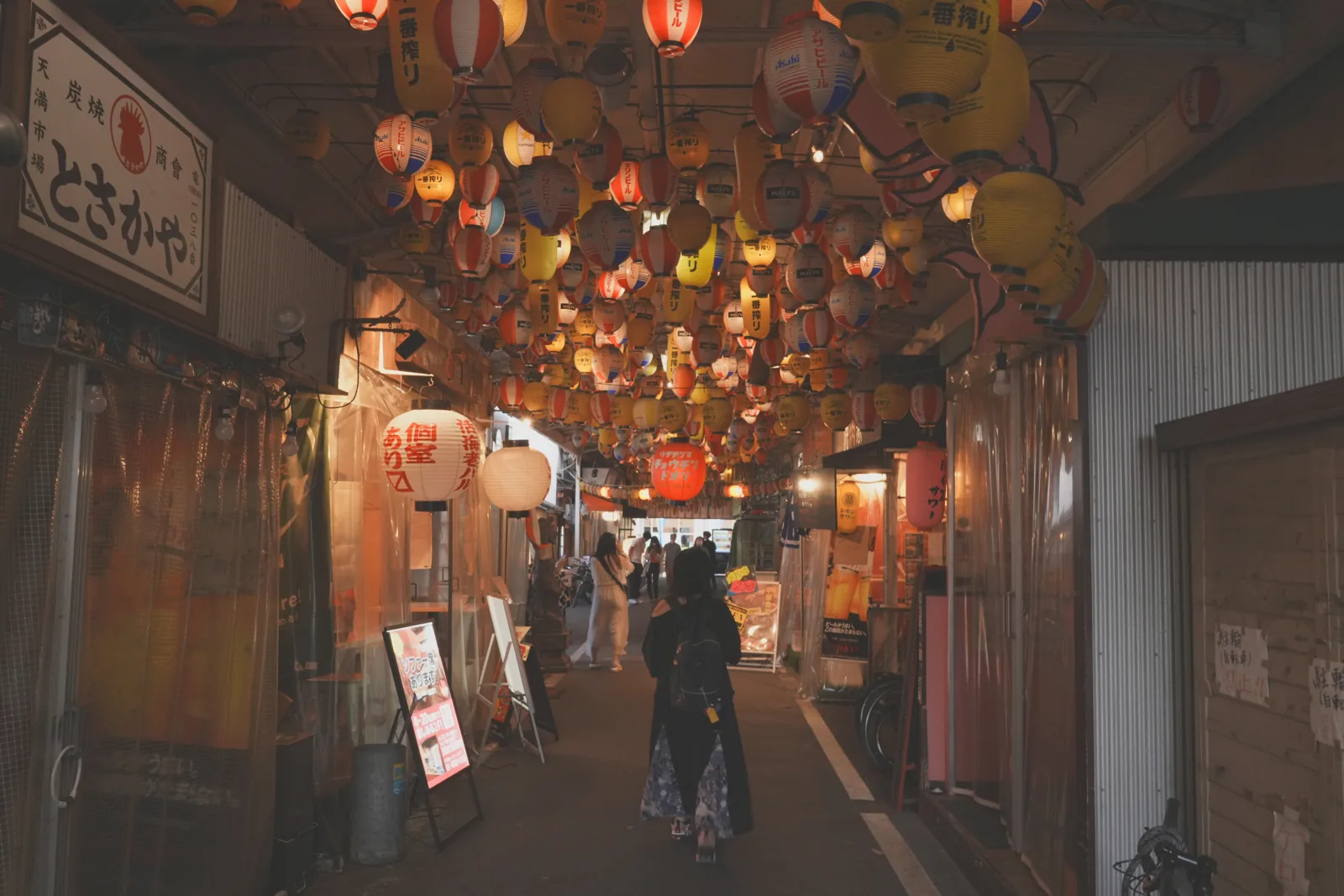
Yokocho or alley venue
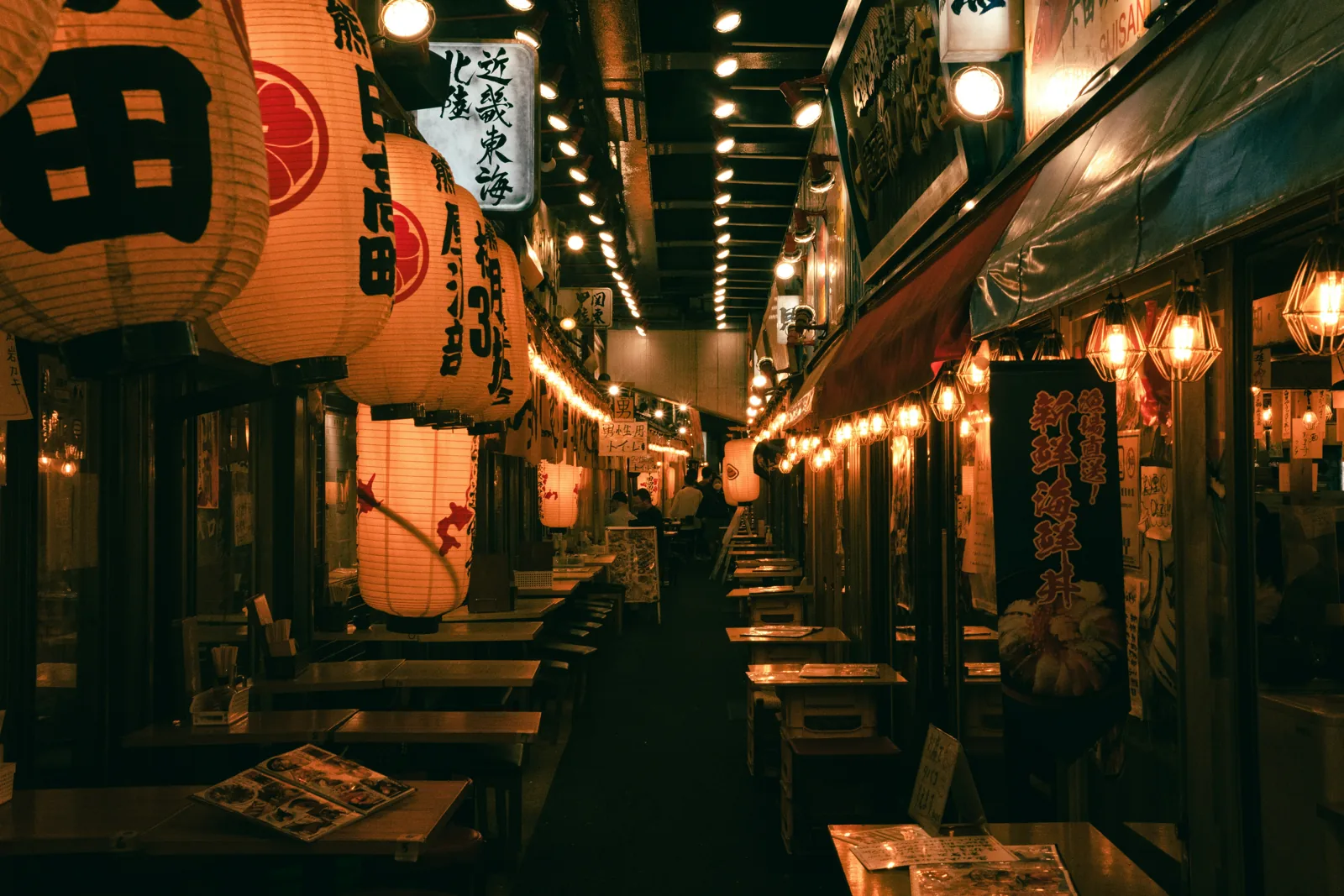
Tiny restaurants grouped along a lane create atmosphere and make it possible to visit more than one place. Seating is tight and popular alleys can be crowded or visitor heavy.
Best for: atmosphere and two or three short stops.How an evening works
Enter and wait to be seated
Staff may ask the number of guests and whether you smoke. Do not take an empty table without being shown where to sit.
Order the first drinks
Many groups begin with drinks, then place the first food order. Drinks without alcohol are normal and do not prevent you from using an izakaya as a dining venue.
Expect a small opening dish
An otoshi may arrive automatically and be connected to a table charge. It is not the same as a complimentary appetiser, so check the venue's policy if the charge matters to you.
Order food in rounds
Start with a few shared dishes and add more after seeing portion sizes. Ask before assuming every dish is intended for one person.
Watch the last order time
Food and drinks may have different final order times. Staff may announce them before closing or before a time limited seating period ends.
Request the bill
The group usually receives one bill. Pay at the table or counter as directed, then divide the cost among yourselves rather than asking a small venue for many separate transactions.
What to order
Think in categories rather than trying to work through a long list of famous dishes.
Quick first dishes
Edamame, chilled tofu, pickles and simple vegetables arrive quickly while grilled or fried food is being prepared.
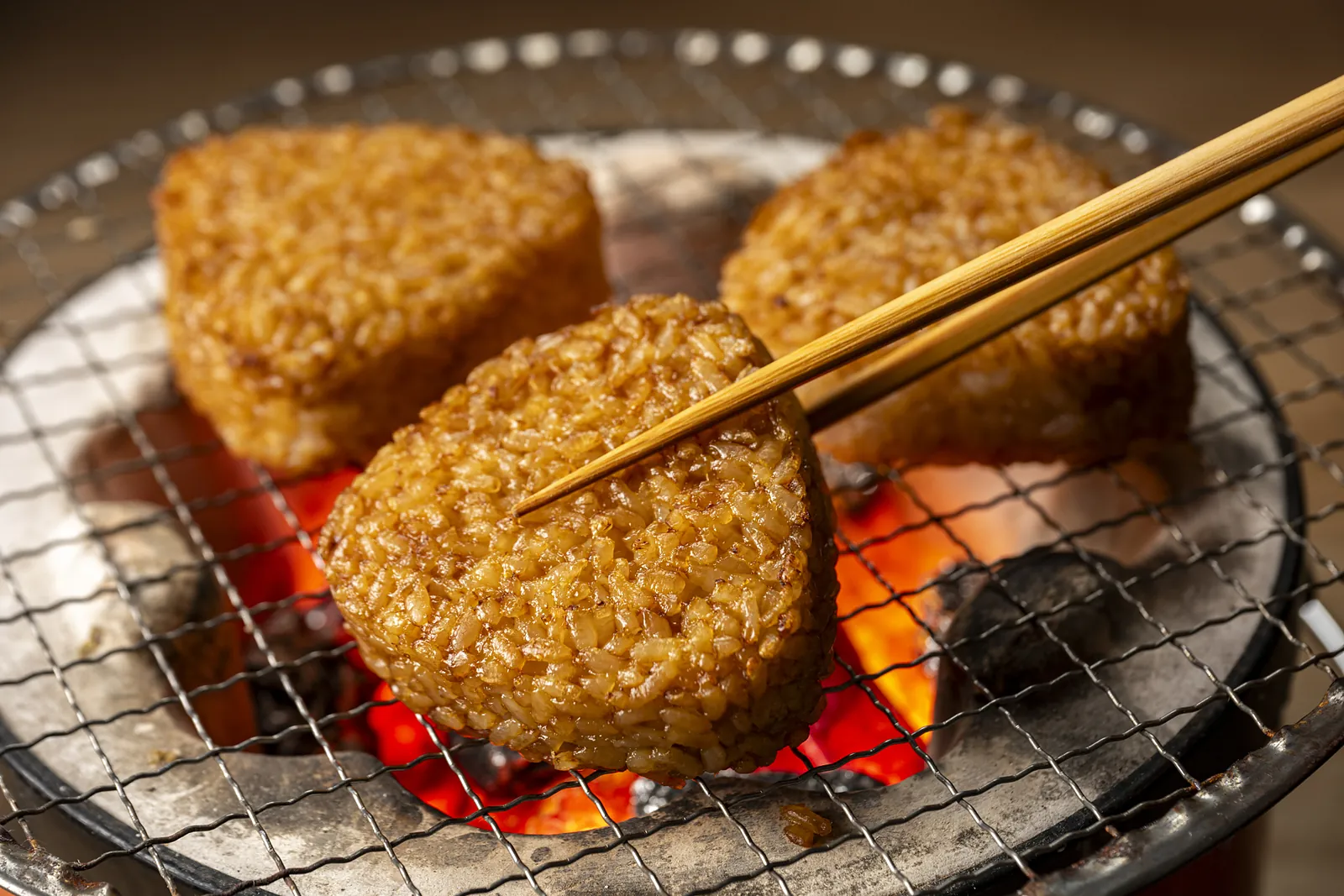
Grilled food
Yakitori, grilled fish and vegetables are common, but seasoning and minimum skewer orders vary. Ask whether skewers are priced individually or as a set.
Fried and substantial dishes
Karaage, tempura, croquettes and stir fried dishes can form the centre of the meal. Portion sizes differ, so add them gradually.
A final carbohydrate
Rice, noodles or ochazuke often finish the meal. Dessert may be limited, particularly in smaller drinking focused venues.
Izakaya districts and drinking alleys
These districts are useful starting points, but the best venue depends on current opening hours, smoking policy, group size and how tourist focused you want the evening to be.
Tokyo
Shinjuku
Useful when you want many options close together. Tiny alley venues provide atmosphere, while surrounding streets offer larger restaurants that are easier for groups.
Shimbashi
A dense choice of standing bars, grill restaurants and izakaya. Weekday evenings can be busy with office workers, so small groups fit more easily.
Beyond Tokyo
Tenma and Ura-Namba, Osaka
Good for moving between casual venues, but check cover charges and menus rather than choosing only from the busiest visitor facing entrances.
Tenjin and Nakasu, Fukuoka
Suitable for combining an indoor izakaya meal with a later yatai stop. The two are different experiences with different seating and weather constraints.
Costs, customs and booking
Check table charges
An otoshi or seating charge is common at many venues but not universal. The amount and whether it includes a dish should be shown or explained by the restaurant.
Read nomihodai conditions
All you can drink plans normally have a time limit, a final order cutoff and rules on who at the table must participate. They do not include every drink.
Confirm smoking status
Policies and legally permitted smoking areas differ. Look for the entrance sign and ask before entering if smoke would make the venue unsuitable.
Book larger groups
Reserve when several people need to sit together, especially on Friday evenings or in a small restaurant. State the full group size and any course or dietary needs.
In nightlife districts, use a clearly identified restaurant and confirm the menu, charges and location yourself. Do not follow an unverified street tout simply because they promise a cheap plan or immediate table.
Common questions
Do I have to drink alcohol?
No. Order a soft drink or alcohol free option and use the izakaya as a shared meal restaurant.
What is otoshi?
A small dish served after seating that is often connected to a table charge. It should not automatically be treated as free.
Can one person visit an izakaya?
Yes. Counter seating and smaller dishes make many venues comfortable for solo diners, although set plans may require two or more guests.
Are izakaya suitable for children?
Some larger restaurants welcome families. Small, late night or smoking venues may not. Check the restaurant's policy and atmosphere before going.