
Ramen in Japan
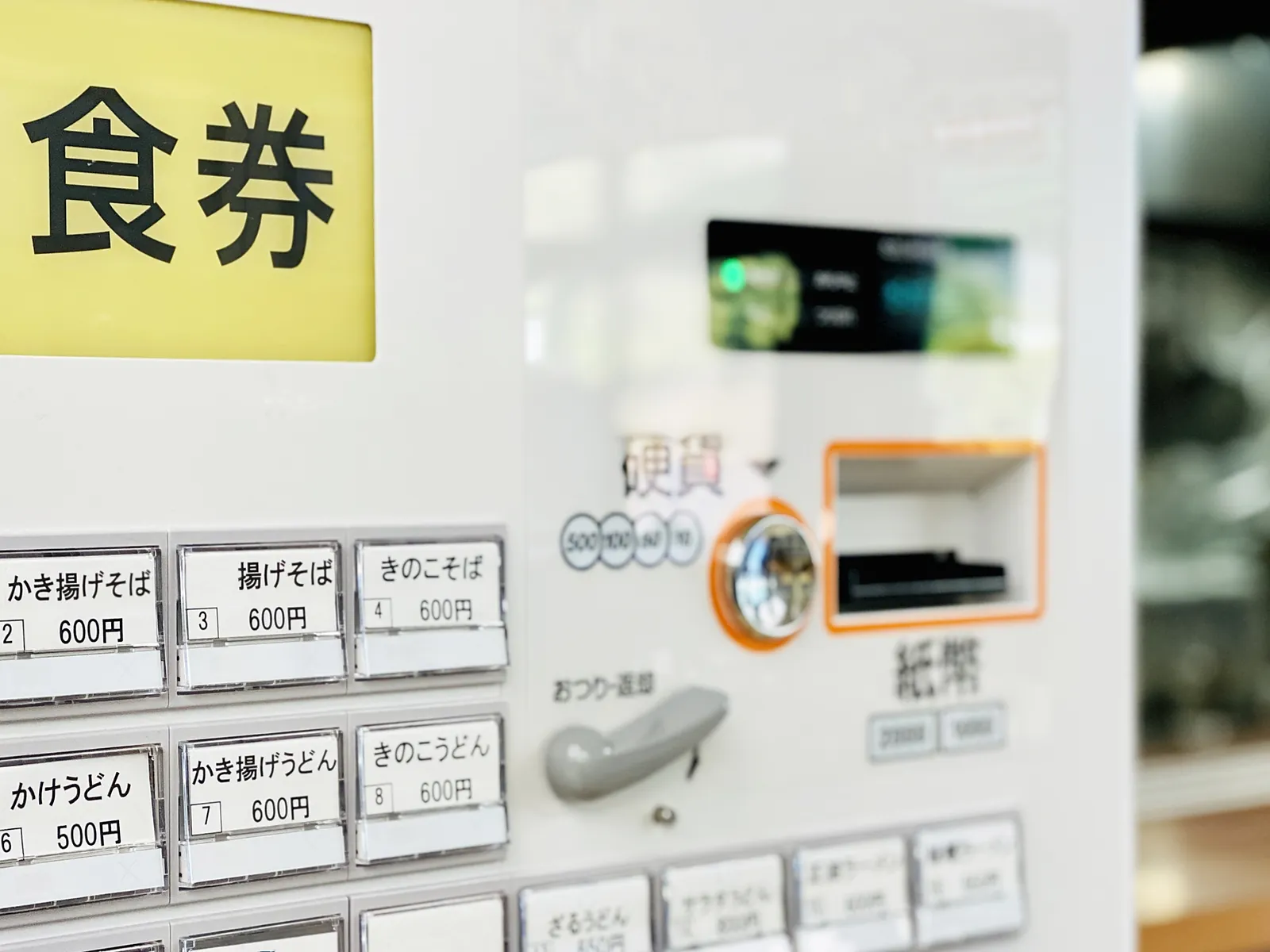
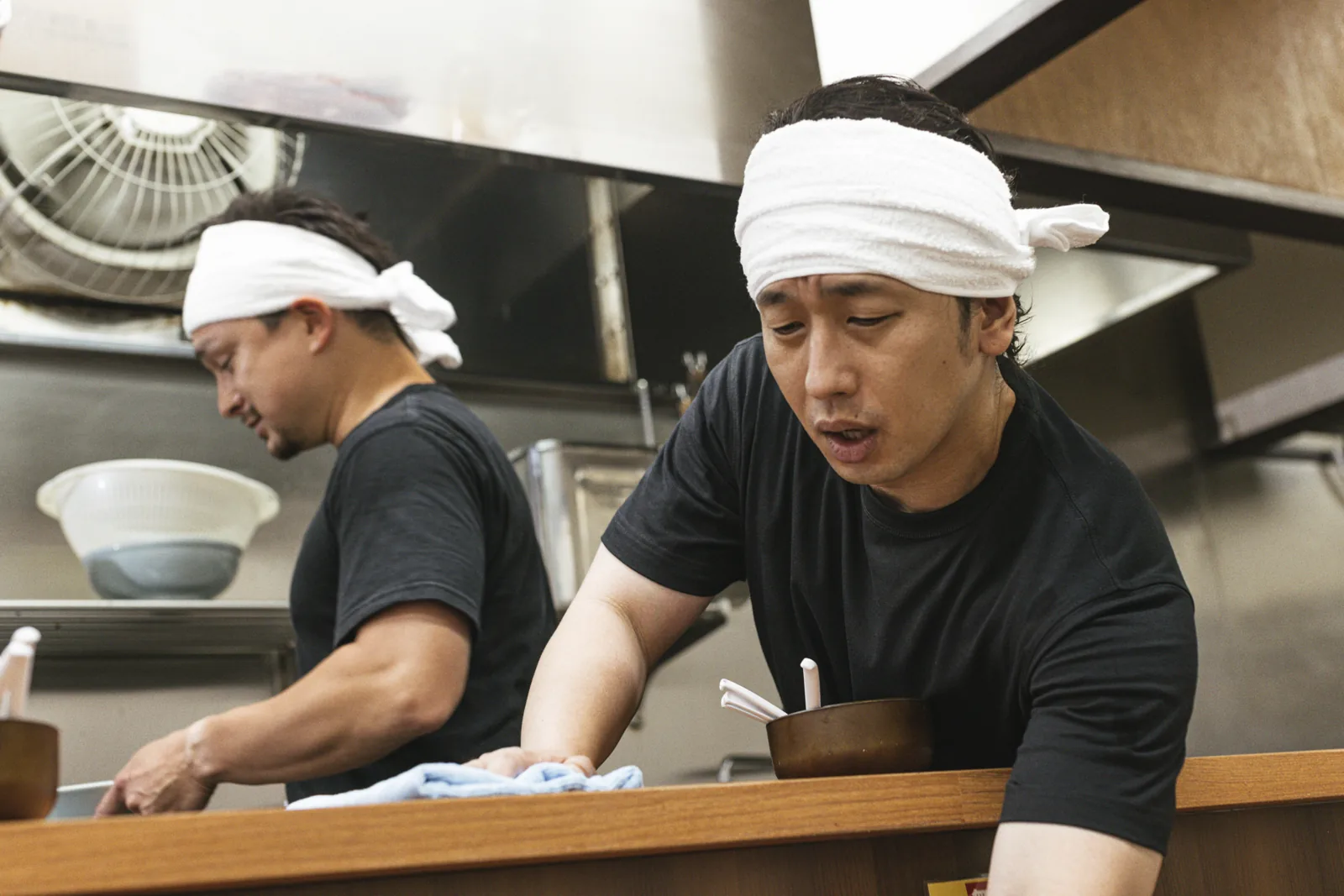
Ramen is usually a quick, individual meal rather than a long restaurant occasion. Many shops specialise in one broth or regional style, serve a short menu and seat customers at a counter. You may order from a ticket machine before sitting down, then answer a few questions about noodle firmness, portion size or toppings.
The useful decisions are simple. Choose the style you want to try, check whether the shop suits your dietary needs and group size, and learn how that particular shop takes orders. You do not need to memorise every ingredient in a bowl before you go.
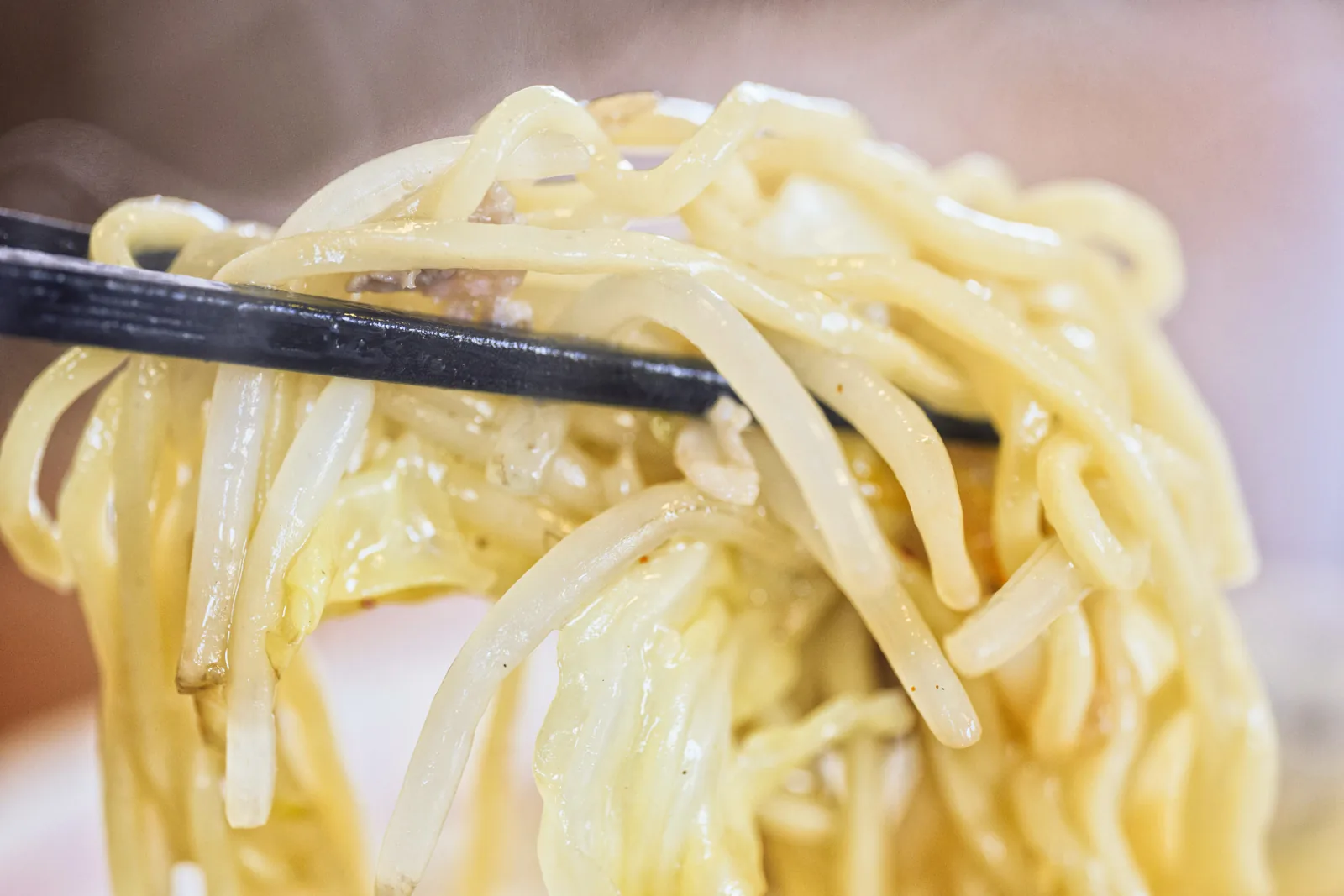
Regional ramen styles
Regional labels are a useful starting point, not a fixed recipe. Shops change noodle thickness, stock, seasoning and toppings, and two bowls sold under the same name can taste quite different. These three styles are easy to recognise on menus and give a useful spread of flavours.
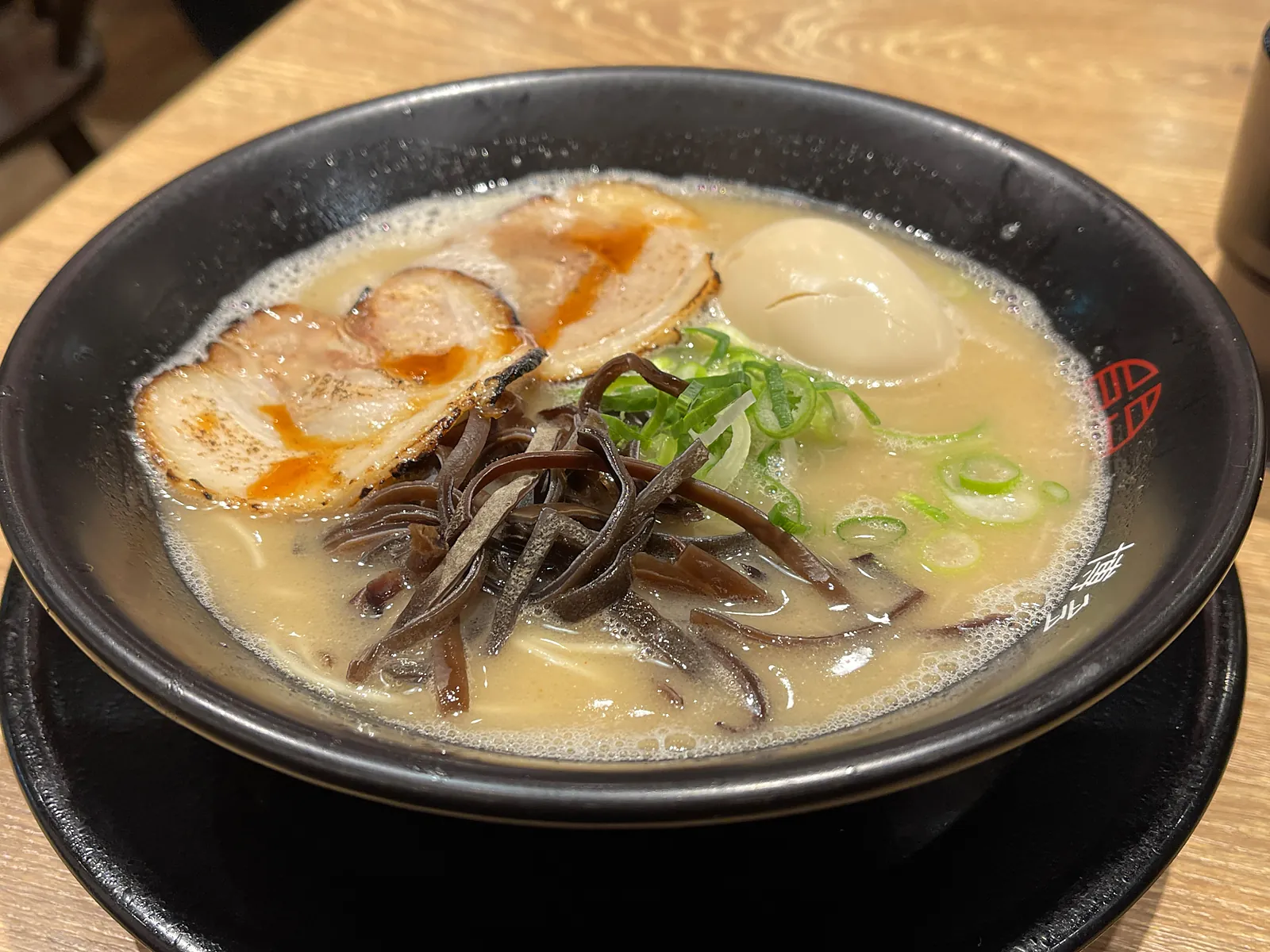
Hakata tonkotsu
A cloudy pork bone broth with thin, straight noodles. Shops often ask how firm you want the noodles and may offer kaedama, an extra serving of noodles for the remaining broth.
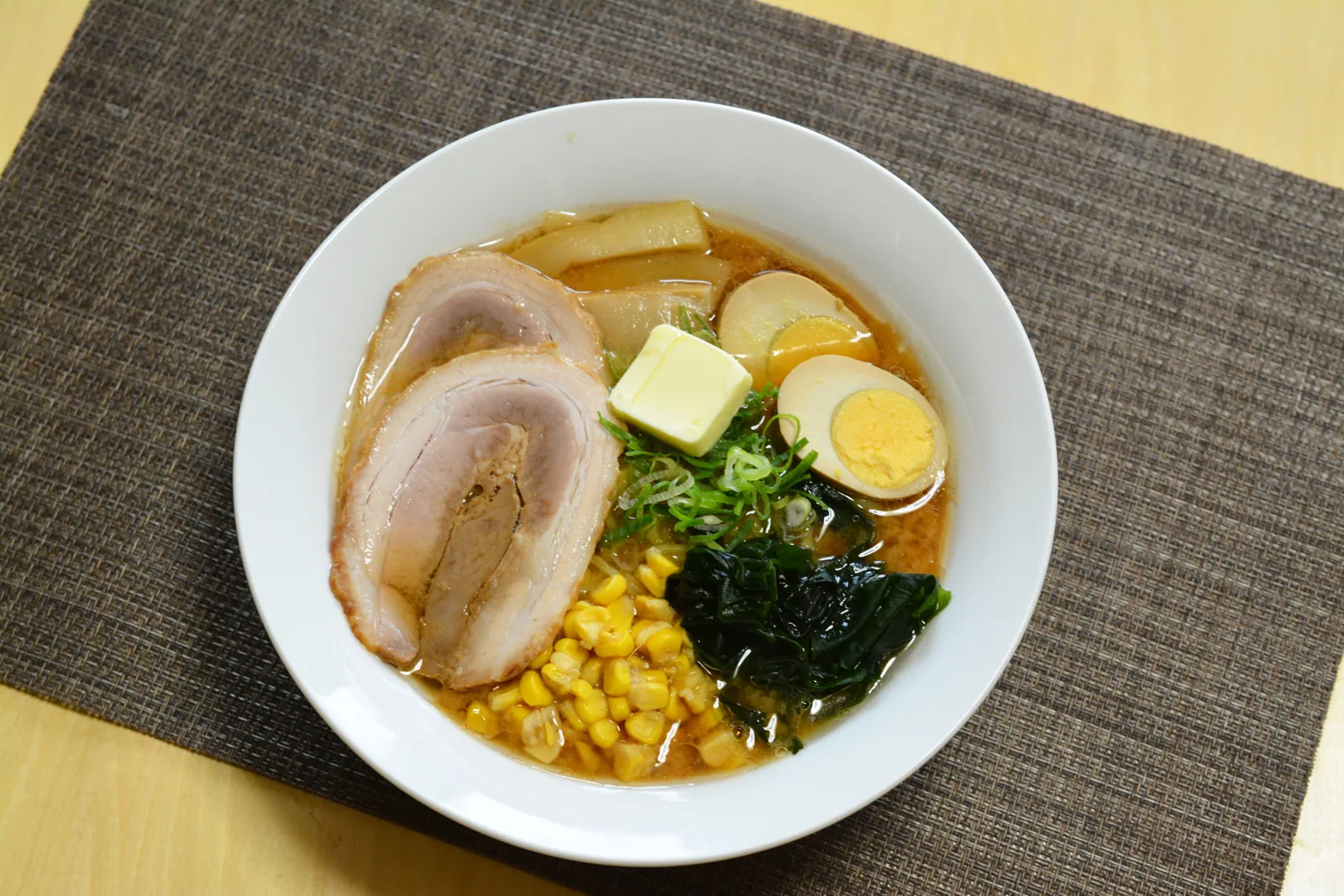
Sapporo miso
Miso provides the main seasoning, usually producing a fuller, savoury broth. Curly or thicker noodles are common, while corn, butter and other toppings depend on the shop.
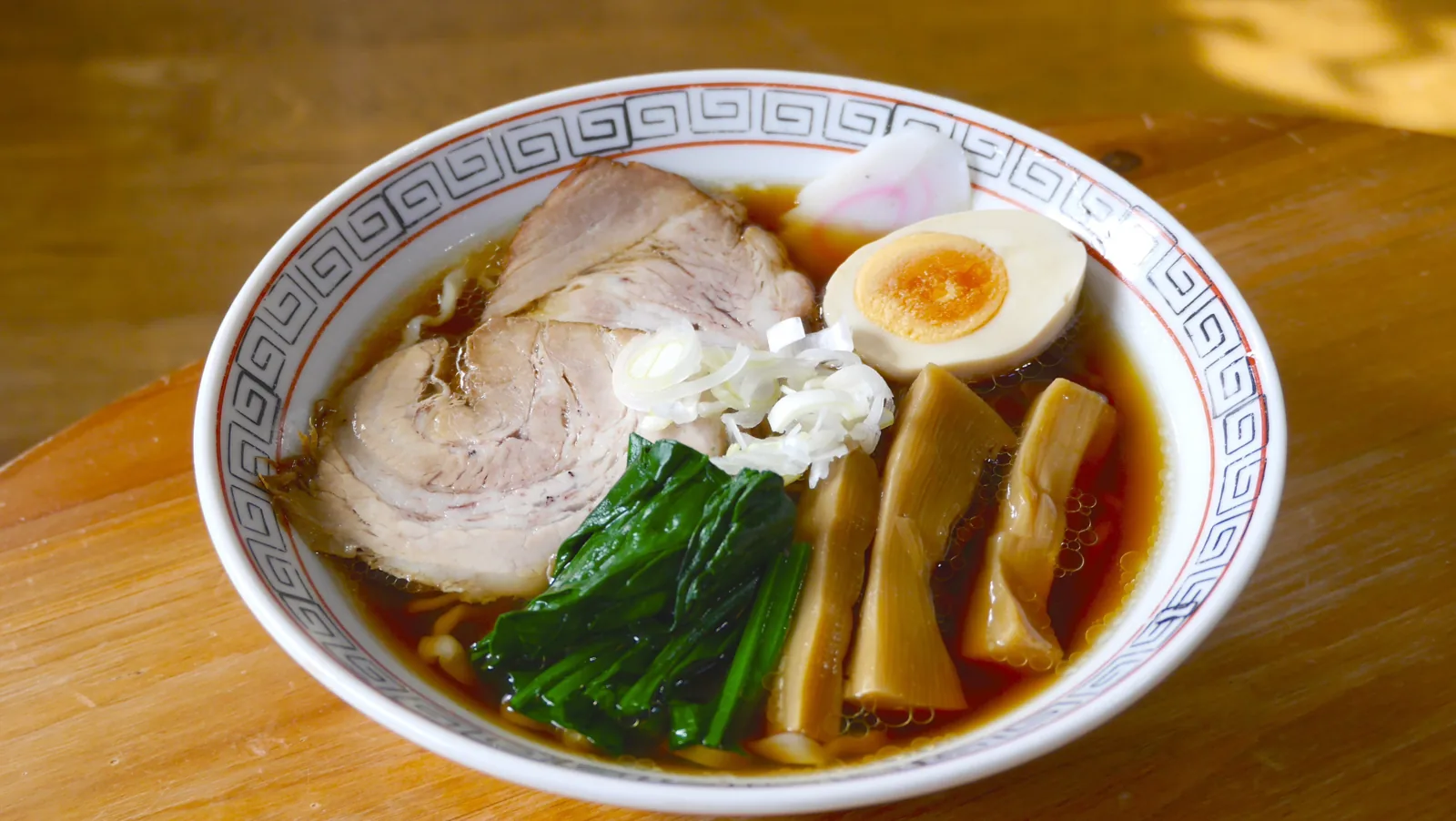
Tokyo-style shoyu
Soy sauce seasons a clear brown broth that may use chicken, seafood or both. The balance varies widely, but it is generally less creamy than tonkotsu.
Other names worth recognising
Hakodate shio is associated with a light, salt seasoned broth. Kitakata ramen is known for broad, wavy noodles in a soy seasoned broth. Onomichi ramen commonly combines a soy based broth with pork fat, while Wakayama ramen often uses pork and soy flavours. Treat all of these as local traditions with variation from shop to shop.
Choosing where to eat
A famous queue is not the only way to find a good bowl. Choose the shop format that fits your time, confidence and group rather than assuming the smallest or busiest place is automatically best.
Independent specialist
Useful when you already know the style you want. Expect limited seating, fewer English explanations and little space for luggage.
Check the menu and payment method before joining the queue.Established chain
Often easier for multilingual ordering, predictable hours and customisation. Quality and menus vary, but the process is usually clearly explained.
A practical option for solo diners or a first ticket machine order.Ramen street or food hall
Multiple shops in one complex make comparison easier and can work better when a group wants different styles.
Do not assume one shared queue or seating system. Follow each shop’s signs.Well-known queue
Some shops use a physical line. Others use numbered tickets or timed entry. Rules may cover where to stand and when every member of the group must be present.
Read the instructions before lining up and keep neighbouring entrances clear.How to order
The exact process varies, but most counter shops follow a short sequence. Watch the customer ahead of you and follow staff directions if the machine or queue signs are unclear.
Read the queue instructions
Check whether you order before joining, wait for the whole group, or take a numbered ticket. Keep doorways and pavements clear.
Buy a meal ticket if required
Select the bowl and extras, pay, then take both the meal ticket and any change. Older machines may accept only cash or limited note sizes.
Hand over the ticket
Give it to the staff member and answer any questions about noodle firmness, spice level, portion or toppings. The available choices depend on the shop.
Sit where directed
Place large bags in a locker before arriving when possible. Use the hook, basket or shelf provided for smaller belongings and keep the narrow aisle clear.
Eat without lingering
Ramen is served ready to eat and noodles soften quickly. There is no need to rush, but busy counter shops are not usually intended for a long conversation after the meal.
Check how payment finishes
If you used a ticket machine, payment is already complete. Otherwise, pay where staff indicate. Some shops take payment at the seat and others at a till.
Dietary and practical advice
Ramen can be difficult to assess from appearance alone. A bowl topped with vegetables may still use pork, chicken or fish stock, and shoyu or shio describes the seasoning rather than everything in the broth. Ask about the complete bowl, including stock, seasoning oil and toppings.
Vegetarian and vegan diets
Look for a shop or clearly marked bowl designed as vegetarian or vegan. Removing the sliced pork does not remove animal stock, fat or fish based seasoning already in the soup.
Allergies
Wheat, soy, egg, fish, crustaceans, sesame and dairy can appear in ramen or toppings, and cross contact is possible in a small kitchen. An allergy card helps explain your needs, but it does not replace direct confirmation from the shop.
Religious dietary rules
Do not assume a seafood bowl or one that looks vegetable based is halal or kosher. Stock, pork fat, alcohol based seasonings and shared preparation may matter. Choose a specialist shop when strict compliance is required.
Children and groups
Tight counter seating, high stools and an expectation that each seated customer orders can make small shops awkward for families. A chain, food hall or restaurant with tables is usually easier for children and larger groups.
Common questions
Is slurping required?
No. Slurping noodles is accepted, but it is not compulsory. Eat in the way that is comfortable while keeping splashing and noise considerate.
Does every person need to order a bowl?
Many small shops expect each person using a seat to order, particularly when space is limited. Policies for young children and sharing vary, so ask rather than assuming.
Is ramen always made with pork?
No. Broths may use pork, chicken, seafood, vegetables or a combination. However, the bowl’s visible toppings and its style name may not reveal every ingredient, so confirm directly when it matters.
Do ramen shops take reservations?
Most everyday counter shops are walk-in, but popular restaurants may use numbered tickets, timed entry or an online queue. Check the individual shop instead of assuming a conventional restaurant booking system.
Can I take leftover ramen away?
Usually this is not practical because the noodles continue to soften in the broth and many small shops do not provide takeaway containers. Ask the shop before planning to keep leftovers.