
Sushi in Japan
Sushi is defined by seasoned rice as much as by what sits on it. The experience can be a quick touchscreen lunch, several pieces ordered at a standing counter, or a chef led course served one piece at a time.
The most useful first decision is not which fish to choose, but what kind of meal you want. Venue type determines the pace, price, ordering method, reservation expectations and how suitable the meal is for children or a group.
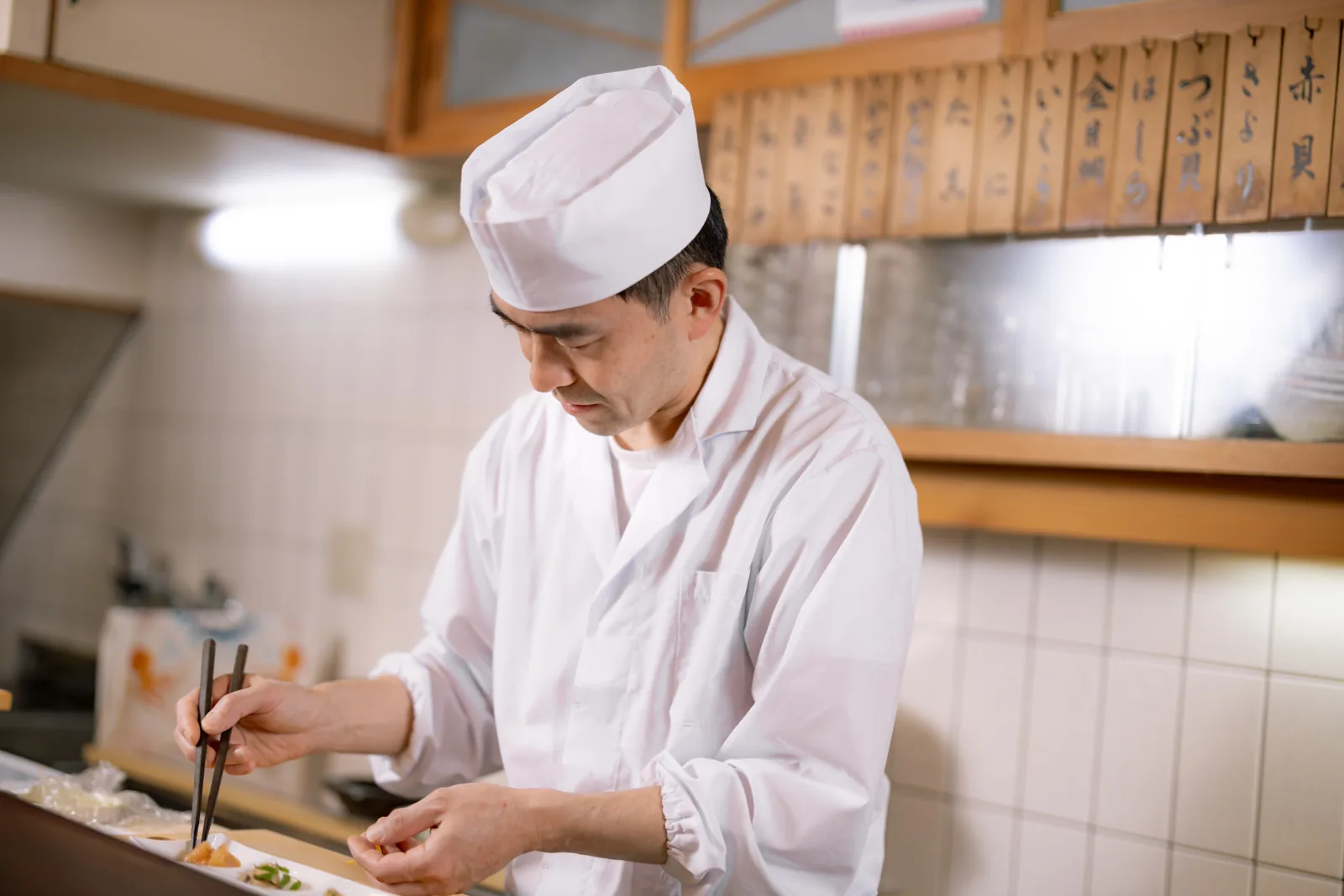
Choosing a sushi experience
These are different styles of meal rather than a simple ladder from cheap to expensive. Choose the setting that matches your group, budget and interest.
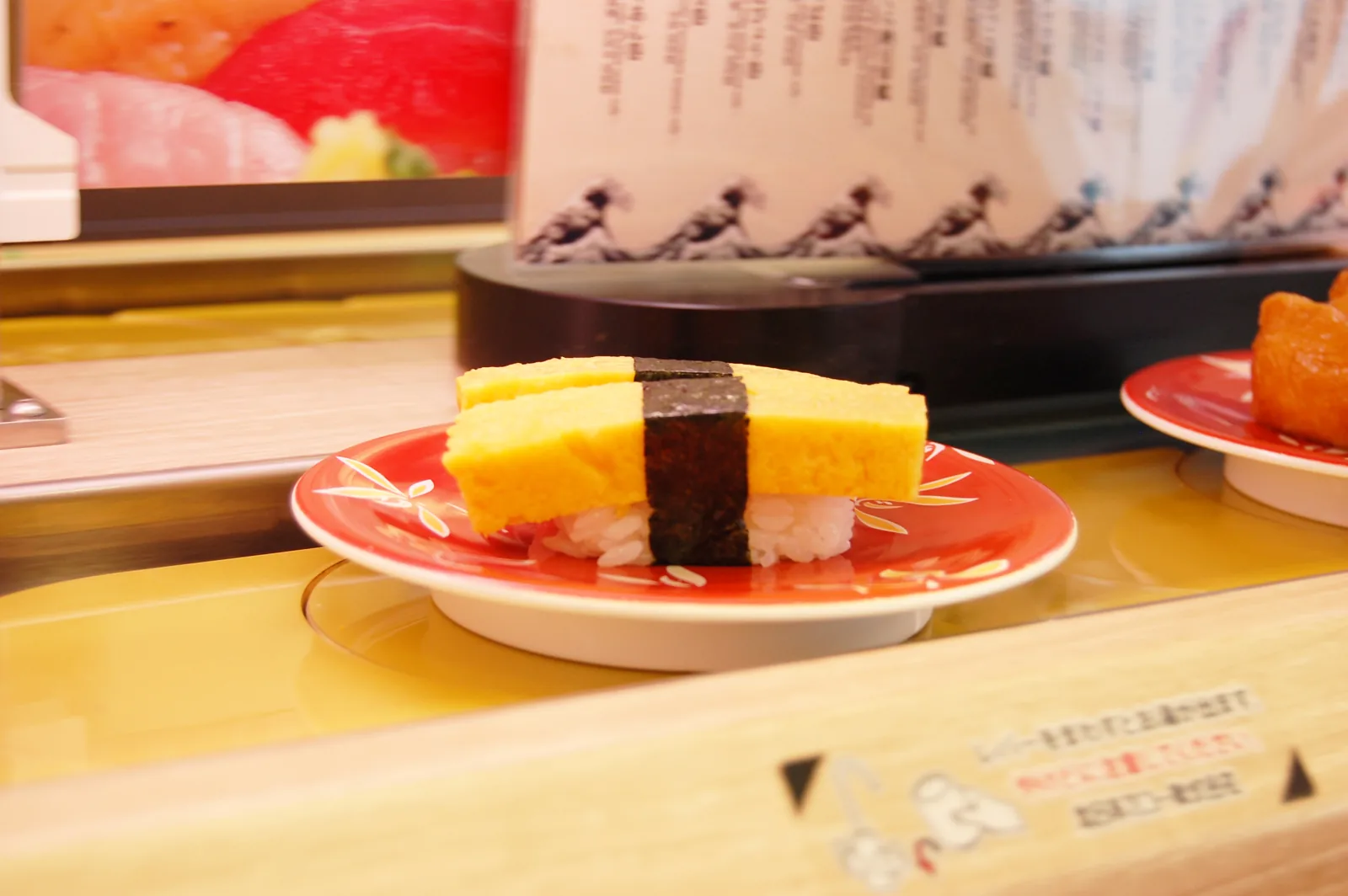
Kaitenzushi
Order from a touchscreen or select plates where the restaurant permits it. Plate colours or the ordering system show the price, and the bill may be calculated automatically or by staff.
Best for: an easy first visit, families and choosing at your own pace.
Standing or casual counter
A compact, quicker meal where pieces are usually ordered directly. It offers more interaction than a conveyor belt restaurant without the commitment of a long course.
Best for: solo diners, small groups and a short meal.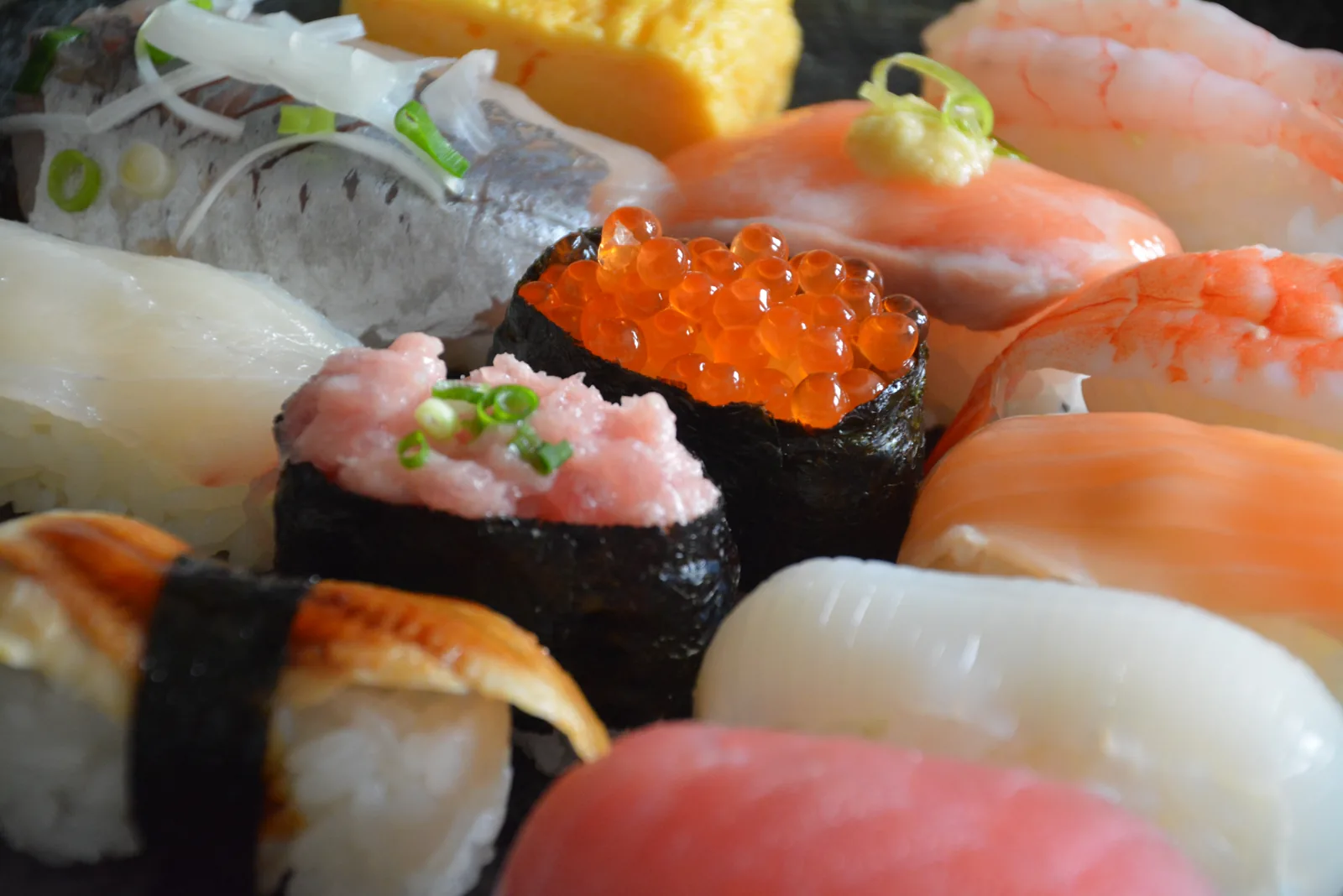
À la carte sushi counter
Order individual pieces or a set while the chef works in front of you. Seating is limited, so reservations and punctual arrival matter more than at a casual restaurant.
Best for: choosing your own pieces with direct service.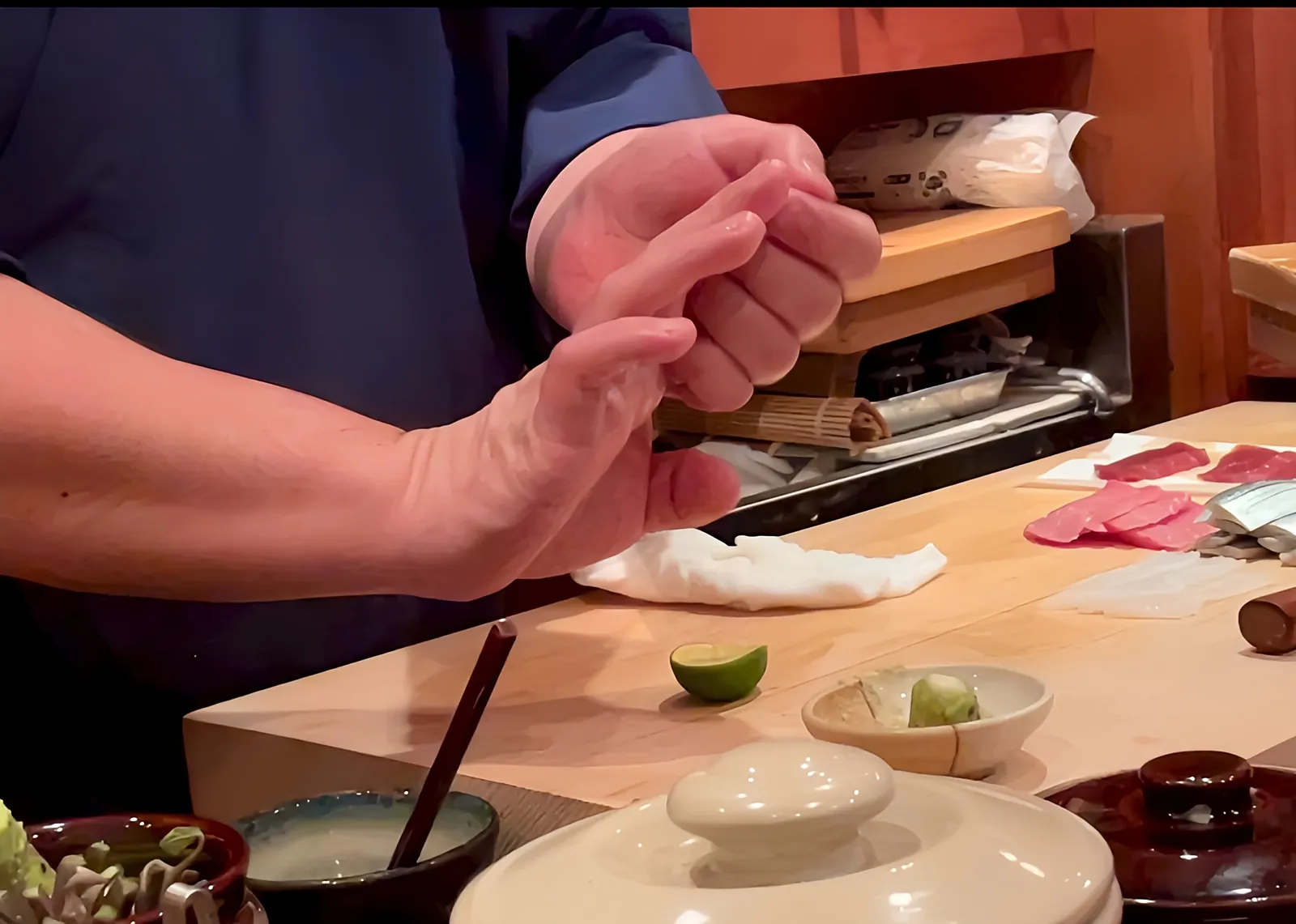
Omakase course
The chef chooses the progression according to the restaurant and available ingredients. Courses, duration, payment and cancellation rules should be understood before booking.
Best for: travellers comfortable giving the chef control of the meal.The main sushi forms
You do not need a long glossary. These forms explain most menus and help you understand how a piece will be served.
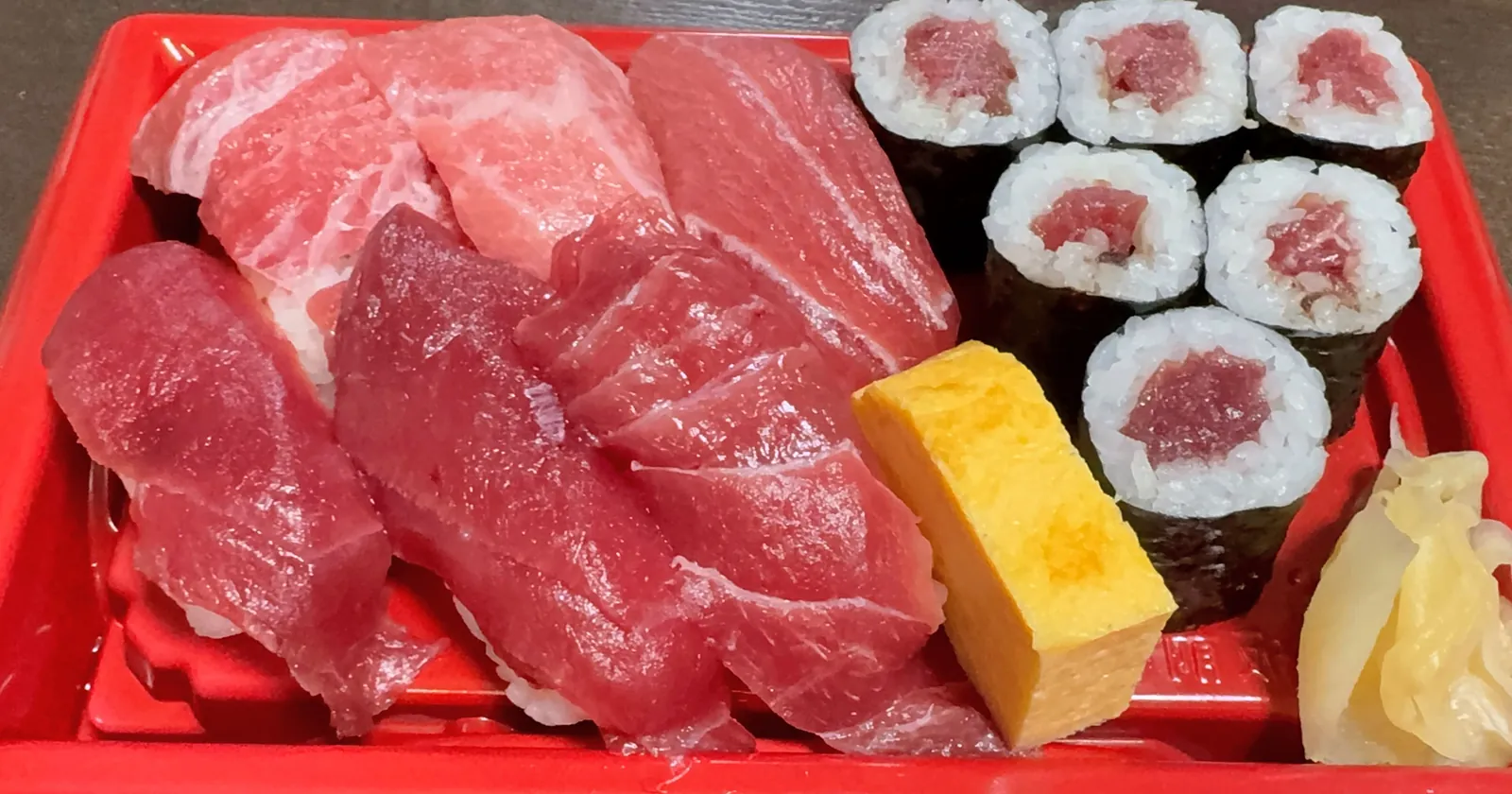
Nigiri
A small hand shaped portion of vinegared rice topped with fish, seafood, egg or another ingredient. Seasoning may already have been added by the chef.
Maki
Rice and fillings rolled with nori and cut into pieces. Thin rolls usually focus on one filling. Thicker rolls combine several.
Gunkan and temaki
Gunkan uses a band of nori to hold loose toppings such as roe. Temaki is a hand roll shaped like a cone and is best eaten before the nori softens.
Chirashi and pressed sushi
Chirashi serves toppings over rice in a bowl. Regional pressed styles form rice and topping in a mould before cutting them into portions.
From ordering to payment
The exact system changes by restaurant, so signs and staff instructions take priority. This sequence covers the points most likely to differ.
Confirm the format
Check whether the restaurant is walk in or reservation only, whether you are ordering plates, individual pieces, a set menu or a fixed course, and whether every seated guest must order.
Use the restaurant's ordering method
At kaitenzushi, use the touchscreen or the stated plate system. At a counter, order verbally, use a written menu, or follow the set course.
Eat pieces as they arrive
Counter sushi is prepared for prompt eating. Hands or chopsticks are both acceptable for nigiri. Use the method that lets you handle the piece neatly.
Follow the seasoning already provided
Some pieces arrive brushed with sauce or otherwise seasoned. Taste them as served before adding soy sauce, and use ginger between pieces rather than piling it onto the sushi.
Ask before adding another order
À la carte counters may accept extra pieces after a set, while a fixed omakase may not. Ask before the final course if you want more.
Check how the bill is calculated
Touchscreen restaurants may total orders digitally. Other kaitenzushi restaurants count plates. Counter restaurants may present one bill for the group. Pay where staff direct.
Price, booking and dietary planning
Read the price format
Confirm whether prices are per plate, per piece, per set or per course, and whether drinks, service or tax are included in the displayed total.
Treat reservations seriously
High demand counters may require card details, prepayment or a strict cancellation fee. Arrive on time because a late start can disrupt a small counter's service.
Explain allergies before booking
Fish, shellfish, egg, soy, wheat and other ingredients may appear in sauces and preparation. A chef may be unable to alter a fixed course safely at the counter.
Choose the venue for the group
Kaitenzushi and larger casual restaurants are usually easier for children, mixed preferences and groups. Small counters may set age limits or be unable to seat a large party together.
Cooked eel, prawn, egg, tofu pockets and vegetable rolls can broaden the choice, but they do not make a restaurant automatically suitable for an allergy or strict vegetarian diet. Ask about stock, sauces and shared preparation.
Common questions
Do I need to reserve sushi restaurants?
Usually not for kaitenzushi, takeaway or many casual shops. Small counters and omakase restaurants often require reservations and may enforce cancellation charges.
Can I eat nigiri with my hands?
Yes. Fingers or chopsticks are both acceptable. Use whichever lets you eat the piece neatly.
Is sushi suitable for people who avoid raw fish?
There are cooked and vegetable choices, but the range and preparation differ by restaurant. A casual restaurant with a broad menu is easier than a fixed chef's course.
Can children attend an omakase meal?
Policies vary. Some counters set a minimum age or require every seat to take the same course, so confirm before booking.