
Sake in Japan
Sake, nihonshu, is a fermented drink made using rice, water, koji and yeast. For a visitor, the useful starting point is the experience, such as a guided tasting, a brewery museum, a production tour or a meal with a few suggested glasses.
You do not need to memorise a list of grades before trying it. Describe flavours you enjoy, compare small servings and ask how the producer recommends serving each bottle. Price and polishing numbers alone do not tell you which sake you will prefer.
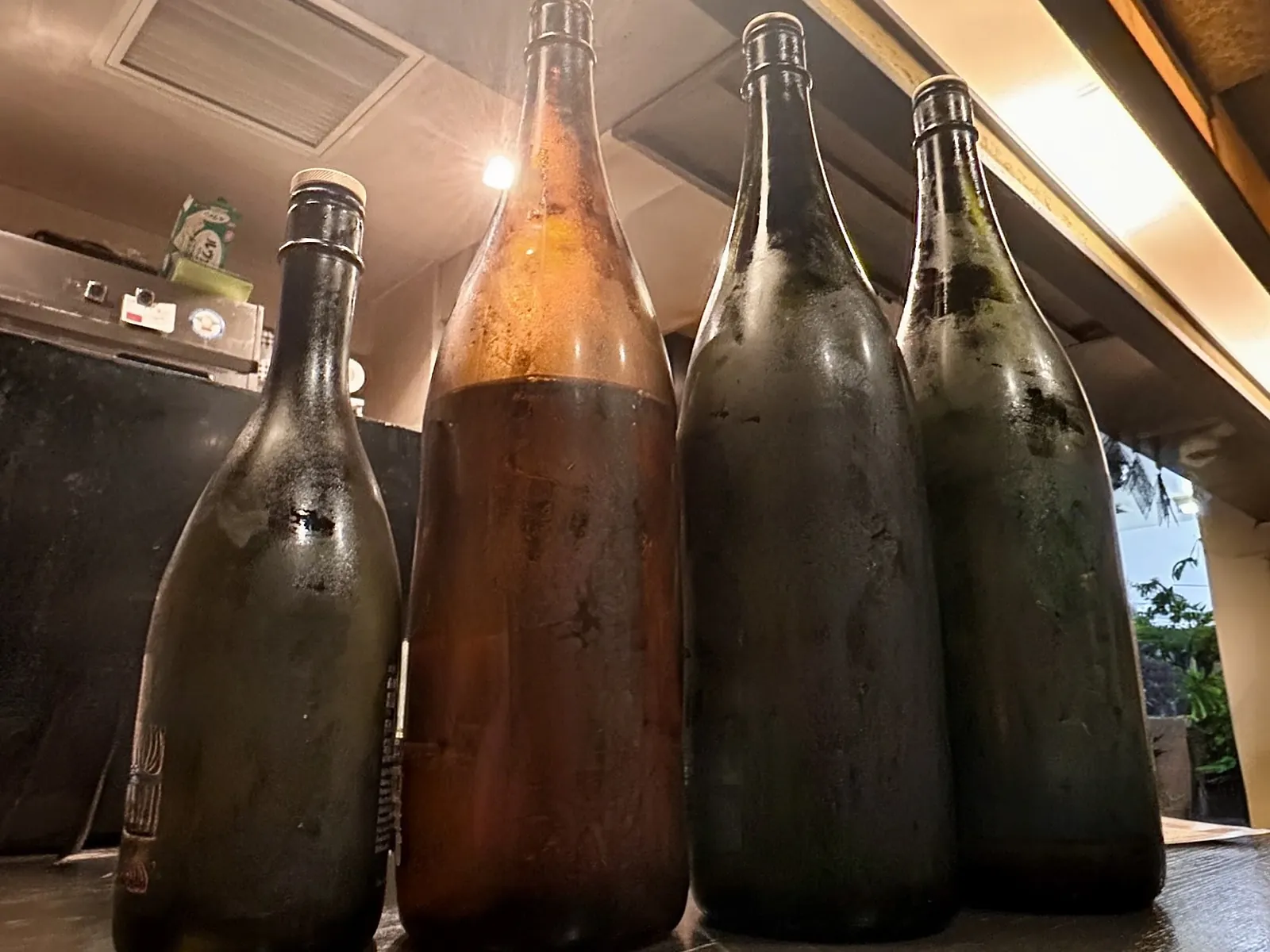
Finding a sake you like
Start with flavour
Ask for a contrast such as lighter versus richer, fragrant versus savoury, or drier versus sweeter. These are useful requests, but each producer’s sake differs. The label category is not a complete tasting note.
Use a few label terms
Junmai means no added brewing alcohol. Ginjo and daiginjo describe regulated production categories and can also carry the word junmai. These labels help you ask questions, not rank every bottle from ordinary to best.
Cloudy and sparkling styles
Nigori is cloudy because fine material remains, while sparkling sake has bubbles. Neither name guarantees sweetness or low alcohol. Read the bottle and follow staff advice for opening and serving.
Temperature changes the experience
Some sake is enjoyable chilled, at room temperature or warmed. Ask about the specific bottle instead of assuming warm sake is poor quality or that every premium label should be served ice cold.
The Japan Sake and Shochu Makers Association’s guide is a useful introduction to styles. Its label guide explains what the bottle information means.
Ways to experience sake
Guided tasting
Choose this when explanation matters. Confirm the language, serving sizes, number of samples, duration and whether food is included. More samples do not automatically make a better introduction.
Brewery museum or visitor centre
Useful for understanding tools, history and production without entering a working brewery. Read the description carefully, as museum admission is not necessarily a factory tour.
Working brewery tour
Book the exact programme and follow hygiene instructions. Access may depend on the production schedule, and visitors may see only selected spaces. Check whether tasting is included or separate.
Tasting hall or restaurant
A flexible way to compare labels or try sake with food. Ask about pour size and pricing before ordering. A machine dispensed sample, flight and full glass are different quantities.
Brewery districts and tasting halls
Open a place to compare its character and the visit to plan.
Fushimi, Kyoto
The Gekkeikan website provides information about its Okura Sake Museum and Fushimi. Combine a confirmed visit with a district walk, and distinguish historical exhibits from access to working production areas.
Nada, Kobe area
Choose a manageable group of facilities and check each one’s opening and tasting arrangements. The wider brewing area is not one continuous visitor attraction, and every brewery need not offer a public tour.
Saijo, Higashihiroshima
A useful setting for a walk among brewery buildings and shops. Confirm which facilities welcome visitors on your date and whether a special event changes access or requires tickets.
Niigata
Station area tasting facilities can fit a rail itinerary, but do not squeeze drinking into a rushed connection. Check the actual branch and current system before assuming the same sample price or selection everywhere.
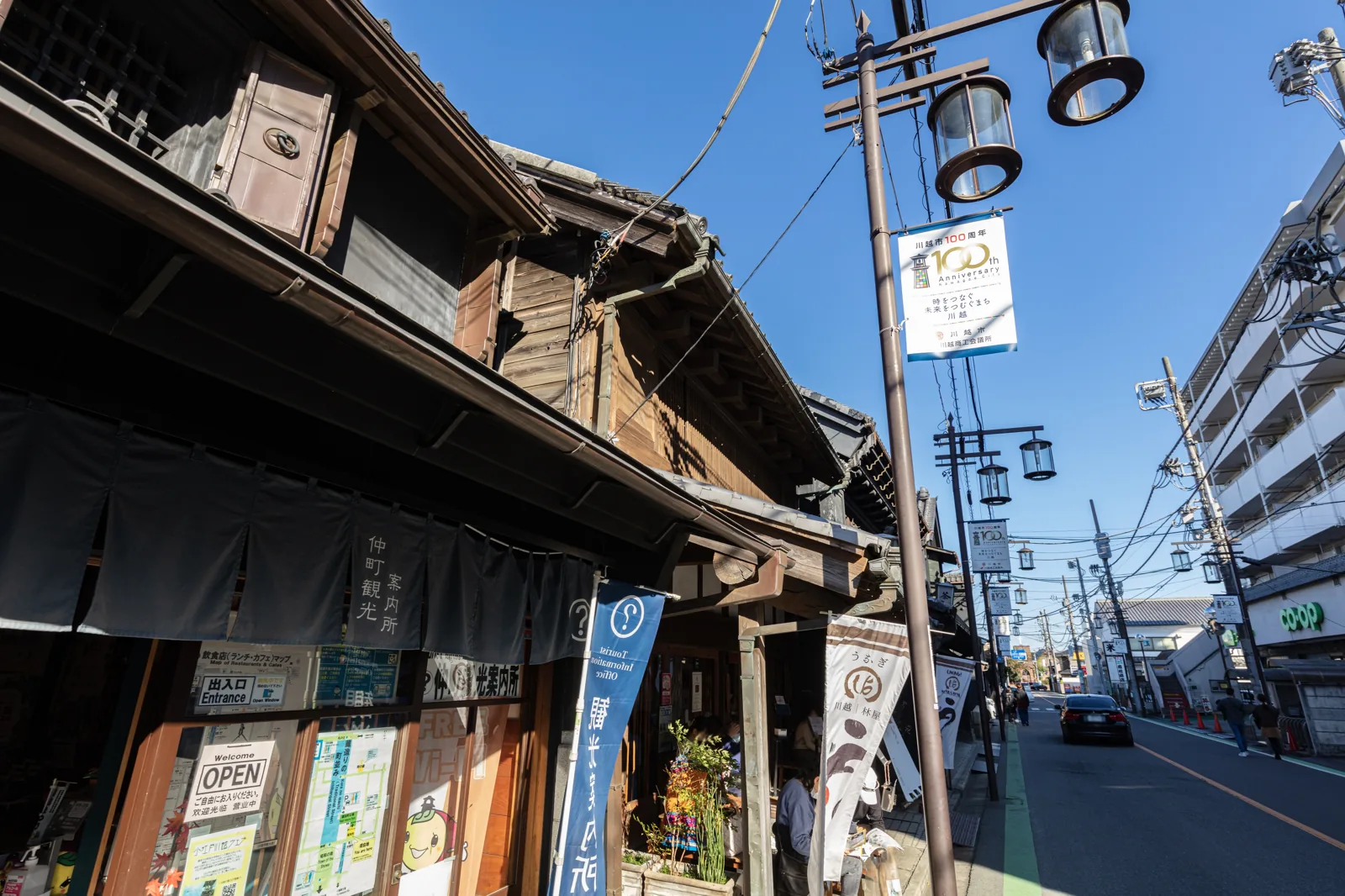
Takayama, Gifu
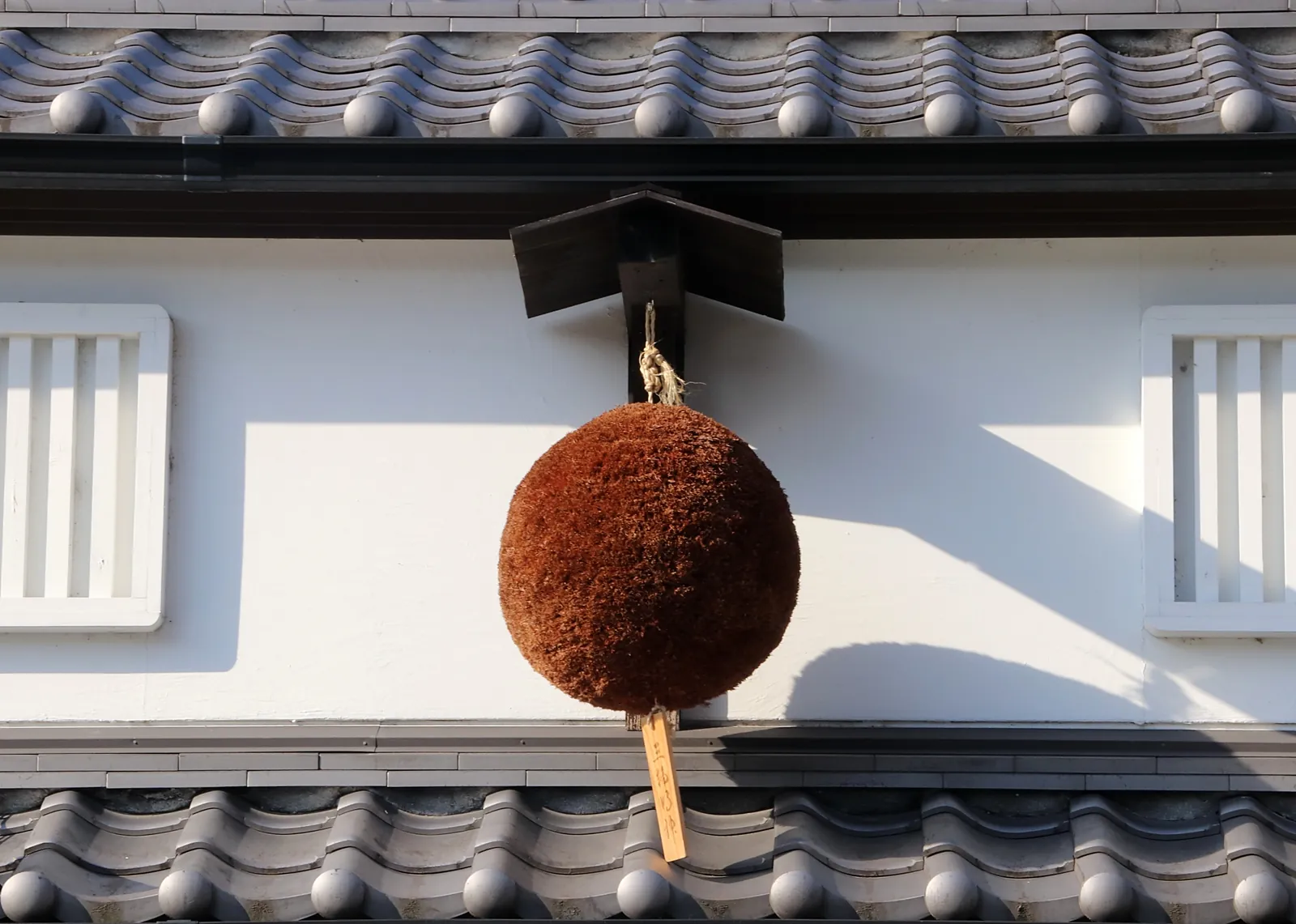
Look for individual brewery shops and visitor information while exploring the town. A cedar ball outside a building is a brewing association, not a guarantee that a tour or tasting is available when you arrive.
Planning a tasting or tour
Choose transport before tasting
Use public transport, a taxi or a designated driver who does not drink. Do not plan to drive or cycle after tasting, even if the samples seem small.
Confirm participation and language
Ask about booking, minimum age, companions who do not drink, interpreter availability and accessibility. A shop may welcome visitors who are not eligible for its tasting area.
Check the serving and cost
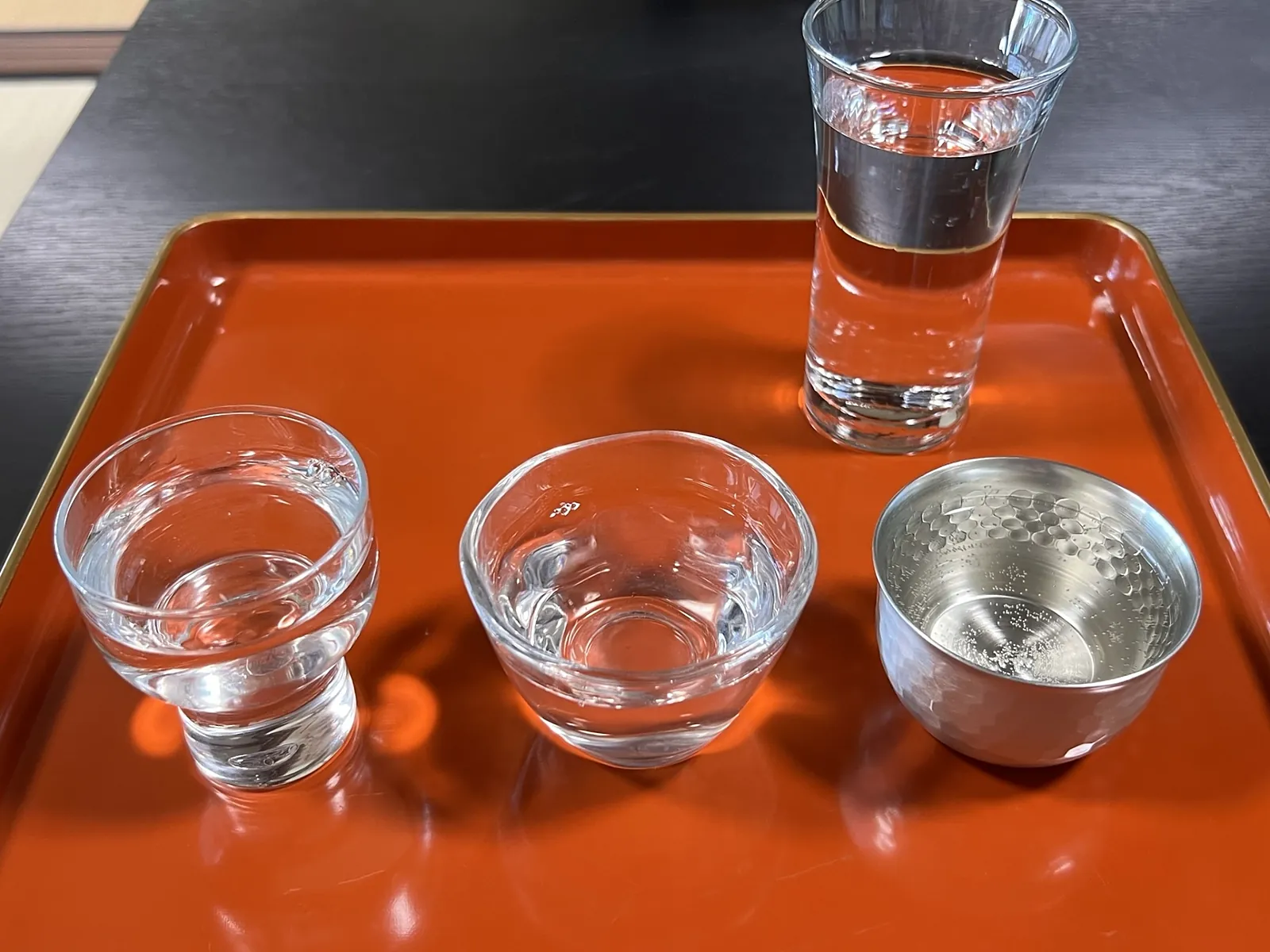
Confirm how much each sample contains, which pours are included and whether food or additional drinks cost extra. It is fine to decline a sample or leave it unfinished.
Compare a few bottles
Tell staff what you notice and what you enjoy rather than treating every label as a test. Ask for water and pace the visit. Several small samples still add up.
Choose purchases for the journey
Before paying, explain how long the bottle will travel and whether refrigeration is available. Take a photograph of the label and serving advice for later.
Buying, storage and responsible planning
Check age and identification
Japan’s drinking age is 20, as explained in the JSS label guide. Bring identification if requested and confirm the venue’s policy for younger companions or those who do not drink.
Follow the bottle’s storage instructions
Namazake is unpasteurised and generally needs refrigeration. Ask about temperature requirements for the exact product. A long warm journey may make another bottle a more practical choice.
Plan luggage and delivery
Ask for protective packaging and check current airline, airport and destination rules before deciding on quantities or hand luggage. A shop’s willingness to sell a bottle does not establish that you can carry or import it.
People who do not drink can still participate
A museum, architecture walk or production explanation may be enjoyable without alcohol. Confirm alternatives instead of assuming amazake or another substitute is alcohol free.
There is no obligation to finish a tasting or keep accepting refills. Tell your companions if you do not want more, and avoid turning a brewery visit into a checklist of drinks. If alcohol is unsuitable for you, choose a version of the outing without alcohol.
Common questions
Is daiginjo always the best choice?
No. Production categories do not determine personal taste. Compare flavours and ask for a recommendation suited to what you enjoy.
Does a brewery museum ticket include a production tour?
Not necessarily. Check the exact areas and activities included in the ticket.
Can people who do not drink join?
Some museums and tours accommodate people who do not drink, but tasting packages and alternatives vary. Ask before booking.
Is sparkling sake always low in alcohol?
No. Alcohol content varies by product. Check the label rather than relying on the style name.