
Autumn colour in Japan
Autumn viewing can be a mountain outing, a gorge walk, an afternoon in a garden or a short city stroll beneath yellow ginkgo trees. The best choice depends on your dates, mobility and transport as much as the photograph that first caught your attention.
Colour generally starts in northern and high elevation areas, then moves toward lower and warmer places. A mountain above a city can already be past its best while the city’s gardens are still green. Use that difference to plan alternatives within a region.
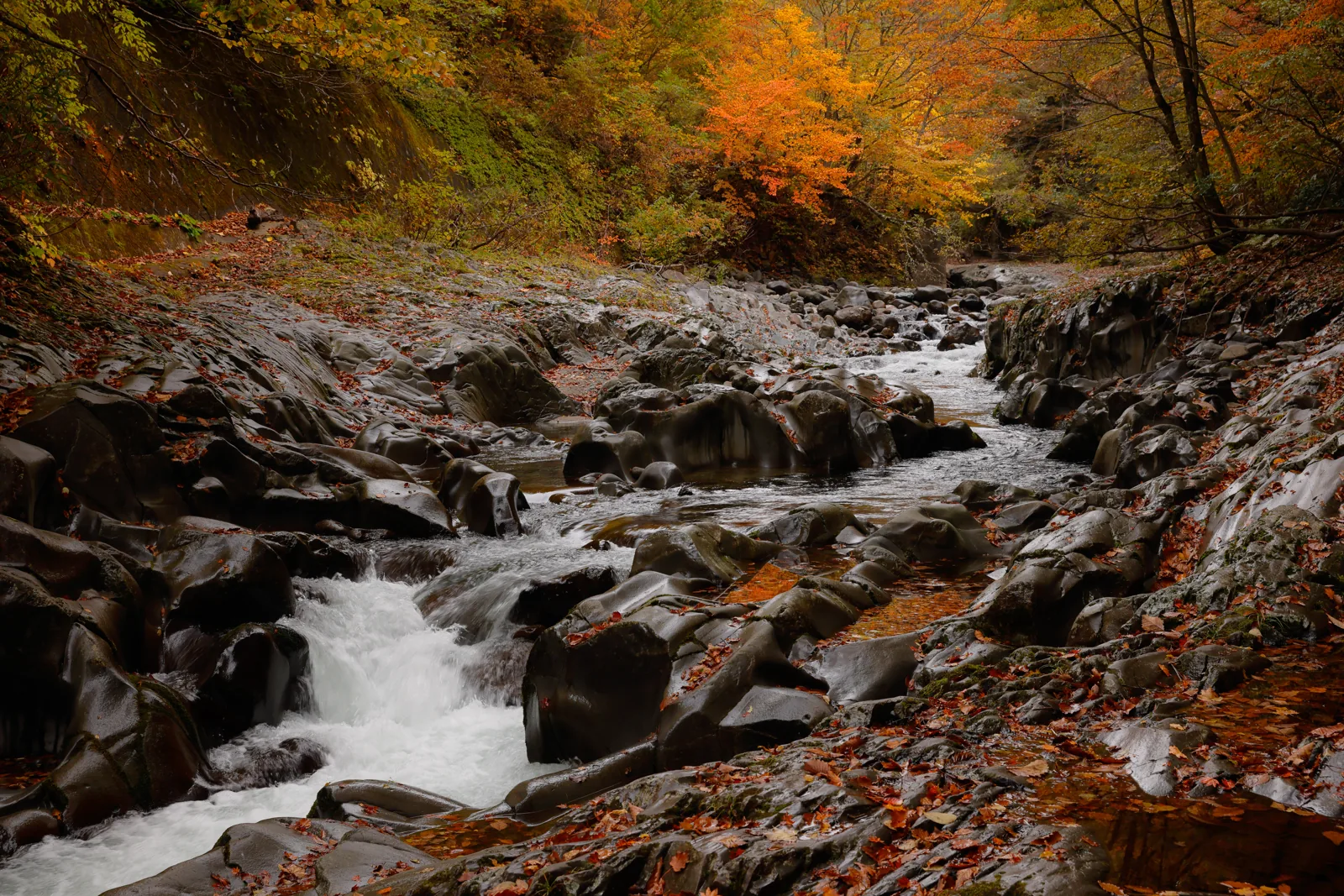
How the season moves
September: high northern mountains
Early colour can appear in the high parts of Hokkaido. These are mountain conditions, not mild city autumn. Cold, wind and early snow can affect both access and the walk.
October: northern forests and higher valleys
Many Hokkaido and Tohoku settings, along with higher areas of central Honshu, become candidates. Elevation matters enough that one prefecture can contain several distinct viewing windows.
November: lower hills and city gardens
Many well known lowland parks and temple gardens come into consideration. Popular weekends can place as much pressure on buses and accommodation as on the paths themselves.
Late November into December: some lowland displays
Colour can continue at selected warmer or urban locations. Do not assume a December trip is too late, but use current local reports rather than extending a November forecast indefinitely.
Choose the kind of autumn visit
Mountain colour
Broad views and early season colour come with exposed conditions and more complex access. Decide whether the outing is a short viewing area walk or a real hike. Ropeway access does not remove mountain hazards.
Gorges and forest paths
Good for a longer walk with changing views, but paths can be wet, uneven or closed in sections. A roadside viewpoint and a full gorge walk require very different amounts of time and effort.
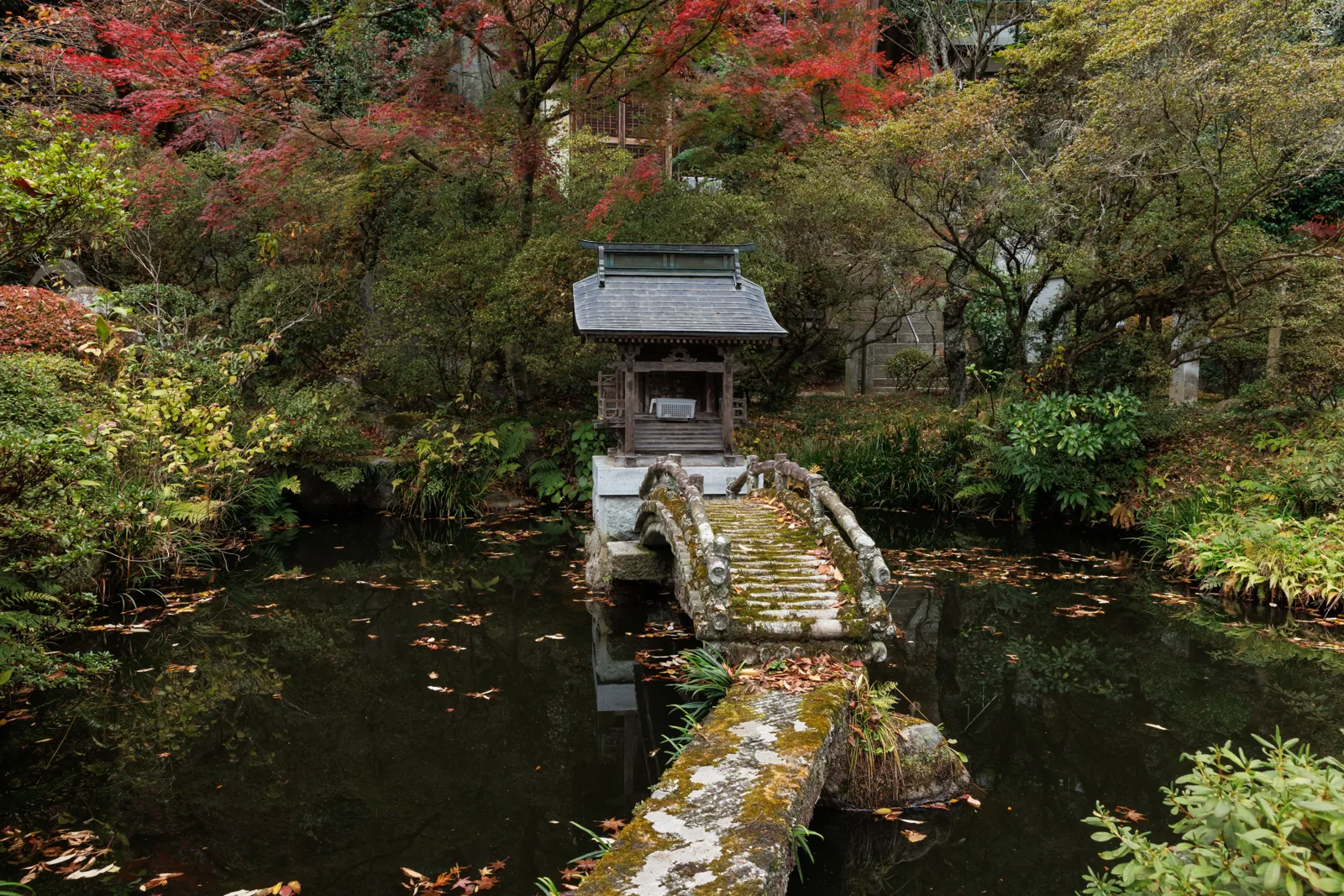
Temple and garden visits
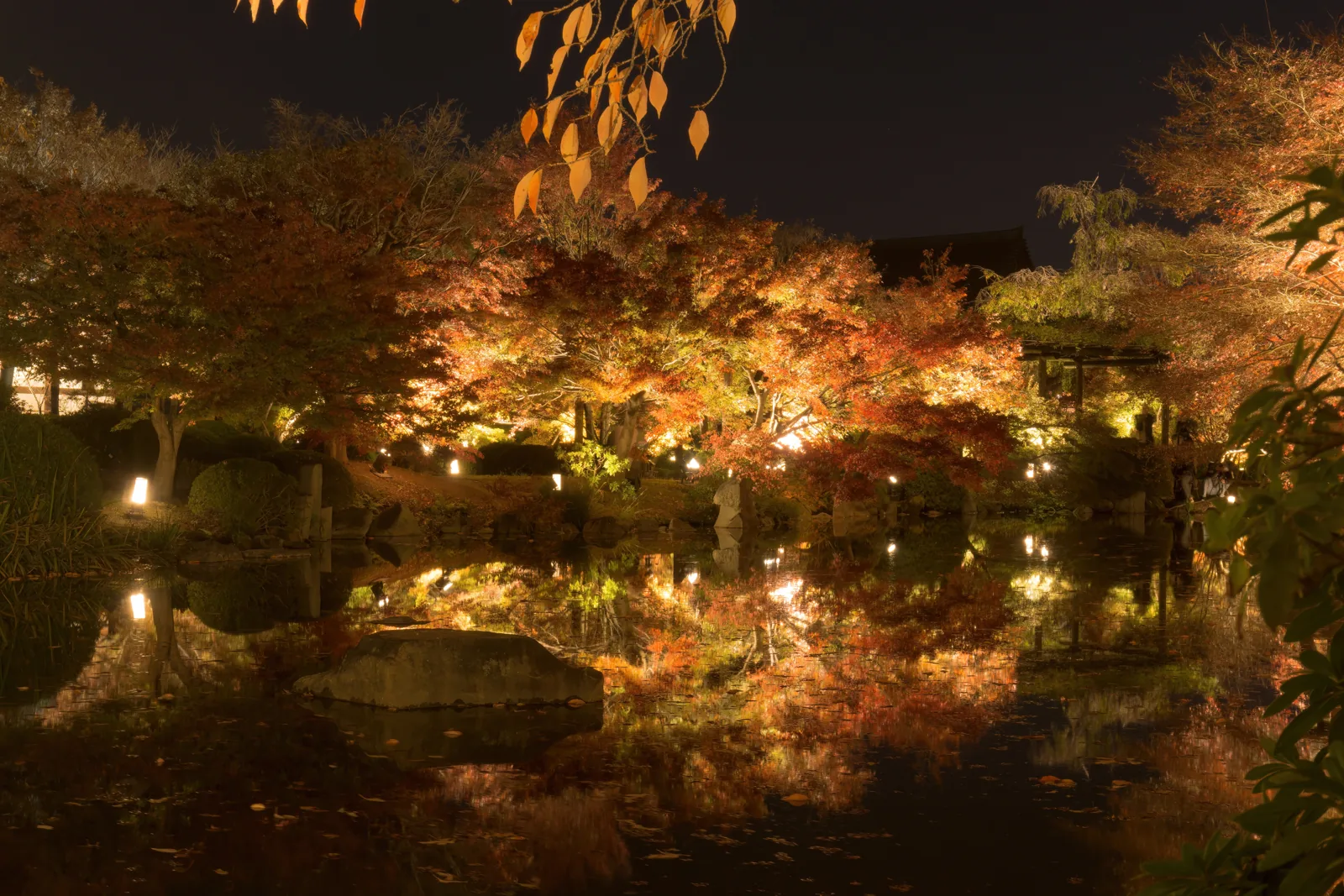
A useful choice for a city based trip, combining architecture with concentrated colour. Check steps, ticketing and photography rules, especially for evening openings.
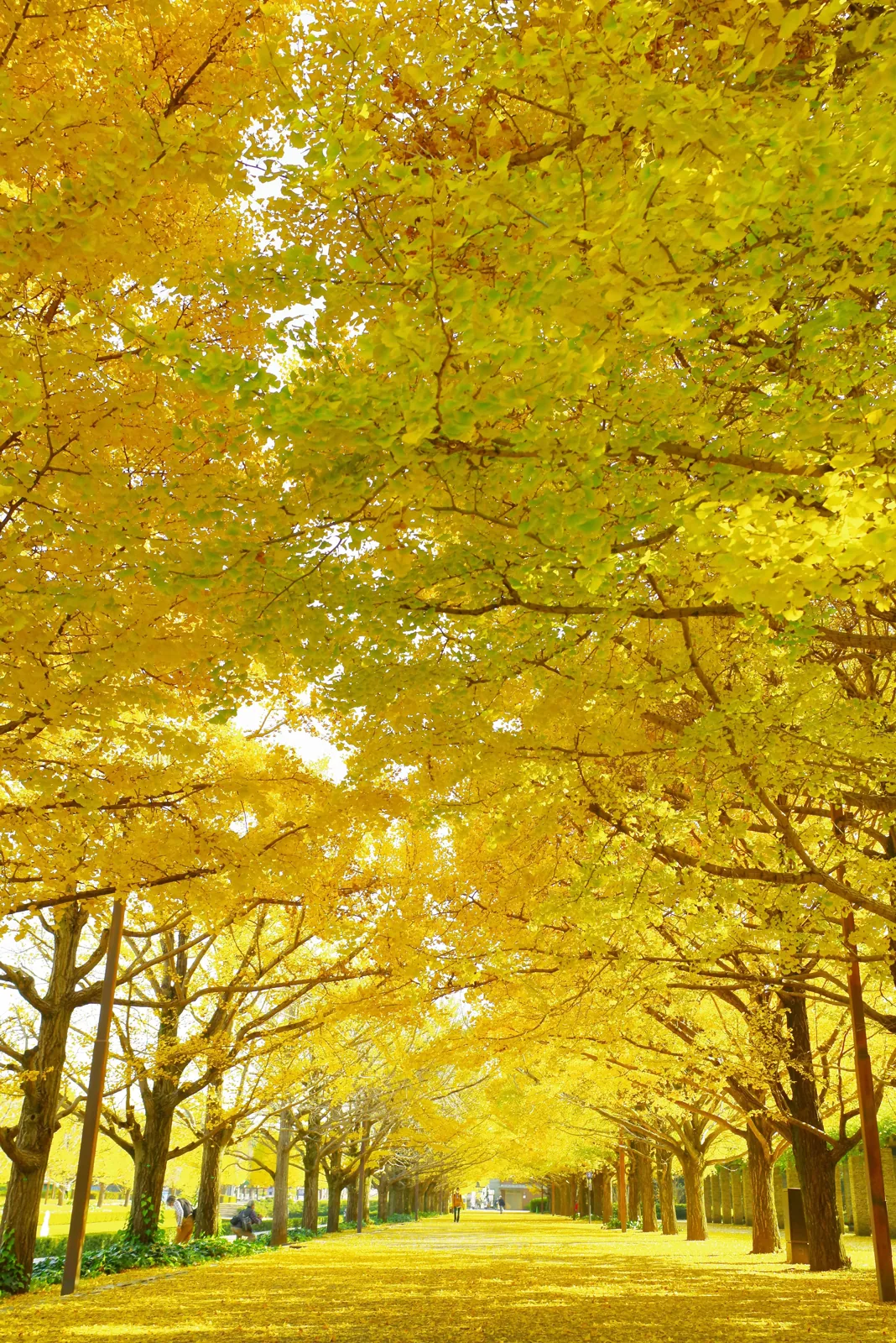
City avenues and parks
Ginkgo and mixed plantings make autumn easy to add to an ordinary sightseeing day. They can be a practical alternative when mountain weather is poor, though famous avenues also draw crowds.
Places by typical viewing window
Typical windows are planning guides, not forecasts. Open a place for its setting and practical trade offs.
Daisetsuzan, Hokkaido
Choose the precise area and walking route before planning access. Views near a ropeway station and a longer mountain trail are not the same activity. A clear lower valley does not tell you whether higher paths are icy or exposed.
Jozankei, Hokkaido
Works as a Sapporo area outing or an overnight hot spring stay. Staying nearby gives more flexibility with weather and transport, while a day trip needs a realistic return plan on busy dates.
Oirase and Lake Towada, Aomori
Choose a manageable walking section and identify the bus stops at both ends. Do not assume every section is open or that frequent buses run throughout the season. Check the current timetable and restrictions.
Naruko Gorge, Miyagi
The broad gorge view is the main draw, but the station name alone does not explain the final journey to the viewpoint. Check access and trail availability rather than assuming a continuous riverside walk.
Nikko, Tochigi
Higher Oku-Nikko and the lower town should be planned as different windows. Road congestion can make a day with several stops difficult. Pick one main area and keep the return journey conservative.
Kamikochi, Nagano
A valley walk can show a different autumn palette from red maple gardens. Check seasonal transport and accommodation operations before booking. Winter closure and cold conditions matter independently of the colour.
Kawaguchiko, Yamanashi
Combine the lake with a local walk rather than relying on both perfect foliage and a clear Fuji view. Evening festival areas have separate event dates, and the return journey may be slow at peak times.
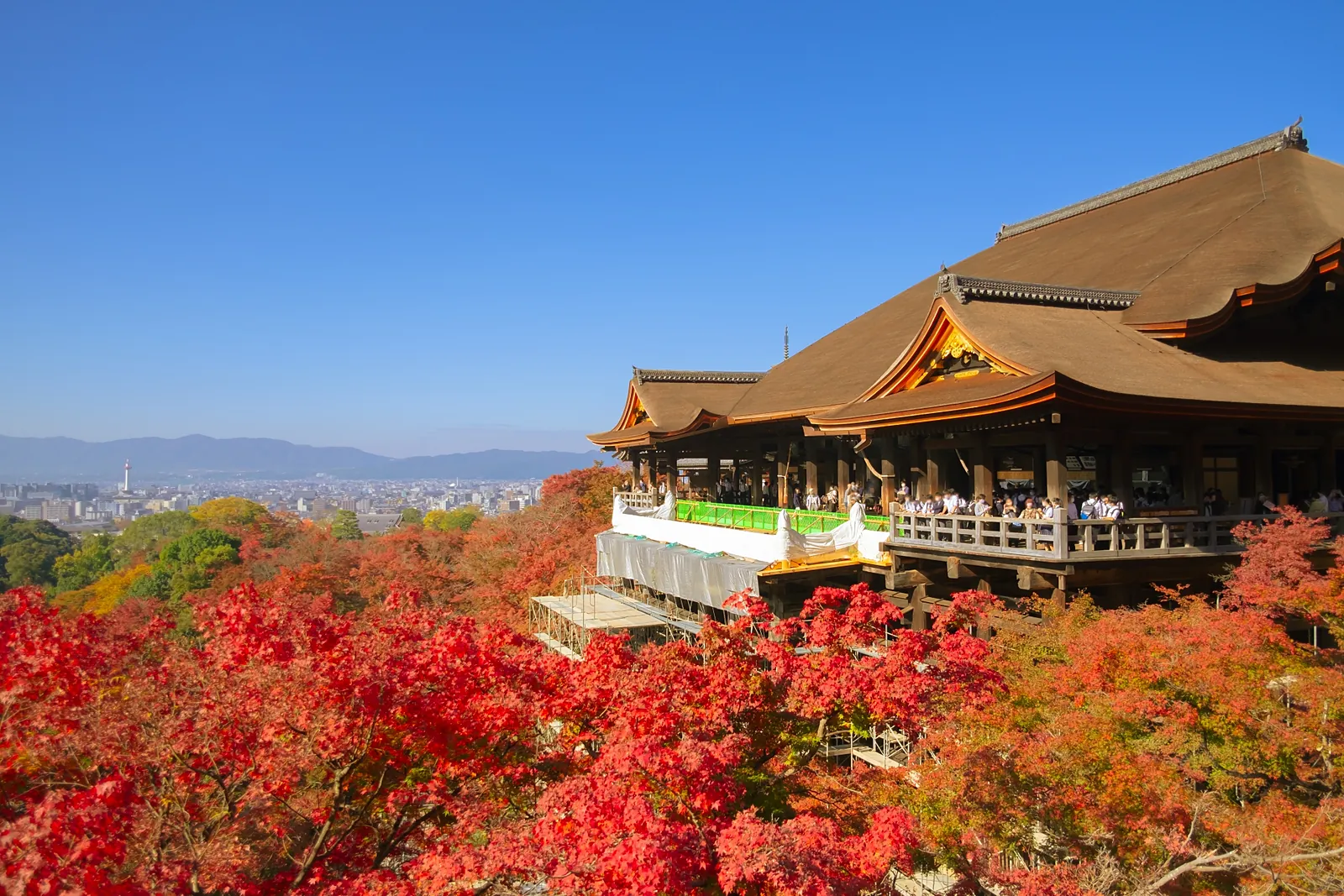
Kyoto gardens and Arashiyama
Choose a compact cluster rather than crossing the city repeatedly. A temple garden, riverside walk and ticketed illumination can each fill a substantial part of the day when queues are included.
Nara Park and Minoo, Kansai
Nara suits a temple and park day. Minoo is a valley walk with different access and walking demands. Neither is automatically quiet just because Kyoto is busier.
City ginkgo avenues
A practical option when you have limited time or unsuitable mountain weather. Look for current reports for the actual avenue or park. Yellow ginkgo and nearby red maples need not peak together.
Forecasts, transport and overnight stays
Read local conditions, not just a colour map
A regional forecast is useful for choosing an area. Recent site reports help distinguish colour beginning, peak and leaf fall. Check trail and transport notices separately. Attractive colour does not establish safe access.
Book scarce transport first
Where a visit depends on a reserved train, seasonal bus or limited accommodation, confirm those arrangements before adding more stops. Leave spare time on congested mountain roads.
Choose an overnight stay for flexibility
A nearby stay can give you an early start and another chance if weather changes. Check dinner and check-in times before adding an evening illumination far from the accommodation.
Treat light ups as separate visits
Confirm event dates, last admission, ticket requirements and whether daytime tickets permit evening entry. Check camera rules and return transport before choosing the final time slot.
Temperature, weather and individual tree species affect the display. Keep an alternative at a different elevation or an indoor activity, and avoid making a remote transfer depend entirely on peak colour.
Weather, walking and photography
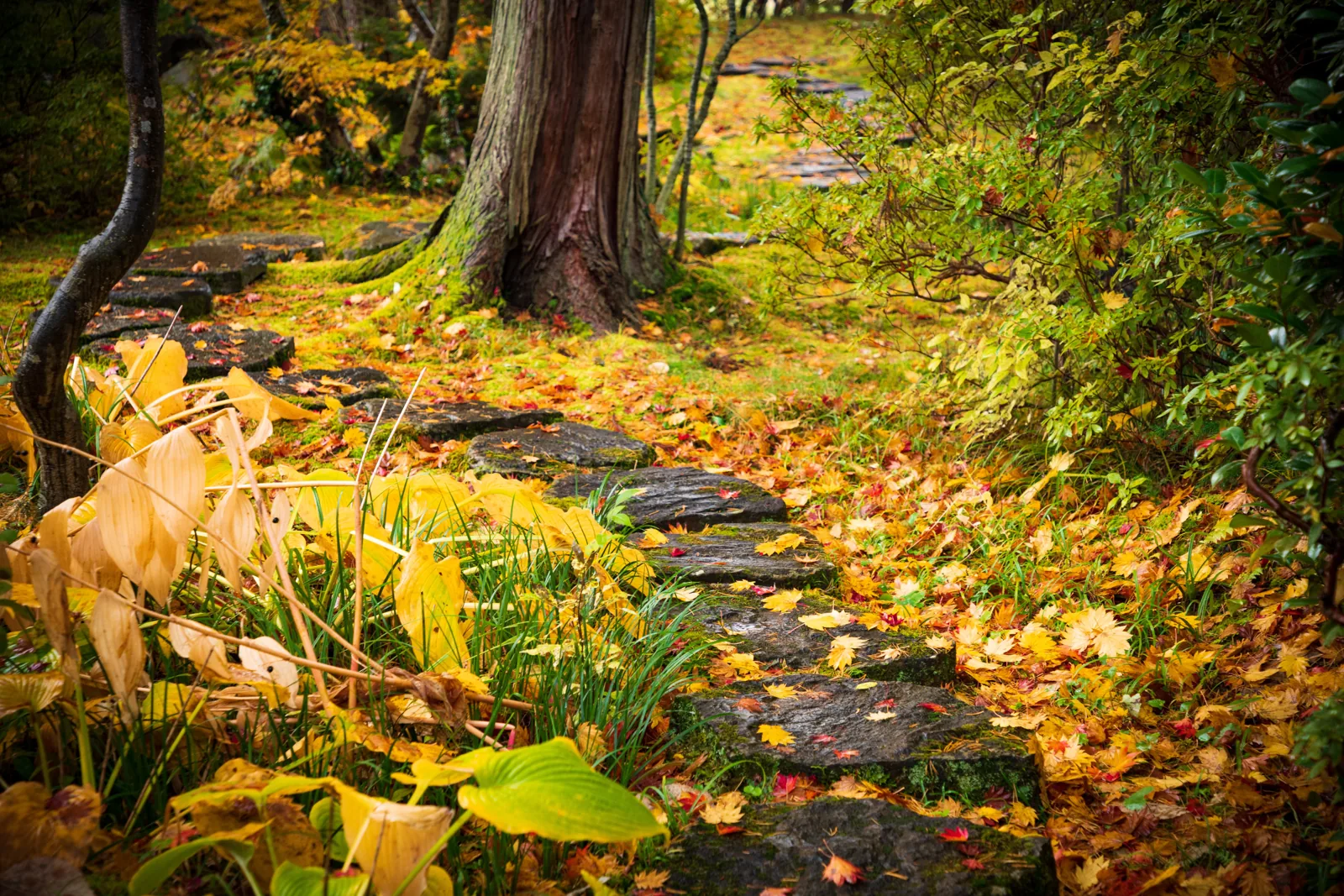
Mountain and gorge visits need footwear with grip and clothing for cold or wet conditions. Fallen leaves can hide slippery surfaces and uneven steps. If a path is closed, use the designated alternative rather than following people around a barrier.
For photographs, stay on paths, leave leaves and branches in place, and avoid blocking narrow bridges or temple entrances. A garden may restrict tripods even when handheld photography is allowed. Ask before photographing worshippers or private interiors.
Maple red, ginkgo yellow and the gold of larch or beech give different landscapes. Choose the setting you enjoy rather than judging every visit against a saturated image of one red tree. A mixed forest can still be worthwhile before or after a single species reaches its peak.
Common questions
Do I need to hike to see autumn colour?
No. Gardens, parks and city avenues offer alternatives to mountain trails. Check each site’s steps and accessible routes.
Will a ropeway take me directly to an easy walk?
Not always. Check the terrain, weather and route beyond the station. Ropeway access alone says nothing about trail difficulty.
Does daytime admission include an illumination?
Not necessarily. Evening events may require a separate ticket or reentry and can have different visiting rules.
Can I see red maples and yellow ginkgo on the same day?
Possibly, but the two need not peak together. Use reports for each actual location instead of assuming one citywide peak.