Wildlife in Japan
Japan’s wildlife experiences range from watching birds from an observation area to spending several hours at sea or walking a forest trail with a guide. Start with the habitat, season and activity you are comfortable with, rather than a checklist of animals you expect to see.
Wild does not necessarily mean remote, and familiar does not mean tame. Animals living around popular visitor sites can still injure people. A managed feeding programme, a free ranging population and a captive attraction also raise different questions about how the encounter is arranged.
Choose the kind of encounter
Observation areas and managed sites
A defined visitor area can make access and viewing easier, but check the walk from the car park, steps, shelter and toilets. Ask how animals are attracted to the site and whether feeding is managed by staff.
Guided forest or wetland visits
Useful when identifying birds, understanding habitat or interpreting tracks matters more than getting close. Compare the actual route, walking pace and group size. A nature walk is not automatically an easy stroll.
Coastal and wildlife cruises
Boats can give access to habitats that cannot be reached on foot. Sea conditions, deck exposure and the ability to stand or move safely may matter more than the advertised species.
Snorkelling and diving
Seeing marine animals in the water introduces swimming, equipment and demands related to currents. Select the activity for your ability and the operator’s conditions, not for a promised photograph with an animal.
Wildlife encounters by habitat
Open a place to compare the experience, season and practical demands.
Jigokudani, Nagano
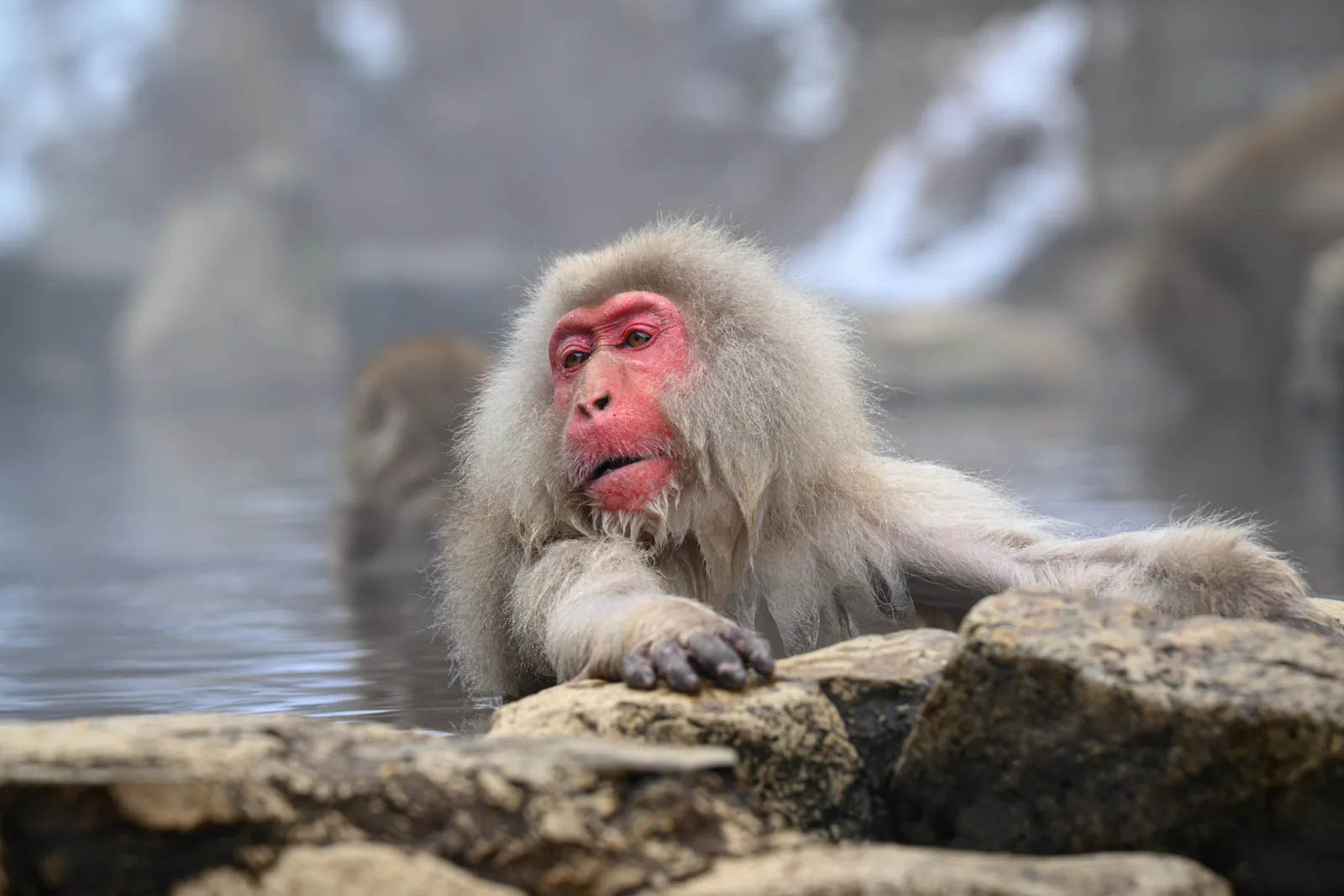
The monkeys are free ranging, with a managed feeding routine rather than zoo confinement. Their appearance is not guaranteed, and snow or bathing behaviour cannot be booked. Check the park’s current monkey status report before travelling. Ask about path conditions, especially in winter. Do not bring food out or approach monkeys for contact.
Nara Park
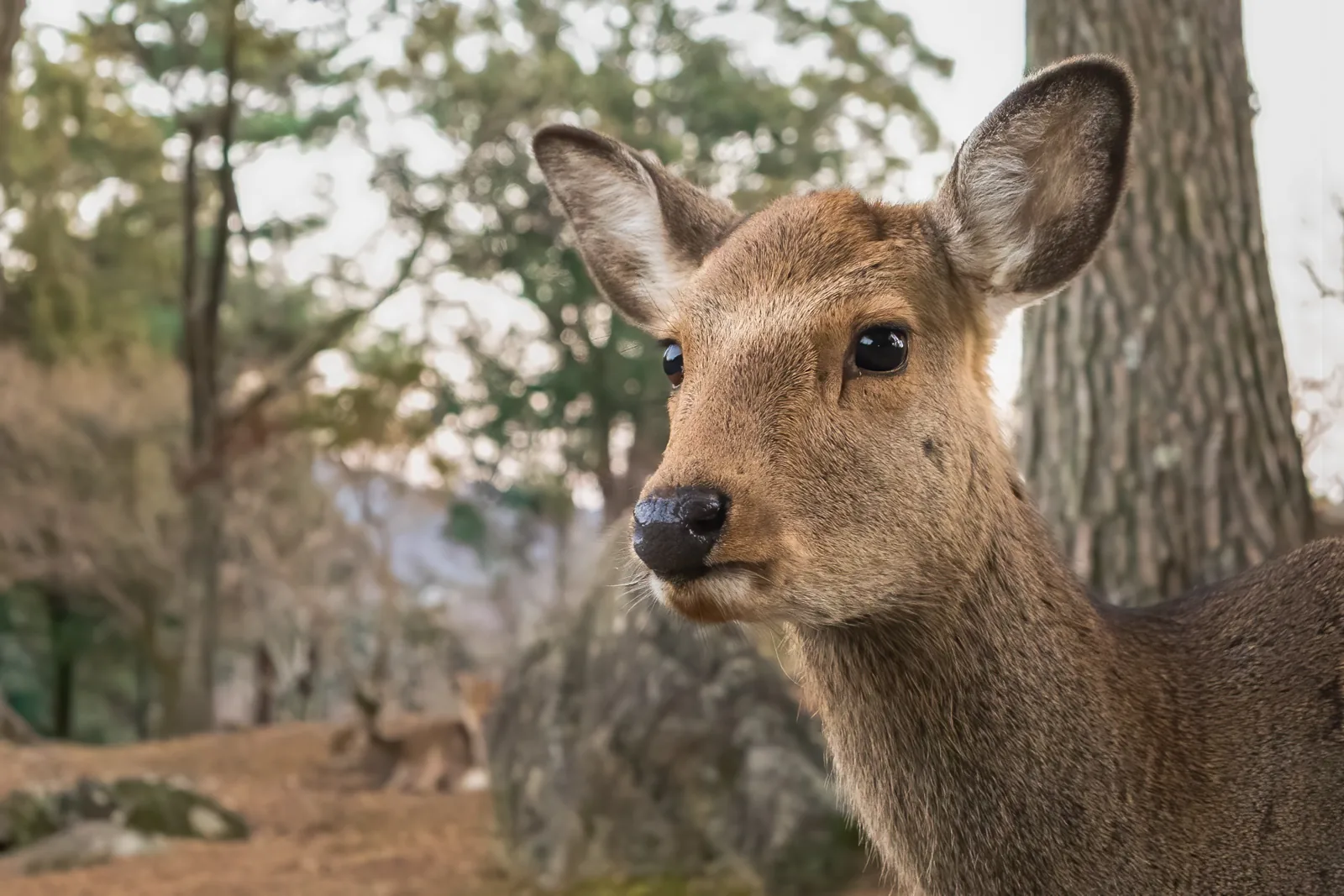
This is a shared public landscape, not a petting area. Give deer space, supervise children and keep food and loose belongings secure. Follow posted rules about any permitted deer crackers. Do not transfer those feeding practices to other wildlife locations.
Eastern Hokkaido
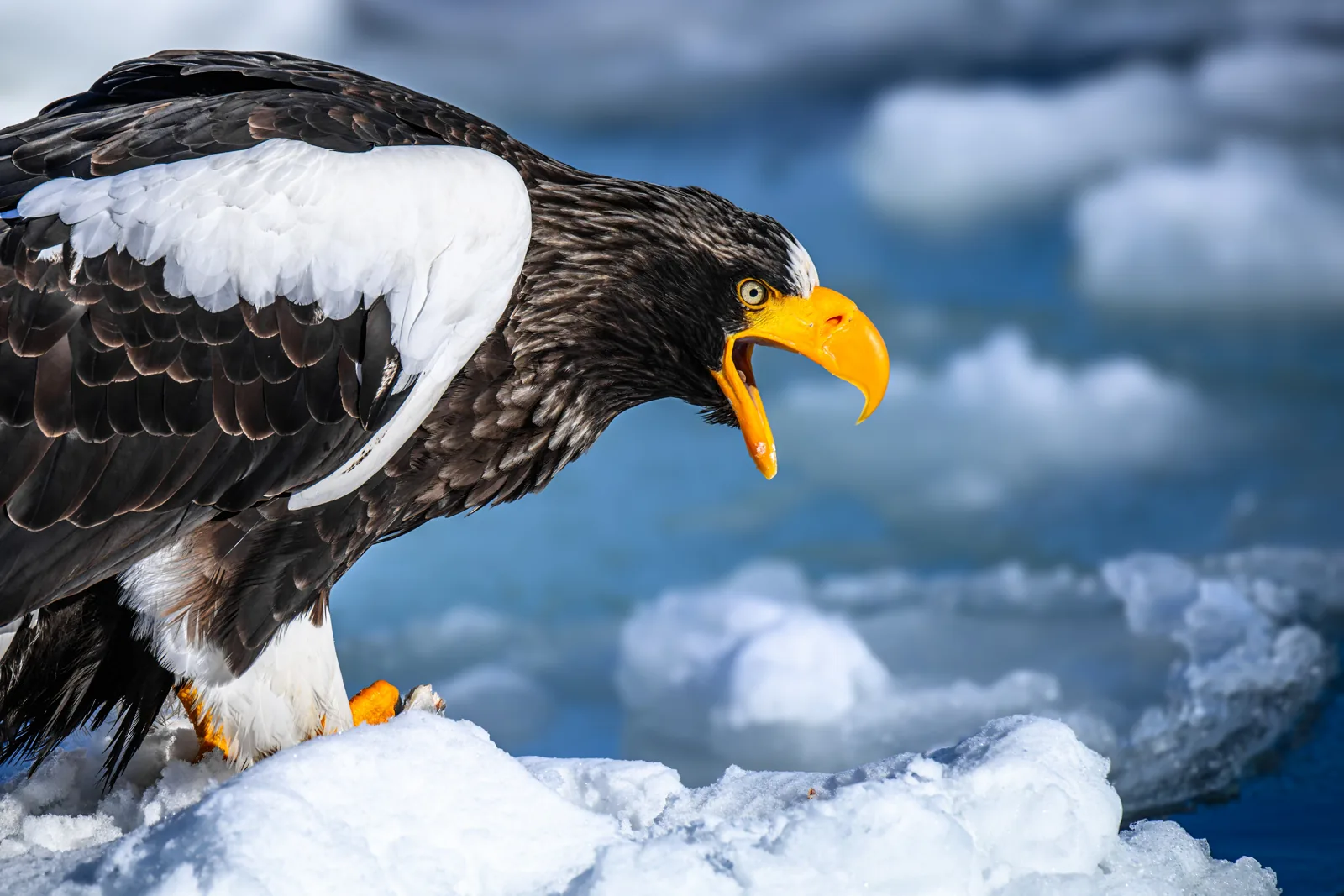
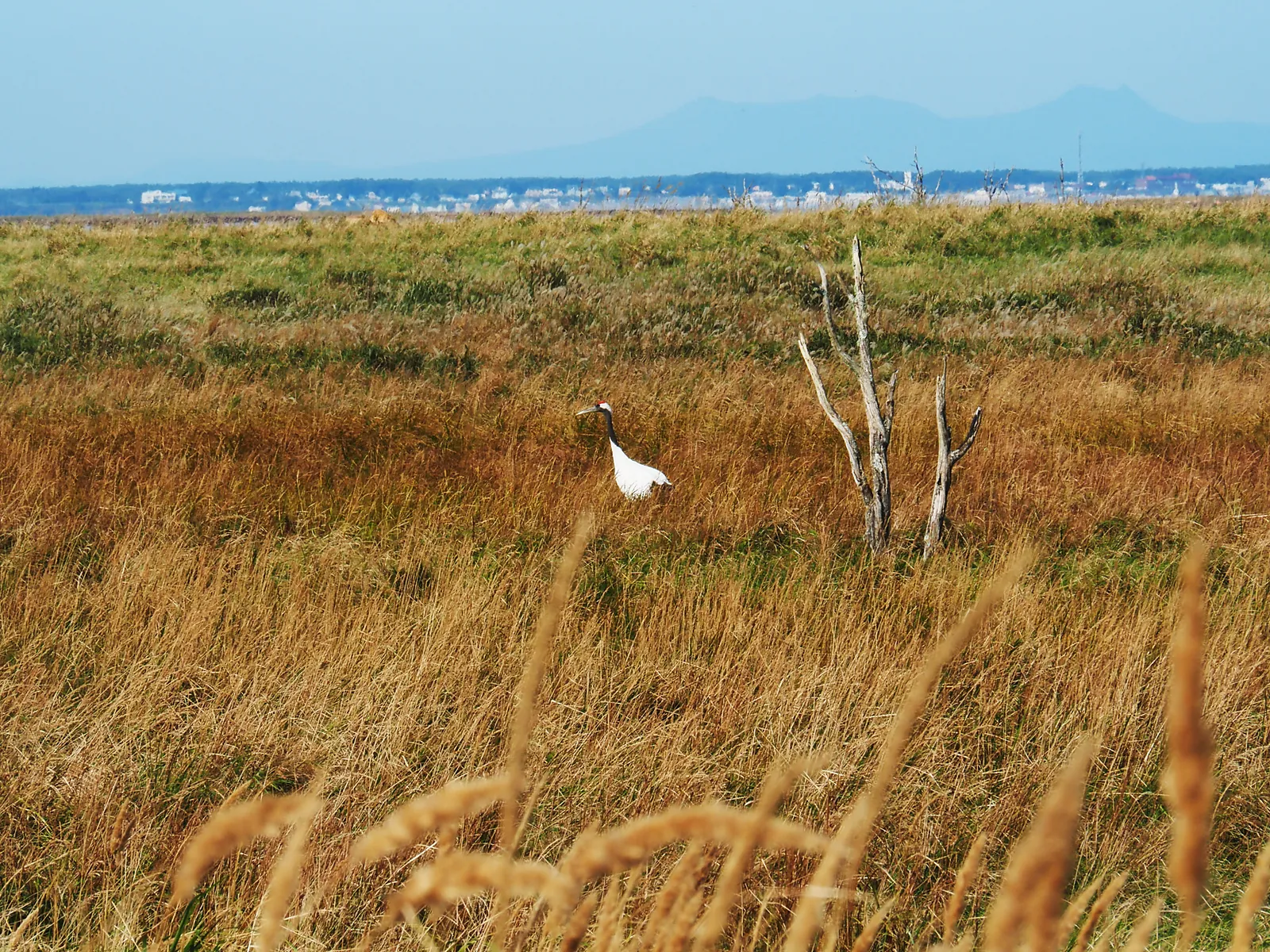
Plan around the specific viewing site and species, rather than assuming cranes, swans and sea eagles are all at one stop. Long waits outdoors and icy access paths affect comfort. Choose a guide or fixed observation area if winter travel is unfamiliar.
Shiretoko
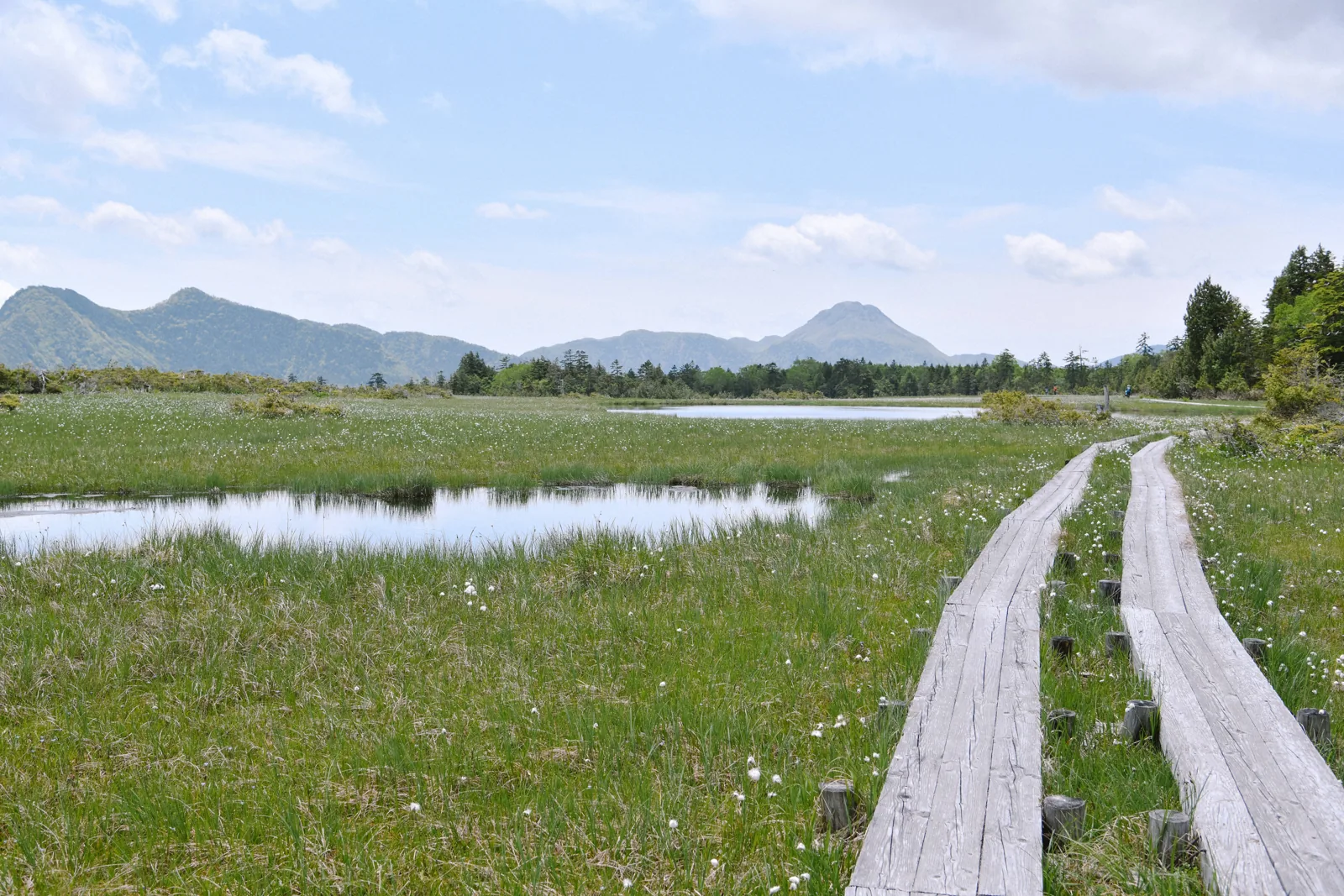
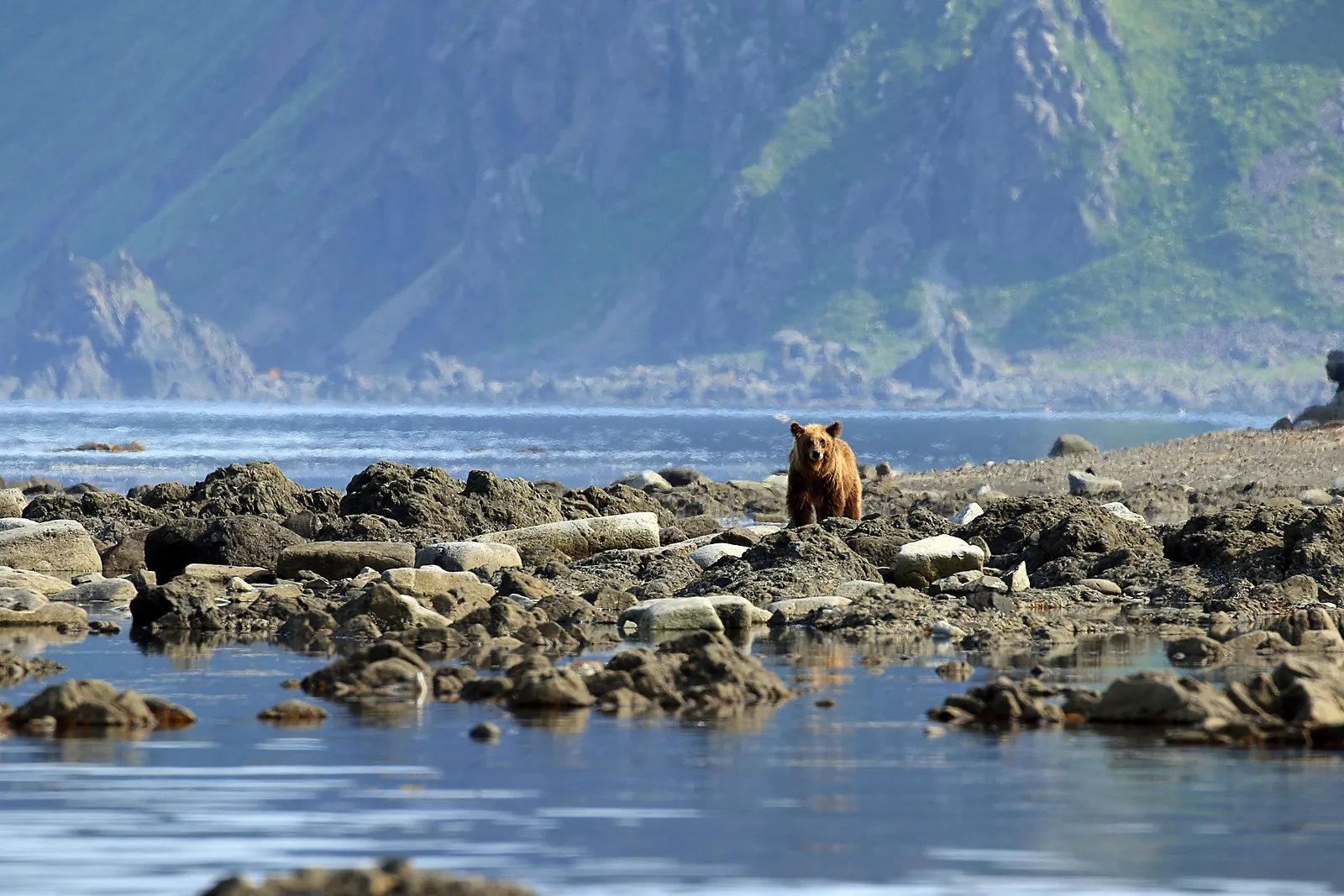
Choose a habitat focused trip rather than seeking a close bear encounter. Walking access and restrictions vary by area. Ask the guide how they respond to recent sightings and closures, and do not stop or leave a vehicle to approach wildlife on a road.
Yakushima
Animals may be encountered during a wider island visit, but hiking should be planned for weather, route and ability regardless of sightings. Do not lure animals toward vehicles or block roads for photographs.
Okinawa’s islands
Choose a site and activity with a qualified local operator. Turtle or manta imagery is not a promise of a sighting. Maintain space, avoid touching wildlife and coral, and never chase an animal to keep it in a photograph.
Use the season to choose the habitat
Winter
Eastern Hokkaido birdwatching and snowy mountain settings require cold weather planning. Snow makes an image distinctive but does not guarantee that animals will be visible or behaving as expected.
Spring
Migration and changes in breeding activity can make local guiding especially useful. Avoid nests and do not publish precise locations of sensitive species.
Summer
Longer days create more walking opportunities, while heat, insects and changing sea conditions still shape the visit. Ask for the best time for the actual habitat rather than assuming dawn is necessary everywhere.
Autumn
Seasonal movements and changing vegetation can alter viewing. Match the guide’s current advice to your route. An old photograph is not evidence that an animal will still be there.
Responsible watching and safety
Watch from the designated area and use binoculars or a longer lens instead of moving closer. Never surround an animal, block its escape route or separate adults and young. Follow local distances and instructions. There is no single distance suitable for every species and setting.
Do not feed, bait, touch or call animals toward you. A staff managed feeding programme is not permission for visitors to feed. Ask operators whether food, recorded calls or close approaches are used, and choose a tour whose methods you are comfortable with.
If your presence changes an animal’s behaviour, give it more room. In areas with dangerous wildlife, obey closures and current local guidance rather than relying on a general internet checklist.
Choosing and booking a guided visit
Ask what the activity involves
Get the total duration, distance, elevation, surface and time without toilets or shelter. Confirm pickup points, transfers and whether you return to the same place.
Explain access needs before booking
Ask about boarding steps, uneven ground, seating, hearing or language support and suitable alternatives. “Family friendly” is not enough information to assess a particular child or mobility need.
Check cancellation and sighting policies
Weather cancellation and a trip with no animals are different situations. Read both policies and allow time for another outing if wildlife is the main reason for your stay.
Pack for waiting, not just walking
Bring suitable layers, weather protection, drinking water and binoculars if useful. Keep equipment manageable so it does not block paths or make boarding unsafe.
Common questions
Are popular wildlife encounters guaranteed?
No. Free ranging animals may not appear, and conditions can change even at managed visitor sites.
Does a guide mean I can approach animals?
No. A guide helps interpret the habitat and manage the visit, not obtain permission for contact.
Can children join?
Sometimes. Ask about the actual route, waiting time, boat rules and age requirements rather than relying on a family friendly label.
Do I need professional camera equipment?
No. Binoculars can be more useful, and observing from a suitable distance matters more than taking a closeup.