
Cherry blossoms in Japan
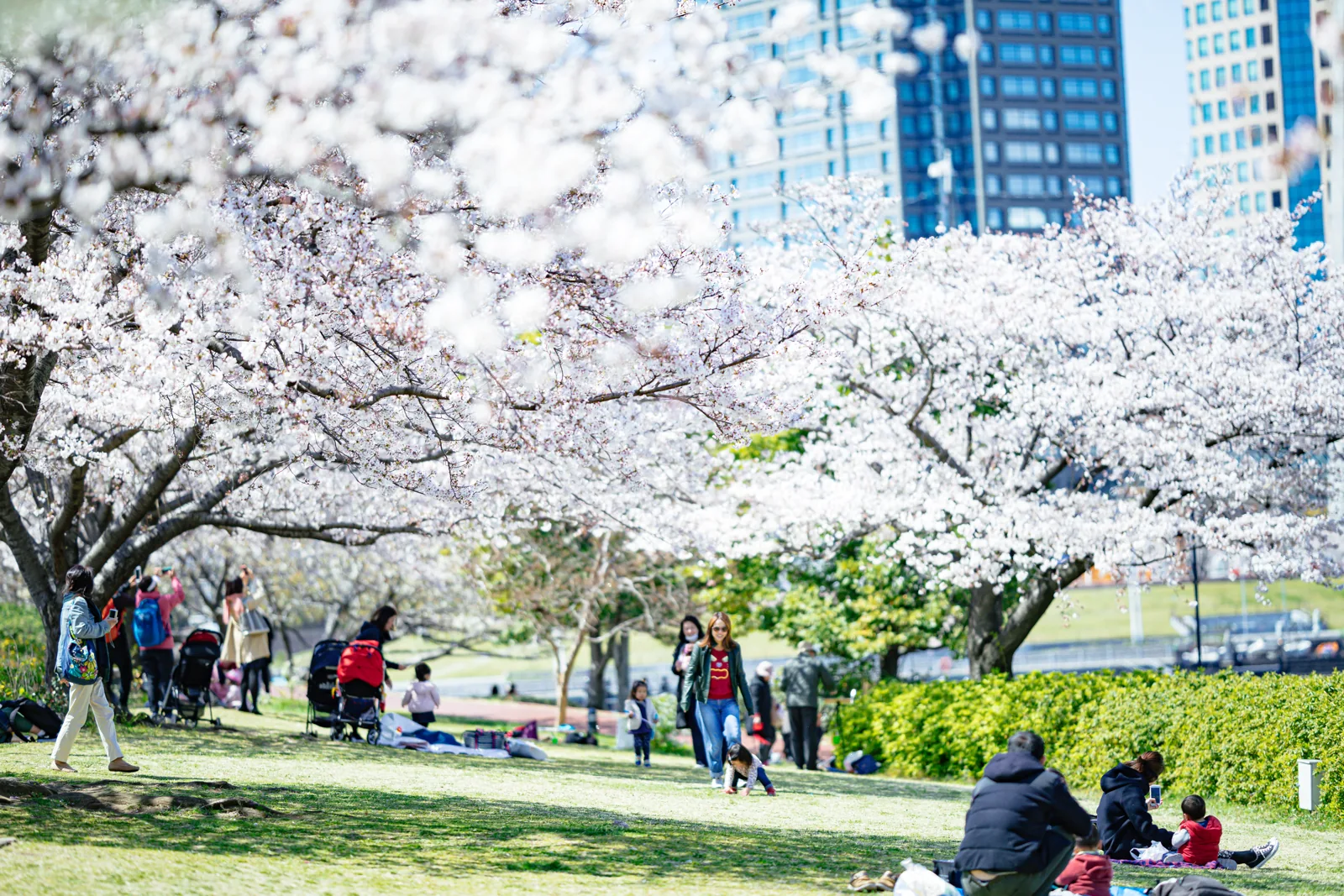
Hanami means flower viewing, but it does not have to mean a picnic. You might walk beside a canal, visit a castle park, follow a mountainside path or see illuminated trees after dinner. Choose a setting that fits the rest of your trip, then use local flowering reports to decide the day.
The familiar spring blossom season moves through much of mainland Japan from late March into May, with substantial differences between regions, elevations and tree varieties. Early flowering cherries extend the possibilities before that period. There is no single week when the whole country is in bloom.
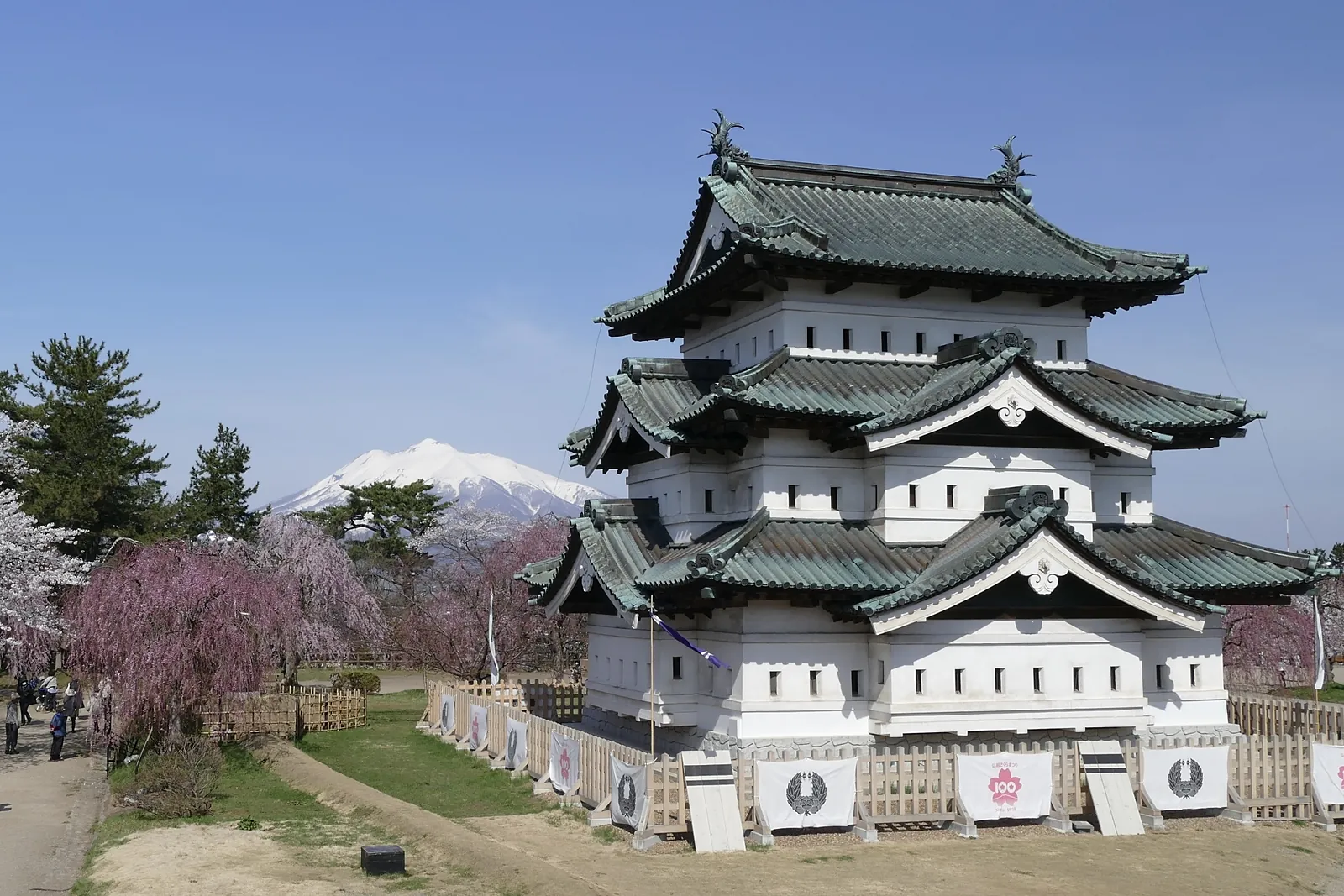
Opening, full bloom and falling petals
Opening is the start
A city’s announced opening date refers to a monitored tree, not every park. A trip planned for that date may find many trees with only a few open flowers.
Full bloom is a stage, not a booking date
Full bloom describes the overall display, not a guarantee of a long viewing window. Different parks and varieties can reach it on different days even within the same city.
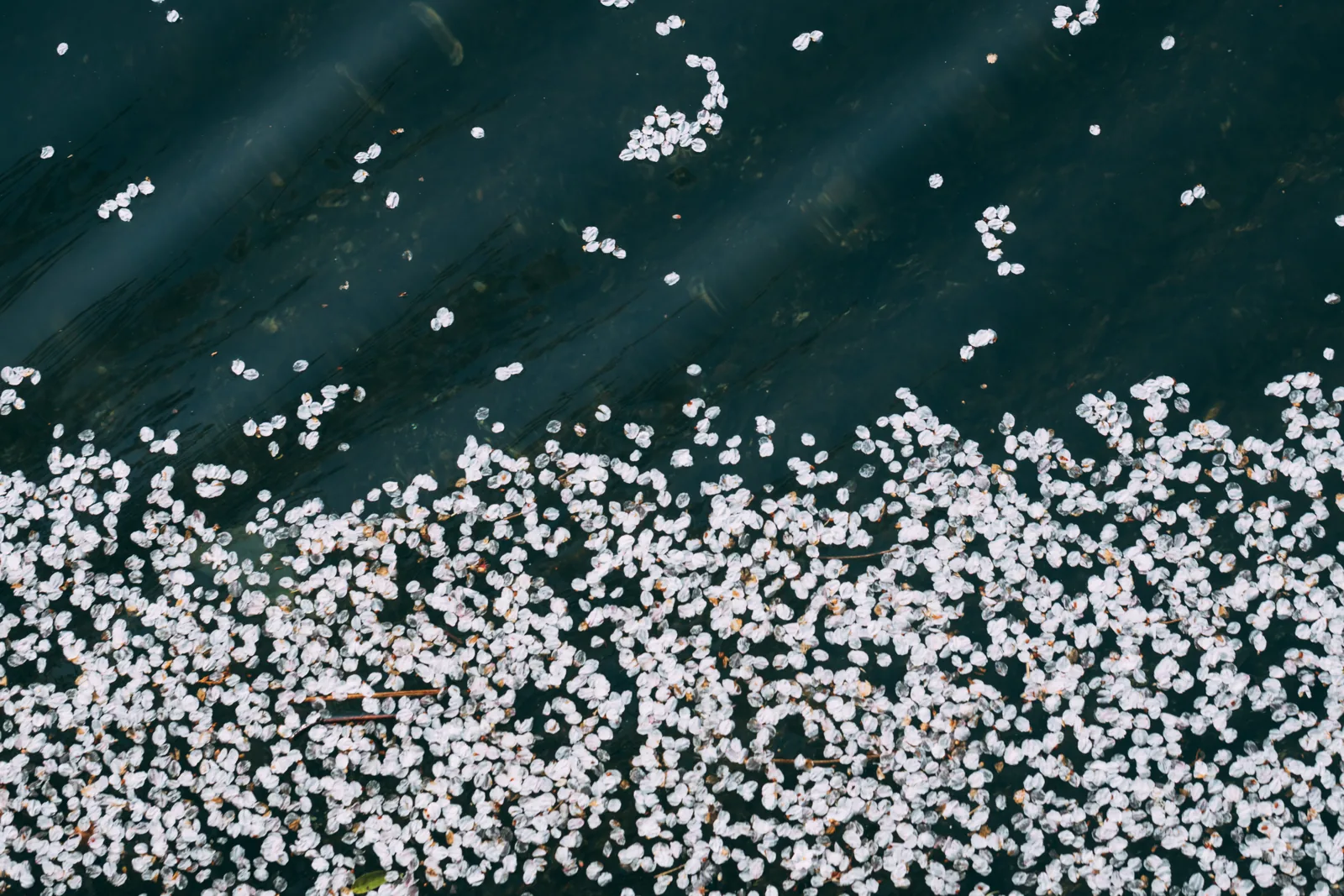
Falling petals can still be worth seeing
Petals on paths and water are part of the season. A report that flowers have begun falling does not necessarily mean the visit is over, but strong wind or rain can change the scene quickly.
Variety changes the calendar
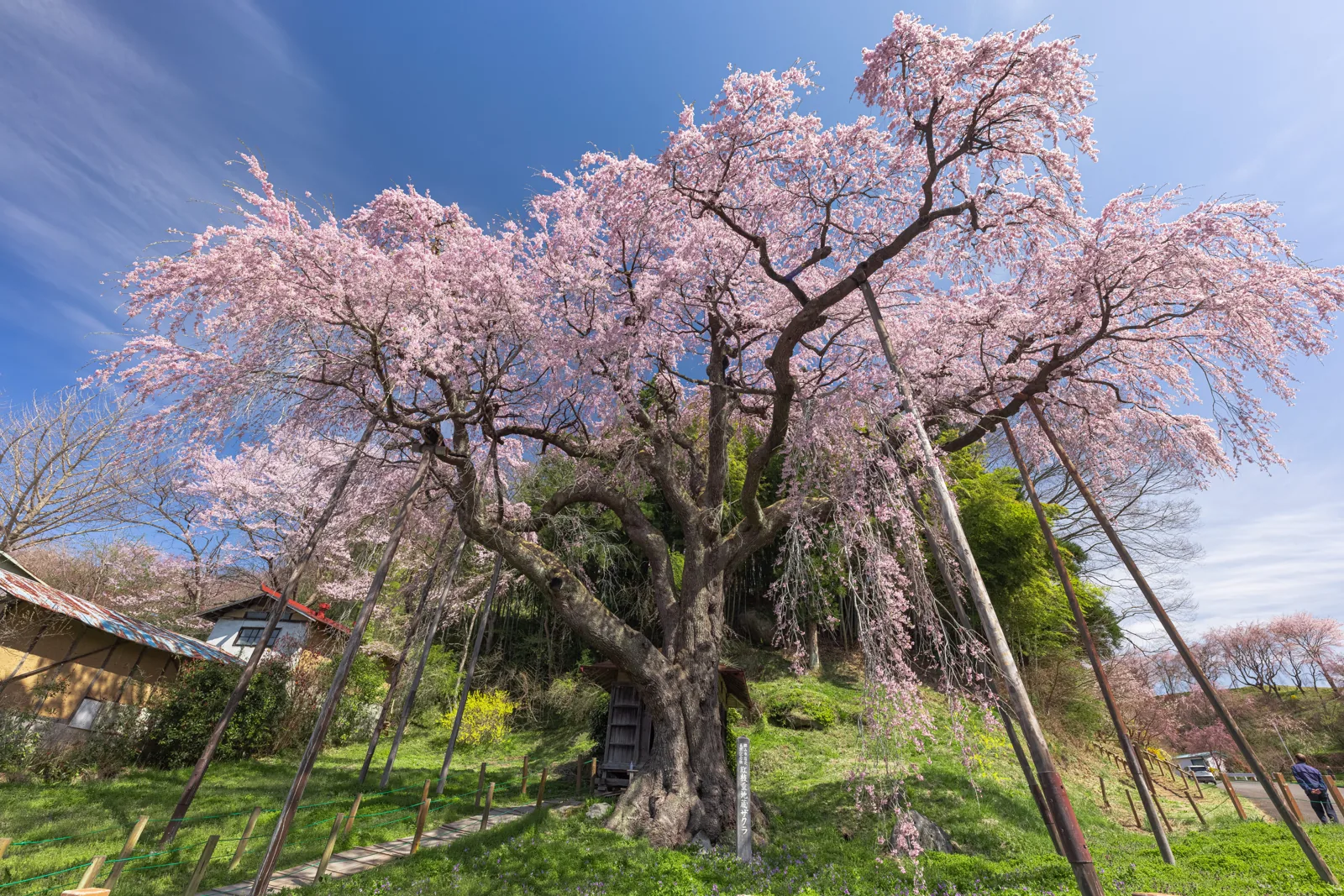
Early flowering cherries, weeping trees and later double flowered varieties do not follow one timetable. Check the named variety or garden report rather than assuming a city forecast covers them all.
Choose your hanami experience
A park picnic
Choose a park that explicitly allows picnicking. Check alcohol, groundsheet and space reservation rules before bringing food. A famous blossom location is not automatically a picnic venue.
A riverside or castle walk
A good choice when you want blossom without carrying a picnic. Narrow paths and bridges can bottleneck, so allow time for a slow walk and take photographs without blocking movement.
A hillside or mountain visit
Trees at different elevations can bloom in stages. Expect slopes, longer transfers and fewer opportunities to change plans once you arrive. Choose the viewing area as carefully as the date.
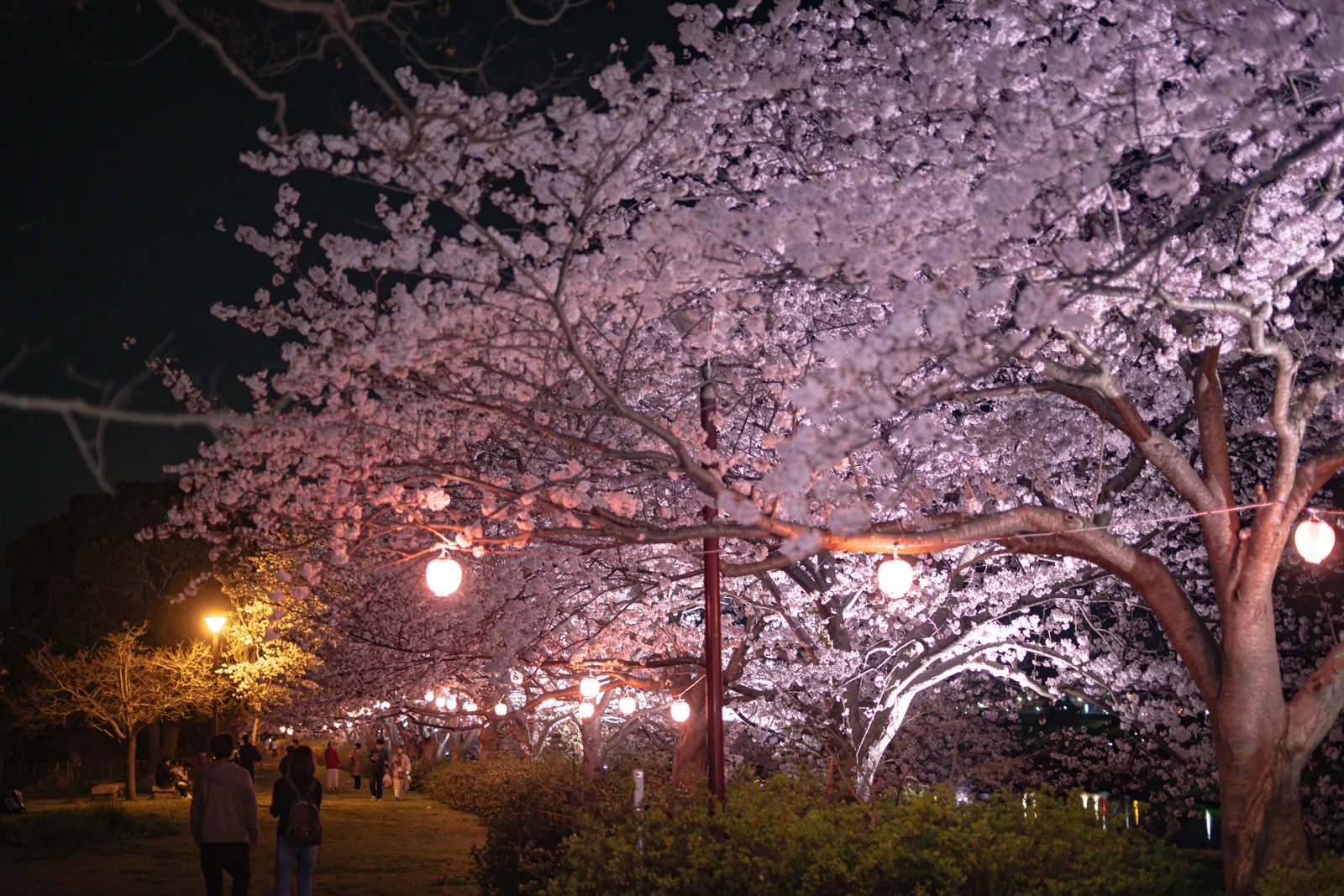
Evening viewing
Yozakura offers a different view of the trees, but illuminations run on an event timetable. Check admission, last entry and the journey home separately from daytime park opening hours.
Places by typical bloom window
Typical windows are planning guides, not forecasts. Open a place for its setting and practical trade offs.
Kawazu, Shizuoka
Useful for a trip before the main Somei Yoshino season. The riverside setting suits a walking visit. Confirm local flowering reports and festival transport arrangements before making a dedicated journey.
Maizuru Park, Fukuoka
Castle grounds give you a mix of trees, open areas and city access. Decide whether you want a daytime walk or a festival visit. Any special evening areas may have separate admission arrangements.
Ueno and the Meguro River, Tokyo
Ueno offers a broad park visit, while Meguro is a linear riverside walk with constrained space. Neither should be treated as reliably quiet at peak. Choose a nearby indoor stop if rain or crowding interrupts the outing.
Philosopher’s Path and Maruyama Park, Kyoto
These are different outings rather than interchangeable photo stops. The canal works as a walk between neighbourhoods. Maruyama combines a park with nearby temples and streets. Build in time for congestion and do not depend on a tight bus connection.
Mount Yoshino, Nara
Lower and upper areas can flower at different times. Use a report for the actual zone you plan to visit, and allow for climbing, transport queues and the return downhill. A single summit style itinerary will not suit everyone.
Kawaguchiko, Yamanashi
Blossom and a clear Mount Fuji view are two separate conditions. Choose a lake walk that remains worthwhile in cloud, and leave flexibility around bus traffic and weather rather than travelling only for one photograph.
Hirosaki, Aomori
Moats, paths and different varieties create several kinds of viewing within the park. Current local reports matter more than an old Golden Week itinerary. Flowering can occur earlier than the dates in older guides.
Kakunodate, Akita
Weeping trees in the samurai district and the riverside display are separate settings. Respect residence boundaries and photograph from public areas. Allow time to see both without treating the neighbourhood as a film set.
Matsumae, Hokkaido
Different varieties extend the overall season, but not every part of the park peaks together. This is a dedicated southern Hokkaido stop with onward transport planning, not a simple addition to a Sapporo afternoon.
Forecasts, crowds and backup plans
Book a base, keep the viewing day flexible
Secure accommodation and essential transport, then choose parks closer to the visit. A few nights in one region gives you more options than a sequence of one night blossom stops that cannot be refunded.
Use a forecast and a local report
A regional forecast helps with broad planning. A recent park update tells you whether the trees you will actually see are opening, full or shedding petals. Check the update date as well as the photograph.
Choose a nearby alternative
If the main variety has finished, look for a garden with later varieties or a cooler nearby area. Check actual conditions first. Travelling north does not automatically solve missed timing.
Separate festivals from flowering
A festival can run before or after the best flowers. Food stalls, lights and ticketed areas follow their own dates and hours, so confirm the experience you want is operating.
Typical dates describe a broad pattern. Weather can move flowering and shorten the best display. Keep activities other than blossom viewing in the itinerary so a timing mismatch does not leave an empty day.
Picnics and photography
Read signs at the entrance before settling down. Some places allow food but not alcohol, ban groundsheet reservations or restrict access to lawns. Keep paths and emergency access clear, use only permitted picnic areas and take rubbish away if bins are unavailable.
Do not pull branches down, shake trees for photographs of falling petals or step over barriers onto roots and planting beds. Keep tripods and bags out of busy walkways, and ask before making other visitors the subject of a photograph.
For an evening visit, bring a warm layer and confirm the final transport connection. An illuminated park can be busier than it is during the day. Darkness is not a reliable way to avoid crowds.
Common questions
Can I enjoy hanami without having a picnic?
Yes. A park, riverbank, garden or castle walk is a complete hanami experience. Sitting beneath the trees is optional.
Does a city opening announcement mean every park is in bloom?
No. It refers to a monitored tree. Conditions elsewhere depend on variety, location and local weather.
Do I need a ticket?
It depends on the site. Public paths may be free, while gardens, castle areas and evening events can charge separately.
Is rain a reason to cancel the whole day?
Not necessarily. Check wind, safety and transport first, then choose a shorter visit or indoor alternative. Light rain and a severe weather warning require different decisions.